


What was the first-ever animated feature?

It doesn’t take an expert to realise that the landscape is brimming with promise when it comes to animated features, and with upcoming releases like Toy Story 5, Goat, and talks of a third Zootopia instalment, it’s clear that the appetite is still very much at its peak.
However, just like most other genres and styles, there’s a lot that goes into ensuring the success of an animated movie, for instance, original ideas are almost always a harder sell than those as part of a reboot or franchise, and for those who do want to give new stories a go, there’s a lot that goes on behind the scenes to make sure that studios will actually want to fund it all.
That said, when it works, it works. After all, most franchises began as original ideas, and if studios were to give up on them altogether, the entire industry would likely falter sooner than later. Franchises sell and have longevity, but only to a point, and without people taking more risks, the churn of profitable projects would eventually start to wane.
Although it’s all a fairly complex game, the upcoming landscape looks pretty promising in this regard. Save for the occasional sequel, most features in the calendar are things that people have never heard of, which provides a fresh balance of content against the other side of the industry, which is currently laser-focused on its streak of live-action remakes of animated classics.
What was the first-ever animated feature?
Despite how fickle things may seem from time to time, it’s also worth remembering that animated features have been going strong for over 100 years. Actually, interest may naturally ebb and flow with the cultural zeitgeist, but there’ll always be a place for animation so long as the stories are actually good, which is what people witnessed way back when, when one person took the plunge and put out the very first animated feature.
Now, there’s a common misconception that the first animated feature was Disney’s 1937 classic Snow White and the Seven Dwarfs, and in many ways, it was, because after all, it was technically the first-ever animated feature to be created in America and the first when it comes to traditional animation, not to mention the first that had a real, lasting cultural impact, sparking a major empire that is still very much alive and well.
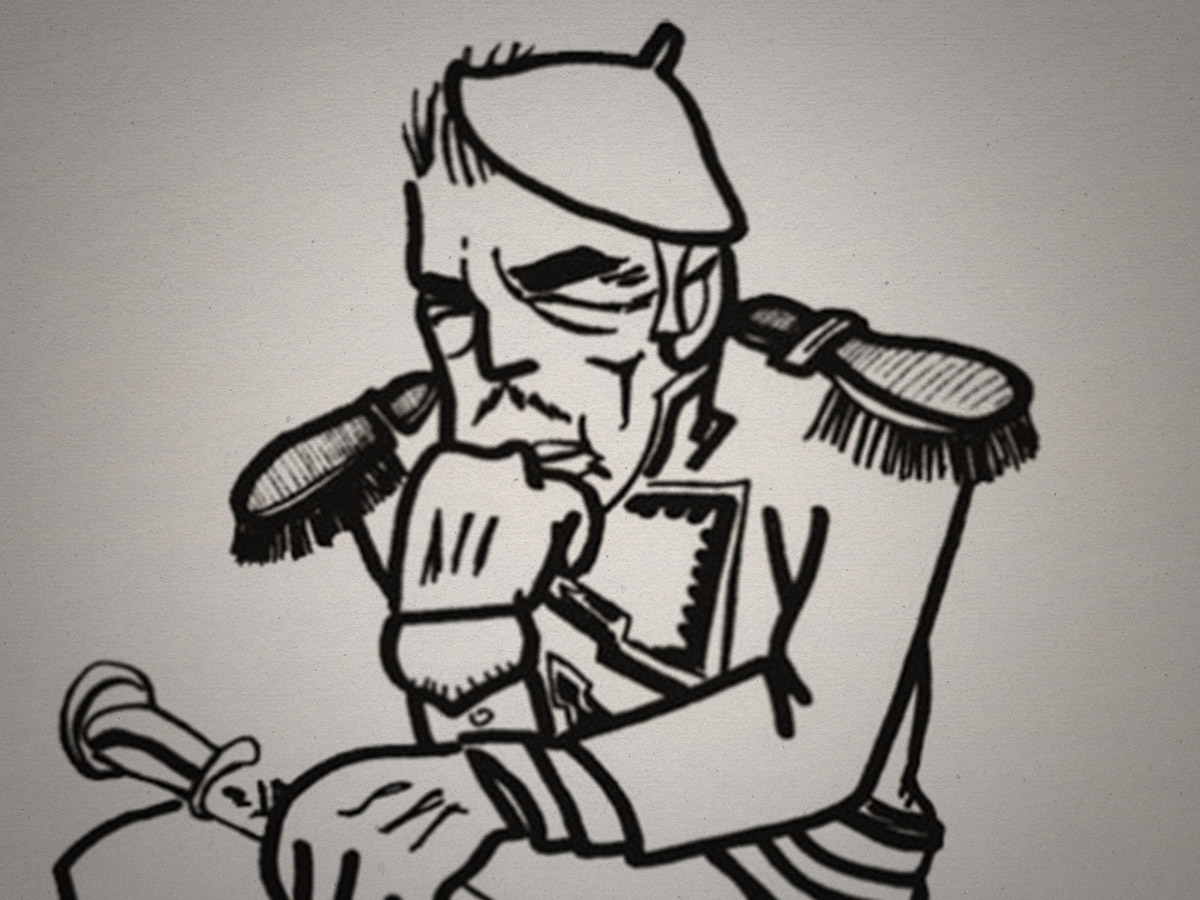
However, that title actually belongs to a movie released in 1917 called El Apóstol by Quirino Cristiani, whose early stint with animation is actually one of history’s lost relics, but those who managed to dig it up discovered everything you’d need to know about why it was successful, including its cultural and political context and Cristiani’s blend of satire and realism.
Based on Argentina’s then-president, Hipólito Yrigoyen, El Apóstol was praised for its visuals as well as the ways it reflected the political landscape, with audiences being particularly drawn to one scene towards the end in which Buenos Aires is destroyed. Cristiani made several animated films during his life, including the second animated film, Sin dejar rastros, but he didn’t get as much credit as those who came after, especially in the US.
By which point, the remit had changed somewhat, focusing instead on character-driven plots and escapism marketed predominantly for kids and younger audiences. After all, El Apóstol might have been playful in places, but it was a far cry from the lighthearted sheen of Snow White or any that came to define the entire animated landscape in the years that followed.
