


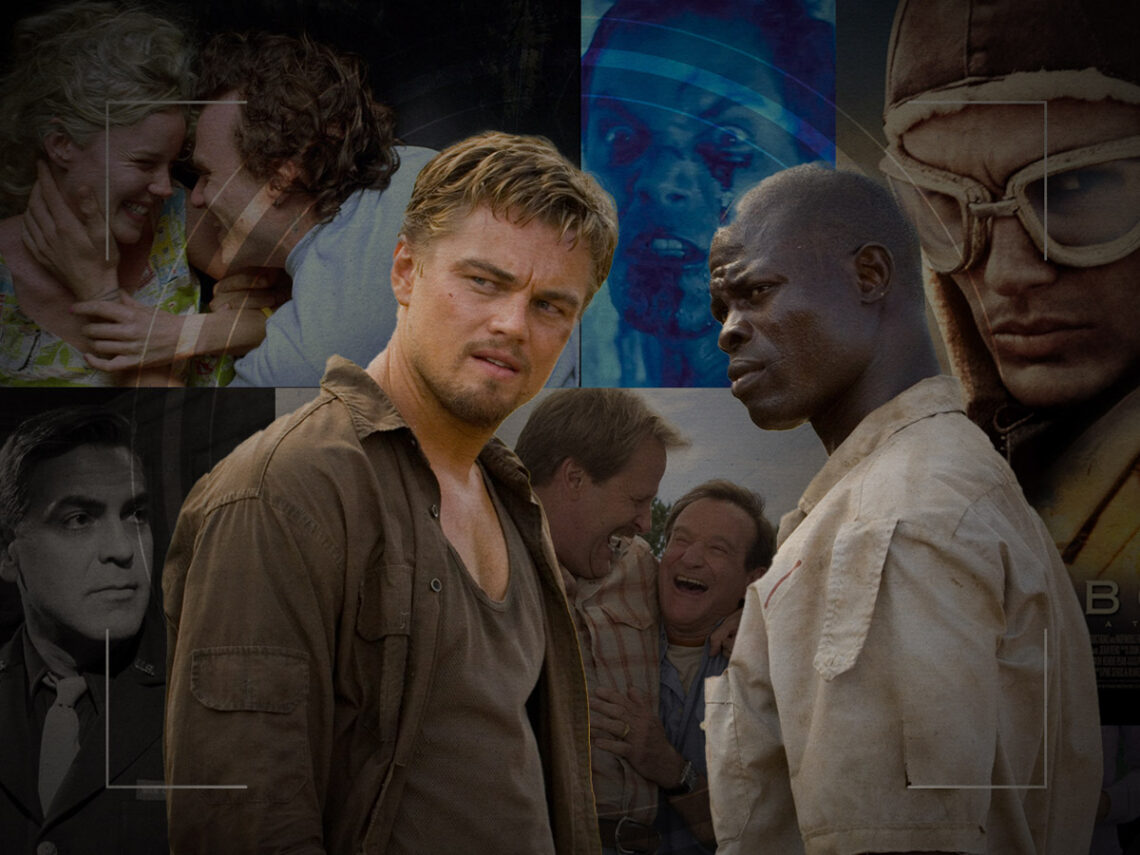
10 movies from 2006 that would never be made today

2006 was a fascinating flashpoint in cinematic history, mirroring how Hollywood would evolve two decades later.
This was the year that The Departed won the Academy Award for ‘Best Picture’, finally earning Martin Scorsese the Oscar that he had deserved for decades, and on the box office side, love it or hate it, Gore Verbinski’s swashbuckling adventure film Pirates of the Caribbean: Dead Man’s Chest became the highest-grossing release of the year, displaying originality and ambition sorely missing from today’s landscape.
At the same time, cracks began to appear in some storied institutions. Although comic book films had been getting bigger with each passing year, 2006 saw two disappointing sequels with 20th Century Fox’s X-Men: The Last Stand and Warner Bros’ Superman Returns, which signified disinterest from the audience. There was a brief instance in which it appeared as if superheroes would disappear, but that changed two years later when the summer of 2008 brought both Iron Man and The Dark Knight.
It was taken for granted that 2006 had a versatile array of films, including comedies, family adventures, animated projects, and down-the-middle dramas, as it seemed like a time with all audiences in mind. It may not be considered an all-time great year like 1994, 1999, or 2007, but it’s shocking to see how many films from 2006 wouldn’t be made in today’s environment; not only did streaming not exist, but there were simply more studios making films because some of the most significant corporate mergers had not yet happened.
10 movies from 2006 impossible to make today:
‘The Good German’ (Steven Soderbergh, 2006)
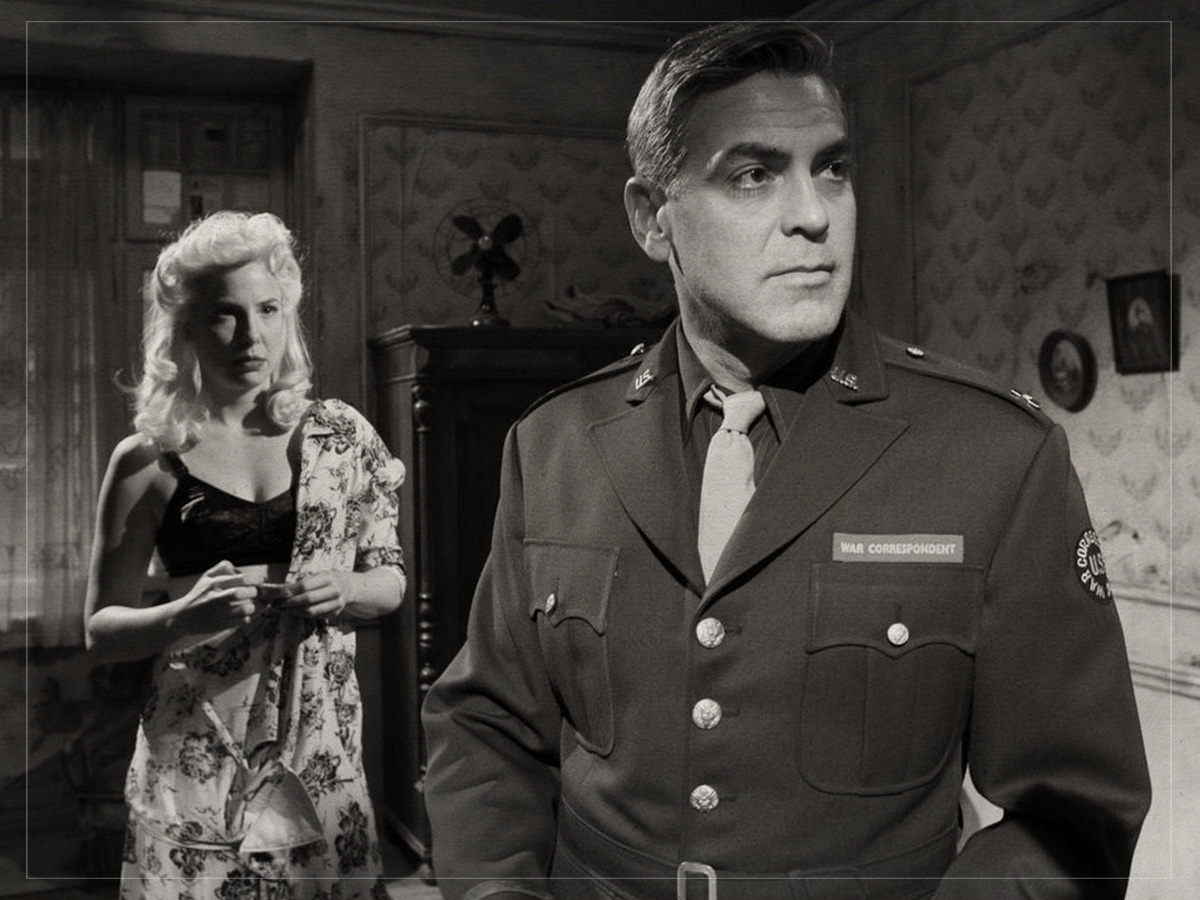
Steven Soderbergh has always been a filmmaker who has thrived on experimenting, and one of his most interesting departures yet is the 1945-set, The Good German, which used actual cameras from the era to tell a black-and-white noir story that alluded to many Old Hollywood classics, such as Casablanca and To Have and Have Not.
Most of Soderbergh’s experimental films have gone to streaming, and even some films that had lower budgets than The Good German (such as last year’s Black Bag) didn’t make their money back, so it’s impossible to imagine that a major studio would take a chance on an artsy, black-and-white film for wide release. Unfortunately, he has seemingly become so frustrated by the muted potential of films like The Good German that he has started adopting AI, which is a tragic fall from grace for a once-beloved director.
‘Letters from Iow Jima’ (Clint Eastwood, 2006)
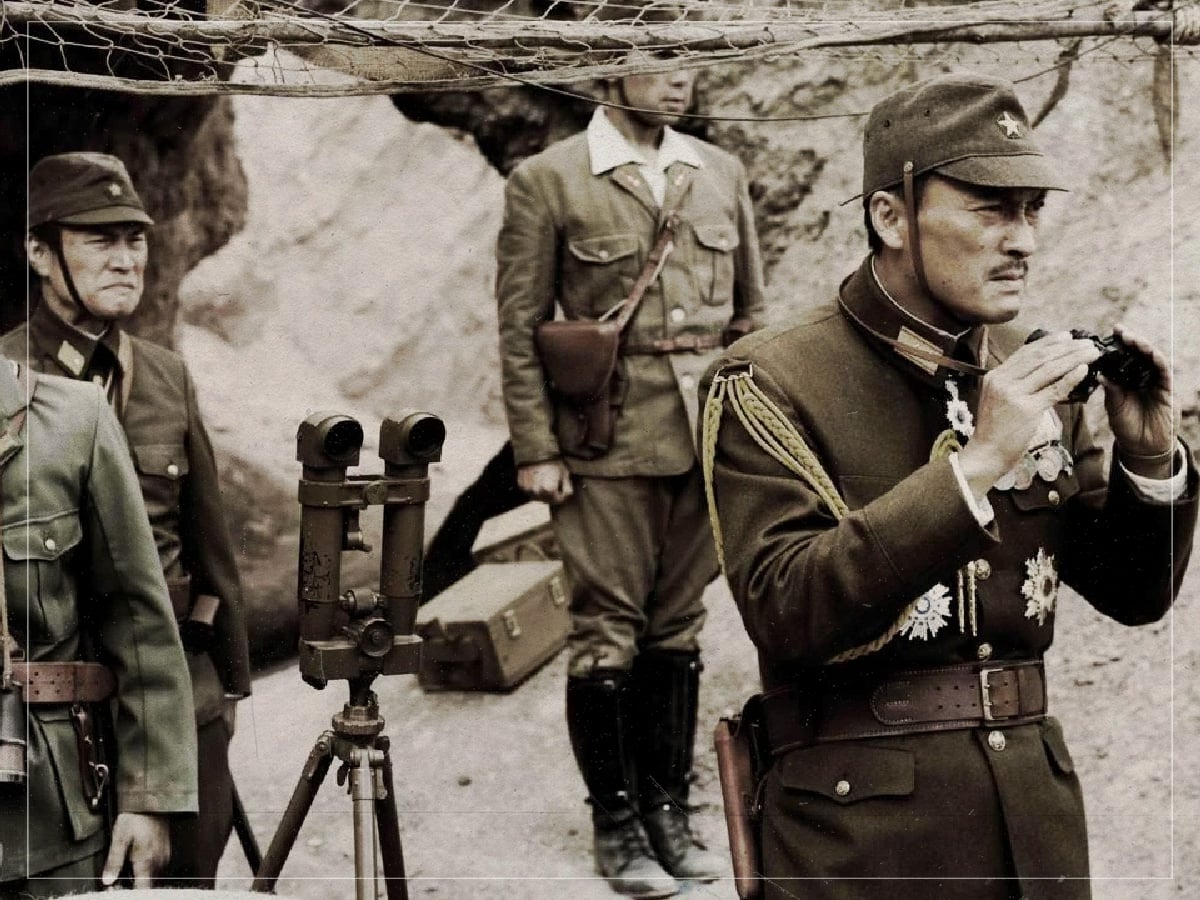
Clint Eastwood has managed to convince studios to finance all sorts of historical dramas, but Letters from Iwo Jima was part of an ambitious two-part project that ranks among his best, where he decided to look at the most pivotal battle in World War II from two different perspectives, each of which occupied a different film: Flags of Our Fathers was told from the American point-of-view, and Letters from Iow Jima was about the Japanese Army.
Studios have been resistant to giving auteurs any degree of control for spectacle-driven films, especially ones as dour as those that Eastwood makes. While giving him the authority to make a two-part experience that didn’t have any franchise potential would be unlikely, it’s even less plausible that Hollywood would make a film that is in any way sympathetic to the Japanese perspective without courting major controversy.
‘RV’ (Barry Sonnenfield, 2006)
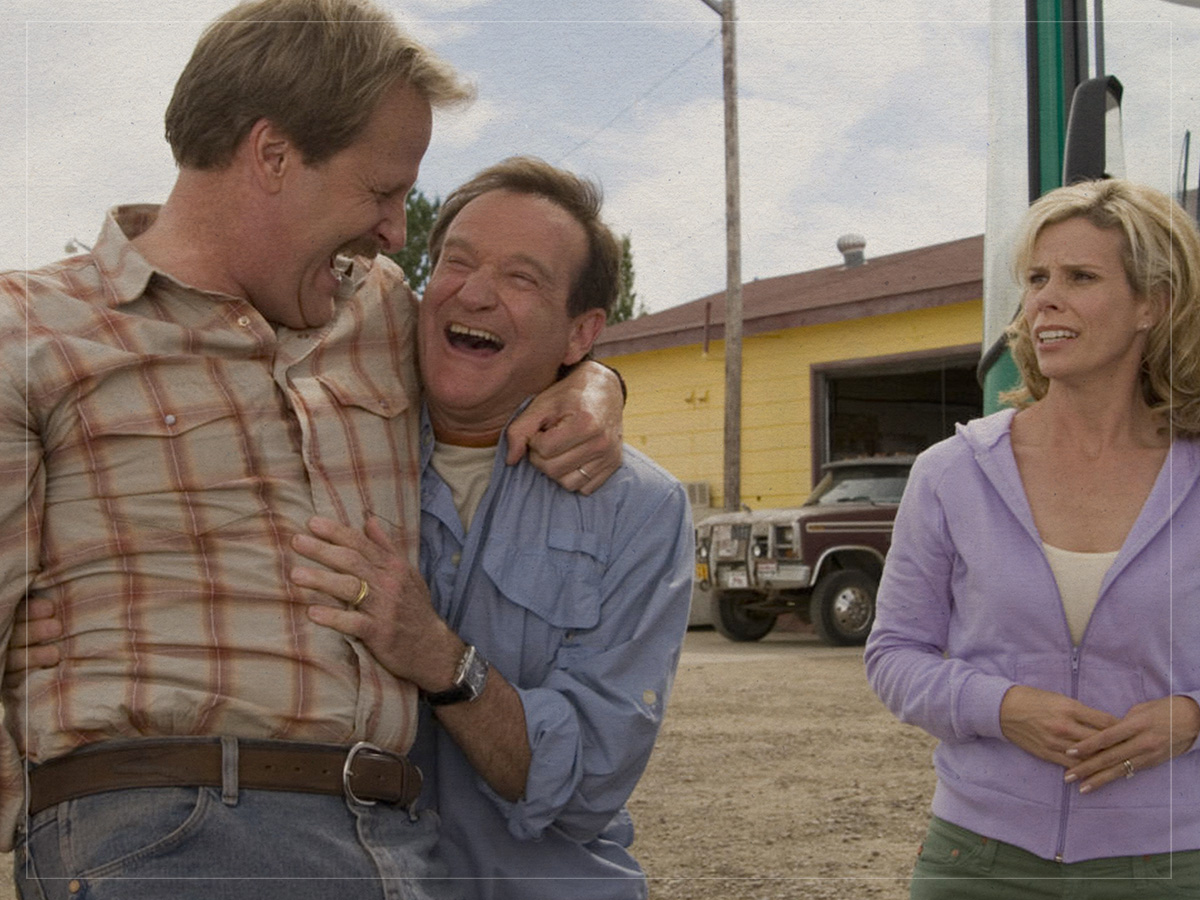
Robin Williams was the type of movie star who kept drawing audiences in, even if he had a fair number of flops and misfires in his filmography. One of the most unusual spaces that Williams operated in was the subgenre of live-action family films. Today, kids will go see animated films, but the live-action films they see tend to be PG-13 blockbusters that are aimed at a general audience, such as the Marvel and Star Wars sequels.
A family-friendly road trip adventure film now feels like the sort that would only appear on Netflix, and it’s hard to imagine anyone but Williams leading it. At the same time, RV is also terrible, and it seems unlikely that studios so selective about what they choose to finance would end up greenlighting a film with a script that was so incoherent.
‘Bug’ (William Friedkin, 2006)
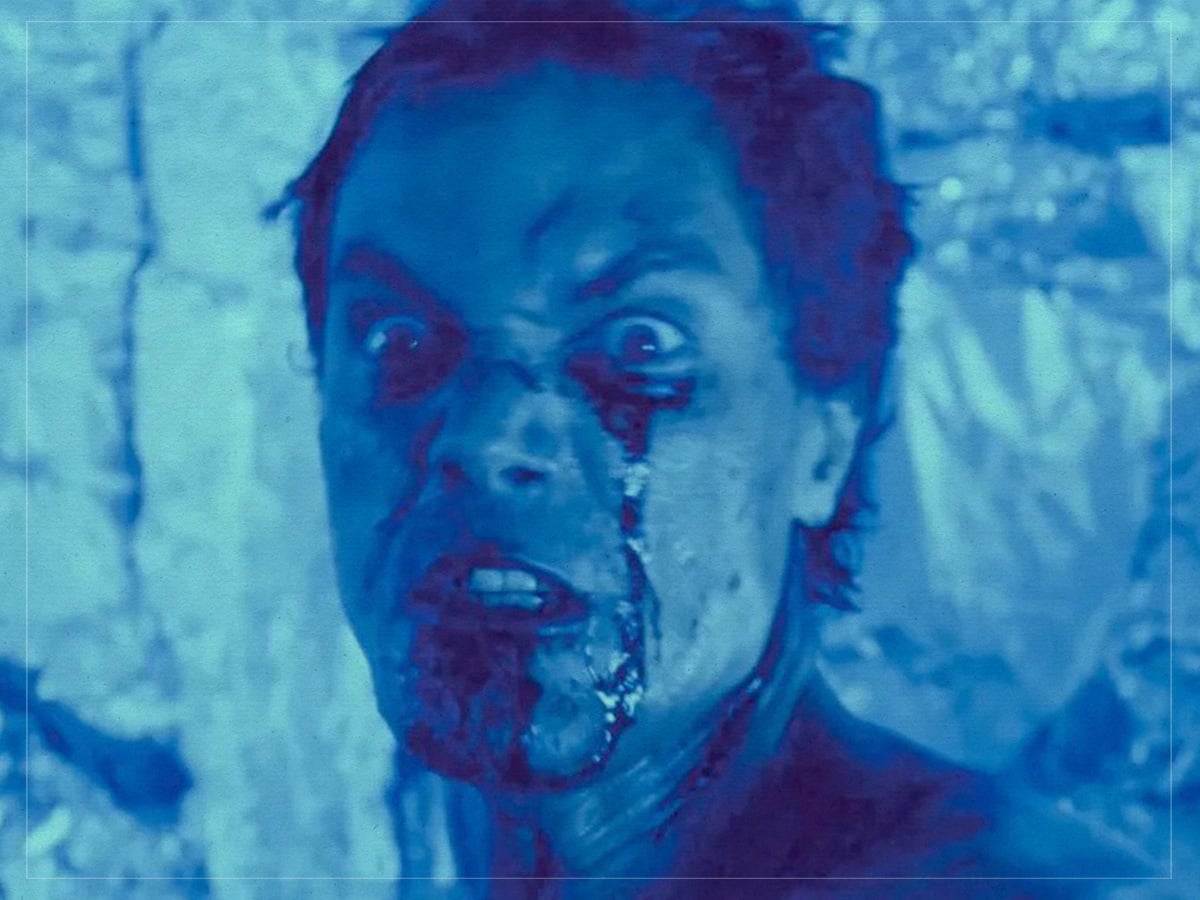
William Friedkin isn’t just one of the most important directors of the New Hollywood era, but a filmmaker who seemed to always find a way to mount a comeback. He has made flops and some films that endangered people’s lives, but he was always able to get his next project made, regardless of how controversial it was.
Bug is a film that touches on many hot-button topics that would spark all sorts of extreme reactions, as it explores addiction, poverty, mental health issues, post-traumatic stress disorders, conspiracies, and sexual violence. Without the backing of an Oscar-winning director, it would have never seen a release because of the fear involved with sparking countless ‘think pieces’. Bug has returned to Broadway as a stage show, as it’s a story that may only work for those who understand what they are signing up for.
‘Lady in the Water’ (M Night Shyamalan, 2006)
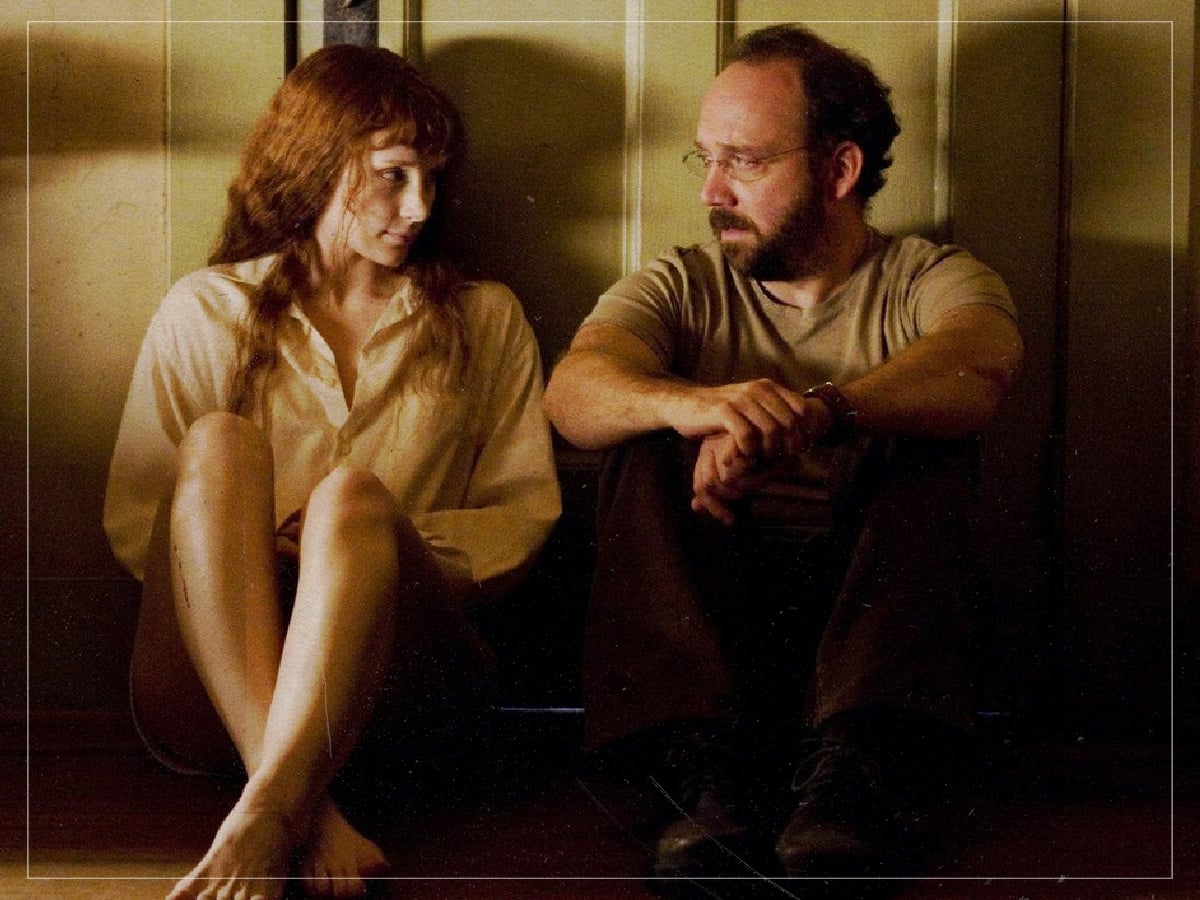
M Night Shyamalan was on a hot streak that ran cold when The Village got slightly mixed reviews, prompting him to exit his deal with Disney to make Lady in the Water at Universal. He had the clout and ego that would get most directors laughed out of the room, and thus, he went on to make one of the most self-indulgent films ever made. Lady in the Water is ostensibly a fairy tale, but one told from the perspective of a lonely hotel manager, where Shyamalan himself plays a brilliant writer.
The film was destroyed by critics, but the pitch is so strange that it would be hard to imagine it doing well even if it had been a masterpiece. Shyamalan’s recent films have been less austere, however, as his latest work on Old, Knock at the Cabin, and Trap all have fairly broad genre components that make them appeal to a wider audience.
‘Inland Empire’ (David Lynch, 2006)

David Lynch is a singular mind who will never be replicated, making films that were bizarre and thought-provoking, as he turned away from every conventional piece of advice to make cinematic odysseys that sparked all sorts of interpretations. While it’s hard to select just one film as the ‘weirdest’ of his entire career, Inland Empire feels like it was begging casual audiences to rebel against it; it’s over three hours long, shot on low-quality video, and features a confusing story involving actors that move in and out of reality.
It’s a film that has been reclaimed as a masterpiece by those who love Lynch, but even he struggled to find financing for other projects after the release. Even with the success of Twin Peaks: The Return, Lynch was unable to gain funding for a project he was working on up until his death.
‘Flyboys’ (Tony Bill, 2006)

James Franco may now have faded into obscurity after a series of scandals, but there was a time when he was a big enough name to justify a $60million World War II adventure film. However, what’s more interesting is that Flyboys was financed by Larry Elliosn, whose son (and future owner of Skydance/Paramount) David was also an actor in the film. This Ellison family passion project earned justifiable criticism, based on the fact that there was no historical accuracy or comprehension of flying mechanics.
When compared to the death-defying flying in Top Gun: Maverick or the extreme research put into the historical accuracy of Dunkirk, there’s no way that a disaster like Flyboys would be produced and released, especially if it was seen as an embarrassment to one of the richest families in Hollywood.
‘Fast Food Nation’ (Richard Linklater, 2006)
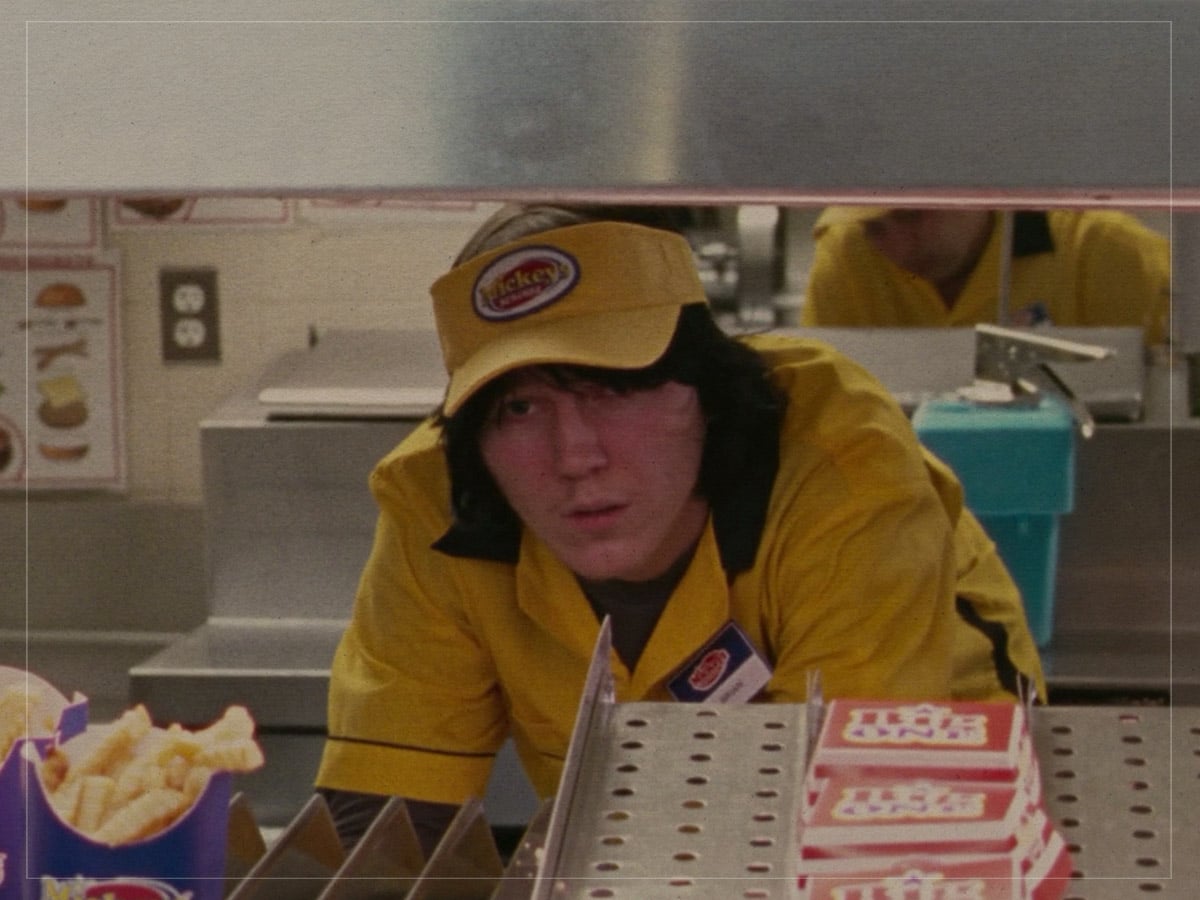
Richard Linklater has not stopped making great films, but his work tends to be focused on characters and their relationship with art, and not explicitly political issues. He made two very politically motivated films in 2006, with A Scanner Darkly, an animated science fiction film about the consequences of the War on Drugs, and Fast Food Nation, a damning ensemble drama that explored the horrific processes involved in the meatpacking industry.
Fast Food Nation wasn’t viable as a commercial genre venture like A Scanner Darkly, but it also forced audiences to draw their own conclusions about who is responsible. Hollywood has grown more trepidatious about releasing films that could be seen as critical of any potential product partners, and it’s unlikely that a studio would release something that raises disturbing questions about fast food employment and the health concerns involved.
‘Blood Diamond’ (Edward Zwick, 2006)
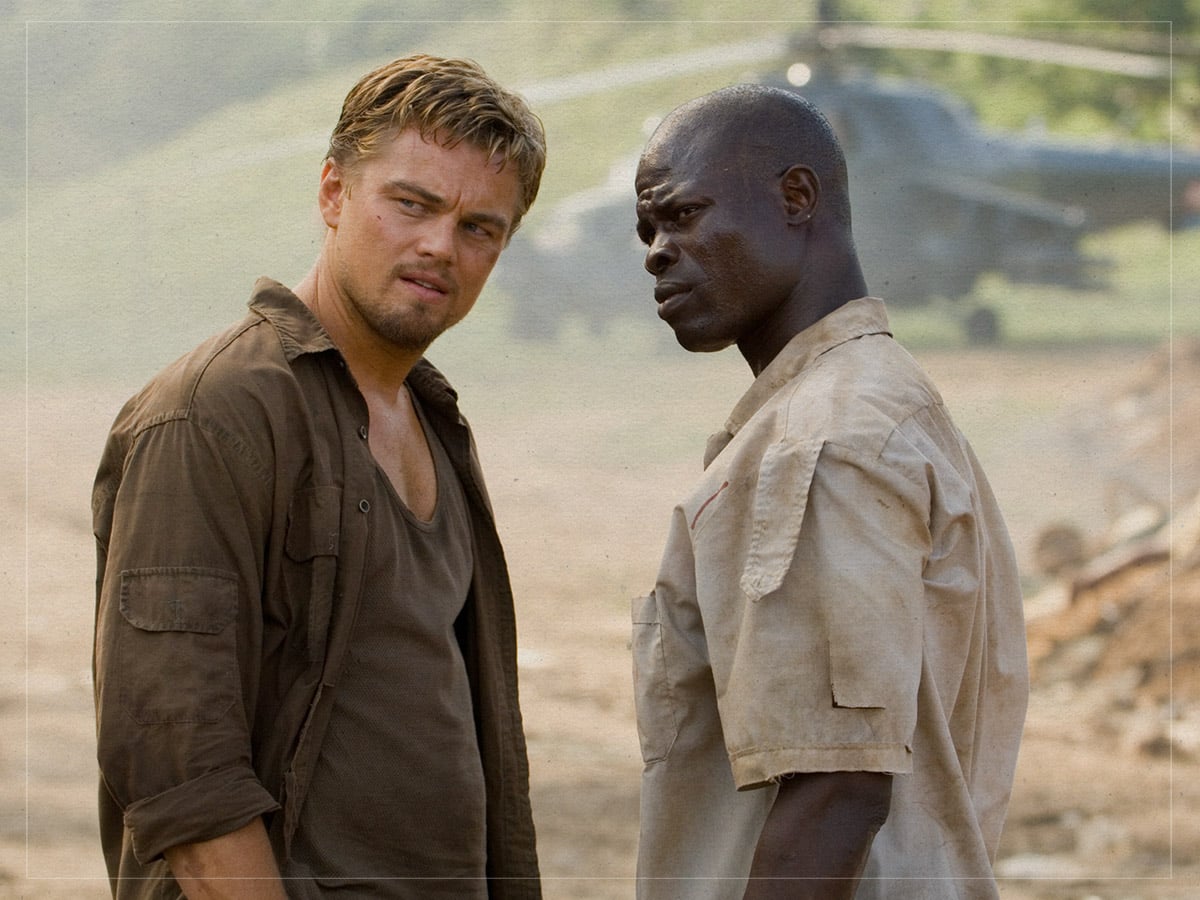
Leonardo DiCaprio proved himself as the actor of a generation in 2006 when he starred in The Departed, but he ended up receiving an Academy Award nomination for ‘Best Actor’ for Blood Diamond, where he starred as a South African mercenary hired by a local fisherman, whose son has been kidnapped by diamond smugglers. The film was oddly marketed as a mainstream action fest, despite the fact that it dealt with controversial topics related to Sierra Leone, the illegal blood diamond trade, and its civil war.
Even with Hollywood becoming less political out of fear of alienating any segment of the audience, Blood Diamond would never be made in its current iteration with a white director and white star attached, as the controversy would likely bury the film’s release with unfortunate press, and it certainly wouldn’t have become an award season contender.
‘Candy’ (Neil Armfield, 2006)
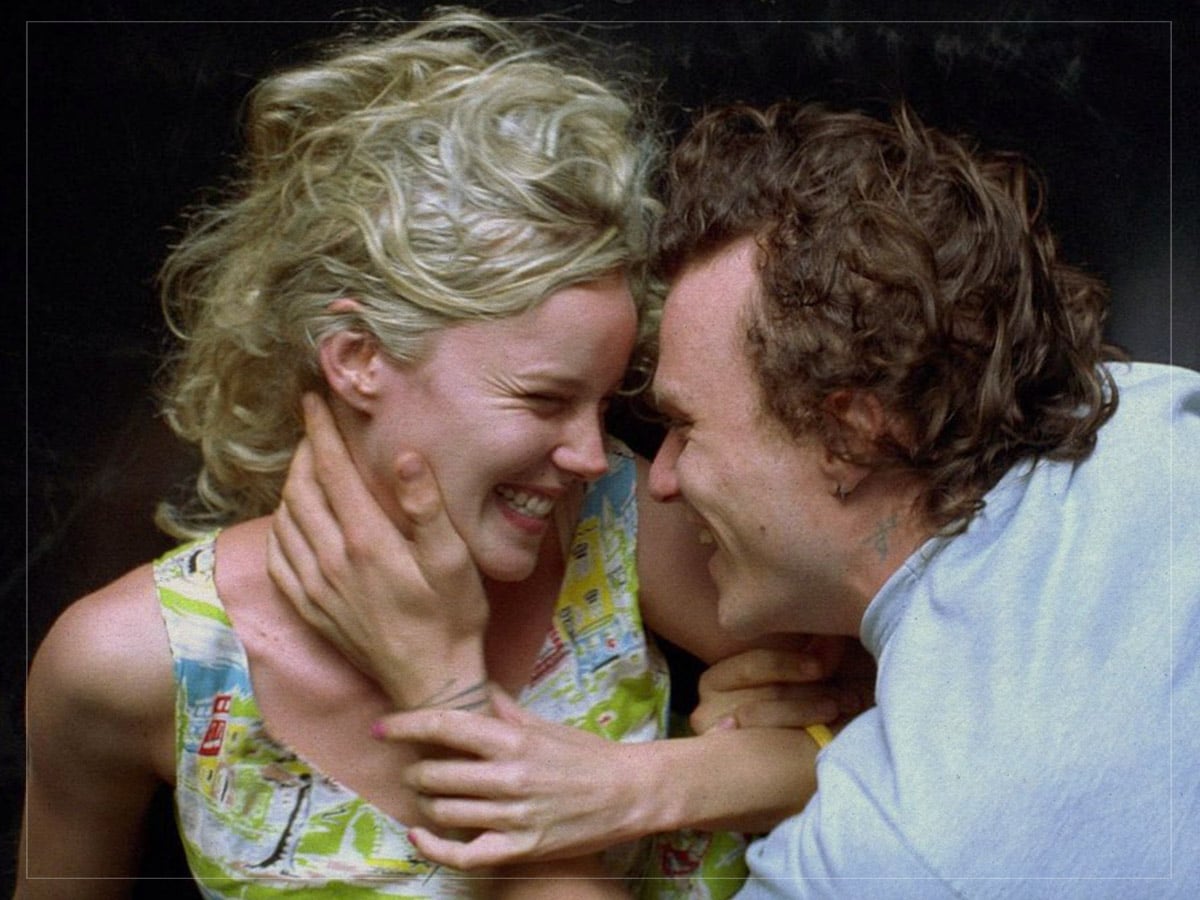
Heath Ledger was a unique actor because he rejected traditional leading man roles in favour of unconventional parts that allowed him to test his abilities as a star. While drug addiction is an issue that comes up in films quite often, it’s rarely depicted with the frankness of Candy, which Ledger starred in alongside Abbie Cornish. The film was not based on a true story, nor was it pushed as a major awards contender, but was simply a well-executed work of dramatic storytelling that highlighted the importance of listening to addicts and how the cycle of drug abuse is not one that can be easily cracked.
There haven’t been many films since that have tackled the subject material without some sort of exterior hook, where even Beautiful Boy, which starred Steve Carell and Timothée Chalamet, was more appealing because it was based on the true story of a father and son.

Never Miss A Tale
The Far Out Clint Eastwood Newsletter
All the latest stories about Clint Eastwood from the independent voice of culture.
Straight to your inbox.