


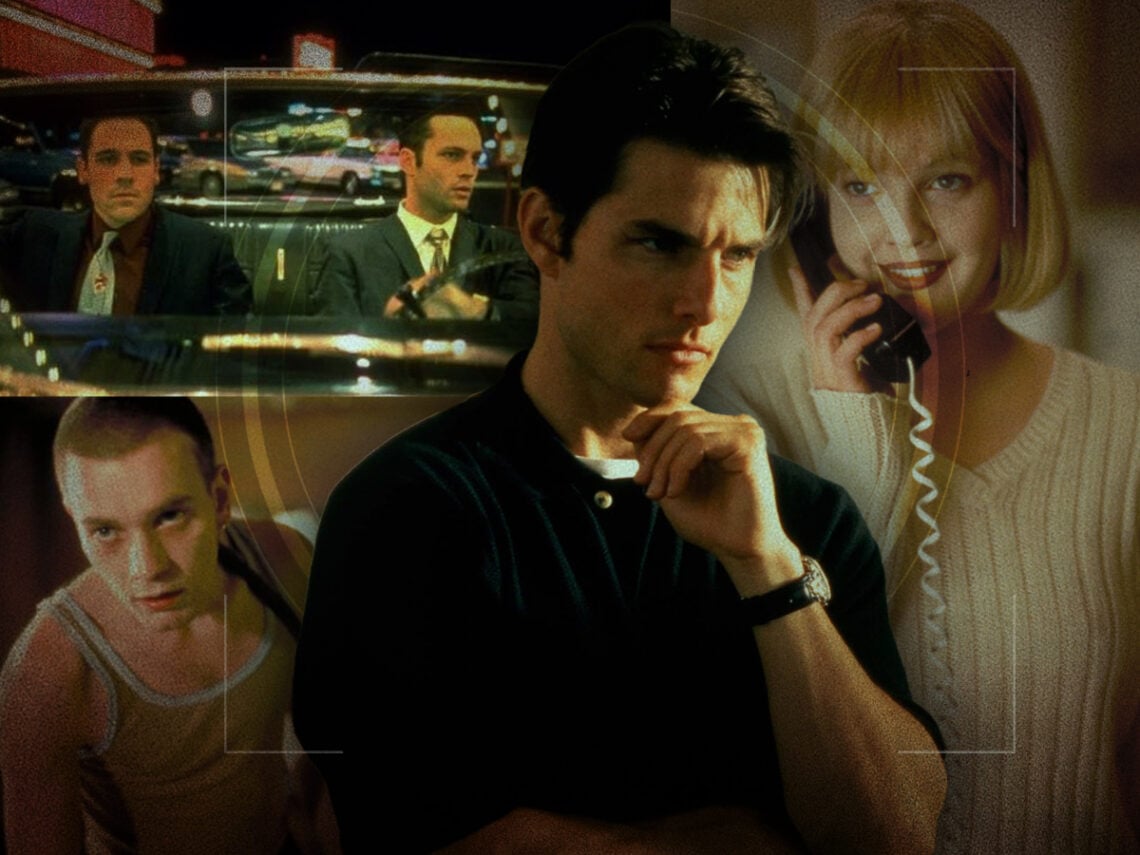
The 10 defining movie moments of 1996

1996 was a monumental year for film history, filled with excellent titles, and one that showed the best of what the industry could be when firing on all cylinders.
It was a year in which there were breakthroughs with different mediums, which saw varying degrees of success. The popularity of British cinema in the United States saw Secrets & Lies being a crossover hit that exposed American cinephiles to the brilliance of Mike Leigh, and the blockbuster debut of The Birdcage proved that there was an audience interested in seeing a positive portrayal of LGBTQIA+ characters.
It was also when many promising filmmakers made their debut; Wes Anderson came out of the gate swinging with his comedic heist thriller Bottle Rocket, the Wachowskis delivered a modern neo-noir with Bound, and Paul Thomas Anderson proved himself as the filmmaker of a generation with his brilliant first feature, Hard Eight. It’s remarkable that even the more disappointing films of 1996 still feel much more well-defined and original than those of today, and that there are a number of accomplishments that have been revitalised as cult classics in the years since.
The French satire Irma Vep got more popular when it was revamped as a television show for HBO, The Daytrippers started an interesting career for Greg Mottola, and Trees Lounge was a breakthrough for Steve Buscemi as a writer and director. Nonetheless, the most famous films of 1996 were popular for a reason, and there’s no doubt that they have stood the test of time.
The 10 defining movie moments of 1996
The “Choose life” speech – ‘Trainspotting’ (Danny Boyle)
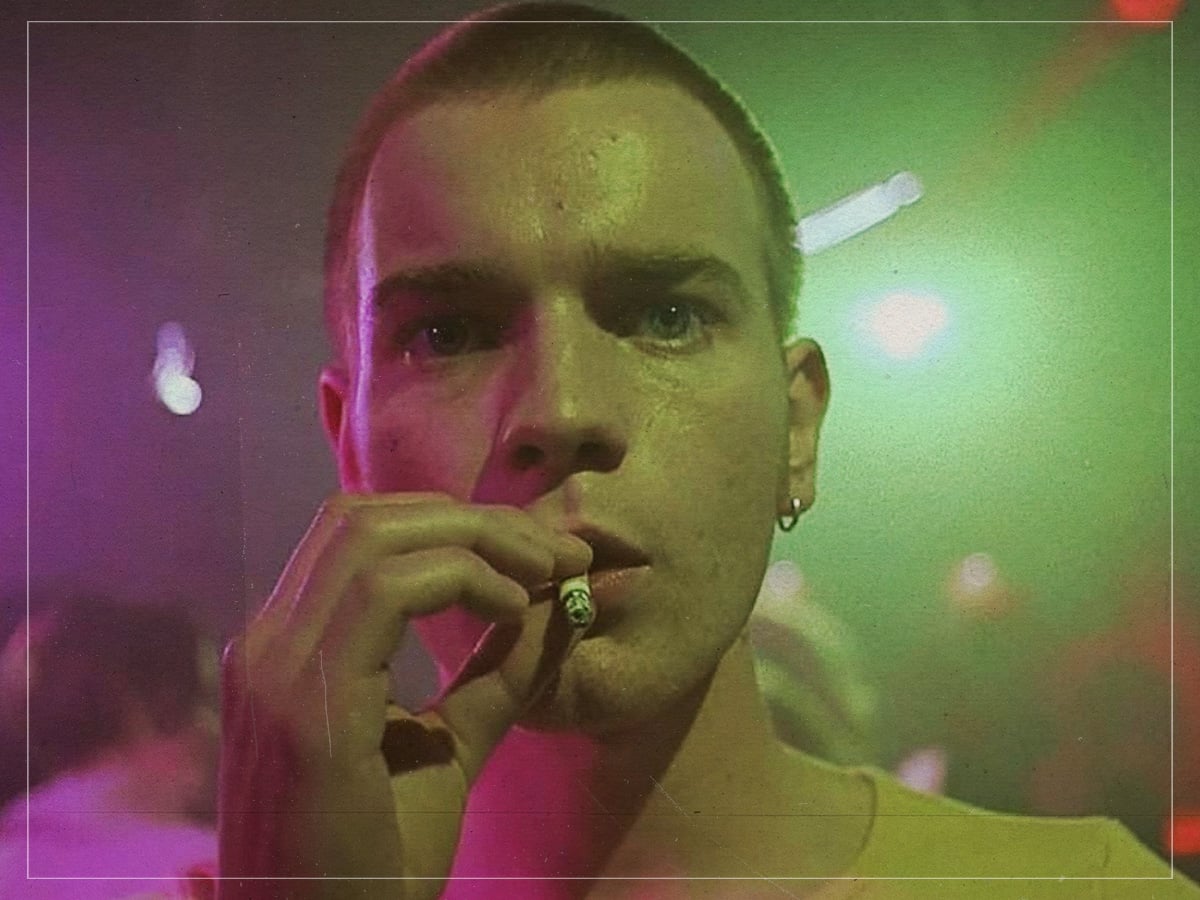
Trainspotting was groundbreaking in many ways, as the hyperkinetic editing style, use of Scottish slang, dark comedy, and graphic exploration of both drug content and addiction made it one of the most illuminating films of the decade. However, it was marketed and best remembered for an iconic speech by Ewan McGregor’s Renton in which he lampoons the “Choose Life” anti-drug PSA pushed out by the Ronald Reagan administration, leading to a rant about capitalism, consumerism, and all the anxieties that had been bottled up by Gen X.
It was a powerful moment that showed youthful aggression at its most primal, and became one of the moments that Trainspotting would be best remembered for. McGregor even delivered a modified version of the speech in the underrated sequel T2: Trainspotting, which featured an older version of Renton reminiscing about the philosophies he had in the past.
Marge meets Mike Yanagita – ‘Fargo’ (Joel and Ethan Coen)
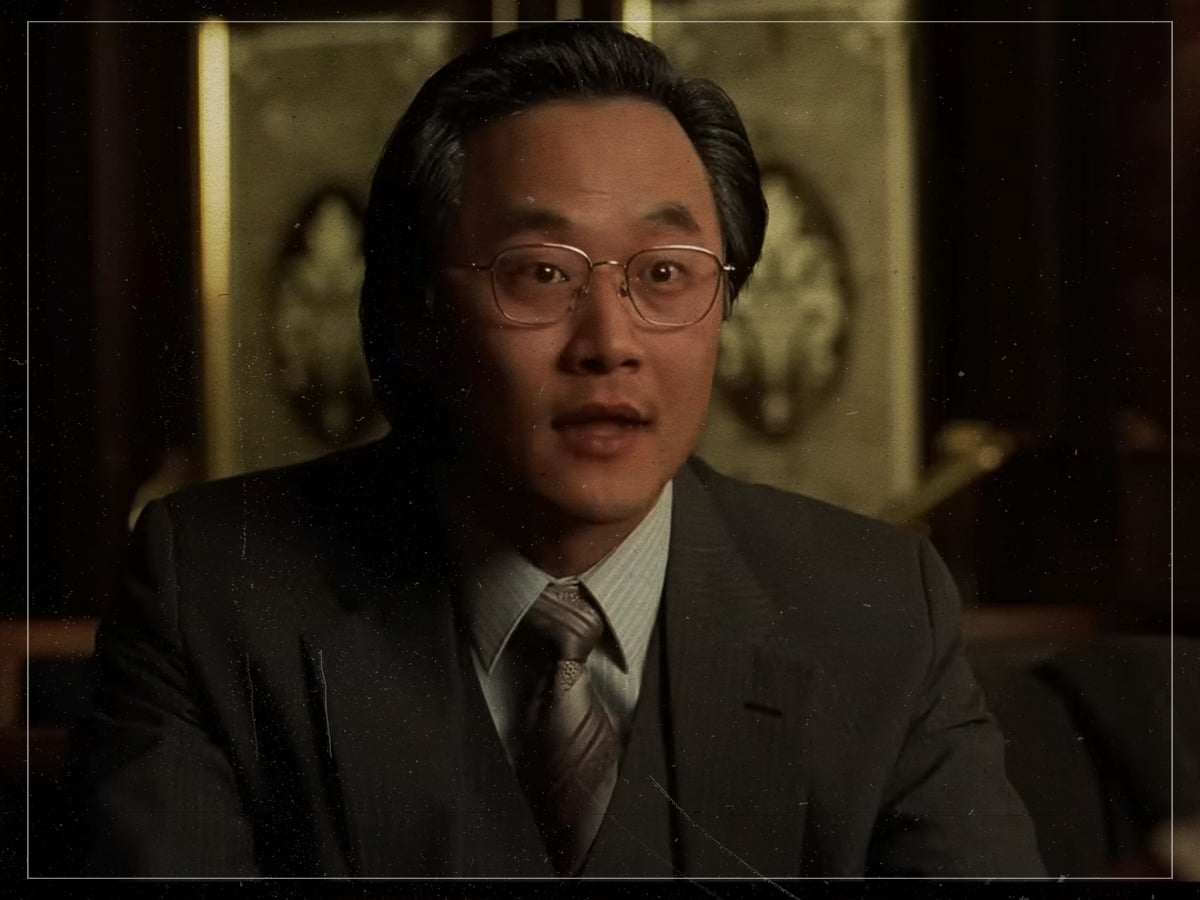
The Coen brothers were already legends by 1996, given that Barton Fink had won the Palme d’Or and Raising Arizona was one of the most acclaimed ‘80s comedies, but Fargo struck an odd tone that unlocked their genius in the eyes of many of their doubters.
The film was simultaneously hilarious, sad, moving, and entirely truthful about modern life, as the brothers showed a tremendous amount of empathy for all of their characters, and one of the most understated moments is when Frances McDormand’s Police Chief Marge Gunderson shares a meal with her high school classmate Mike Yanagita, played by Steve Park, who slowly reveals that he is in love with her and is dealing with severe depression. It’s a scene that begins as awkward comedy before becoming a deeply harrowing depiction of repressed feelings and unbridled emotion.
The twist – ‘Primal Fear’ (Gregory Hoblit)
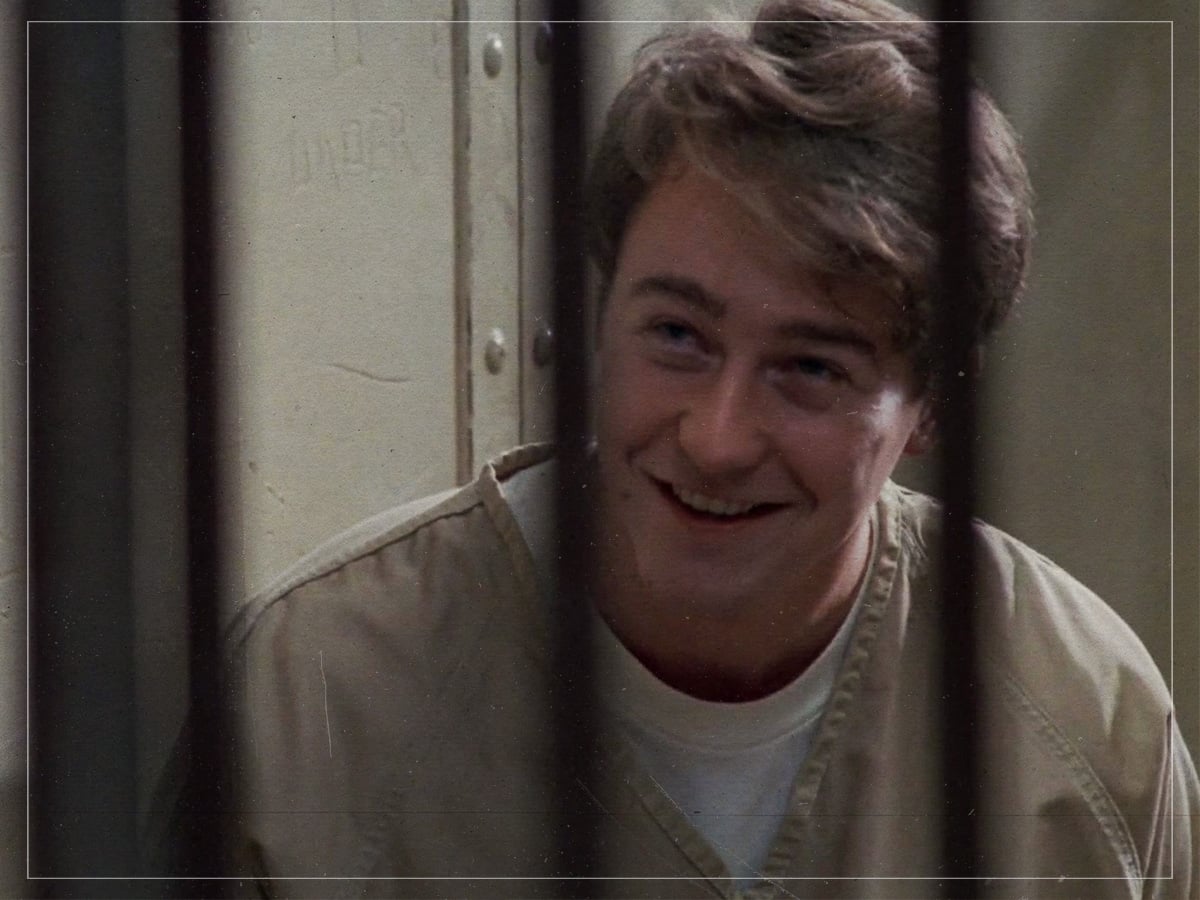
Edward Norton had a remarkable year in 1996, with a major role in the Oscar-nominated drama The People vs Larry Flynt and a showcase performance in the Woody Allen musical Everyone Says I Love You, but he became an instant sensation for his performance in the psychological legal thriller Primal Fear.
The role of an altar boy accused of murdering a priest goes in an unexpected direction when it’s revealed that he has a double personality disorder, which is complicated once more thanks to another twist in the final scene. Primal Fear was among the first major ‘twist movies’ that got audiences hyped to see it on opening weekend so that they would not be spoiled, similar to The Crying Game, The Shawshank Redemption, The Sixth Sense, and Fight Club, another star vehicle for Norton involving a shocking identity revelation.
“You complete me” – ‘Jerry Maguire’ (Cameron Crowe)
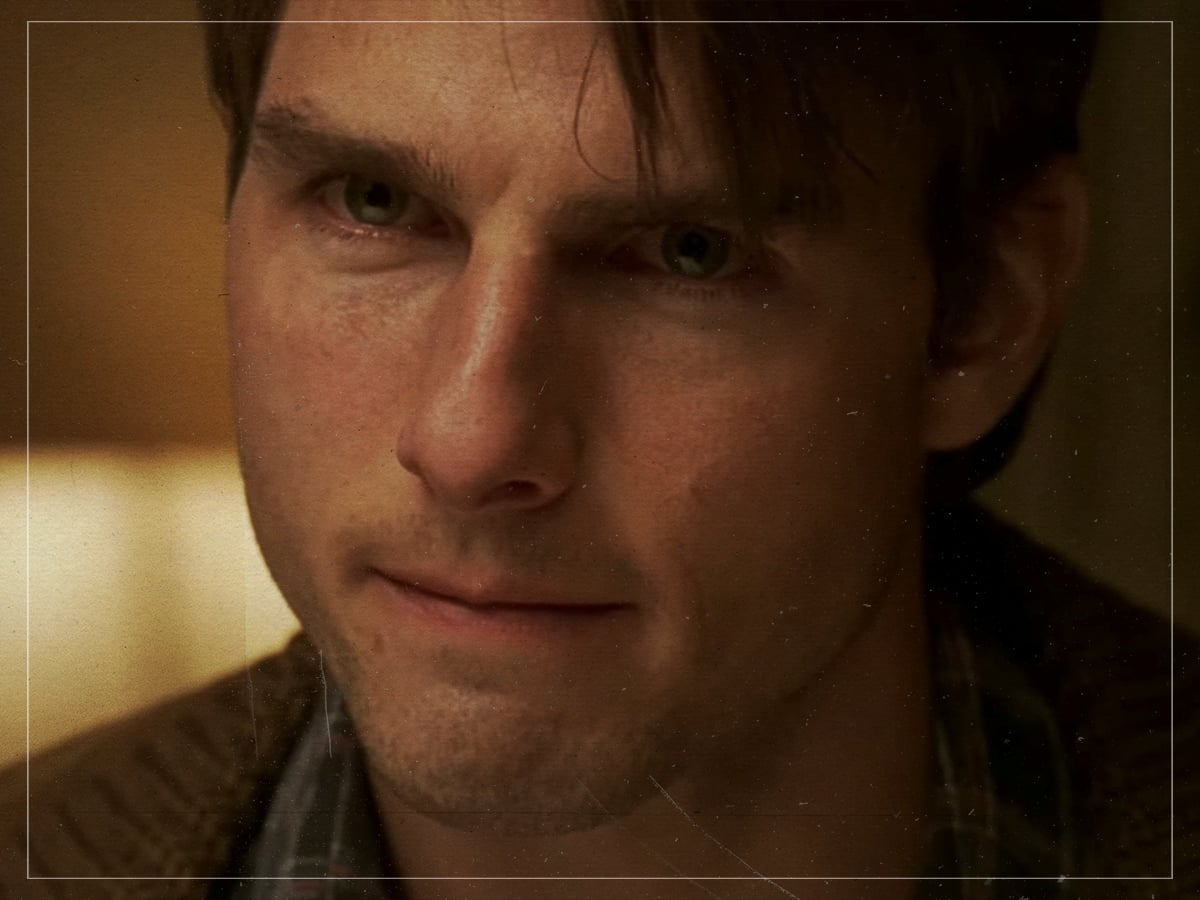
Cameron Crowe has a style of very direct, sincere storytelling relating to the human condition that can occasionally be too earnest, but can also feel like pure magic when calculated at the right frequency. Jerry Maguire is one of the films that he pulled off brilliantly; it’s a true star vehicle for Tom Cruise, who was able to be funny, romantic, silly, and surprisingly vulnerable in the rare romantic comedy that became a total blockbuster.
While the now-iconic scene where he says “you complete me” to Renee Zellweger has been lampooned countless times, it’s hard to overstate how perfectly Cruise nailed his performance in order to make it work. It’s become such a singular moment, representative of an entire movement in cinema, that even those who have never seen Jerry Maguire can complete the line with “you had me at hello”.
The opening scene – ‘Scream’ (Wes Craven)

Scream was Wes Craven’s response to what he saw as the demystification of the slasher genre that he had helped to popularise with A Nightmare on Elm Street. Although his meta sequel New Nightmare didn’t succeed at the box office, Craven used Scream to project his frustrations with the franchise inspired by his classic, as well as all the other rip-offs.
The notion of acknowledging the existence of other horror films within the opening scene was a novel way for Scream to distinguish itself, as it showed the audience that it was smarter than the tropes that they thought they knew. It was also remarkable to take the film’s biggest star, Drew Barrymore, and kill her off in the opening scene, despite her prominence in the marketing, proving that in the Scream franchise, no one is guaranteed to be safe.
The president’s speech – ‘Independence Day’ (Roland Emmerich)
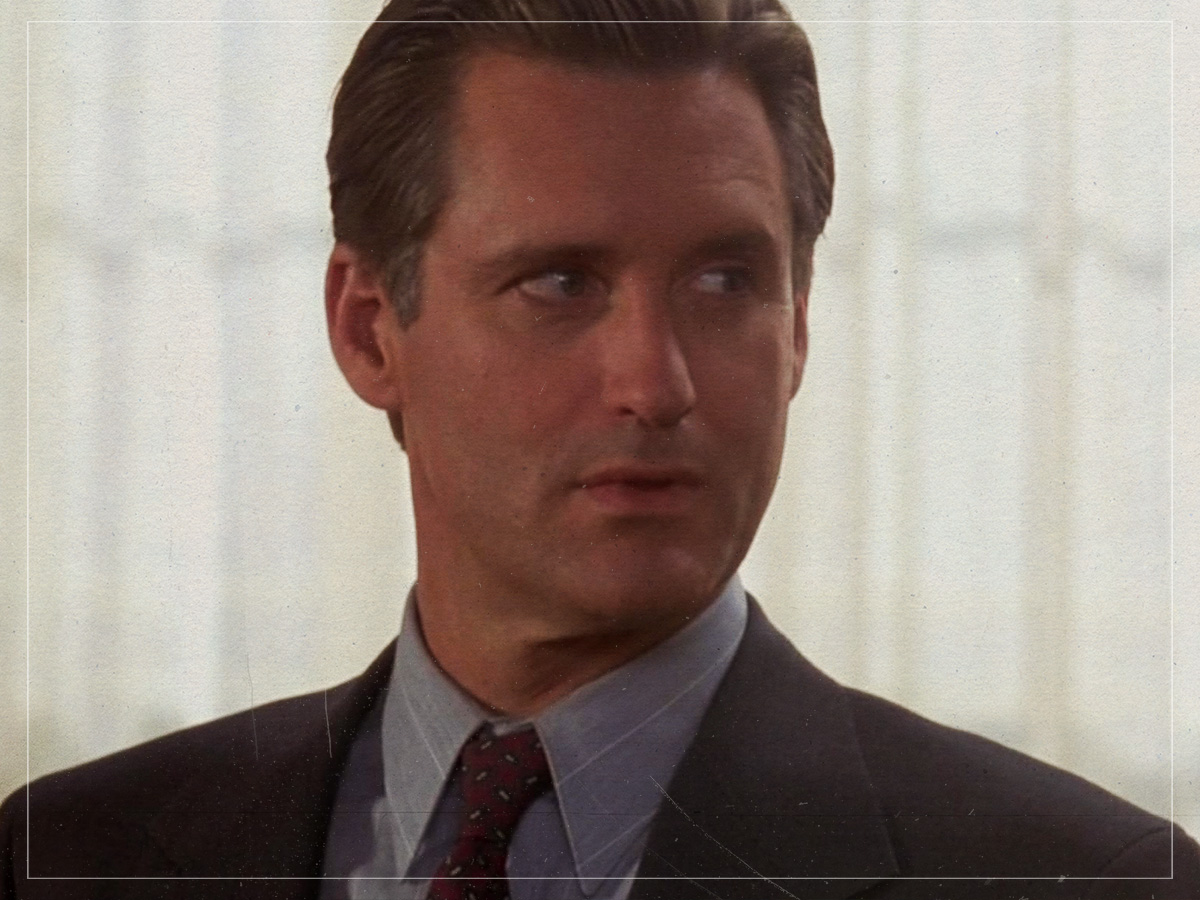
Independence Day was the highest-grossing film of 1996 and was only behind Jurassic Park at the global charts upon its debut. It nailed every trademark of what summer popcorn entertainment should look like, but its most iconic moment didn’t involve Jeff Goldblum or Will Smith, who were arguably the biggest stars. Bill Pullman’s performance as United States President Thomas Whitmore builds up to his rousing speech on behalf of humanity before the climactic battle with the aliens. It’s one of the most imminently quotable scenes of all time, and crystallised the blend of complete sincerity and good-spirited fun that made Independence Day so special.
While it is undoubtedly based on a notion of American exceptionalism, Whitmore’s speech acknowledges the important alliance with fighters from all nations, igniting a shift within Hollywood in which blockbuster films would be catered towards a global audience.
The Langley heist – ‘Mission: Impossible’ (Brian De Palma)
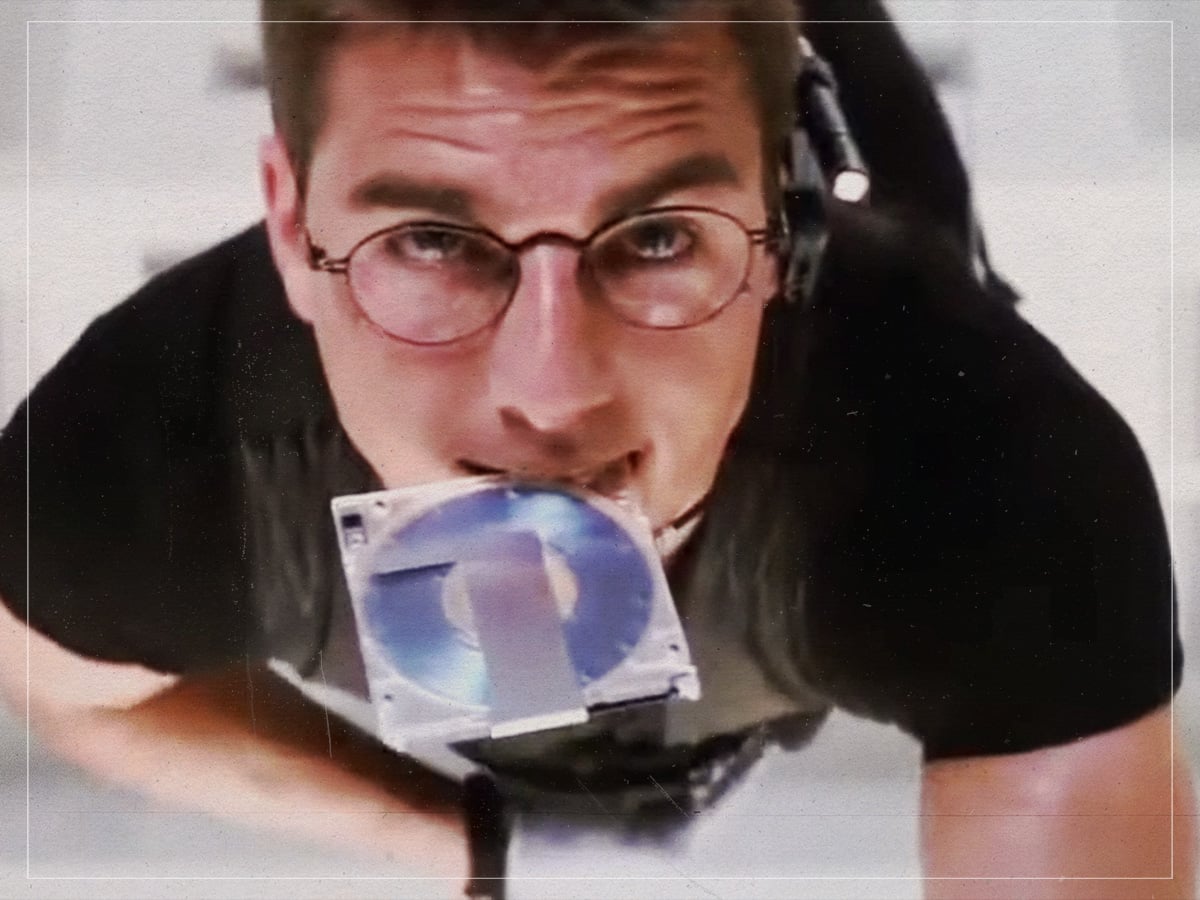
Mission: Impossible transformed into one of the most successful and consistent action franchises ever, which makes the original film from 1996 look almost quaint in comparison. Although the sequels would obviously get far more epic in scope, the original Mission: Impossible involved a creativity within its heist and action scenes that was unique among summer blockbusters; it wasn’t as much about explosions and gunfights as it was problem-solving and death-defying stunts.
Nothing was more important than the fact that Cruise was doing his own stunts, which made the breathtaking Langley heist even more exhilarating. It doesn’t even matter that the technology is outdated, because Brian De Palma had such a firm grasp on the audience’s attention span that the scene is still anxiety-inducing, to the point where Ethan scaling down by a wire would become a recurring element within many Mission: Impossible action scenes.
The cave of swimmers – ‘The English Patient’ (Anthony Minghella)
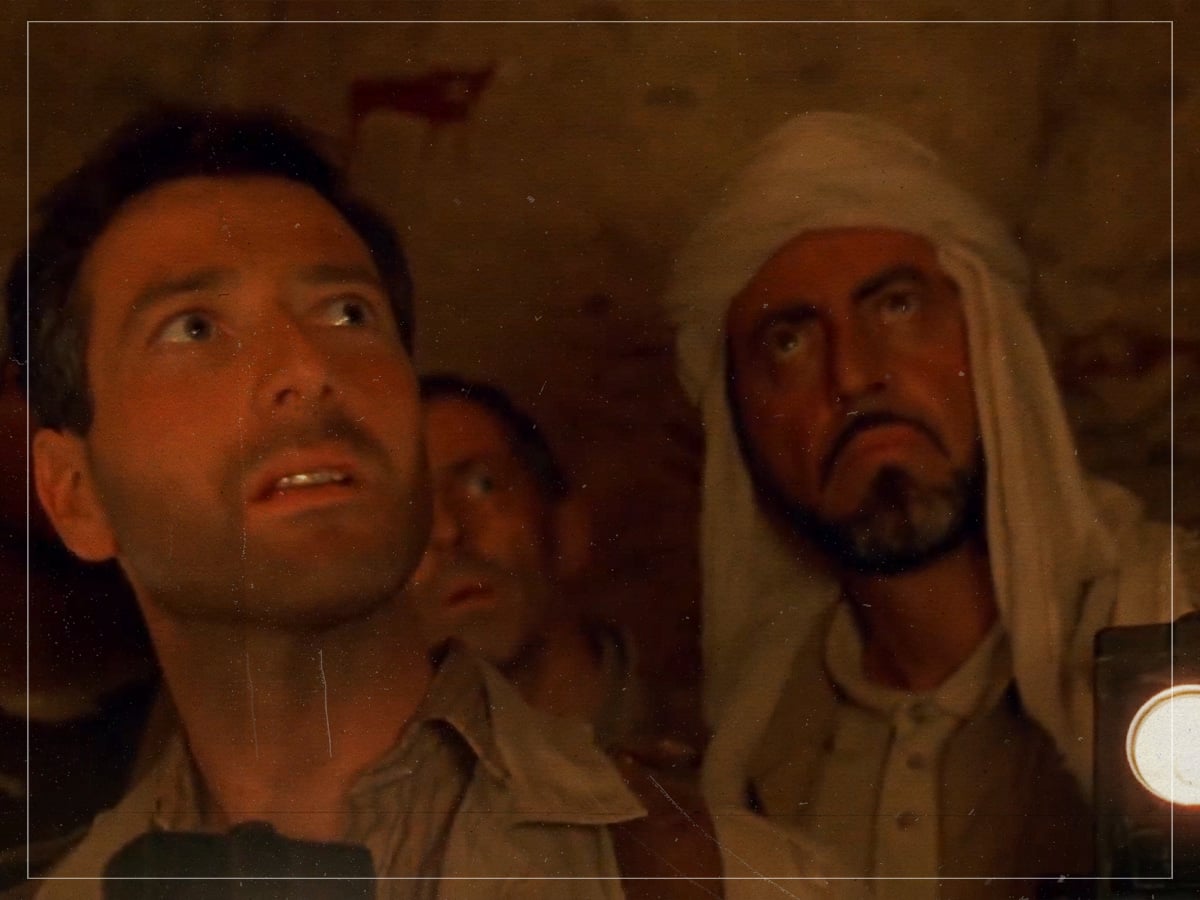
While it would be easy to call The English Patient Oscar bait because it was a traditional historical epic that won the Academy Award for ‘Best Picture’ over Fargo and Jerry Maguire, which were seen as more exciting choices, it’s also a masterpiece that more than justifies its extended running time. Despite its incredible scope, The English Patient succeeds because of the remarkable chemistry between Ralph Fiennes and Kristin Scott Thomas, which is best displayed in the flashback to the cave of swimmers.
Even if the language was classical and the period details were exacting, The English Patient had a sweeping romanticism that still felt modern. It’s a scene that has also been parodied, as a running joke about Julia Louis-Dreyfuss’ Elaine not understanding the hype surrounding the phenomenon became one of the funniest gags on Seinfeld later in the decade.
The vampires reveal themselves – ‘From Dusk Till Dawn’ (Robert Rodriguez)
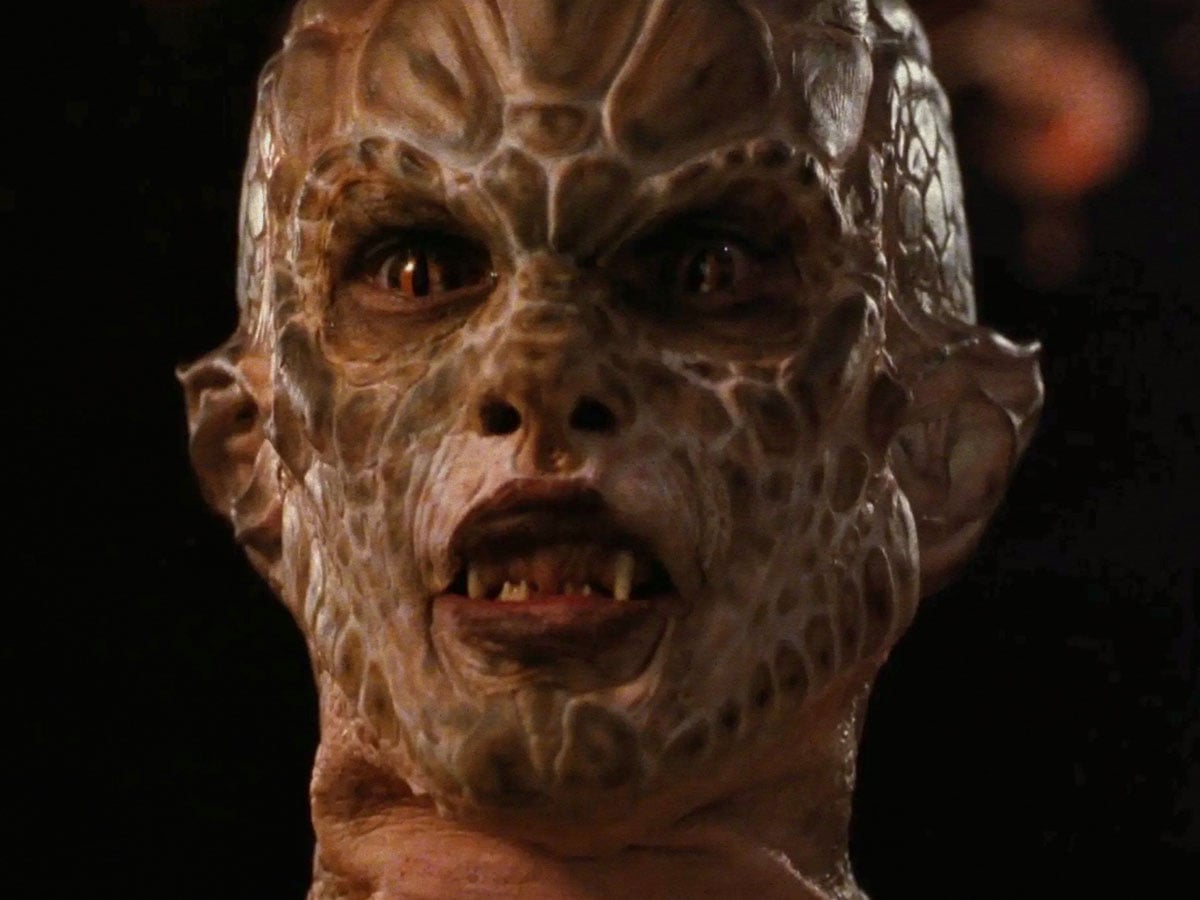
Robert Rodriguez may not have a perfect track record, but From Dusk Till Dawn has one of the wildest bait-and-switches, which initially appeared as a grounded neo-western crime thriller but then transformed into an exploitative horror spectacle when George Clooney’s Seth and Quentin Tarantino’s Richie Gecko find themselves in a Mexican bar populated by vampires.
Rodriguez succeeds in turning the tables, yet retains the perspective of Clooney’s anti-hero in order to offer a different perspective on vampires. The scene has spawned countless imitators, mostly because it transformed the archaic depiction of vampires (made popular once more four years prior in Bram Stoker’s Dracula) into something that could be hip and modern; Sinners in particular would not exist without From Dusk Till Dawn.
The Las Vegas trip – ‘Swingers’ (Doug Liman)
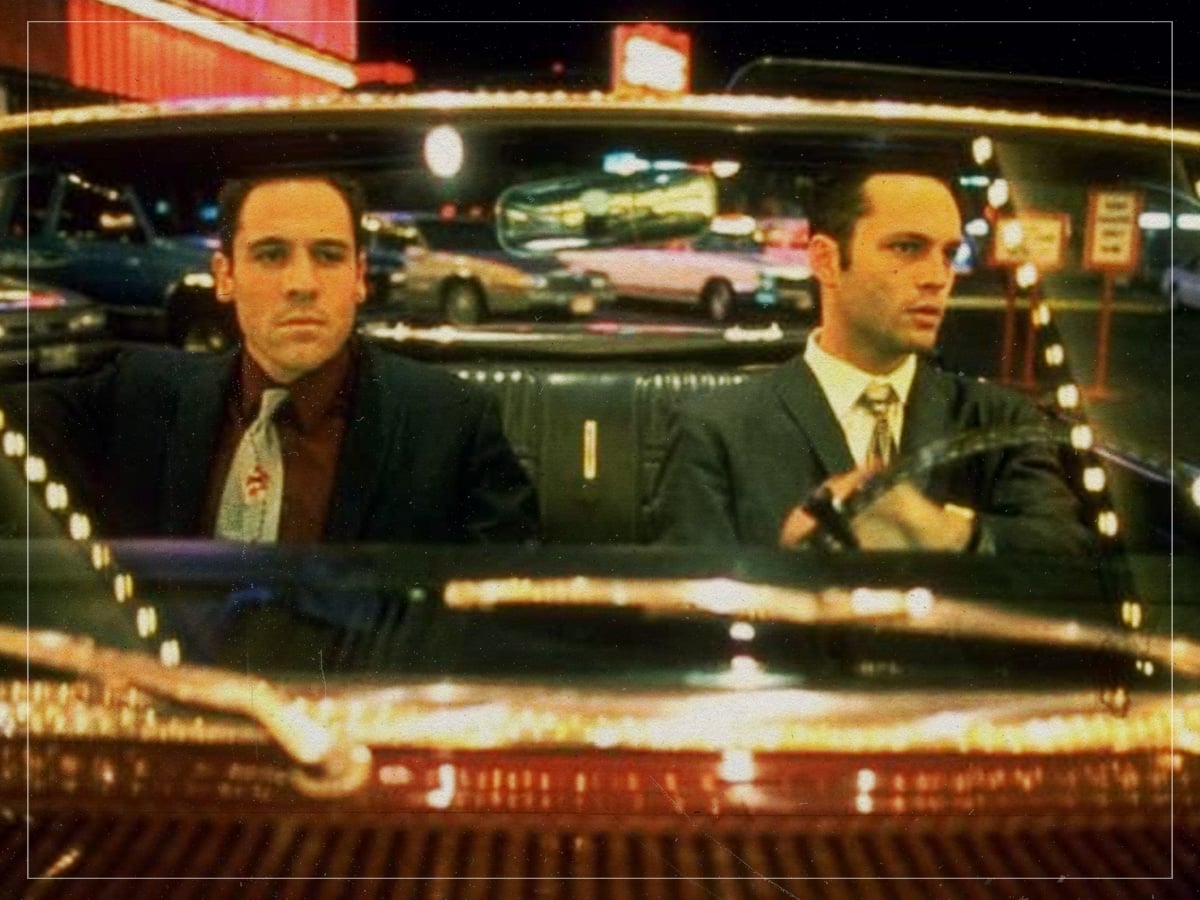
Jon Favreau became Disney’s go-to filmmaker for launching their biggest properties, but he got his start thanks to Swingers, a film that he both wrote and starred in. Favreau wrote a smart, clever script about the challenges of dating and being an out-of-work member of the entertainment industry, and his sincerity resulted in one of the decade’s most popular independent films. Swingers is responsible for both the ‘90s swing revival and a newfound popularity of Las Vegas as a destination during the iconic “Vegas, baby!” scene.
Not only did it open doors for Favreau, who would make his directorial debut a few years later with Made, but it announced Vince Vaughn as one of the biggest comedy stars in the world. Vaughn wasn’t cutting it as an intimidating heavy in films like Psycho and The Locusts, but Swingers showed that his talkative, snarky nature was ideal for comedy vehicles.
