


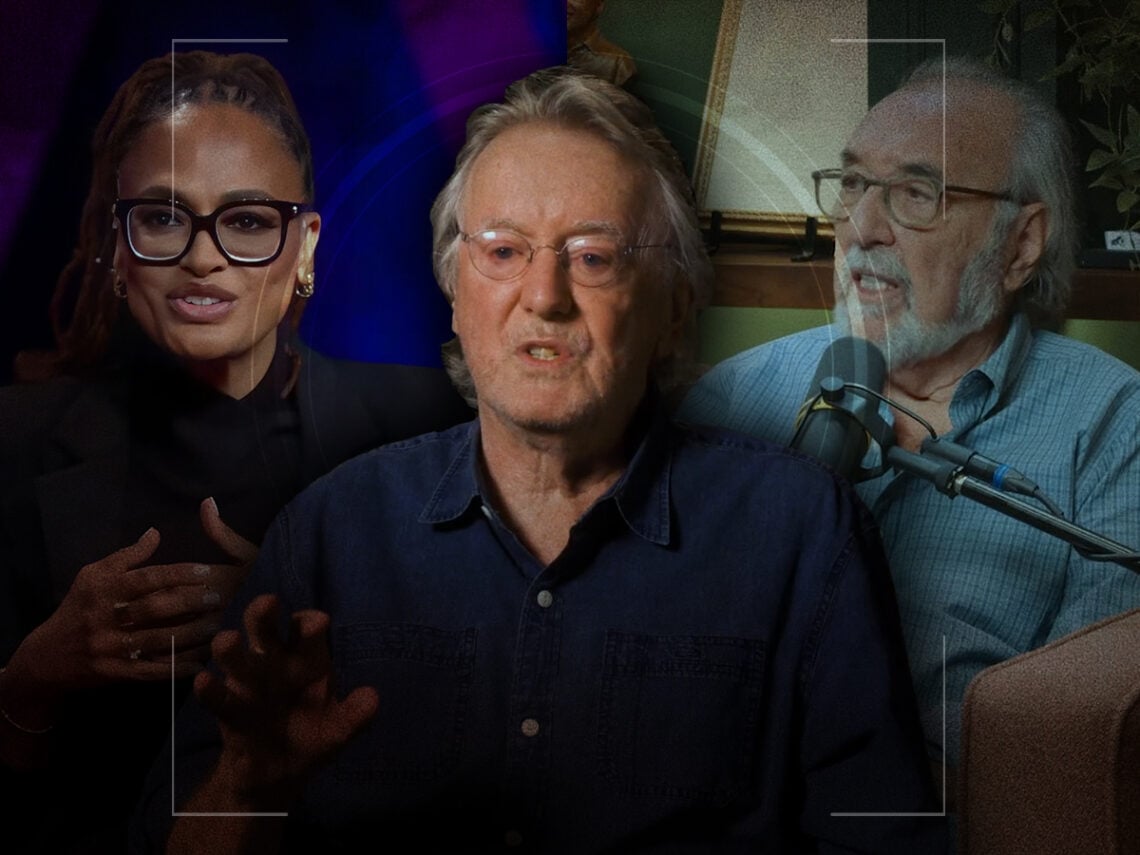
10 legendary directors who aren’t as good as you remember

In the world of cinephilia, prominent auteur directors are treated like rock stars, where every new work they produce is seen as either a confirmation or rejection of their legacy, and it’s often that a very small output of work is seen as representative of an entire career.
Assessing the relative greatness of a director depending on how many films they have released is challenging; for instance, Stanley Kubrick is considered an all-time genius because nearly all of his 13 films are classics, whereas Akira Kurosawa is seen as slightly less consistent, but he was never going to have a perfect track record with 30 films on his résumé.
Then there are some directors who faced backlash for films they did later on in their lives, like Robert Zemeckis and Tim Burton, who may have tarnished their careers with everything that they have done in the last two decades, but that doesn’t change the fact that what they did in the 20th century was brilliant.
On the flipside, there are current filmmakers like Jon M Chu and Zack Snyder who are popular without being respected, as they aren’t treated as geniuses by serious film critics. Most directors have at least one or two misfires in their career, such as Steven Spielberg’s 1941, Francis Ford Coppola’s Jack, Rob Reiner’s North, or Clint Eastwood’s The 15:17 to Paris. However, there are some who need to be more closely analysed when they’re being praised as all-time greats.
10 directors who are not as good as you remember:
George Clooney

George Clooney is the rare actor-turned-director who started off his filmmaking career with two masterpieces and has subsequently gone on to prove that they may have been flukes. Confessions of a Dangerous Mind is a great spy comedy, and Good Night, and Good Luck is a fantastic chamberpiece, but he has had more misses than hits with the dull space drama The Midnight Sky, the cringe-inducing Coen brothers ripoff Suburbicon, and the painfully unfunny sports comedy Leatherheads.
Clooney’s direction tends to be quite dull, and he frequently seems to tell interesting true stories in the most generic way possible, with his talent as an actor never seeming to translate to the performances in his films. It would be better for the rest of Clooney’s career if he just stayed in front of the camera, as he is more charismatic than any other living actor when chosen for the right role.
Judd Apatow
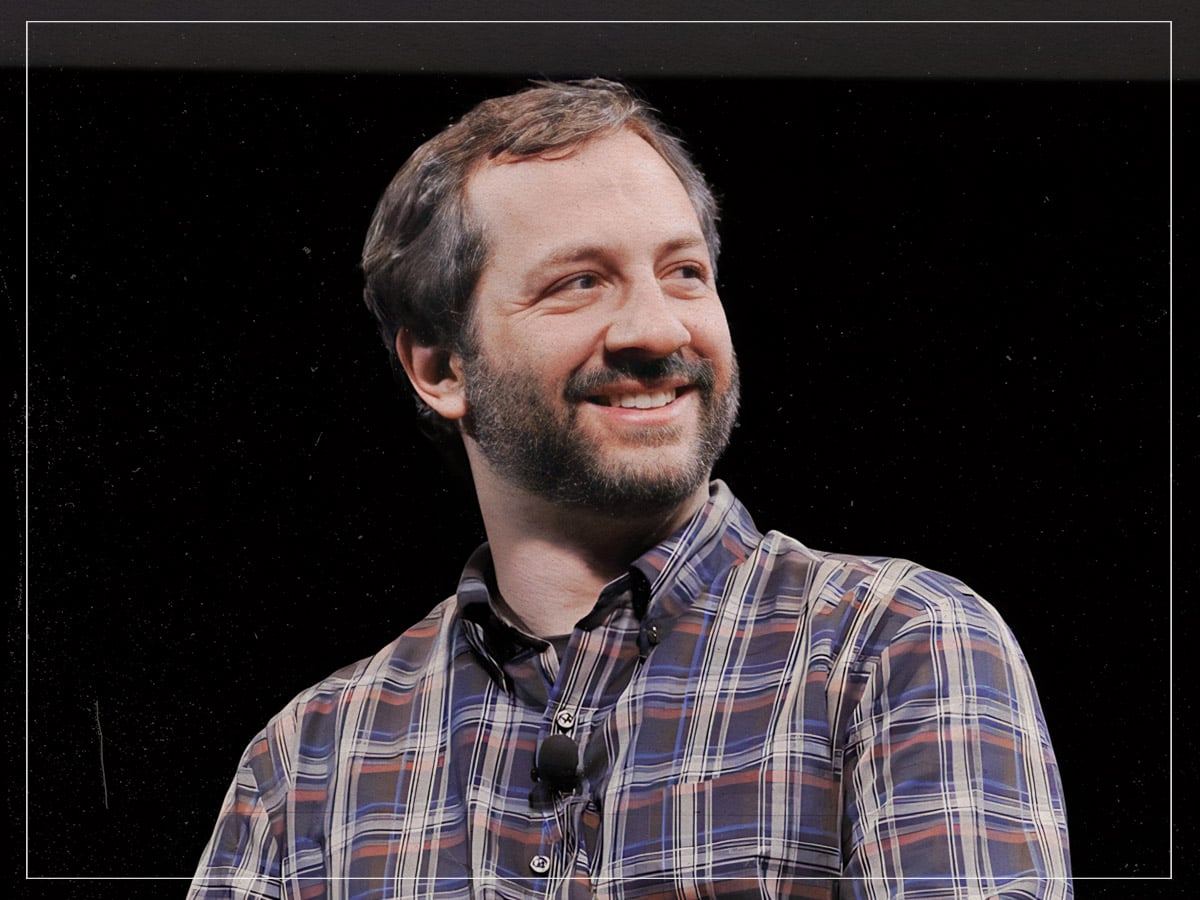
Judd Apatow has produced and co-written some of the funniest films of the last three decades, and has the uncanny ability of finding up-and-coming talent and giving them opportunities, but his career as a director is not nearly as consistent as it may seem. Apatow will always get credit for The 40-Year-Old Virgin and Knocked Up, even if neither film has aged particularly well.
However, he has consistently had an issue where his films are way longer than they need to be, as there is absolutely no reason that a comedy like Funny People should be as long as a Christopher Nolan project. Apatow hasn’t directed a film since Netflix’s The Bubble, a comedy so bad that it suggests he’s only well-suited to create situations in which other, more talented people can be funny.
Steven Soderbergh

Steven Soderbergh is often seen as an artistic savant because of the efficiency of his work, but the rate at which he makes new films masks the fact that he hasn’t made a classic in over a decade. He is so attracted to using consumer-grade technology that he seems to always be taking a step backwards, as the slick, luscious style he developed for Out of Sight and Ocean’s Eleven has been replaced by iPhones and laptops.
Soderbergh has always had a fair amount of misses, as the success of Traffic and Erin Brockovich can’t hide the fact that he also made Full Frontal, Kafka, The Underneath, Bubble, Unsane, and The Laundromat. Recently, the director’s support of AI has indicated that he values the quantity of his output far more than its quality, and doesn’t seem to care about the future of the industry.
Barry Sonnenfeld
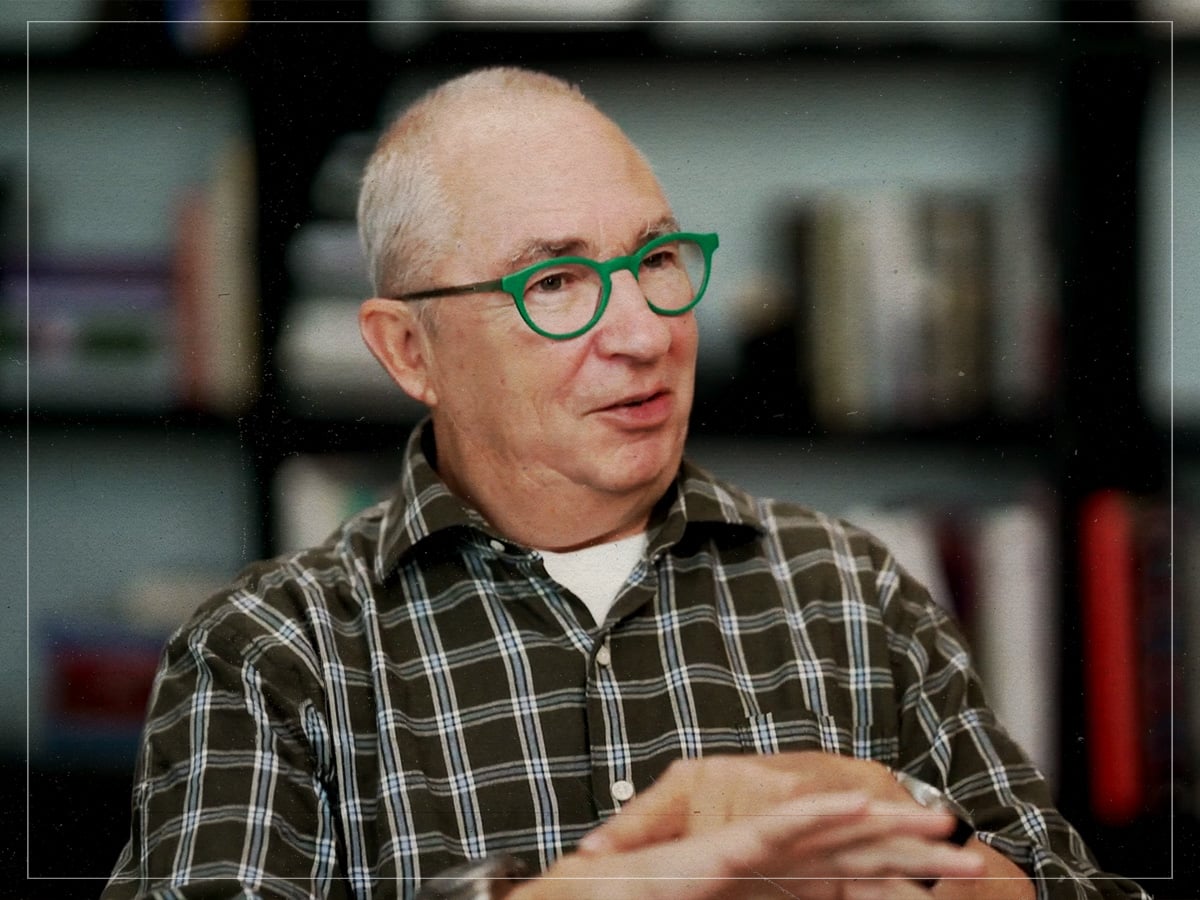
There are instances in Hollywood history when a journeyman filmmaker happens to make a masterpiece, which is exactly what happened with Barry Sonnenfeld after Quentin Tarantino turned down the opportunity to direct Men in Black. The 1997 science fiction action comedy is one of the most enjoyable blockbusters of its decade, but that magic hasn’t been present in any of Sonnenfeld’s subsequent works.
Wild Wild West is one of the biggest disasters of all time, but Sonnenfeld may have struck out even worse with the abysmal Robin Williams family comedy RV and the baffling disaster Nine Lives (a film in which Kevin Spacey plays a man who transforms into a cat). He hasn’t even been able to capitalise on his biggest success, as both of the Men in Black sequels that he directed were slapdash, chaotic productions that resulted in middling films.
Chris Columbus

It should be noted that Chris Columbus is one of the few men in Hollywood who everyone seems to agree is a nice guy, and has proven to be someone who has stuck up for his beliefs in an era of cowardice. That being said, he might just be a better writer than he is a director; he’s penned classics like Gremlins and The Goonies, but has developed a pretty inconsistent track record behind the camera.
Columbus may have gotten credit for kicking off the Harry Potter franchise, but the two instalments he directed haven’t aged particularly well; they only look good in comparison to his other work, which includes the terrible romantic-comedy Nine Months, the baffling Robin Williams vehicle Bicentennial Man, the disappointing Adam Sandler comedy Pixels, the insufferable teen comedy I Love You, Beth Cooper, and one of the worst Broadway adaptations ever of Rent.
James L Brooks
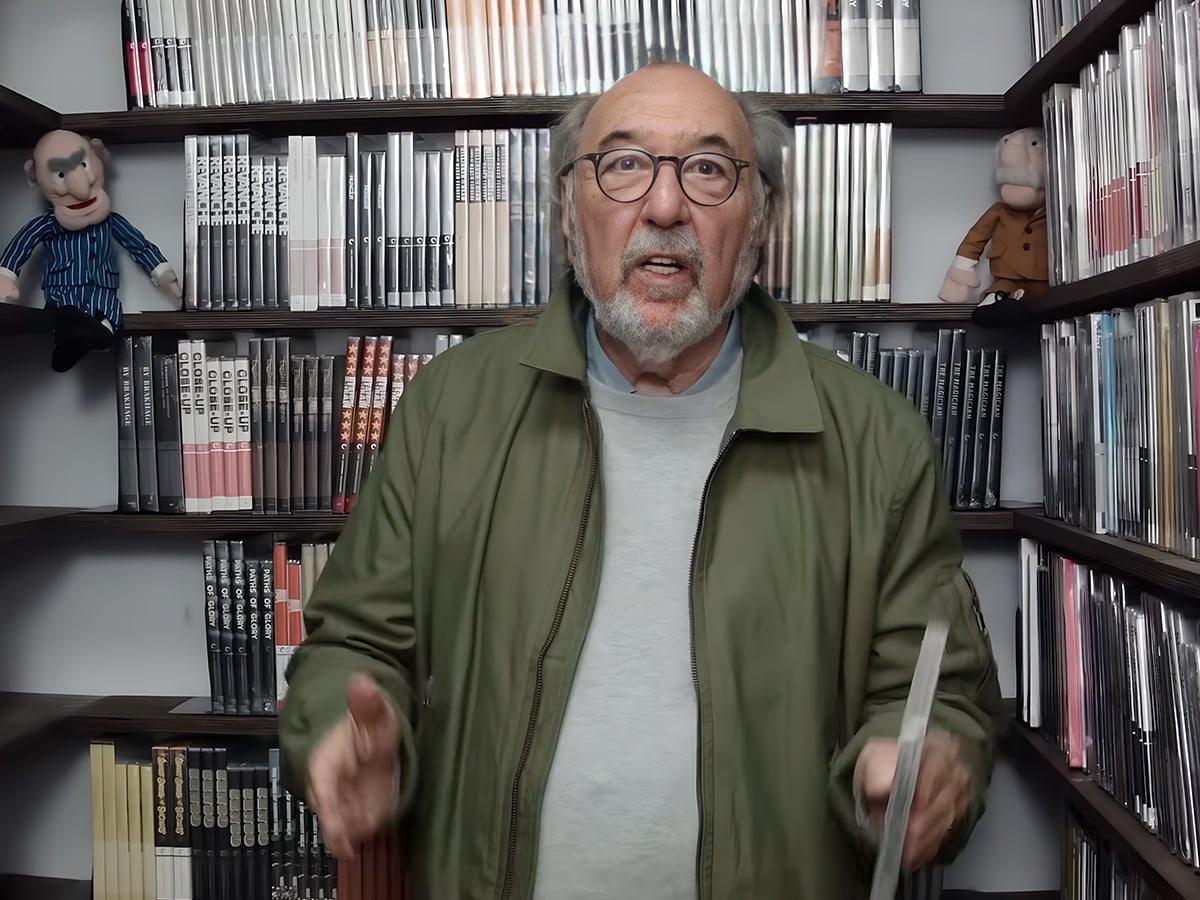
James L Brooks has earned a lifetime credit for being a co-creator of The Simpsons, even though he was never as involved in the series as much as his prominence in the title cards would suggest. Brooks has one indisputable classic with Broadcast News, but Terms of Endearment is one of the weaker ‘Best Picture’ winners, and As Good As It Gets is one of the more baffling ‘90s hits to watch today.
While I’ll Do Anything was an early sign that Brooks was inconsistent (partially because all of the musical scenes were cut at the last moment), his 21st-century output of Spanglish, How Do You Know, and Ella McCay are all bizarre films that don’t seem to have any sense of what people and relationships actually look like. While perhaps not a ‘one-hit wonder’, Brooks has earned a lot of credit for a very small percentage of his output.
Cameron Crowe

Cameron Crowe has definitively lost his touch, even if he did make several great films with Say Anything…, Jerry Maguire, and Almost Famous. It’s not uncommon for directors to experience a decline in quality later on in their careers, but Crowe’s output for the last 25 years has been nothing short of disastrous.
Vanilla Sky is an interesting film because of what it takes from the 1997 Spanish original, and not for anything that Crowe added, but Aloha and Elizabethtown are simply incompetent, confusing romantic comedies in which the charismatic leads don’t seem to have any chemistry, which can’t be blamed solely on the performances. When considering that Crowe has also helmed a streaming show that no one has ever heard of (Roadies) and a fair amount of commercials, it’s become evident that any of his talent is firmly planted in the past.
Ava DuVernay
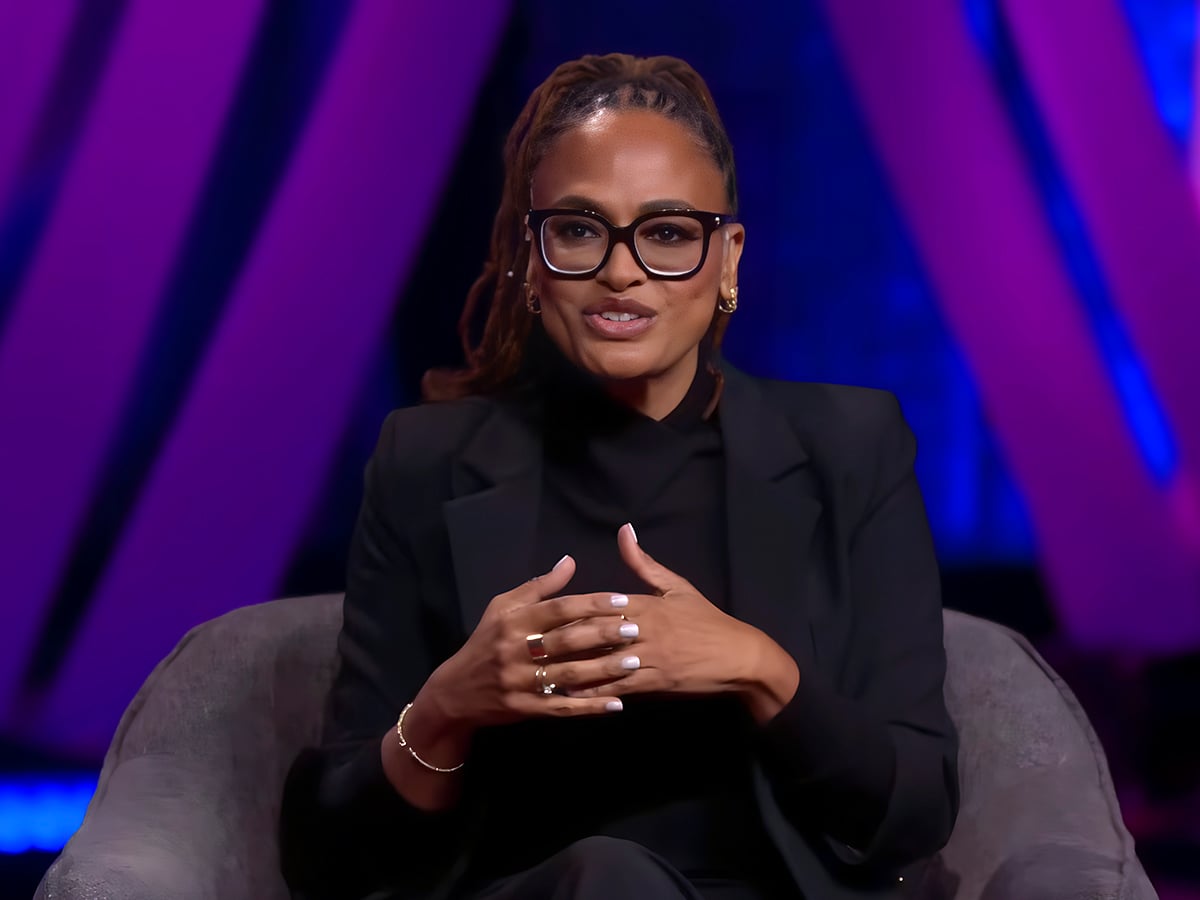
Ava DuVernay deserves every bit of admiration for her commitment to providing opportunities to marginalised groups as well as her activism, but the films she has directed are often sloppy, unfocused, and tonally inconsistent. A Wrinkle in Time is a bloated and laughably incoherent adaptation of a young adult novel, and Origin is a compelling thesis that makes for a slog of a film with some slightly distasteful instances of replicated tragedy.
DuVernay got put on the map because of her first two films, I Will Follow and Middle of Nowhere, both of which were interesting in their conceptions, but flat-footed in their execution. Quentin Tarantino may have said it best when he said that DuVernay “did a really good job” with Selma, but that it felt like a television film.
Stephen Daldry
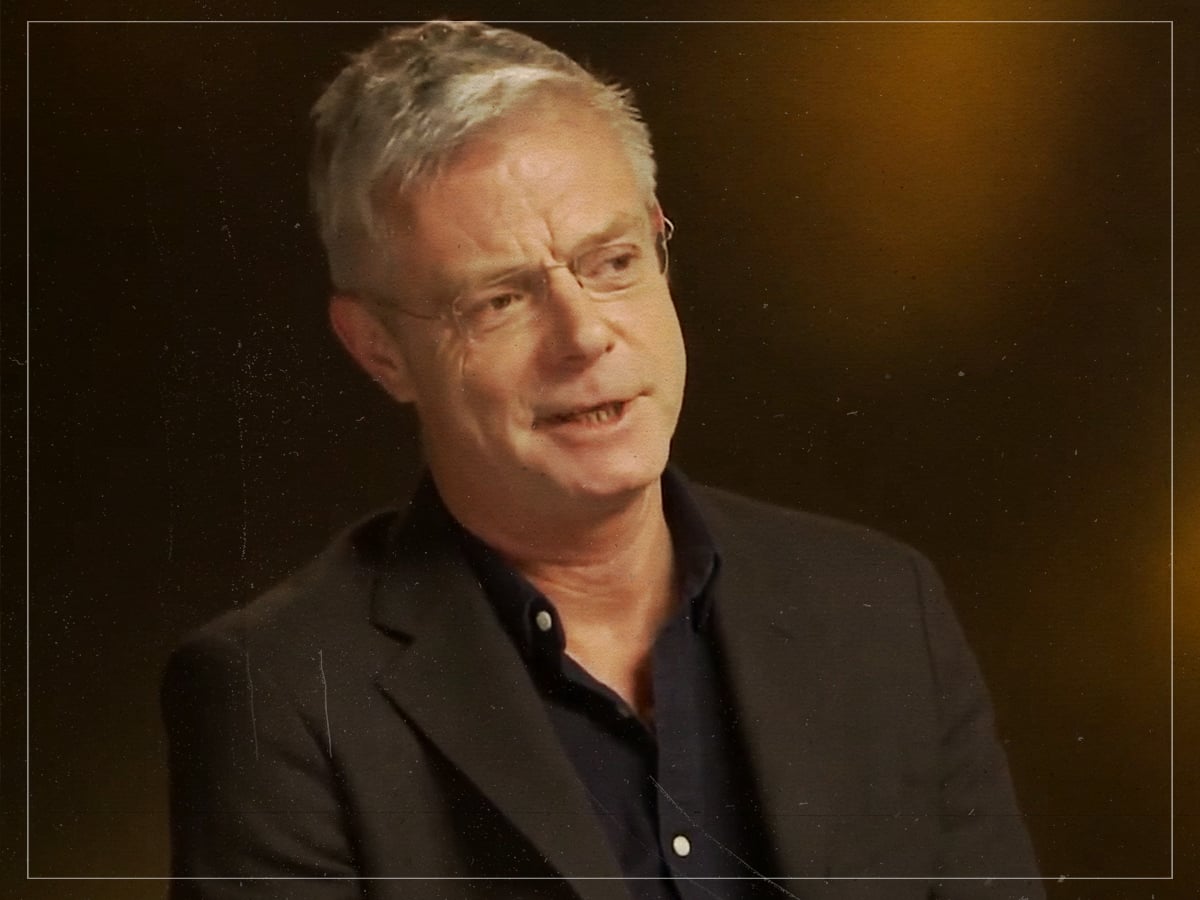
Stephen Daldry may not necessarily be a household name, but he’s a favourite among the Academy Awards for reasons that are unclear. The man has three nominations for ‘Best Director’ and has directed three ‘Best Picture’ nominees, yet none of his work feels like anything other than Oscar bait.
The Hours and The Reader are nearly textbook examples of showy, melodramatic period films in which the lead female actors took home Oscars for over-the-top performances where they wore a tremendous amount of makeup. Neither film was particularly well-directed, but they’re still better than Extremely Loud and Incredibly Close, which is the worst ‘Best Picture’ nominee of the 21st century. The fact that Daldry has been so frequently honoured when directors like John Carpenter, Park Chan-wook, Brian De Palma, David Cronenberg, Claire Denis, and Jim Jarmusch have never been nominated is a crime.
Adrian Lyne
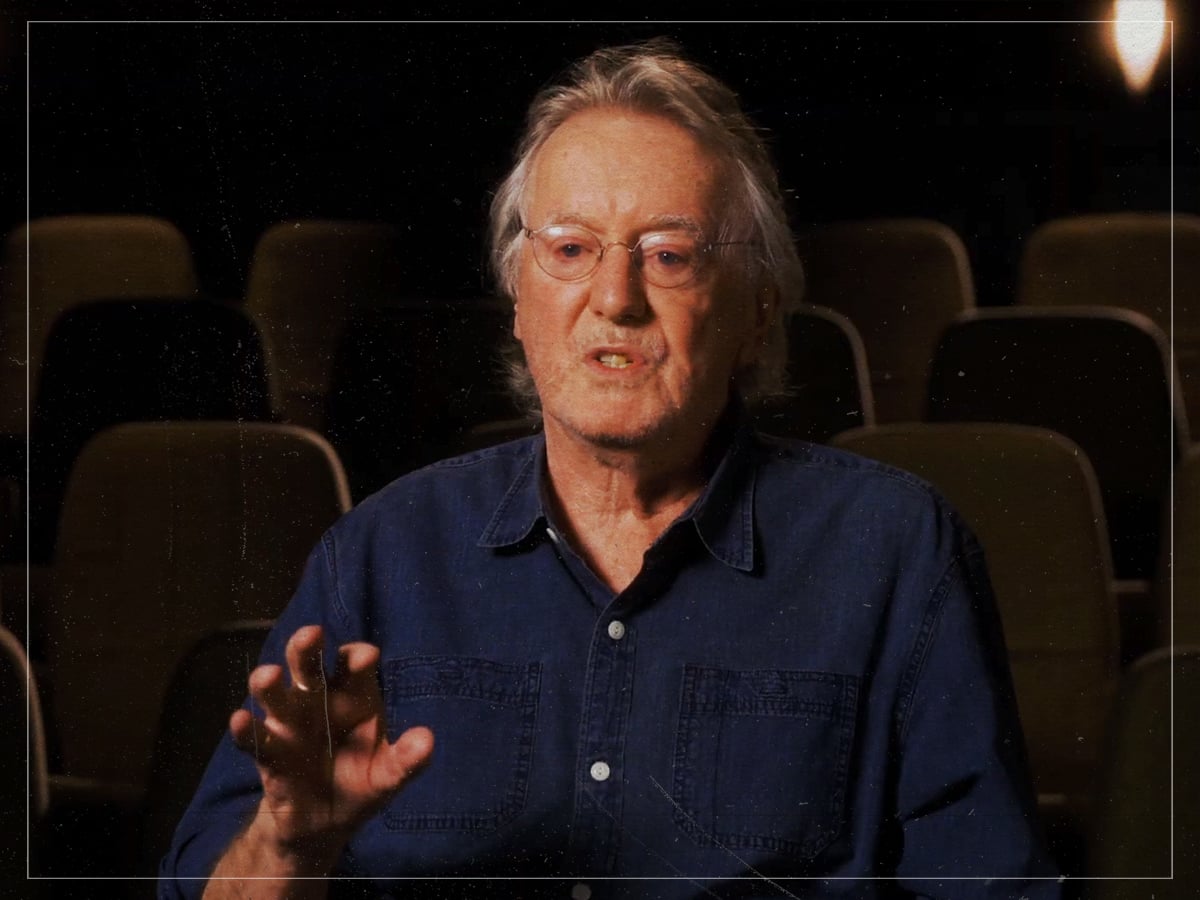
The fact that Gen Z seems to be so unwilling to stomach graphic sexual content in cinema has led to the false perception that the erotic thrillers of the ‘80s and ‘90s were all masterpieces, when in actuality many of them were exploitative and silly. There is, of course, brilliance to be found in genuinely challenging genre outputs from geniuses like Neil Jordan or David Cronenberg, but Adrian Lyne’s films tend to be only notable for being transgressive.
Lyne managed to destroy any goodwill he had in the ‘90s when he butchered a remake of Kubrick’s Lolita and was outed for being a creep in the notorious Razzie winner Indecent Proposal. He recently tried to mount a comeback when he directed Ana de Armas and Ben Affleck in Deep Water, and its failure seemed to solidify his status as a faded artist.
