


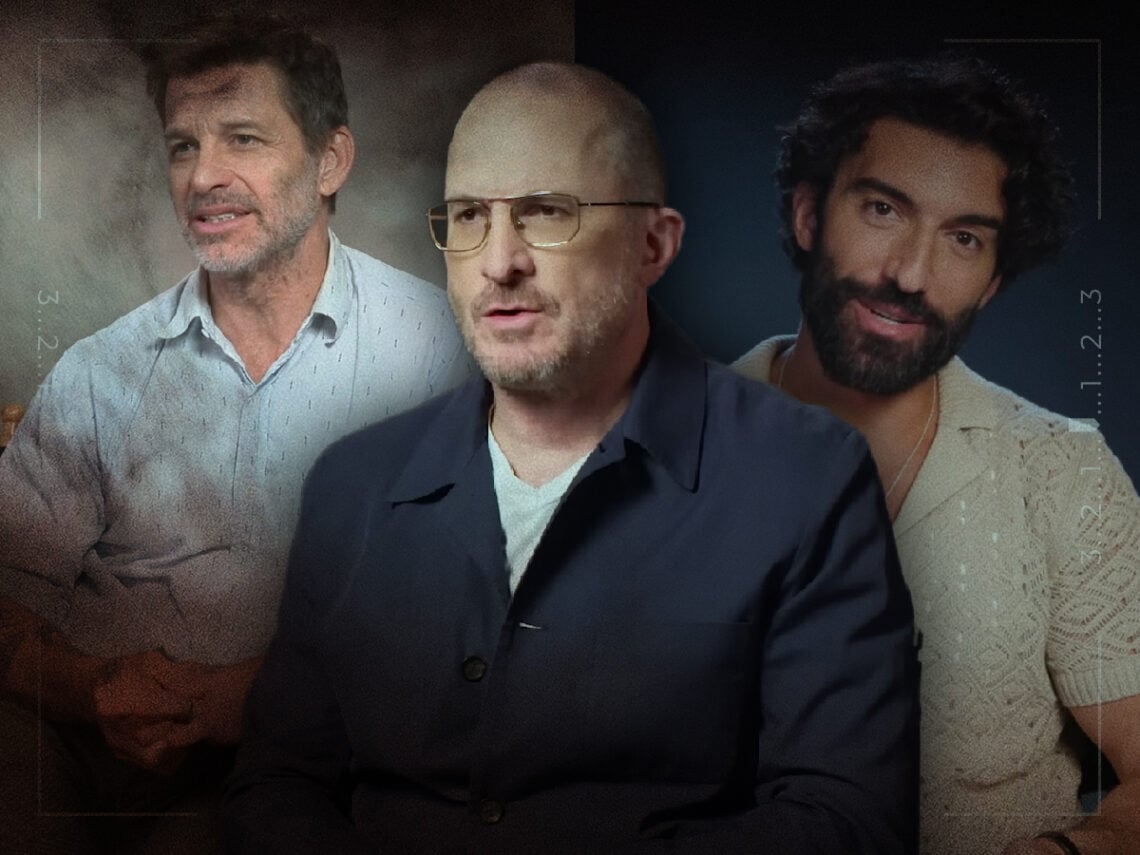
10 directors who turned out to be massive hypocrites

Directors often find a way of telling on themselves.
Filmmaking may be a collaborative medium, but a director is most responsible for what the end product looks like, where even if a studio is calling the shots and inserting itself into the final cut, it’s the director who conceives of a style, chooses their approach, and claims responsibility for the footage that is captured.
It’s because of this authority that they tend to be mythologised and given credit for successes, such that even those with minimal knowledge of film history are able to identify totemic names like Steven Spielberg, Martin Scorsese, Alfred Hitchcock, and Stanley Kubrick. Thus, it so often happens that a film’s failure is also put on a director, who might face being essentially blacklisted if they can’t maintain a track record.
In such cases, the best thing filmmakers can do to improve themselves moving forward is to acknowledge their faults and show honesty when it comes to their abilities. Hypocrisy might be inherent to the Hollywood playbook, but there are some filmmakers who have been intentionally deceitful in covering up their mistakes and looking for excuses, and since every film is a piece of evidence that helps to understand how a director operates, these filmmakers have stacked the odds against themselves.
10 directors who were actually massive hypocrites:
Michael Bay

Michael Bay is most closely associated with his explosive, action-packed style of muscular filmmaking that became known as Bayhem, and while he started off his career with solid summer blockbusters like Bad Boys, The Rock, and Armageddon, the Transformers franchise started a downward spiral that he hasn’t recovered from.
Bay has claimed to be moving on, but returned to direct four Transformers sequels that have only declined in quality, reaching a point where they are no longer fun to be a part of, as even the actors can attest that Bay has become lazy. The last two Transformers films, in particular, featured an absurd amount of product placement that showed how artistically devoid his process has become, which is disappointing since he built his career with boots-on-the-ground action films for adults, and has now wasted a decade of his career making extended toy commercials.
Jon M Chu
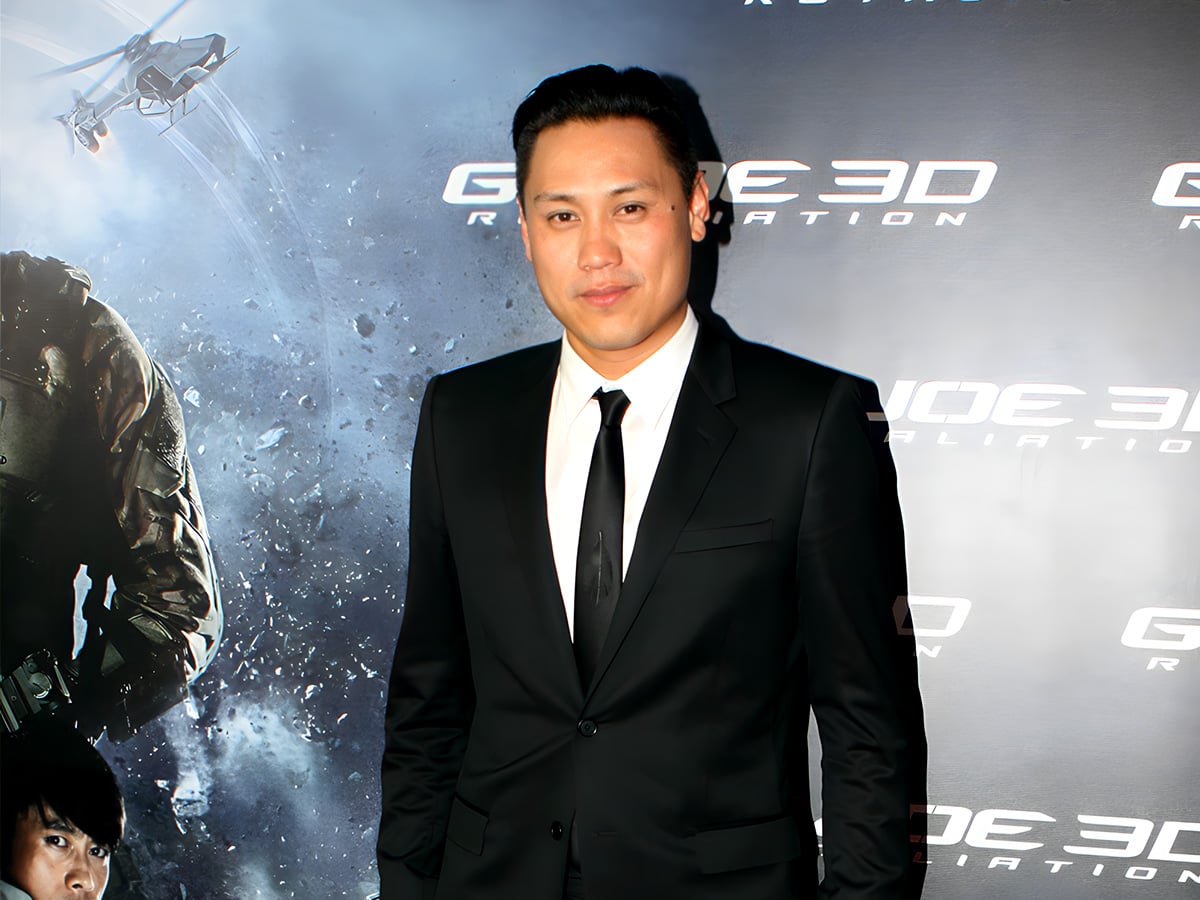
Wicked was a production that had been rumoured to happen for years, given the challenges in adapting a Broadway show, and Jon M Chu earned the gig on the promise that it could justifiably be split into two films, one based on each act. While the first Wicked had its issues when it came to the terribly bland visuals and uninspired performances, Wicked: Part Two failed to stand on its own as an adaptation and glaringly showed what poor groundwork Chu had initiated.
What’s most baffling is why Universal would have ever thought he was capable of making a fulfilling franchise, given his track record, which includes his cut short GI Joe series with GI Joe: Retaliation, a terrible sequel in the form of Now You See Me 2 that took the franchise nine years to recover from, and making a Jem and the Holograms adaptation that was reviled by fans.
Darren Aronofsky
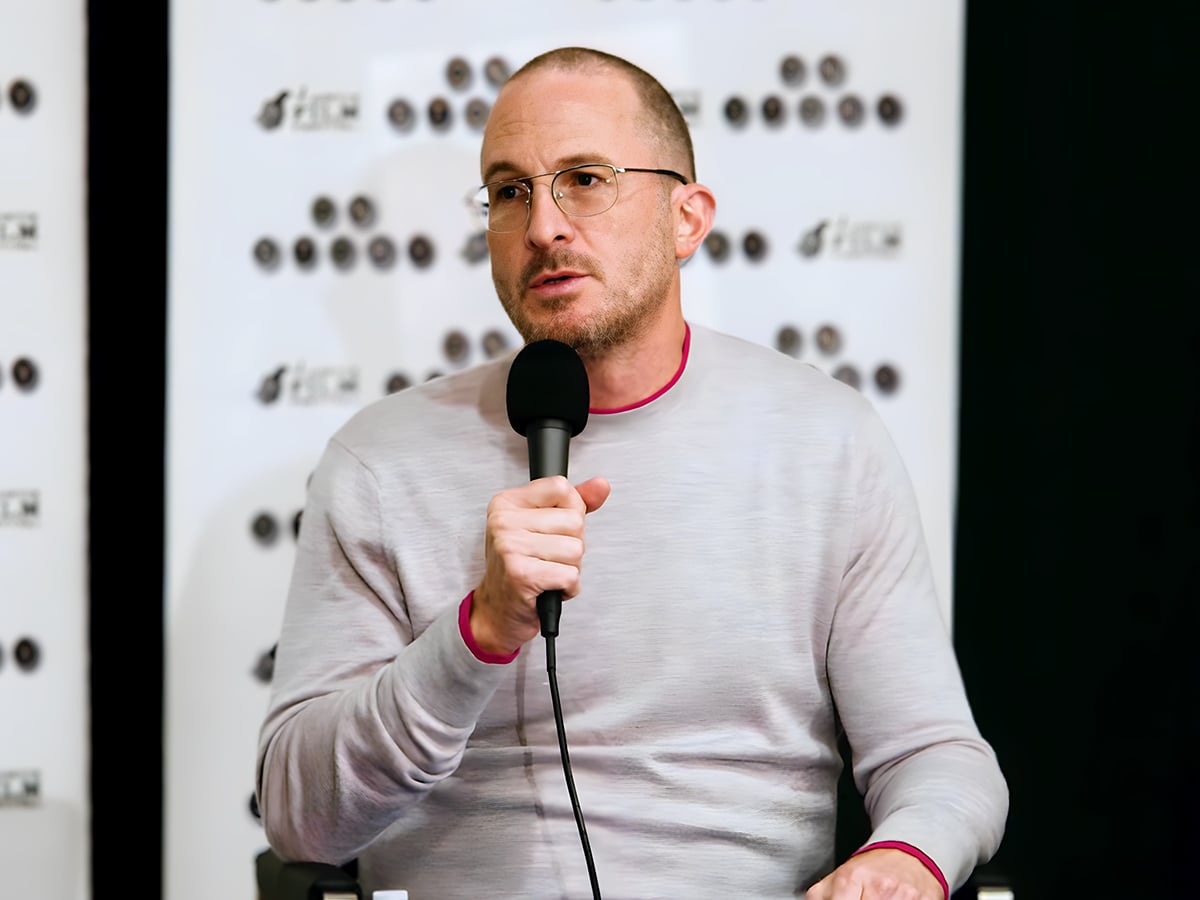
Darren Aronofsky has had one of the most disappointing falls from grace because he is responsible for several of the best films of the 21st century, including Requiem for a Dream, The Wrestler, and Black Swan, but his genius was in doubt after Noah and mother!; however, the recent release of Caught Stealing showed he still has some talent left.
Regardless of his track record, the worst thing he’s done is selling out by launching an artificial intelligence project that will be made without the involvement of real artists. It’s sad that a filmmaker who has been best known for a distinctive, cutting-edge form of storytelling would betray the artistic process in such an obvious way, and for such a cheap project. It’s even more confusing when considering that he has made films like Pi and The Fountain, which are about the importance of the human mind without being encumbered by technological overreach.
Zack Snyder
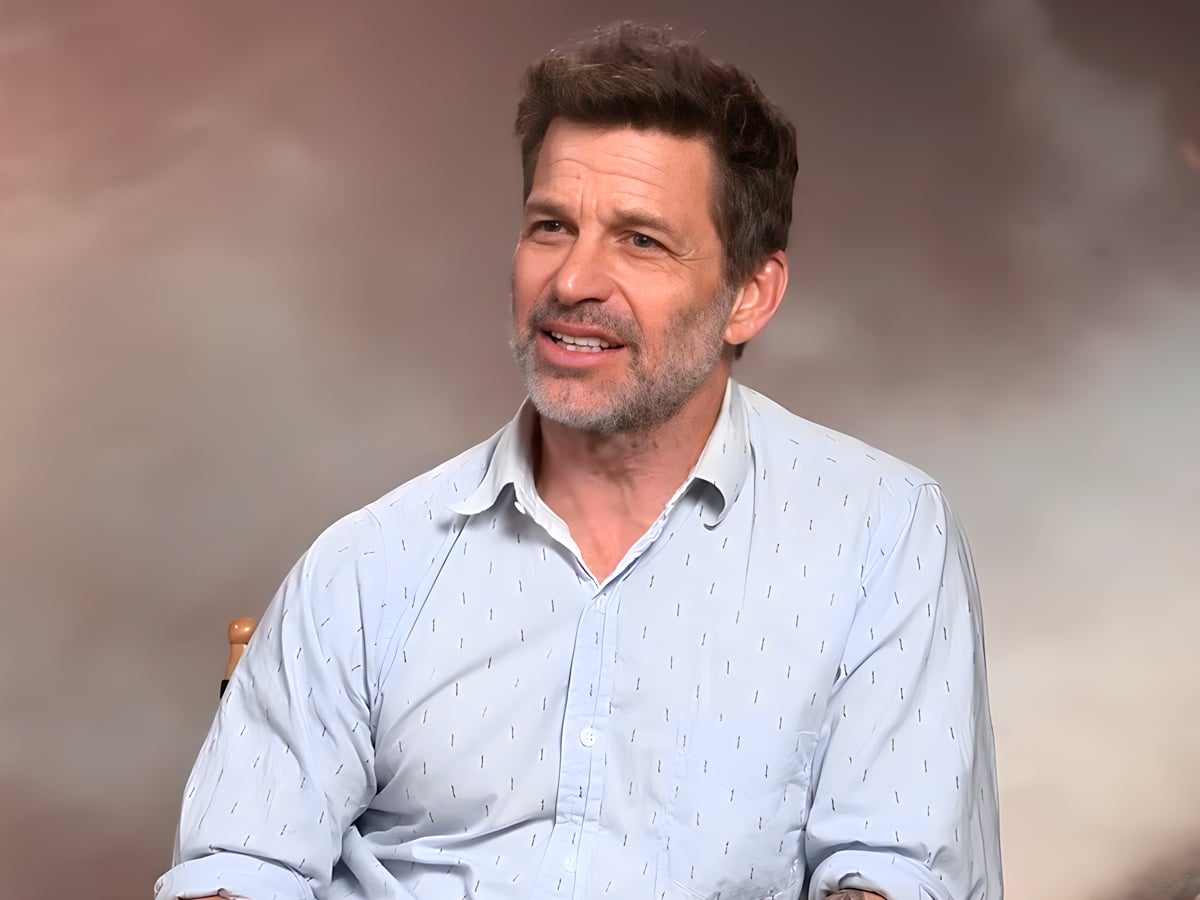
Zack Snyder is a fanboy who has yet to show any understanding of the material he has adapted, which include a Dawn of the Dead remake without George Romero’s cutting satire, a Watchmen adaptation that mistook Alan Moore’s criticism for lionisation, directing a DC origin story where Superman is a cold-blooded killer, and tanking the potential of the DCEU by making an incompetent crossover event with Batman v Superman: Dawn of Justice.
Snyder used his aggressive fanbase to bully Warner Bros into giving him $90million to complete his cut of Justice League, but the four-hour new version was just a trailer for the other DC films he will never make. That not even his most loyal cultists could find anything positive to say about the Rebel Moon films on Netflix indicates that Snyder is nothing when left to his original ideas.
Colin Trevorrow
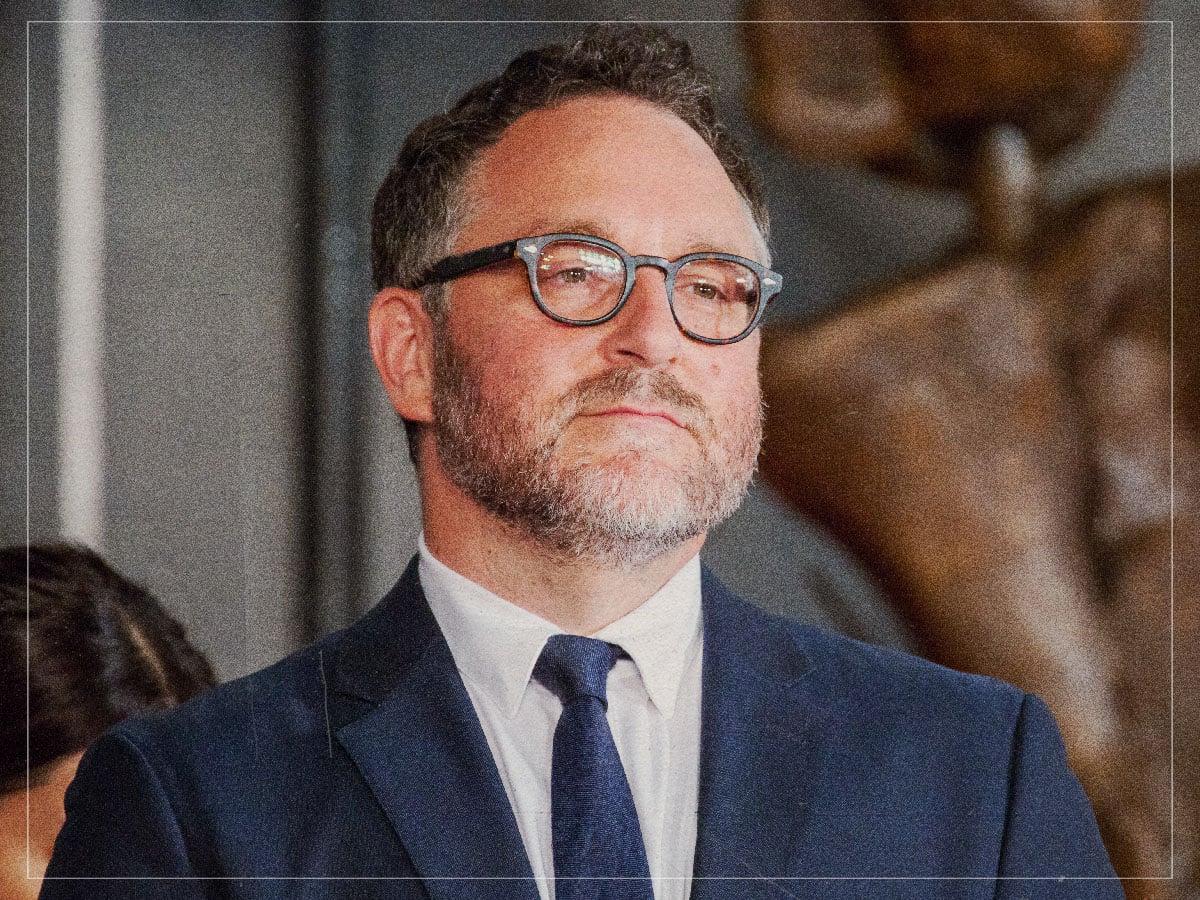
When considering that the original Jurassic Park is one of the most beloved blockbusters of all time, it’s shocking that Universal handed over control of the series to a director who had yet to prove himself. Colin Trevorrow’s debut feature, Safety Not Guaranteed, may be the most generic ‘Sundance dramedy’ ever made, but it still ranks as the best thing that he has directed.
It was after Jurassic World cynically cashed in on nostalgia that Trevorrow got himself fired from directing the ninth Star Wars film because of the reception to The Book of Henry, his independent film that has been compared to The Room in terms of inadvertent hilarity. Although some clung to the idea that Trevorrow would have made a better version of Star Wars: The Rise of Skywalker, he showed how incompetent he was at ending a beloved sci-fi franchise with Jurassic World Dominion.
Justin Baldoni
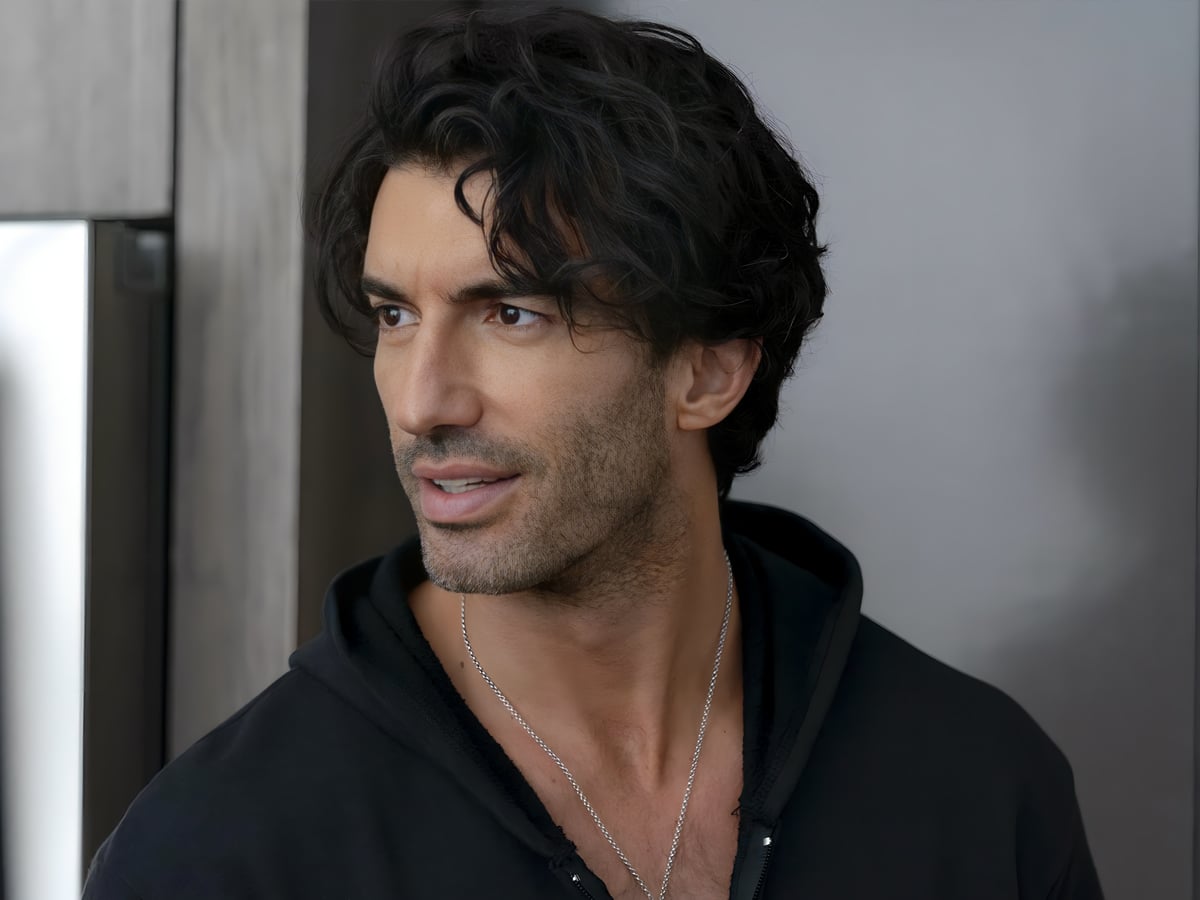
Justin Baldoni was a director that most people hadn’t heard of until he directed one of the breakout hits of 2024 with It Ends With Us, an adaptation of the popular eponymous Colleen Hoover novel. That the film is about a woman who survives a marriage to an abusive partner, played by Baldoni himself, is deeply ironic when considering that he has been accused of harassing his star.
There is an ongoing lawsuit as to whether Blake Lively deserves some of the blame for taking over It Ends With Us, but it is clear, at the very least, from the film’s co-stars that Baldoni created a toxic working environment, and ironically, his performance in the film has retroactively felt more effective because he has been accused of doing many of the same things that the character he is playing is found guilty of.
Kevin Williamson
Scream was a film that revamped the horror genre because director Wes Craven and screenwriter Kevin Williamson satirised how lazy slashers had become, as they had begun to rely on clichés and showed no respect for the audience’s intelligence. Although it was after Craven’s passing that the filmmaking team Matt Bettinelli-Olpin and Tyler Gillett helmed the fifth and sixth instalments, Williamson returned to direct the atrocious Scream 7.
Scream 7 is guilty of doing everything that the original Scream had rallied against by reiterating moments from the previous entries without a lick of satire and creating implausible situations that defied logic. What’s most shocking is that Williamson, as the creator of the franchise, should have known better, and the fact that Scream 7 is such a critical failure suggests that it was Craven who was most responsible for turning the franchise into the phenomenon that it became.
Ethan Coen
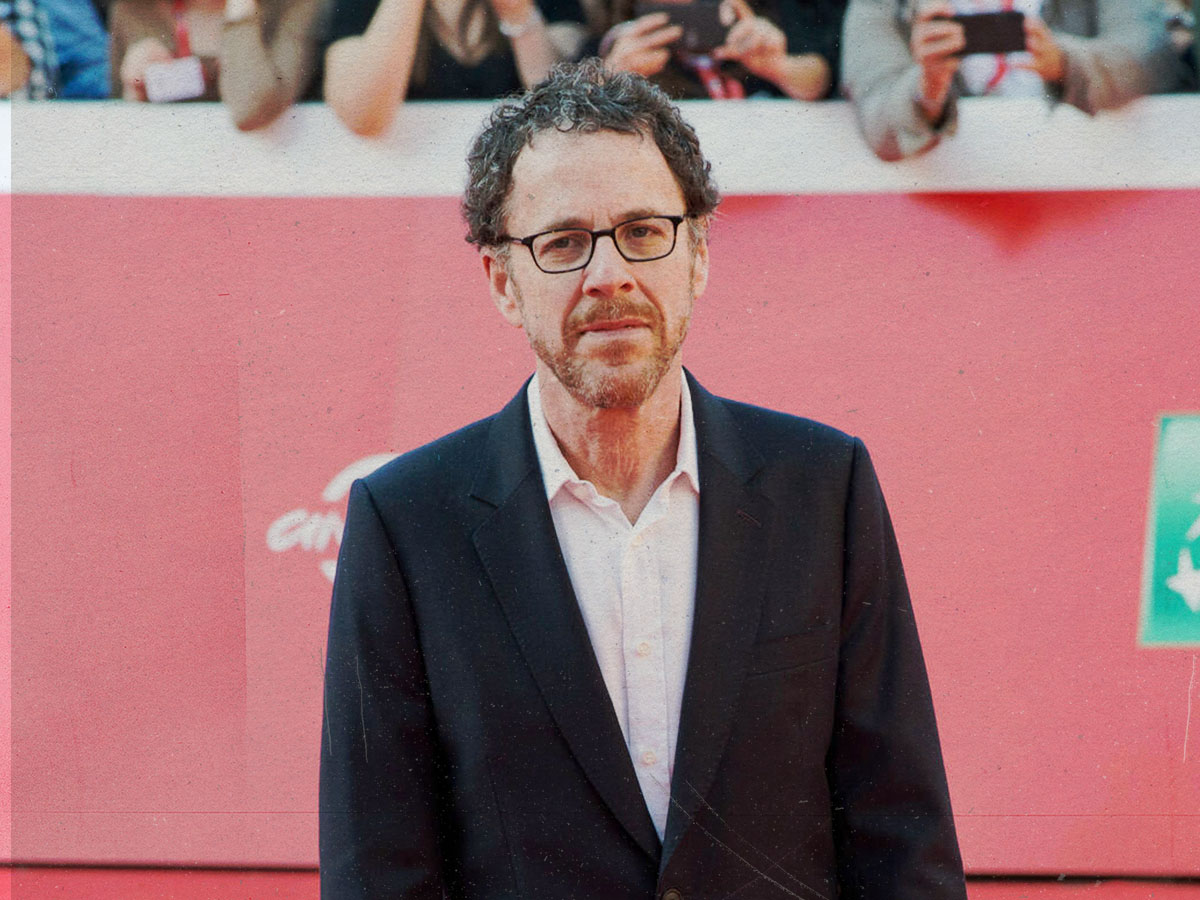
Ethan Coen was part of one of the most successful duos of all-time, as he and his brother Joel directed over a dozen films, most of which were great, and some that will go down as classics. The split between the brothers seemed amicable, but their respective projects suggest that Joel wasn’t given enough credit for being the primary creative force on their masterpieces.
Ethan’s solo features Drive-Away Dolls and Honey, Don’t! aren’t just unfunny comedies that lack the nuance of Fargo or The Big Lebowski, but poorly directed films that somehow feel overlong, even though they are both under 90 minutes in length. It’s inconceivable that the same person who directed classics like Inside Llewyn Davis and No Country for Old Men would make two insufferable caper films in a row, both of which drew out career-worst performances from their stars, with the only logical explanation being that Joel was the genius the entire time.
Mel Gibson

Mel Gibson had managed to earn Hollywood’s forgiveness after his controversial past when Hacksaw Ridge became a major awards contender, proving that he was capable of making a mature and thoughtful film again. However, it wasn’t long after a right-wing influence became more popular in the United States that Gibson began to shamelessly cash in on his popularity among conservative audiences.
There hasn’t been a more embarrassing fall from grace than Gibson going straight from a ‘Best Director’ nominee to Flight Risk, a terrible B-movie that became laughably ridiculous by the end, and while he may have spent years arguing that he had made The Passion of the Christ with the purest of ambitions, the fact that he is investing his foreseeable future into making a sequel suggests that he has only moonlighted as a Christian to cash-in on the plethora of faith-based audiences that will come out in droves to support his next feature.
The Russo brothers
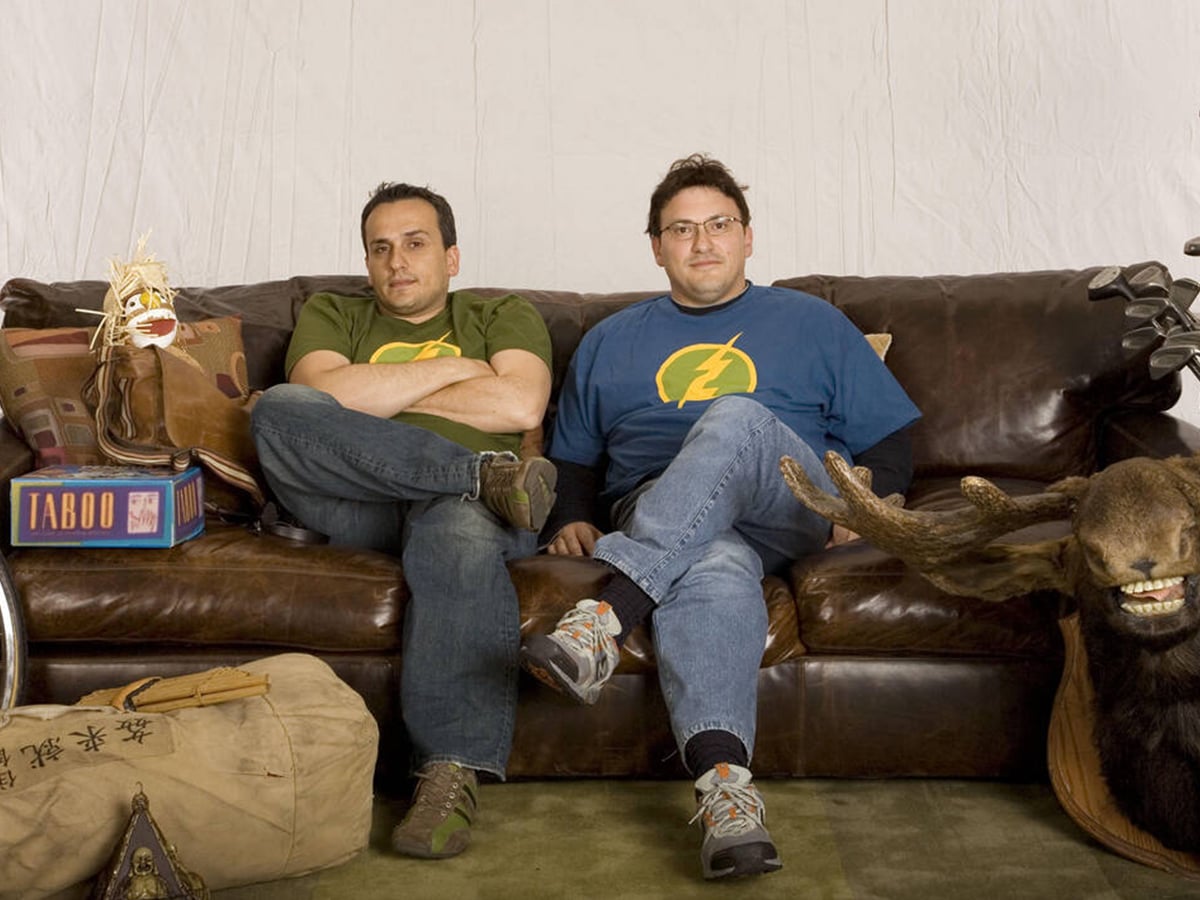
The Russo Brothers reshaped the Marvel Cinematic Universe with four of its best films, including the grand finale of the Infinity Saga with Avengers: Endgame. Love them or hate them, the Marvel films served an important role in getting audiences to come out to theatres and drive business, but their follow-up move was to make a series of unwatchable streaming films with Cherry, The Gray Man, and The Electric State, the last of which racked up a whopping budget that was reportedly higher than the individual costs of any of their Marvel films, which is saying something.
It was after being thoroughly embarrassed with their new efforts that the Russos went back to Marvel to plan Avengers: Doomsday and its sequel, Avengers: Secret Wars, which have the difficult task of winning back audiences who have been disappointed by what the MCU has become in a post-Avengers: Endgame era.
