


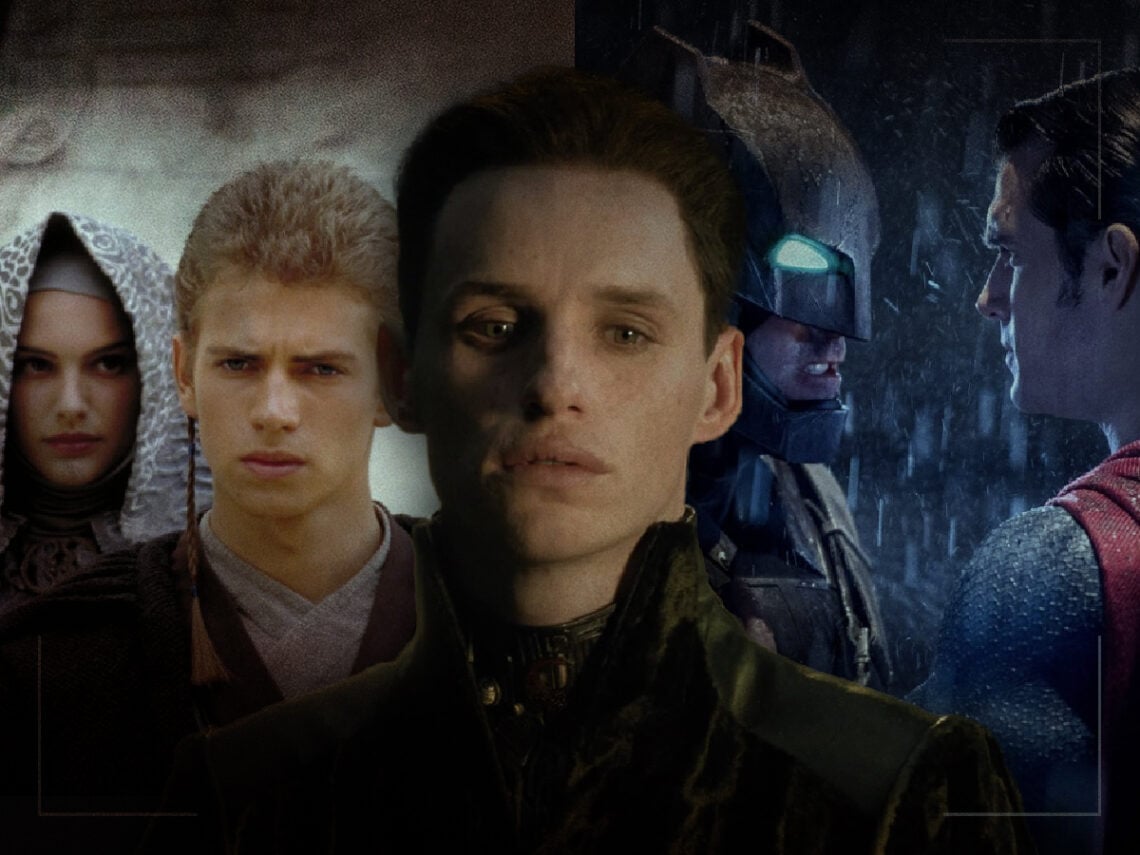
The 10 worst monologues in cinema history

A classic quote among film directors is, “If it ain’t on the page, it ain’t on the screen”.
There is nothing more important within the creation of a film than its screenplay; bad films can be made out of good screenplays, but there’s never been a great film made out of a terrible script. While obviously much of a film’s success has to do with how that writing is interpreted, the outline for how the story operates has to be given a written blueprint.
The writing process is more complicated than simply coming up with memorable lines; a great script requires structure and balance, as developing characters, avoiding plot holes, and intertwining relevant themes will have greater significance within a film’s success than a few comedic quotes. That being said, the greatest screenwriters all have an ear for dialogue and are often at their best whenever they’re able to give their characters a moment to speak their truth.
A truly great monologue can’t easily be defined. It could be as moving as Marlon Brando’s “I could have been a contender” scene from On the Waterfront, as sincere as “You complete me” from Jerry Maguire, or as hilarious as Gene Wilder’s “Waco Kid” speech from Blazing Saddles. However, even the most amateur film fan can spot inauthentic or ridiculous dialogue when they hear it, which is why bad monologues tend to live in infamy.
The 10 worst monologues ever:
‘Star Wars: Episode II – Attack of the Clones’ (George Lucas, 2002)
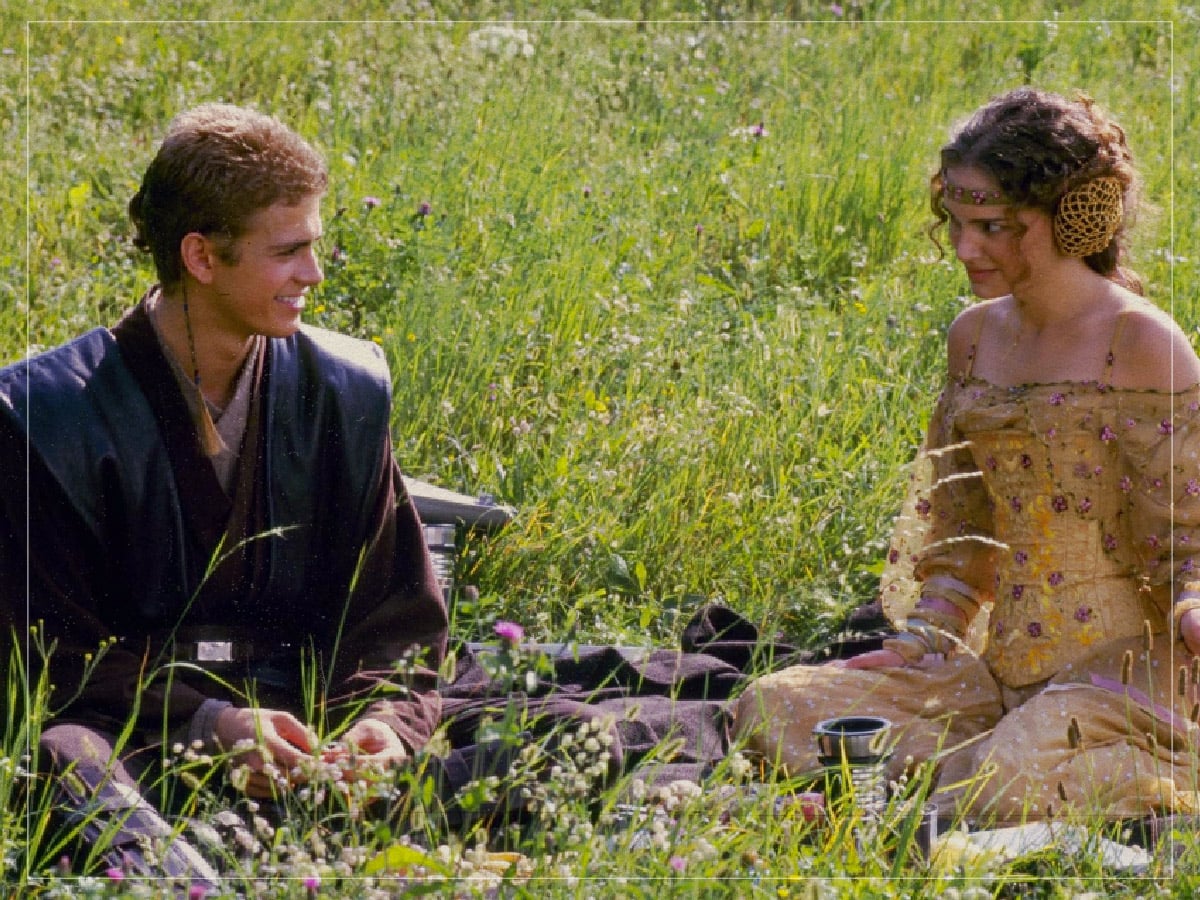
“I hate sand”.
The Star Wars prequels were pretty much universally derided upon their initial release, and may actually get a little too much hate considering how ambitious George Lucas’ trilogy was, but one thing that can’t be defended is the romantic dialogue between Anakin Skywalker, played by Hayden Christensen, and Padme Amidala, played by Natalie Portman, which is at its worst when the two characters fall in love with one another for the first time in Star Wars: Episode II- Attack of the Clones.
Anakin’s line about sand is a reference to his childhood on Tatooine, and it’s pretty odd that he would call back to his traumatic past as a slave when trying to flirt with Padme, and although Christensen got a lot of blowback for his obnoxious, snide performance as the future Darth Vader, he can’t be blamed when lines like “I hate sand” were what he was working with.
‘Transformers: Age of Extinction’ (Michael Bay, 2014)
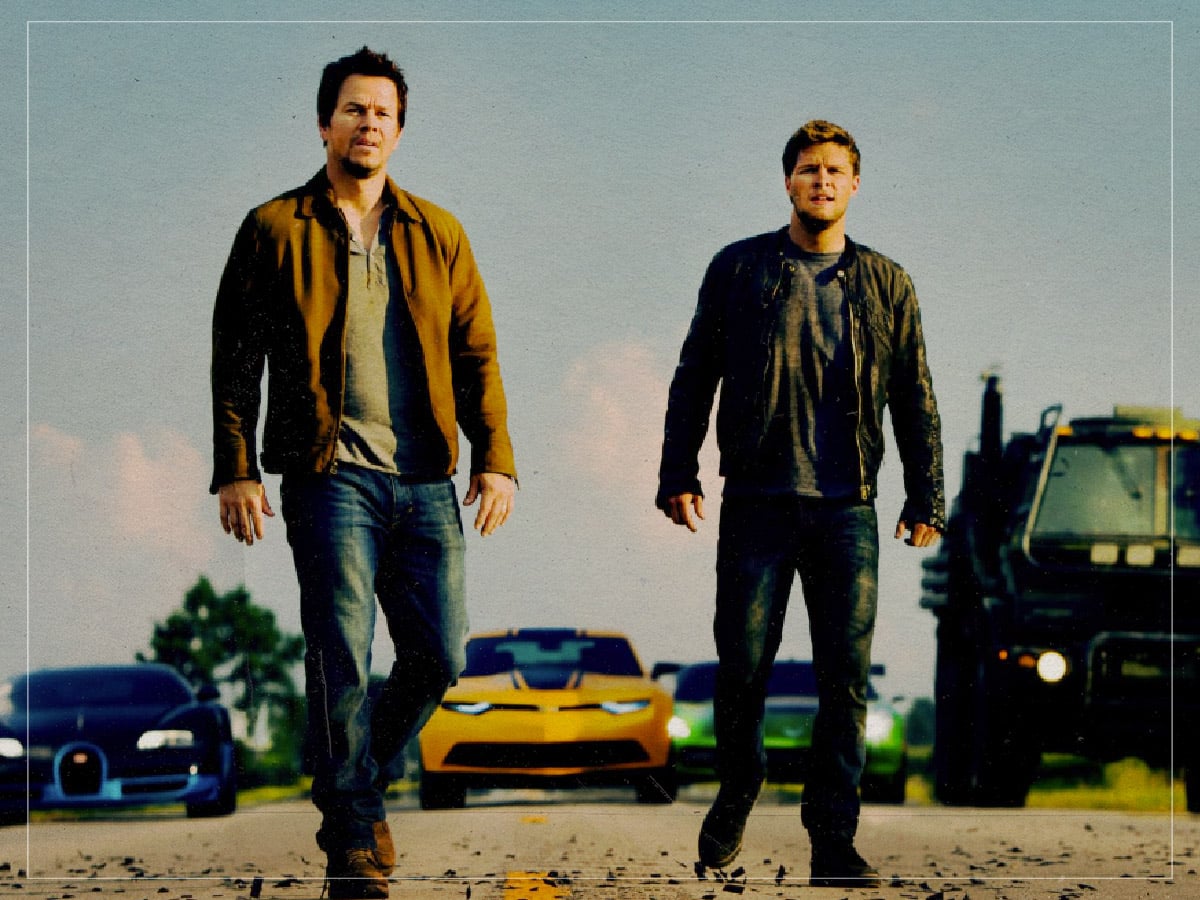
“Romeo and Juliet law”.
The Transformers films from Michael Bay are an unabashed spectacle, and they tend to be at their best when robots are fighting and there aren’t any humans talking. Although the general stupidity of the series earned it scathing reviews, it was the fourth instalment, Transformers: Age of Extinction, where the franchise got genuinely offensive.
It’s revealed that Tessa Yeager, played by Nicola Peltz, the underage daughter of Mark Wahlberg’s Cade, is in a relationship with the older guy Shane, played by Jack Reynor; after Cade confronts him, Shane explains a legal loophole that allows him to continue dating a girl he met when they were both younger. The justification of an inappropriate relationship has no place in any film, but it’s even more distracting in an action-packed summer tentpole that is ostensibly based on action figures that were made to be sold to children.
‘Jupiter Ascending’ (The Wachowski sisters, 2015)
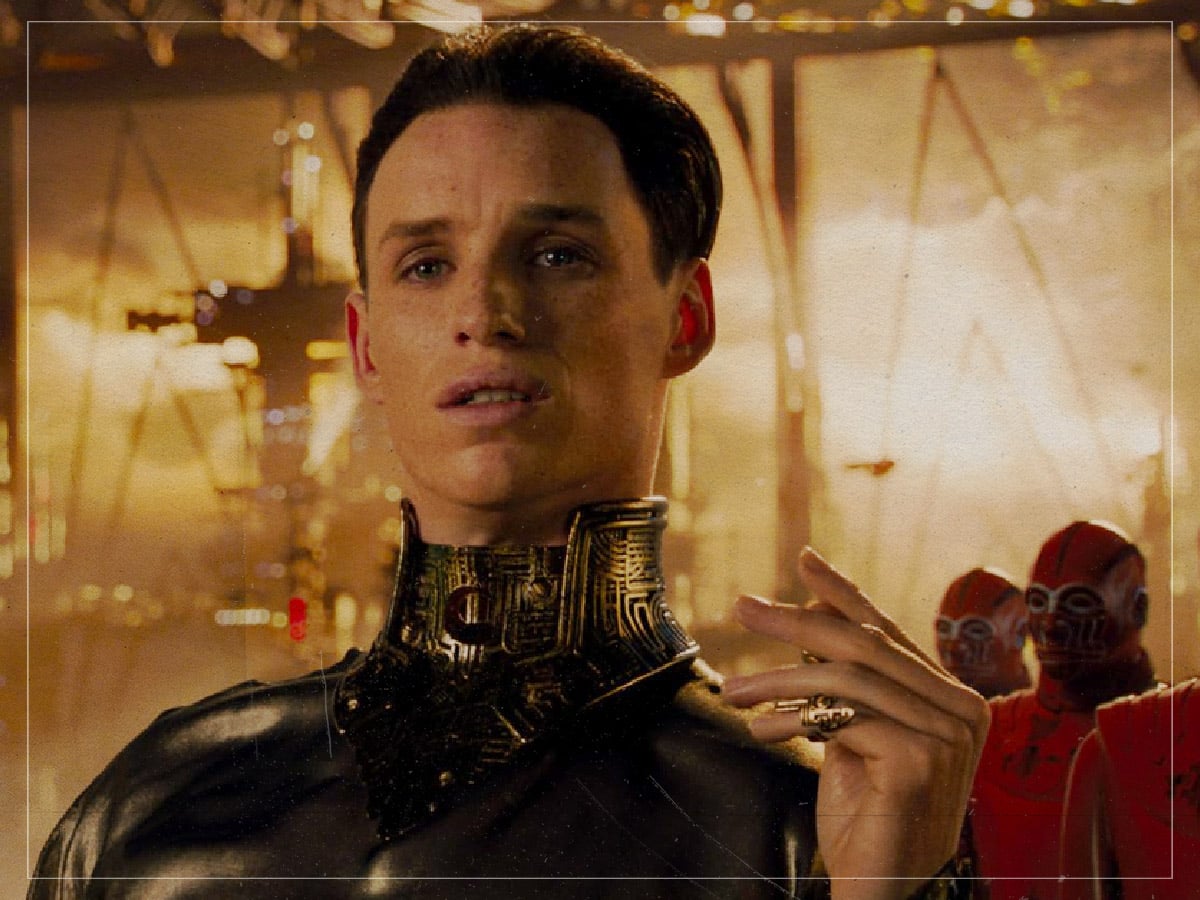
“I create life!”
The Wachowski sisters struggled to recapture the same lightning-in-a-bottle they found with The Matrix after their trilogy concluded. While both Speed Racer and Cloud Atlas eventually found their cult audiences, Jupiter Ascending was a complete disaster that even those involved in it hated working on. Giving one of the most embarrassing performances in recent history is Eddie Redmayne as Balem Abrasax, the ruthless First Primary of the House of Abrasax.
Although he was just one month away from winning an Academy Award for his performance as Stephen Hawking in The Theory of Everything, he gives a monologue in Jupiter Ascending about his ability to create life and death that is completely incomprehensible and even unintentionally hilarious. The Wachowskis clearly put a lot of thought into the mythology of Jupiter Ascending, but the characters feel lifeless because of their didactic, unemotional manner of speaking.
‘Hillbilly Elegy’ (Ron Howard, 2020)
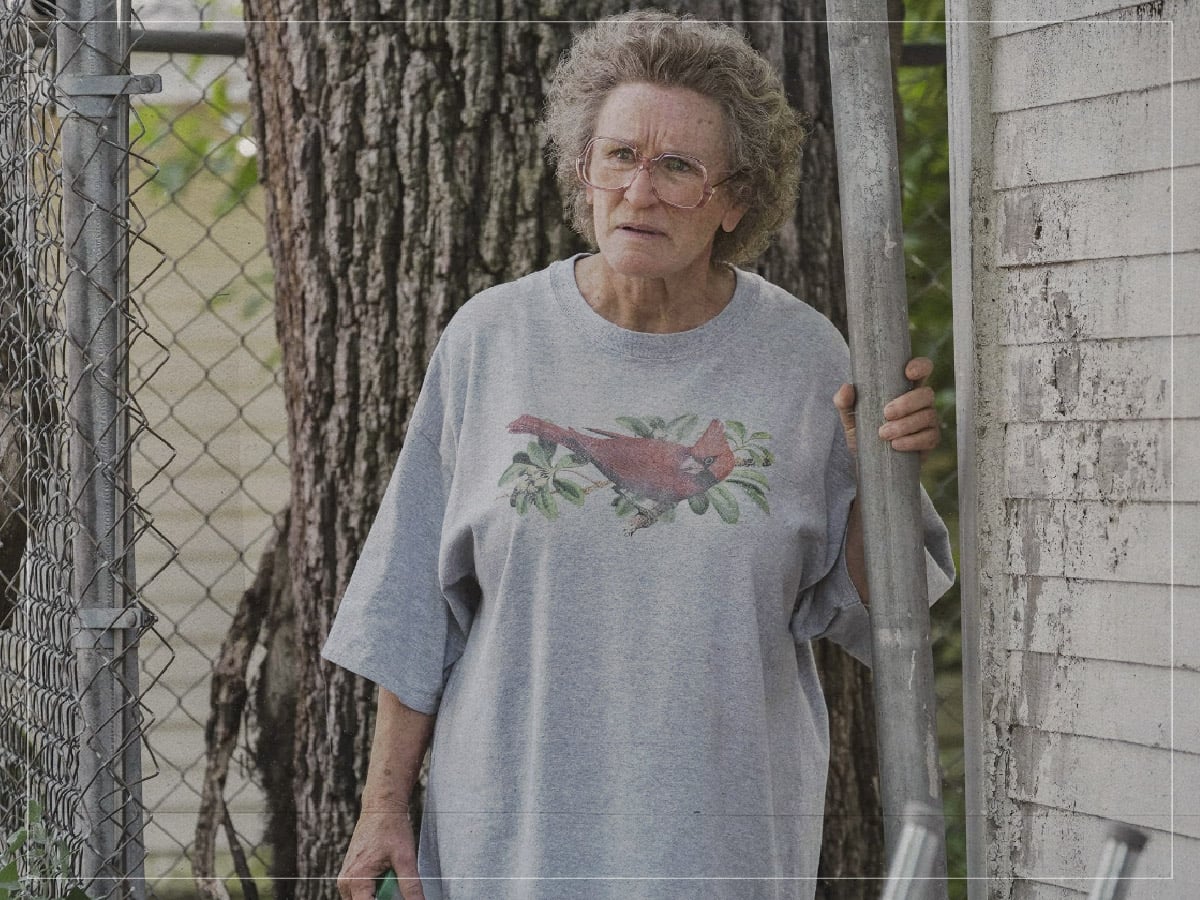
“Everyone in this world is one of three kinds”.
Even before he became Vice President of the United States, JD Vance was detested by cinephiles because of how terrible the adaptation of his memoir Hillbilly Elegy was. The most memorable aspect of the 2020 Netflix film was the performance by Glenn Close as Vance’s grandmother; she became the rare performer to receive both an Academy Award nomination and a Razzie award win for the same role.
Close’s strange monologue about the opportunities that people have in life to choose what type of person they want to be epitomises the inauthentic, manipulative, and downright derogatory qualities that Vance would become associated with. Ironically, it was the scathing reviews for the film that led him to develop a more negative view of what he saw as an increasingly liberal Hollywood, and inspired him to take a closer look at his own political career.
‘Hollywood Homicide’ (Ron Shelton, 2003)
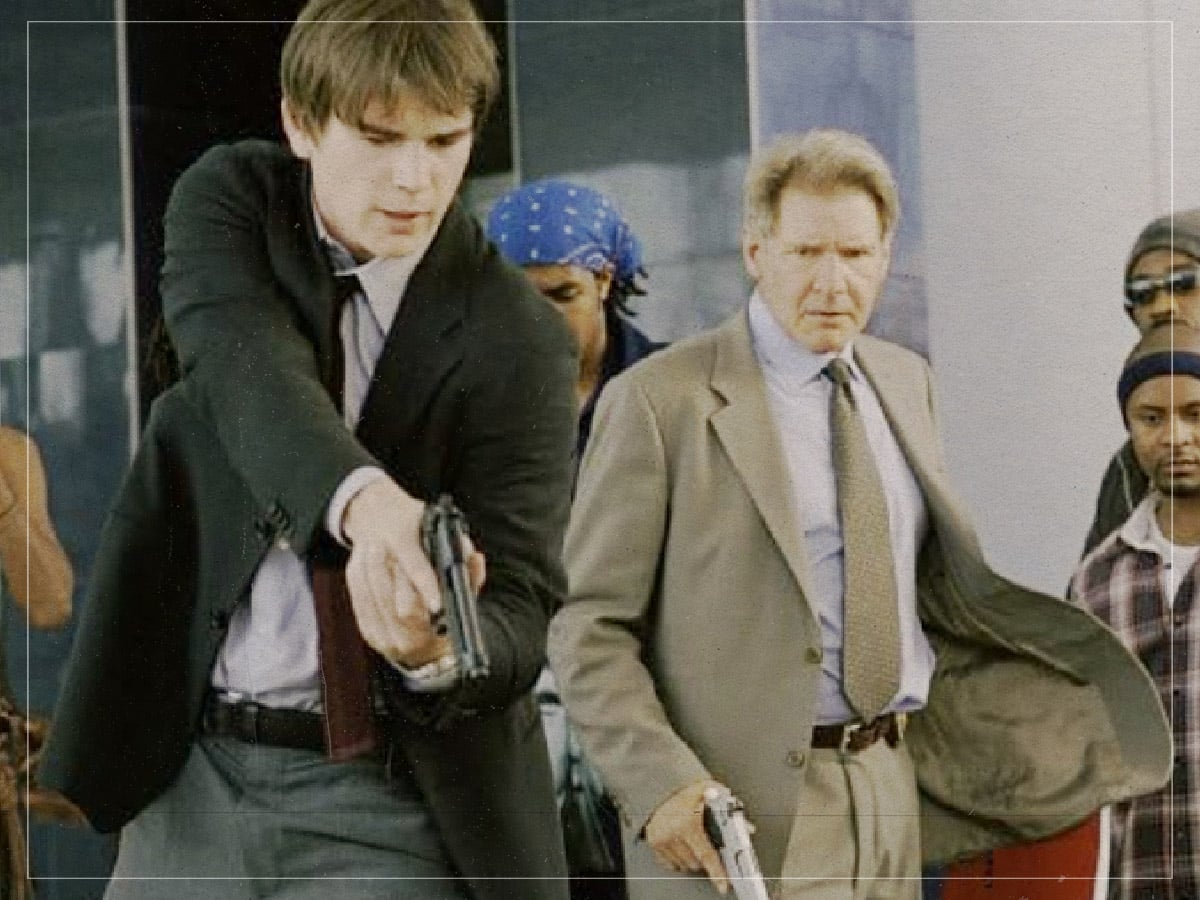
“Did anybody in this hear me say the word mayonnaise?”
Harrison Ford is perhaps the most beloved actor for anyone who grew up and realised that Han Solo, Rick Deckard, Indiana Jones, and Jack Ryan were all played by the same person. While Ford has spoken out against a few of his less successful films, he’s such a charismatic presence that he can redeem pretty much anything.
The one exception to this trend is Hollywood Homicide, a disastrous buddy comedy that led to the rare fallow period in Ford’s career. He starred as a no-nonsense, grumpy police officer who teams up with a younger cop, played by Josh Hartnett, and a scene in which Ford’s character rants about getting the wrong order for his cheeseburger is about as bad as mainstream comedies can get, which is so embarrassing that it stains the spotless reputation that he had up until that point in his career.
‘Lost in Space’ (Stephen Hopkins, 1998)
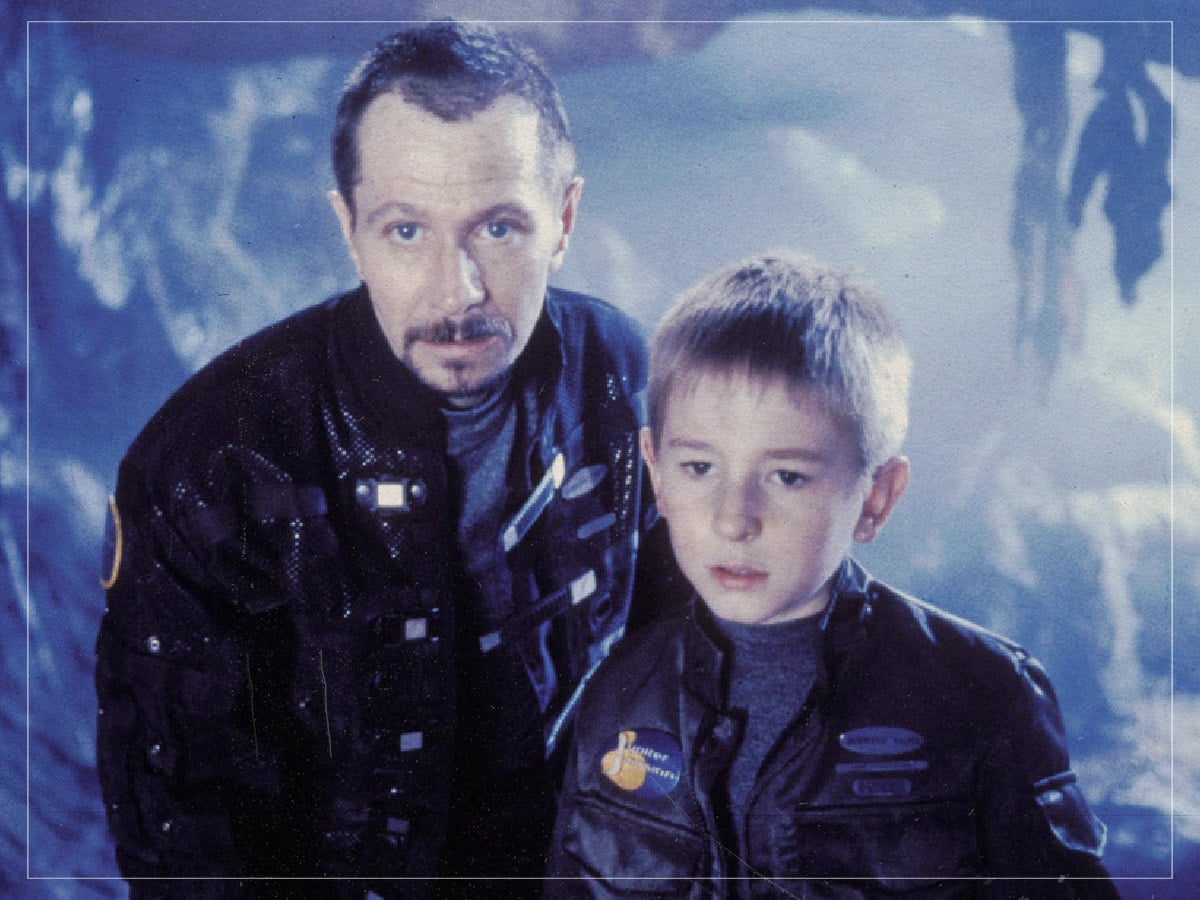
“Farewell, my platinum-plated pal”.
Lost in Space is a legendary disaster that tried desperately to recapture the magic of the original science fiction television series, only to result in a miscalculated mess that sank any odds of a sequel. While William Hurt clearly detested the fact that he was in the film and Lacey Chabert gave a performance so bad that it nearly destroyed her career, it was Gary Oldman who was saddled with the film’s worst dialogue as the villainous Doctor Smith.
In fairness to Oldman, he only took the role so he could pay for his passion project, Nil by Mouth. While the villainous, alliterated threats that Smith gives to a robot are fairly cringe-inducing, Oldman was at least trying his best to inject a sense of fun into a film that otherwise felt like a complete chore to get through.
‘Honey Don’t’ (Ethan Coen, 2025)
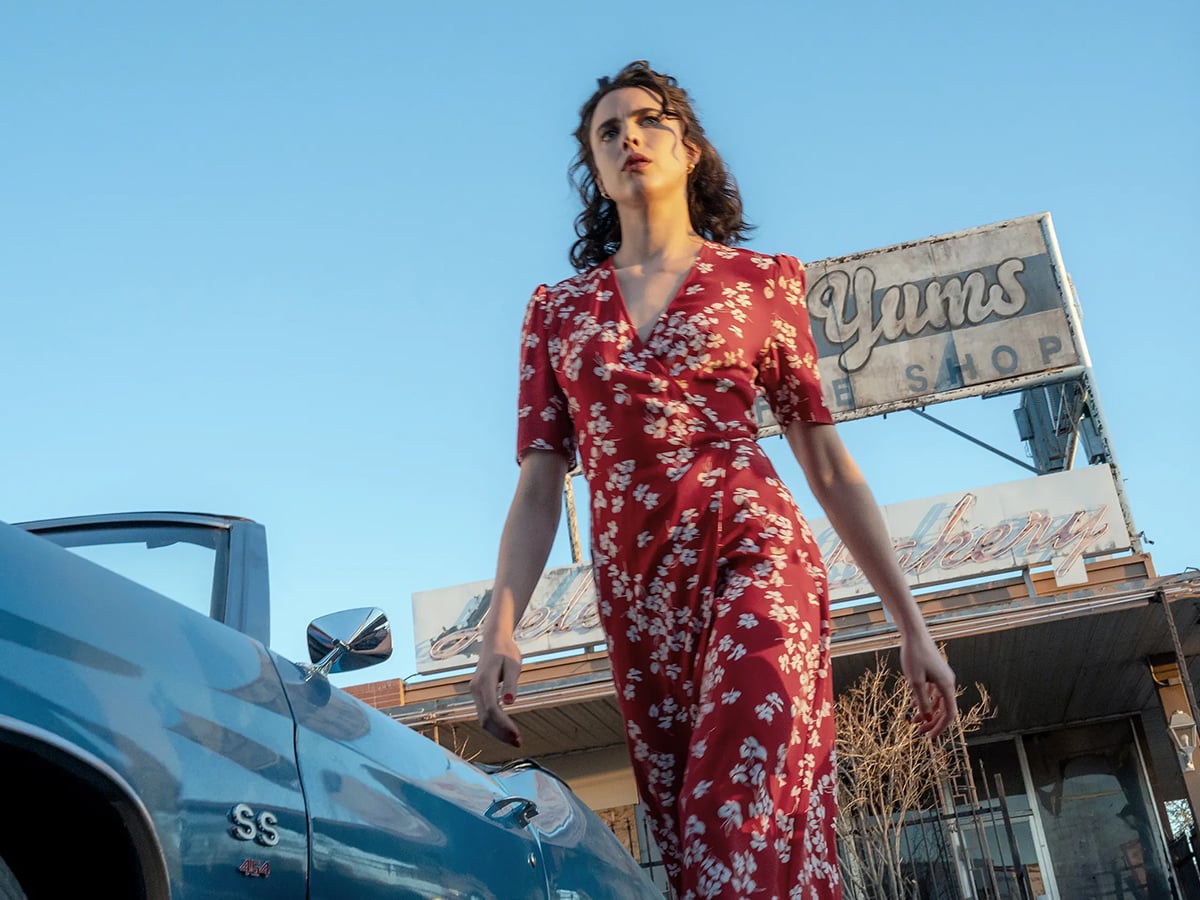
“They won’t look for stab wounds on you, either!”
The splitting of the Coen brothers’ partnership has been far less beneficial to one of the siblings than it was to the other. While Joel directed the acclaimed adaptation of The Tragedy of Macbeth with Denzel Washington and Frances McDormand, Ethan Coen and his wife Tricia Cooke have now made two unwatchable crime B-movies that fall on the wrong side of camp. Honey, Don’t! starred Margaret Qualley as the brilliant investigator Honey O’Donauhue, who discovers that a series of murders are linked to the police clerk MG Falcone, played by Aubrey Plaza.
Plaza’s monologue, where she explains the tragic backstory that led her to become a killer, is neither funny nor disturbing, as it references real issues of abuse and sexism in an over-the-top, weird tone. It’s only a further reminder that Joel Coen might have actually been the secret genius behind their original partnership.
‘Mercy’ (Timur Bekmambetov, 2026)
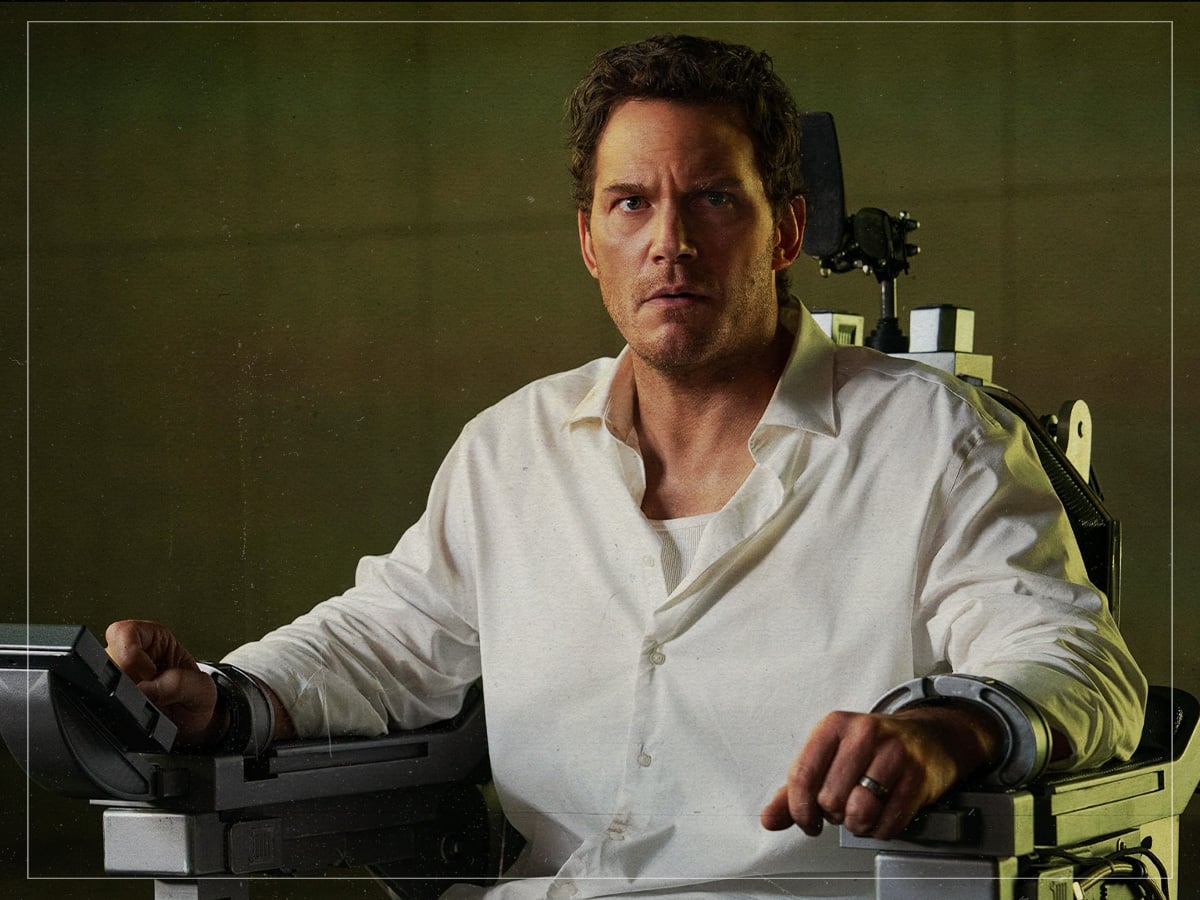
“Human or AI, we all make mistakes”.
Mercy is a generic science fiction mystery that borrows liberally from Minority Report and Robocop, but it’s the cynical shift into pro-artificial intelligence themes that makes the film downright offensive. Chris Pratt stars as LAPD officer Chris Raven, who is forced to clear his name after being falsely accused of murdering his wife, played by Anabelle Wallis.
While initially the AI program Judge Maddox, played by Rebecca Ferguson, is a barrier within Raven’s quest for justice, he comes to the conclusion that both humans and robots should be seen with “mercy” after finding the real culprit. The idea that justice should be given over to a machine incapable of feeling is downright disturbing, especially given that Mercy was produced by Amazon, a company that has already begun to heavily incorporate artificial intelligence algorithms.
‘Bright’ (David Ayer, 2017)
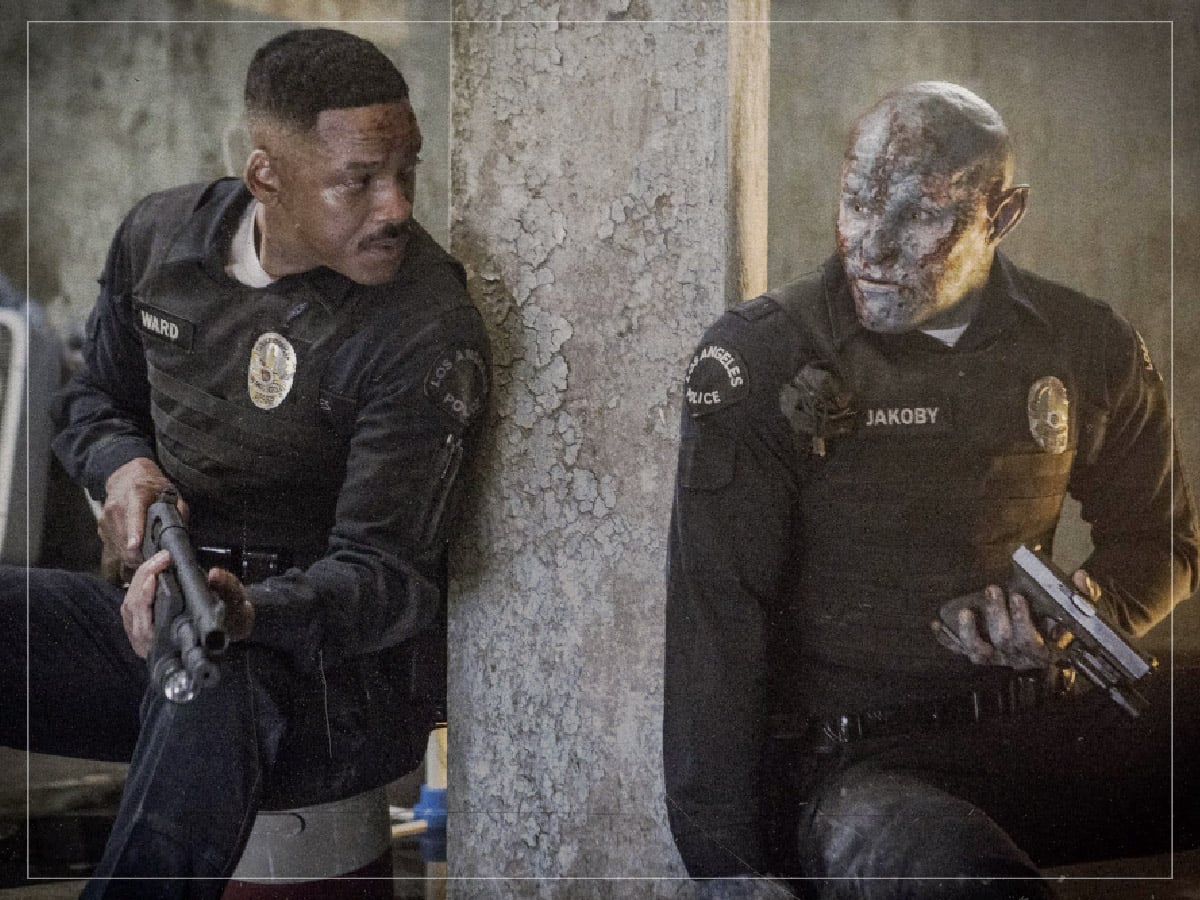
“I need to know if you’re a cop first, or an Orc first”.
Netflix’s first endeavour into blockbuster filmmaking couldn’t have gone any worse than it did with Bright, a fantasy crime drama that utilised an outdated analogy for racism. Set within a world where fantasy creatures exist alongside mankind, the film follows the human cop Daryl Ward, played by Will Smith, when he teams up with Joel Edgerton’s Nick Jakoby, the first Orc to become a member of the force.
The bigotry expressed by Ward to Jakoby because he is an Orc is such a generic, outdated allegory for race relations that it completely collapses the film’s attempts to be serious. By replacing loaded racial terms with silly fantasy concepts, screenwriter Max Landis somehow made a script that seemed to be making fun of progressive ideas while also holding a childlike view of the reality that people of colour face. Smith has made no shortage of bad movies, but Bright actually wasn’t his fault because of how terrible the script was.
‘Batman v Superman’: Dawn of Justice’ (Zack Snyder, 2016)
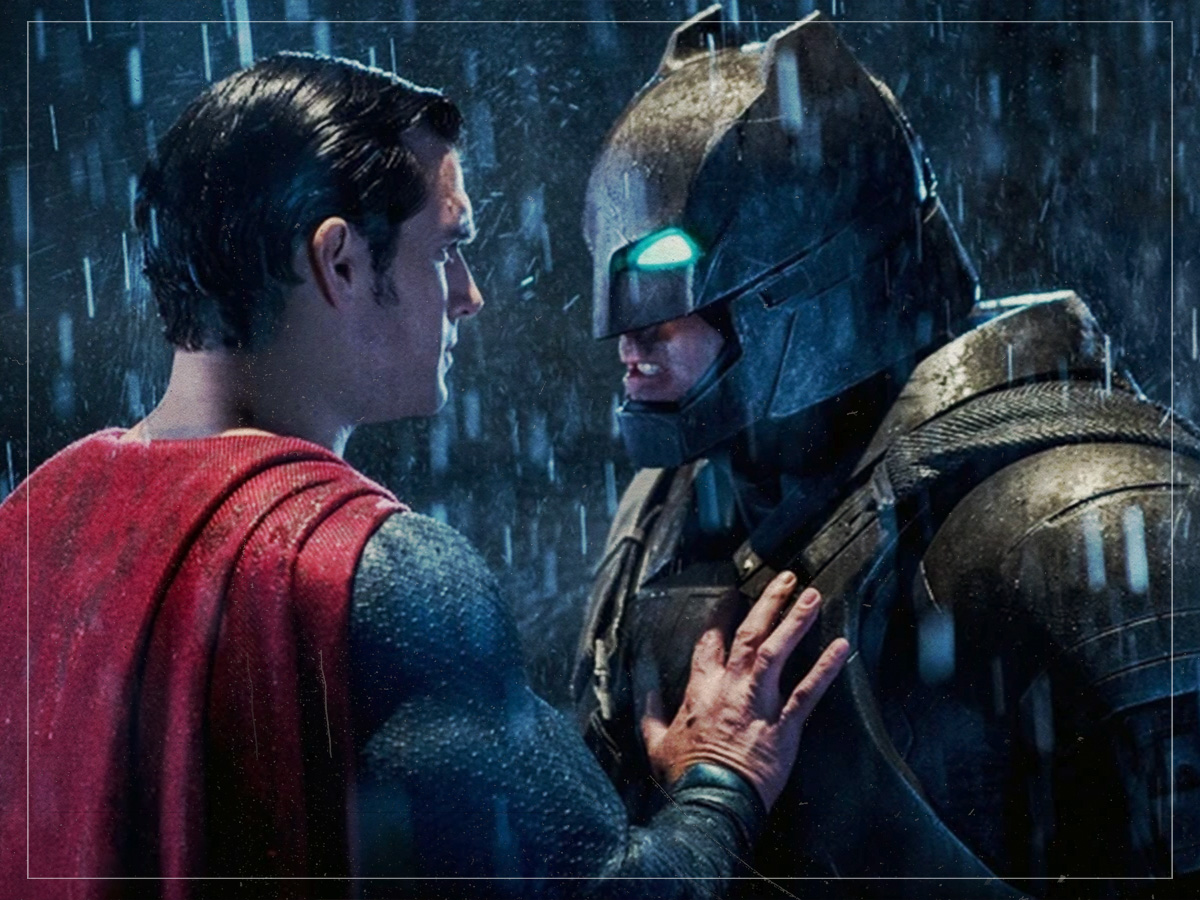
“Every boy’s special lady is his mother… Martha, Martha, Martha…”
Batman v. Superman: Dawn of Justice was a disaster that eroded enthusiasm for DC’s slate of superhero movies and proved that Zack Snyder had no comprehension of the characters. Although the fact that both Henry Cavill’s Superman and Ben Affleck’s Batman are cold-blooded killers that seemingly have no concerns about collateral damage, the film is at its worst when it attempts to ascribe motivations to Lex Luthor, played by Jesse Eisenberg.
Eisenberg is a great actor, but Snyder characterises Luthor as an insane, awkward Silicon Valley ‘tech bro’ who doesn’t have any of the authority that the character did in the comics. Luthor’s threat to Superman about the kidnapping of his mother, played by Diane Lane, isn’t just lacking in suspense, but begins the ridiculous storyline that leads up to the now widely ridiculed “Save Martha” moment that the film is now synonymous with.
