


10 times cinema tried to be topical and failed miserably

Film can be a medium of both art and entertainment, but wading into current events can be a more difficult task to pull off.
It can be exhausting to hear complaints from those who claim that contemporary cinema is ‘too political’, as art is inherently political, and that includes movies; however, a film’s willingness to address topical issues is not an achievement in its own right, as it can still be criticised for the message itself and how it was received.
Even if actors and celebrities often use their platform to serve as advocates, it can be much harder for an entire production to say something meaningful, as there’s a difference between a film that tackles political themes, intertwining them in a compelling way, and something that feels like a flat-footed message that only exists to serve an echo chamber.
They can fail for other reasons too, such as from attempts at being prestige awards players, while others suffer from trying to imbue meaning within otherwise banal blockbusters with a more broadly commercial appeal, but either way, it can be both inadvertently hilarious and cringe-inducing to look at the biggest examples of when Hollywood got full of itself.
10 times cinema failed miserably at being topical:
‘American Pastoral’ (Ewan McGregor, 2016)<br>
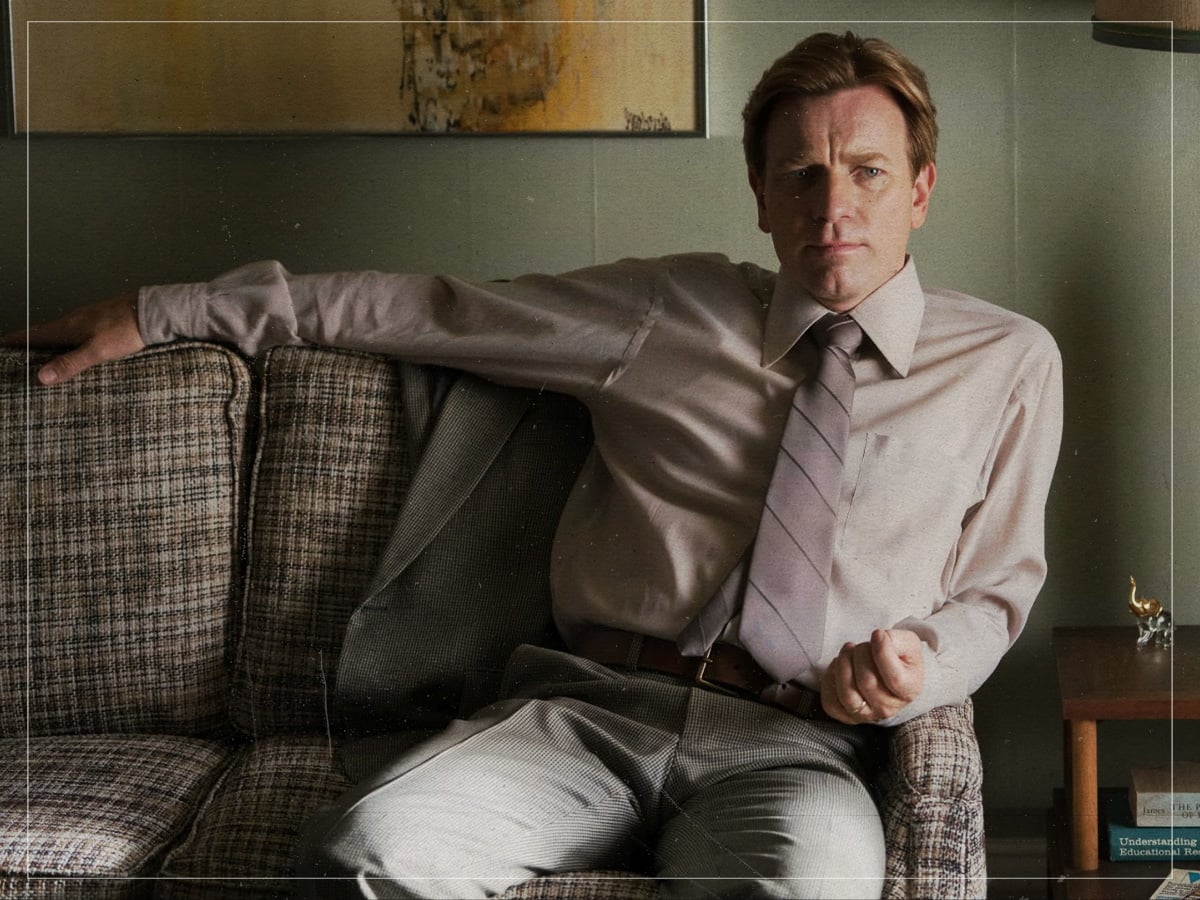
Ewan McGregor is a great actor, but not every talented performer has the potential to find the same success behind the camera, and with his directorial debut, American Pastoral, an adaptation of the acclaimed Philip Roth novel, in which he plays a former high school athlete who becomes a prominent businessman in the 1960s his intention was seemingly to unpack the collapse of the ‘American dream’ in the last half of the 20th century. Unfortunately, it doesn’t tackle anything that wasn’t depicted better by the films that were actually released in the time that it is set in.
The odd flashback structure makes it even more awkward, as Roth’s dialogue is condensed and not realised to its potential, and while McGregor has been critical of his performance in Emma, a film he’s actually pretty decent in, he should take more time to consider his weakness as a director.
‘After the Hunt’ (Luca Guadagnino, 2025)<br>
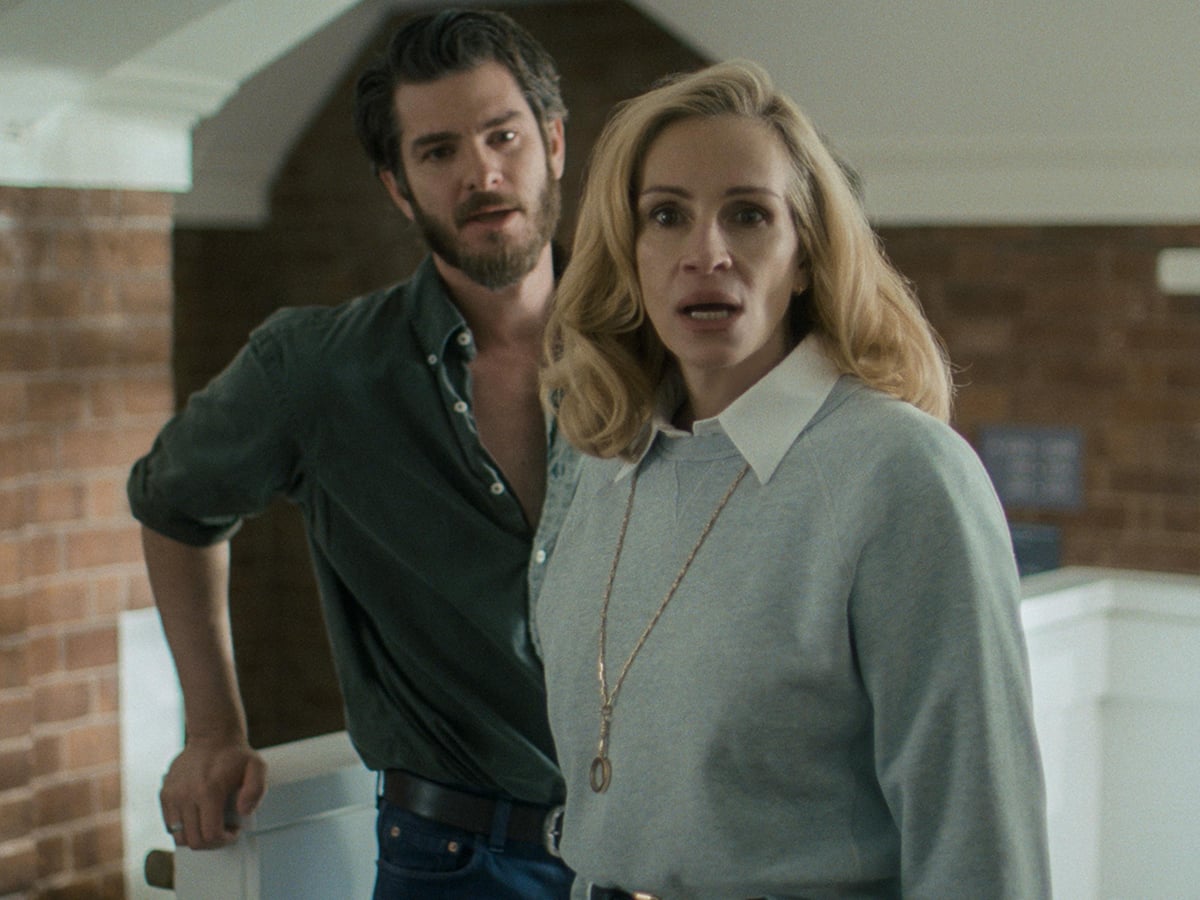
After the Hunt is a film about the #MeToo era and cancel culture that feels several years too late, making it all the more baffling that a director as talented as Luca Guadagnino would take on a script that is so lacking. While the film’s attempt is to question whether both accusers and abusers could have more complicated motivations, the film is completely ill-equipped to explore any ambiguity when all of its characters are heightened, feeling like caricatures.
Julia Roberts gives one of the worst performances of her career as a professor who realises her colleague, Andrew Garfield, has been accused of misconduct, as the character is so dull that it’s hard to understand what societal ill she was intended to represent. While Guadagnino may have thought that making several allusions to the style of Woody Allen was clever, it represented how After the Hunt is provocative without any actual insight.
‘Lions for Lambs’ (Robert Redford, 2007)<br>
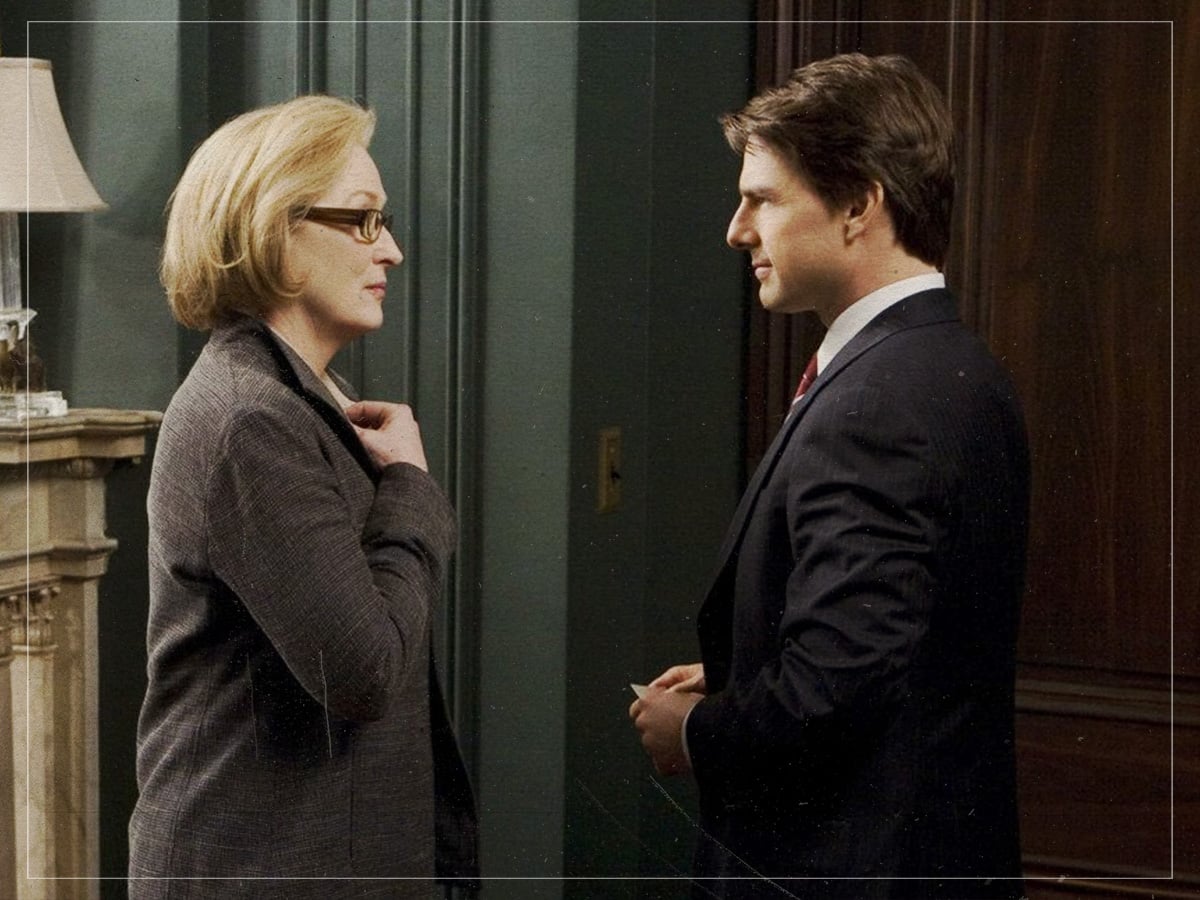
Robert Redford is a Hollywood legend who admirably stood up for his political principles throughout his career, but that doesn’t mean that he was the right person to wade in on the Iraq War as it was emerging. Beyond the fact that many of the clearest insights about the conflict didn’t emerge until years later, Lions for Lambs had one of the weirdest and most pretentious structures imaginable; the entire film centres on a professor, played by Redford, who lectures his student, played by Andrew Garfield.
Lions for Lambs’ themes about the complexity of patriotism feel lifted from an older generation that still holds on to its idealism, making it completely mismatched to say anything radical, and it’s quite telling that a film that is supposedly about the present is dominated by the overbearing perspective of an older generation that still clings to mere strains of relevancy.
‘Mercy’ (Timur Bekmambetov, 2026)<br>
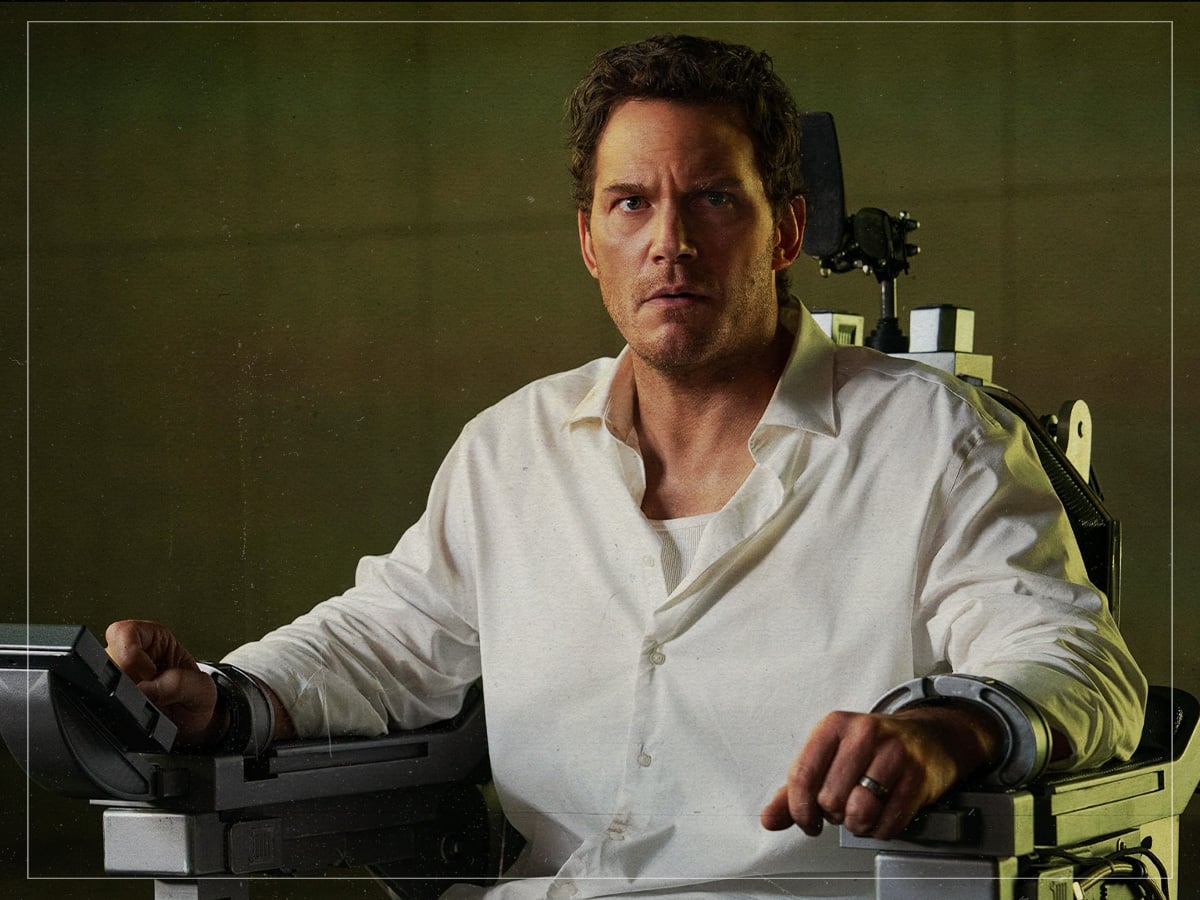
The debate about artificial intelligence in Hollywood has led to some deep conversations about what the future might look like, as there are major studios that have proven themselves willing to throw their artists under the bus. As scary as this is for the next generation of cinema, the advancement in AI for law enforcement is even more Orwellian, which makes its somewhat sympathetic portrayal in the science fiction mystery Mercy feel downright dangerous for how badly it read the situation.
Mercy follows a police officer, played by Chris Pratt, who works with an artificial intelligence system, represented by Rebecca Ferguson, to clear his name when he is accused of murdering his wife, and that the film ends on a moment that asks for both humans and artificial intelligence to be forgiven for their mistakes is downright sinister, especially when considering that Mercy was released by Amazon.
‘It Ends With Us’ (Justin Baldoni, 2024)<br>
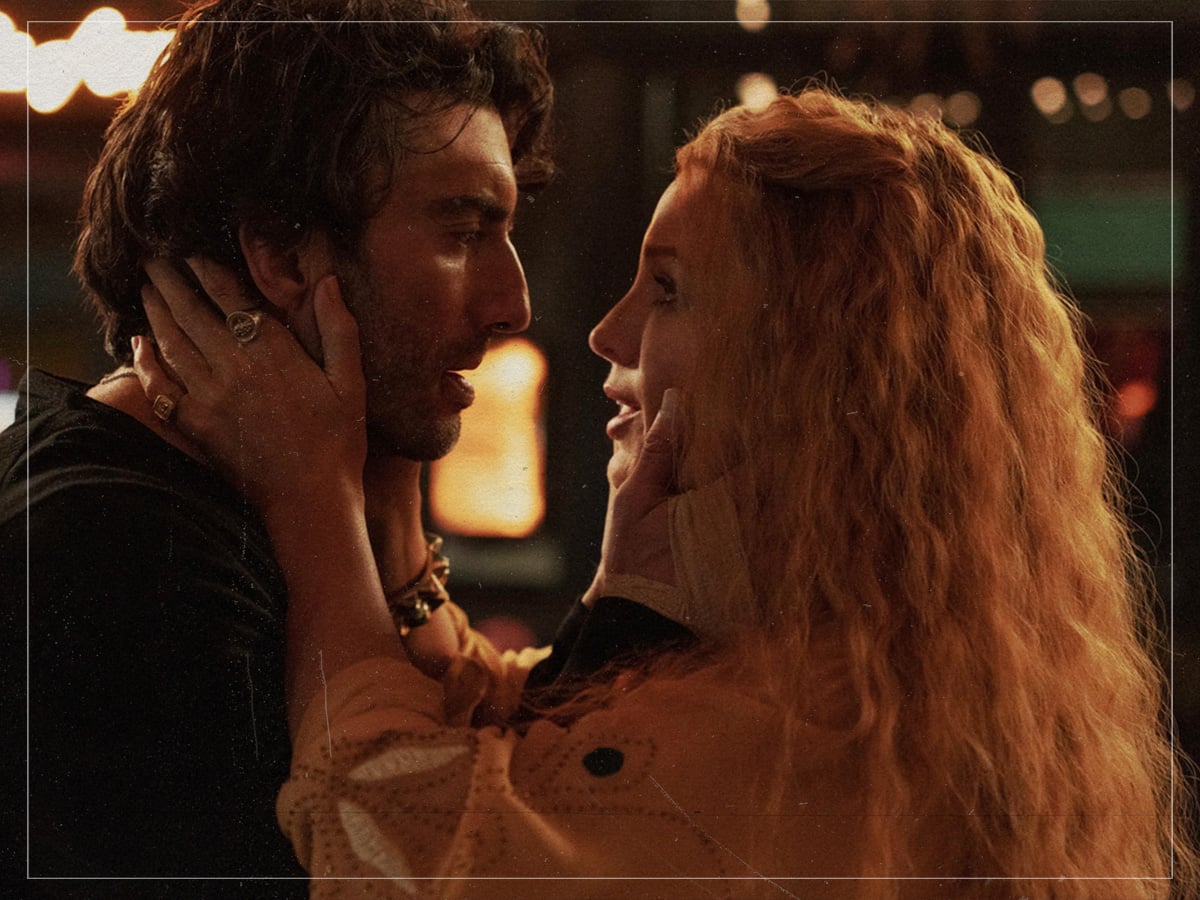
That the controversy regarding It Ends With Us is still going on is simply exhausting, as it doesn’t appear that the legal feud between director Justin Baldoni and star Blake Lively will be coming to an end anytime soon, and even ignoring the allegations regarding Baldoni’s behaviour and Lively’s strange promotional tour, the film presents an outdated depiction of domestic abuse that ultimately stigmatises women in toxic relationships.
It Ends With Us can’t help but add in moments of romanticism that are completely distracting, and isn’t entirely able to condemn its abusive characters without giving them some sympathetic qualities. Colleen Hoover’s novels have been unusually centred on stories that seem like female empowerment, even though they frequently feature degradation, animosity, and emotional violence, so the fact that the film was a major hit sets a troubling precedent for future Hoover adaptations.
‘Men, Women and Children’ (Jason Reitman, 2014)<br>
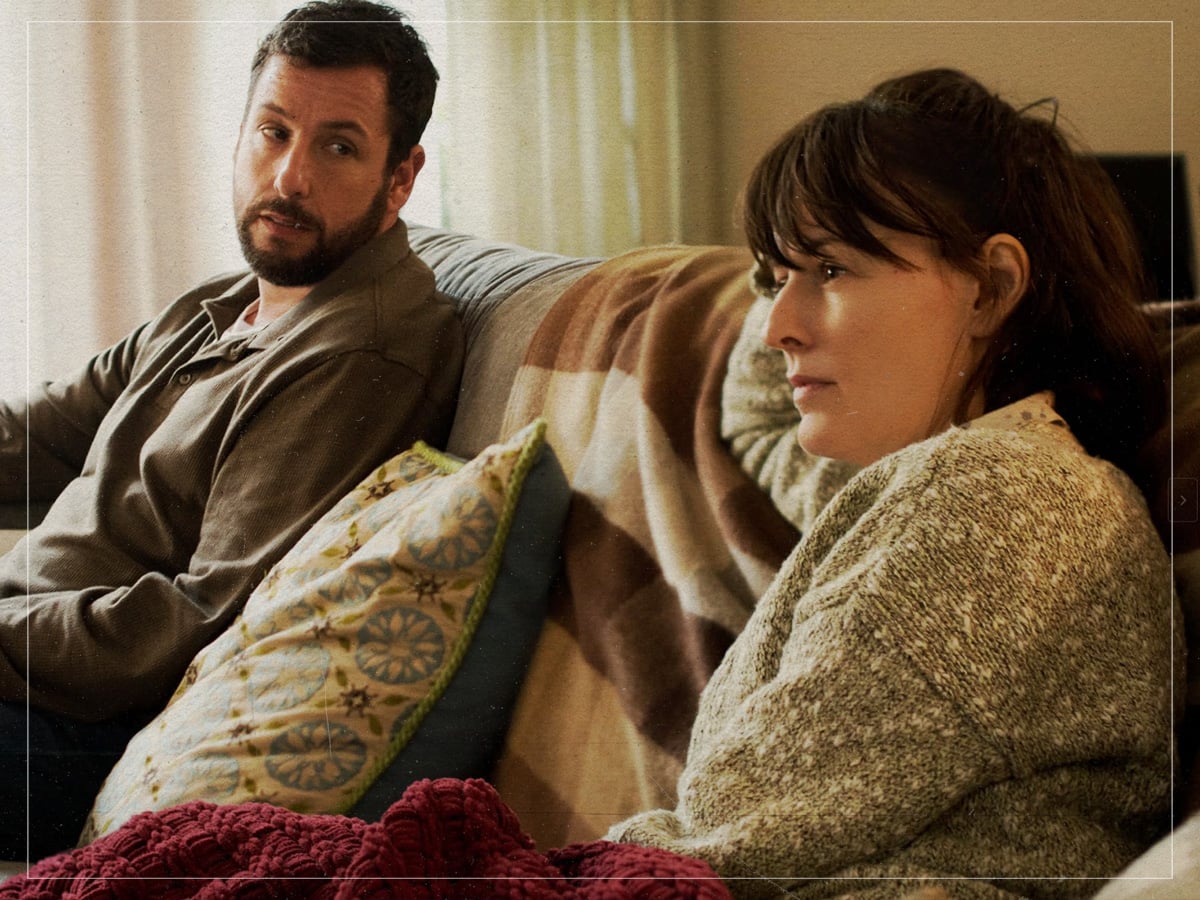
Men, Women and Children was an ensemble drama directed by Jason Reitman that aimed to show the negative effects of social media on a small community, and despite featuring a remarkable cast, including one of Timothée Chalamet’s first roles ever, the film doesn’t say anything that doesn’t feel like a PSA. Acknowledging that marital infidelity, cyberbullying, pornography, and digital addiction exist is by no means a novel insight, especially since Reitman’s perspective feels like that of an out-of-touch parent.
Among the most unusual casting choices was Adam Sandler, who is cast against type as an unlikable, selfish husband, and although he has proven that he can be an amazing dramatic actor when given the right material, his presence in Men, Women and Children is a massive distraction because Reitman is incapable of using his talents to the film’s advantage.
‘Free State of Jones’ (Gary Ross, 2016)<br>
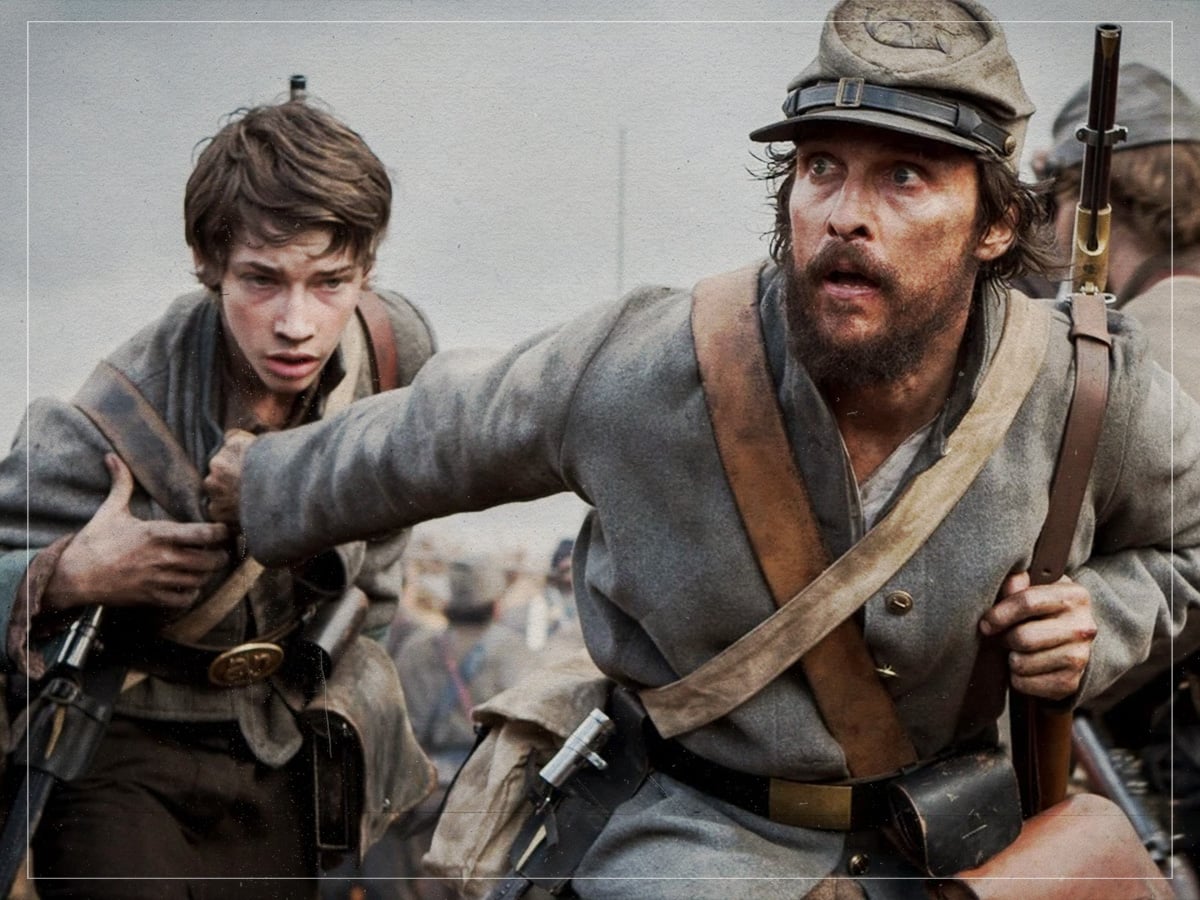
Free State of Jones is inspired by the remarkable life of Newton Knight, a Southern Unionist who led a resistance group in Mississippi to fight the Confederate Army and proclaim their loyalty to the administration of Abraham Lincoln, but the issue with the film is that it has no interest in exploring the complex multicultural issues that lead to the Civil War, and frames Knight, who is played by Matthew McConaughey, as being the ultimate white savior.
While it may not be the worst film that McConaughey has been in, it doesn’t bring any of its supporting characters to life and fails to say anything meaningful about the Reconstruction Era; moreover, there have oddly not been that many great films about the American Civil War, and the disastrous release of films like Free State of Jones may have dissuaded other directors from trying.
‘LBJ’ (Rob Reiner, 2016)<br>
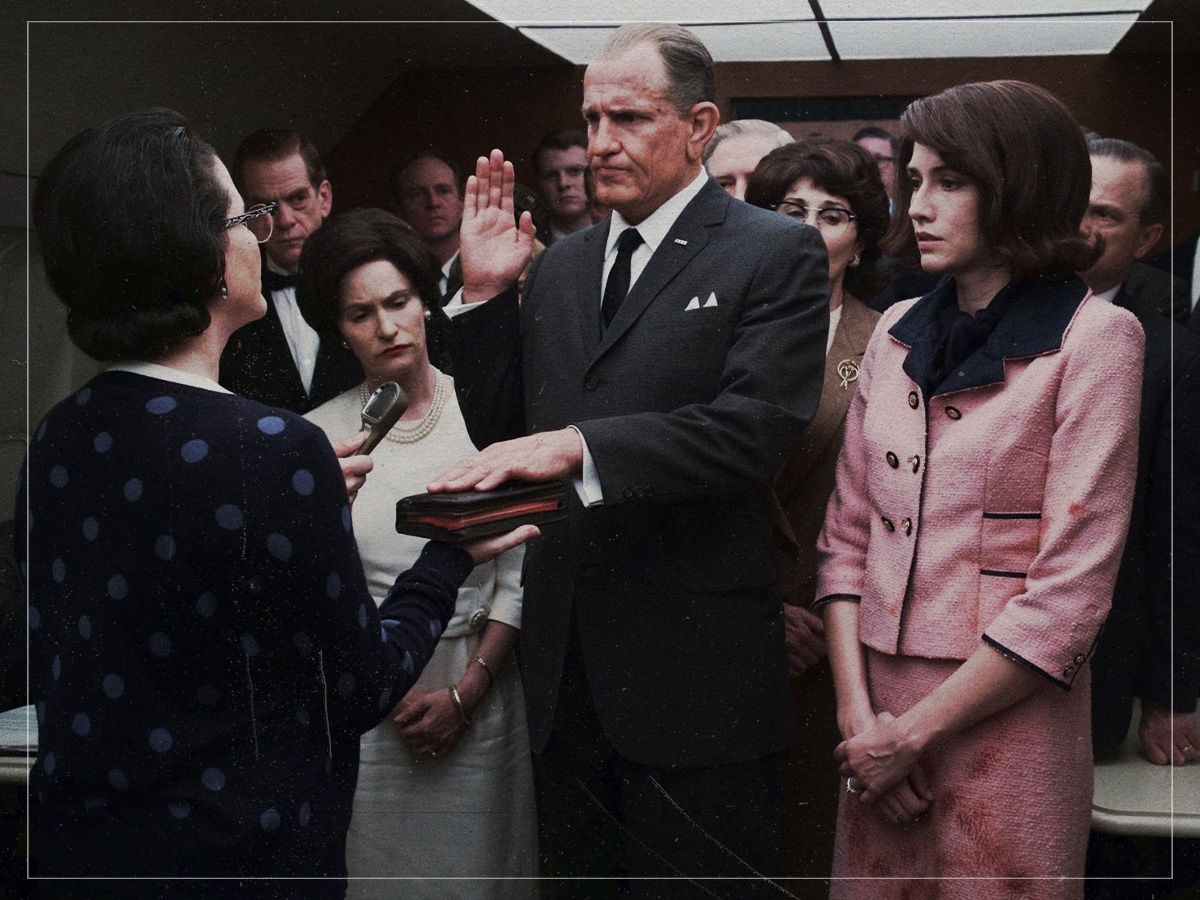
Woody Harrelson was perfectly cast to play President Lyndon B Johnson in LBJ, the biopic directed by Rob Reiner, but the latter’s idealism may have clouded him from having a critical perspective on a controversial politician whom the film can’t help but frame as a hero, as it suggests that Johnson was a quirky but ultimately loyal ally to President John F Kennedy, while in actuality, they were rivals with wildly different views.
The film also suggests that it was Johnson’s convictions to honour Kennedy’s legacy that led him to pass the groundbreaking Civil Rights bill, when in reality he showed more resistance to the outreach efforts made by Dr Martin Luther King Jr. Furthermore, the fact that a film about Johnson doesn’t even mention the Vietnam War, which his administration helped to prolong, makes LBJ feel more like propaganda than anything else.
‘Concussion’ (Peter Landesman, 2015)<br>
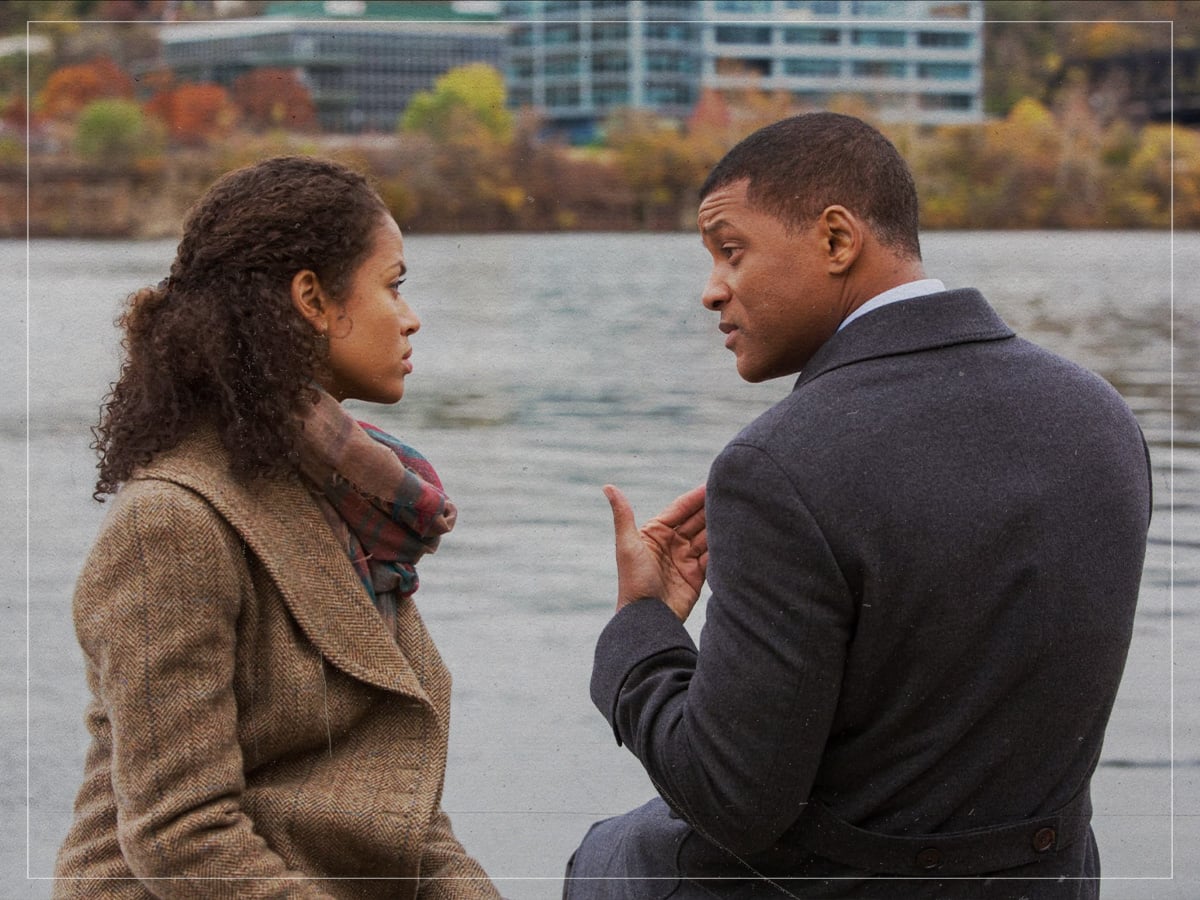
Will Smith has never been a stranger to controversy, but Concussion was one of the strangest misfires of his career. Based on a true story, the film starred Smith as Bennet Omalu, a physician who developed research about the CTE endured by football players, and aimed to be an exposé of the way that these dangerous conditions were covered up and not properly diagnosed, but it was clearly neutered in order to avoid being seriously critical of the NFL or the institutions responsible for the scandal.
The toothless depiction of the NFL’s corruption was not aided by Smith’s performance, which is actually laughable because of his inarticulate accent, and while Concussion was infamously part of the #OscarsSoWhite controversy when the Academy Awards had no Black nominees in the acting categories, the truth is that Smith didn’t get a ‘Best Actor’ nomination because his performance was simply not good.
‘The Birth of a Nation’ (Nate Parker, 2016)<br>
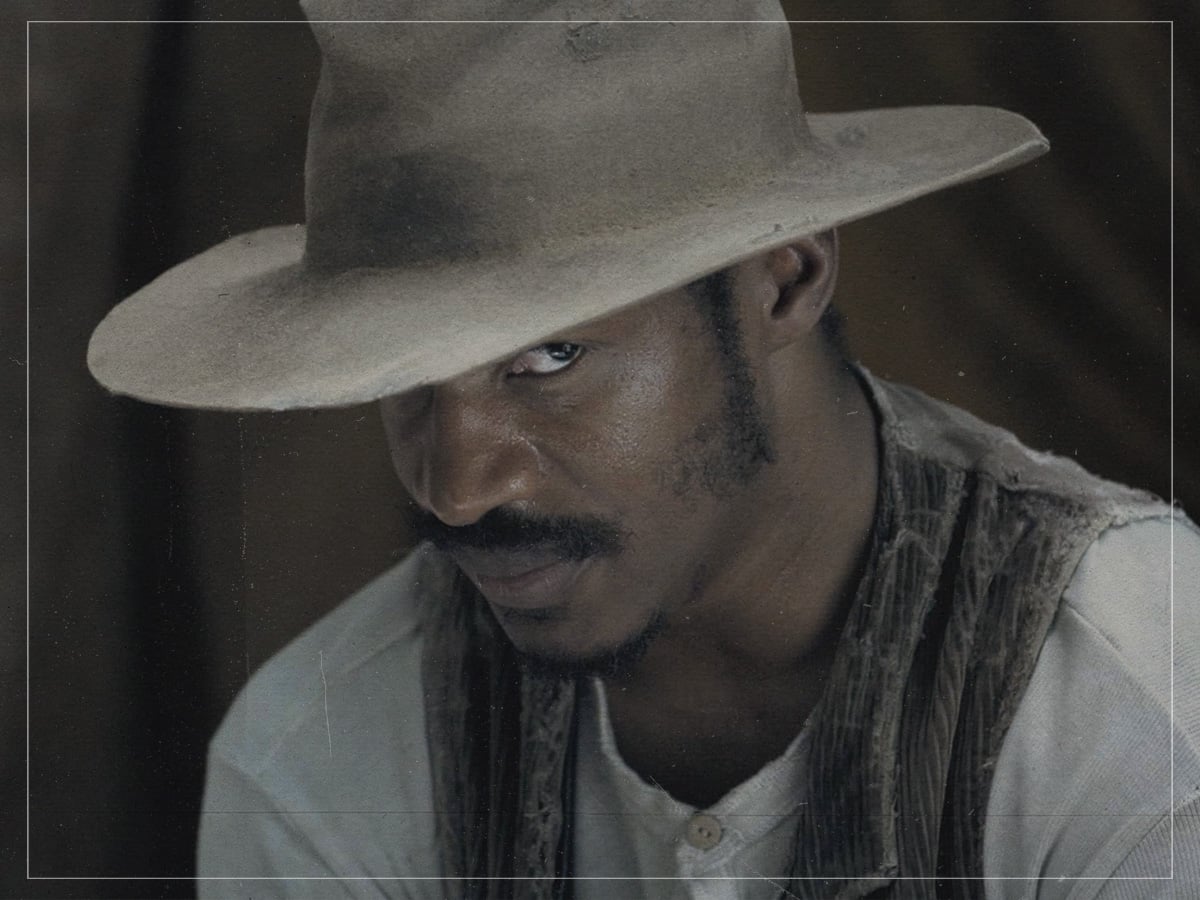
There isn’t another recent film that has had such a disastrous rollout as The Birth of a Nation, a Civil War drama directed by Nate Parker that debuted at the Sundance Film Festival in 2016, where it earned a record-breaking distribution deal from Fox Searchlight.
Given that it occurred right after the #OscarsSoWhite controversy, an empowering epic about a slave rebellion, which just so happened to share its name with the most racist film ever made, seemed like exactly what the industry needed, but when treated with more serious critical consideration after the initial Sundance hype, it was found to be exploitative, nasty, and thematically vacant.
The amateur nature of Parker’s filmmaking, however, was secondary to the controversy that emerged regarding his 1999 sexual assault trial, which destroyed the film’s reputation and led to it being completely ignored.
