


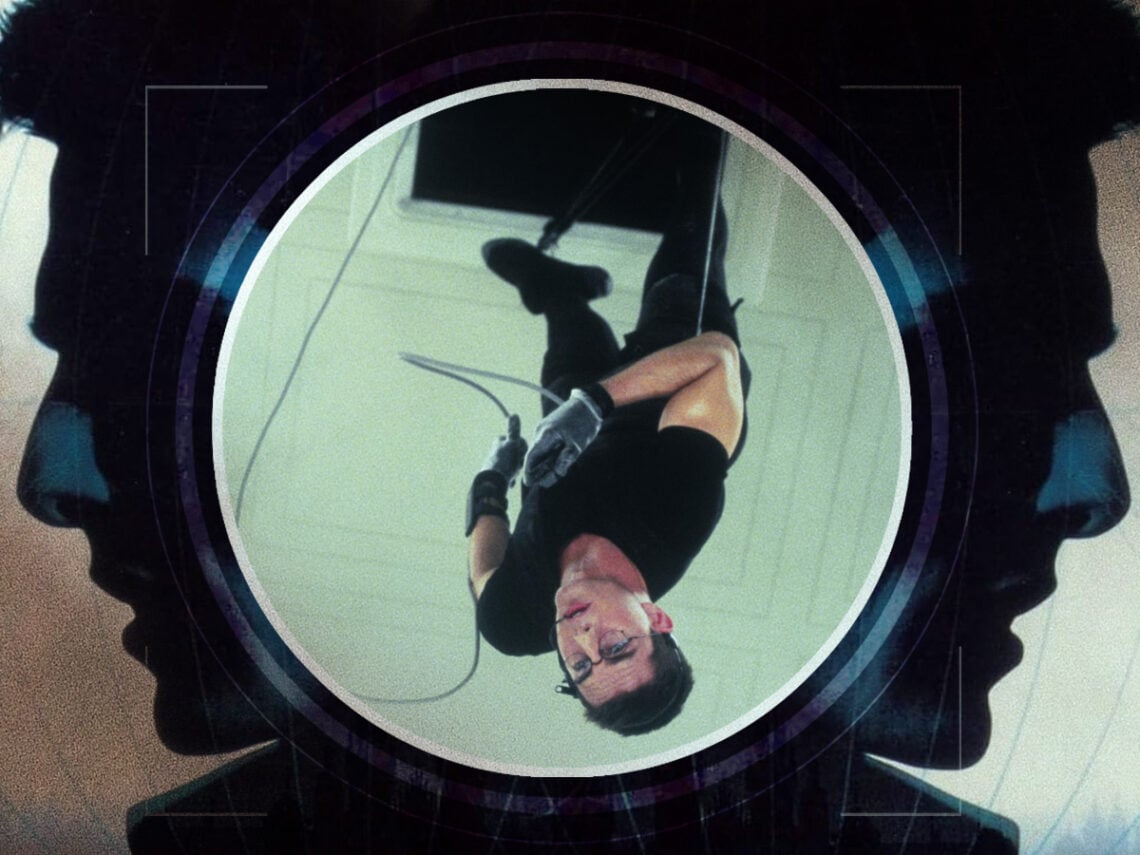
‘Mission: Impossible’ at 30: how Steven Spielberg and George Lucas helped create another monster

On May 22nd, 1996, Tom Cruise officially entered the Tom Cruise business when Mission: Impossible was released, laying down a marker that he’d follow for the rest of his career.
While it wasn’t his first gun-ho action movie, with Top Gun making him a star ten years previously, it was the first all-out action blockbuster that he’d built himself from the ground up. It was the first film he produced and the first picture that sold itself on his death-defying stunts, which has been the norm ever since, but he got a couple of assists along the way from a pair of experienced game-changers.
Initially, Cruise had been developing Mission: Impossible as a reunion with Sydney Pollack, but when he vacated the director’s chair, a replacement was needed. As fate would have it, the star went over to Steven Spielberg’s house for dinner one night, and Brian De Palma happened to be there. The three shot the shit about the industry, and the actor was suddenly hit with a burst of inspiration.
“I went home that night, and I stayed up for about 14 hours, and I got all of De Palma’s movies, and I restudied all of his movies,” Cruise recalled. After his all-night binge, he reached a simple, bleary-eyed conclusion: “He’s got to direct Mission: Impossible.” Had the filmmaker not been at the Spielberg-hosted dinner party, then who’s to say he would have ended up with the gig?
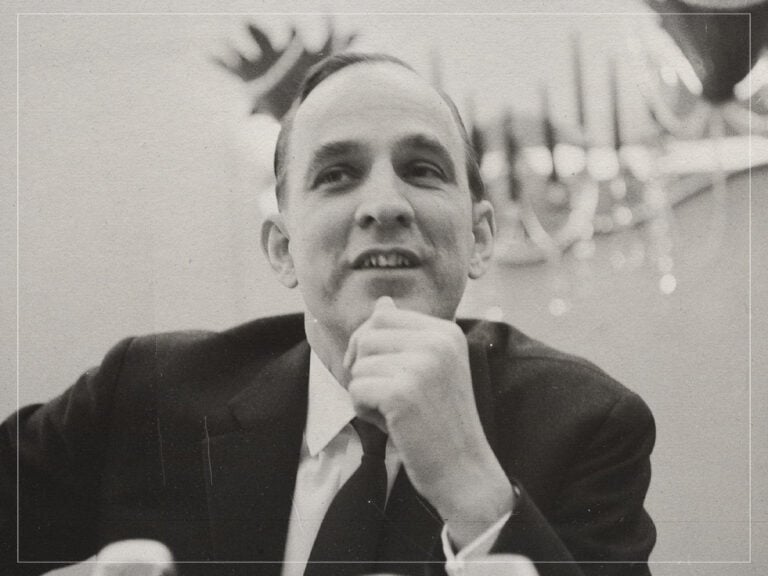
Of course, Spielberg has reshaped cinema several times over, both alone and with his long-time BFF, George Lucas. Together, the pair turned the landscape upside down, whether it was Jaws igniting the blockbuster era, Star Wars shattering box office records and making billions in merchandising, or their shared forays into pushing the boundaries of visual effects technology to new heights.
Not wanting to feel left out, Lucas weighed in on Mission: Impossible, too. The film was supposed to begin with an elaborate opening sequence that established a love triangle between Cruise’s Ethan Hunt, Jon Voight’s Jim Phelps, and Emmanuelle Béart’s Claire, but the Star Wars creator convinced his fellow ‘Movie Brat’ to scrap the scene.
Instead, and even more importantly, Lucas asked De Palma a simple question: “Where’s your spaghetti scene?” Just like that, Mission: Impossible had a new and vastly improved introduction, one that introduced audiences to the core characters and then pulled the rug from right underneath them when most of the cast was swiftly killed off, creating an instant sense of intrigue and unpredictability.
Fast forward three decades, and Mission: Impossible spawned seven sequels that combined to earn almost $5 billion at the box office, with everything from Brad Bird’s Ghost Protocol onward doing an impressive job of establishing Cruise’s signature series as one of cinema’s all-time great action sagas.
It also began the age of Tom Cruise: Action Hero in earnest, a persona that he’s been dining out on ever since. While you can’t credit Spielberg and Lucas for single-handedly creating their latest in a long line of Hollywood monsters, it’s also true that if it wasn’t for the highest-grossing director in the business and his plaid-wearing buddy, Mission: Impossible may not have lasted 30 years and eight movies, with their contributions to the original proving invaluable in hindsight.
