


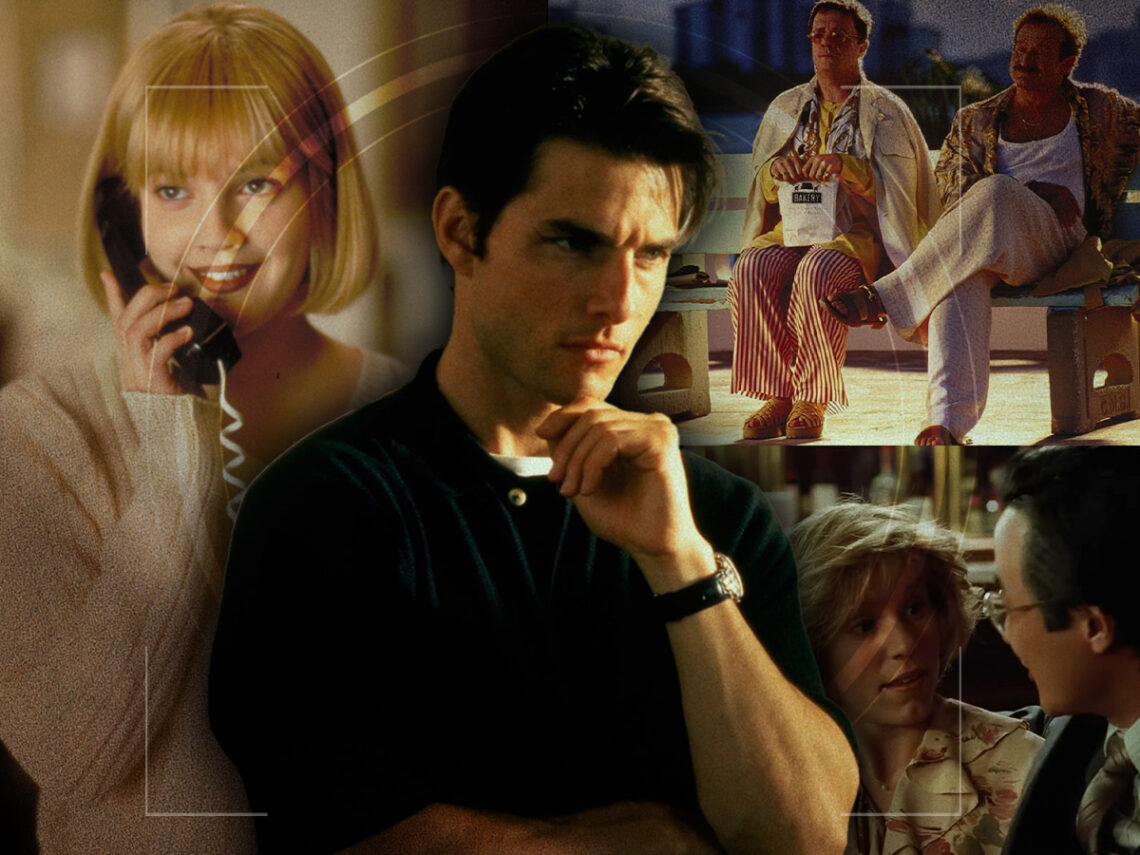
10 movie moments from 1996 that changed cinema forever

30 years is enough to crystallise some film moments in cinematic history.
Cinema is a reactionary medium that responds to what came before, and all filmmakers steal in some way from the films that inspired them. Even when setting aside the sheer number of remakes, reboots, sequels, prequels, and knock-offs made today that are directly based on existing IP, there are movements and techniques that exist because of groundbreaking cinematic moments that introduced new precedents for the industry. The middle of the 1990s was a fascinating period in film history that saw both the studio system and independent scene operating at the height of their powers; it was a time in which cinema could truly be monocultural.
There are some fascinating ramifications based on the behind-the-scenes chaos of some ‘96 films, but there isn’t a quantitative way to measure influence. Even the year’s ‘Best Picture’ winner, The English Patient, didn’t have the cultural legacy that some may have expected based on how well it did initially, as today it is best known because of the joke made about it in Seinfeld.
Many films that had the strongest impact on the industry didn’t catch on until later, as this was still a time when a home video release could make up for a disappointing theatrical run, so it’s natural for fans to be nostalgic about the era of cinema that they grew up appreciating, but it’s hard to look at the risky, memorable, and groundbreaking titles released in 1996 and not think that audiences back then didn’t know how good they had it.
10 moments from 1996 that changed cinema:
The “choose life” monologue – ‘Trainspotting’ (Danny Boyle, 1996)

Trainspotting was an explosive, offbeat sensation that became a critical Gen X staple and a showcase for what made Danny Boyle such an exciting young director. In addition to the novel use of the soundtrack and hypnotic editing choices, it also questioned the assumptions about drug culture with a thought-provoking screenplay that somehow managed to adapt source material that had seemed ‘unadaptable’.
The most famous monologue in Trainspotting is from Ewan McGregor’s Renton, who delivers a tirade about the hollowness of the Reagan-era “choose life” campaign, all while ranting about capitalism, consumerism, and cultural stagnation. Even if Renton is intended to be a reckless, edgy character who has yet to fully comprehend the consequences of his actions, the points that he makes about society’s self-deluded loyalty to outdated idealism had a significant impact on indie cinema throughout the rest of the decade.
Ethan’s team is killed – ‘Mission: Impossible’ (Brian De Palma, 1996)
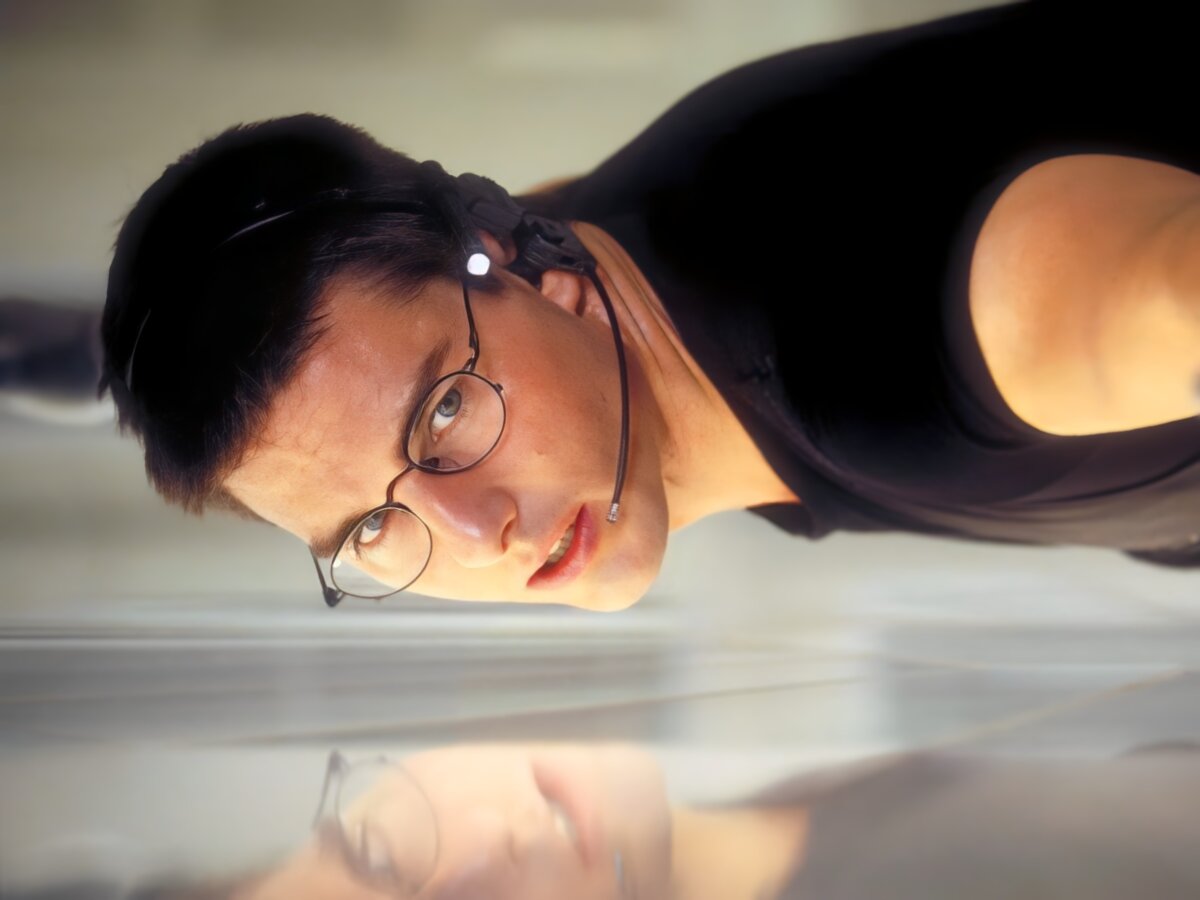
Tom Cruise was a decade away from Top Gun turning him into a movie star, but Mission: Impossible gave him his first franchise in a fairly shocking way. Although the television show of the same name that it was based on had been an ensemble series that focused on a team of spies, the first Mission: Impossible film opens with Ethan Hunt’s friends being brutally taken out, one by one, in a conspiracy that is eventually linked to his mentor, Kittridge, played by Jon Voight.
The sequence established a core element of Ethan’s character going forward, as the subsequent Mission: Impossible films showed him fighting without resources to clear his name. It also introduced it as a franchise that attracted auteur directors with signature styles, as it was unquestionably a Hitchcockian thriller that had all the trappings of a Brian De Palma film.
The White House is destroyed – ‘Independence Day’ (Roland Emmerich, 1996)
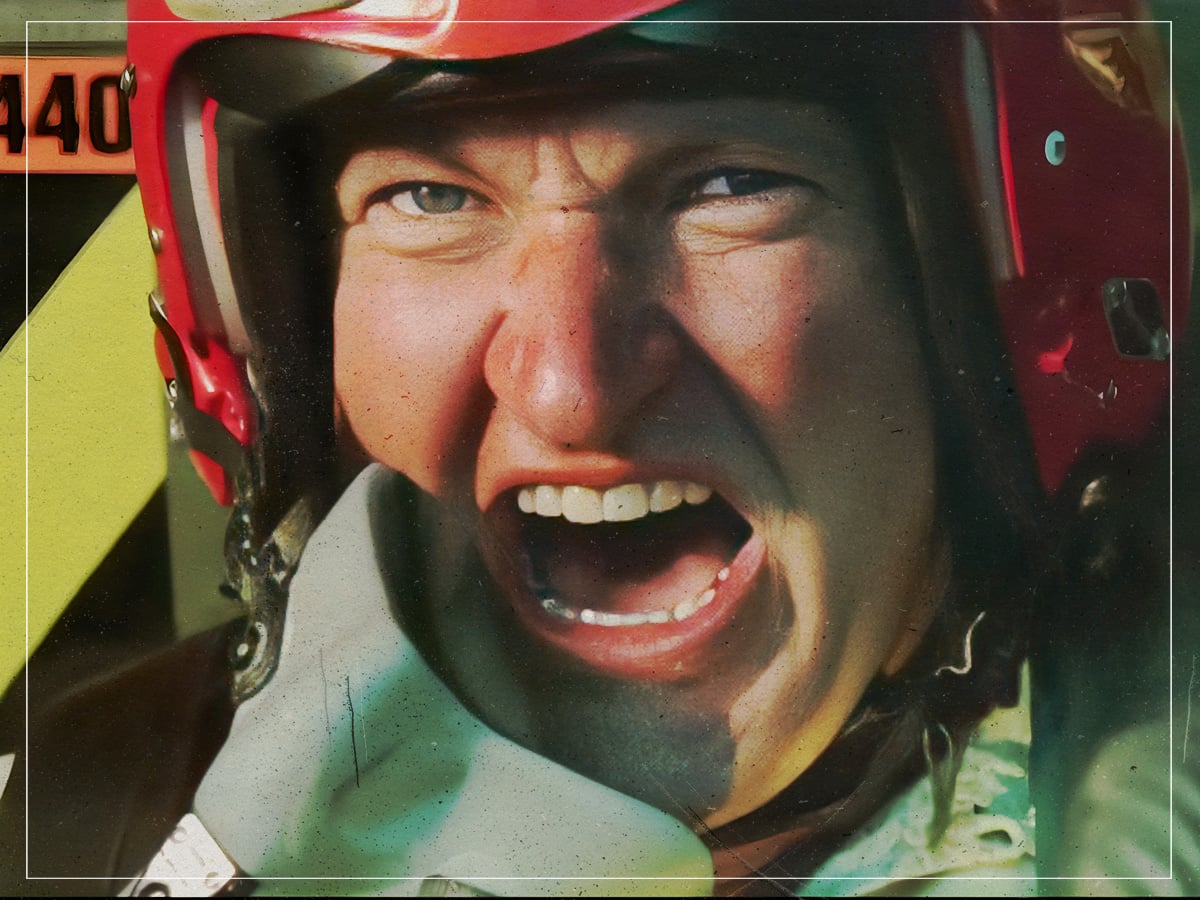
Independence Day wasn’t just the highest-grossing film of the year (and at the time, the second-highest-grossing film ever behind Jurassic Park), but one that set the formula for what a Hollywood blockbuster would look like in the next few decades. There had been alien invasion films before, but Roland Emmerich had the audacity to destroy famous world monuments, including the White House.
It was a feat of special effects that was groundbreaking on a technical level, and only made it more inspiring when President Thomas Whitmore, played by Bill Pullman, gave his legendary speech to the human resistance fighters. Countless blockbusters since have included similar moments of urban destruction, such as Michael Bay ransacking Chicago in Transformers: Dark of the Moon, Joss Whedon destroying New York City in The Avengers, and Emmerich returning to freeze the entire planet in The Day After Tomorrow, but Independence Day set the audacious blueprint.
“You complete me” – ‘Jerry Maguire’ (Cameron Crowe, 1996)
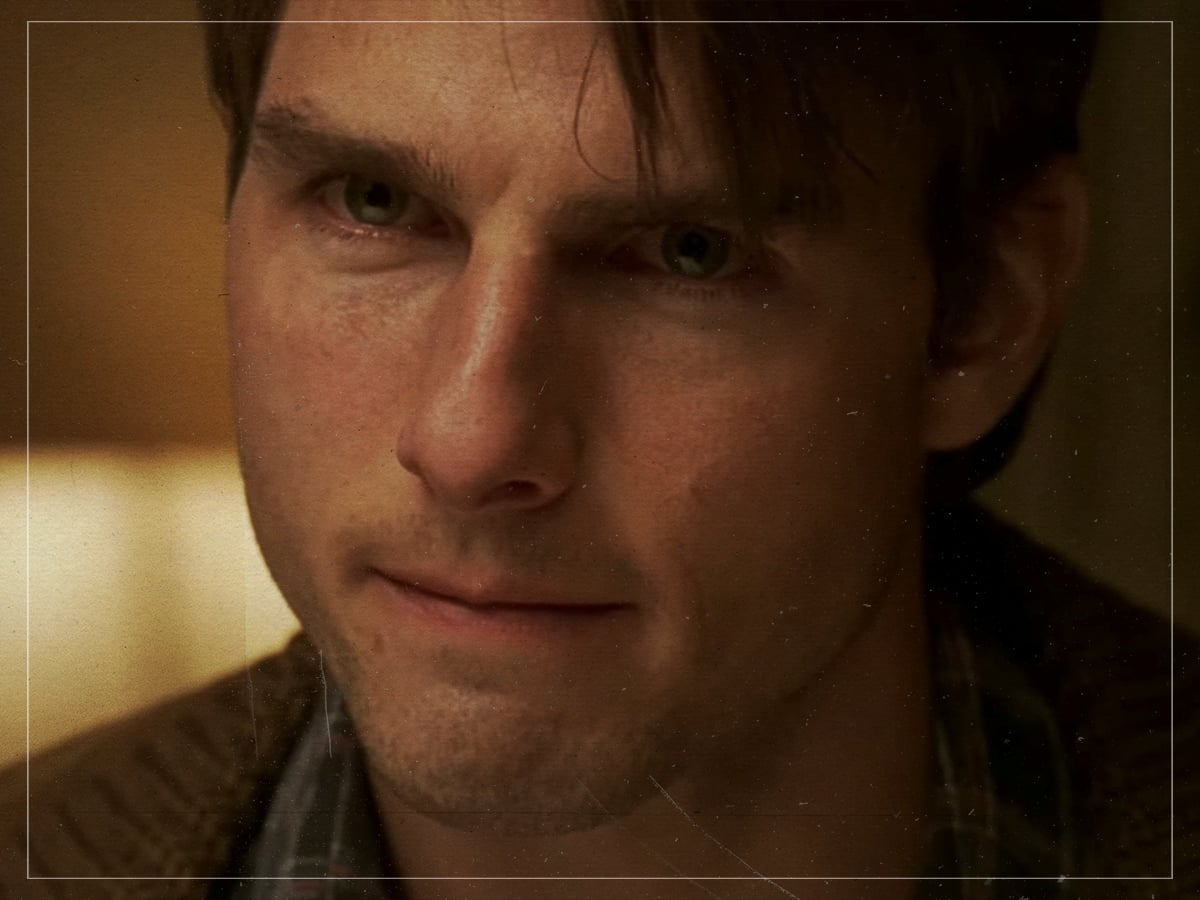
The premise of a narcissistic sports agent trying to strike out on his own, all while falling in love with his secretary, didn’t seem like it would be very interesting, but Cameron Crowe found a way to make old-fashioned romanticism cool again, and Tom Cruise unlocked something pure in Jerry Maguire, especially with the iconic line delivery of “You complete me”.
It’s one of Cruise’s greatest moments of acting, and Renee Zellweger’s response of “You had me at hello” indicated Crowe still had a sense of self-awareness, even if it’s something that he has lost recently. Nearly every rom-com since has tried to capture the Jerry Maguire formula of earnestness, absurdity, and whimsy, but most lack a moment like this that makes the entire experience feel way more profound.
The Vegas trip – ‘Swingers’ (Doug Liman, 1996)
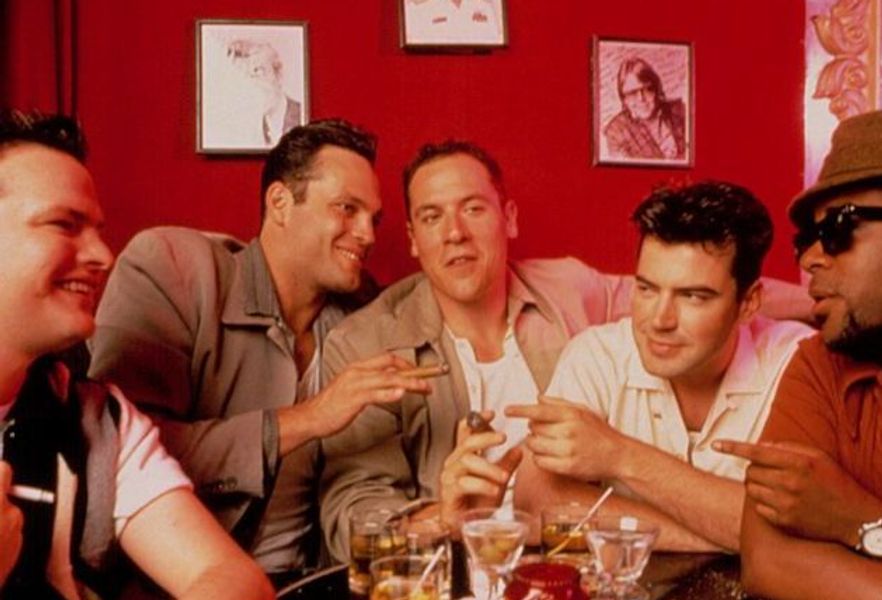
Jon Favreau was a budding actor and writer long before he became one of the most important blockbuster filmmakers of today, and Swingers was a surprisingly revolutionary independent comedy that became an aspirational success for many other creatives who were in his position. The film was an earnest exploration of what dating life was like for single men in Los Angeles, and its funniest scene involved Favreau’s character Mike Peters and his best friend Trent Walker, played by Vince Vaughn, taking a trip to Las Vegas.
Mike’s line, “Vegas, baby!” is one of the most memorable quotes of the ‘90s, and was adopted as a catchphrase used by tourists and locals quickly thereafter. Even if Favreau ended up getting a foothold because of his script, Vaughn’s performance in the Vegas sequence identified him as a major comedy star on the rise who would dominate the next decade.
The opening scene – ‘Scream’ (Wes Craven, 1996)

Scream is a cultural phenomenon that has stuck around for 30 years because it introduced self-awareness to the slasher genre. While it was common for cinephiles and pundits to scoff at slasher films as being derivative and stupid, Scream created a world in which the characters were aware of the tropes within the genre.
The opening scene was a transformative instance of all the rules being broken. Craven invoked references to other horror films like Halloween and his own A Nightmare on Elm Street, and crushed expectations by killing off Drew Barrymore’s character, even though it was seemingly set up for her to be the ‘final girl’. It created a template that ensured the survival of the Scream franchise; while there could be tongue-in-cheek jokes, the films still had to be absolutely terrifying and completely unflinching in their brutality.
Marge meets with Mike Yanagita – ‘Fargo’ (Joel and Ethan Coen, 1996)
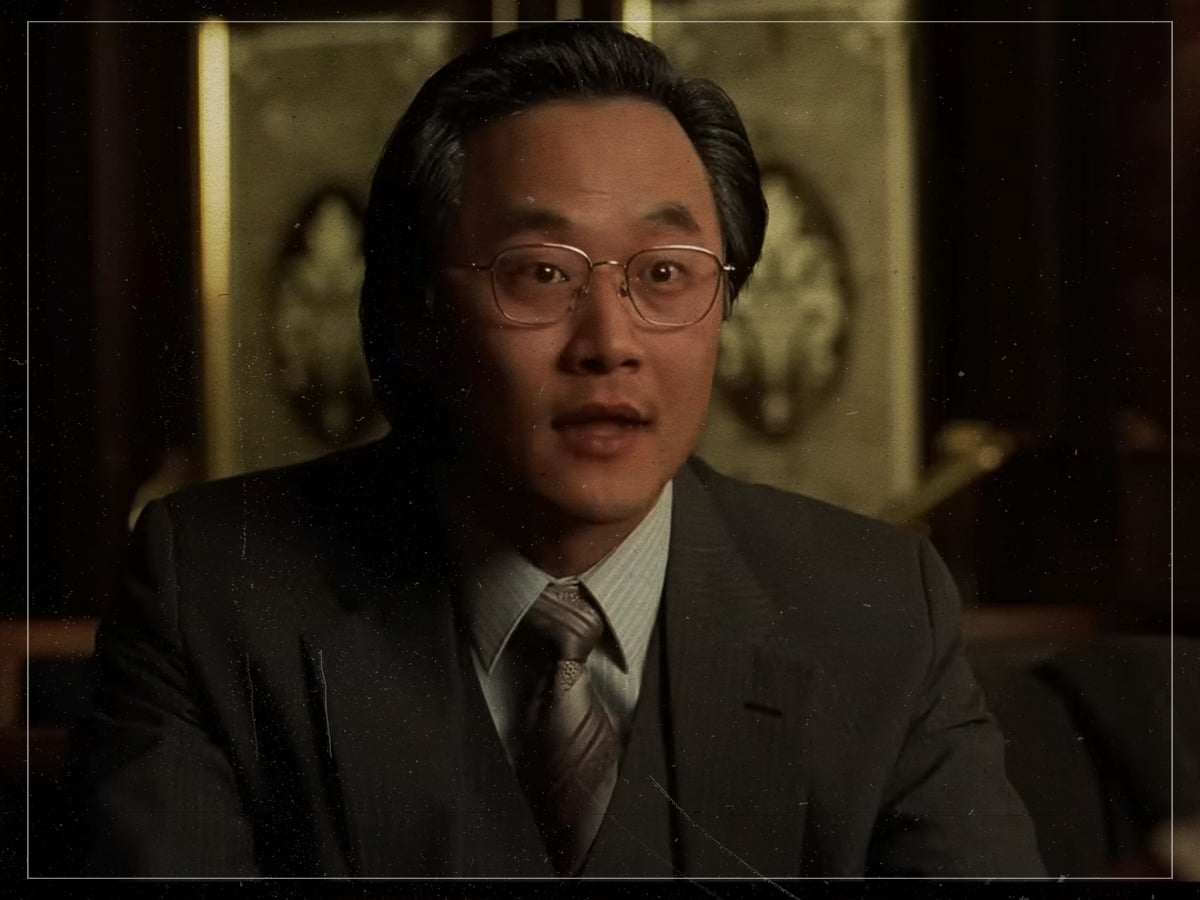
Joel Coen and his brother Ethan were already well-known around arthouse circles for their distinctive style and had even managed to win the Palme d’Or for their masterpiece Barton Fink, but Fargo became a crossover sensation that seeped into mainstream culture because it presented a dark, yet frequently amusing story about the frailty of human nature and the consequences of greed.
No one but the Coen brothers would be capable of halting the momentum of their mystery film in order to include what seemed like a random scene, in which Frances McDormand’s Marge Gunderson meets up with her former classmate Steve Park’s Mike Yanagita. It’s a scene that is almost excruciatingly awkward before becoming quite sad, and destroys the notion that the Coens weren’t ’emotional’ filmmakers. It was among the scenes highlighted by Roger Ebert and Gene Siskel, both of whom praised Fargo as one of the best films that they’d ever seen.
Albert and Armand reveal their relationship – ‘The Birdcage’ (Mike Nichols, 1996)
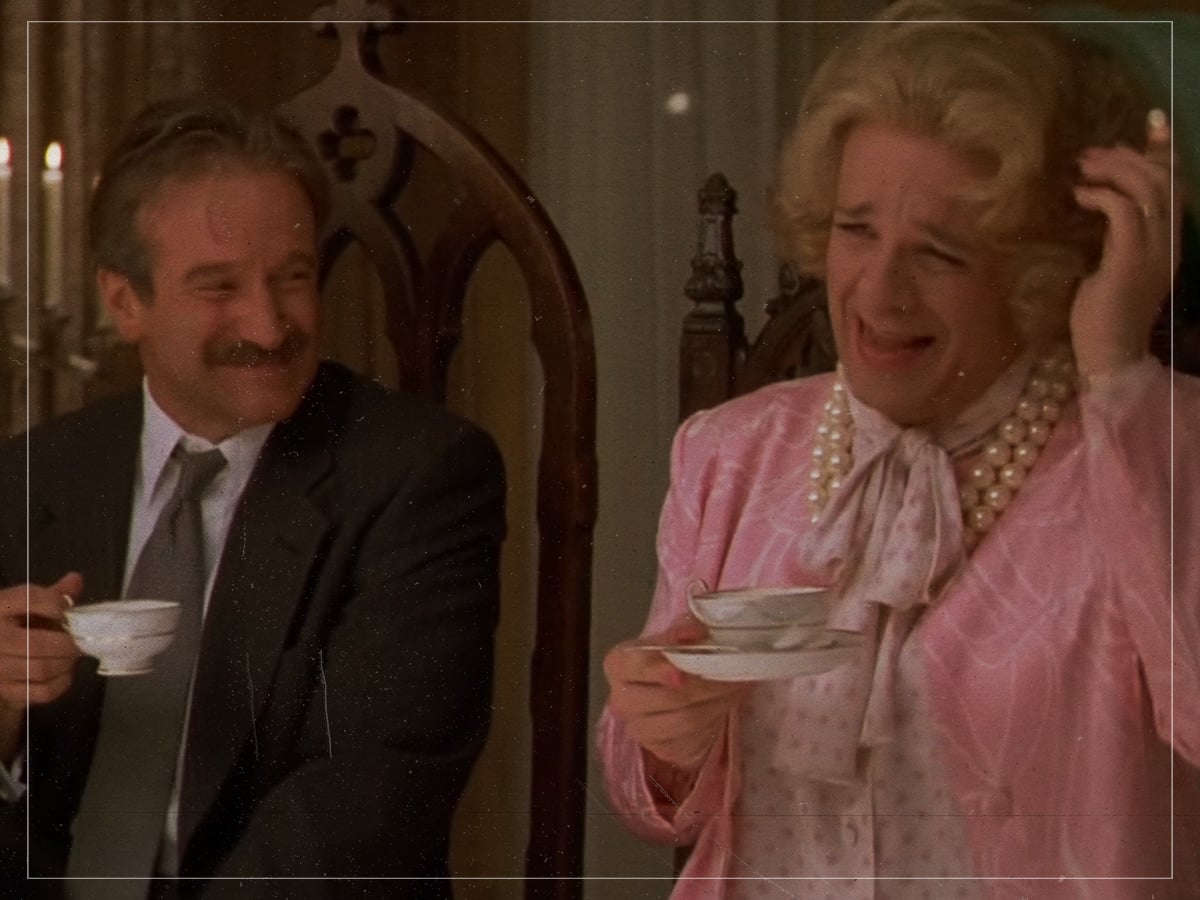
The Birdcage was a satire ahead of its time in depicting a gay couple, Armand, played by Robin Williams at the height of his fame, and Albert, played by Nathan Lane, who have to hide their sexuality when their son, Dan Futterman’s Val, announces that he is getting married to the daughter of conservative Senator Kevin Keeley, played by Gene Hackman.
Although Albert amusingly pretends to be a woman in order to trick the Keeleys, the scheme is revealed, forcing Albert to come clean about his sexuality, standing as a defiant moment of LGBTQ+ representation that also snuck in a subversive piece of satire because Senator Keeley ends up sharing many of the same views as Armand.
The “rude gambler” scene – ‘Hard Eight’ (Paul Thomas Anderson, 1996)
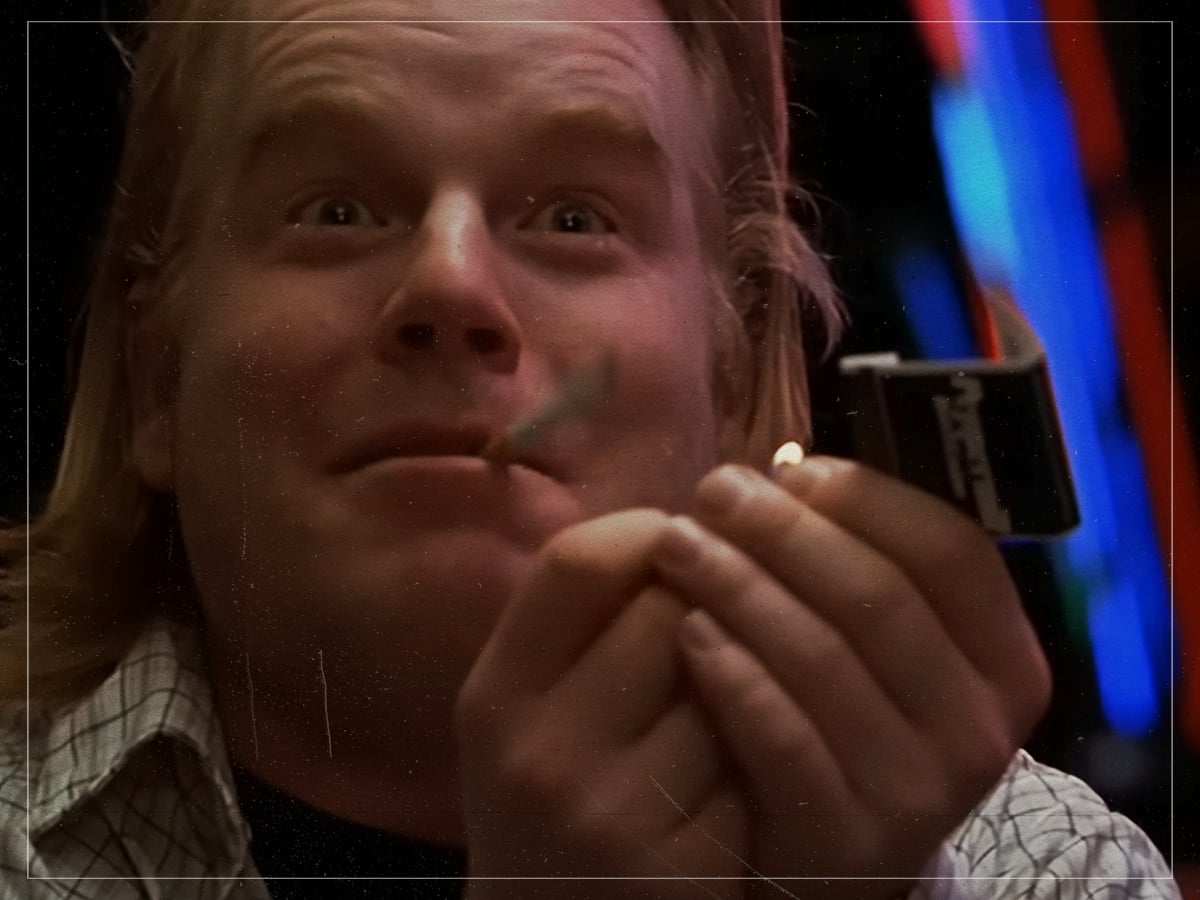
Paul Thomas Anderson made his directorial debut with Hard Eight on a shoestring budget, which immediately announced him as a filmmaker with a distinct and exacting style. The film featured several actors who would go on to collaborate with Anderson on subsequent films, but none were more important than Philip Seymour Hoffman, who has only one scene in the film where he plays a character only identified as “rude gambler”.
One of the best qualities about Hoffman was that he could always steal a film, and even if he was only on screen for a very brief amount of time, he was electrifying, which guaranteed that Anderson would use him again as a secret weapon in Boogie Nights, Magnolia, and Punch-Drunk Love before giving him the role of his career in The Master.
The vampire reveal – ‘From Dusk Till Dawn’ (Robert Rodriguez, 1996)
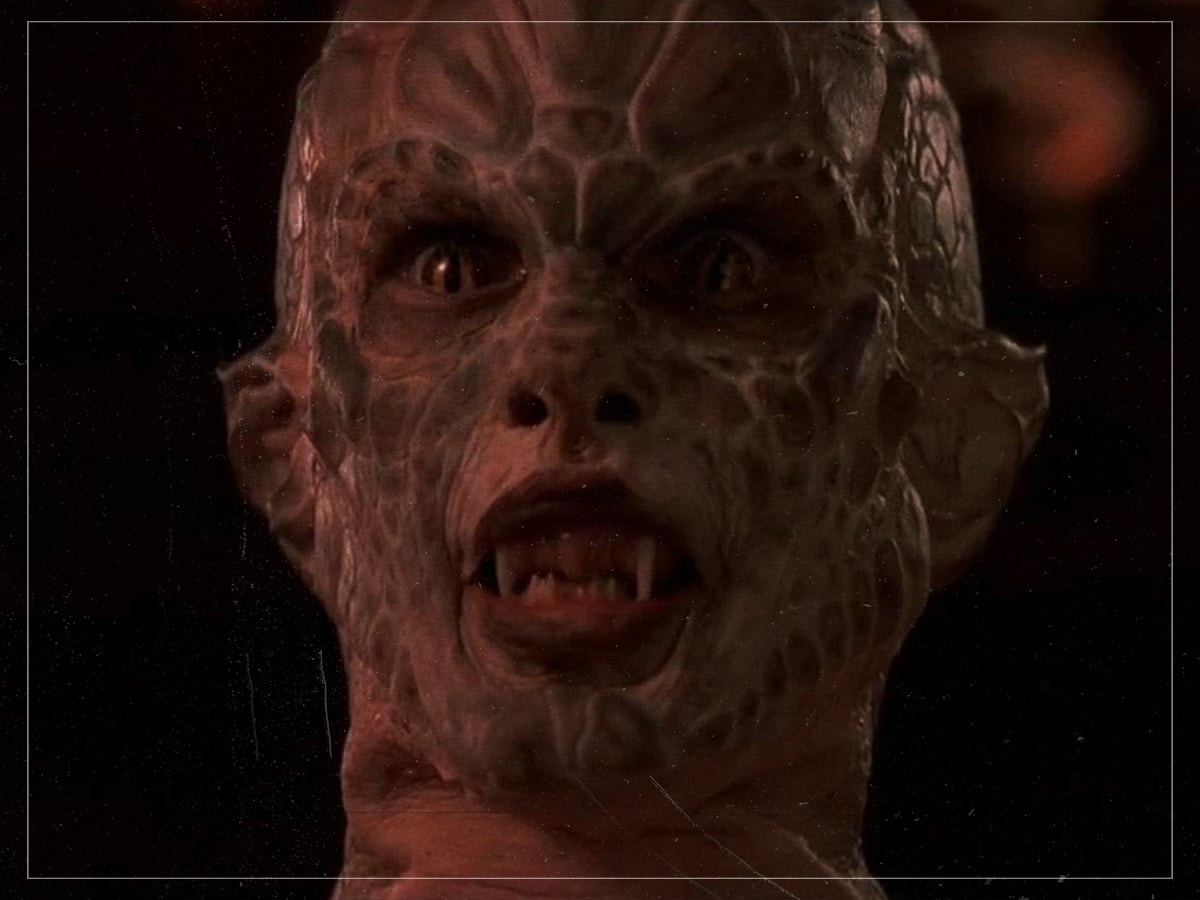
Robert Rodriguez tapped into something very special with From Dusk Till Dawn, which appears as a neo-western crime thriller up until the moment that Seth, played by George Clooney, and Richard Gecko, played by Quentin Tarantino, enter a bar in Mexico, where it’s revealed that they are at the mercy of ruthless vampires.
Although it was two years earlier that Neil Jordan had made a more ‘prestige’ vampire film with Interview with the Vampire, From Dusk Till Dawn was unapologetically pulpy and gave birth to an entire subgenre of blood-soaked horror thrillers. The supernatural twist is so effective in the film that it gave Rodriguez a reputation for innovation that opened many doors for him, even though most of his subsequent work has been fairly disappointing.
