


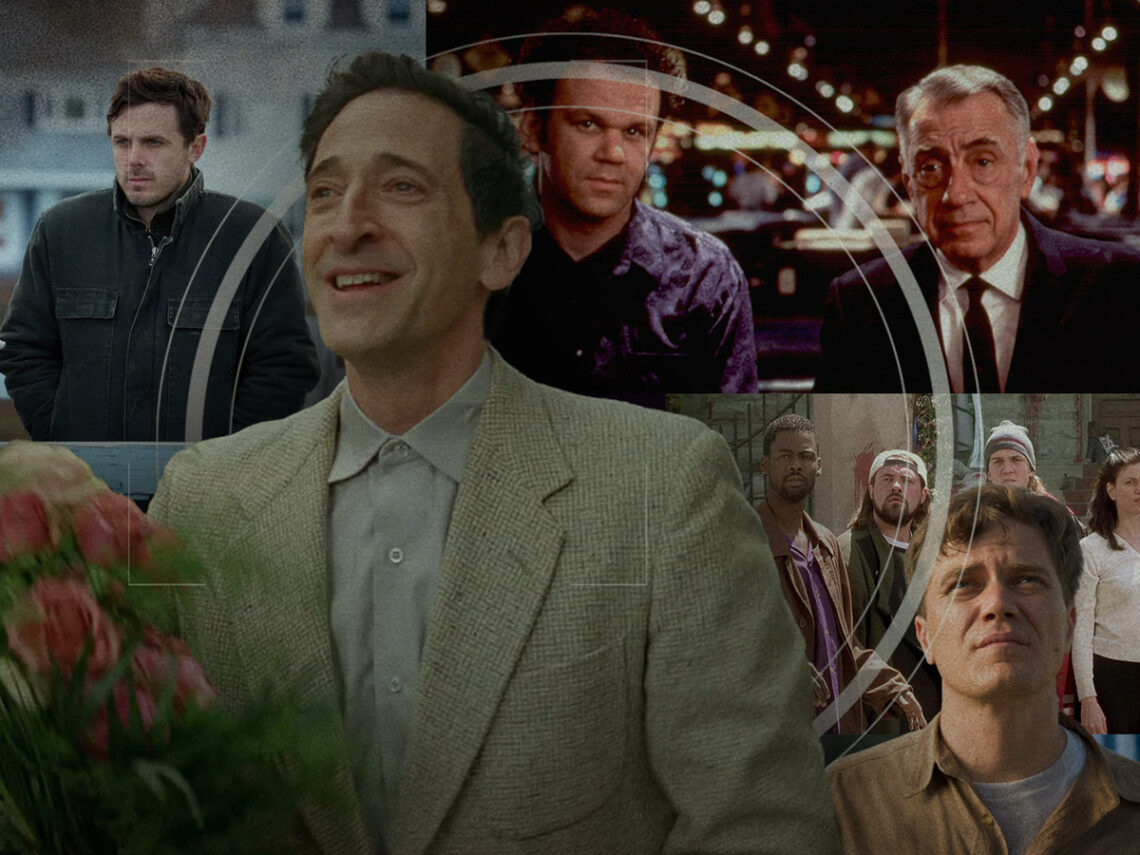
10 great movies made for less than £10,000

Budget is not a factor in whether a film is successful.
The current entertainment culture has conflated a movie’s financial success with its quality, even when the two couldn’t have less to do with one another. The box office performance is based on a multitude of factors, including the prominence of a studio, marketing campaign, and rollout. It’s seen time and time again that a tremendous budget is by no means a guarantee of quality; among the most expensive films ever made are complete disasters like John Carter, Jurassic World Dominion, and Star Wars: The Rise of Skywalker.
The average budget for a film can’t even be determined anymore when considering the rise of streaming and television shows from prestige networks like HBO, Netflix, Apple TV, and Amazon. An average episode of Stranger Things, House of the Dragon, The Mandalorian, or The Lord of the Rings: The Rings of Power costs much more than most independent films.
Some of the greatest filmmakers of all time were those who began outside of the studio system, making cutting-edge projects that were self-financed. Fewer resources mean that there is more room for creativity, and it ensures that everyone involved has a legitimate passion for what they are doing. It’s more often that big-budget films promote laziness and disinterest for their cast and crew, who see it as a paycheck, first and foremost. Independent filmmaking, or any system in which a smaller budget is used, can be rewarding because the success feels more hand-crafted and exclusive. With this type of focus, not a dime is wasted.
The 10 best movies made for less than £10,000:
‘Mad Max’ (George Miller, 1979)

George Miller revolutionised action filmmaking and became a key figure in the Australian New Wave of the late 1970s when he imagined the disturbing post-apocalyptic world of Mad Max as a dystopian neo-western revenge thriller that was shot on a shoestring budget. Miller’s brilliant idea was that he set the film in a recognisable version of reality, and then showed how the world became ‘mad’ as a result of a complete infrastructural collapse.
Mel Gibson was unknown when he was cast in Mad Max, but the film became such a sensation that he was hired by Peter Weir to star in Gallipoli and The Year of Living Dangerously. It was because Mad Max was able to be so economical in its success that Miller was able to continue making new entries in the franchise, each of which grew more ambitious and expensive.
‘Take Shelter’ (Jeff Nichols, 2011)
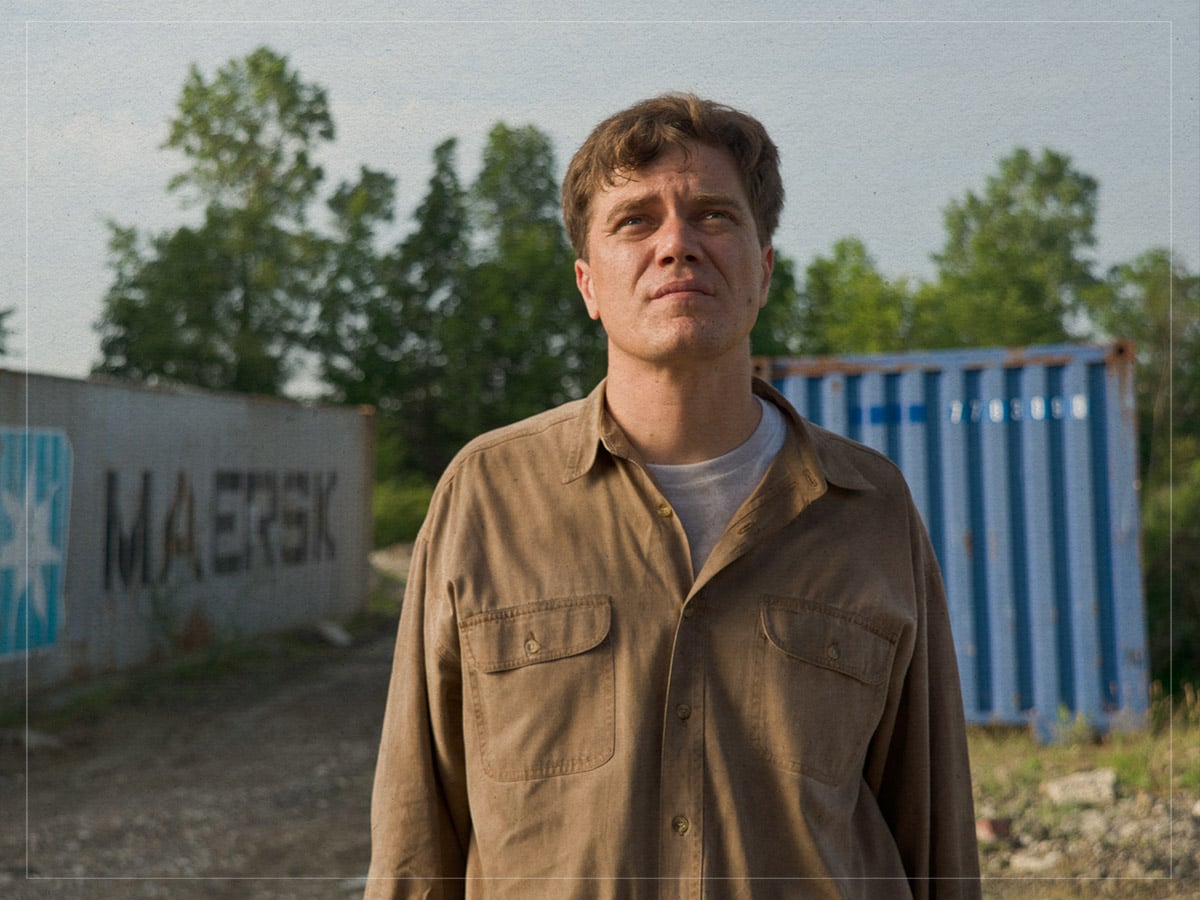
Michael Shannon has collaborated with director Jeff Nichols several times, but the best film that they made together is the 2011 psychological drama Take Shelter. Shannon plays a father in a small town who begins experiencing visions about an impending storm, and attempts to save his family, while the community considers him to be going crazy. Nichols is able to create a foreboding sense of dread without any ambitious special effects shots, and the realism with which small-town life is depicted only makes the film even more effective.
Although the actor has occasionally appeared in big-budget films, he has expressed disinterest in joining major franchises and seems to be content working on smaller-scale projects with someone like Nichols. The pair also made the coming-of-age drama Mud, the science fiction drama Midnight Special, the biopic Loving, and the throwback star vehicle The Bikeriders.
‘Lost in Translation’ (Sofia Coppola, 2003)

Sofia Coppola may have come from an illustrious family, but she opted for a more low-key career as a filmmaker after blowing her chance at stardom with an awful performance in her father’s film The Godfather: Part III. Coppola was able to convince Bill Murray to take a pay cut to play a dishevelled, washed-up actor in her romantic, Tokyo-set drama Lost in Translation, whose intimate focus works as well because it explores one of the most vibrant cities in the world from the perspective of two lonely people who feel lost in their current relationships.
Murray may have starred in some of the biggest films of the previous two decades, but it was his performance in Lost in Translation that earned him the best reviews of his entire career, and even landed him his first ever Academy Award nomination for ‘Best Actor’.
‘Manchester by the Sea’ (Kenneth Lonergan, 2016)
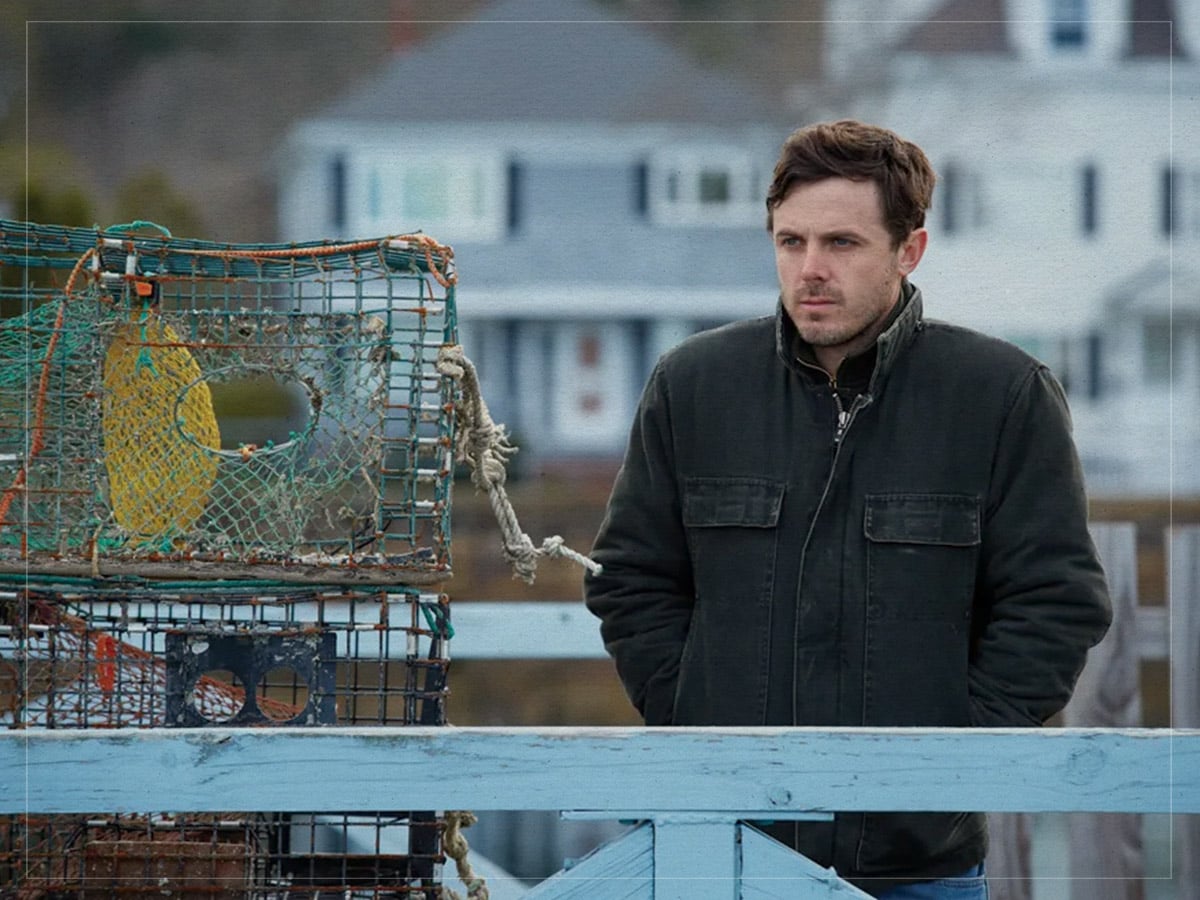
Manchester by the Sea originated from playwright Kenneth Lonergan, who had seemingly been placed in ‘director’s jail’ after his previous film, Margaret, faced a challenging post-production process. Initially, Matt Damon had planned to both direct and star in the film, but decided to stick to producing it because he realised Lonergan should direct his own script, and instead suggested his childhood best friend, Casey Affleck, play the leading role.
The film is so bleak that it would seemingly be a tough sell, but responses to it were so positive at the Sundance Film Festival that it was acquired by Amazon Studios, and it went on to become the first film released by a streaming service to receive a nomination for ‘Best Picture’ at the Academy Awards, winning Oscars for both Lonergan and Affleck in the categories of ‘Best Original Screenplay’ and ‘Best Actor’, respectively.
‘Whiplash’ (Damien Chazelle, 2014)
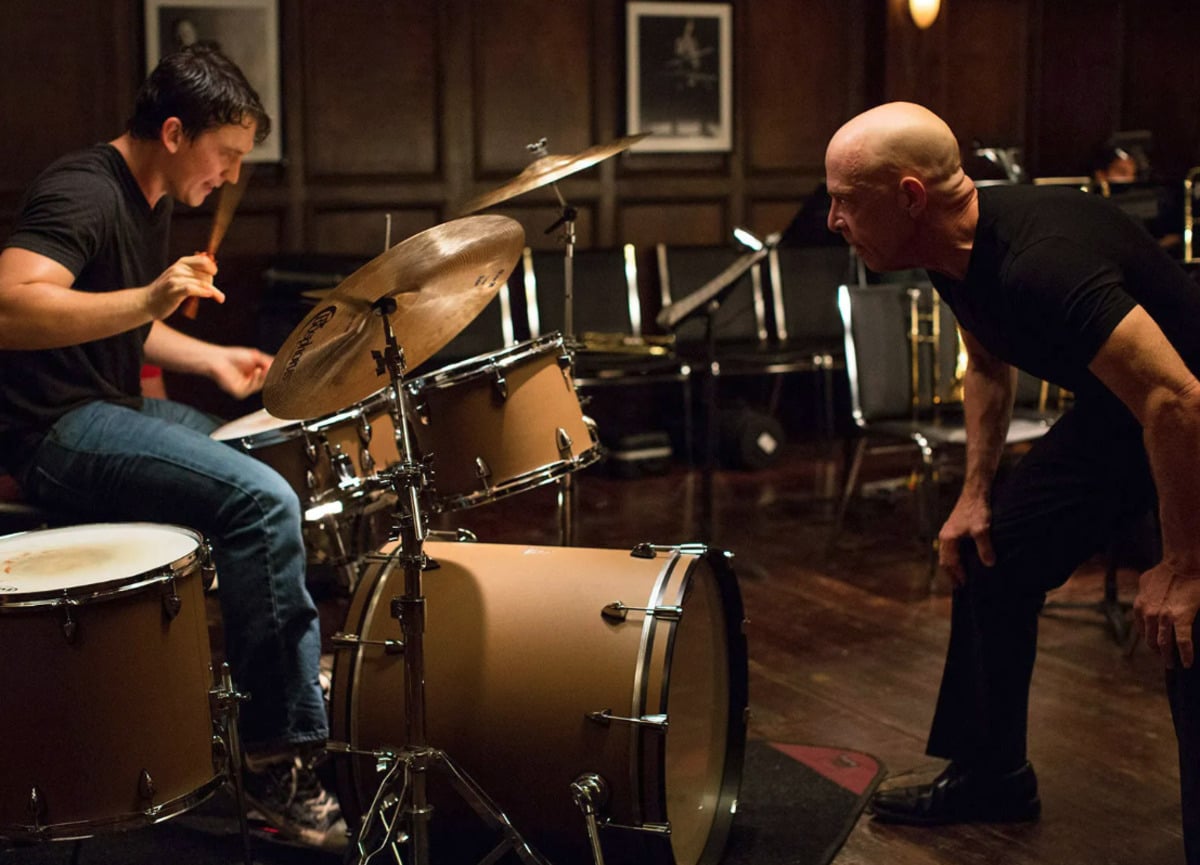
Damien Chazelle was fresh out of film school when he turned his short film Whiplash, a confined, engrossing thriller about a talented drummer, played by Miles Teller, under the tutelage of an abusive, demanding conductor, played by JK Simmons, into a feature that became one of cinema’s greatest depictions of artistic obsession and the unquenchable thirst for genius.
In this psychological game of cat-and-mouse, Whiplash is motivated by the question of what one should go through to achieve greatness, as Chazelle was perfectly able to nail the details of a very specific experience that musicians in training go through. While based around jazz, it has a lesson that is comprehensible for anyone in a demanding field, and the claustrophobic, foreboding environment that the film builds could not have been achieved with a great budget.
‘The Evil Dead’ (Sam Raimi, 1981)
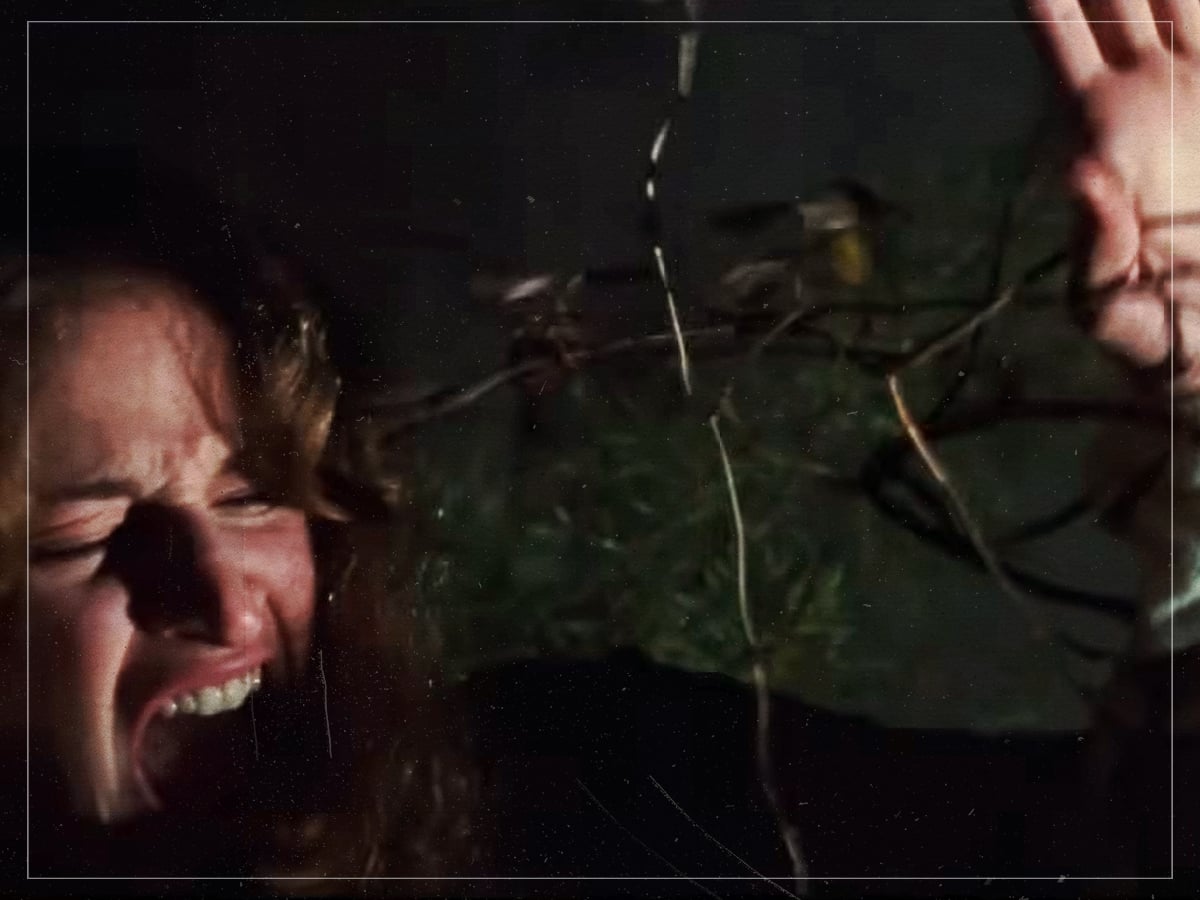
Sam Raimi was in his early 20s when he trudged out into the woods with his best friend, Bruce Campbell, with the intention of making a disturbing, handcrafted work of terror. The Evil Dead ended up kickstarting a new era of ‘splatter horror’ because there was nothing about the gore in Raimi’s outstanding debut that felt fake, as he and his team worked hard to create their own makeup, sets, and creatures, and often put themselves in the path of injury.
The Evil Dead was groundbreaking because of the inventiveness Raimi showed in making a film with few resources and succeeded in turning himself into a major Hollywood director, after which he was granted greater budgets as he returned to direct the sequels, Evil Dead II and Army of Darkness, and the franchise itself continues with the new instalment, Evil Dead Burn.
‘Reservoir Dogs’ (Quentin Tarantino, 1992)
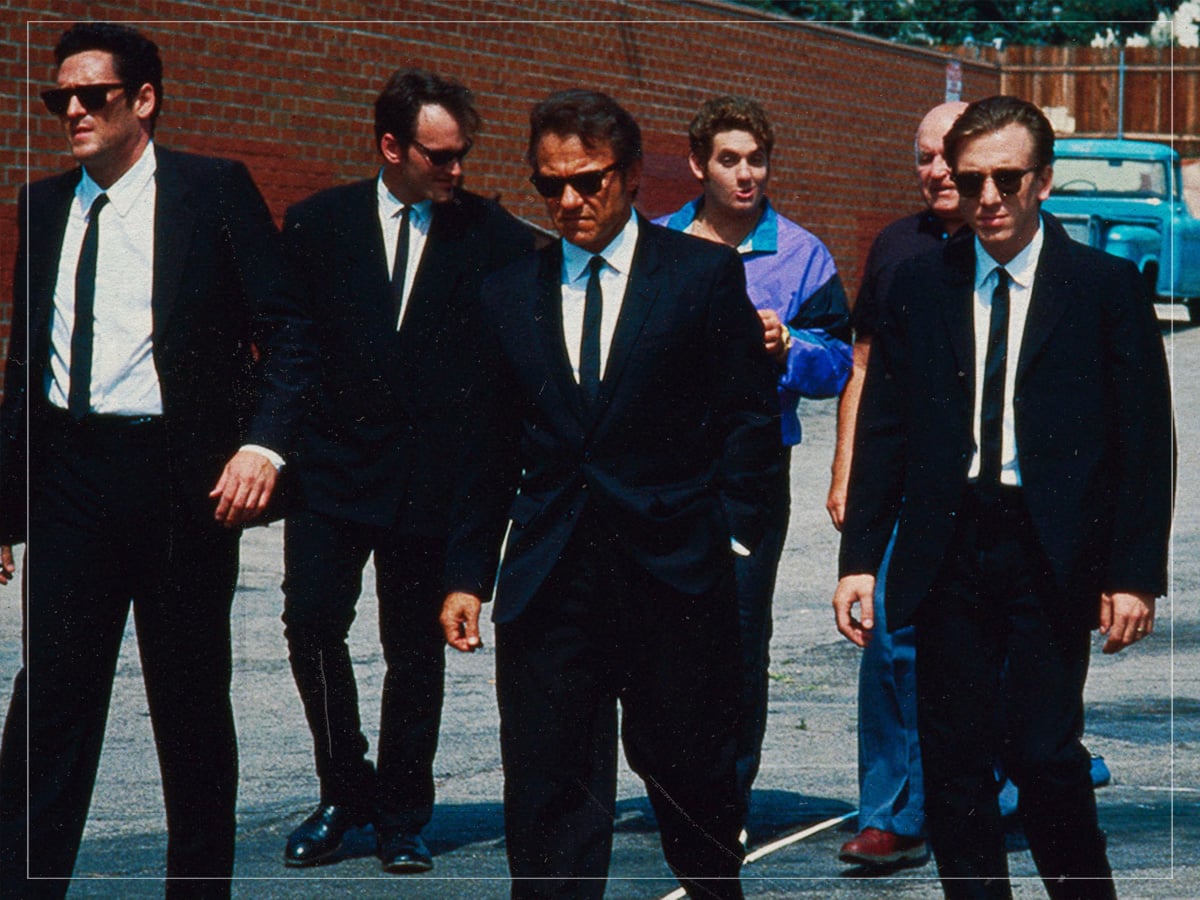
Quentin Tarantino became one of the most important independent filmmakers after his debut at the Sundance Film Festival in 1992, with his low-budget feature, Reservoir Dogs, which saw him craft a propulsive, darkly funny style that was reliant on sharp dialogue, clever editing, powerhouse performances, and brilliant needle drops.
The small scope of Reservoir Dogs was one of its benefits, as it’s a rare hit heist thriller in which the robbery isn’t actually shown, and it made indie filmmaking look attractive to stars like Harvey Keitel and Steve Buscemi, who were able to take on much better roles than they would ever have been offered by a studio. Tarantino quickly became a director that every A-lister wanted to work with, and Reservoir Dogs ended up inspiring an entire generation of young filmmakers to make their own neo-noir crime thrillers, unencumbered by monetary restraints.
‘Dogma’ (Kevin Smith, 1999)
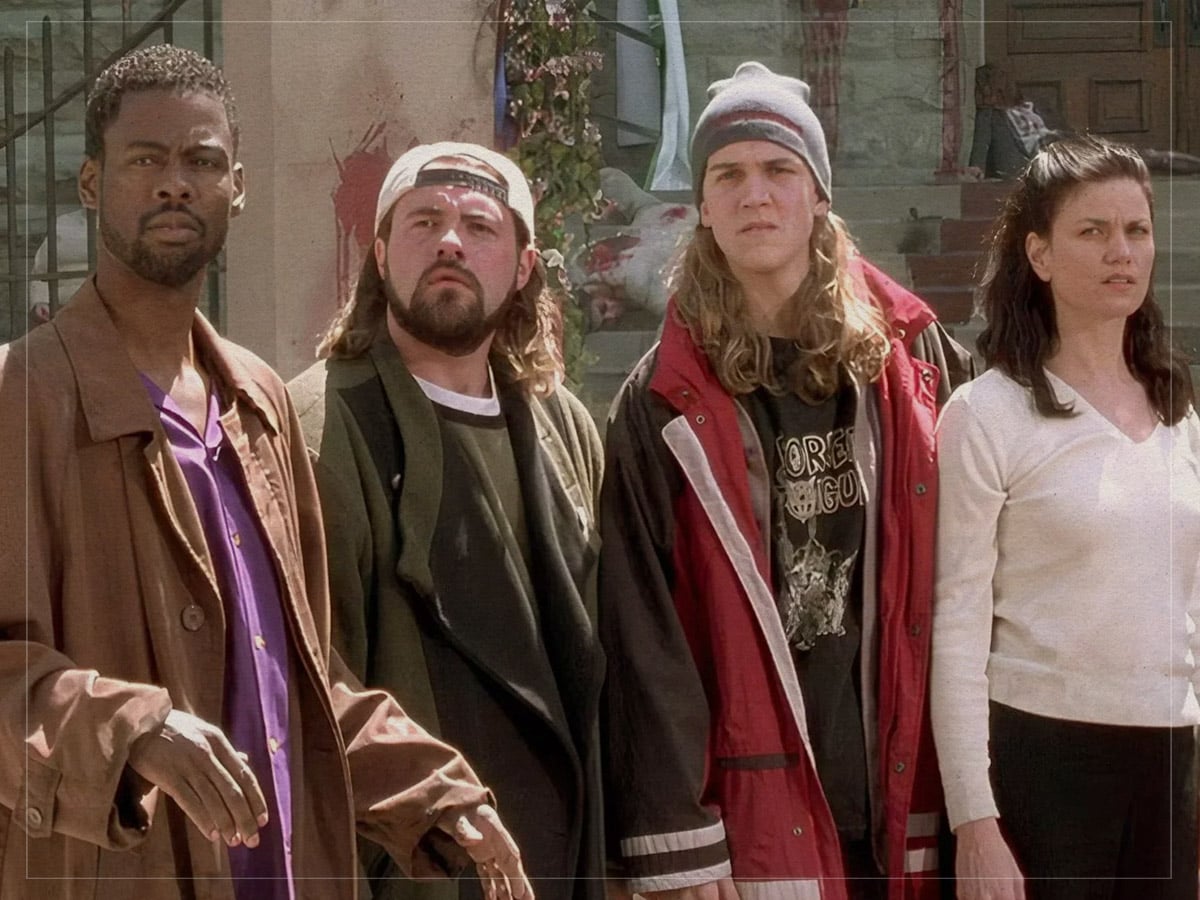
Kevin Smith has made many films for low budgets, starting with his groundbreaking debut, Clerks, back in 1994, and while there’s a sense of charm in all of the early films under Smith’s ‘View Askewniverse’, Dogma stands out as the most profound and relevant. This satire that tackled religion starred Matt Damon and Ben Affleck as two angels who are kicked out of Heaven and forced to live among mortals on Earth.
Even though Dogma featured the same type of foul-mouthed humour and popular culture references that had been a part of all of Smith’s films, it also offered a critique of organised religion that didn’t insult believers. The film was unable to be seen for many years due to complications involving its distributor, The Weinstein Company, but it was made available once more when Smith toured the United States for screenings during its 25th anniversary.
‘The Brutalist’ (Brady Corbet, 2024)
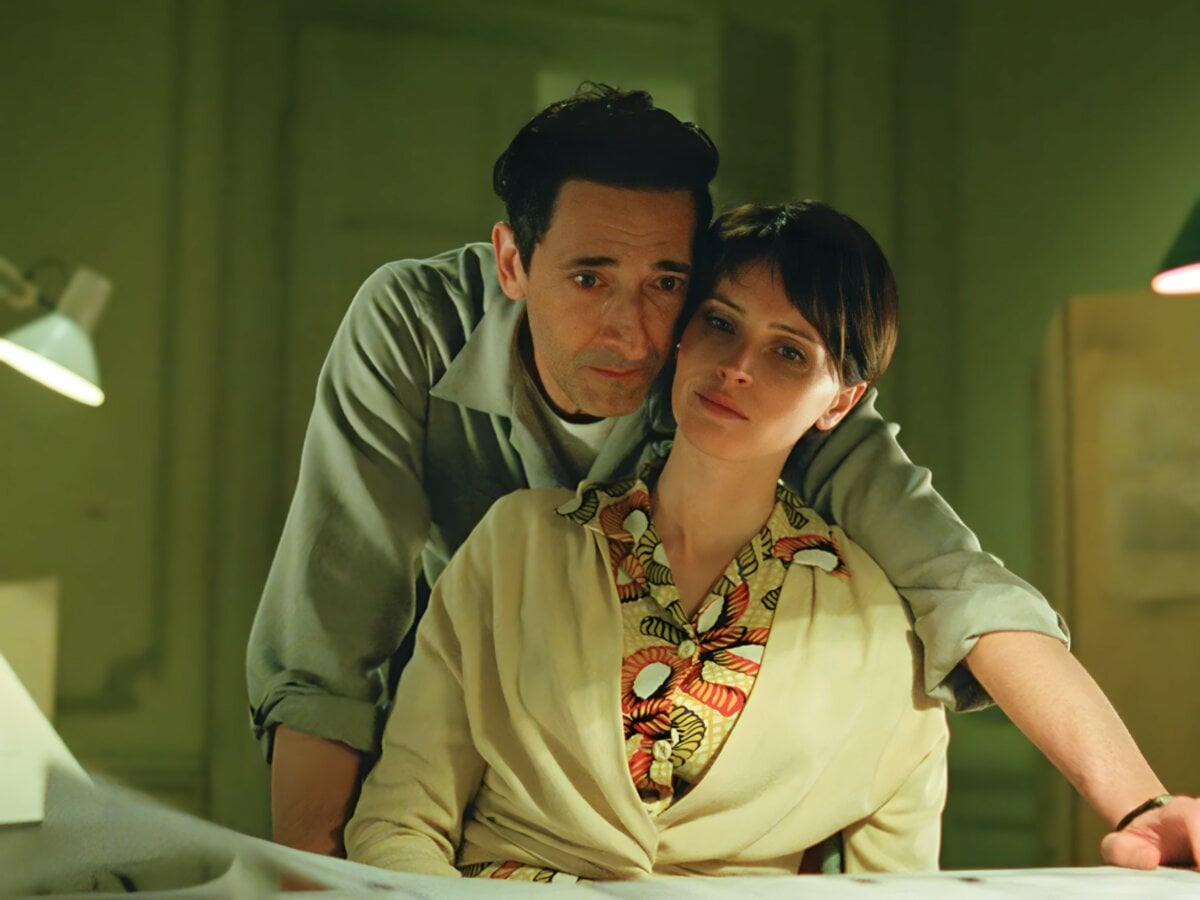
Brady Corbet was an actor who spent years working with his wife and creative partner, Mona Fastvold, to finance the ambitious historical epic The Brutalist, which was made on a shockingly low budget for a film about the story of a Jewish immigrant throughout the 20th century. Adrien Brody didn’t require as big a paycheck, considering that he had begun to mostly appear in direct-to-VOD genre films, but his performance in the film was so acclaimed that he won the Academy Award for ‘Best Actor’ in 2025.
The Brutalist is about the pursuit of greatness, offering a timeless commentary on the ‘American Dream’ that managed to feel massive in scope as a result of its runtime and gorgeous visuals. The fact that Corbet pulled it off for such a low price is a miracle, but it will hopefully give him a long and successful career in Hollywood.
‘Hard Eight’ (Paul Thomas Anderson, 1996)
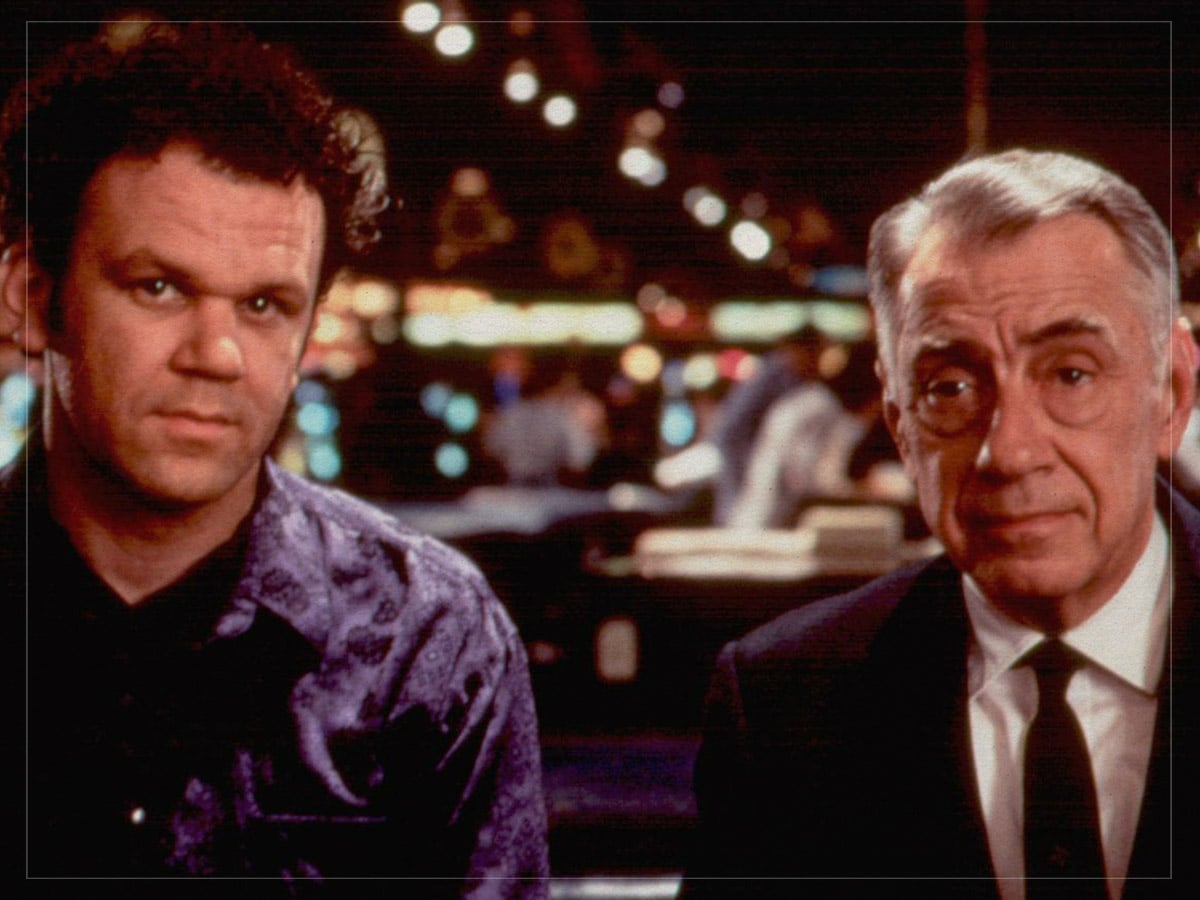
Paul Thomas Anderson kicked off one of the greatest directorial careers in history with his low-budget debut Hard Eight, a confined drama about a lifelong gambler, played by Philip Baker Hall, who takes a young man, in the form of John C Reilly, under his wing as they travel to Vegas to make their fortunes.
Hard Eight mostly consists of intense conversations in isolated locations, which was ideal for a film about loneliness and faded dreams, but it also worked because of the great acting. Anderson cast Philip Seymour Hoffman in the small role of an obnoxious gambler, which kicked off a partnership that continued with Boogie Nights, Magnolia, and Punch-Drunk Love, and it also featured a breakout performance from Gwyneth Paltrow before she became more famous.

Never Miss A Take
The Far Out Quentin Tarantino Newsletter
All the latest Quentin Tarantino content from the independent voice of culture.
Straight to your inbox.