


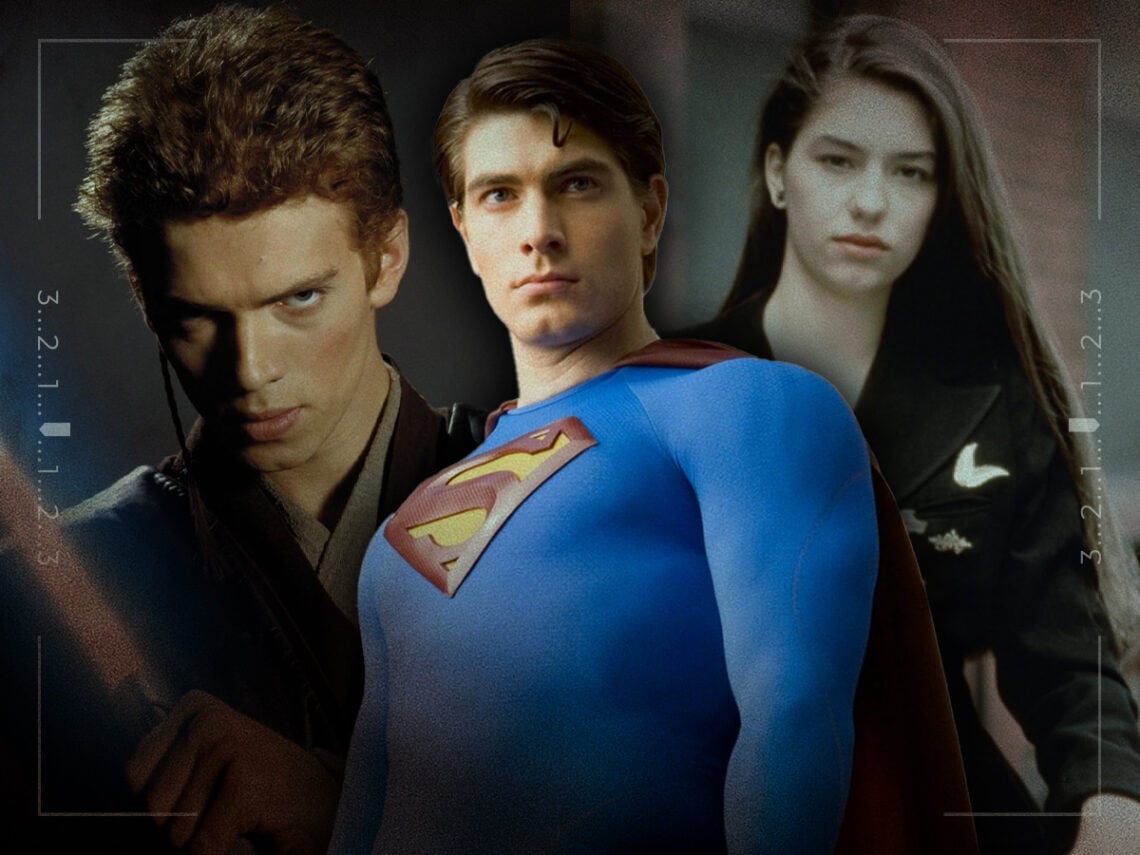
10 actors who had one shot at superstardom and completely blew it

Although most working actors spend their entire careers searching for their ‘one big break’, achieving those parts does not mean there’s an instant recipe for success.
Opportunities may be hard to come by, but it’s not guaranteed that even the most exciting of projects will end up being beneficial, and for some stars, it only took one flop to completely decimate their careers so badly that it became impossible to make a comeback.
It’s been argued that in the modern entertainment ecosystem, the notion of movie stars doesn’t have the same value as it once did, where even major actors can’t prevent their films from flopping, clearly proving that reception and reputation are more important than the appeal of one specific star. However, Hollywood can be shrewd whenever there’s a performer who is perceived to be of negative value, and if there’s any hint that audiences might be less interested in a film because of a specific person, it might be hard for them to find work again, if at all.
Mounting a comeback can be easier said than done, and while it’s possible to avoid being unemployed altogether, some actors will have to live with the disappointment that they never lived up to expectations.
10 actors who blew their shot at superstardom:
Taylor Kitsch in ‘John Carter’ (2012)
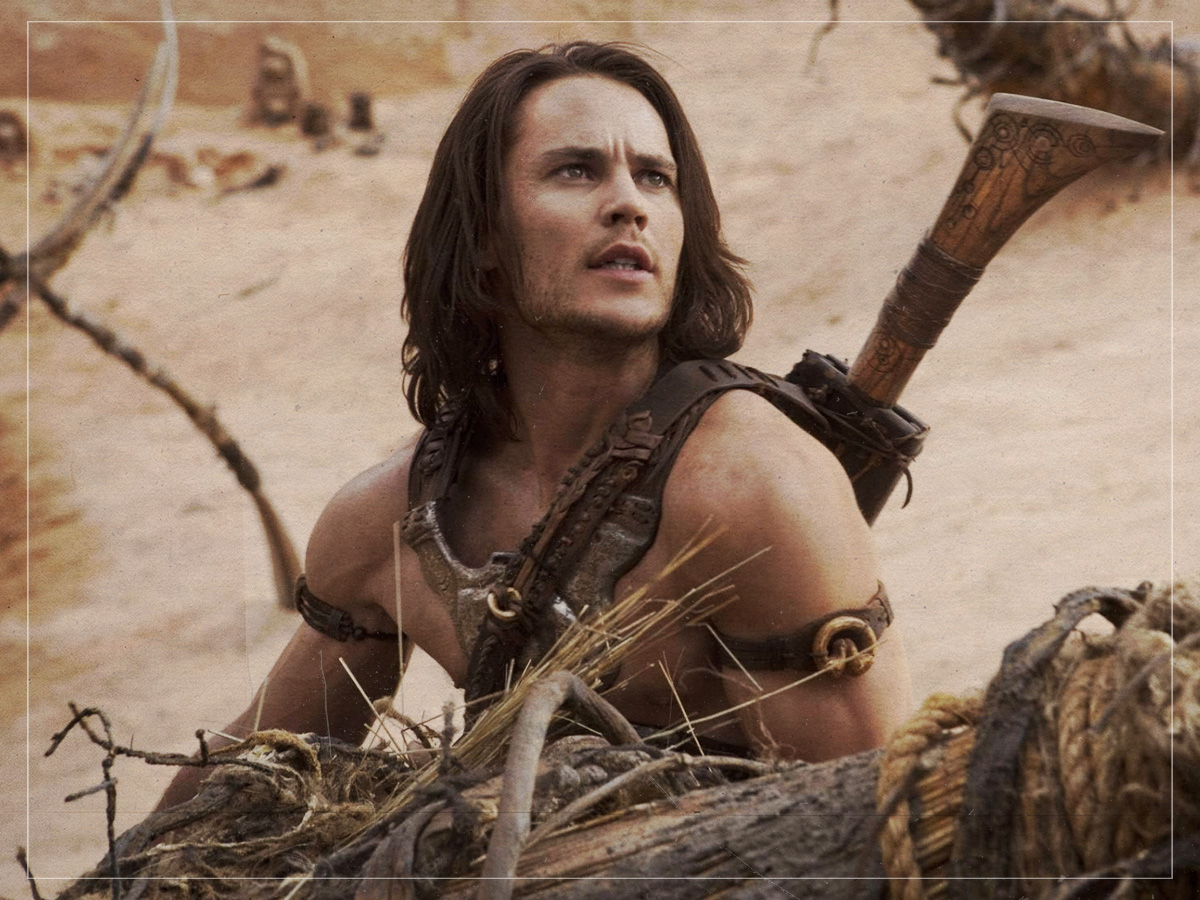
Taylor Kitsch was so popular on the NBC drama series Friday Night Lights that Hollywood seemed desperate to cast him in a film as soon as the series wrapped.
The pipeline of television-to-movie stars had worked in favour of people like Jennifer Aniston and George Clooney, so there was no reason to doubt that Kitsch couldn’t do the same. Disney gave him the type of role that any actor in his age bracket would dream of, naming him the titular character in John Carter, an ambitious science fiction epic based on the novel series; however, it was both one of the most expensive films ever made and one of the biggest flops.
It marked the beginning of a tough summer for Kitsch, who also appeared in another devastating flop, Battleship, and while he has since been able to get a few strong television roles, any notion of moviestardom is completely destroyed.
Sofia Coppola in ‘The Godfather: Part III’ (1990)
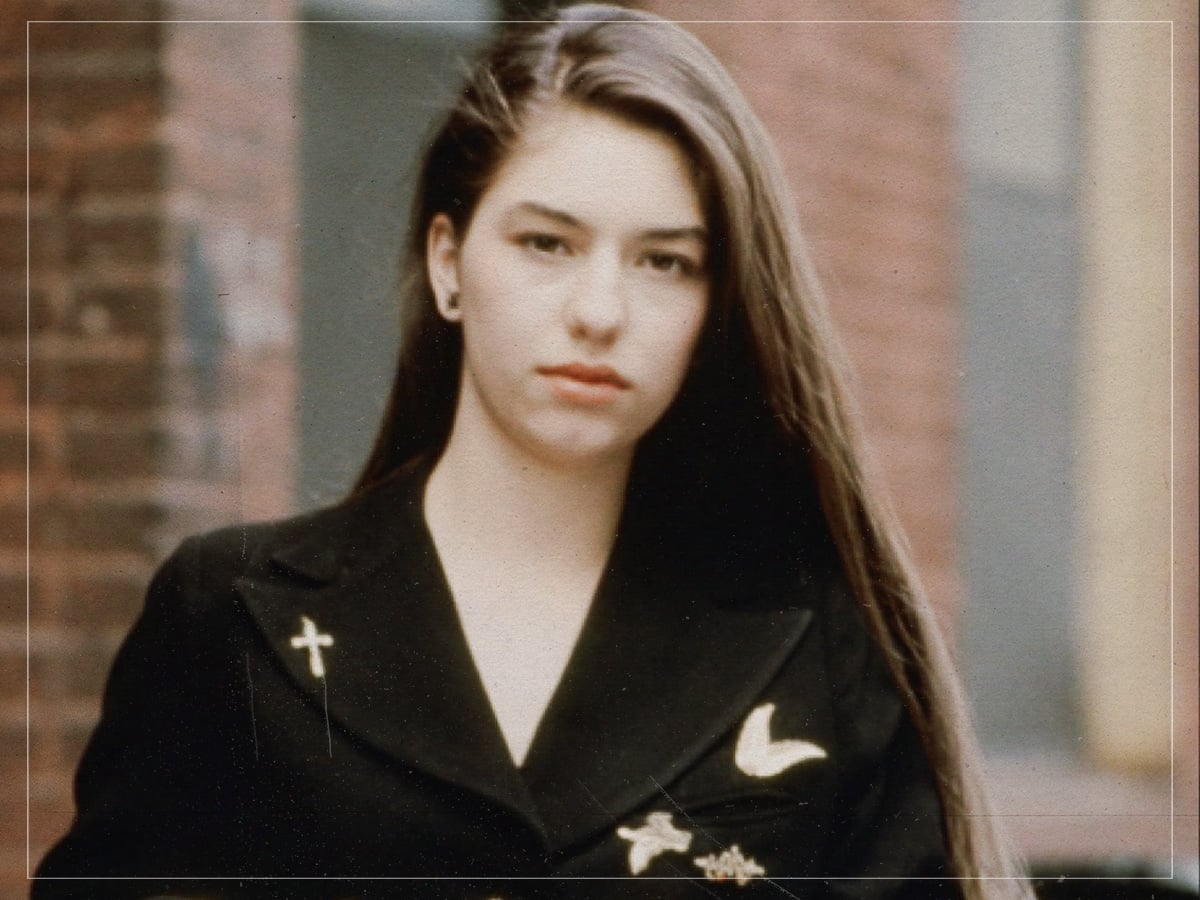
Sofia Coppola is a strange case of an actress who destroyed her film career but ended up benefiting exponentially. She faced incredible expectations when her father, Francis Ford Coppola, cast her to play the daughter of Al Pacino’s Michael Corleone in The Godfather: Part III, replacing Winona Ryder. The expectations for the film were incredibly high because of how great the first two instalments had been, resulting in instant disappointment, with all aspects of the follow-up criticised, chief of which was the young Coppola’s performance.
However, the fact that she had no shot at being a movie star after The Godfather: Part III meant that she focused more on directing, and soon became one of the most versatile and successful auteurs of her generation, and even picked up an Academy Award for her masterpiece, Lost in Translation.
Topher Grace in ‘Spider-Man 3’ (2007)
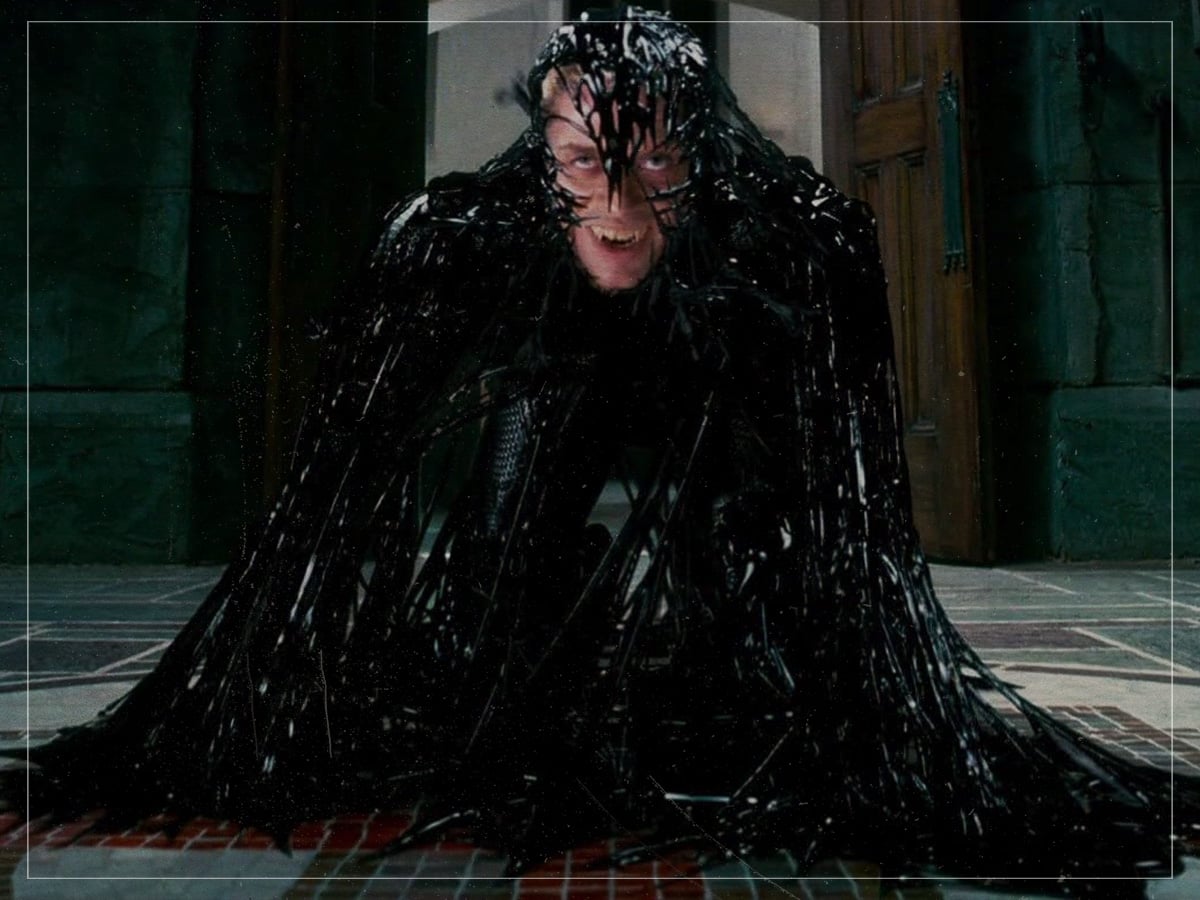
Topher Grace had a successful gig playing Eric on That ‘70s Show, a series from which several cast members successfully transferred into being movie stars. Grace may have had a few small roles in Steven Soderbergh films, but he was offered the opportunity to be in a massive summer blockbuster when Sam Raimi cast him in Spider-Man 3 to play Eddie Brock, a rival of Tobey Maguire’s Peter Parker who ends up becoming the supervillain Venom.
Spider-Man 3 was an overstuffed mess that suffered from Sony trying to disrupt Raimi’s vision, but Grace was straight-up miscast as Venom and was more laughable than intimidating. Ruining a Spider-Man film is the type of career-detonating move that most actors would dread, and while Grace hasn’t been completely out of work, he’s certainly never been cast in a lead role in a film of comparable size.
Jonathan Majors in ‘Ant-Man and the Wasp: Quantumania’ (2023)
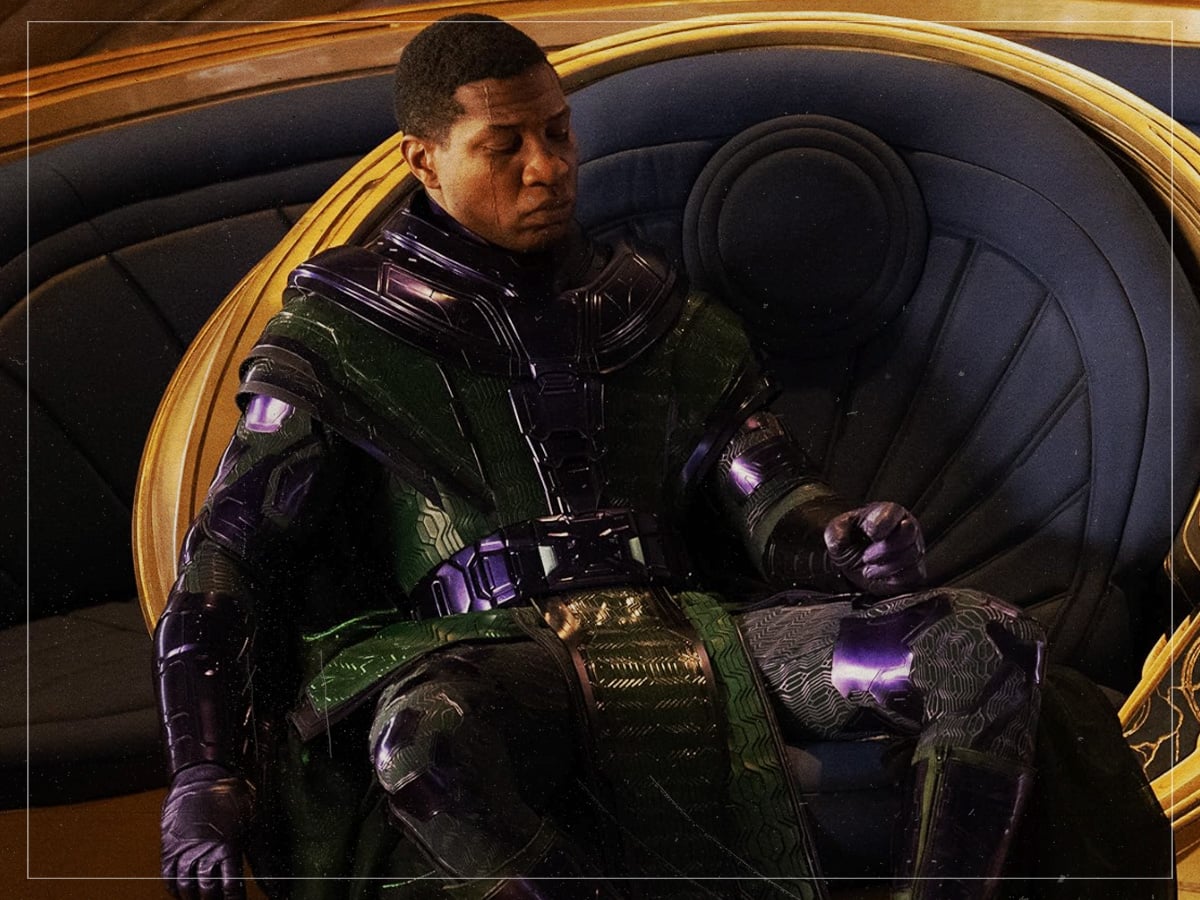
The story of how Jonathan Majors destroyed his career is one of the saddest in recent memory. He was considered to be a significant rising talent thanks to his breakthrough performances in The Last Black Man in San Francisco and Da 5 Bloods, and seemingly scored the role of a lifetime when he joined the cast of Marvel’s Ant-Man and the Wasp: Quantumania as Kang, who had been set up as the villain for the next phase of the franchise.
It was only shortly after that Majors was found guilty in a domestic violence lawsuit and fired by Marvel, who decided to change the direction of the multiverse saga after the film was received poorly. Although Majors starred in another box office hit a month later with Creed III, he is now essentially unemployable because of the continued reports about his abusive behaviour.
Kellan Lutz in ‘The Legend of Hercules’ (2014)
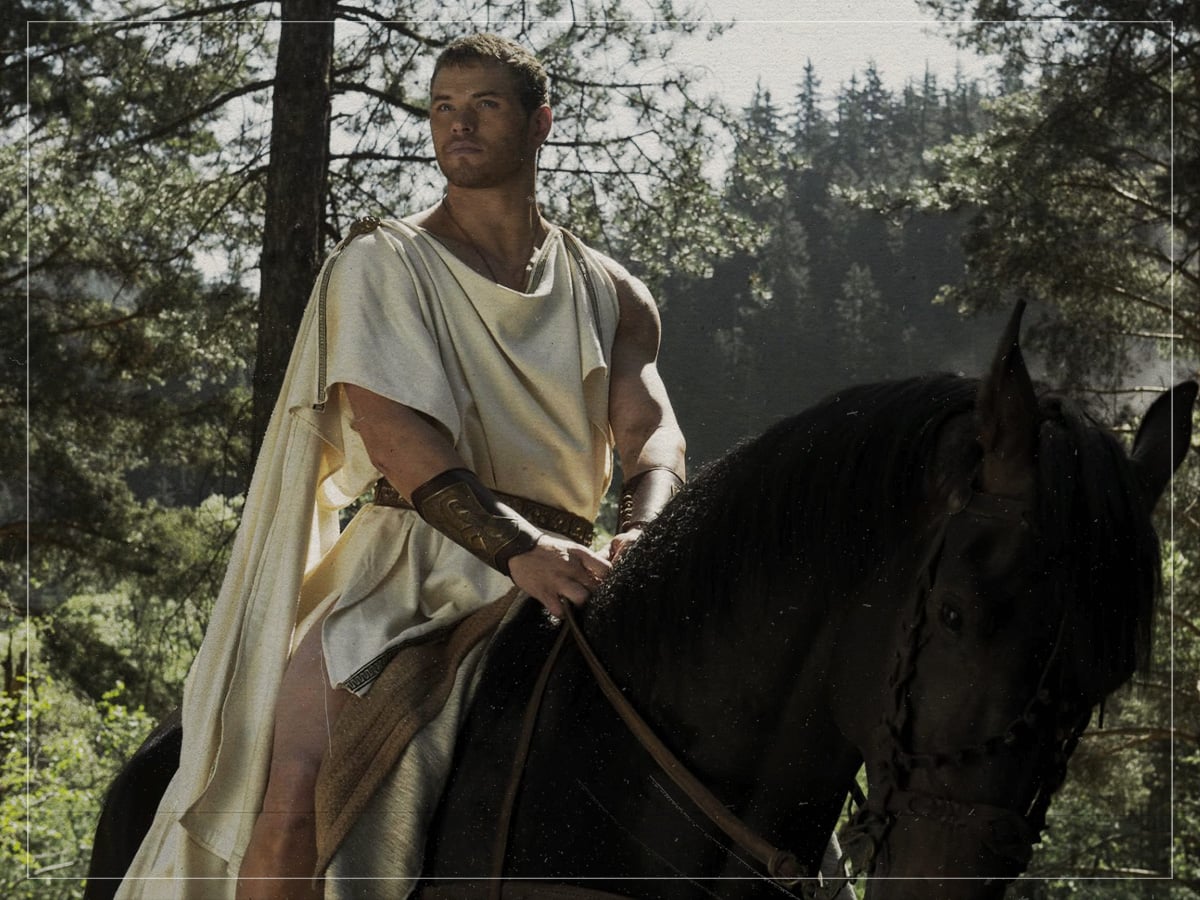
Kellan Lutz had scored a minor role in the Twilight franchise and seemed ready to transition into more lead roles as the series reached its conclusion, however, it was for some strange reason that, in 2014, Hollywood decided to make two different films about the Greek hero Hercules, the second to be released was the Dwayne Johnson origin film simply titled Hercules, and the first being the post-converted 3D mess The Legend of Hercules, which starred Lutz.
Both of these Hercules films were box office bombs, but The Legend of Hercules failed to meet even the most minor of expectations, and while part of the blame should be given to its director, Renny Harlin, who has a history of making flops, Lutz was so thoroughly unconvincing in the role compared to Johnson that he has not led a single studio film since and has pretty much disappeared from the blockbuster stage.
Hayden Christensen in ‘Star Wars: Episode II- Attack of the Clones’ (2002)

The role of Anakin Skywalker might be cursed, because three years after a young Jake Lloyd was skewered for his performance in Star Wars: Episode I- The Phantom Menace, Hayden Christensen courted backlash for playing the older version of the future Darth Vader in Star Wars: Episode II- Attack of the Clones, which could in retrospect be blamed on George Lucas writing him to be a whiny, creepy, and obnoxious teenage boy, but his lack of chemistry with Natalie Portman didn’t do him any favours either.
While he showed a flair for acting in films like Shattered Glass and Life as a House, Christensen’s career was basically obliterated until he was welcomed back by Star Wars fans, many of whom had grown up with the prequel trilogy, when he reprised the role of Anakin in Ahsoka, but generally he seems to be only made for the galaxy far, far away, unable to land a space in Hollywood.
Alicia Silverstone in ‘Batman & Robin’ (1997)
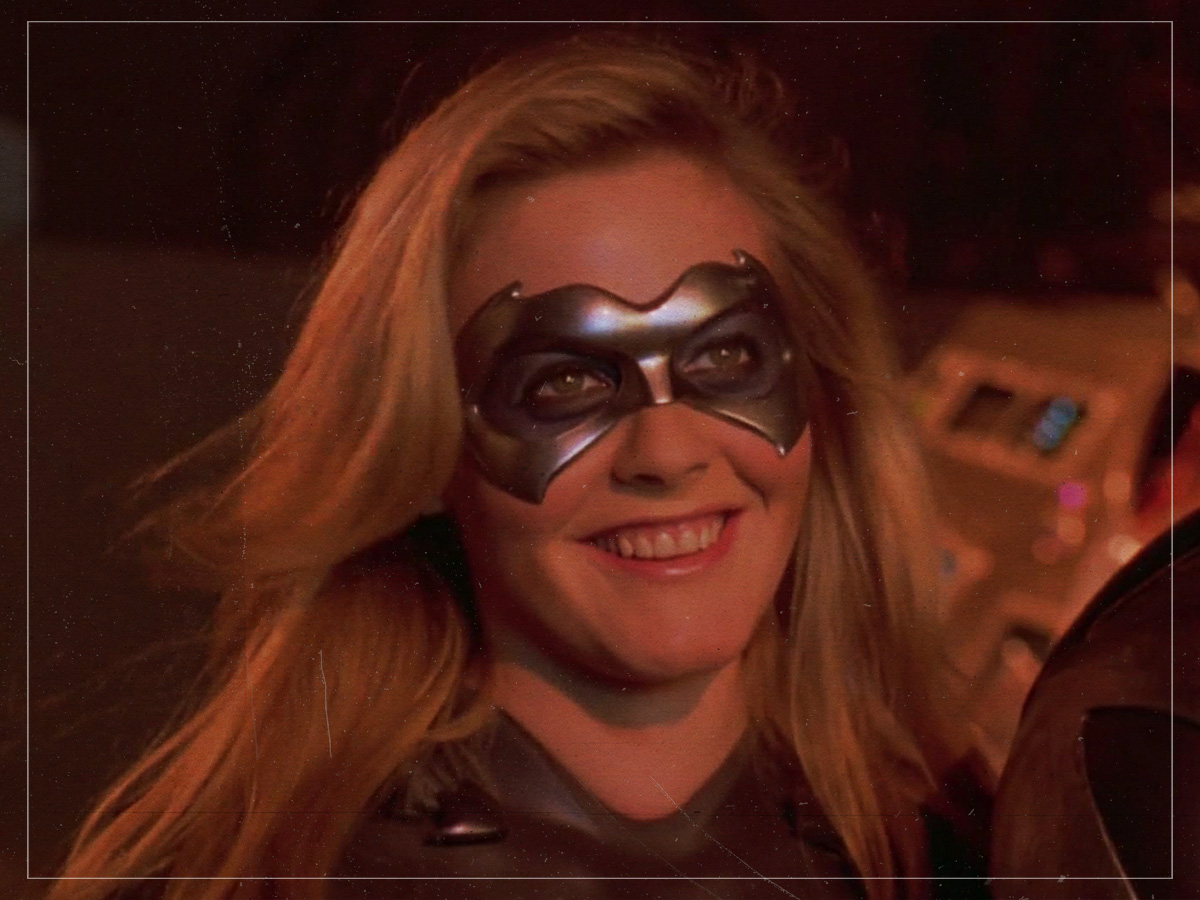
Alicia Silverstone received whiplash with one of the sharpest career peaks and drops in Hollywood history, after breaking through with Clueless, a smart, zippy modern update of Jane Austen’s Emma set in a Los Angeles high school, in 1995. The film had an instant impact on popular culture, music, and fashion, and made the character of Cher into an icon, alongside which Silverstone was seemingly given an opportunity to expand her range when she was cast to play Batgirl in Batman & Robin, the second film in the series to be directed by Joel Schumacher.
The film was so disastrous that it sullied the comic book genre, and no one received worse reviews than Silverstone, who was trying her best to elevate a terrible screenplay; moreover, while her co-stars George Clooney, Arnold Schwarzenegger, and Uma Thurman were able to rebound, she was never able to live the film down.
Nate Parker in ‘The Birth of a Nation’ (2016)
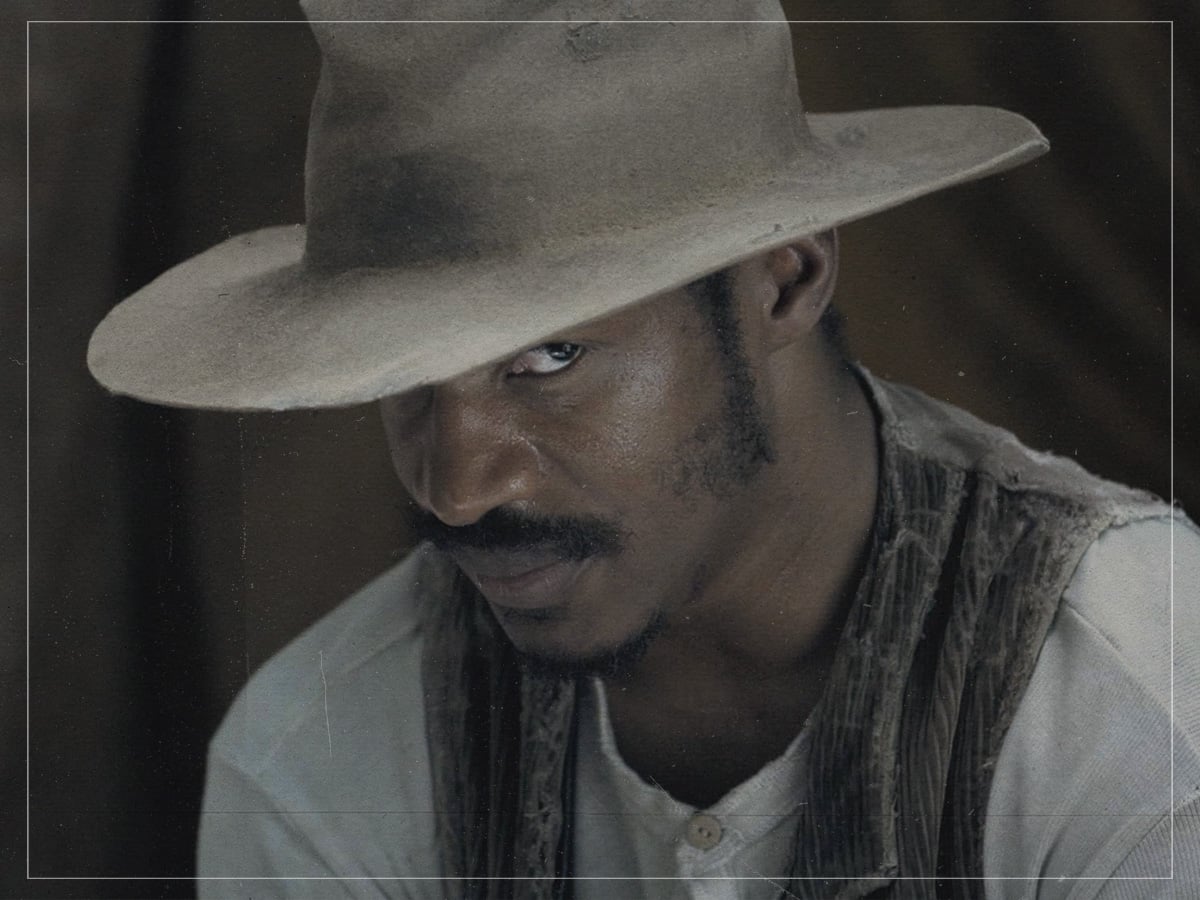
Nate Parker’s fall from prominence was a fascinating incident in contemporary media because it occurred more than a full year before the Harvey Weinstein scandal and the birth of the #MeToo movement. Parker had been an actor who poured all of his resources into the historical epic The Birth of a Nation, a revenge drama based on the true story of Nat Turner and the rebellion of American slaves prior to the Civil War.
Sharing a title with one of the most racist films ever made was a conscious effort on Parker’s part to reclaim history, and The Birth of a Nation won major awards at Sundance and was picked up for a major awards campaign. However, it was during the midst of its release that a story resurfaced about his 1999 conviction for sexual assault, which both destroyed his career and torpedoed the film’s Oscar chances.
Alex Pettyfer in ‘Magic Mike’ (2012)

Magic Mike was a surprising hit for Steven Soderbergh, who managed to take a story about male strippers and turn it into a moody, thoughtful character drama in the vein of the great films of the New Hollywood era of the 1970s. Although it was Alex Pettyfer who was technically the lead, Channing Tatum played the titular role so well, he ended up receiving rave reviews.
As it turned out, Tatum and Pettyfer had been feuding on set, and it was clear who won the public relations war, as after reports about the latter’s behaviour began to circulate, the former’s star status only rose, leading him to be the sole lead in the sequels Magic Mike XXL and Magic Mike’s Last Dance. Outside of a brief role in the Guy Ritchie action film The Ministry of Ungentlemanly Warfare, Pettyfer practically hasn’t been heard of since 2012.
Brandon Routh in ‘Superman Returns’ (2006)
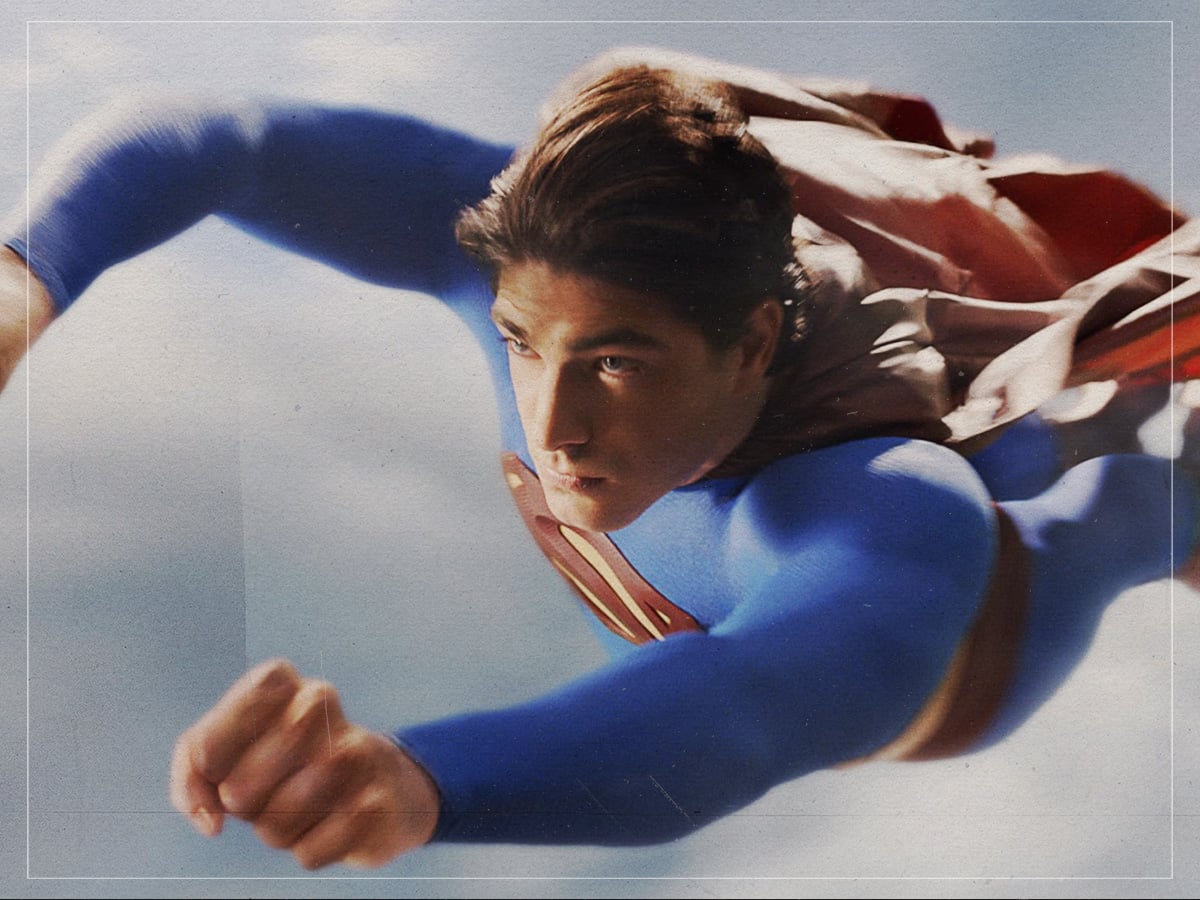
The “Superman curse” has been a long-standing fable in Hollywood based on the consequences faced by many actors involved in the franchise; George Reeves died by suicide at a young age, Christopher Reeve suffered a debilitating injury, and Henry Cavill was fired from the role shortly after announcing his return. While he didn’t face ramifications that significant, Brandon Routh did end up ruining his chance to become a movie star when he starred in Superman Returns, the first live-action film in the series in 19 years.
Routh’s performance in the film wasn’t necessarily bad, but it was so clear that he didn’t have the same inherent charisma as Reeve, so while it wasn’t an outright flop, Superman Returns wasn’t successful enough to inspire a sequel, and Routh has essentially disappeared outside of a brief return to the role in DC’s Legends of Tomorrow.
