


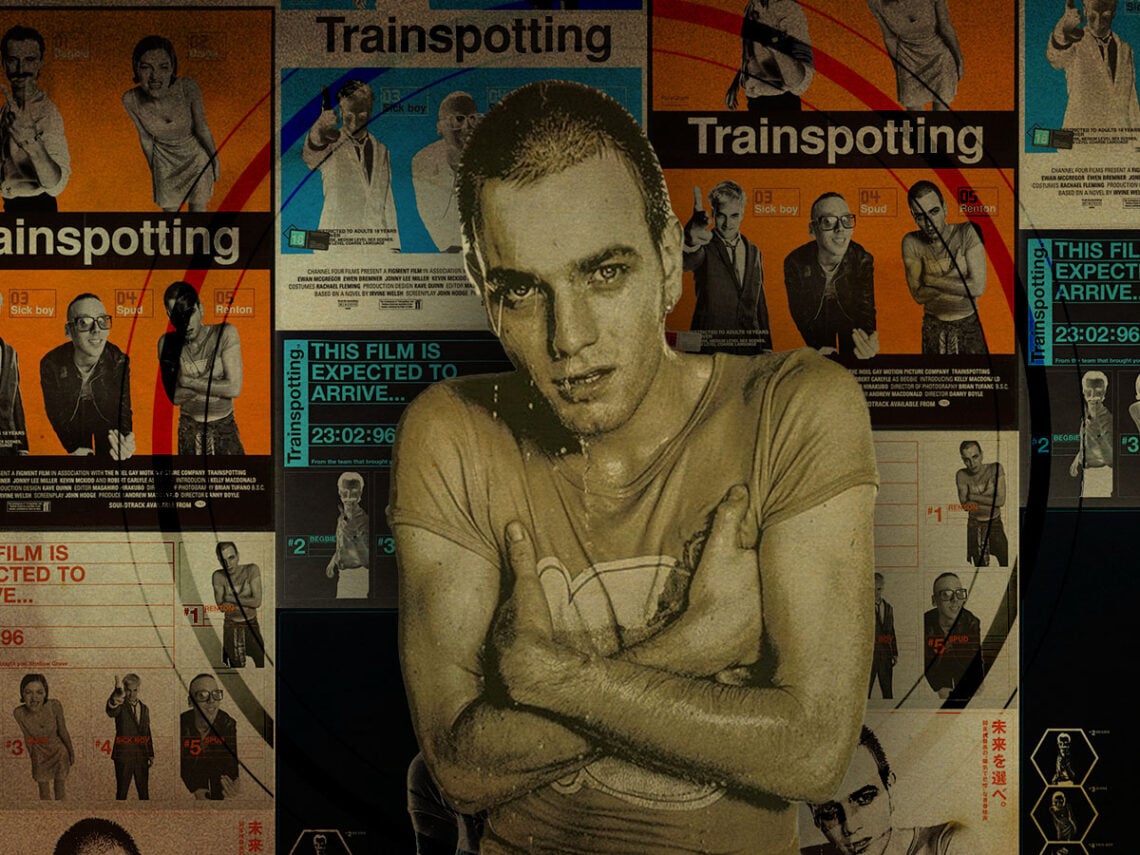
‘Trainspotting’ at 30: how Danny Boyle’s film changed British cinema forever

Has a film ever defined an era quite like Trainspotting did for 1990s Britain?
The final decade of the 20th century was a proper monumental one for the United Kingdom, and Danny Boyle’s film emerged not just as an emblem of a changing pop cultural and political landscape, but a changing cinematic landscape for Britain, too.
British cinema had seen its ups and downs over the years, with many icons of the silver screen emerging in the early years and putting the country on the map, like Alfred Hitchcock with his thrillers and Laurence Olivier with his Shakespearean adaptations. By the 1960s, the social realist movement had gained traction, welcoming grittier stories to the big screen that actually highlighted the strife of many working-class people in post-war Britain.
This social realist trend boomed in the ‘80s with the likes of Rita, Sue, and Bob Too, Letter to Brezhnev, My Beautiful Laundrette, Meantime, and Babylon, all of which brought renewed attention to topics that the average Brit could likely relate to. British cinema was continuously proving to be one of the most revealing and honest, yet one that always brought a distinctive sense of humour in spite of heavy themes.
However, British cinema wasn’t really breaking through across the pond, with filmmakers typically working on rather small budgets. That’s until a very well-needed injection of cash was given to the industry courtesy of a National Lottery fund, which allowed British filmmakers to thrive among this exciting new terrain where Britpop was booming, as was electronic music and pop icons like the Spice Girls. Cool Britannia was in full swing, football fever swept the decade, and Labour finally kicked the Conservatives out of office in 1997. It was only natural, then, that cinema would reflect this evolving landscape.
Some pretty successful movies shot out of Britain in the ‘90s, like the Hugh Grant rom-coms Four Weddings and a Funeral and Notting Hill, but it was undoubtedly Trainspotting that stood as the definitive movie of the era. With its honest depiction of drug addiction and poverty, which mingled with some larger-than-life characters, surreal sequences, classic Scottish humour, and an unforgettable soundtrack (even now, hearing Underworld’s ‘Born Slippy’ will likely send a shiver down your spine and remind you of the film’s end), the movie encapsulated ‘90s Britain like nothing else.
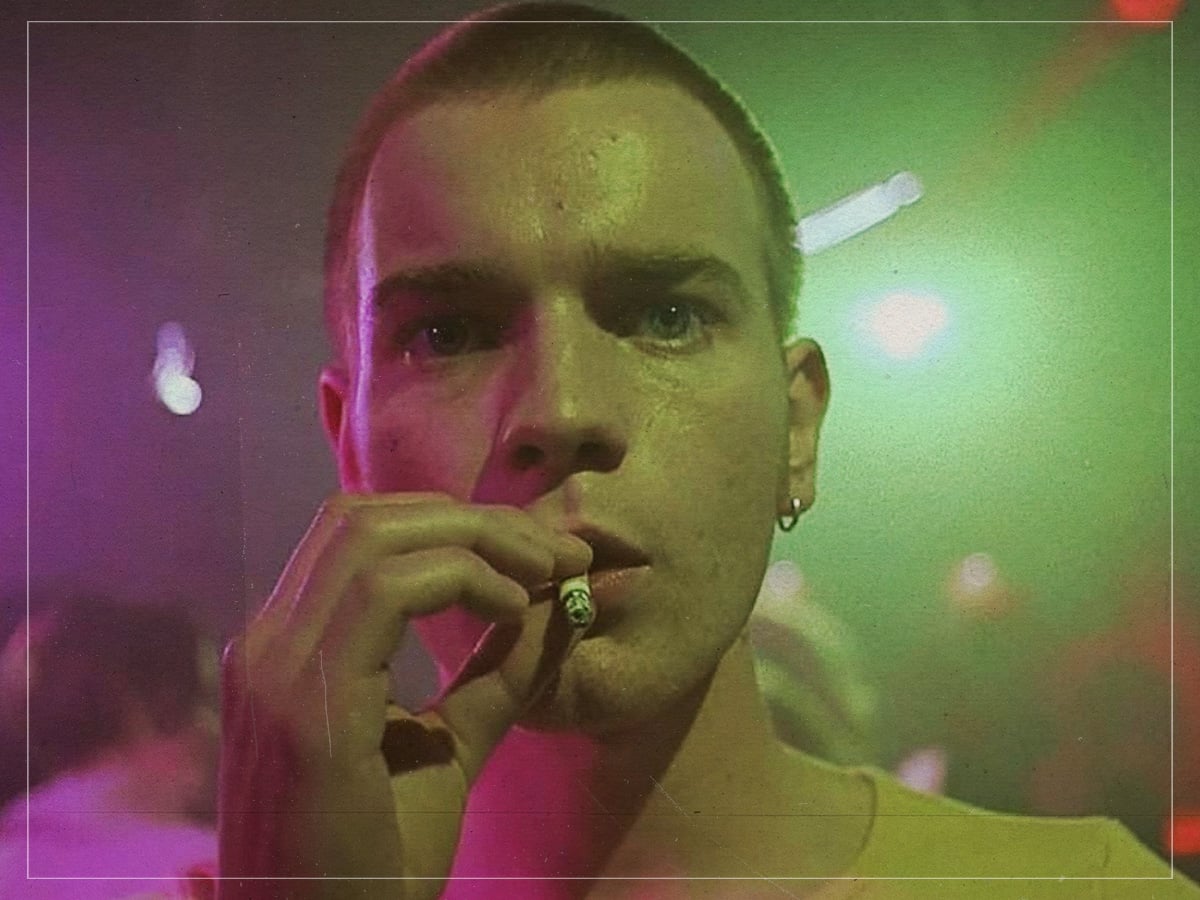
As a result of its accessible blend of humour and grit, the film, which cost £1.5million to make, became a hit, grossing almost 50 times that while breaking through into America, too.
While a few lines of dialogue had to be edited so that American audiences could understand the Scots dialect used by some of the characters, the movie had enough commercial appeal to be enjoyed by audiences outside of the United Kingdom. It was proof that a rather low-budget movie (it was made on less money than Reservoir Dogs, Quentin Tarantino’s 1992 indie smash) had the power to make it in the international market, even when the setting was so distinctively British.
There was no way that a movie like Trainspotting could only find success in its native country, though, because it was just too ‘big’, too full of life to be ignored. With its flawless opening sequence soundtracked by Iggy Pop’s ‘Lust for Life’, which sees Ewan McGregor deliver a captivating monologue while running through the streets of Edinburgh, as well as Begbie’s terrifying glassing scene, the toilet sequence, and even the baby on the ceiling scene, Boyle crammed in as many unforgettable moments as possible that left an impression, one both disturbing and strangely charming.
British cinema was never the same after Trainspotting, which opened up new avenues for the market. Boyle’s film showed producers and consumers that British cinema could be more than period dramas, and that youth culture was worth documenting in this honest and snappy way. Everything from Human Traffic to Bridget Jones’s Diary and Snatch would emerge over the next few years, presenting audiences both at home and overseas with a more realistic, modern, and down-to-earth vision of Britain – and not necessarily with tight budget constraints.
Boyle’s career would continue on an upward trajectory with the release of 28 Days Later and his Oscar-winning Slumdog Millionaire, while further successes emerged in the 1990s and 2000s that felt indebted to his 1996 classic, like Lock, Stock, and Two Smoking Barrels and This Is England.
Trainspotting holds up just as well 30 years on, and its legacy remains strong – there’s even a new musical adaptation coming to theatres. I bet Irvine Welsh never thought he’d be turning his hit novel into a musical all these years later, but thanks to the film’s success and beloved status, it has taken on a totally new and ever-evolving identity that symbolises its continued relevance.
