


A forgotten 1960s band are Phil Collins’ favourite ever

As one of the best-selling musicians in music history and a seminal voice in the development of prog-rock, Phil Collins knows a thing or two about what makes a good group.
Both with Genesis and as a solo artist, the drummer and songwriter influenced countless artists with his perennially forward-thinking style. Speaking to Ken Bruce on the BBC Radio series Tracks Of My Years, Collins opened up about the artists that influenced him as an ambitious young musician. These were artists who stuck with him as he built out his eclectic understanding of music as a multi-instrumentalist.
While he might have quipped, “I’m not a singer that plays a bit of drums; I’m more of a drummer that sings a bit”, he also composes a bit, writes a bit, and even feuds a bit. He’s an all-rounder. That’s reflected in tracks like ‘In The Air Tonight’ that are at once, innovative, performative, and effortlessly catchy. This all comes back to his musical inspirations.
While listing some of his favourite tracks from his formative years, Collins named The Action’s 1967 single ‘Never Ever’ and explained: “The Action. What can I say that I haven’t already said before? This is my favourite band. My favourite, absolute favourite. In the ’60s I was going to The Marquee Club and I discovered them one night.”
He continued, “I went to see them every night they played. I’ve since got to know them. Played with them where they did, they reformed and I played a gig with them at The 100 Club. It was a dream come true.” He was moved by their ability to be an entertainment machine who were also clearly resplendent with chops. As a lover of Motown, the lesser-known Action were almost akin to an English beat version.
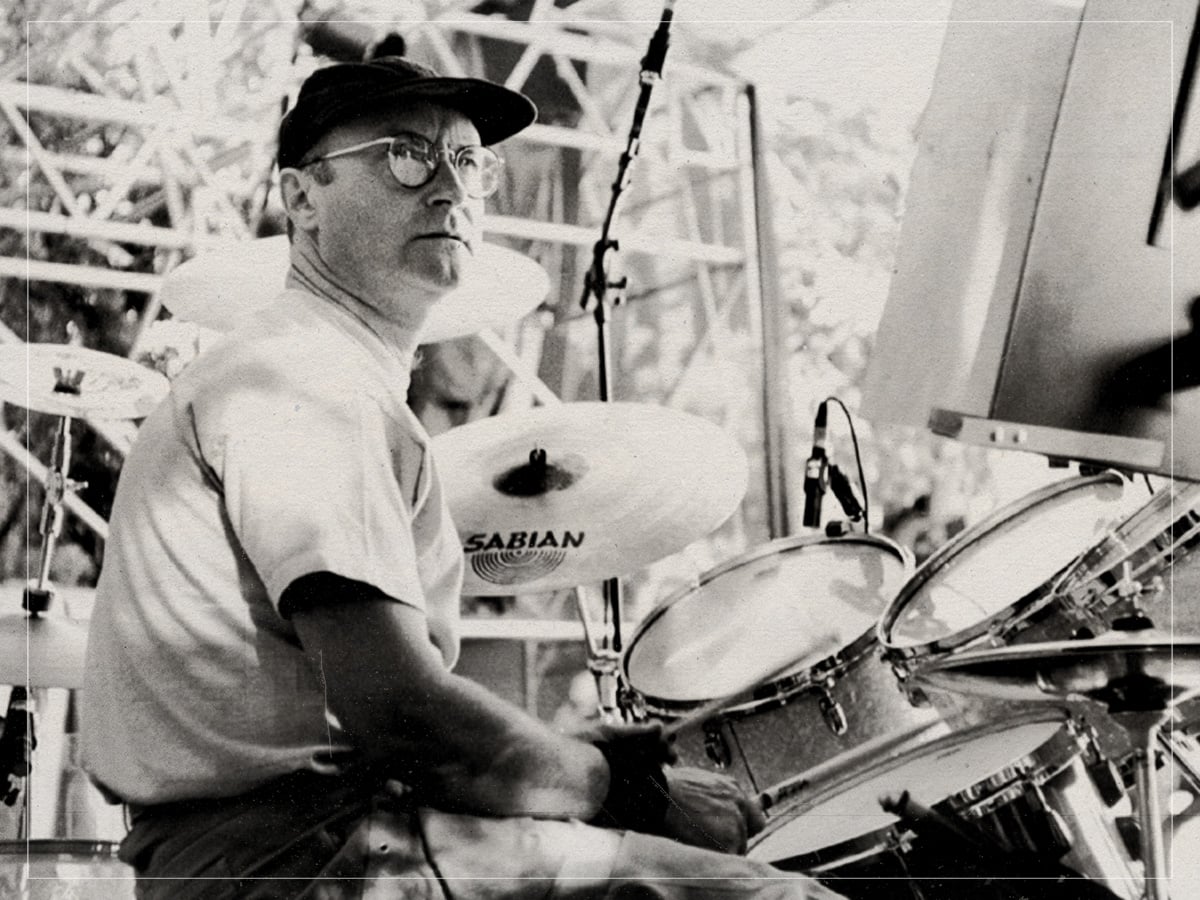
Collins went on to explain: “You had to be on stage playing all the songs that I heard when I was a teenager. You know, Roger, the drummer, is a huge influence on me. We became great friends now. This is a great record, they were produced by George Martin. It’s a great song.” Collins even had the opportunity to perform with the group during their 2000 reunion and called playing with The Action akin to performing alongside The Beatles.
Unfortunately, The Action never received the same level of attention as their Liverpool-born contemporaries. But Collins certainly doesn’t name them as an all-time favourite just to be a contrarian. Formed in Kentish Town, London, in 1963, The Action emerged out of the thriving mod subculture born among the city’s working-class teens, inspiring legions of fans, some of which would go on to eclipse them in stature.
The Action, like most mods, preferred soul and R&B music to rock ‘n’ roll, and these styles are clearly present in the group’s releases. This quirky, song-focused blend would later echo in Collins’ own oeuvre. With Reg King on vocals, Alan ‘Bam’ King on guitar, Mike ‘Ace’ Evans on bass and Roger Powell on drums, the Action made their name on the live circuit playing to packed audiences in cramped London clubs.
Unfortunately, their recorded material wasn’t as warmly received. But that didn’t bother Collins, who knew their worth as a polished unit, at their best before an audience. Despite adopting Byrds-esque psychedelic sound at the height of the hippie era, they failed to make an impact on the charts and eventually disbanded in 1969.
Then, in the 1990s, they reunited and discovered that their fanbase was just as hungry to see them live as it had been in the 1960s. The Jam’s Paul Weller was a particularly ardent fan and even wrote the sleeve notes to their 1980 compilation album. For Collins, too, The Action are one of the most underappreciated bands of the 1960s mod movement.
The essential entry point still stands as their would-could-have-been classic, ‘Wasn’t It You’, which Powell recalled fondly in 2019, saying, “I loved ‘Wasn’t It You’. It was a shame it never came out at the time, as I thought that it was the best song we did for a hit.”
Sadly, it wasn’t released in 1966 when it would’ve neatly folded into the zeitgeist and potentially launched the band, and was inexplicably shelved for three years, coming out to a muted response, with minimal press, and failing to chart. It’s a story that seems to explain why the group are largely unknown yet revered by the likes of Collins. Maybe it is too kind to say they were The Beatles that never met their George Martin, but Collins might nod in agreement.
