


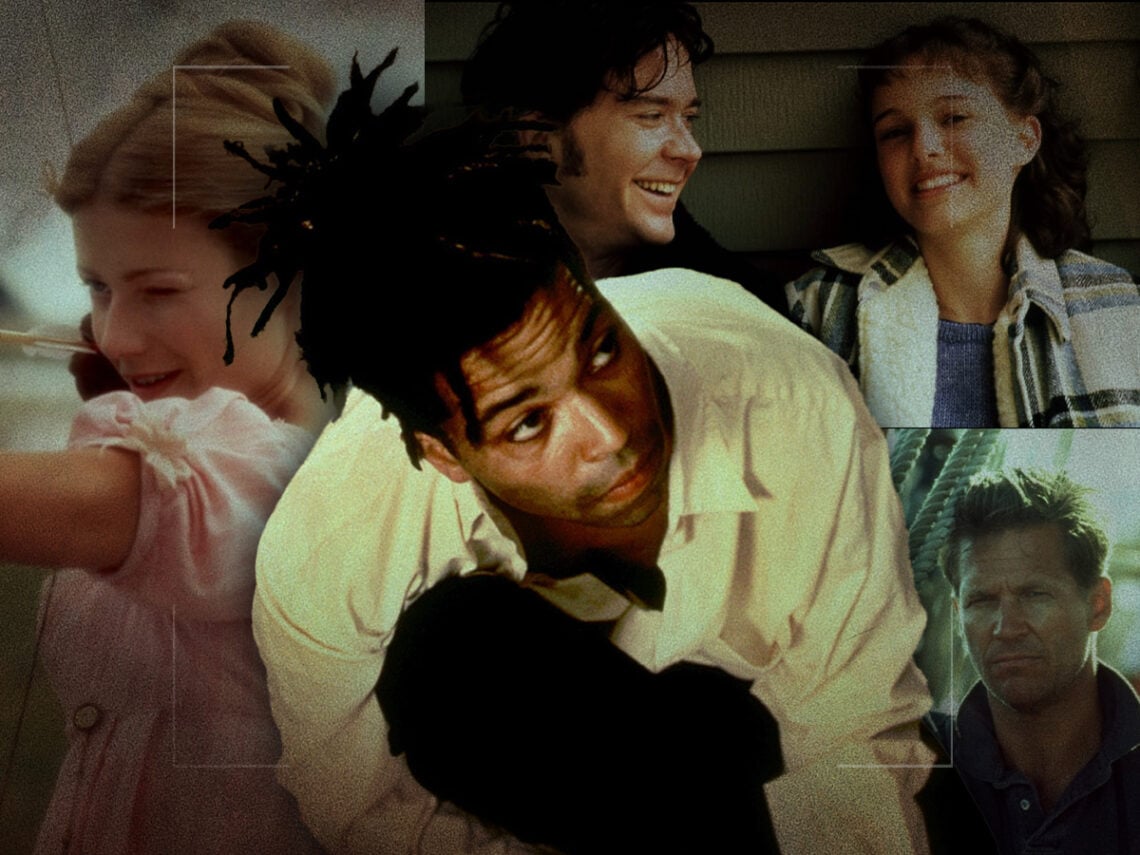
10 movies from 1996 that have aged horrendously

1996 was a year with very high peaks and very deep failures.
Assessing the relative success or failure of a year in film history is a challenging task, given that there is likely a fair amount of good, bad, and mediocre titles released in a 12-month span.
While there are certain years like 2007, 1999, and 1976 that are held up as being highly important within cinematic history, they also saw the debut of terrible films that have mostly been forgotten. What’s most interesting is to look at how certain films have aged in the years since they were first released. There are a number of films from 1996 that have stood the test of time, but others have completely missed the mark.
Perhaps the most acclaimed film of 1996 was Fargo, which became the defining masterpiece of the Coen brothers’ career; also singled out for excellence was the “Gen X” classic Trainspotting, the beloved romantic-comedy Jerry Maguire, the franchise-starter Mission: Impossible, the ‘Best Picture’ winner The English Patient, and Primal Fear, which kicked off the career of Edward Norton with one of the most impressive debut performances ever.
If any film has aged the best from 1996, it might be Independence Day because it created a formula for summer blockbusters to be fun, inspirational, and emotionally engaging; Independence Day looks like a flat-out masterpiece when compared to some of the films released in the summer of 2026.
However, nostalgia for this era of the ‘90s isn’t enough to save a few films from slowly losing their value over time and proving themselves to be irrelevant.
10 movies from 1996 that have dated terribly:
‘She’s the One’ (Edward Burns, 1996)
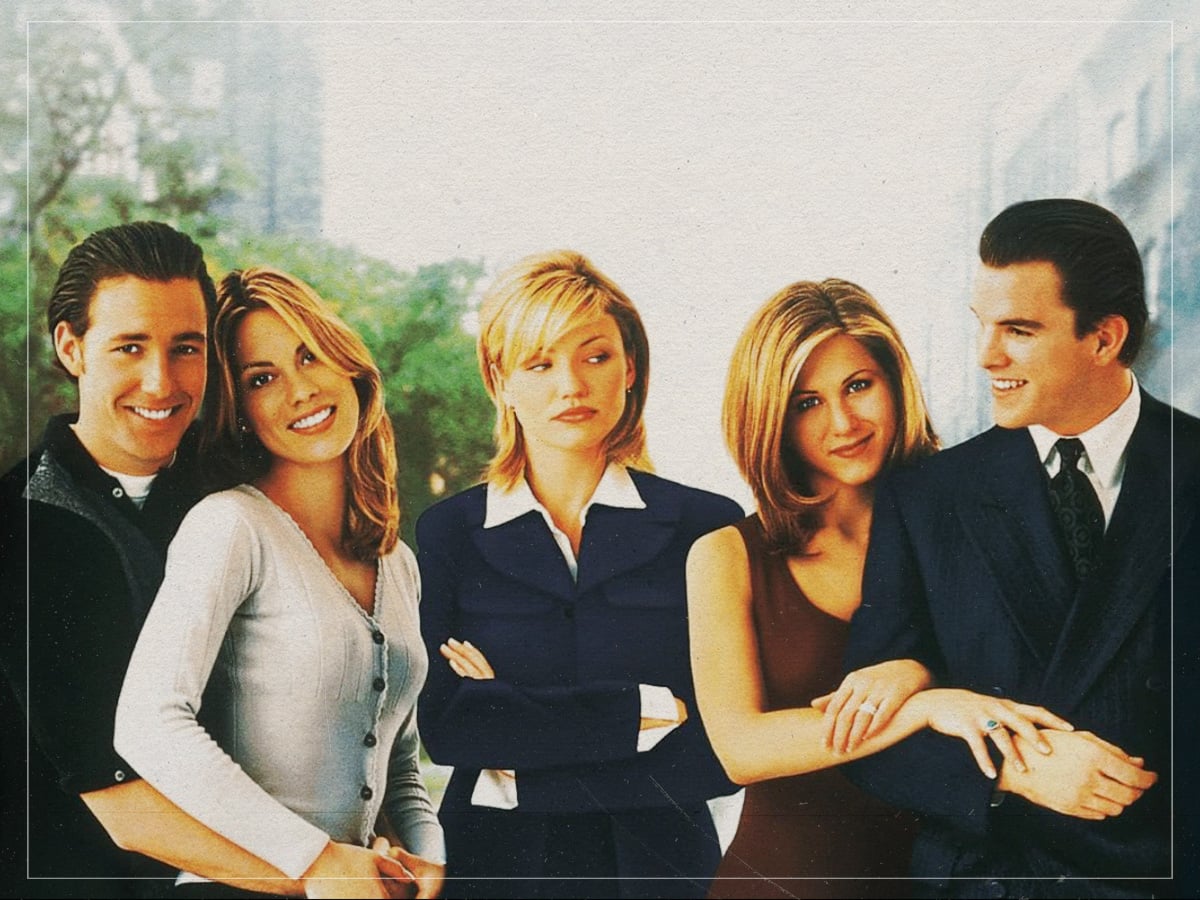
There was a brief moment in which Edward Burns seemed like he might be the next Woody Allen, who could write, direct, and star in his own dramedies, as he infamously got his debut feature, The Brothers McMullen, into the Sundance Film Festival after giving a copy to Robert Redford, leading it to earn the Grand Prize.
The momentum of Burns’ career faltered when it was clear that Burns didn’t have much to say as a writer, as She’s The One was an obnoxious retread that tried to generate sympathy for young Irish men who have affairs and are deathly afraid of being perceived as being gay. Jennifer Aniston and Cameron Diaz became two of the biggest stars of the next decade, but their talents are wasted on underwritten female roles that reveal how shallow Burns’ insights on relationships are.
‘Don’t Be a Menace to South Central While Drinking Your Juice in the Hood’ (Paris Barclay, 1996)
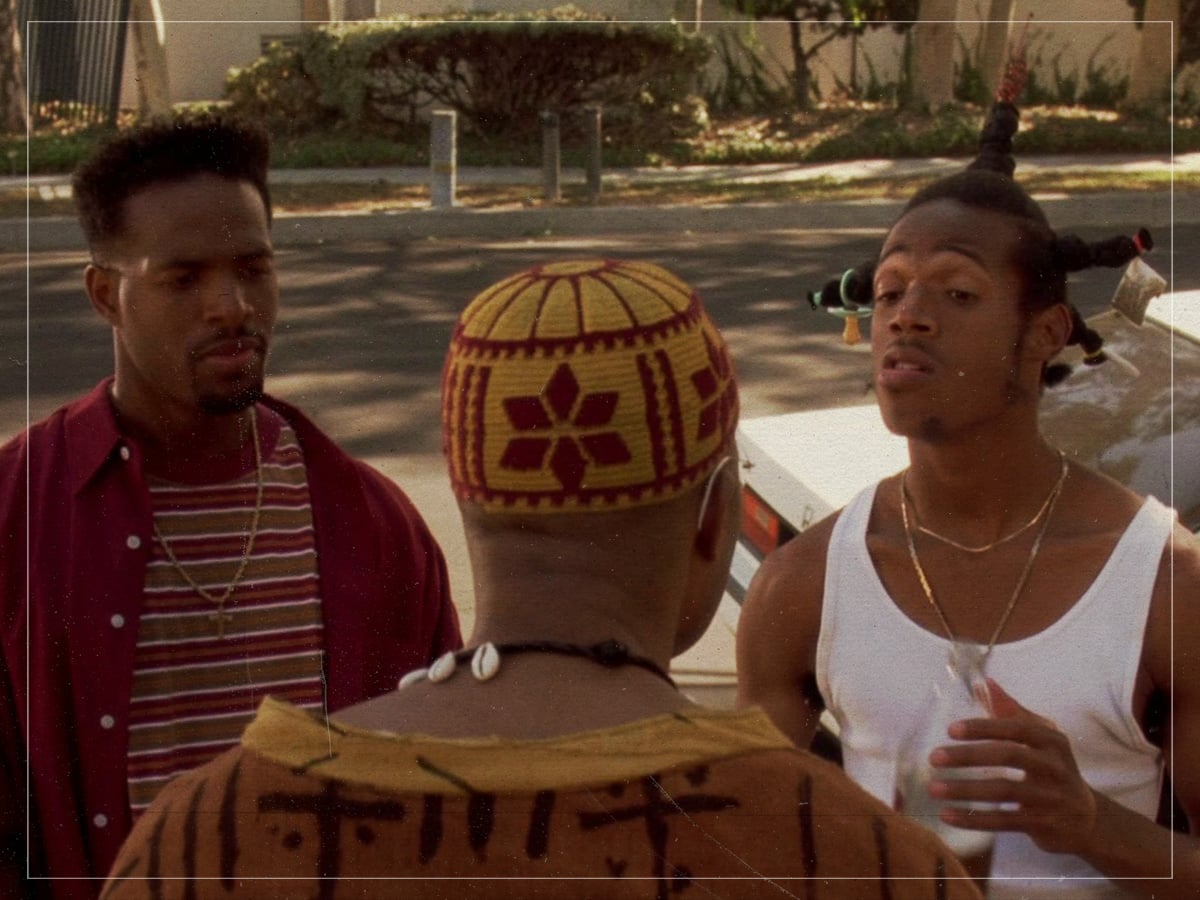
Marlon Wayans is the ultimate hack who has created a subgenre of spoof films that aim for the lowest of humour and react to recent trends, making them instantly irrelevant; there’s an art in making a good parody, but Wayans is no Mel Brooks.
Don’t Be a Menace to South Central While Drinking Your Juice in the Hood might not be as bad as some of the Scary Movie sequels that Wayans and his brother made together, but it stands out as being particularly insulating because of the cheap shots it takes at the films of John Singleton.
Singleton struggled to branch out and gain new opportunities for the rest of his career, and ironically faced many more setbacks than the Wayans ever did. That Singleton died in 2019 at the age of 51 after several unrealised projects makes it even more tragic.
‘Escape From LA’ (John Carpenter, 1996)
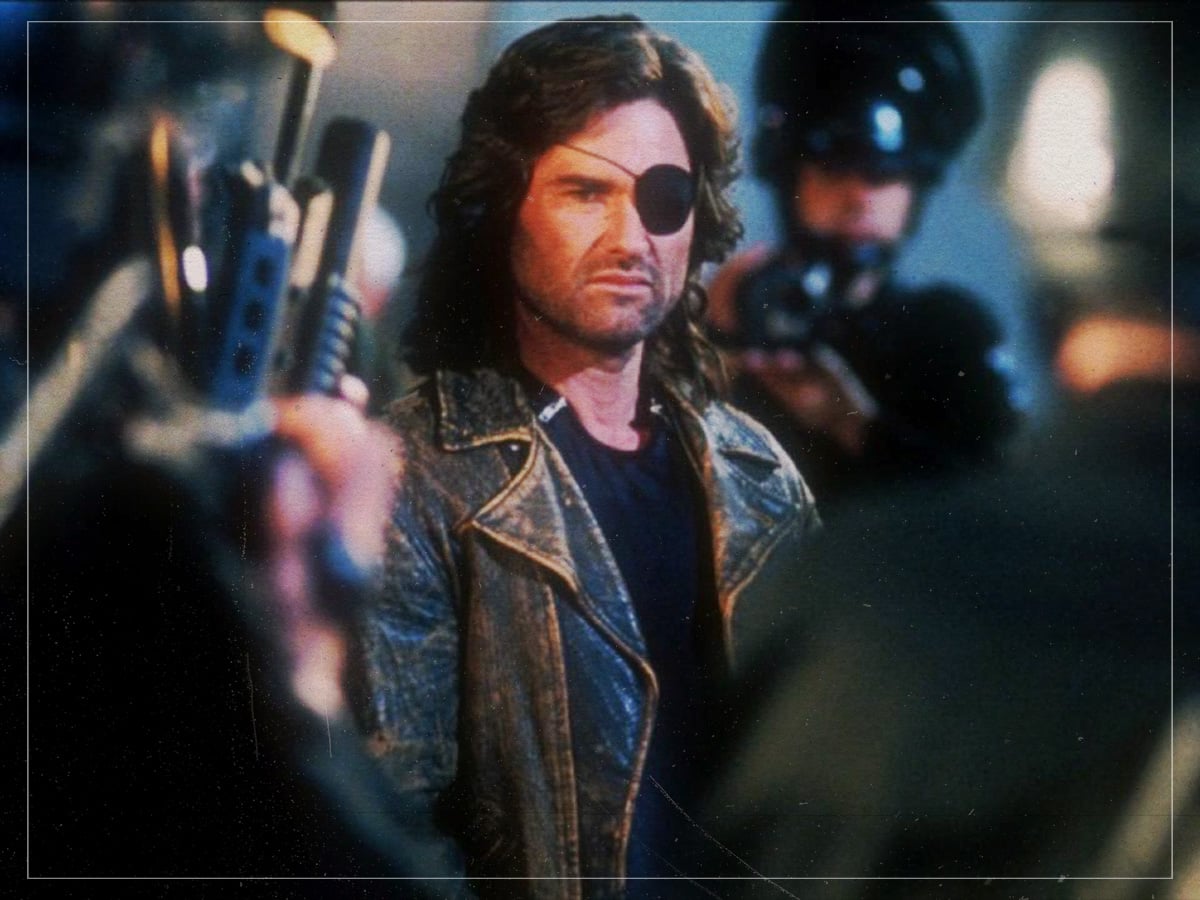
John Carpenter has been honest about the struggles he faced getting financing for his work, but little did he know that Escape From LA would be the beginning of the end of his career.
Carpenter had ambitious plans to do his first sequel ever, which was set in the city that he loved, but creative differences with the studio and budget cuts resulted in a misshapen end project that disappointed everyone.
It was the failure of Escape From LA that made Carpenter less bankable, as he followed it up with three more critical and commercial flops in Vampires, Ghosts of Mars, and The Ward. Even worse was that Escape From LA helped to create the formula for the “legacy sequel”, in which the original cast of a classic film would return over a decade later for a half-hearted reboot.
‘Ghosts of Mississippi’ (Rob Reiner, 1996)
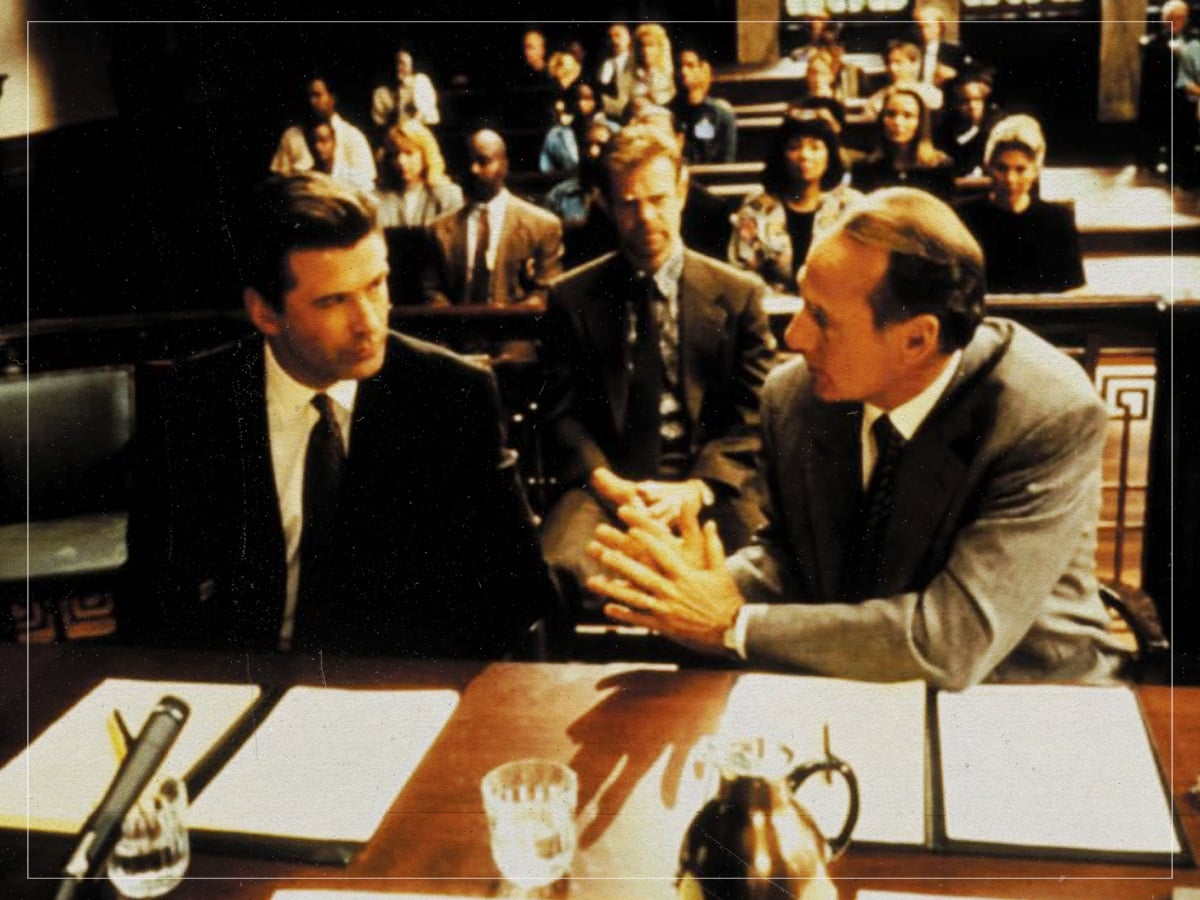
Rob Reiner had one of the greatest runs of any director in history with his first six films, but Ghosts of Mississippi is one that he simply should not have directed.
It’s not a bad film in the vein of North or LBJ, but it so obviously came from the perspective of a white man who didn’t understand the struggles of an African-American widow (played in a respectable performance by Whoopi Goldberg).
Alec Baldwin stars as a white saviour character who takes up too much screen time, and the somewhat optimistic views the film expresses about improving race relations now feel spectacularly naive. It has also hurt that the film features a (surprisingly great and Oscar-nominated) performance from James Woods, who has continued to make insensitive comments in real life that contradict the message that Reiner was trying to tell.
‘Basquiat’ (Julian Schnabel, 1996)
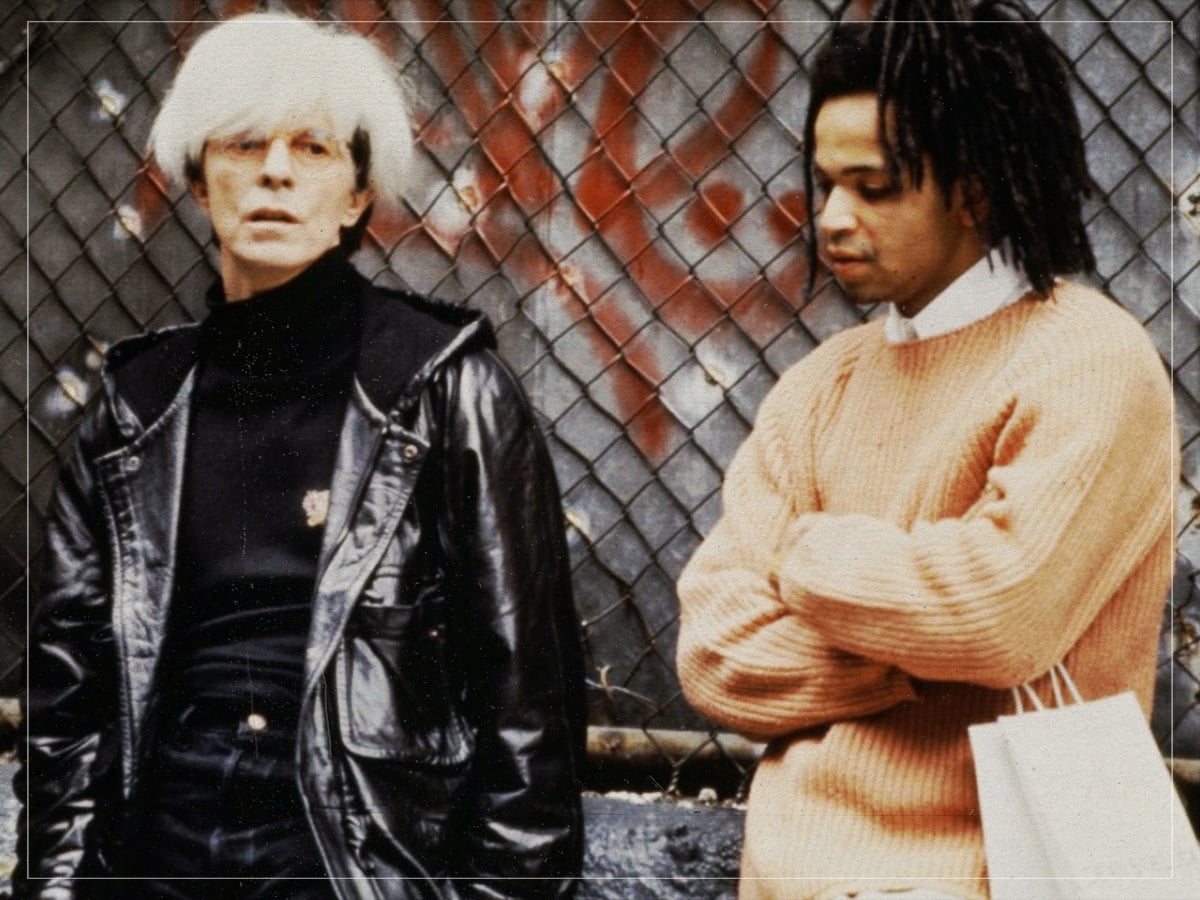
Basquiat is remembered today as the film that helped launch the career of Jeffrey Wright, but it’s not a good biopic of one of the most important painters of the 20th century.
Writer/director Julian Schnabel was close friends with the real Jean-Michel Basquiat, and chose to base the film more around his memories of the late artist, rather than actual history. Basquiat is overcrowded with the perspective of white characters, including Gary Oldman as Alberto Milo, David Bowie as Andy Warhol, and Dennis Hopper as Bruno Bischofberger.
There have now been several documentaries about Basquiat that have been more focused on his actual achievements, rendering Schnabel’s film completely irrelevant as a history lesson. It’s also a startling amateurish effort for a young writer/director, as Schnabel would improve as a filmmaker with The Diving Bell and the Butterfly and At Eternity’s Gate.
‘Beautiful Girls’ (Ted Demme, 1996)
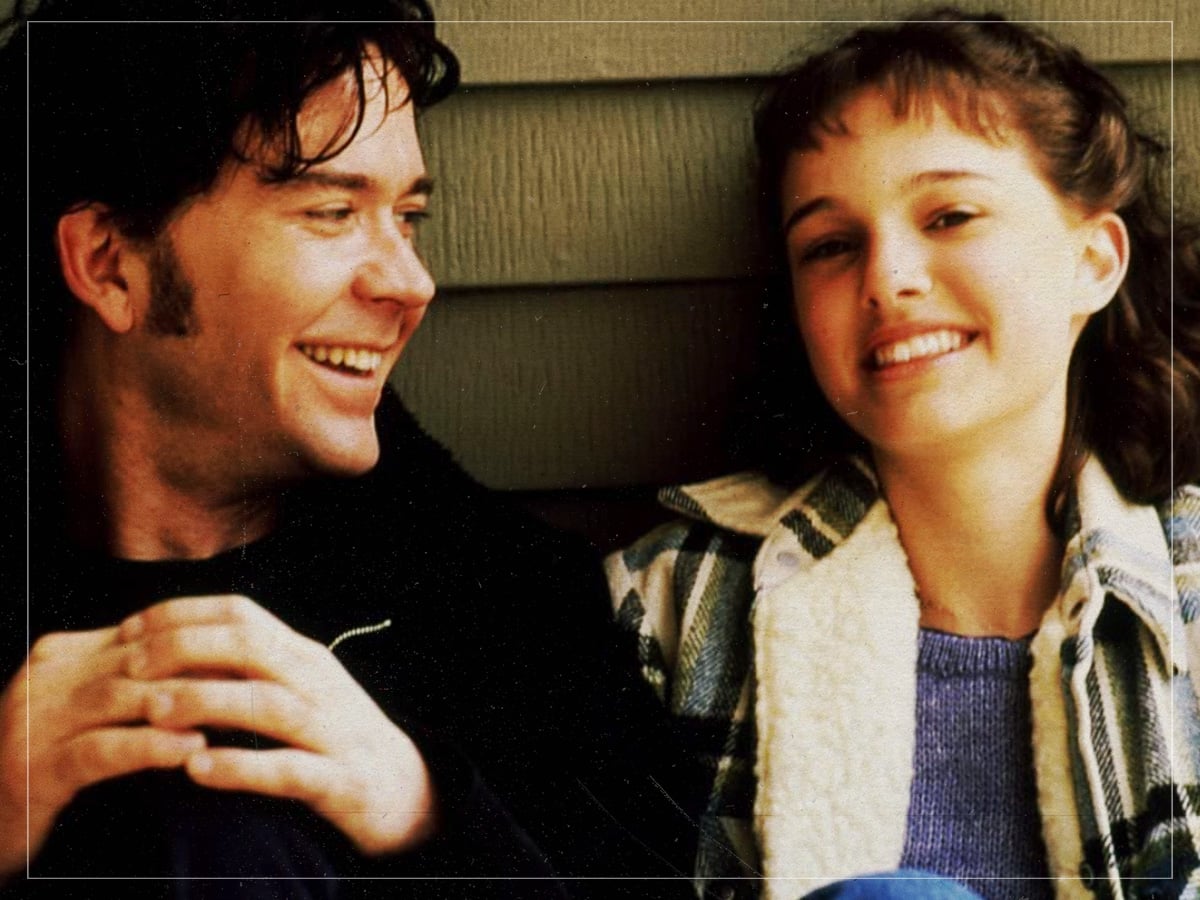
There’s no getting around the fact that Beautiful Girls features a very inappropriate relationship between the 28-year-old writer Willie (Timothy Hutton) and his 13-year-old neighbour Marty (Natalie Portman), whom he meets after returning to his hometown for his high school reunion. Willie projects his fantasies about the woman who Marty will grow up to be, as their relationship is flirtatious at best and downright creepy at worst.
Portman had dealt with several creeps as a child actor, but Beautiful Girls sticks out as being particularly egregious because the film doesn’t acknowledge that Willie is in the wrong, and even seems to commend him when he ultimately decides to reject Marty’s advances. Beyond that, Beautiful Girls was part of a trend of “high school reunion” films that grew very tiresome because of how riddled with clichés they were.
‘Emma’ (Douglas MacGrath, 1996)
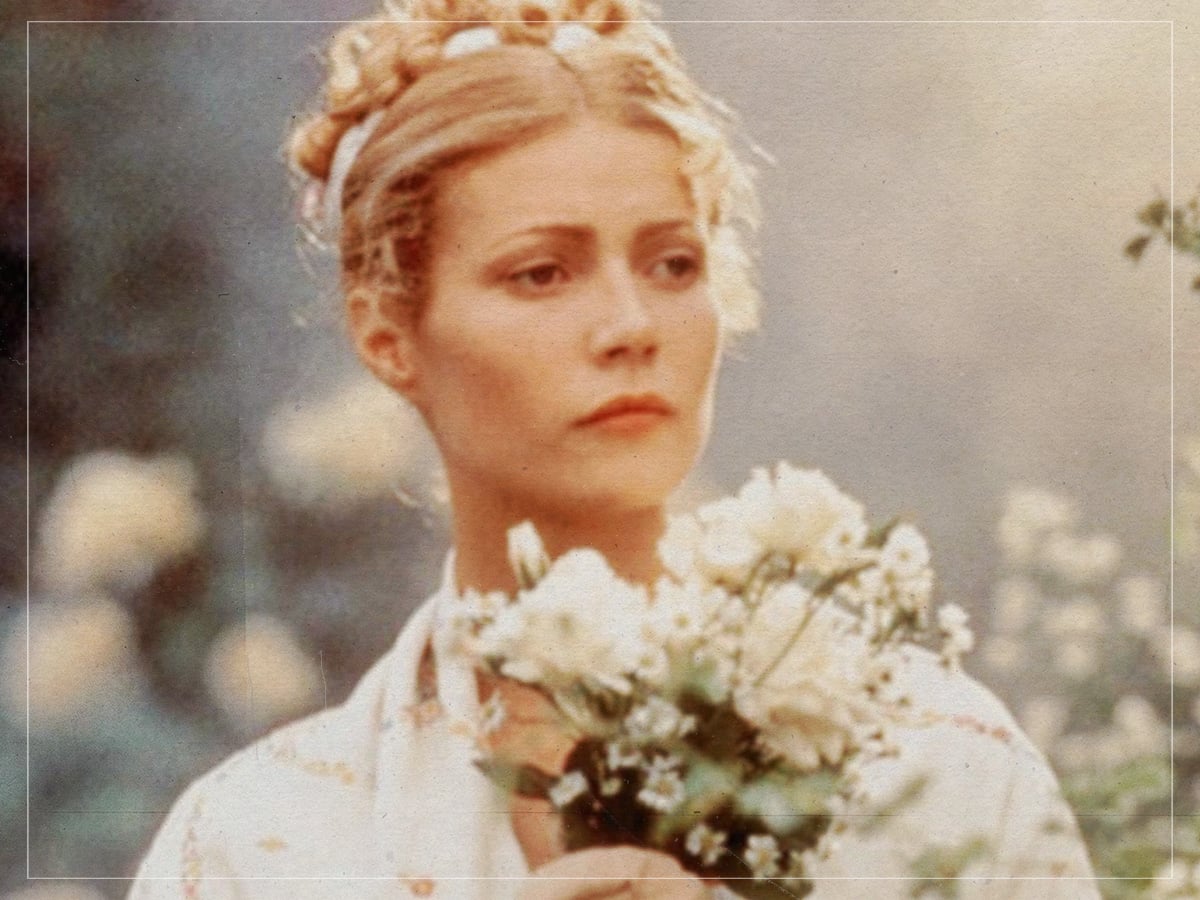
There was a craze for Jane Austen adaptations in the ‘90s after Ang Lee’s adaptation of Sense and Sensibility turned out to be a massive hit, and Emma has often been referred to as her savviest, most entertaining novel.
1996’s Emma isn’t a terrible movie, as it did win the Academy Award for ‘Best Original Musical or Comedy Score’, but it had the unfortunate luck of coming a year after Clueless; Amy Heckerling’s high school comedy was a clever reimagining of Emma set in ‘90s Los Angeles that made the more traditional adaptation feel stale in comparison.
Even for those who are looking for a straightforward translation of Austen’s material that retains the period setting, the 2020 version is vastly superior as well, because Anya Taylor-Joy is much better as the titular character than Gwyneth Paltrow was. Anyone looking to get the gist of Emma wouldn’t choose the 1996 film.
‘Everyone Says I Love You’ (Woody Allen, 1996)
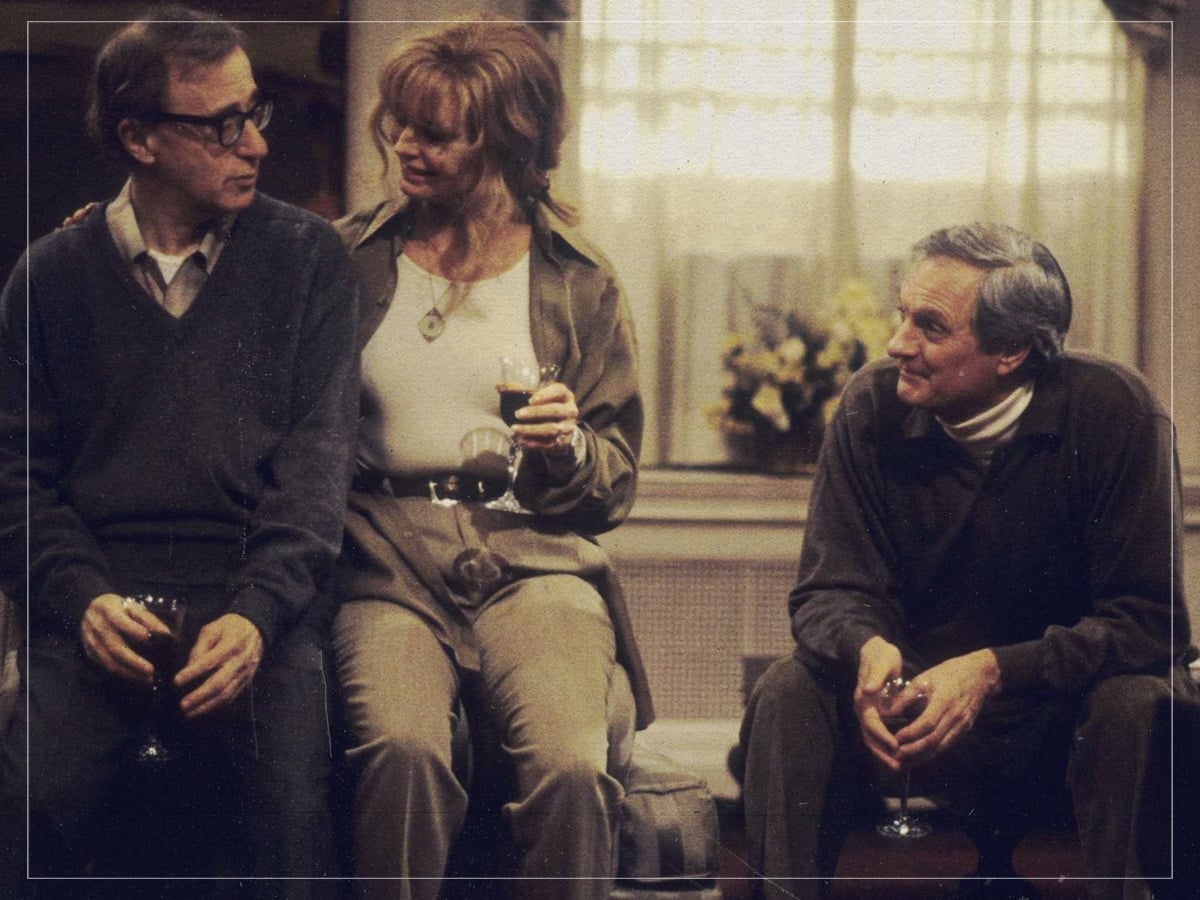
Even ignoring the caveat that anything Woody Allen directed is going to be dated, especially the films that he also acted in, Everyone Says I Love You began the trend of his “late period” efforts that offered nothing substantial.
Allen’s post-Everyone Says I Love You work could be successful if he took chances, such as the psychological thriller Match Point or the time travel story Midnight in Paris, but it was largely composed of ensemble relationship dramedies that played far too saccharine for a filmmaker who used to be considered subversive.
Everyone Says I Love You is also a disaster in terms of getting actors without theatre experience to sing; while Edward Norton and Natasha Lyonne equip themselves to the old-fashioned songs fairly well, the singing from Julia Roberts, Tim Roth, Billy Crudup, Patrick Cranshaw, and Lukas Haas is downright abominable.
‘Space Jam’ (Joe Pytka, 1996)
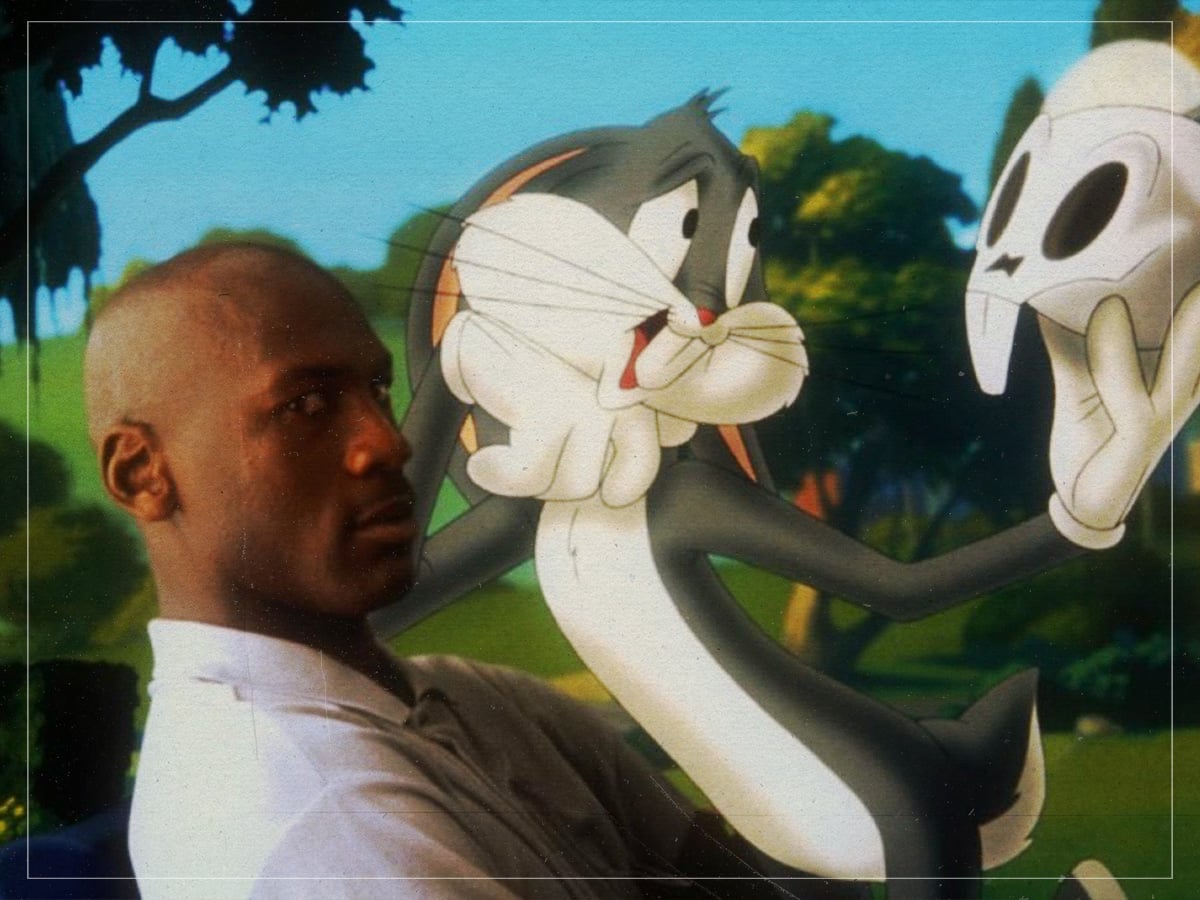
Space Jam might be the single most destructive film of the ‘90s because it showed that studios could turn their most valuable creative assets into brands that served consumerist purposes.
While at the time Looney Tunes were fading in popularity and had endured some controversies, Space Jam was a moderate hit that became immensely valuable for Warner Bros. because of how much it raked in from merchandising and advertising partners.
There’s a direct line that can be drawn between Space Jam and all the other cynical “brand event” films of the 21st century, such as The Emoji Movie, Free Guy, Ready Player One, Deadpool & Wolverine, and Space Jam: A New Legacy, a sequel so bad that it immediately devalues any of the cache that the original had. It’s also safe to say that the gambling allegations have harmed Michael Jordan’s legacy.
‘White Squall’ (Ridley Scott, 1996)
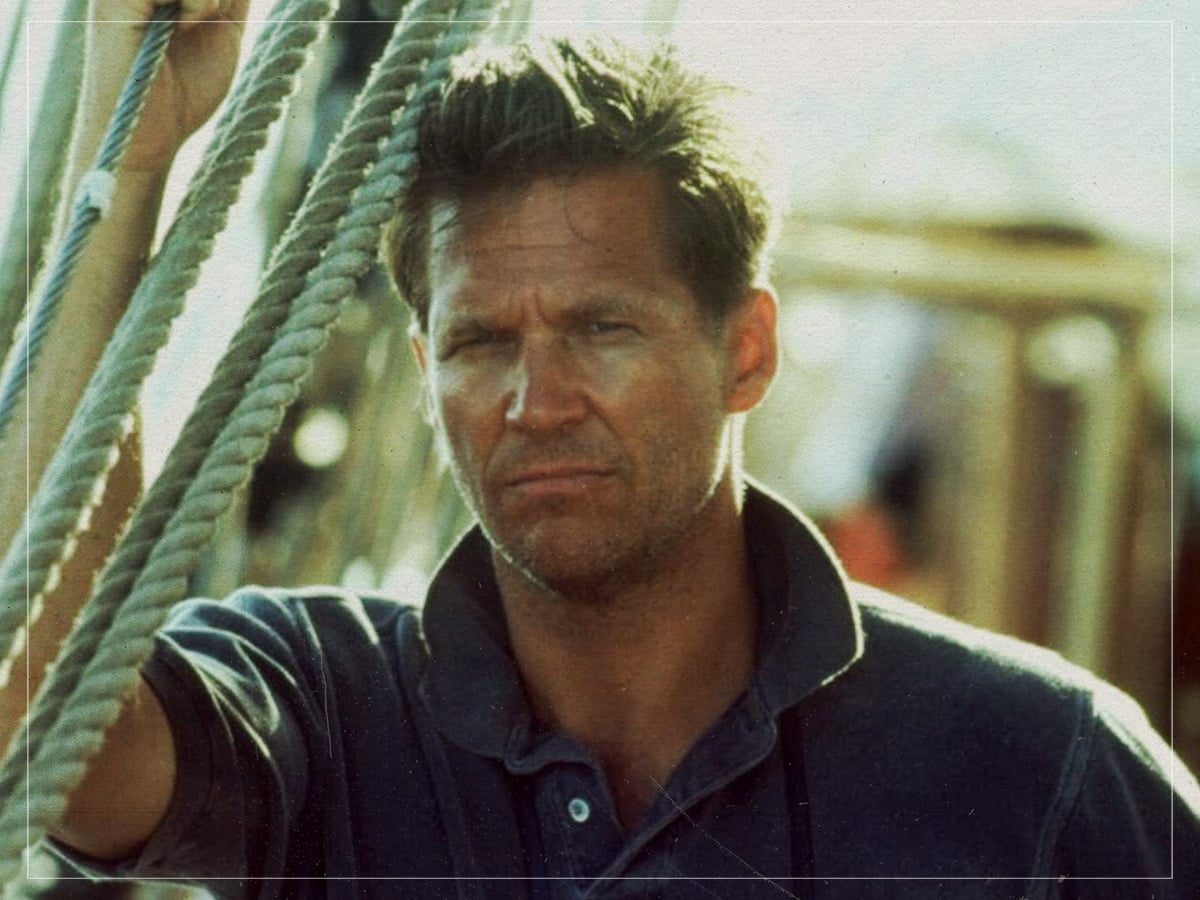
Ridley Scott has never made a film that isn’t at least well-directed and ambitious in scope, and White Squall is actually one of his most underrated efforts, with Jeff Bridges’ terrific performance being a standout. White Squall’s legacy hasn’t been compromised because of anything to do with the film itself, but with how it has been claimed as part of the QAnon movement.
There have been several quotes from the film that have been adopted by the extremist conspiracy movement, including “the calm before the storm” and “where we go one, we go all.” White Squall wasn’t intended to be anything but an exciting coming-of-age drama, but its focus on the all-white class of teenage boys going on an adventure to prove their “manhood” has taken on negative connotations when considering the group that has claimed that film as its mantra.
