


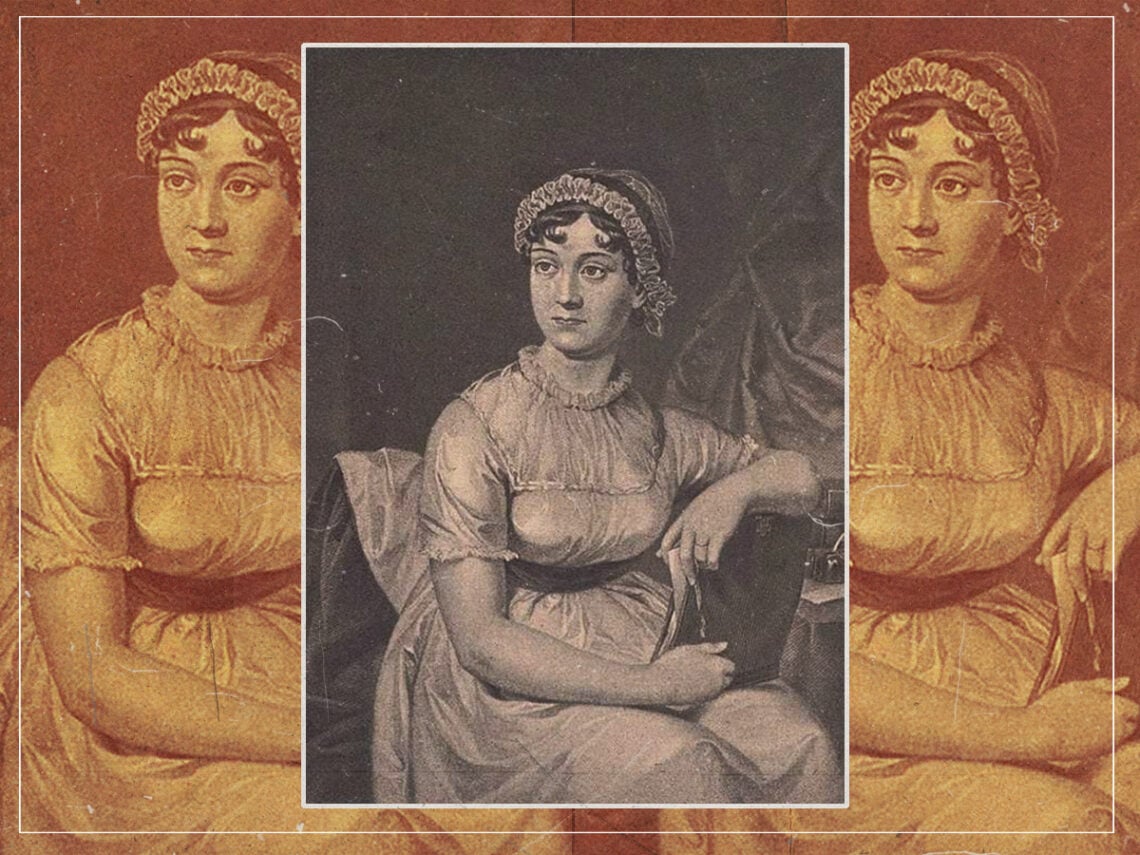
Why did the 1990s go so crazy for Jane Austen?

Last year, reeling from a particularly bad break-up, I found myself all-consumed by Pride and Prejudice, of which I’d already seen the 2005 movie several years beforehand, but I’d never read the book, but suddenly, I was chain-watching the BBC mini-series and carrying a battered Penguin edition of Jane Austen’s classic in my bag, utterly obsessed with this rich tale of romance, friendship, and class difference.
I soon realised just how much I admired Austen, who had always been a literary blind spot I was ashamed to admit, but I should’ve known this was a fate I could never escape, even if I wanted to, as my mum specifically made us visit Chatsworth House, Mr Darcy’s own Pemberley in the 2005 film, when I was young; thus, throughout the rest of the year, I picked up more Austen novels, indulging in her gothic-tinged Northanger Abbey as October rolled around, and I even visited various Pride and Prejudice filming locations like Stourhead and Lacock.
The easiest way to get a quick Austen fix, though, was to switch on my TV, on which I watched various adaptations, like Sense and Sensibility, Emma, and Persuasion, where just hearing the theme music for the BBC’s Pride and Prejudice was enough to soothe me with the feeling that everything would be OK.
On researching which versions I wanted to watch, however, I discovered just how many had emerged in the ‘90s, specifically 1995, and I had to wonder, why the ‘90s were so obsessed with Austen, and why a specific Austenmania seemed to be sweeping both Hollywood and the BBC.
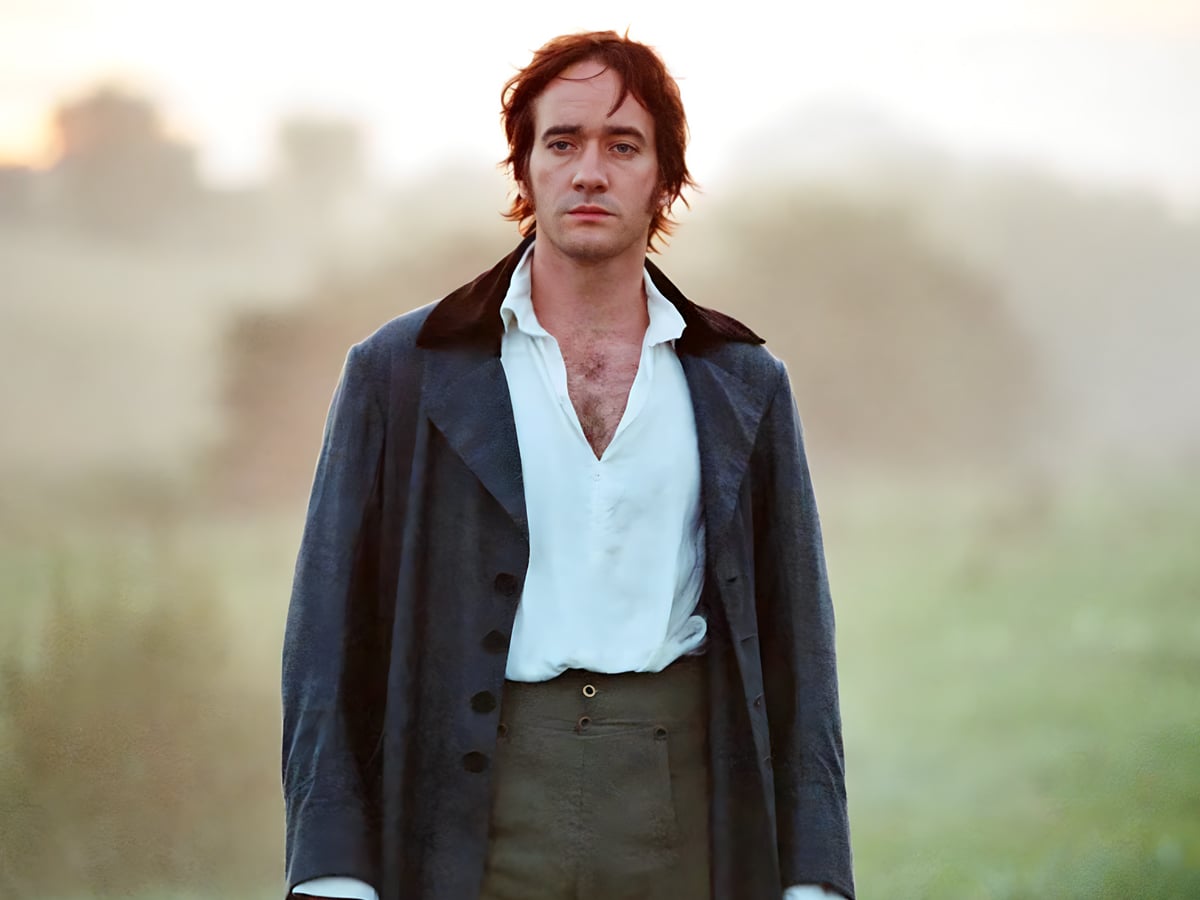
1995 saw the release of both the terrific BBC Pride and Prejudice, with Colin Firth wearing his wet white shirt and Alison Steadman frequently turning hysterical as Mrs Bennet, and Ang Lee’s Emma Thompson-penned Sense and Sensibility, which gave the story a star-studded, Oscar-winning treatment. That same year, Clueless emerged as a teen-friendly, modern-day version of Emma, marking the start of a rom-com phenomenon wherein classic texts were reimagined for a younger audience. Oh, and don’t forget the rather boring TV movie Persuasion that was also released under the rest of these titles’ shadows, easily the weakest Austen adaptation of the year, although you might argue that it was simply less showy and stripped back, but I found it impossibly dull.
It had been 220 years since Austen’s death, so it wasn’t as though 1995 was a particular milestone, but for some reason, people just went mad for her work, which could perhaps be attributed to the significant interest in English culture during this time, what with Britpop dominating the charts (Oasis versus Blur happened this year), the Spice Girls preaching girl power, and British movies, like Four Weddings and a Funeral and The Remains of the Day, gaining popularity. Austen, quintessentially British, was the perfect source of inspiration for producers, especially since there was an evident rise in period dramas during this time.
So, with the success of these titles, the next few years saw more and more adaptations emerge, some great, and some a little more forgettable, which saw Gwyneth Paltrow become Emma Woodhouse in 1996, and a few months later, Kate Beckinsale took on the role for a more low-key British adaptation of Emma made for TV. A few more Austen adaptations rounded out the decade, like 1999’s Mansfield Park, while movies that took inspiration from the writer, rather than directly serving as an adaptation, also appeared in the form of Meg Ryan and Tom Hanks’ You’ve Got Mail (Lizzie Bennet is name dropped a lot in it) from 1998, and even an episode of the children’s show Wishbone featured a Northanger Abbey-inspired plot. Clearly, people even thought that kids needed a dose of dog-themed Austen.
Since then, Austen adaptations have remained a stalwart part of the period drama canon, with Joe Wright’s 2005 Pride and Prejudice becoming his most beloved film, Anya Taylor Joy taking on a quirkier interpretation of Miss Woodhouse in Autumn De Wilde’s 2020 pastel dream Emma, and even Fifty Shades of Grey’s Dakota Johnson exchanged whips for bonnets for an ill-received version of Persuasion in 2022.
Thus, why we are so attached to Austen’s world all these years on, and why Austen had such a chokehold on the ‘90s in particular can be found in her witty observations of society, which might seem like a thing of the past, but her exploration of class and societal expectation remains just as poignant now, and paired with an unforgettable cast of characters, her work has remained timeless. The ‘90s were a period of increased popularity for period dramas, romantic films and general Britishness, and what better way to cash in on this than by looking at one of the greatest English writers to tick all of these boxes.
We love Austen because her work goes so much further than simply being love stories such that, on the surface, Pride and Prejudice might just seem like an enemies-to-lovers romance, but it’s actually one of literature’s most profound explorations of English society, where family and friendship prevail. So, it’s not hard to find yourself captivated by Austen’s stories, especially when they’re brought to life with stunning costumes and set design that make you wish you too could so elegantly clamber across muddy fields like Lizzie or dine in opulence by Darcy’s side.
With a new Pride and Prejudice adaptation on the way, it seems like Austen fever hasn’t gone anywhere, although I don’t think it’ll ever return to the height of its 1995 frenzy, a year full of Regency outfits and plenty of yearning.
