


10 directors who made a movie so bad they quit cinema for good

It takes only one misfire to derail the career of a promising director.
Quentin Tarantino’s recent comments about his planned retirement, where he wants to ensure that he does not embarrass himself with a terrible final outing, have inspired blowback, as virtually everything he says does, but he does raise an interesting discussion about directors who have faced declines in the latter stages of their careers. While they may have once been considered to be all-time geniuses, filmmakers like Robert Zemeckis, Tim Burton, and Dario Argento have diluted their reputations due to a series of mediocre films released in the second halves of their careers.
The term ‘director’s jail’ is often thrown around, but it’s not always the case that filmmakers are restrained forever. Even Renny Harlin was able to get more work after Cutthroat Island flopped so hard that it destroyed an entire studio, and Josh Trank was able to get his passion project, Capone, made after the disastrous reception to Fantastic Four.
Although they are currently in the hot seat, it’s pretty much guaranteed that filmmakers like Craig Gillespie and Todd Phillips will find work again in the near future. There’s not even any evidence that ‘cancel culture’ exists, considering that Brett Ratner, Bryan Singer, and Roman Polanski are still making films. However, there are some disasters that misfire in all the right ways needed for their directors to give up on their careers entirely.
10 directors who made a movie so bad they quit cinema
‘8 Million Ways To Die’ (Hal Ashby, 1986)
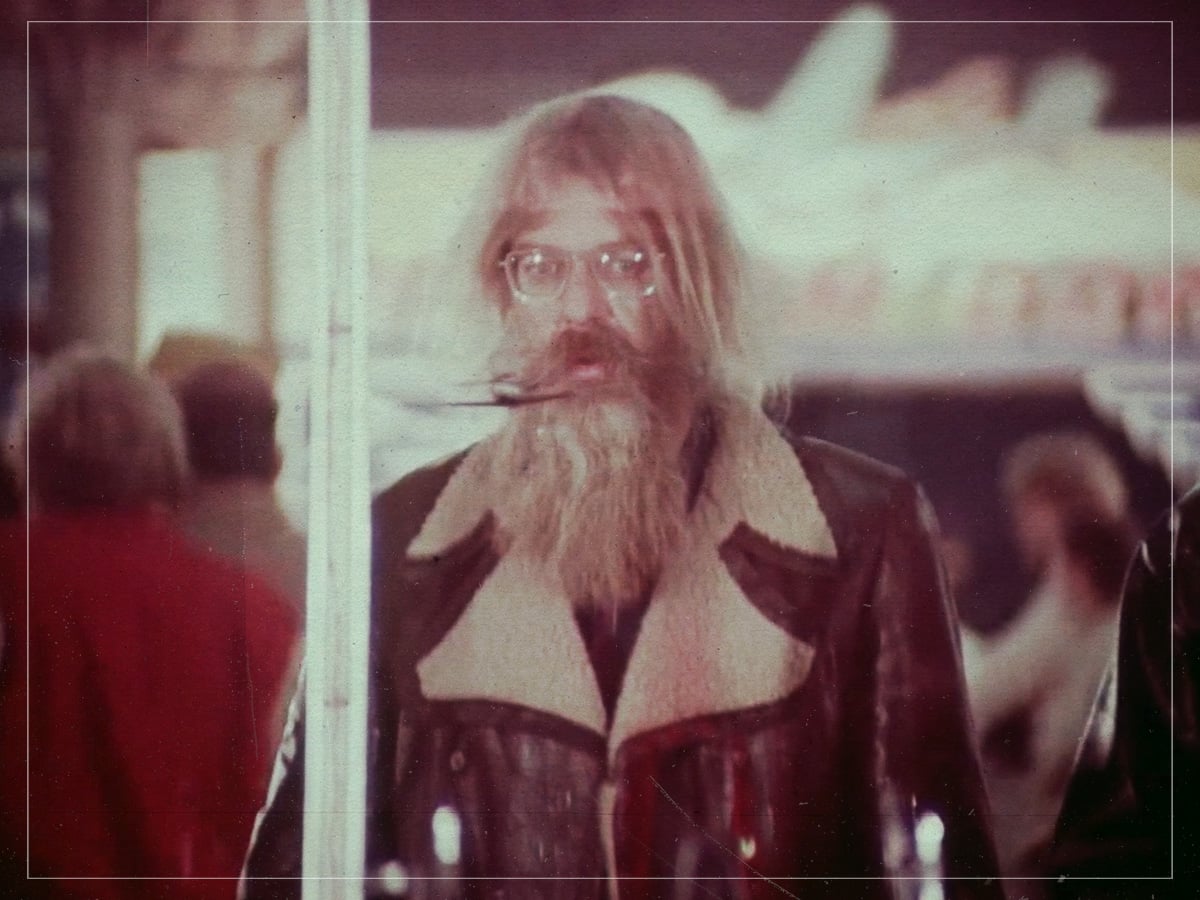
Hal Ashby saw an impressive career filled with New Hollywood gems destroyed overnight when his noir detective film, 8 Million Ways To Die, was hacked to death through studio meddling, and eventually released to become a box office bomb. It’s almost certain that the film would have been at least more interesting had Ashby gotten the final cut, but his adaptation was wildly different from the source material and seemed to completely miss the point of the novel, even though Jeff Bridges was passionate about its potential,
8 Million Ways To Die sadly indicated to the rest of the industry that Ashby was no longer relevant, and that the days of The Last Detail and Being There were long gone. Unfortunately, he never took the chance to re-enter the industry, meaning that there were never any examples of what his ‘late style’ looked like.
‘Rules Don’t Apply’ (Warren Beatty, 2016)
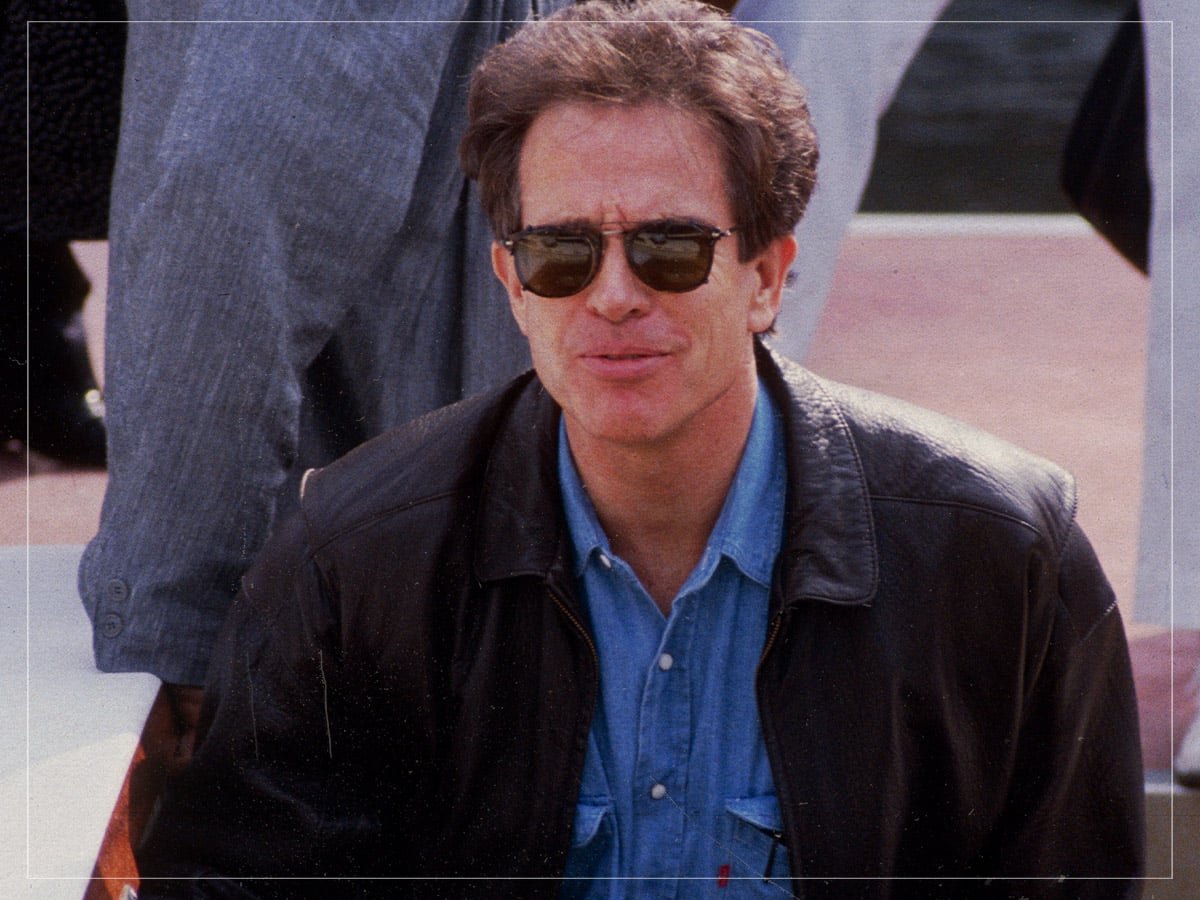
Warren Beatty is extremely selective as both an actor and director, and has turned down the opportunity to make several classics. His directorial career consists of five films, and they couldn’t have been more different; before Rules Don’t Apply, he directed the hit comedy Heaven Can Wait, the Oscar-winning epic Reds, the underrated superhero film Dick Tracy, and the well-received political satire Bulworth in 1998. Following that, he took almost two decades, working for years to make Rules Don’t Apply, a passion project in which he played an older version of Howard Hughes.
Although it was pitched as being the first act in his comeback, the film felt nostalgic for all the wrong reasons, particularly in terms of the romance between Hughes and a young actress played by Lily Collins. Rules Don’t Apply was such a massive embarrassment that the likelihood of Beatty making another film is close to zero.
‘She’s Funny That Way’ (Peter Bogdonavich, 2014)
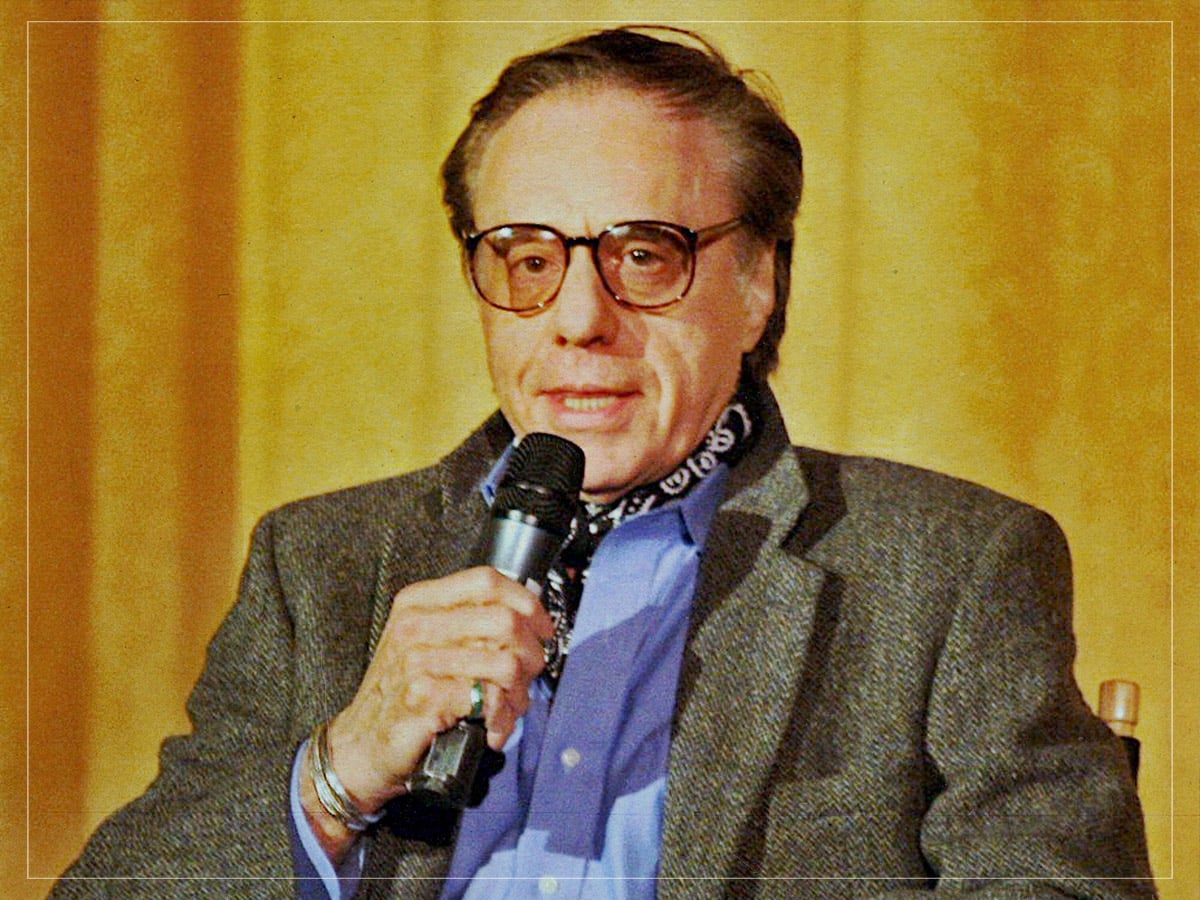
Peter Bogdanovich is undeniably a highly influential filmmaker who changed independent cinema forever with his groundbreaking work in the ‘70s, but the quality of his output kept declining ever since the ‘90s. She’s Funny That Way was pitched as being a potential comeback with Bogdanovich in his comfort zone, making a romantic comedy with industry satire woven in, but the only thing that the film proved was how out of touch he was.
As had become a frequent issue with Bogdanovich’s late period films, She’s Funny That Way is far too sad and cynical to be a laugh-out-loud comedy, but is so idiosyncratic in its style that it’s impossible to be taken seriously. Given that romantic comedies in general have struggled to retain their dominance at the box office, it’s not all that surprising that She’s Funny That Way was the last film that Bogdanovich ever ended up making.
‘The Devil’s Own’ (Alan J Pakula, 1997)
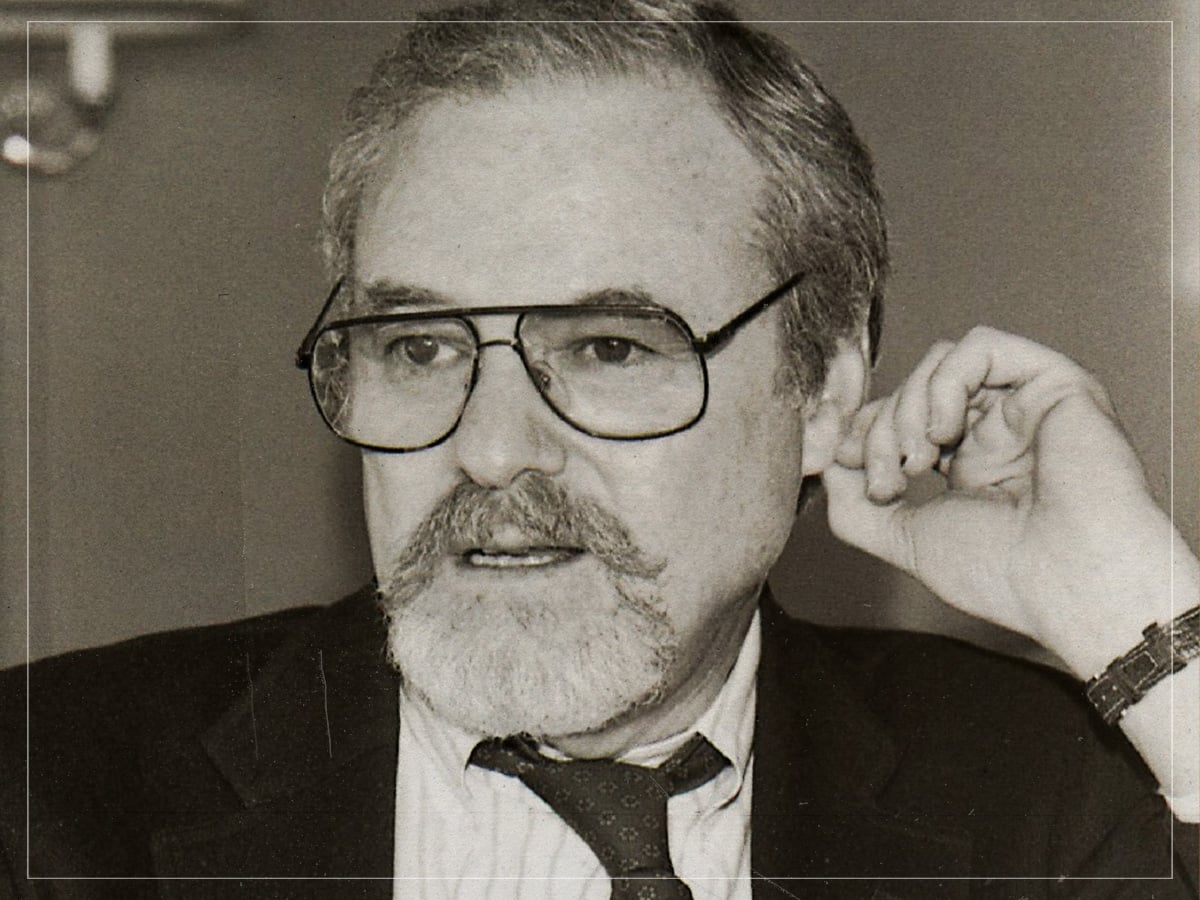
Alan J Pakula had dominated the political thriller genre throughout the ‘70s and had managed to become an Oscar darling with his work in the subsequent decade. On paper, The Devil’s Own seemed like a guaranteed hit, with Harrison Ford in an appropriately older part, relevant subject material with its focus on the IRA, and an exciting up-and-comer as the villain with Brad Pitt.
After multiple issues on set, The Devil’s Own was mercilessly mocked for Pitt’s terrible Irish accent, which led him to lash out at Pakula and blame him for the film’s failings. It was a perfect storm where the director ended up taking the fall for a somewhat underwhelming thriller with outdated politics, melodramatic storytelling, and no idea how to use the inherent charisma of its two leads. To Pitt’s credit, he has never attempted another accent like it.
‘Burke and Hare’ (John Landis, 2010)
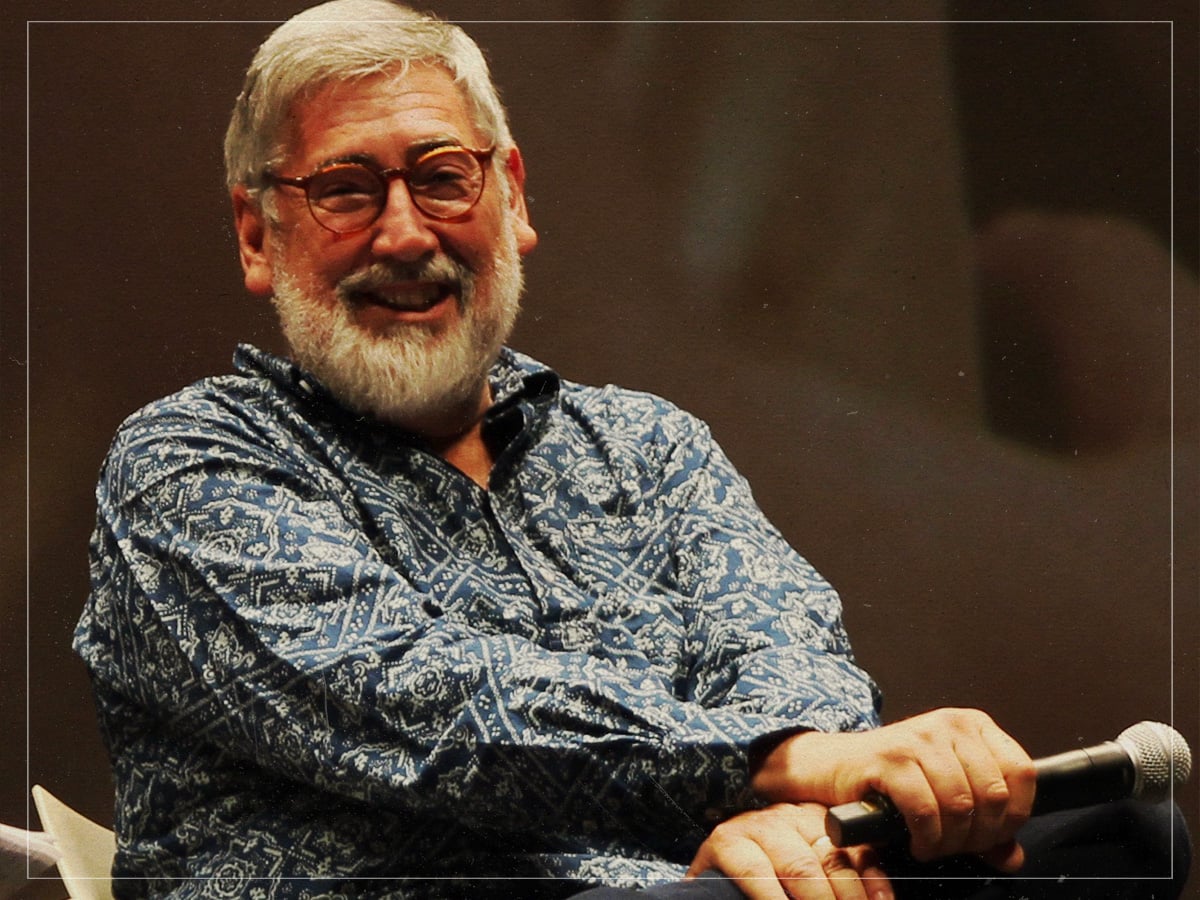
John Landis had managed to get everyone to forget about the tragedy on the set of The Twilight Zone: The Movie and how bad his ‘90s output was, but then pretty much reignited the hate from every top director in 2010 when he launched a potential comeback vehicle in Burk and Hare. The historical dark comedy had the advantage of two cult stars who were peaking in popularity; Simon Pegg was getting more famous as the ‘Cornetto trilogy’ with Edgar Wright developed a global fanbase, and Andy Serkis was slowly being recognised as the man behind many CGI characters.
Despite a fun premise and two stars with chemistry, Burke and Hare have none of the whimsical darkness that made An American Werewolf in London so special, and the film’s failings can only be blamed on Landis’ inert direction; he hasn’t made anything since.
‘Ishtar’ (Elaine May, 1987)

Warren Beatty and Dustin Hoffman were enthusiastic about starring in Ishtar, the latest film from the genius comedy filmmaker Elaine May. What exactly went wrong on set is somewhat of a Hollywood legend, but Ishtar is a beguiling, bizarre film that repulsed critics and collapsed at the box office, becoming the biggest flop since Heaven’s Gate.
The film has found its defenders over the years, including some high-profile directors, but even its biggest fans would have to admit that it’s a mess filled with some offensive stereotypes, obnoxious performances, and no directorial clarity. That being said, it is a great shame that May was never able to get another opportunity to write and direct a film, as her first three efforts, The Heartbreak Kid, Mikey and Nicky, and A New Lead, are all comedy classics that have only gotten better with age.
‘Cars 2’ (John Lasseter, 2011)

Pixar was so consistently great up until 2011 that it seemed impossible that the studio would ever fail. Each of their most prominent directors had been given several opportunities to make films, but the fact that John Lasseter was the company’s founder made him an even bigger profile than Brad Bird, Andrew Stanton, and Pete Docter.
It’s frankly quite baffling that the genius behind the first two Toy Story films could miss the mark with something as obnoxious and underdeveloped as Cars 2; the first Cars wasn’t a classic, but it at least came from a sincere place and had some value for adults. Lasseter took a step back from directing, and many actors have refused to work with him after allegations of sexual misconduct led him to exit Pixar before being hired to run Skydance Animation by David Ellison.
‘The Ward’ (John Carpenter, 2010)
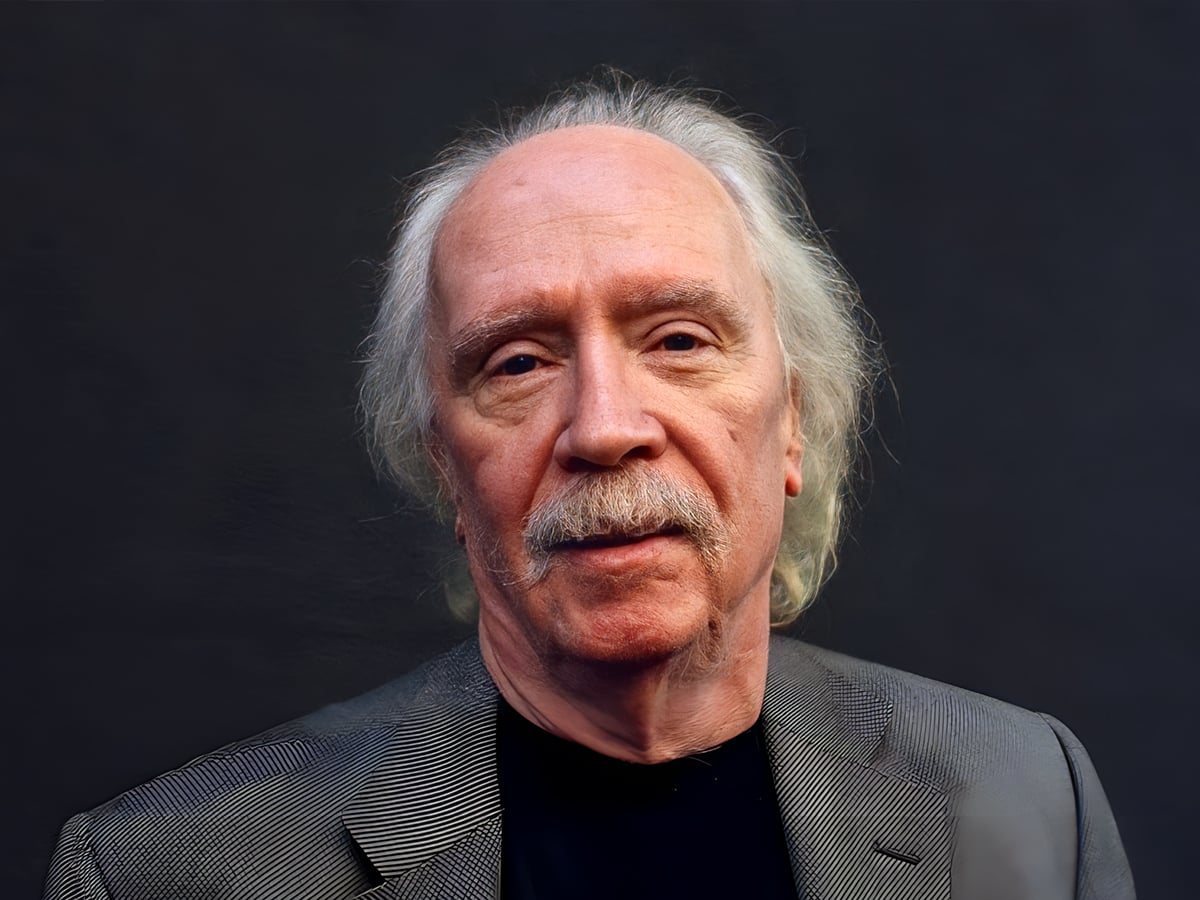
Especially after the 2001 Ghosts of Mars embarrassment, which seemed to suggest that John Carpenter had lost his edge, he admitted to having a hard time finding financing for his films. When The Ward was proposed in 2010, it seemed like it would be a good comeback vehicle because it was a small, confined supernatural thriller that felt reminiscent of the folk horror he perfected with The Fog and Prince of Darkness.
Sadly, it felt like a film made without passion, for it seemed that Carpenter had lost sight of the precision that had made his early work so good. It’s a violent film that’s not particularly scary, and the performances from the cast are all lacking, other than Jared Harris. Carpenter has been more than open about how he never wants to make another film and is much happier to just play video games instead.
‘Star Trek V: The Final Frontier’ (William Shatner, 1989)

William Shatner saw that his Star Trek co-star, Leonard Nimoy, had successfully made the leap to directing when he helmed both Star Trek III: The Search for Spock and Star Trek IV: The Voyage Home, which were hits. Given that there has always been a rivalry between the two, Shatner decided to take over as the director on the franchise’s next entry, Star Trek V: The Final Frontier, which became his debut.
It’s the single worst film in the Star Trek franchise, as it spends 45 minutes on cringe-inducing comedy scenes before revealing a heavy-handed religious metaphor and a ridiculous plot twist. A humbled Shatner had to realise that he was not born to be a filmmaker, as the film bombed so hard that Nicholas Meyer, who had directed Star Trek II: The Wrath of Khan, was brought in for Star Trek VI: The Undiscovered Country, the final instalment with the original cast.
‘The League of Extraordinary Gentlemen’ (Stephen Norrington, 2003)
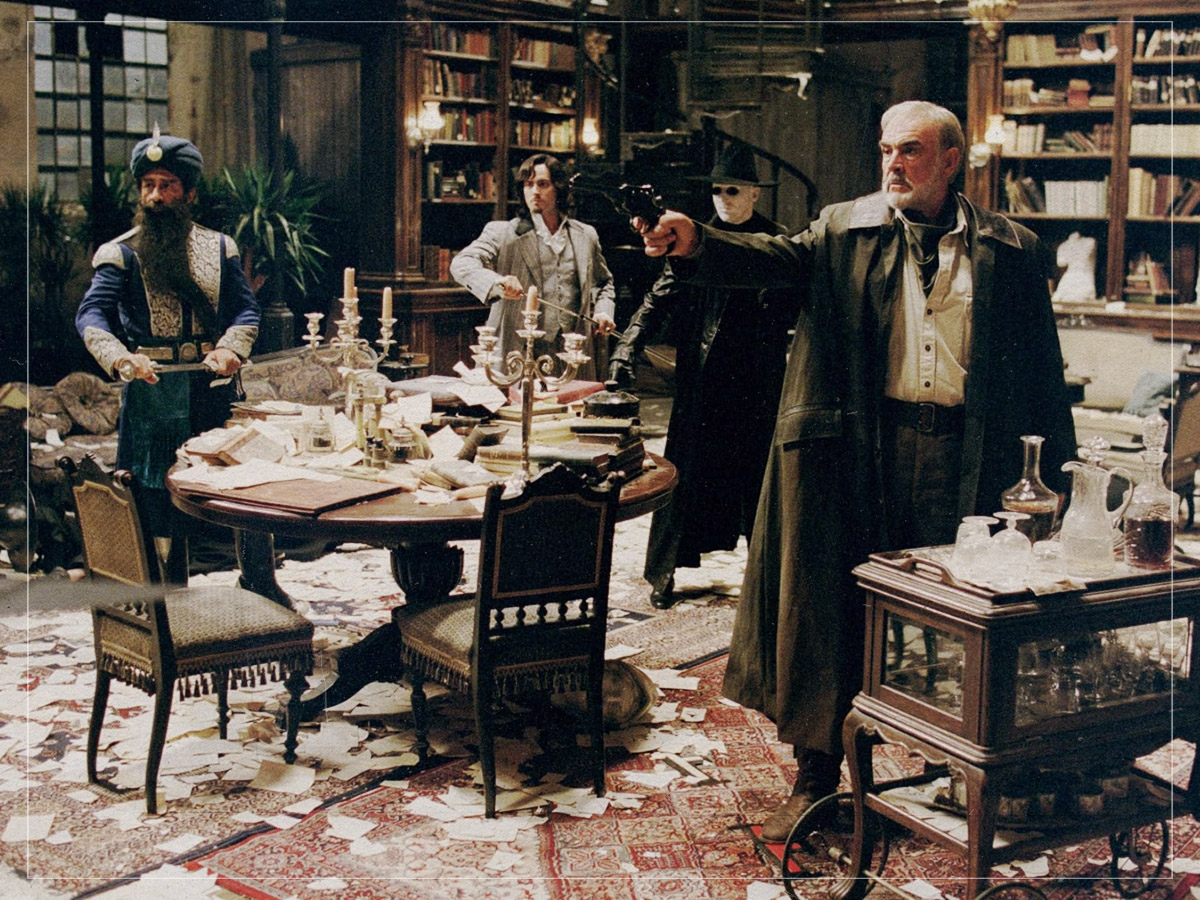
Stephen Norrington is credited with helping to revive the popularity of Marvel on the big screen because he directed Blade, and it only made sense that he would be hired to make an adaptation of another highly popular comic book, but The League of Extraordinary Gentlemen was such a disaster that it is almost impressive, given that everything that was interesting about the source material was rendered ridiculous by the film.
Norrington’s incompetence was so apparent that he made an enemy out of Sean Connery, who subsequently decided to retire from acting, even though he had received a bit of a critical comeback three years prior with his great performance in Finding Forrester. The toxicity of The League of Extraordinary Gentlemen became so overwhelming that Norrington hasn’t been able to find work since, and is unlikely to be making a comeback anytime soon.
