


10 movie scenes from 2001 that should be deleted from history

25 years is a long enough time for film culture to completely change.
Although it was obviously overshadowed by tragic events, 2001 was one of the greatest years in film history. Ron Howard’s sturdy, but heartfelt biographical drama A Beautiful Mind was named ‘Best Picture’ by the Academy Awards, but most critics would agree that David Lynch’s surrealist masterpiece, Mulholland Drive, instantly rocketed towards the list of all-time classics.
Speaking of classics, Peter Jackson’s The Lord of the Rings: The Fellowship of the Ring began one of the greatest trilogies in cinema history, introducting moviegoers to the world of Middle-earth, and the year saw many old masters make exciting modern films, like Steven Spielberg’s AI Artificial Intelligence, Ridley Scott’s Black Hawn Down, Robert Altman’s Gosford Park, and Steven Soderbergh’s Ocean’s Eleven.
This critical year at the box office also determined how the next 25 years would play out, with Harry Potter and the Philosopher’s Stone launching one of the most successful franchises in history, and Shrek bagging sequels that solidified DreamWorks animation as a worthy contender to Pixar, which had its own hit with promised sequels the same year with Monsters, Inc.
As exciting a year as it was to be a moviegoer, 2001 was also a transitional point in time in which digital cinema was on the rise, ‘90s trends were going out of style, and seemingly topical humour fell flat. As is often the case, it’s a year that resulted in a few duds too.
10 movie scenes from 2001 that should not exist:
The jail breach – ‘Ghosts of Mars’ (John Carpenter, 2001)
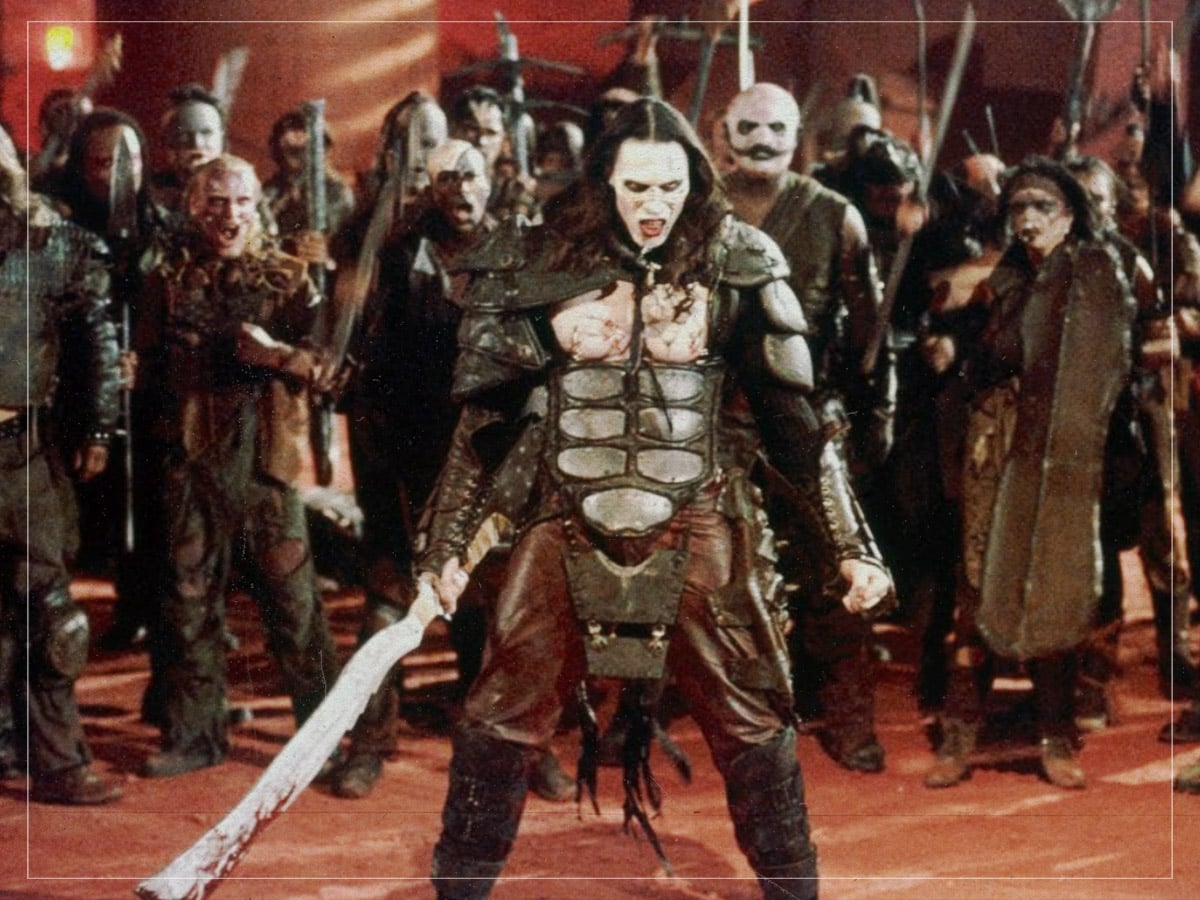
John Carpenter had long desired to make a movie set on Mars, but he wasn’t able to recruit any of his typical stars for the science fiction thriller Ghosts of Mars. Instead, the film featured an awkward cast of Natasha Henstridge, Ice Cube, Pam Grier, and Jason Statham, all of whom felt out of their depths because they didn’t understand what Carpenter’s vision was supposed to look like.
There’s nothing worse than a film that doesn’t live up to its title, which makes it all the more disappointing when the ‘ghosts’ in Ghosts of Mars look absolutely ridiculous when they reveal themselves in a jail-break sequence set during the third act. When comparing how cheap and unconvincing the effects look when compared to early Carpenter films like The Thing and Big Trouble in Little China, it’s hard to believe that they were made by the same filmmaker.
The Kirbys crash the plane – ‘Jurassic Park III’ (Joe Johnson, 2001)
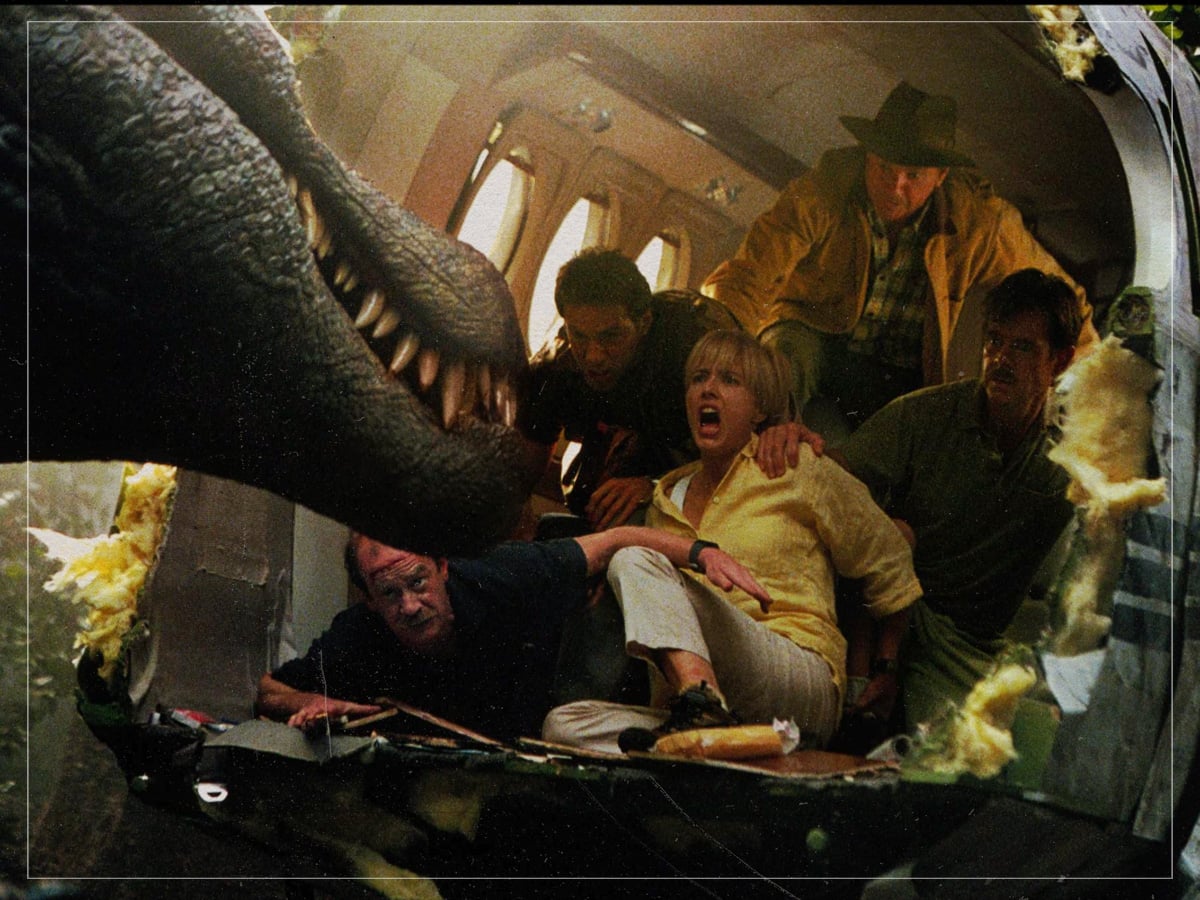
Jurassic Park is a franchise that has yet to have a good sequel, and Jurassic Park III wasn’t even a commercial success. Although Sam Neill defended the film, which saw him returning to the role of Alan Grant for the first time since the original, nothing about his performance is an issue; the film’s biggest problem is that Grant is helping the Kirby couple, Tea Leoni’s Amanda and William H Macy’s Paul, who are two of the most obnoxious characters in cinematic history.
The Kirbys trick Grant into taking them to the original island, but end up crashing the plane while they are searching for their missing son. It’s once they become critical to the narrative that the film completely falls apart, and even though Jurassic Park III was clearly just trying to be a B-movie, that doesn’t excuse it from having completely reprehensible characters.
The twist ending – ‘Planet of the Apes’ (Tim Burton, 2001)
Tim Burton had an unprecedented level of success in Hollywood, as every single film that he made, starting with his 1985 debut Pee-Wee’s Big Adventure, was either a critical masterpiece or a commercial smash hit, and they were usually both. It was understandable why everyone in Hollywood wanted to work with Burton, but he forever destroyed his perfect track record when he made one of the worst remakes of all time.
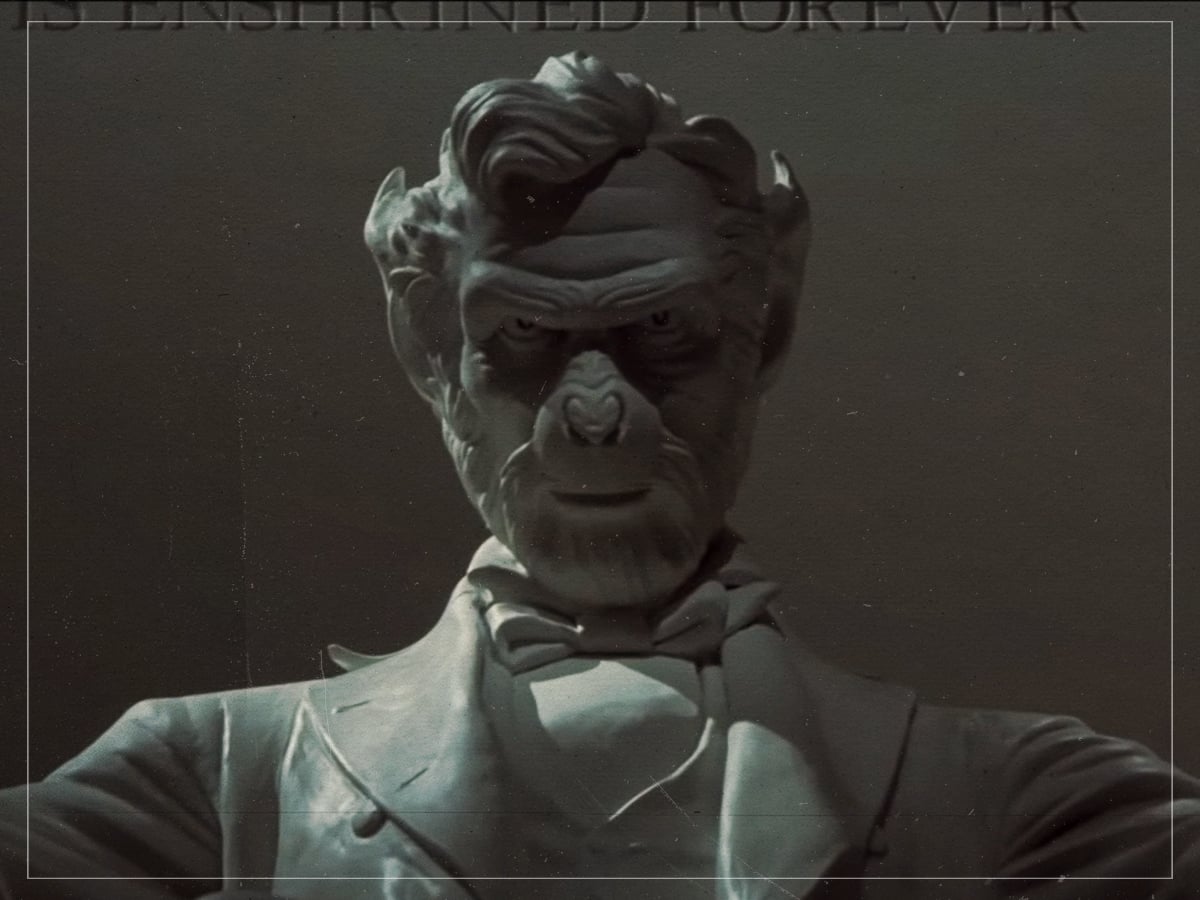
Rarely has a remake ever been so lacking in ideas, as Burton turned one of the great sci-fi films into a complete slog that was dull, miscast, and shallow. The anticipation was so high for the film that it became a financial success, but 20th Century Fox wouldn’t dare greenlight a sequel after the hilariously awful ending showing an update of human history overrun with apes, of which the most egregious is the image of Abraham Lincoln as an ape.
The animated clip reel- ‘Monkeybone’ (Henry Selick, 2001)
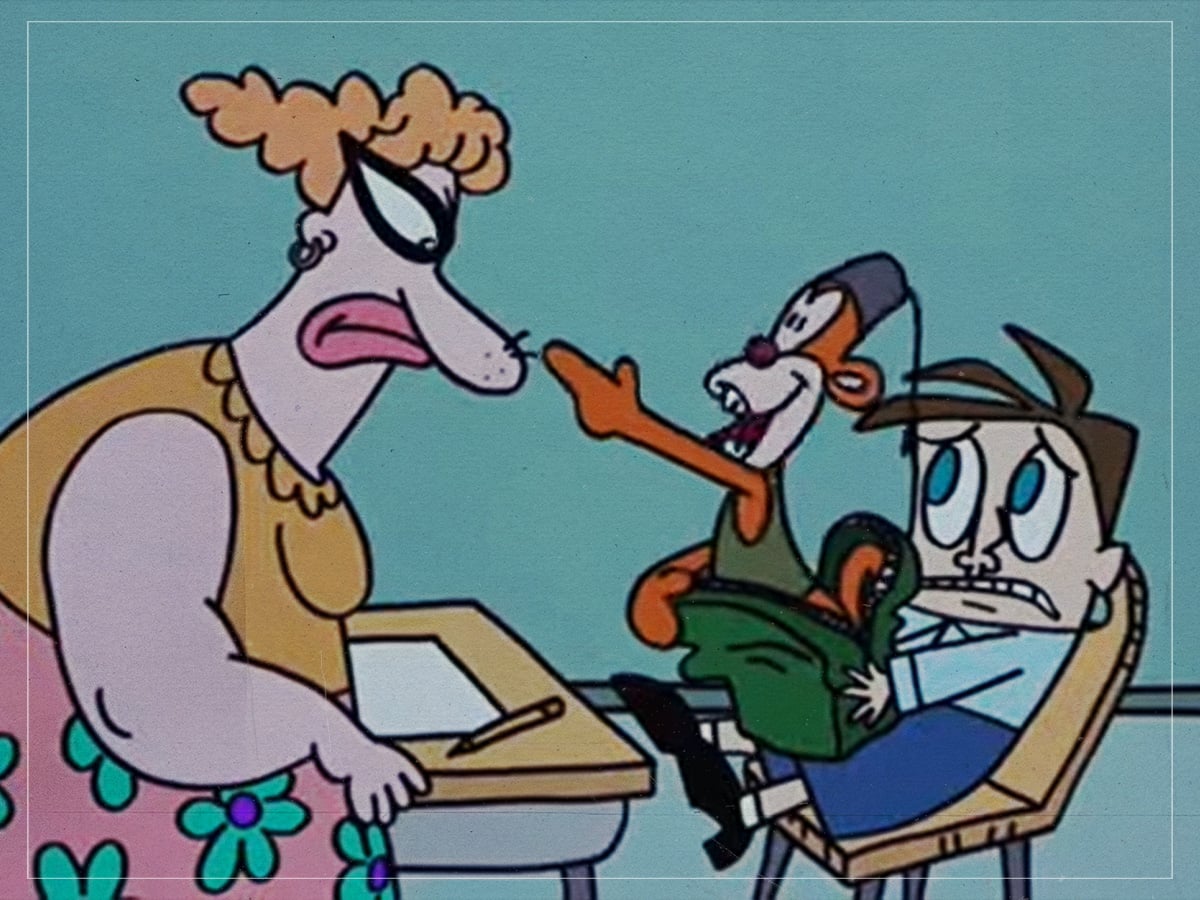
Brendan Fraser has been refreshingly honest about some of the misfires in his career, but one that he has actually apologised for is Monkeybone, directed by The Nightmare Before Christmas filmmaker Henry Selick. It stars Fraser as a cartoonist who is trapped in an otherworldly nightmare reality where his own character, John Turturro, becomes his ally.
Despite the fact that the colourful animation and strange characters made it seem like Monkeybone was intended for children, the film opens with a scene in which Fraser’s character reveals a crude, raunchy cartoon sketch to an audience who seem to think that it is hilarious, and praise him as an artistic genius. It’s from this moment on that it becomes clear that something went very wrong with the film as it was impossible to tell who its intended audience was going to be.
Rick takes Danny hostage – ‘Domestic Disturbance’ (Harold Becker, 2001)
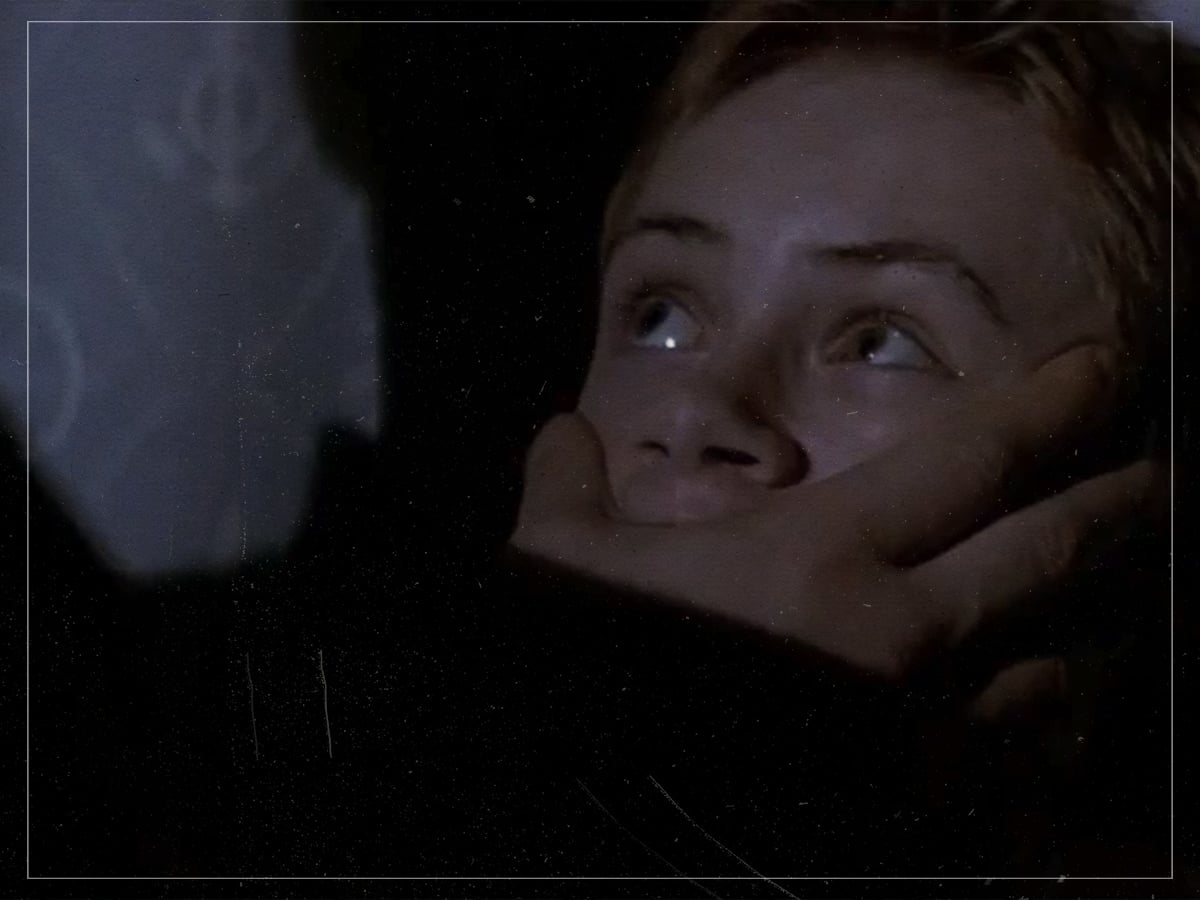
John Travolta managed to destroy any goodwill that he had earned after Quentin Tarantino cast him in Pulp Fiction a year prior, when Battlefield Earth became a legendary disaster, so making a smaller thriller like Domestic Disturbance seemed like a logical career decision. The film is about a divorced dad who begins to suspect that his wife’s new husband is a psychopath, and it co-starred Vince Vaughn.
It seemed like an unassailable premise, but the film made the mistake of casting the two stars in the wrong parts; it would have made more sense for Vaughn to play the likeable, yet struggling father, with Travolta well-suited for the creepy outsider with a secret. They were completely unbelievable in the other’s parts, and thus the scene in which Vaughn’s character, Rick, takes the son of Travolta’s character, Frank, hostage ends up feeling completely ridiculous.
“The Bend and Snap” scene – ‘Legally Blonde’ (Robert Luketic, 2001)
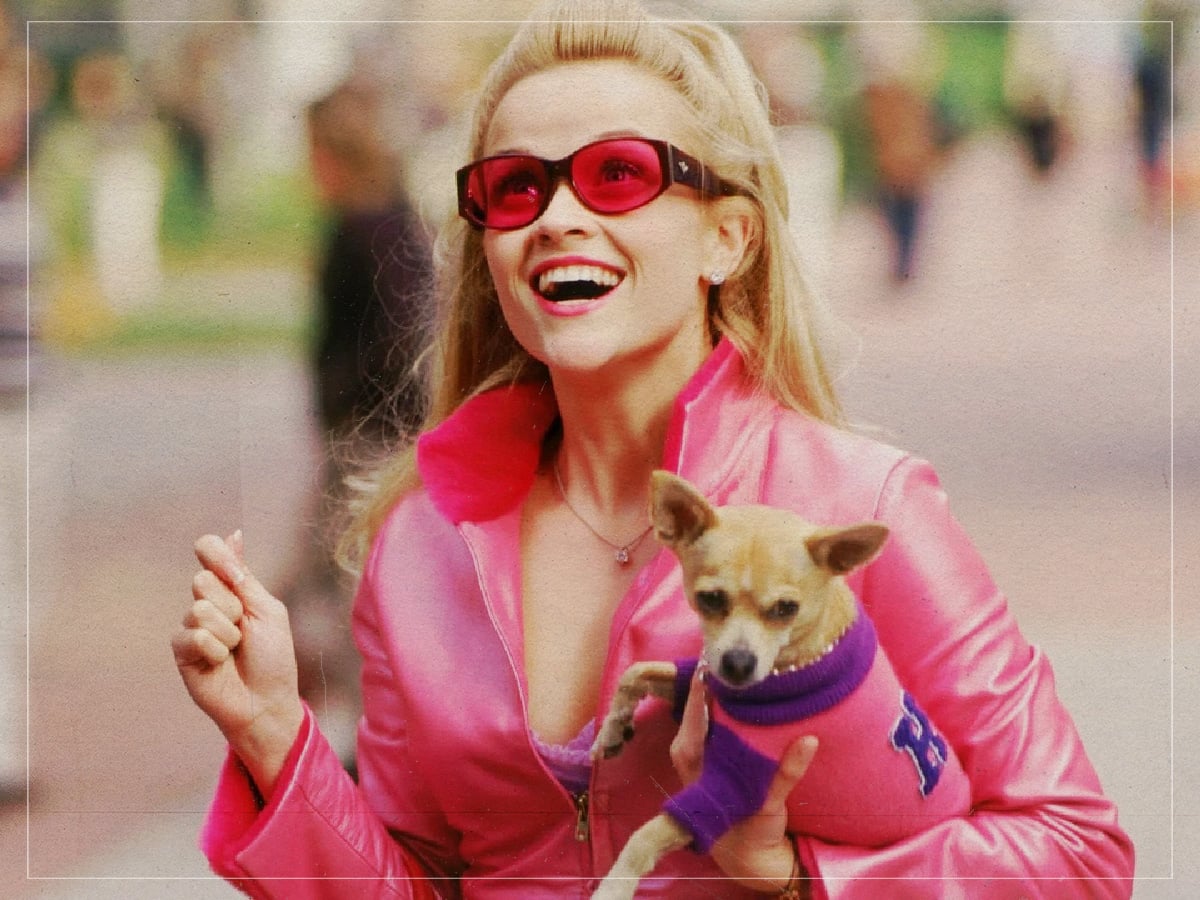
Reese Witherspoon was by no means the first choice to star as Elle Woods in Legally Blonde, but she certainly made the role her own and created a comedic icon. Legally Blonde is a product of its time that is still pretty enjoyable, but the nuances of the film’s ideas about objectification and feminism often get lost within its depiction of Elle as a drop-dead bombshell who tries to inspire other women to be more appealing to men.
The famous “bend and snap” scene may have been a significant part of the film’s marketing campaign and trailer, but it now feels incredibly dated and antithetical to what the story was actually about. It’s also become a scene that has been so frequently homaged, parodied, and recreated that any value it originally had has been completely lost because of oversaturation.
The forced kissing scene – ‘American Pie 2’ (JB Rogers, 2001)
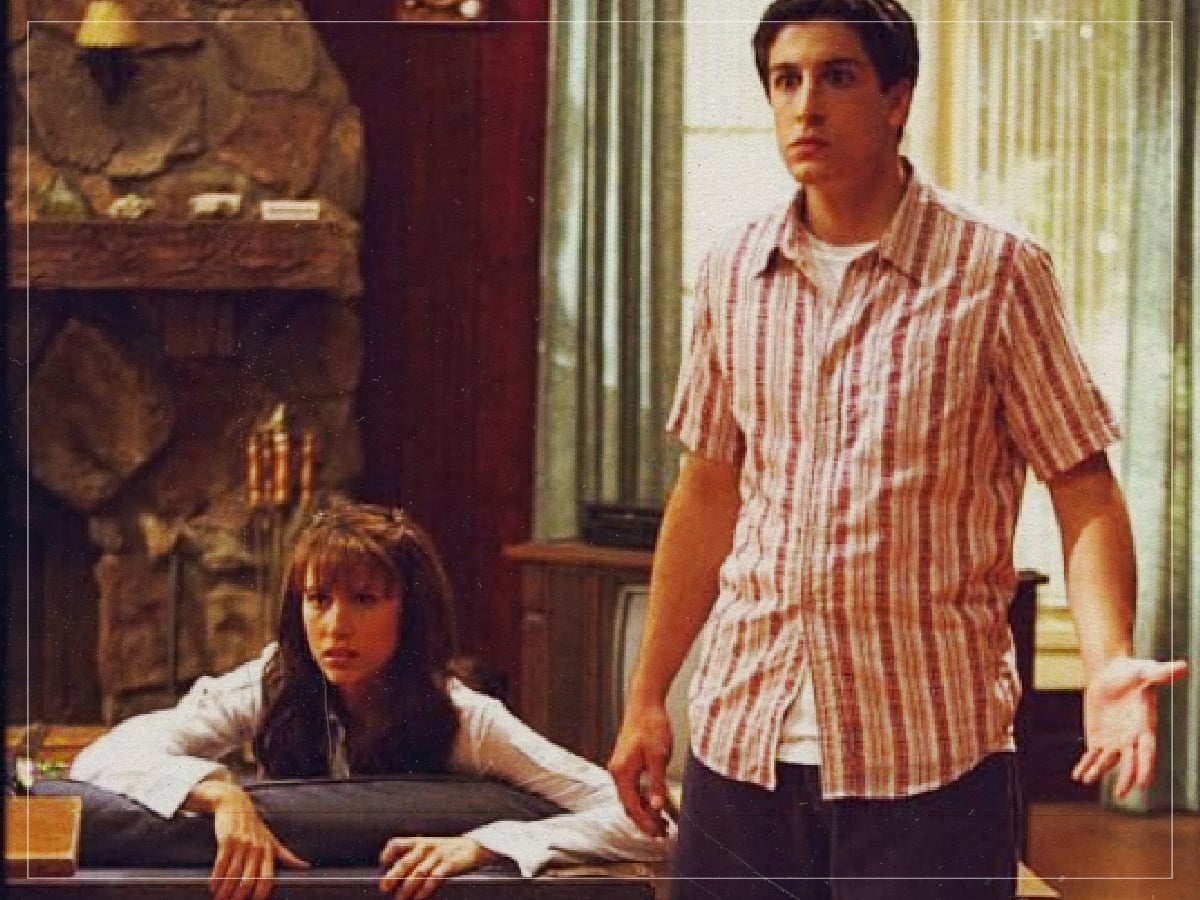
American Pie may have generated some contemporary backlash, but it was a massive hit that revolutionised what was possible for both raunchy comedies and high school films, and although American Pie 2 is one of the rare comedy sequels that actually justifies its existence, the film is still fairly outdated in some regards, especially when it comes to homophobia.
There’s a scene in which Stiffler, played by Sean William Scott, Finch, played by Eddie Kaye Thomas, and Jim, played by Jason Biggs, begin spying on their female neighbours, whom they assume to be lesbians. After being caught, they are then led into their room and tested to perform sexual acts with one another. Beyond the fact that their initial introduction to the girls is just downright creepy, the characters are so repulsed by the idea of homosexual intimacy that they show exaggerated signs of disgrace and embarrassment, making it tougher to watch today.
Lucy is returned to Sam – ‘I Am Sam’ (Jessie Nelson, 2001)
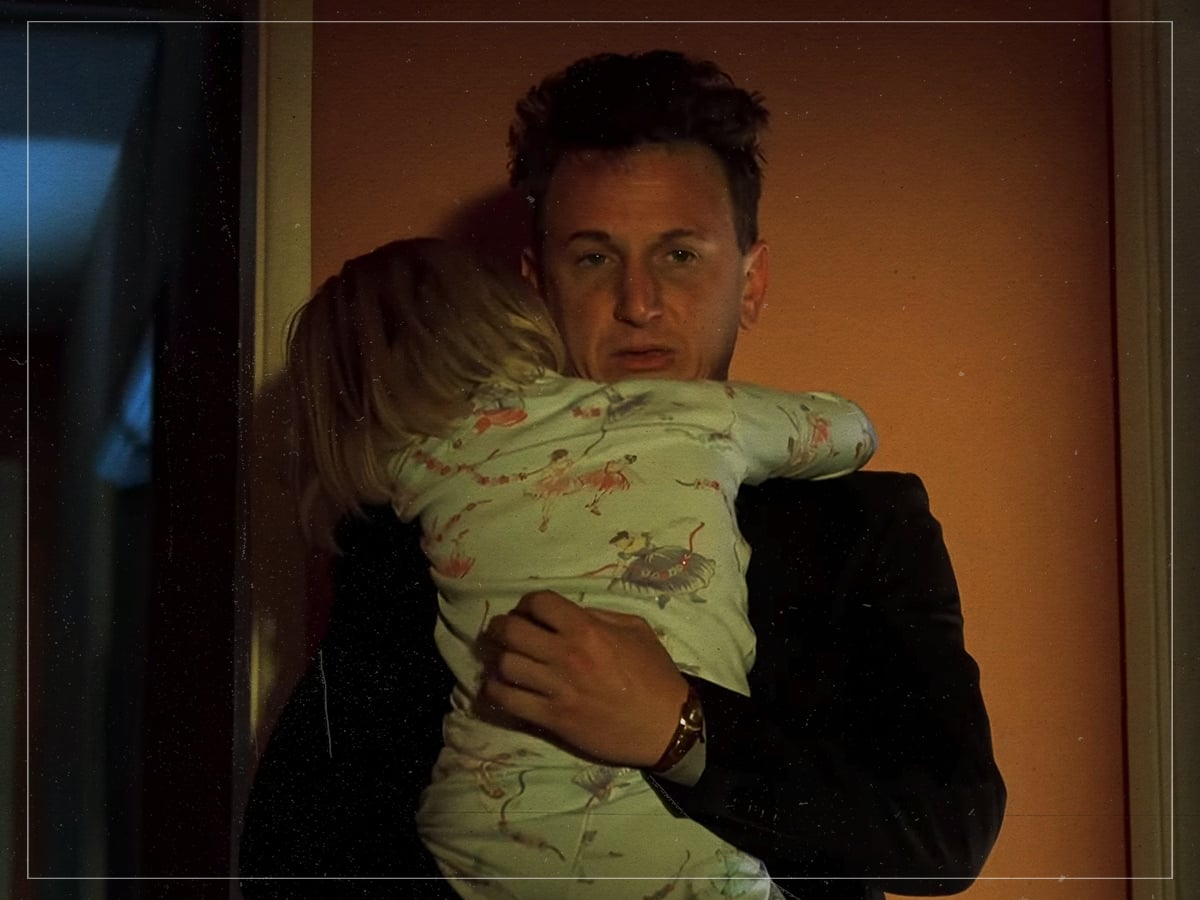
Sean Penn has now made history by winning three Academy Awards, but for a while, it seemed like he was begging to be given a trophy, resulting in some performances that felt like ‘Oscar bait’. The most embarrassing of these roles is I Am Sam, a film in which he plays a man with an intellectual disability who is trying to retain custody of his daughter, Lucy, portrayed by Dakota Fanning.
The film creates conflict around the entirely reasonable suggestion that Sam isn’t prepared for the responsibilities of sending Lucy through school and raising her, and treats the child services officials as outright villains for trying to put her into a foster home. The film’s ending, in which Lucy’s foster parents send her back to live with her father, is manipulative to every degree and doesn’t present a solution that would actually work in real life.
The car crash – ‘Along Came a Spider’ (Lee Tamahori, 2001)
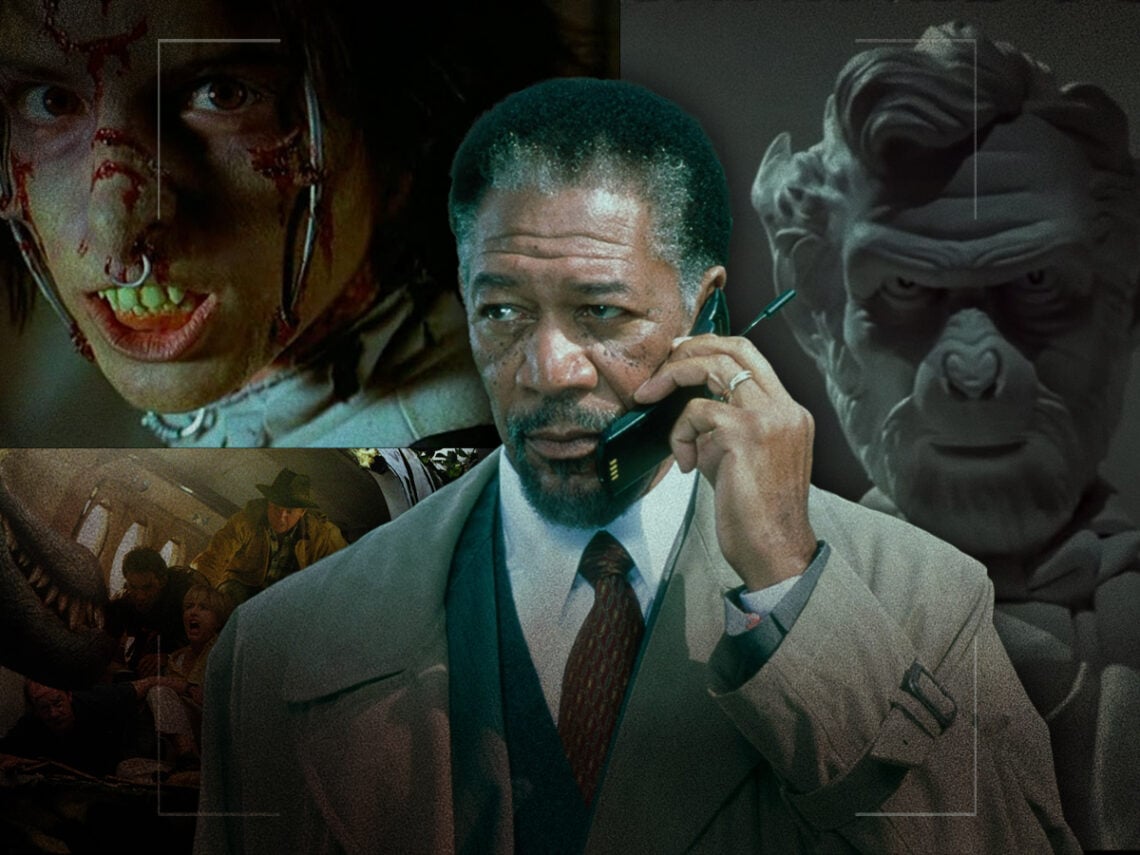
Morgan Freeman is an acting genius who has been praised by nearly every director who has worked with him, but he always felt like an unusual choice to play an action star. Although he first played the James Patterson character Alex Cross in the thriller Kiss the Girls, he reprised the role in its much sillier sequel, Along Came a Spider.
The film opens by showing how Cross decides to retire after his partner Tracie, played by Jill Teed, dies in a car accident, which was crash brought to life with some of the worst, most laughably ridiculous CGI ever seen onscreen. While 2001 was also the year of the hilariously terrible CGI in The Mummy Returns, that film can at least make the excuse that it was a campy fantasy adventure, whereas Along Came a Spider was supposed to be taken seriously, and it ended up feeling like a joke.
Peter testifies to Congress – ‘The Majestic’ (Frank Darabont, 2001)
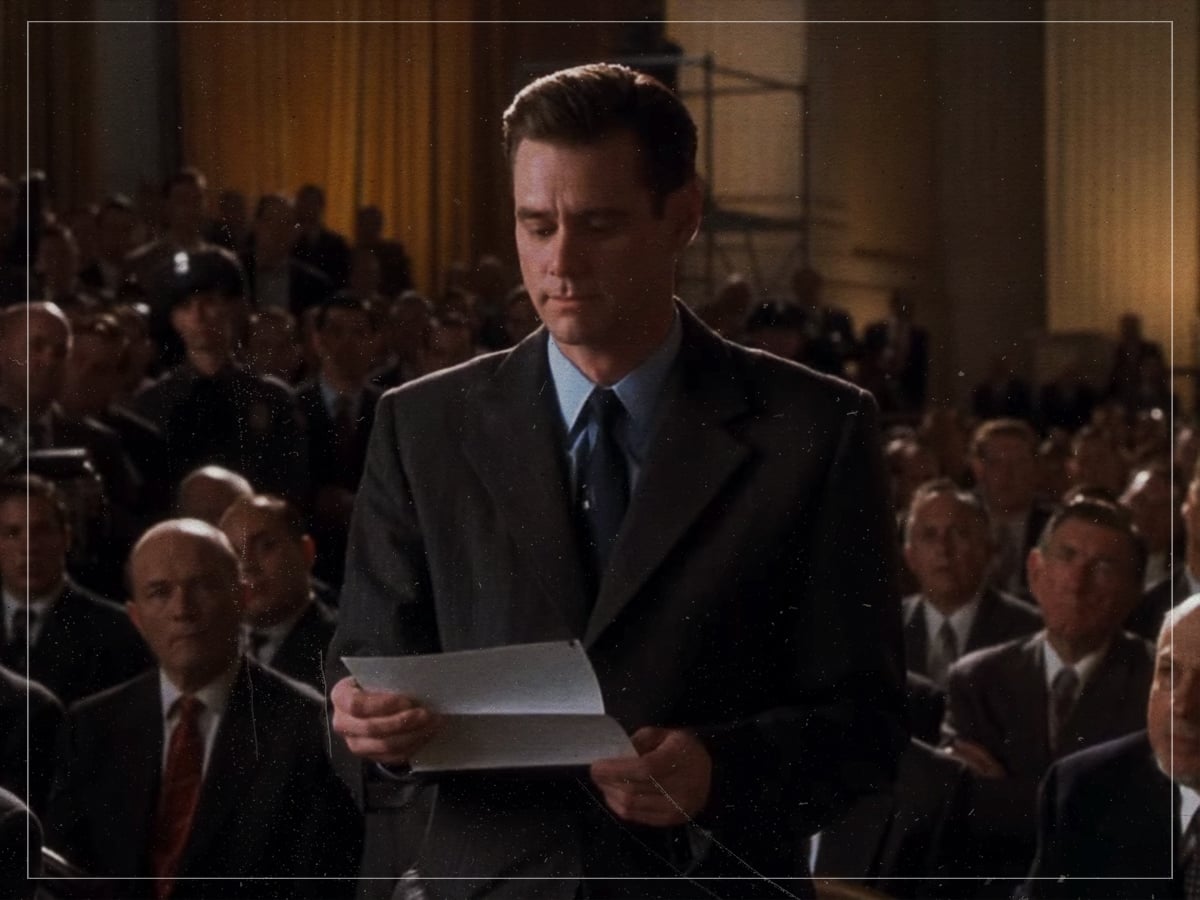
After dominating ‘90s comedies, Jim Carrey swung his career around by attempting to be a serious actor, which ended up working out well in The Truman Show and Man on the Moon, but in Frank Darabont’s period film The Majestic, which was such a sloppy, sentimental piece of awards bait, there was nothing the actor could do to redeem it.
Carrey stars as a blacklisted Hollywood screenwriter who wakes up in an old-fashioned town, where he is mistaken for a war-lost resident, and the film ends with him testifying before Congress, where he advocates for freedom of speech before leaving the industry altogether. It’s not only a gross simplification of the complex issue of the Hollywood blacklist of alleged communist sympathisers, but the dullest way possible to end a very slow movie that is over 150 minutes in length.
