


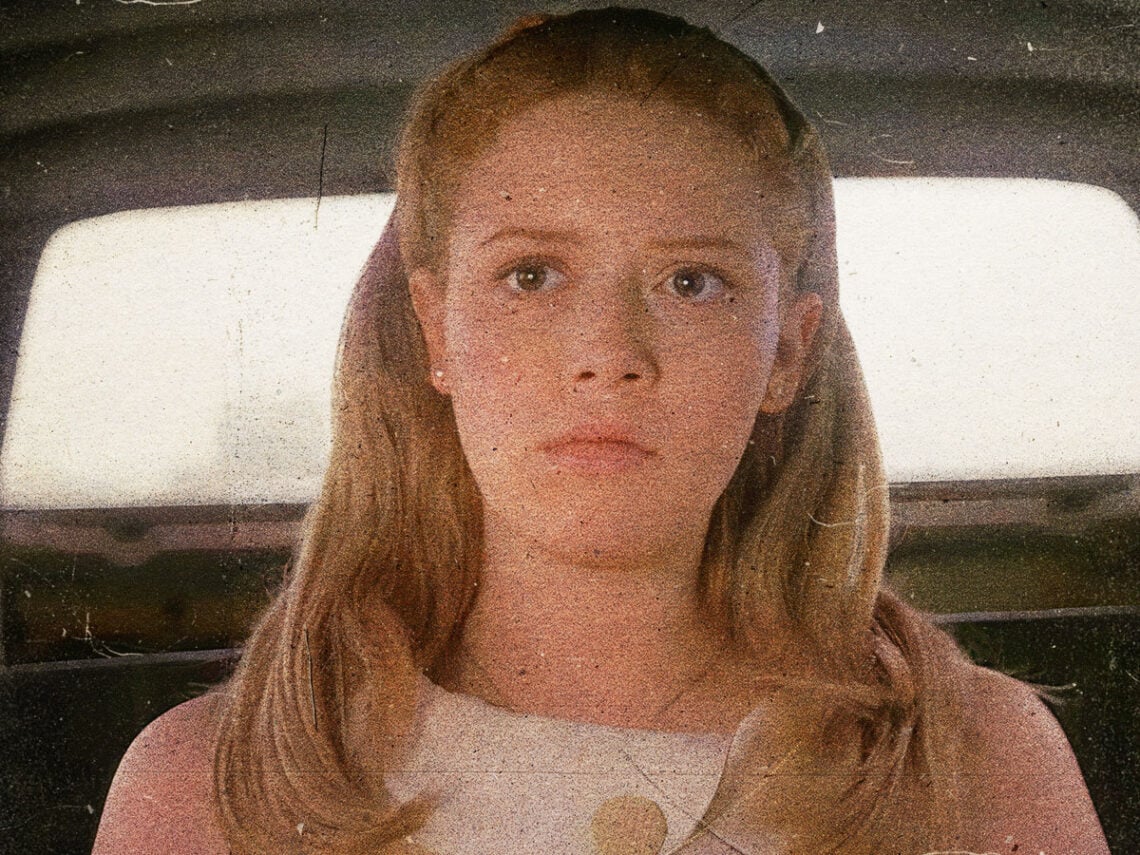
The movies Natasha Lyonne is “morally against” and why she can’t stop talking criticising them

The first time Natasha Lyonne came across the script for But I’m a Cheerleader, she saw it on the floor of Clea DuVall’s car, picked it up immediately, and asked which part was hers – DuVall, clearly unaware of Lyonne’s versatility at that point, declared, “You can’t play this part, because you’re not this type of person.”
Whatever this “type of person” was at the time, it clearly wasn’t something Lyonne saw in her own capabilities, as evidenced by what she did next, when she went over to director Jamie Babbit’s house and proved she was the one for the job. Another project that Lynne didn’t entirely know what she was getting into beforehand was American Pie, in which she played Jessica, the sarcastic, sex-wise friend to Tara Reid’s Vicky.
However, as opposed to the enthusiasm she felt at encountering But I’m A Cheerleader, Lyonne wasn’t entirely sure what to make of American Pie. She even turned it down a handful of times because of, in her own words, “sheer confusion”. Having been to NYU’s Tisch School of the Arts a few years earlier, Lyonne’s main struggle was having “no experience” with any of the movie’s themes, like “going to a white-person high school and then doing dates for prom.”
During an episode of the Happy Sad Confused podcast, she also admitted that she’d have preferred to be in something a little more credible, like Lord of the Rings, and that she pokes fun at the franchise whenever she’s given the chance for smany reasons, from its problematic subject matter to the fact she wasn’t all that connected to it as a career move in the first place.
“I was sort of morally against it,” she said, adding that her main gripe was the binary of “these are the hot chicks, and you are the ‘Other’.” While she can appreciate it now, given how much time has passed, and regards it as “very interesting” that it resonates with people because it “touched a nerve”, she says that she continues to feel detached because she was always inherently “confused” by it.
To her credit, however, this isn’t exactly a hot take. After all, of all the teen comedies that emerged during the 1990s, American Pie is probably among those that aged the worst, for all sorts of reasons, from presentations of toxic masculinity to overt manifestations of misogyny. Although a hallmark of comedies long before American Pie, the franchise certainly perpetuated many of these stereotypes, introducing a brand new audience to a tapas board of controversial ideas.
In the context of Lyonne’s career, it also says a lot that American Pie is rarely cited when considering her achievements and acting abilities, which usually centre around her more respected (and nowadays more popular) roles. Namely, the gritty, realistic, and often messy types who make people feel seen in a completely different, more legitimate way.
Supposedly, then, it’s probably safe to say that those earlier “Other” types – or even being misinterpreted by peers like DuVall as a specific type of person – became her main weapon of choice, not to justify the same stereotypes she claims to be against but to platform more diverse voices, including her own.
Back then, it could have been easier to refrain from challenging herself where it counted, but not only did she lean into her strengths, she also helped to break certain ideas free from the mainstream in ways that gave them more nuance. In many of Lyonne’s best roles, being complex isn’t just a device to further the stories of perfect, polished main characters – they occupy front and centre stage themselves, in all their messy glory.
