


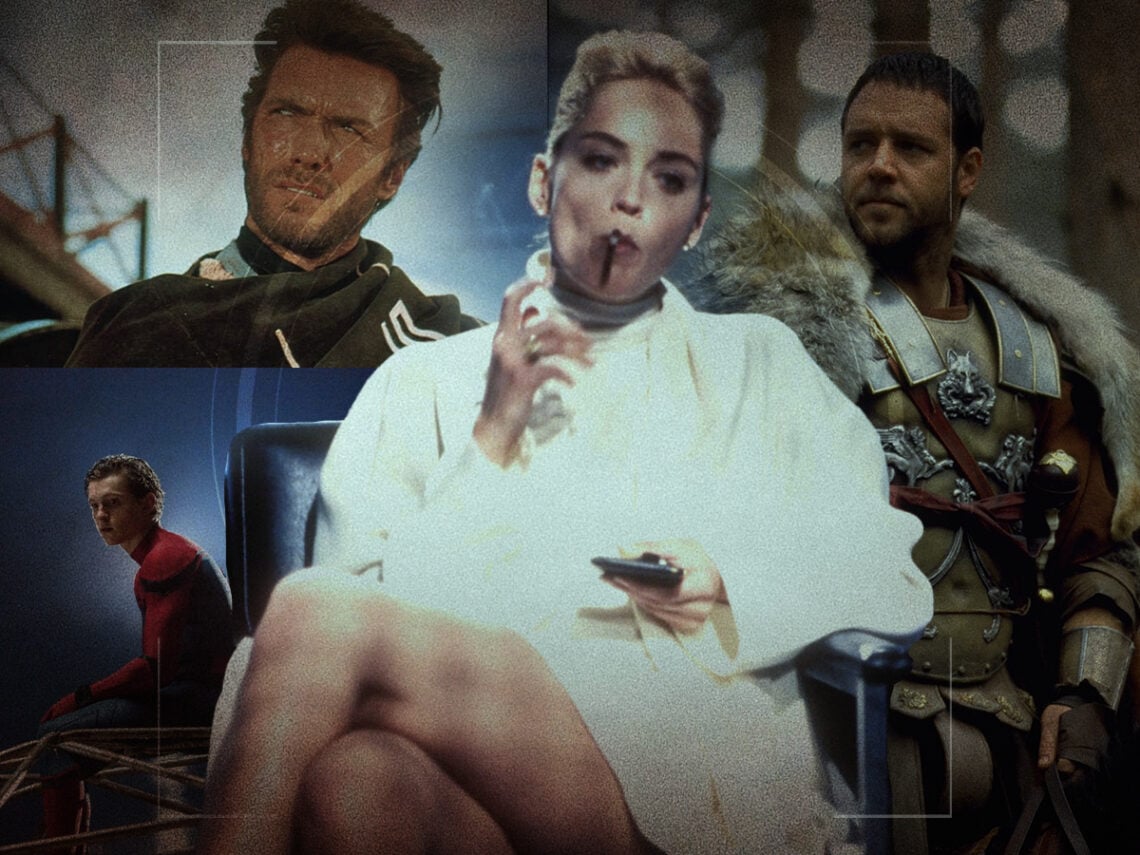
10 actors who were nowhere near the first choices for their most iconic roles

Actors often gain the best parts of their careers through sheer luck and pure coincidence.
There is no hard rule that states that one actor is the only one who could nail a role, given that most films go through an extensive casting process. While there are certain writer/directors who create roles for specific actors, such as what Quentin Tarantino does with Samuel L Jackson, many great performances are the result of more spontaneous casting decisions. There are also cases in which actors end up adding more to the performance than what was in the original script, which is what Benicio del Toro did with his role as Sensei in One Battle After Another.
It can often be surprising to learn that certain actors passed on a role; why Will Smith turned down The Matrix will always be a mystery, as will Denzel Washington’s decision to pass on both Se7en and Michael Clayton. However, there are always situations in which an actor simply doesn’t respond to the material when it is first presented to them, or scheduling issues that prevent them from onboarding a project that they had initially found to be exciting. Given how many of them end up regretting roles that they were acclaimed for, it can be even more excruciating to dedicate blood, sweat, and tears to a performance that isn’t even in a good film.
It’s impossible to know for sure whether one actor would have been better suited for a role than someone else who was considered, but there are certainly stars who reaped the benefit of the first choices not being available.
10 actors who were reconsiderations for their most iconic roles
Sharon Stone in ‘Basic Instinct’ (Paul Verhoeven, 1992)
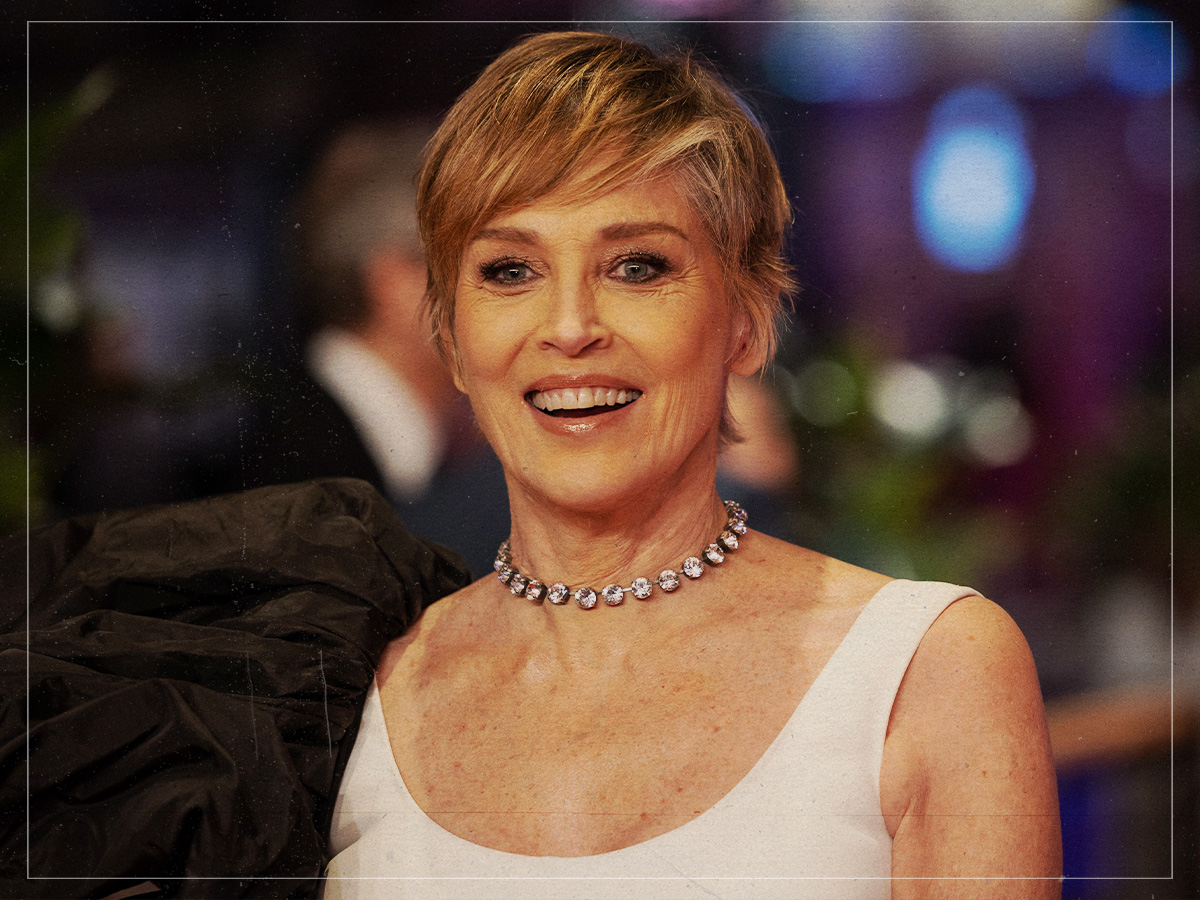
Sharon Stone became an internationally renowned sex symbol thanks to Basic Instinct, an erotic thriller that only benefited from the controversy it created, but she wasn’t even on anyone’s radar, as Michael Douglas had wanted a bigger name to be his co-star so they could share in the publicity coverage that was bound to occur.
Basic Instinct sought out nearly every A-list star in Hollywood for the role, including Ellen Barkin, Mariel Hemingway, Geena Davis, Debra Winger, Meg Ryan, Michelle Pfeiffer, Julia Roberts, Kathleen Turner, and Kelly Lynch, just to name a few actors who ended up passing. Stone was offered the role because director Paul Verhoeven had a positive experience working with her on the science fiction thriller Total Recall two years prior, but even then, she was only paid $500,000 for the role, with Douglas earning $14million.
Tom Hanks in ‘Forrest Gump’ (Robert Zemeckis, 1994)

Tom Hanks hit the jackpot when Forrest Gump earned him his second Academy Award for ‘Best Actor’ in a row (winning the prior year for Philadelphia), with the film netting ‘Best Picture’ and becoming the highest-grossing release of 1994. Hanks had been best known for his more comedic roles at the time, but Universal had originally wanted an even bigger comedy star for the titular part, with Bill Murray, Matthew Broderick, and Chevy Chase all getting the offer.
Sean Penn was also one of the first picks for the role, but it was Hanks who was handed the opportunity, which led him to turn down the role of Andy Dufresne in The Shawshank Redemption, and in hindsight, there is little chance that any of the aforementioned names would have been able to bring the same heart, humanity, and humour that Hanks did with his performance.
Anne Hathaway in ‘The Devil Wears Prada’ (David Frankel, 2006)

Anne Hathaway was still seen as a former Disney kid when she landed the role of Andy in The Devil Wears Prada, but it was a part that she got by the skin of her teeth as Rachel McAdams had been the first choice because of her established success as a romantic-comedy star, who turned down the part several times before Fox extended offers to Kate Hudson, Natalie Portman, Scarlett Johansson, and Kirsten Dunst.
Hathaway campaigned heavily for the role and earned the unique position of getting to co-star with Meryl Streep, and even though she would eventually win an Academy Award for Les Misérables and become part of Christopher Nolan’s Batman universe, The Devil Wears Prada is still the role that she is best known for, if the hype for the sequel is any indication of how popular it still is.
Clint Eastwood in ‘A Fistful of Dollars’ (Sergio Leone, 1964)
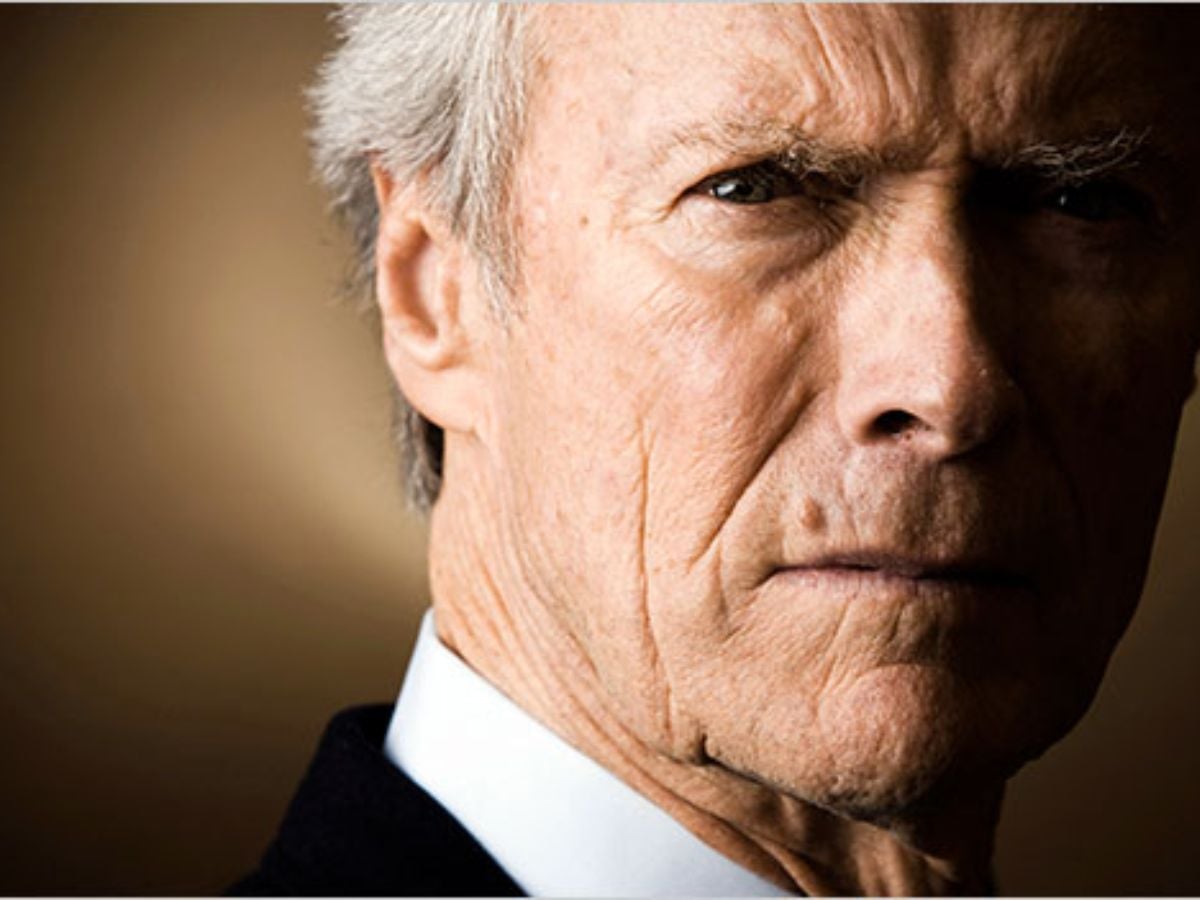
Clint Eastwood earned his career as one of the greatest directors of all-time because of what a prominent western star he had become, and that all started with Sergio Leone casting him to play the mysterious drifter in A Fistful of Dollars, the first entry in his Man With No Name trilogy.
To say that Eastwood was a left-field choice would be an understatement, as Leone first offered the part to Charles Bronson and Henry Fonda, both of whom he would eventually work with five years later with the masterpiece Once Upon a Time in the West. Leone had also lobbied for James Coburn to get the part, but his salary was too expensive for the small-scale film to sustain, and even then, Eastwood only managed to land an audition after other bigger names like Tony Russel, Henry Silva, Steve Reeves, Ty Hardin, and Richard Harrison all turned it down.
Charles Bronson in ‘Death Wish’ (Michael Winner, 1974)

Charles Bronson was already a war hero with several memorable credits to his name by the time he landed the lead role in Death Wish, but he was certainly not even remotely the top choice to play the vigilante Paul Kersey. Sidney Lumet was originally attached to direct the film with Jack Lemmon in the role of Paul and Henry Fonda as Oocha, but Peter Medak later came on board to direct a version with Fonda as Paul.
After Michael Winner was hired, United Artists sought out a veteran action star for the role and reached out to Burt Lancaster, Clint Eastwood, Lee Marvin, Steve McQueen, and George C Scott, but curiously, Winner was so desperate to get a big name attached (as the film was perceived to be commercially challenging because of its subject material) that there was a bizarre suggestion of hiring Elvis Presley to play Paul.
Vin Diesel in ‘The Fast and the Furious’ (Rob Cohen, 2001)

Vin Diesel is one of Hollywood’s least talented actors, but his involvement with The Fast and the Furious catapulted him to superstardom, kickstarting a franchise that continues to this day, even if it has moved away from the streets to outer space. The film needed the involvement of Timothy Olyphant, who had just starred in the previous year’s vehicular action film Gone in 60 Seconds, in order to be greenlit, but his refusal forced the studio to hire Diesel instead.
Interestingly, Diesel’s co-star was also not the first choice, as Paul Walker was low on the list of actors considered to play Brian O’Conner, and while the film had been pitched as a potential star vehicle for Eminem in his first major acting role, the role of Brian was also offered to both Mark Wahlberg and Christian Bale. Additionally, Michelle Rodriguez only earned the role of Mia after the initial choice, Eliza Dushku, decided to pass.
Russell Crowe in ‘Gladiator’ (Ridley Scott, 2000)

Russell Crowe has become so renowned for his role as Maximus Decimus Meridius in Gladiator that the film’s sequel failed to meet expectations because he wasn’t involved, but the Australian actor wasn’t who 20th Century Fox had in mind to play a Roman general, with the role offered first to Mel Gibson, who was interested bu had already committed to starring in another historical epic with The Patriot.
Ridley Scott also considered reuniting with Tom Cruise, with whom he had worked on Legend back in 1985, and also approached Antonio Banderas, who wasn’t able to do it because of the delays in filming John McTiernan’s medieval epic The 13th Warrior, which had experienced several production difficulties. It was only after Crowe delivered his breakthrough performance in LA Confidential that he was floated as a contender for the part of Maximus.
Reese Witherspoon in ‘Legally Blonde’ (Robert Luketic, 2001)

Reese Witherspoon may now be one of the biggest stars in Hollywood, but in the ‘90s, she was considered to be much more of an indie film darling due to her roles in acclaimed smaller titles like Election, The Man in the Moon, and Freeway, so even though Elle Woods is a character that seemingly embodies her persona in real life, MGM was interested in getting a more established name.
Gwyneth Paltrow and Christina Applegate were considered to be the top choices, with other names thrown into the mix, including Jennifer Love Hewitt, Charlize Theron, Milla Jovovich, Alicia Silverstone, Kathryn Hiegel, and even Britney Spears, but it was at director Robert Luketic’s insistence that Witherspoon was cast, for which MGM had to be seriously convinced. Regardless, she got the part, and while she had struggled with being typecast in the wake of Election, Legally Blonde has arguably surpassed it to be her most iconic film role.
Hugh Jackman in ‘X-Men’ (Bryan Singer, 2000)
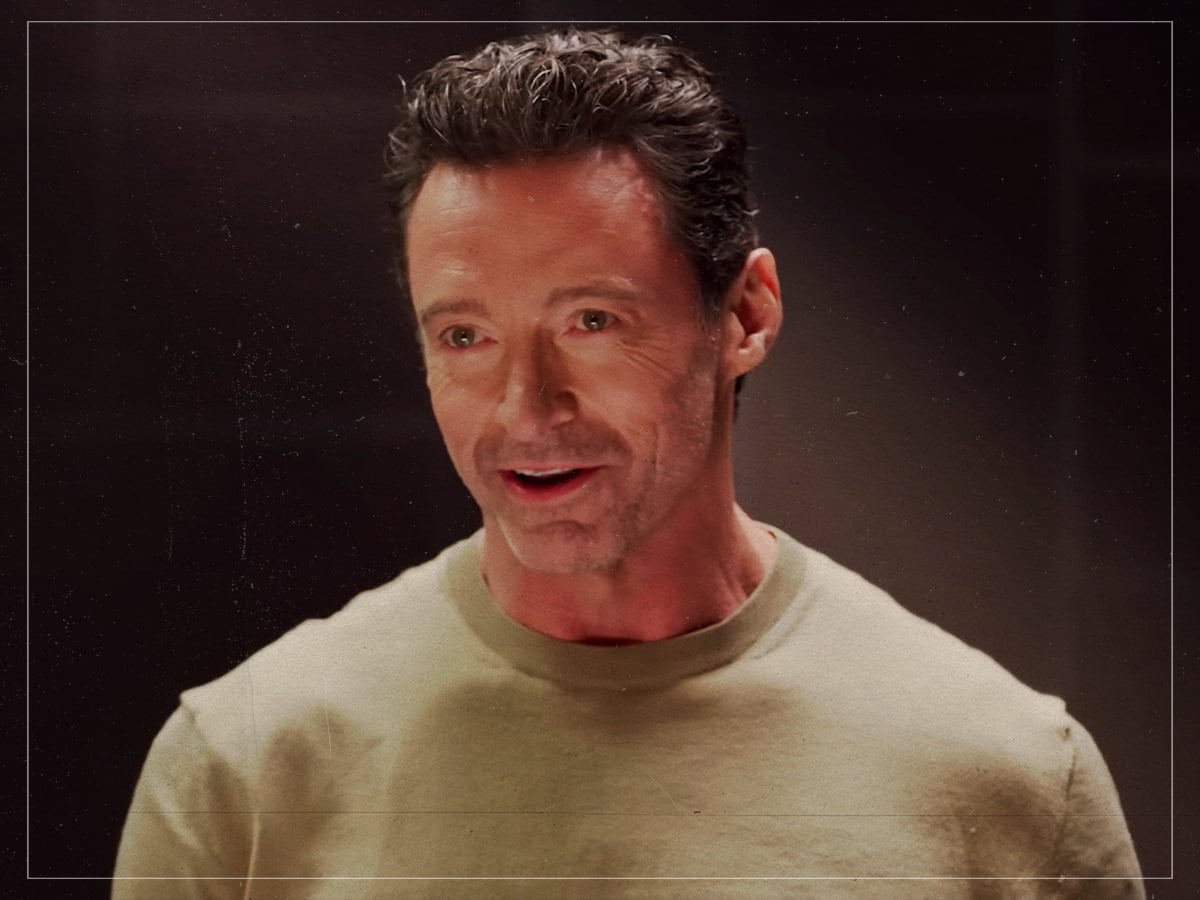
Hugh Jackman has played Wolverine longer than anyone has ever played a superhero, and has managed to make cameo appearances in most of the X-Men films that he wasn’t in, but shockingly, it was fellow Australian Russell Crowe who had been the first choice for director Bryan Singer, who also met with Viggo Mortensen. Dougray Scott was officially cast as Wolverine before he was forced to drop out due to scheduling concerns with Mission: Impossible II, and because of a critical back injury that prevented him from doing laborious stunts.
X-Men was three weeks into filming when Singer hired Jackman, then best known as a theatre actor, to step in to replace Scott, which saw comic book fans initially outraged because he was considered too tall to play the short and stocky Canadian mutant, but he has now played the role for over 25 years to much critical and popular acclaim, having last appeared in Deadpool & Wolverine.
Tom Holland in ‘Spider-Man: Homecoming’ (Jon Watts, 2017)
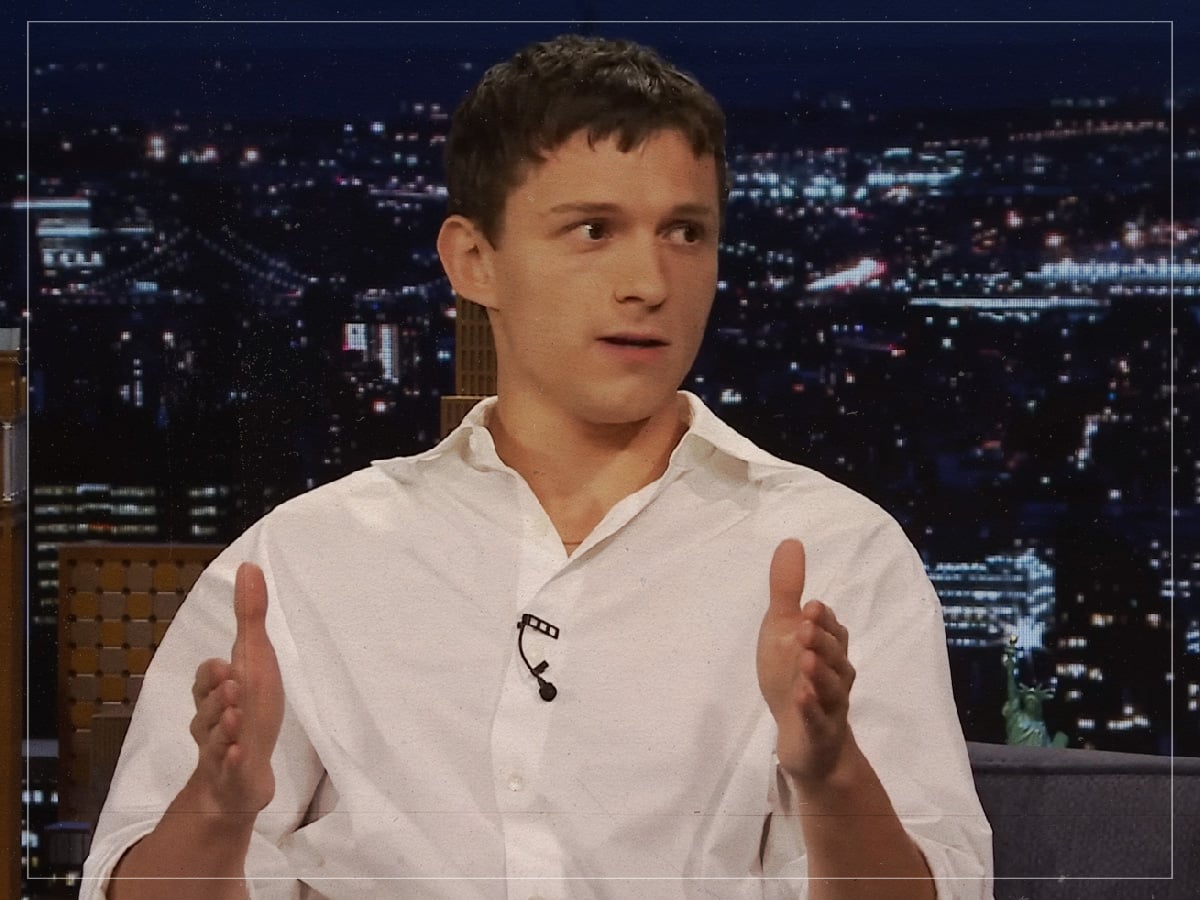
Tom Holland first appeared as Peter Parker in Captain America: Civil War, a Marvel Studios production, but the casting of the character was handled by Sony, who still owned the rights to the IP. Spider-Man: Homecoming was intended to bring the character back to his roots by being set in high school, and Asa Butterfield was initially the top choice to replace Andrew Garfield.
Although there were concerns about Butterfield’s height, as Peter was supposed to look small when compared to the other Avengers, other contenders for the role included Liam James, Timothée Chalamet, Zachary Gordon, and Joseph Quinn, with rumours suggesting that Sony Pictures’ Amy Pascal was high on the possibility of Nat Wolff, who has just starred in Paper Towns, but Holland ended up having the best chemistry with Robert Downey Jr, who was included in Homecoming as Peter’s mentor.
