


The American war hero who became an iconic Hollywood tough guy: “Jeez, this is great!”

World War II inspired some of Hollywood’s greatest films, but it also drew real heroes into the acting profession.
Authenticity is hard to fake, especially when it comes to cinematic depictions of combat. Although there have been extensive steps taken to train actors to go through the same rigours as soldiers, nothing can truly emulate what it’s like to risk one’s life for the sake of their nation.
Hollywood had an active role in World War II by producing propaganda films and working with the United States government, and there were some actors, like James Stewart, who actually served. However, the war did leave some veterans hungering for the allure of Hollywood.
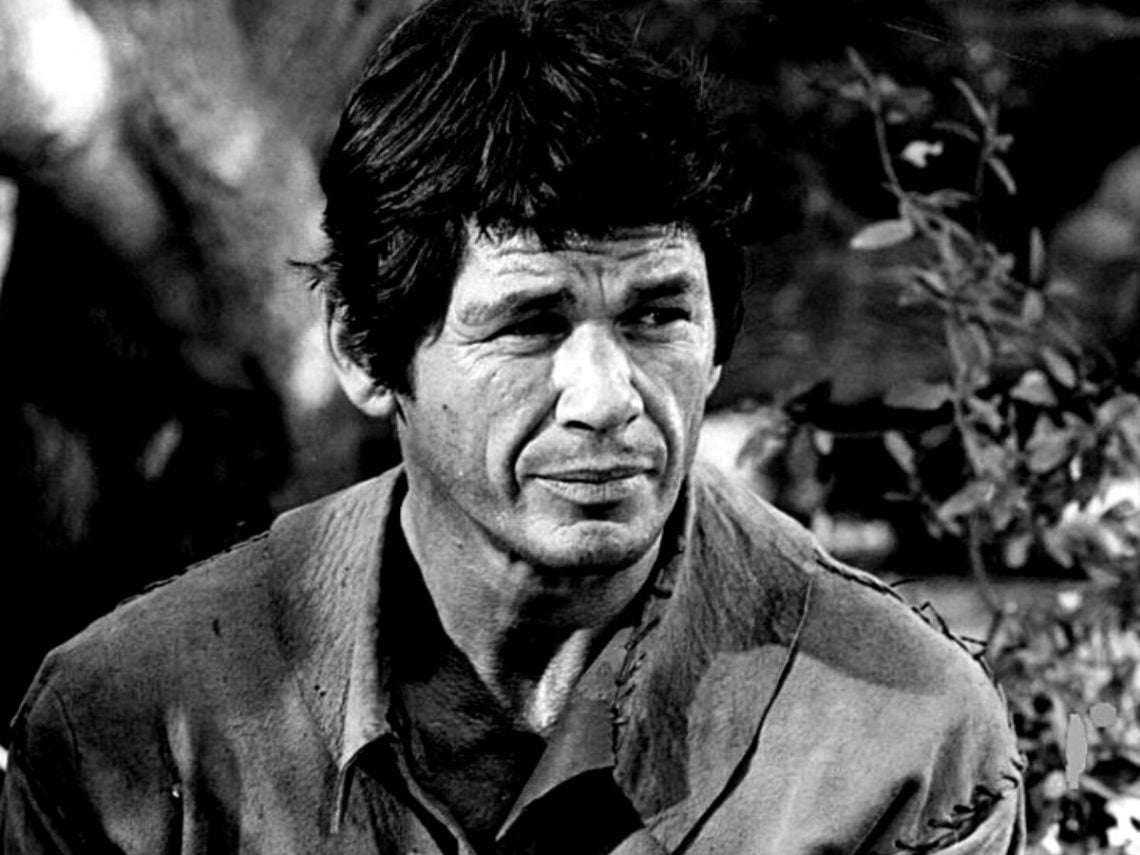
Charles Bronson was born to a small family of coal miners in Pennsylvania before being drafted for World War II, where he performed a number of responsibilities. His service included operating a tail gun during the South Pacific theatre of combat, leading him to receive an honourable discharge in 1946. Due to the G.I. Bill, Bronson was able to find a new hobby with acting, which soon became far more than a passing interest.
Bronson’s tough, physically imposing demeanour made him perfect for “tough guy” roles, and those parts were in no short supply after the ending of World War II. Hollywood frequently churned out action films that dramatised the efforts of Allied soldiers during the global conflict, and Bronson landed his first role in the war film USS Teakettle in 1951 with Gary Cooper. His performance was so seamless that Bronson quickly found more work in other projects.
The most significant of Bronson’s early works was in The Great Escape, the now iconic drama starring Steve McQueen, which focused on a group of Allied prisoners-of-war that staged the ultimate prison break. Bronson had dealt with claustrophobia during the war and was able to work through his fears by playing a character who is imprisoned and intimidated.
This led him to land an even greater role in The Dirty Dozen, another World War II adventure film about a rag-tag group of soldiers sent deep into enemy territory. Beyond the opportunity to work with acclaimed co-stars like Lee Marvin and George Kennedy, The Dirty Dozen showed that Bronson had a real personality and a sharp sense of humour, which made him perfect for the next era Hollywood was getting into.
Hollywood’s interest in World War II began to fade slightly by the end of the 1960s, when concerns about an actual war with communist nations began to brew. Nothing offered more lure escapism than westerns, which could provide a primal sense of adventure and action. Bronson landed the lead role in Once Upon a Time in the West, the epic western from director Sergio Leone, who had previously helmed ‘The Man With No Name’ trilogy starring Clint Eastwood. Eastwood had originally been suggested for the lead part of ‘Harmonica’ in Once Upon a Time in the West, but Bronson proved to be more than suitable as a replacement.
Bronson became one of the most bankable action stars of the next few decades, as his role as Paul Kersey in the Death Wish series helped to launch an entirely new subgenre of gritty revenge thrillers. No one would ever accuse Bronson of being the most versatile actor, but undoubtedly, his heroism was completely realistic.
