


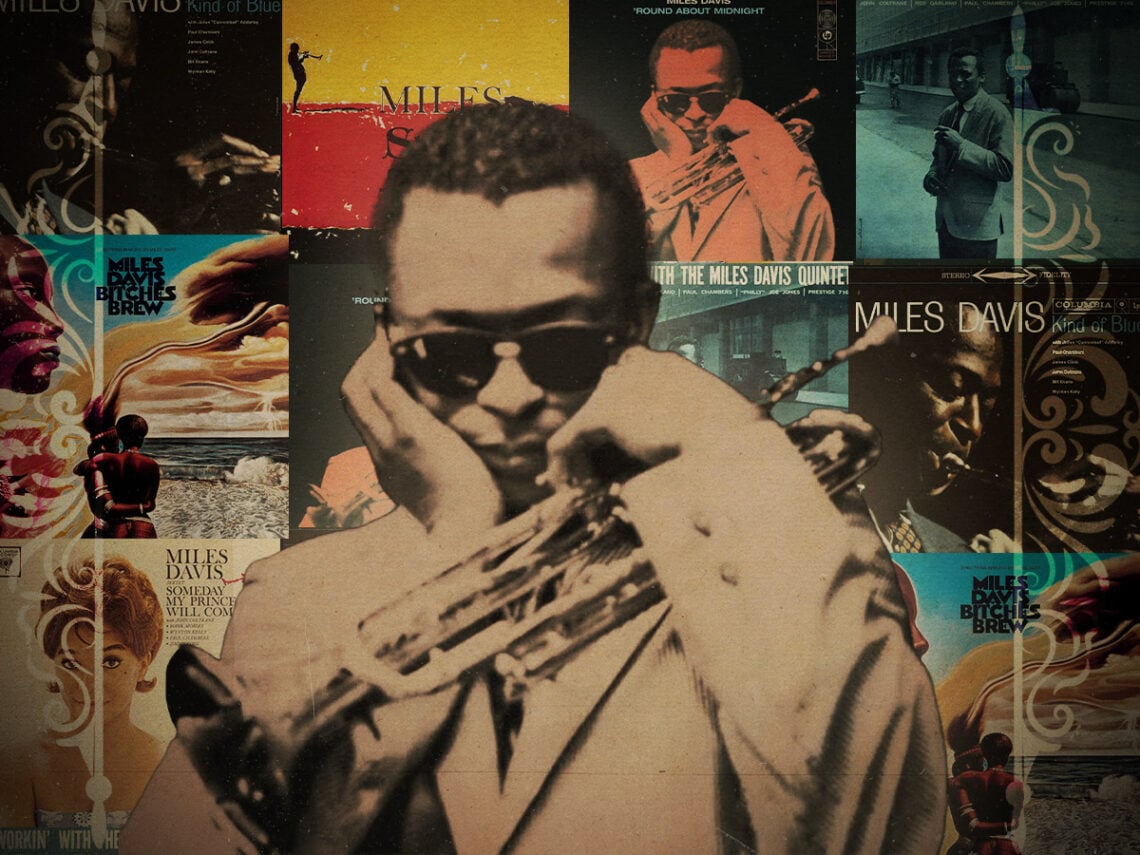
100 years in 100 seconds: The most important music Miles Davis ever played

Miles Davis: the man who changed music, and then kept changing it. Again, and again, and again.
To look back on his career, it was clear there was a solid resistance to any kind of form or convention at every turn. Think of the stereotypes of jazz bars, smoke, and an impenetrable aura that can often make the genre inaccessible to those outside its limited bubble. Did Davis ever stay like that? Well, at least if he dropped in to steal the show for a while, he didn’t stay for long.
The whole hallmark of the trumpet player’s incomparable life was that he constantly morphed and changed into some new state of being, whether it was as a forefront founder of bebop and modal jazz, or deliberately had it that his legacy stretched into seemingly unrelated areas, from rock to hip-hop. Nothing about him was plain or predictable.
To this end, 100 years on from his birth, it’s hard to think of someone more pioneering and pivotal to the state of modern music as we know it. But equally, it’s also difficult to condense his masterful songbook into just a few choices – so, in the spirit of snapshots of a rollercoaster ride, we have cast through 100 years of Davis’ life, summed up in 100 seconds of his music.
The most vital 100 seconds of music Miles Davis ever played:
‘So What’ – 3:07 – 3:17
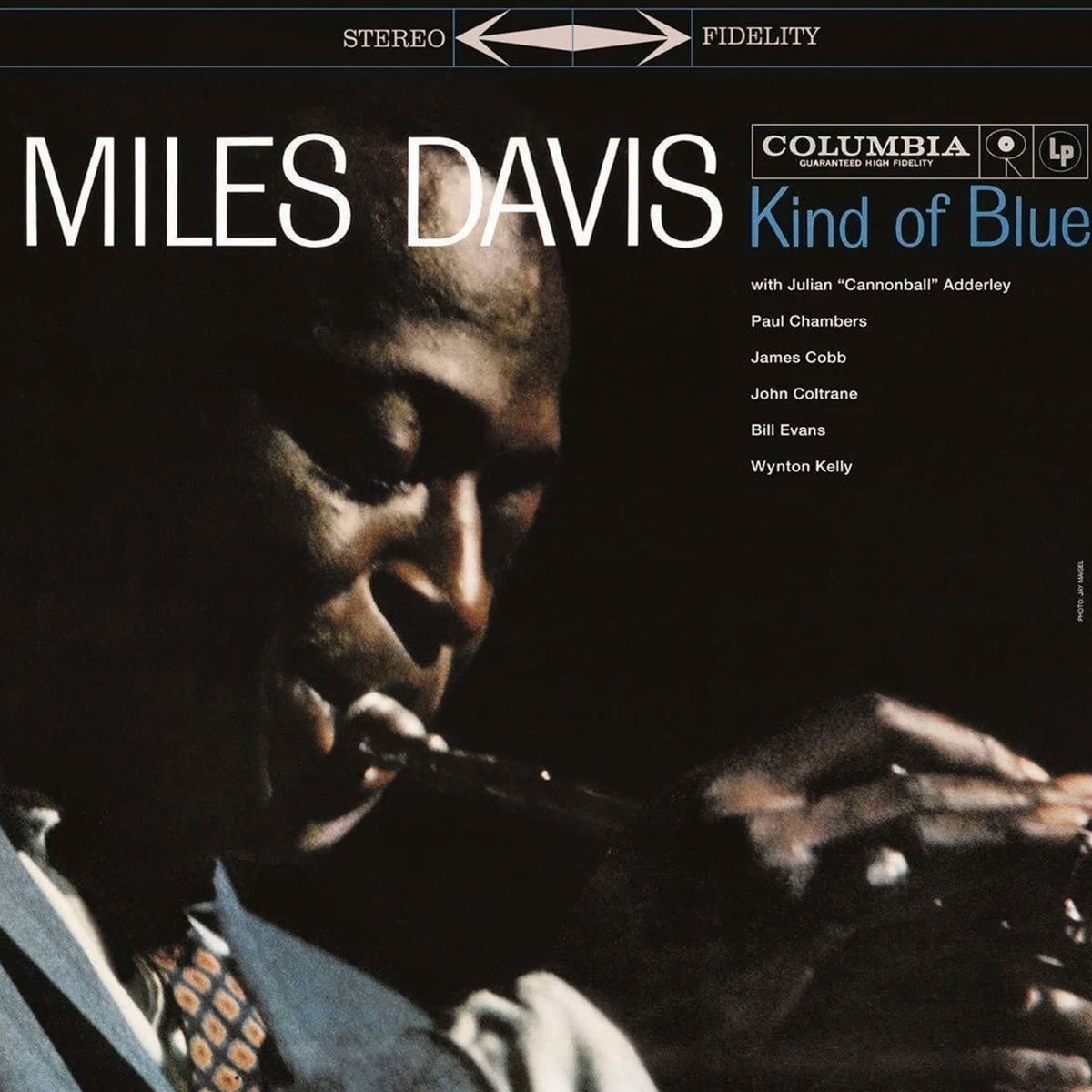
It’s probably best to start off in the most seismic place before we branch off into some deep dives of Davis’ career – in other words, let’s get ‘So What’ out of the way. That’s not to downplay the vital importance of the song, because there’s no denying that he wouldn’t be a bona fide jazz legend without it, but it nevertheless expresses something powerful to every musician’s ear.
In everything he did musically, Davis exhibited the utmost precision and control. Yet in ‘So What’, it takes him just over three minutes in to soar to the heights of his first major riff. It proved, as much as the piece was a masterstroke, that often holding himself back until moments of true impact was Davis’ greatest strength.
‘Blue In Green’ – 0:20 – 0:30
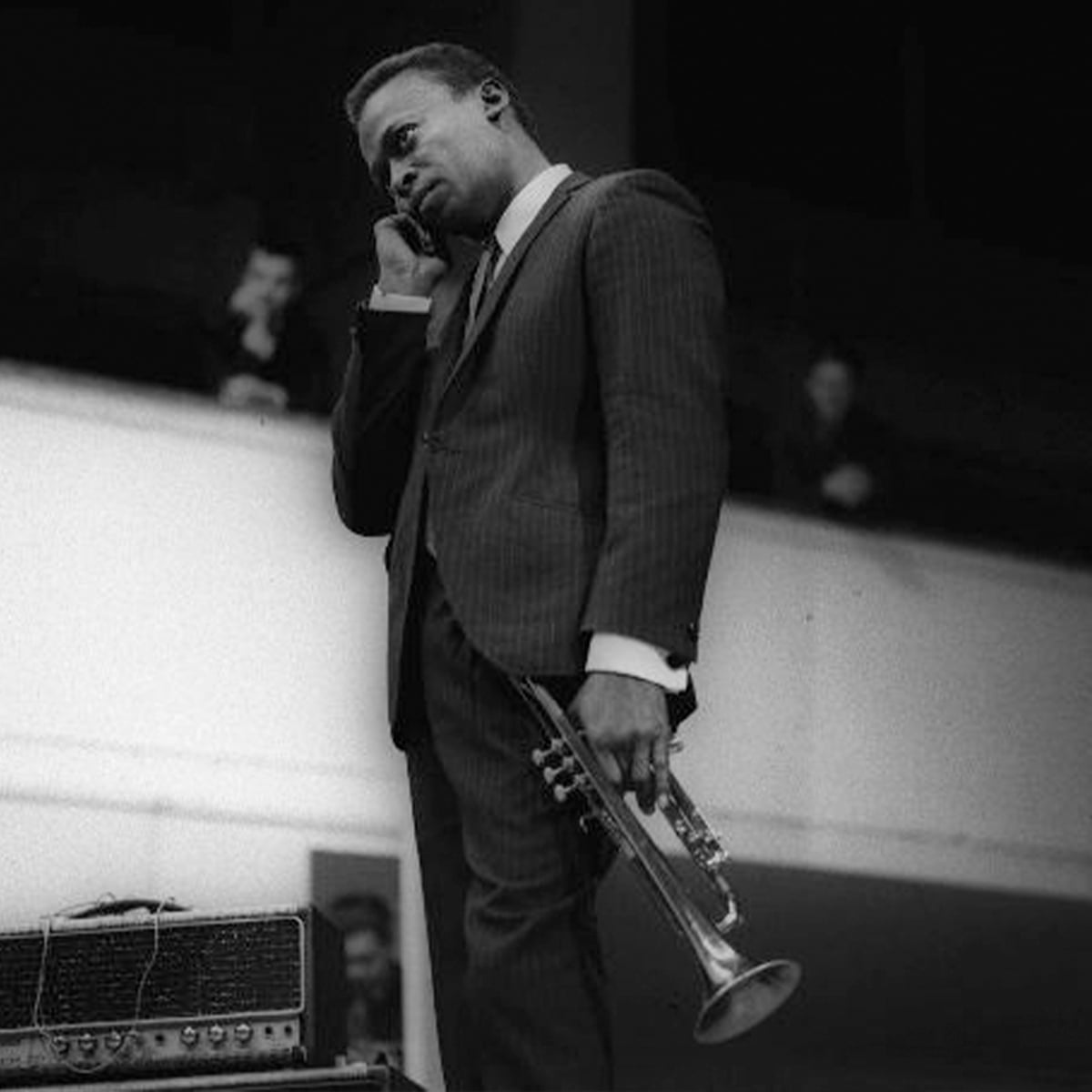
Kind of Blue has always been hailed as the trumpet maestro’s most supreme work, making you realise just how much of a revolutionary feat it was when it was originally released back in 1959. Yet in the spirit of the album’s title, ‘Blue in Green’ stands as an example of one of the record’s most serene ballads, as well as demonstrating an incisive poise from the man himself.
That’s why his opening seconds on the track are so pivotal. There are barely three notes played in that snapshot of an opening span, but instantly, Davis’ sheer musicality and control of his instrument make for a languid, if deeply poetic, sound. As he swoops his way across that first note, it is evident immediately that this was a man who knew he was at the top of his game.
‘Concierto de Aranjuez’ – 4:40 – 4:50
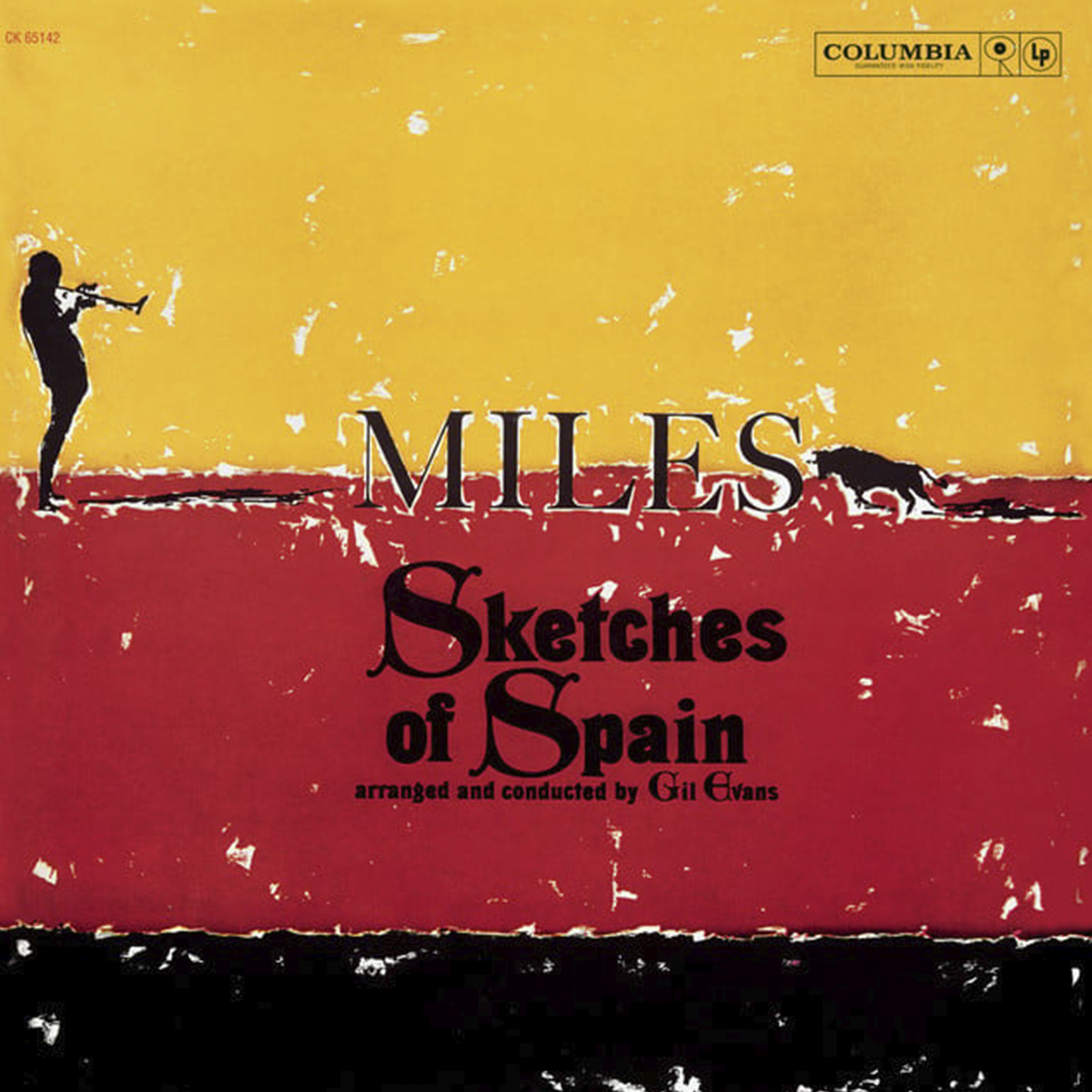
In many ways, the specific greatest moment of ‘Concierto de Aranjuez’ was less important for its impact on Davis than the entire piece as a whole, because it inspired him into a space of new muses in creating his flamenco foray on his 1960 album, Sketches of Spain. The 1939 guitar concerto wasn’t an original piece, but it was pivotal in the musician’s journey, according to his collaborative composer, Gil Evans.
“[We] hadn’t intended to make a Spanish album. We were just going to do the ‘Concierto de Aranjuez’. A friend of Miles gave him the only album in existence with that piece,” he explained, thus setting the wheels in motion for a whole new Spanish era of Davis’ career arc. But if it wasn’t for that friend, he may not have beheld one of his best reimagined recordings.
‘Bye Bye Blackbird’ – 1:30 – 1:40
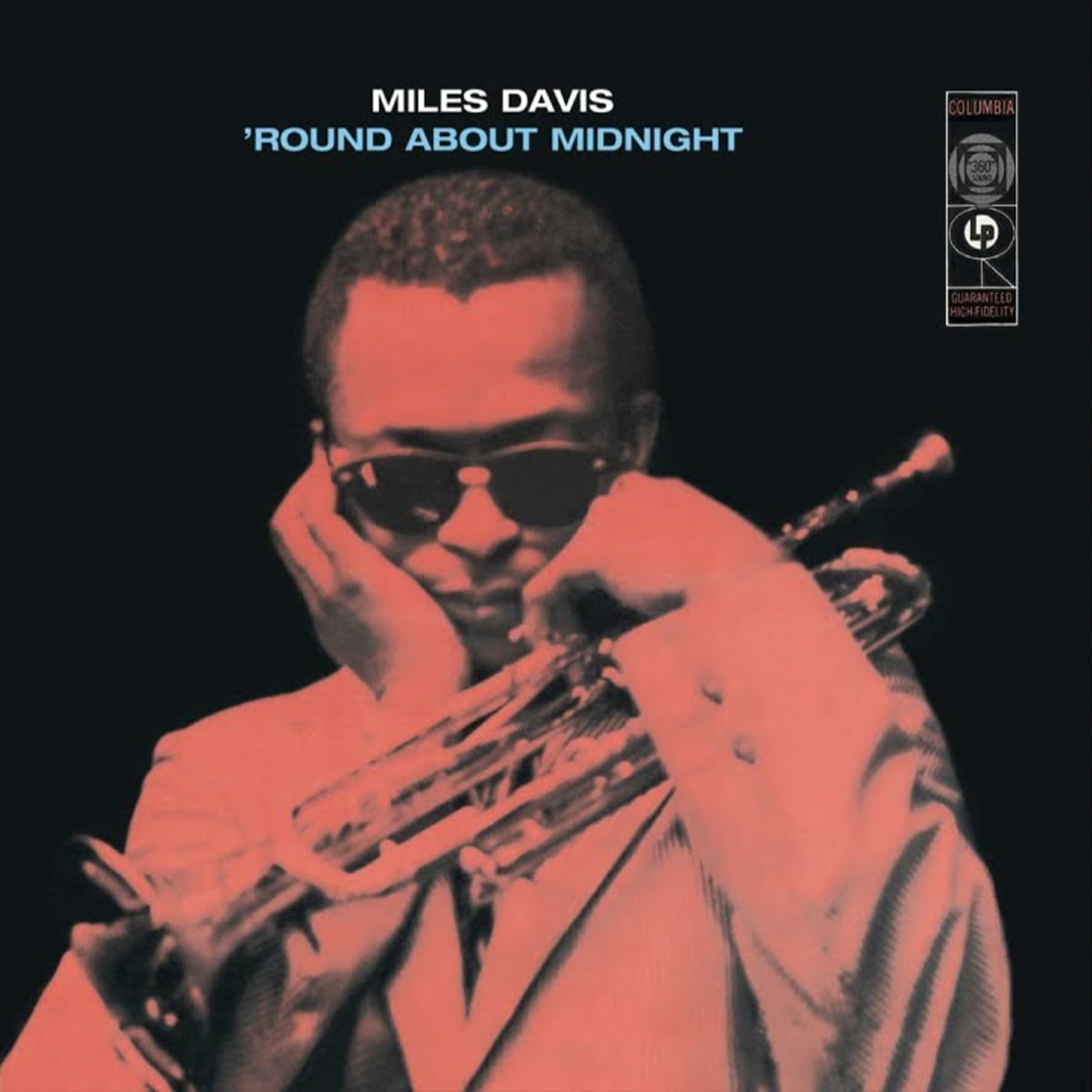
When Davis took a turn at putting his own stamp on classic standards, it often had collateral effects. Joe Cocker covered ‘Bye Bye Blackbird’ after him, as did Ringo Starr. And while the trumpeter’s influence is less clear in this respect, the simplicity with which he carries himself in his own recording is something that many would marvel at.
Indeed, within that version, which appeared on the album ‘Round About Midnight, it’s the role of fellow jazz legend John Coltrane to take it to the stratosphere. Davis’ job was to complement his band, and in keeping things straightforward but deeply sincere, his foundations in creating a launchpad for the rest of the song should not be overlooked.
‘Freddie Freeloader’ – 2:13 – 2:23
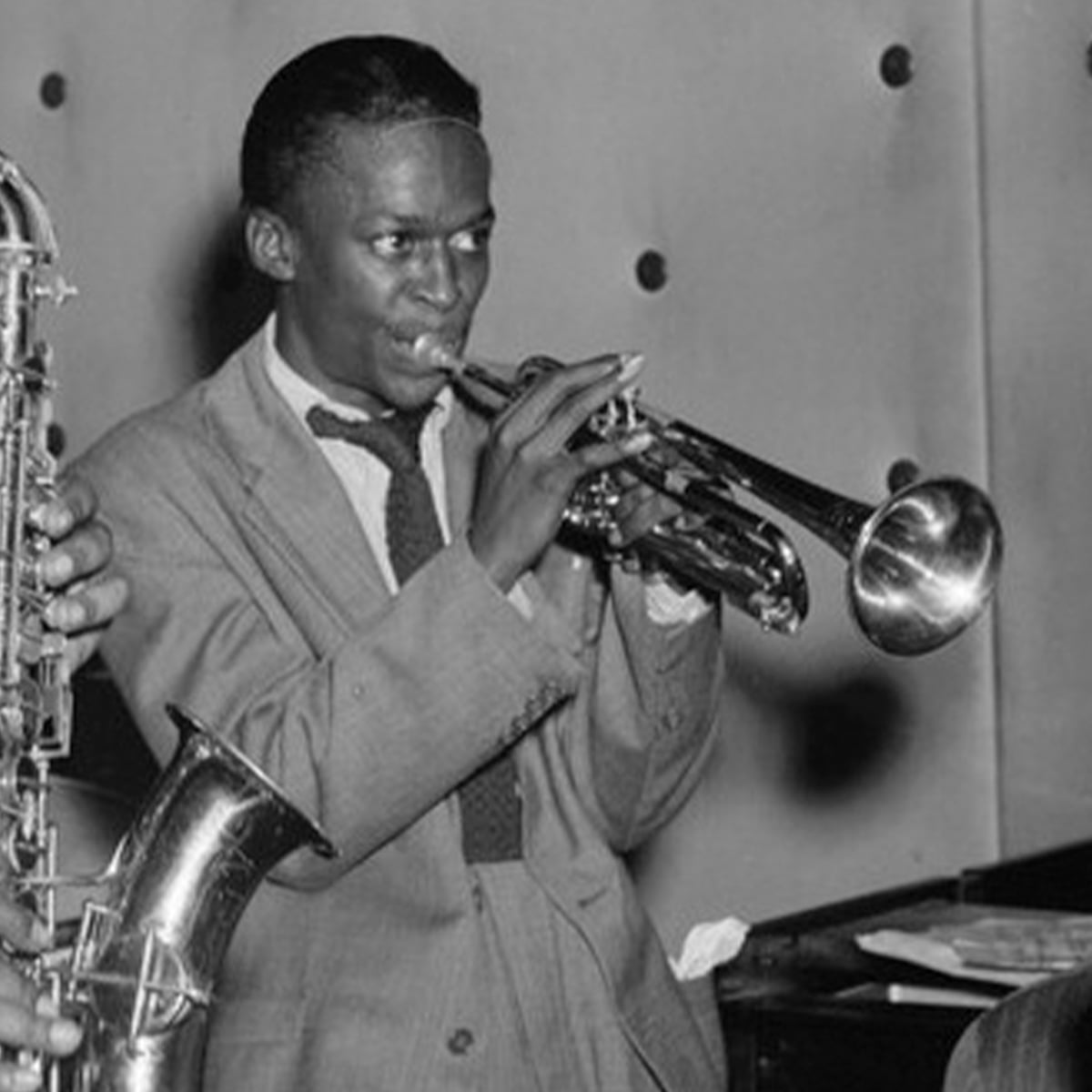
Kind of Blue became renowned as a jazz masterclass in introspection, impressionism, and combining the genre to have a decidedly blues edge. By contrast, ‘Freddie Freeloader’ takes a much more upbeat stance, and when Davis swings in with his first easy notes in the track, there’s an almost cheeky nonchalance to it.
After all, that was key to the sheer gravitas and persona of the man. There were hours and hours, years of his life, naturally spent honing the craft without many fruits for his labour. But in moments like that, on songs like ‘Freddie Freeloader’, his total laid-back approach oozes with an irresistible confidence that makes the elixir all the more tempting.
‘Miles Runs the Voodoo Down’ – 13:20 – 13:30
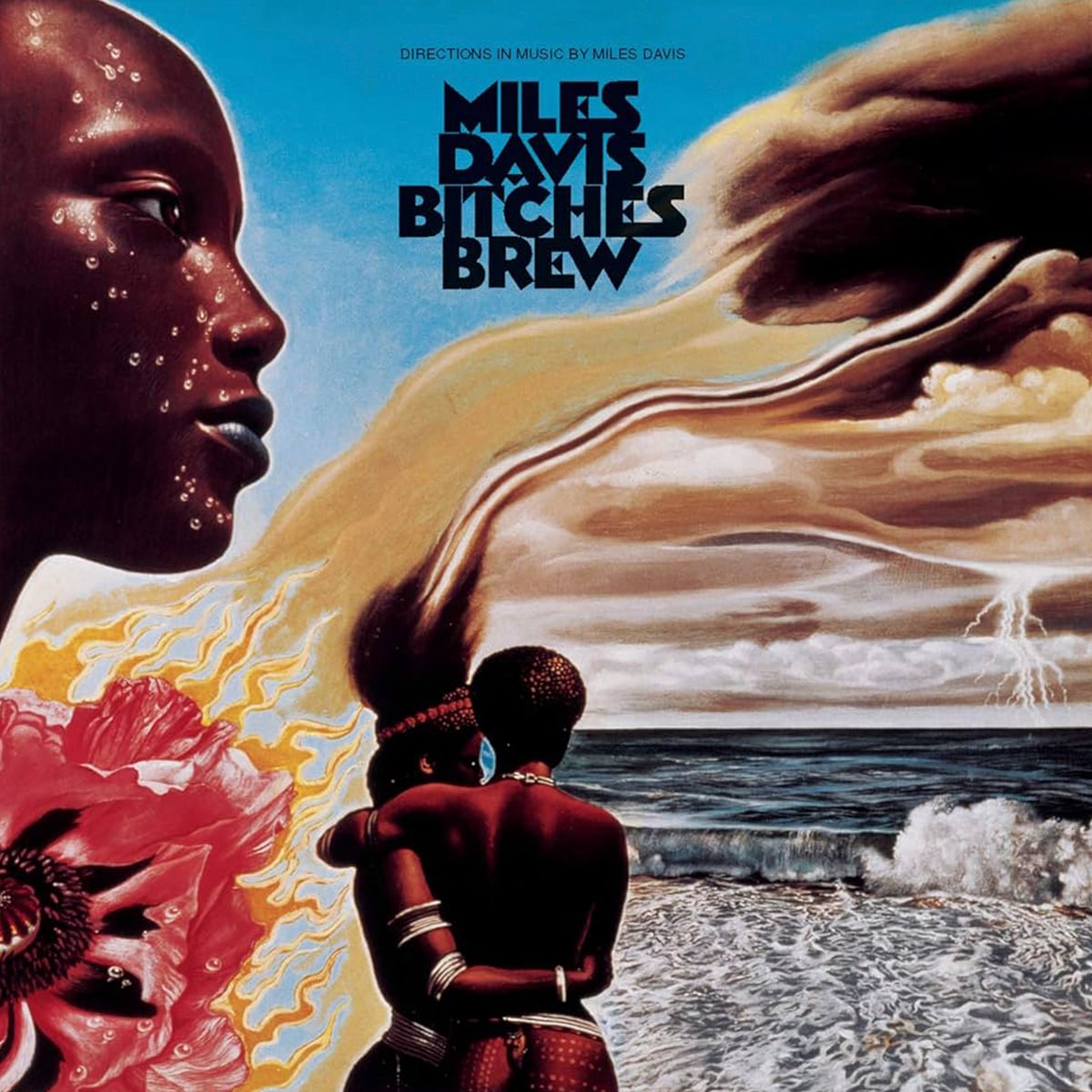
There was a skewed sense of symbolism to be found in the track ‘Miles Runs the Voodoo Down’, in relation to the iconic album that it came from, Bitches Brew. But that was kind of the ironic point – in the beginning, people saw the album as anything but iconic, and it required a long haul to get it over the line.
In a warbling song like that, clocking in at 14 minutes, it can either go out with a whimper or a bang. Davis definitely chose the latter in his closing notes. It reflected the reception to the album as a whole, where people weren’t convinced at first, but slowly, momentum started to build until it turned into a screamer, and his biggest chart success. In ‘Miles Runs the Voodoo Down’, maybe he was saying he knew that all along.
‘My Funny Valentine’ – 5:15 – 5:25
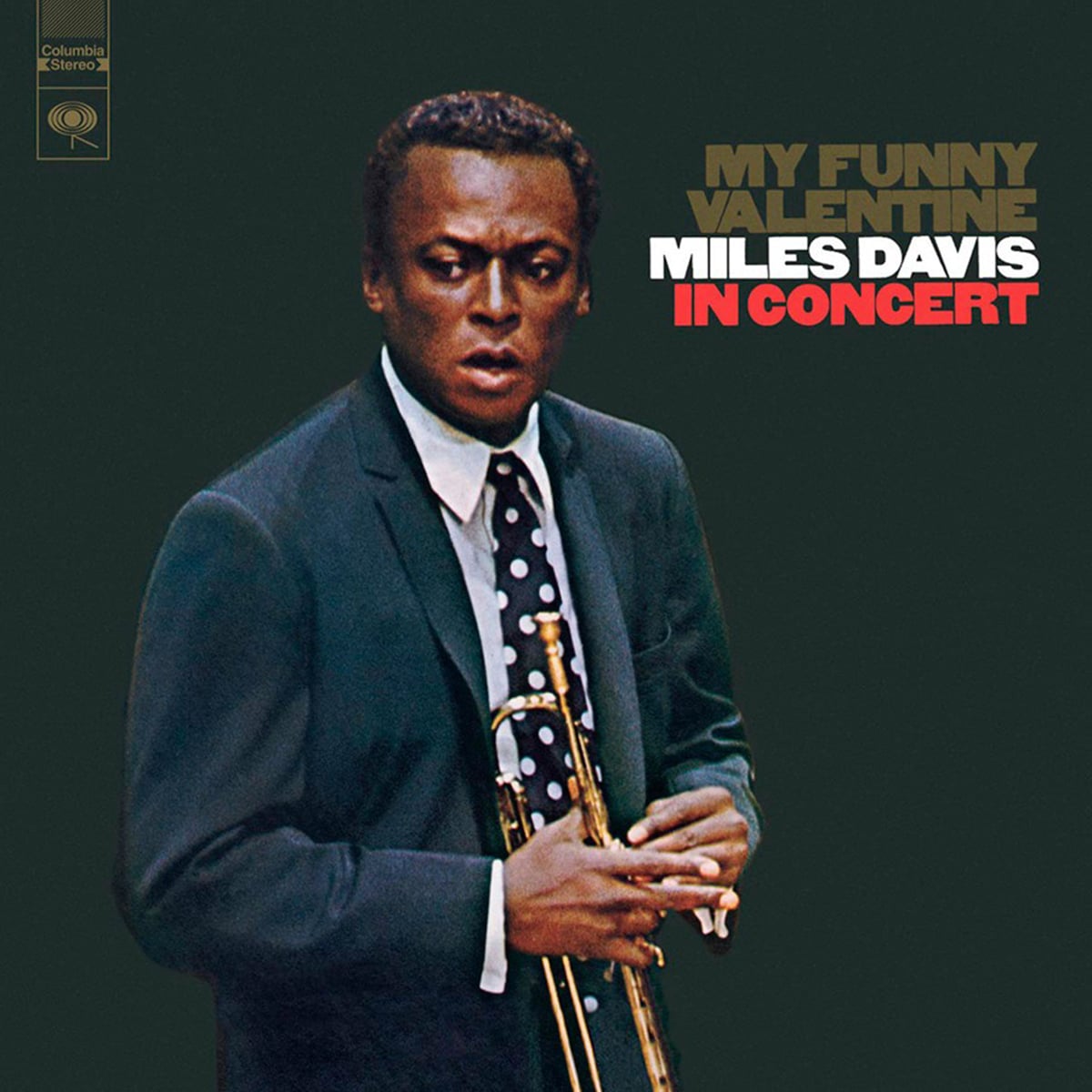
‘My Funny Valentine’ is, of course, one of the most illustrious jazz standards of all time. But when Davis performed it at the Lincoln Centre in New York in 1964, and named his subsequent live album of the event after it, the meaning of the song spoke to a much wider and more significant sentiment than many may have first realised.
The concert had been organised in an attempt to create increased voter registration in Louisiana and Mississippi, but given the political events of the moment, Davis was also keen to stress his time to honour the recently assassinated president, John F Kennedy. As such, when Davis shows off some of his most unique tricks, from riffs to fluttering his tongue, you could see it was not just a romantic ode, but a rare, desperate pitch to make one of his recordings truly matter in the scope of the world.
‘It Never Entered My Mind’ – 0:17 – 0:27
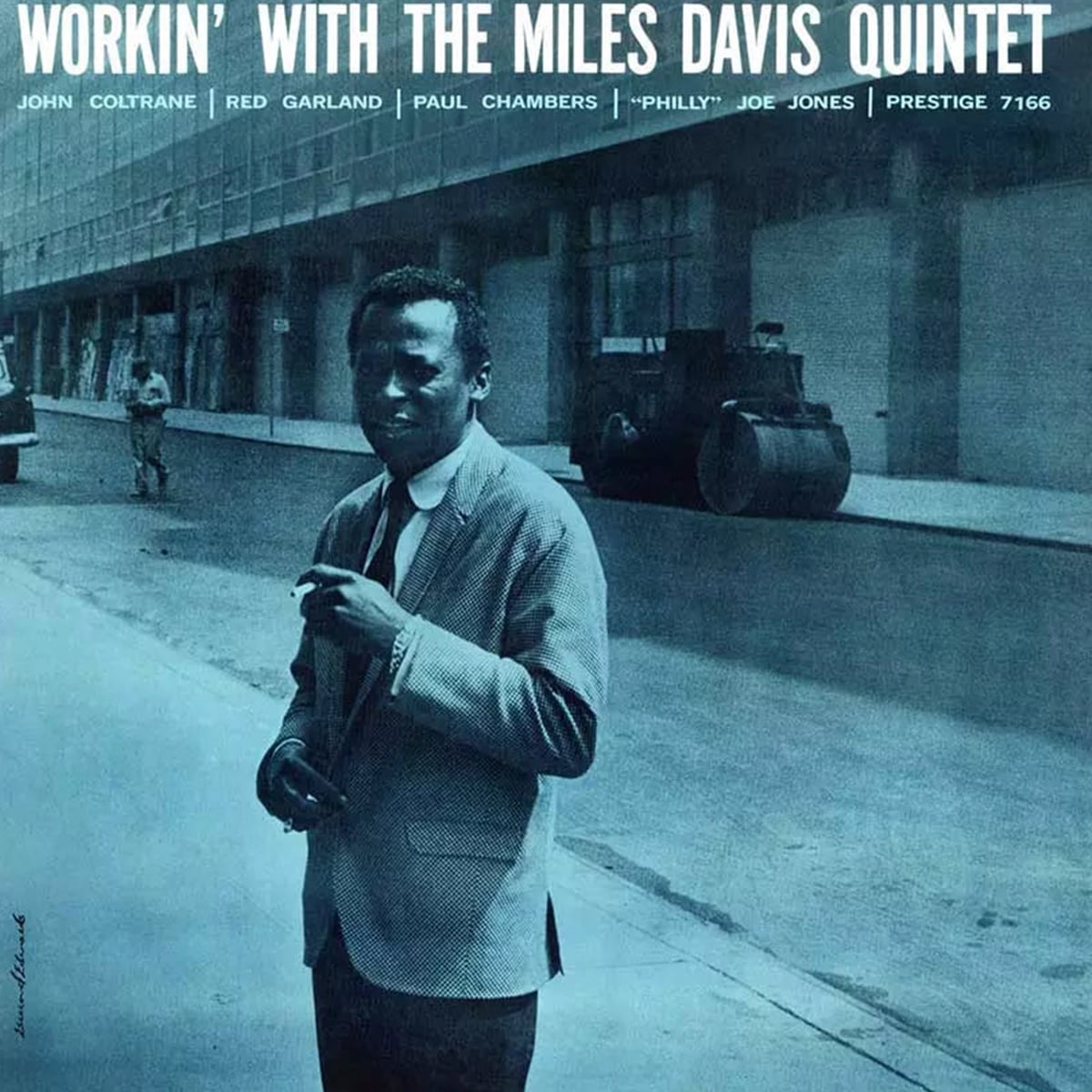
Transforming the 1940 Rogers and Hammerstein show tune into one of his prime 1950s gems was a strong talent of Davis’, creating an intimate and yet swooping and tender balance against the subtle piano background. The whole point, in his opening notes, is that his sound is the opposite of a musical theatre song, at least in the most conventional form.
Yet as Davis glides his way through that first initial melody, there’s something immediately captivating that needs no words to understand. It’s a release of breath, the shutting of a door, and finally getting a moment to be alone. No one needs to be technically gifted in the musical realm to appreciate the sonic sucker-punch that he single-handedly commands.
‘Someday My Prince Will Come’ – 2:30 – 2:40
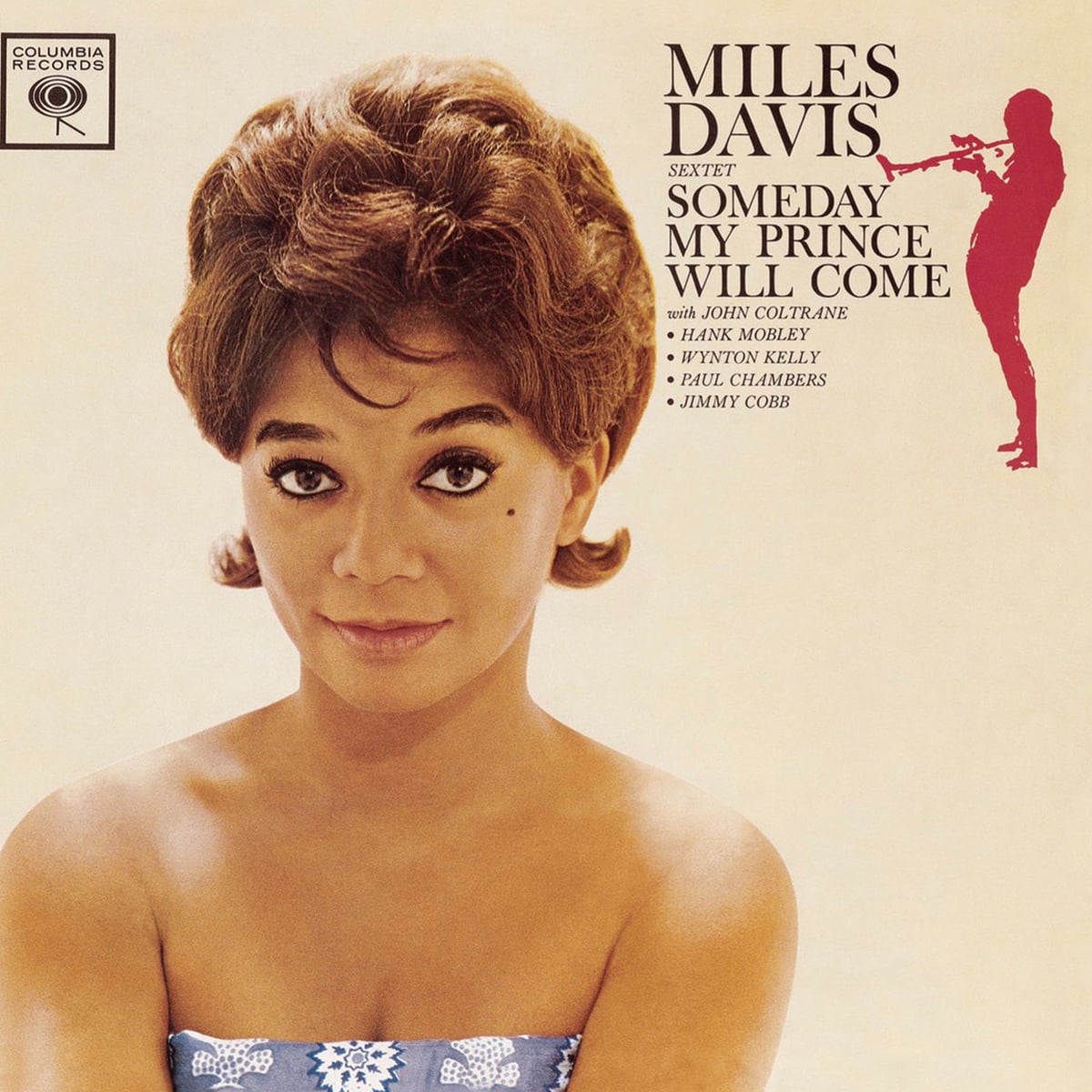
The image of Davis grooving to some jazz with Snow White and the dwarves is a lot more entertaining than it should be, but that aside, when he recaptured the Disney classic for his 1961 album of the same name, he needed none of that childish wonder to create true magic. He and his trumpet would do.
Only a small snippet of Davis’ solo on the song demonstrates just what the power of his musicianship meant. Of course, this was far away from the land of fables and fairy castles, but in a lot of ways, his blistering blowing of the notes marks a punctuation that songs of that type often lack. Here he was, bold and unforgiving, and not some product of whimsy.
‘Stella By Starlight’ – 0:09 – 0:19
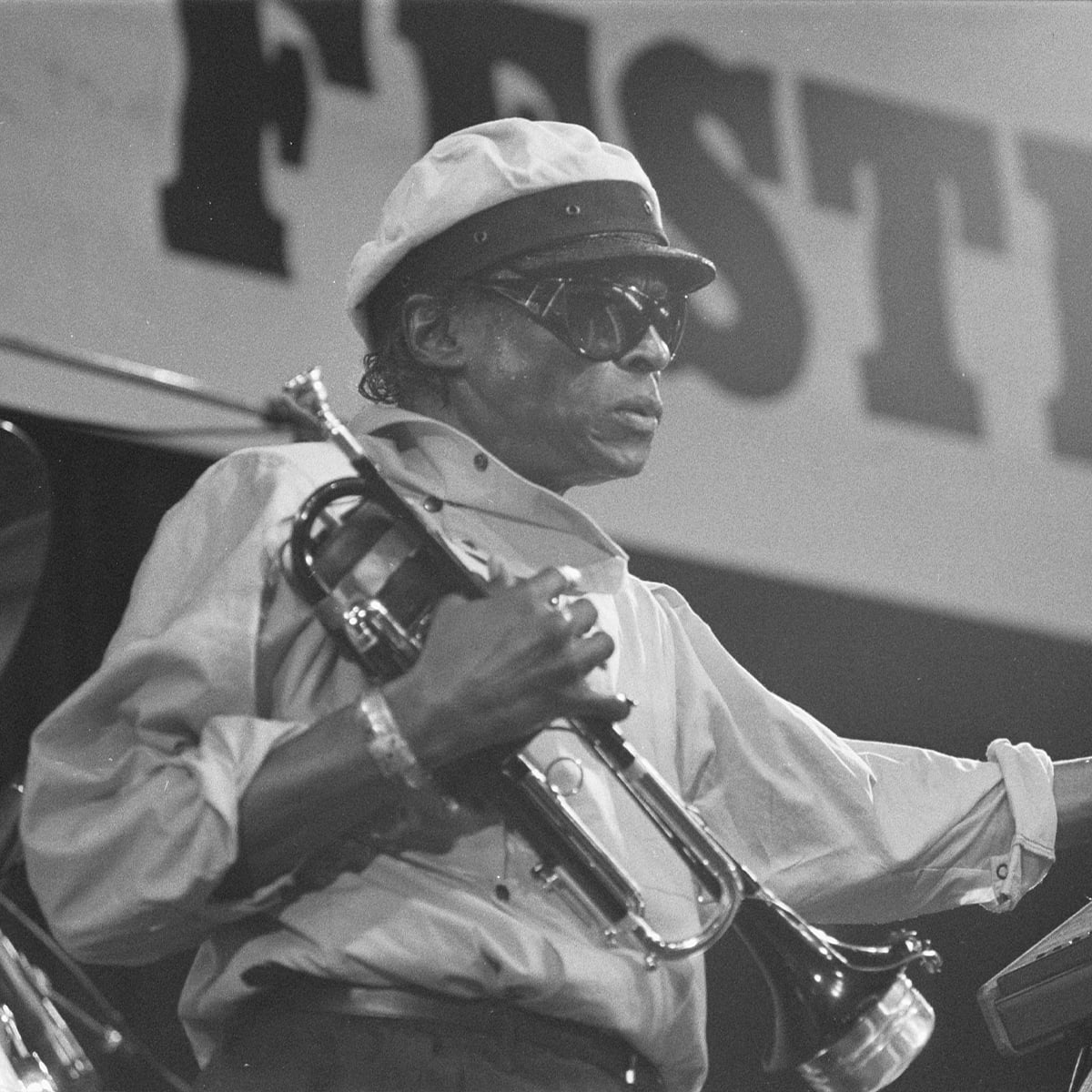
The streets of Paris, a candle-lit dinner, or even just the bubble of your own home. Nothing was too much of a challenge for Davis to cultivate a romantic air, which he did by the dozen on ‘Stella by Starlight’. That delicious opening is the musical equivalent of a red wine sliding down the throat, so delicate and yet unmistakable at the same time.
It is clear that Davis needs no elaborate metaphors to describe his talent, however. He can simply exist, even decades after his death, in the truly intriguing and beguiling style of his musical play, that irresistible tone, and purely unique cadence. These are snapshots of songs, talents, and eras, but ‘Stella By Starlight’ ties it together as a real romantic soul looking to share his gift with the world.
