


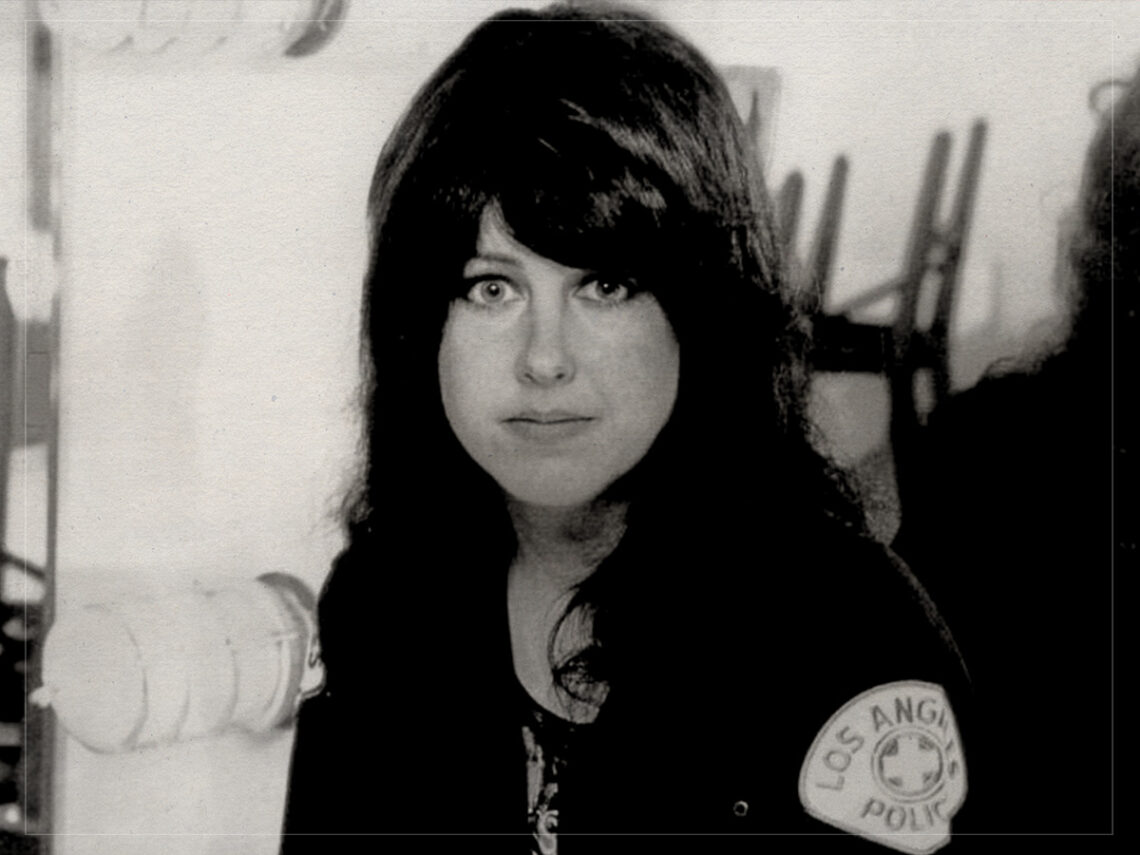
“Don’t make it Spanish”: The 1960 album that has never left Grace Slick’s head

There comes a moment in the life of every great songwriter when they hear something that completely changes their outlook, not just on songwriting but on life itself, forevermore. Even in the midst of her acid-hazed golden age at the heart of the hippie counterculture, there was one record that acted as a guiding light for Grace Slick.
As key bastions of the newly emerging realm of psychedelic rock back in the 1960s, there weren’t many bands around that drew easy comparisons to Jefferson Airplane. With the infallible vocals of Slick at their forefront, the San Francisco outfit reigned supreme over the ever-expanding hordes of tripped-out, politically-conscious, outcasts and misfits relocating to the artistic heartland of the Bay Area during the counterculture age. Like any great rock band, though, their influences were far more wide-reaching than their hippie reputation gave them credit for.
Inevitably, as with every rock band on the face of the Earth, the Airplane was indebted to the pre-existing realm of the blues, but they also owed a lot of their more experimental influences to jazz, hence the vast improvisations and expansive psych odyssey that permeated through many of their live performances.
While Grace Slick’s contributions to the band were largely limited to her vocal prowess, she did also write a plethora of their best-loved tracks, all of which were apparently indebted, in one way or another, to jazz legend Miles Davis.
Particularly during the 1960s, Davis’ influence on the musical landscape was inescapable; an artistic perfectionist with an unparalleled penchant for innovation and breaking down musical barriers, it is no surprise that his work appealed to the countercultural sect that included Slick and Jefferson Airplane.
In many cases, though, the vocalist’s love for Davis became a hurdle to overcome when it came to songwriting. “Usually it’s when you’re young that something grabs onto you, like Miles Davis, Sketches of Spain,” she shared in a 2003 interview. “That album got right into my head and never left. When I sit down and try to write a song, I’d have to go ‘Grace, don’t make it Spanish’. Some stuff just grabs you and won’t let go; drugs, music, men [laughs], whatever.”
Unleashed in the summer of 1960, when Slick was aged 20, Sketches of Spain revolutionised Davis’ discography, and had a lasting impact on the jazz world too. Combining the trumpeter’s distinctive style with the traditional Spanish folk and classical music that he was becoming engrossed in, the album was quite the departure from Davis’ previous work, but that didn’t stop the LP from becoming a fixture of Grace Slick’s life and listening habits.


Admittedly, it is difficult to find too much connection between Sketches of Spain and Slick’s greatest songwriting efforts, like the hippie psychedelia standards ‘White Rabbit’ or ‘Somebody to Love’, but it would appear that Davis’ European era was very much lodged in her mind during the writing of those masterpieces.
Unsuspectingly, then, it seems we have Miles Davis to thank for providing inspiration to some of the greatest psych songs of all time, even before his own psychedelic explorations on records like Bitches Brew.
