


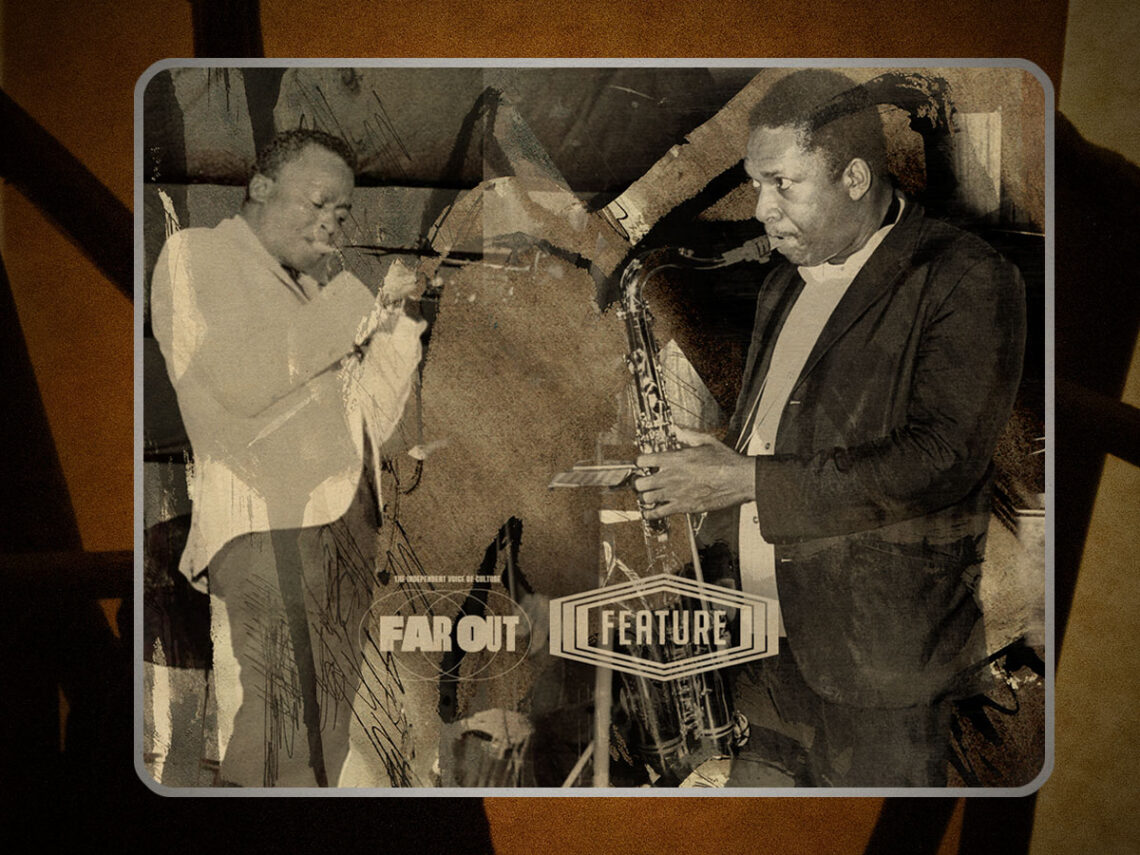
Silence, smack, and a new shade of blue: How Miles Davis and John Coltrane learned to work together

In 1953, around the time his debut album on the Blue Note label was confirming his reputation as one of the most exciting new jazz trumpeters on the scene, Miles Davis found himself alone on a train from California back to his hometown of East St Louis, Illinois, deep in the throes of heroin addiction.
Unable to play, a bandmate had slipped him a hundred bucks to go home and get himself clean, and so Davis spent almost two weeks in bed at his father’s farmhouse, suffering from what he likened to “a bad case of the flu, only worse”, as later described to Ebony magazine. Toward the end of the withdrawal, “My pores opened up, and I smelled like chicken soup”.
“It takes forever to kick it,” he told a United Press reporter over 30 years later, “I’m still kicking it now”.
Davis wasn’t unique for falling under the pull of ‘smack’, the drug that decimated the jazz world and cut short countless careers in the ‘50s. He was one of the lucky few, however, who was able to rebound from his addiction and completely rededicate himself to his art. Music scratched all the obsessive itches that heroin had, and far more, and by 1955, Davis was on a prolific creative streak, releasing a string of great records and collaborating with various stars of the day, including Sonny Rollins, Charles Mingus, Horace Silver, and Thelonious Monk. In September of ‘55, though, he found himself trying to piece together a brand new band; Sonny Rollins was in recovery for his own heroin addiction, so a sax player was the first order of need.
An imposing fella from Philadelphia was brought over to New York for a try-out of sorts, a 28-year-old John Coltrane, a player with some noteworthy credentials, including some sessions with Dizzy Gillespie back in the day, but not much of a wider reputation. In the storybook version of Coltrane’s first meeting with Davis, a lightning bolt of mutual admiration would have struck both men instantly, but it didn’t play out that way. Coltrane was nearly seven years into his own heroin addiction at this point, and his energy wasn’t meshing with Miles’, so both artists initially decided to go their separate ways, but Davis eventually called him back, more out of necessity, and asked him to join his new quintet on tour, starting with a gig in Baltimore.

“We practically had to beg him to come join the band,” Davis later wrote in his 1989 memoir Miles, suggesting Coltrane was being intentionally aloof in a “playing hard to get” sort of way. Soon enough, the doubt coming from both camps was set aside. “As a group, on and off stage, we hit it off together,” Davis recalled, “And faster than I could have imagined. The music we were playing together was just unbelievable… I knew that [Coltrane] was a bad motherfucker who was just the voice I needed on tenor to set off my voice.” Miles was quite blunt about his assessment in retrospect: “The group I had with Coltrane made me and him a legend”.
After causing a small sensation in every club they played over the next few weeks, the New Miles Davis Quintet, as they were called, recorded their first album in November of 1955, and it was basically off to the races from there, as the men who would become the two most celebrated horn players of their generation figured out how to occupy the same space together as true collaborators.
The dynamic, from an outside perspective, was that Coltrane was one of Miles’s hip new discoveries; a youngster that Davis recruited and took under his wing. In reality, the two men were the same age, both born in 1926, but at very different status levels in the business. Coltrane, who was routinely strung out and struggling with self-doubt, highly respected Davis’s position as the band leader and hoped to learn from him and deliver the performance the music demanded. As a lot of Davis’s collaborators would learn over the years, though, the tightness of the band sometimes had to emerge organically, as Miles wasn’t the type to instruct his troops or outwardly choreograph their moves.
In an interview with the French magazine Jazz Hot in 1962, Coltrane described Davis as “a strange guy. He doesn’t talk much, and he rarely discusses music. You always have the impression that he’s in a bad mood, and that what concerns others doesn’t interest him or move him”. He acknowledged that it was “very difficult” to confidently sense what Davis wanted him to do from one moment to the next, so he just learned to trust his own instincts after a while, especially when any questions he asked seemed to rile up Miles even more.
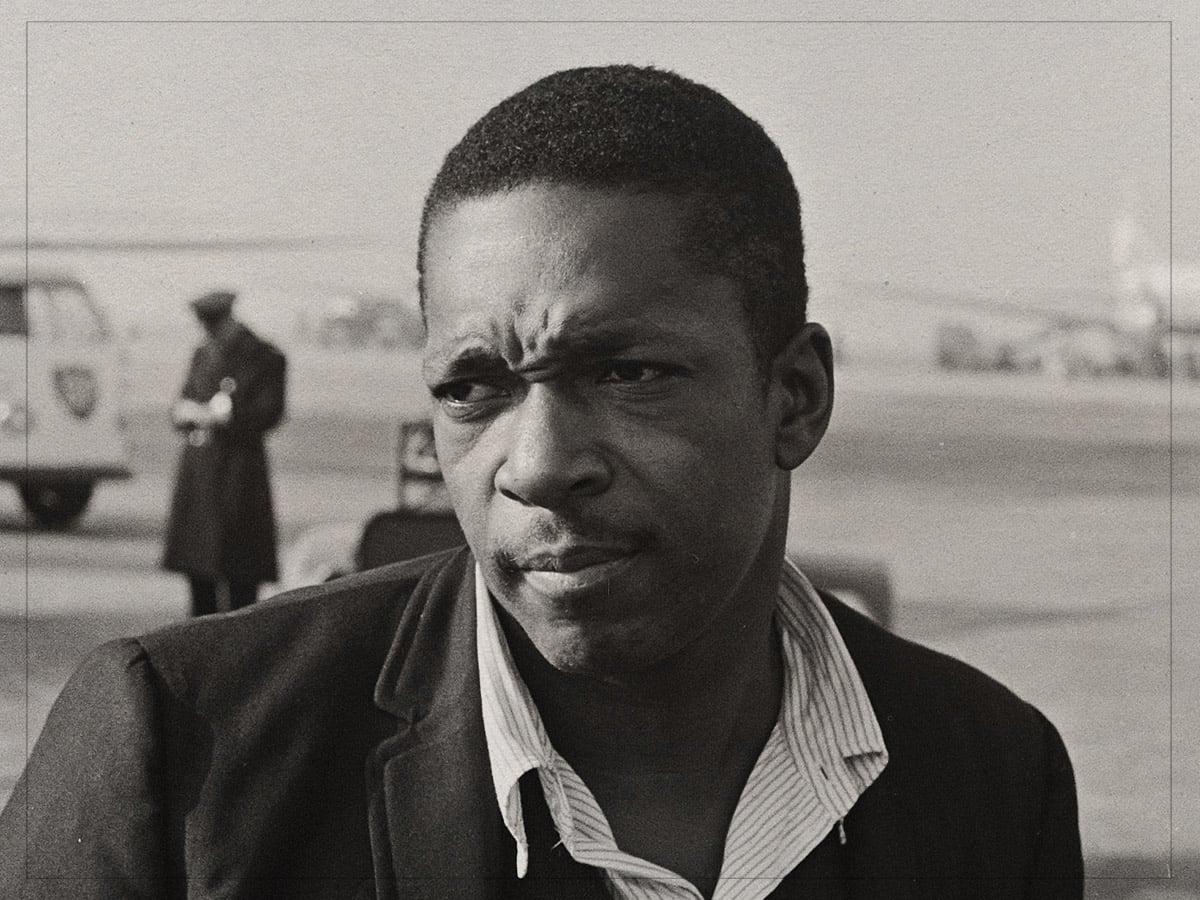
“’Trane liked to ask all these motherfucking questions back then,” Davis wrote in his autobiography, “About what he should or shouldn’t play. Man, fuck that shit; to me, he was a professional musician, and I have always wanted whoever played with me to find their own place in the music. So my silence and evil looks probably turned him off.”
Coltrane, a far more mellow cat than Davis, according to just about anyone who knew them both, was indeed a bit thrown off, if not thoroughly annoyed. “Miles’s reactions are completely unpredictable,” he said, “He’ll play with us for a few measures, then, you never know when, he’ll leave us on our own. And if you ask him something, you never know how he’s going to take it. You always have to listen carefully to stay in the same mood as he!”
Some of Davis’s negative behaviour toward Coltrane, in retrospect, could have been a case of one ex-junkie observing another junkie and struggling not to see himself reflected back. Coltrane hadn’t yet had his proverbial “chicken soup” moment and was instead using wine and beer to compensate for any attempt he made to reduce his heroin use. His playing and technical craft suffered as a result through much of 1956 into 1957, and Davis’s patience began to wear thin. “He’d be playing in clothes that looked like he had slept in them for days,” Davis wrote of Coltrane, “all wrinkled up and dirty and shit”.
Coltrane was trying desperately to get his life back on track, but by the end of April 1957, Davis had decided to sack him from the band, along with drummer Philly Joe Jones, who was also using. Rather than being devastated by the firing, he was doubly motivated by the humiliation and went cold turkey the next month. Around the same time, he claimed to have had a spiritual awakening, in which he asked God for the ability to find grace through his music. It proved to be a summer of dramatic change for ‘Trane, as he was invited to join Thelonious Monk’s band, then recorded his own debut album as a band leader, titled simply Coltrane, which was released on the Prestige label in October ‘57, and one of his finest early recordings, Blue Train, came out just a few months later.
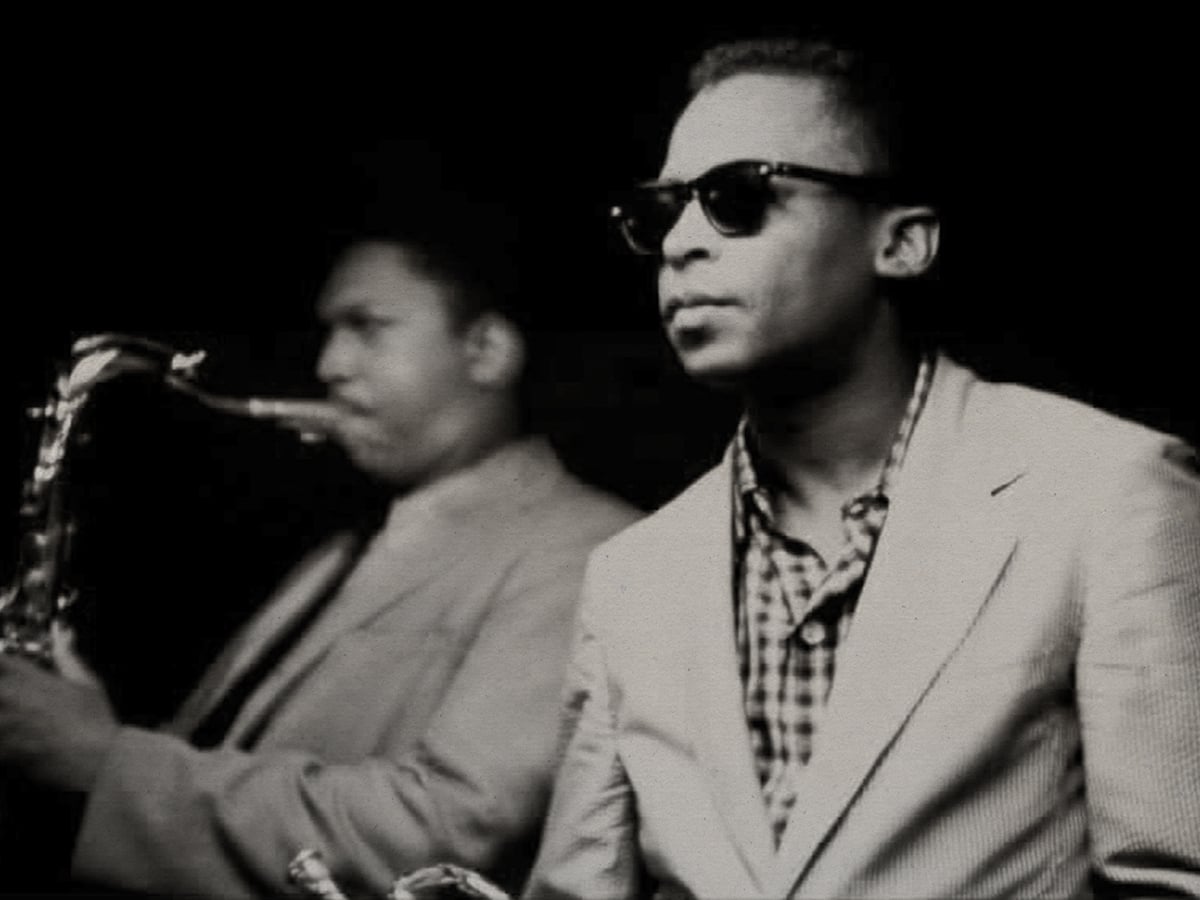
The Davis/Coltrane partnership, which looked like it had flamed out before reaching its potential, was soon reborn once Miles was fully convinced that John had kicked the habit and was ready to step up to a new challenge.
The version of Coltrane that rejoined Davis’s band in ‘58 was a totally different customer than the one who’d been booted out a year earlier. He was off the smack, focused, more confident, and operating on a much higher level thanks to the influence of Monk and their time together. Miles knew he had lightning in a bottle this time, and the renewed collaboration reached its apex on 1959’s all-time classic record Kind of Blue, with Bill Evans’ piano work unlocking another sonic cheat code, essentially tying a bow on the bop jazz sound of the ‘50s and paving the way for the new adventures of the 1960s.
By now, the whole world recognised Coltrane as a major talent with a bright future ahead of him, and rather than trying too desperately to keep the sax player in his own crew, Davis helped his blossoming colleague secure a new record deal with Atlantic, leading to Coltrane’s proper and permanent fledgling flying from the nest on his groundbreaking 1960 album Giant Steps.
Miles hadn’t been a mentor to Coltrane in the way that Thelonious Monk was: they didn’t have deep conversations about music or addiction, and there were no hugs after a good gig. What Davis did do was set a very clear and very high bar at an early stage in ‘Trane’s development, both musically and in terms of the level of concentration and presentation required to excel at the craft. It was a standard that inspired Coltrane and also knocked him on his ass a few times, usually for his own benefit in the long run.
Davis, meanwhile, got the unique opportunity to play with a fellow genius, and try as he might, he never did find another tenor sax player who could fill his shoes. According to an anecdote in the 1998 Lewis Porter book John Coltrane: His Life and Music, music critic Ralph Gleason once told Miles Davis in the early 1970s that he ought to hire “five tenors” to properly play his new brand of complex jazz fusion music. Davis’s deadpan response of “I had five tenors once” told Gleason that Miles was talking about Coltrane.
