


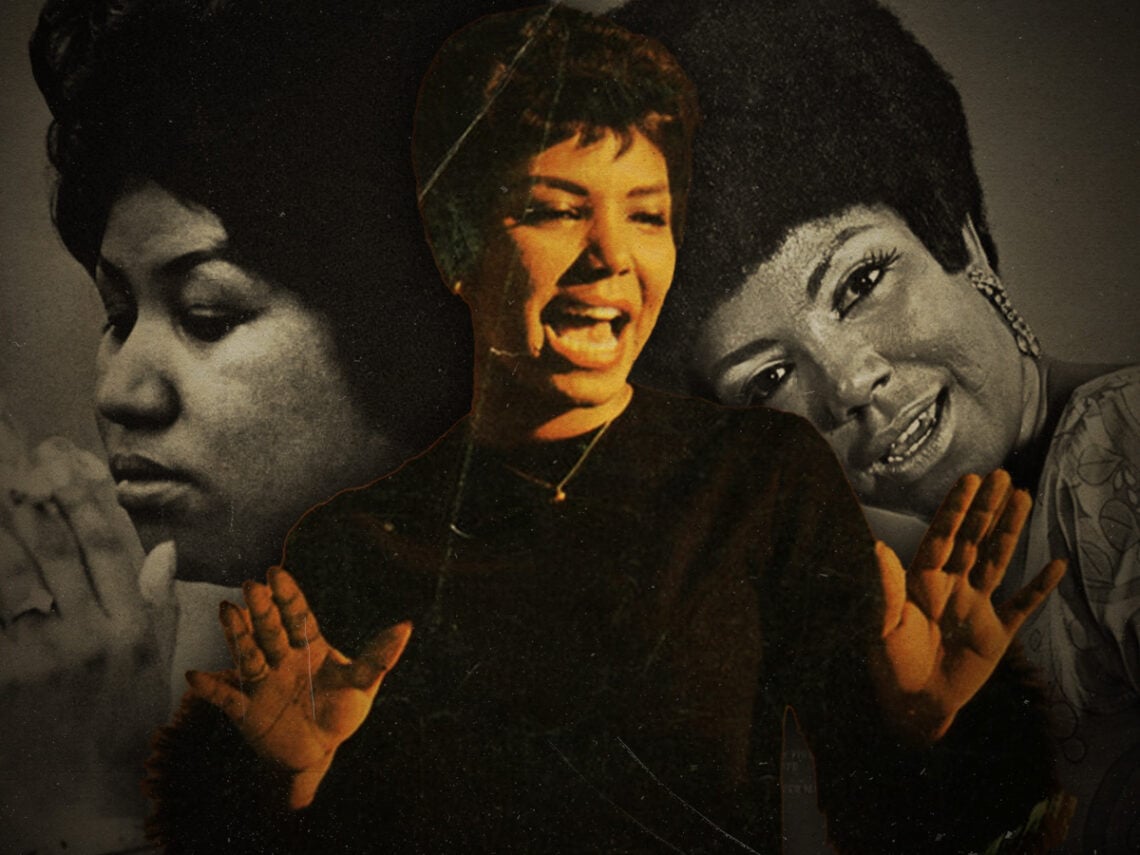
‘Her Name Is Erma’: the soul sister who lived in the shadow of Aretha Franklin

Sibling rivalries have a long-standing history within the music business, and whether it’s Ray and Dave Davies, John and Tom Fogerty, or Liam and Noel Gallagher, they are rarely as smooth sailing as the sibling relationship between Erma Franklin and her younger sister, Aretha Franklin.
An utterly unavoidable name, with a voice and a sensibility that truly embodied her ‘Queen of Soul’ reputation, Aretha Franklin is a hallowed figure within music history, and quite rightly too. Boasting an extensive, earth-shattering discography of soul excellence, Franklin changed the musical landscape entirely during the late 1960s, when magnum opus tracks like ‘Respect’ earned her the adoration of the masses. Nevertheless, she was not the only beacon of musical talent within the Franklin clan.
She was, after all, one of three sisters, and both Erma and Carolyn Franklin sang alongside Aretha during those early days at the New Bethel Baptist Church. In fact, when Atlantic Records made a star of Aretha, she called upon her siblings to provide backing vocals for a litany of her legendary hits. Yet, the pages of music history often seem to omit the respective careers of those sisters, dooming Erma Franklin to forever live in the shadow of her more successful sister.
Nevertheless, the discography of the eldest Franklin sister is well worth revisiting. It might never have rivalled the mainstream, commercial success of Aretha’s, and with only two studio albums to her name, that discography is far less extensive. In terms of quality-per-track, though, Erma Franklin is arguably among the greatest soul singers of the 1960s.
Erma’s recording career began around the same time as Aretha Franklin, with the appropriately titled Her Name Is Erma arriving in 1962 via Epic, just as her younger sister was making her first records for Columbia. Neither Erma nor her sibling, though, managed to break into the mainstream with those first records. Instead, it was during the late 1960s when they truly hit their stride, and Erma’s Soul Sister LP from 1969 remains a woefully underrated gem from that era.
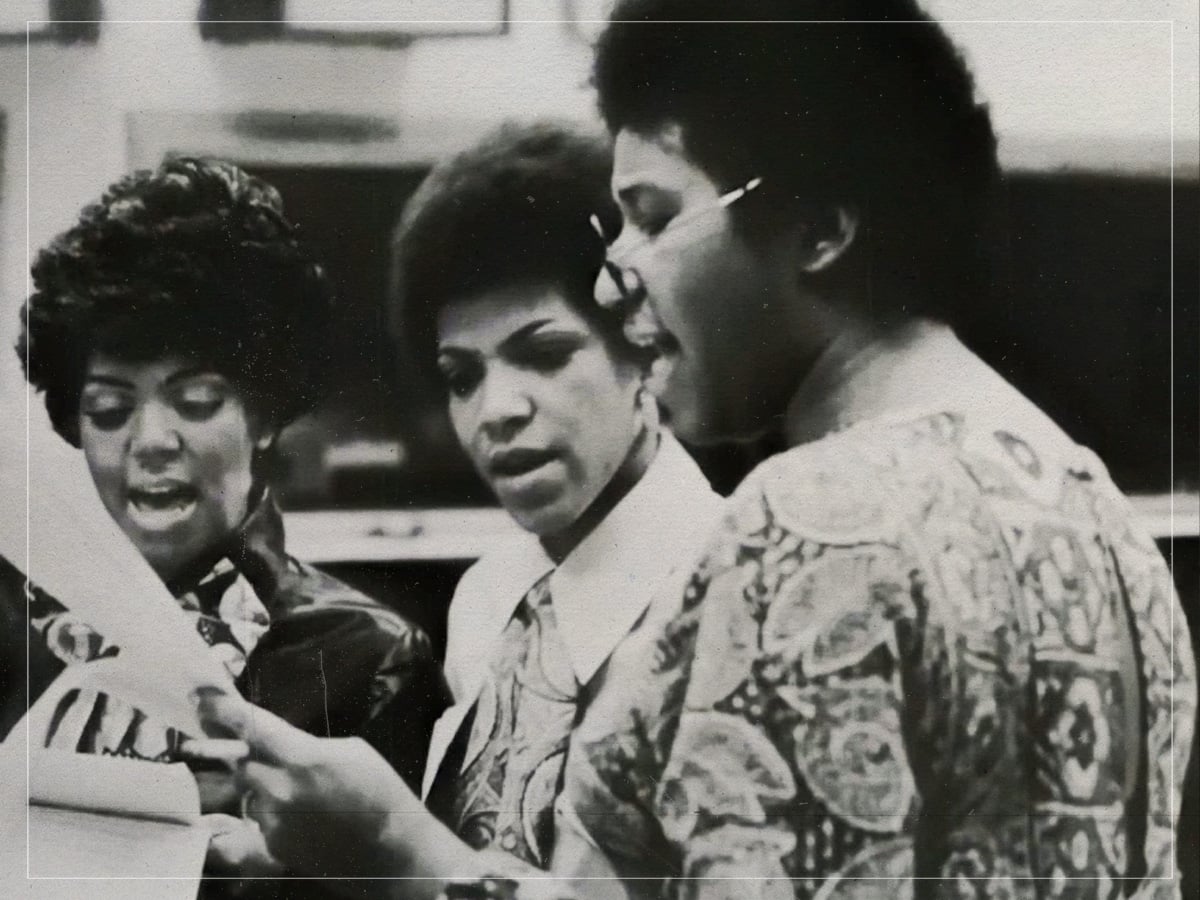
Perfectly positioned between the counterculture rock of the day and the defiant, liberating Stax soul that dominated the R&B charts at that time, Soul Sister balances a handful of original compositions with various cover versions. Some particular highlights include her reimagining of The Doors’ hippie anthem ‘Light My Fire’, and a particularly groovy take on the Sam and Dave Stax masterpiece ‘Hold On, I’m Coming’.
Perhaps most ambitiously, though, the LP also includes a few tracks that had been recorded by her sister, Aretha, too. Namely, Erma lends her voice to ‘Son of a Preacher Man’, a song originally written for her sister, even if it was first recorded by Dusty Springfield, and the album’s closer sees her give an updated rendition of one of Aretha’s breakout successes, ‘Baby Love’.

Covering Aretha Franklin is a virtual impossibility, even for the greatest of artists, as her vocal prowess and power are typically unmatchable, so the choice to record those tracks for Soul Sister is rather odd, particularly if Erma was hoping to escape from her sister’s shadow. The likelihood appears to be that the record label, Brunswick, were hoping to capitalise on the singer’s surname by shoehorning in a few Aretha tracks, but, against all odds, her recording of ‘Son of a Preacher Man’ is among the greatest triumphs on the album.
As for which version is superior, that is a debate that can and will rage on in soul circles for many more years, but Erma’s ‘Son of a Preacher Man’ is evocative of the rest of the LP’s tracklisting. There is an effortless power to her vocals, but also a relaxed sense of spontaneity that matches the psychedelic-age image that adorns the album cover.
Inevitably, the production from Brunswick is far less grandiose than the Muscle Shoals Atlantic Records sessions, which Erma was present for in years passed, but that slightly more stripped-back sound certainly works in her favour. Soul Sister is an album that beautifully reflects the musical landscape of 1969, even if it failed to make much of an impact on the musical history of that admittedly densely-packed year.
Bizarrely, one of Erma’s defining recordings, the original 1967 version of ‘Piece of My Heart’, the counterculture classic later adopted by Janis Joplin, never featured on a full-length LP, but the soul singer and her music career largely dried up after parting ways with Brunswick in 1970.
In the eyes of the music-listening masses, it is unlikely that Erma Franklin will ever truly be free of her sister’s shadow. For true soul devotees, though, records like Soul Sister and ‘Piece of My Heart’ will forever seal the fact that more than one musical master sat around the dinner table of the Franklin household.
