


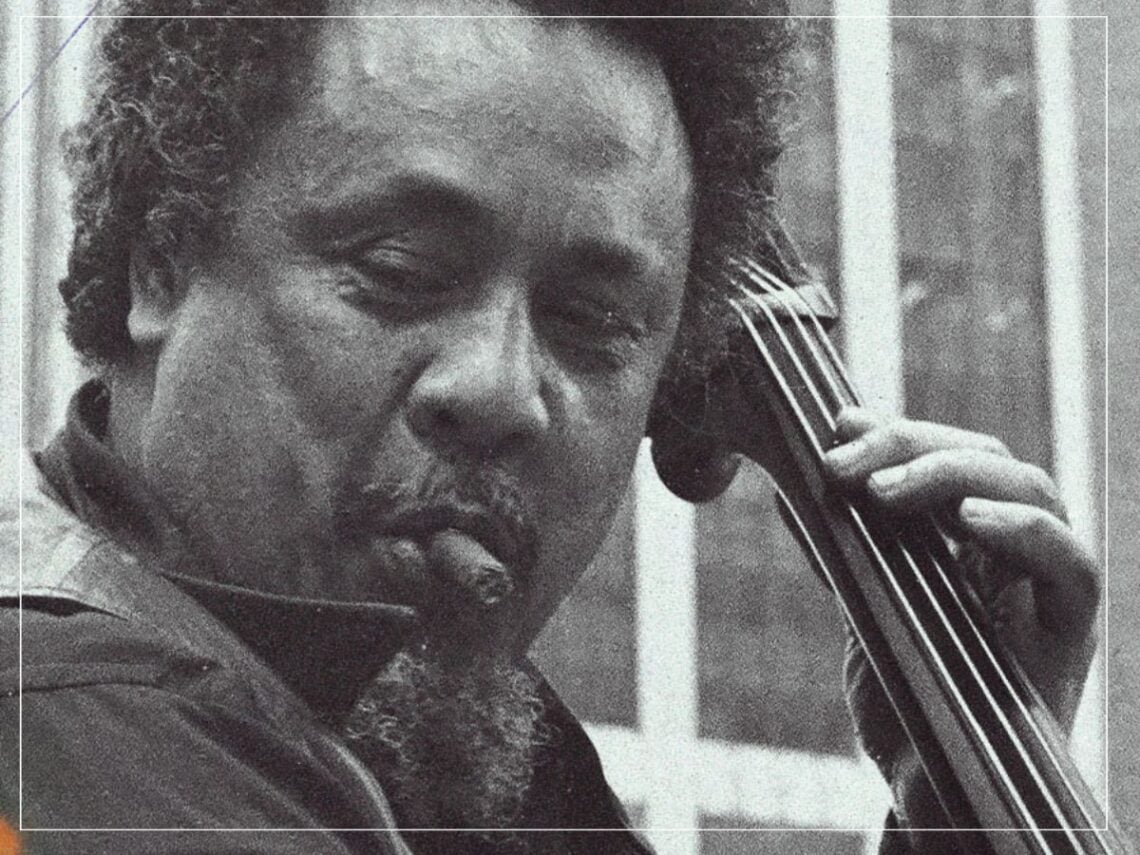
The jazz musician Charles Mingus called one of America’s greatest

It’s probably fair to say that even though many acclaimed jazz musicians frequently find themselves being named as some of the greatest instrumentalists of all time, they still have to put in a hard shift to get to the top of their game.
Having begun his career shortly after the end of the Second World War, bassist Charles Mingus had been present in the jazz world for a long time, and would have met many incredible musicians early on in his career while trying to navigate his own path to stardom. The success may not have been instant, but towards the mid-point of the 1950s, he began to gain a little more traction as a bandleader thanks to having patiently waited for opportunities to come his way.
His experience is similar to that of Miles Davis, an exceptional trumpeter who was simply a sideman in the early part of his career and struggled to gain a foothold in the music industry. As two artists who were constantly trying to push the boundaries of the genre, it’s understandable that they would have experienced a degree of pushback initially, but as people warmed to their ideas, things would begin to dramatically improve for them both.
However, this early struggle left Davis feeling impatient to find fortune, and his internal struggle with being on the fringes rather than receiving the utmost acclaim caused him to consider walking away from the industry entirely before his career had managed to take off.
While the paths of Mingus and Davis didn’t cross many times in this early ‘50s period, they recognised each other’s superlative abilities from the handful of exchanges that they had had. Eager to convince Davis not to take drastic measures and curtail his career while he recovered from a heroin addiction that had led to him taking a brief break from recording music, Mingus chose to write an open letter to Davis that was published in the November 1955 issue of Down Beat Magazine.
“I know you’re making a comeback, Miles, and I’m with you more than you know,” the letter read. “You’re playing the greatest Miles I’ve ever heard, and I’m sure you already know that you’re one of America’s truly great jazz stylists. You’re often fresh in a creative sense and, if anything, you underevaluate yourself—on the outside—and so with other associates in the art. Truly, Miles, I love you and want you to know you’re needed here, but you’re too important a person in jazz to be less than extra careful about what you say about other musicians who are also trying to create.”
Of course, Davis eventually chose not to give in, and found himself abandoning the bebop style that he’d been operating in up until that point, where he went on to release ‘Round About Midnight in 1957, perhaps the first example of him flourishing to the best of his ability. From this point, he continually reinvented jazz as a genre for the next three decades, and became a major proponent of modal jazz and jazz fusion at later points, for which his endeavours received universal praise.
Mingus arguably turned out to be just as formidable in his own way, but as is so often the case, greatness has a habit of recognising greatness. While it took Davis some time to see it in himself, Mingus was certainly of the opinion that he was perhaps the most naturally gifted jazz musician in America, and it arguably remains the case that there hasn’t been another like him since.
