


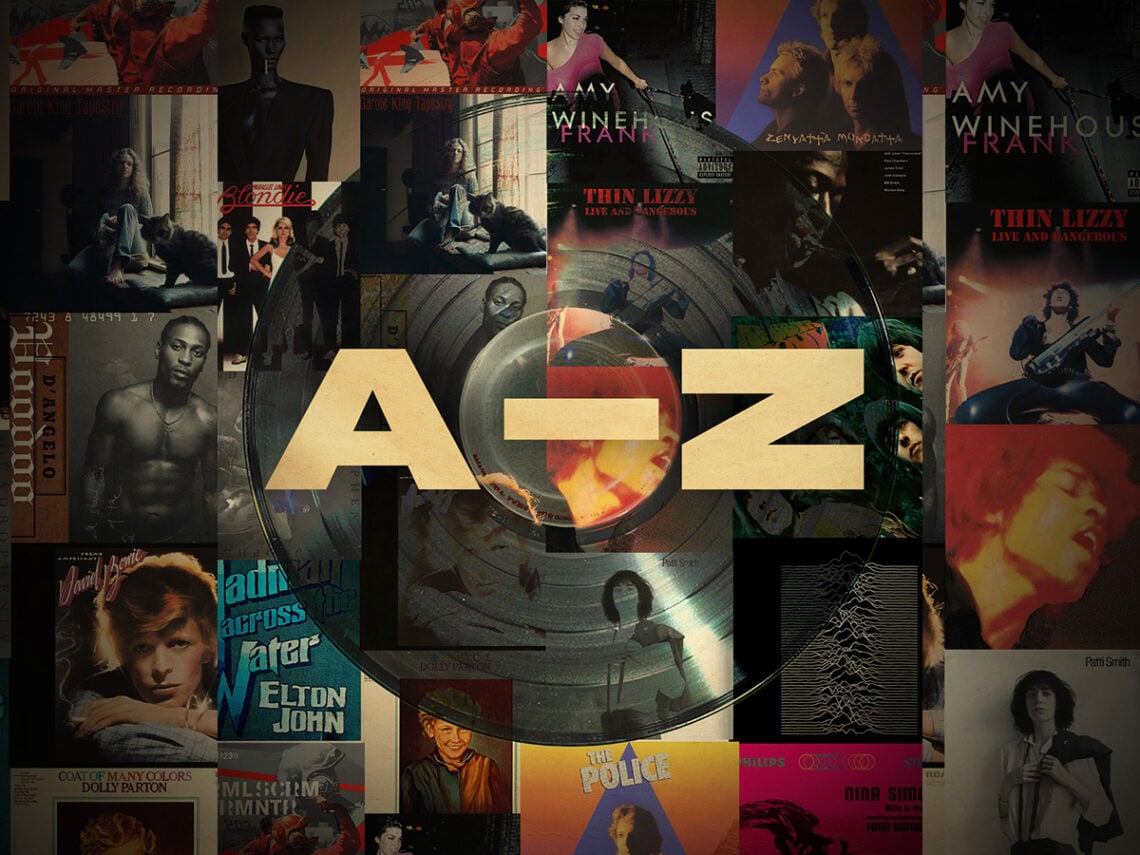
The A-Z of albums: the best record for every letter of the alphabet

Don’t believe everything you read: when it comes to music, it’s impossible to definitively rank anything in a correct order.
That statement might seem at odds with everything we seem to see and hear nowadays, with every album pitted against another, and nothing feels right in the world if it isn’t ranked in an order from worst to best. Yet, at the same time, there’s something that just feels satisfying about the whole concept, something complete.
The risk you run, though, is that if you put yourself under such strict parameters, you miss the chance to consider so many great things. Numbers are so restrictive, after all, so why not give letters a chance? Running from A to Z not only feels equally comprehensive but also forces you to open your eyes along the journey.
So, this is the chance to explore. From American Idiot to Zenyatta Mondatta, this is the music lover’s building blocks to learning. They’re foundational, pivotal, and the key to everything you will ever need to know for the rest of your life. The alphabet of albums is a collection of 26 records that speak for themselves.
From pop to classic rock to jazz and neo-soul, no stone has been left unturned. This A to Z of the best album for every letter of the alphabet is the essential dictionary for every music lover, for every taste and every era.
The A-Z of greatest albums ever made:
A
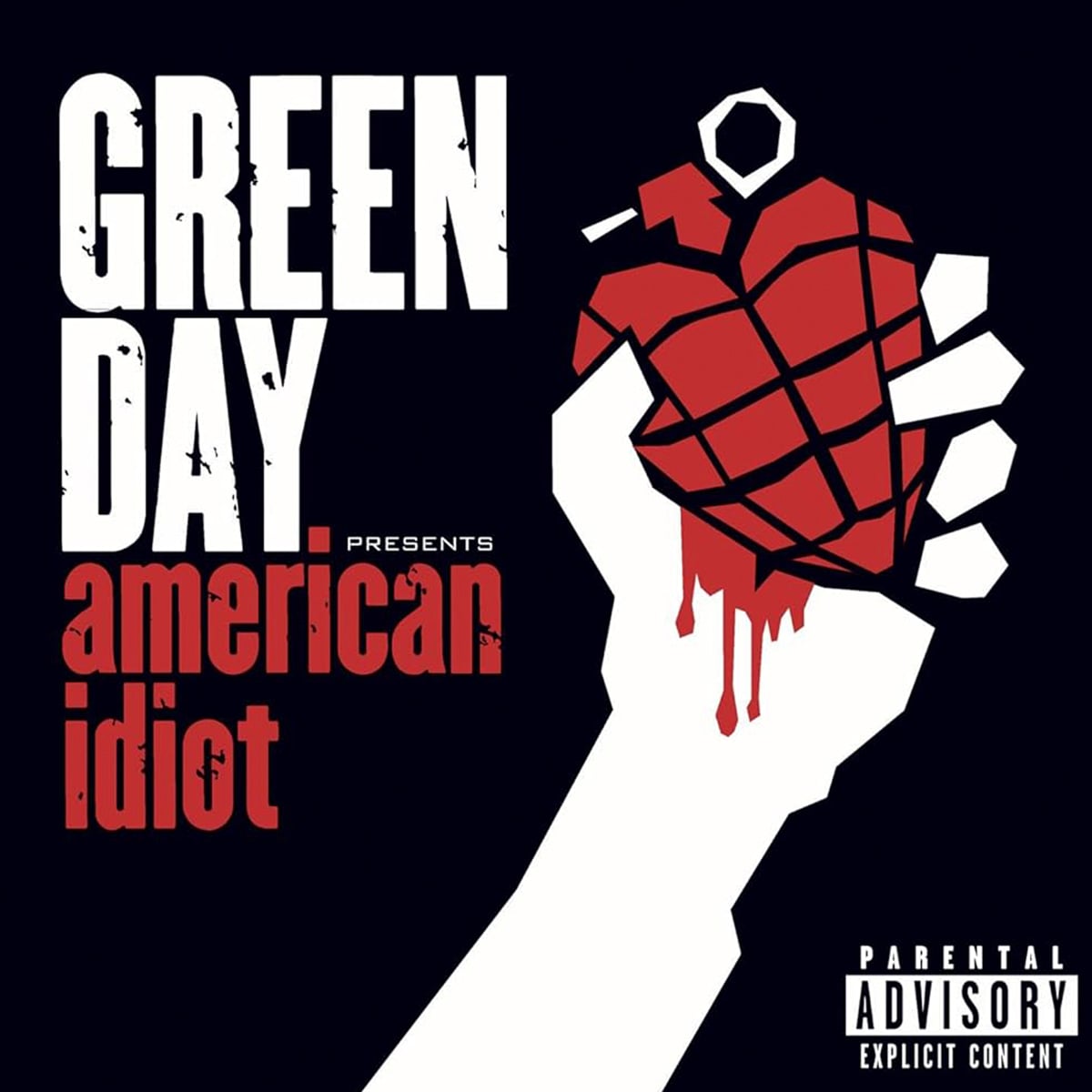
American Idiot – Green Day
The “subliminal mind-fuck America” was certainly a powerful way for Green Day to turn heads just over 20 years ago, but oddly enough, there’s an argument to suggest that depressingly, American Idiot is perhaps more resonant to society now than it ever was back then. It was a disillusioned youth being galvanised into action, and by God, do we need that again.
Green Day didn’t realise that at the time that they needed to look out for number one, first and foremost. After the forecasted success of their previous album, Warning, had failed to bring the sun, tensions were rising and they had to go back to basics to sort things out. Thankfully they did, because in returning to the drawing board they created one of the most defining albums this century.
B
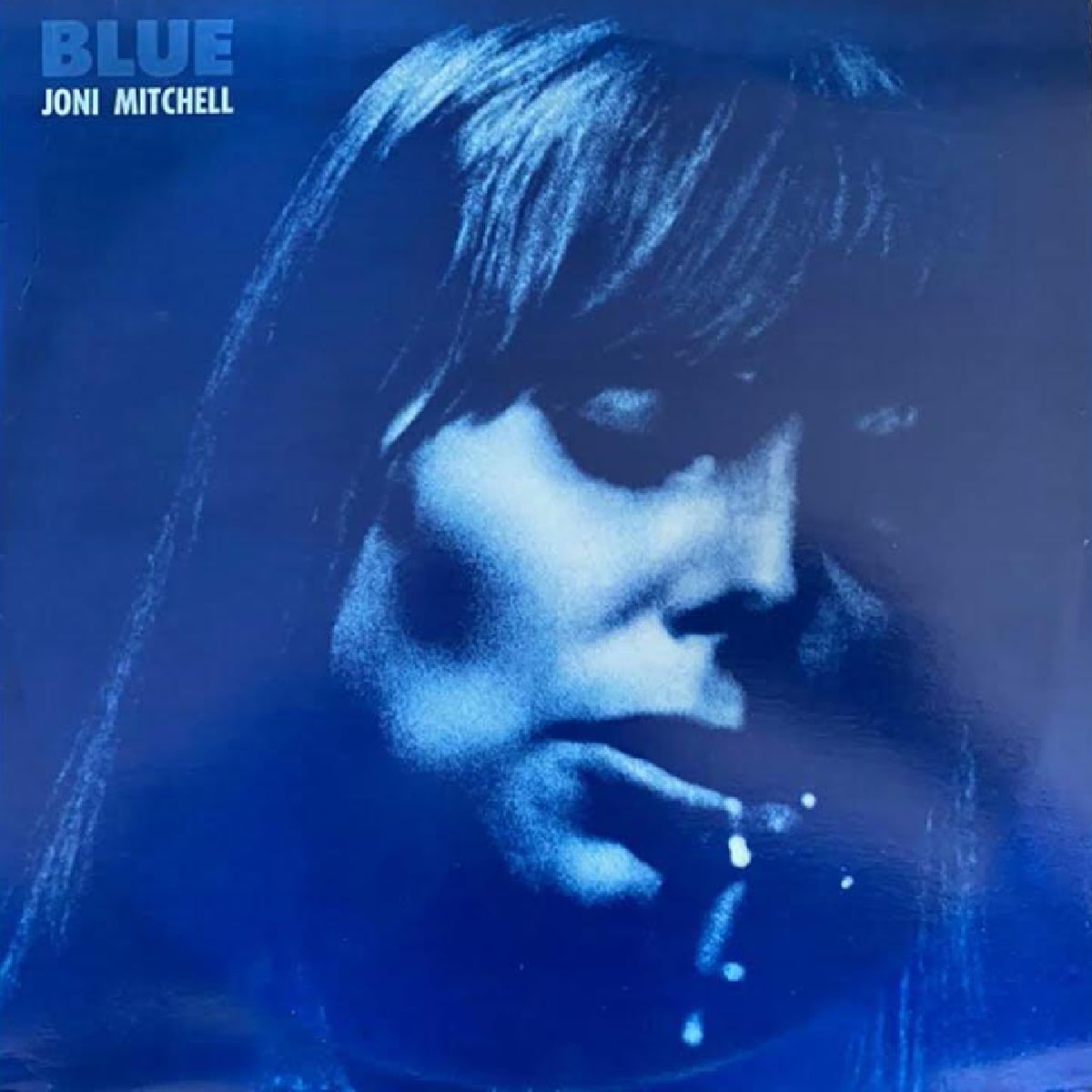
Blue – Joni Mitchell
For any music fan worth their salt, Blue is drummed into them as the blueprint, if you’ll pardon the pun, of everything that a songwriting masterclass should be. It’s classic Joni Mitchell style to be completely off-the-cuff but still be considerate about all the tiny details of her work. That is the precise ingredient that makes the 1971 album so genius.
A record like that is the absolute epitome of the old adage that less is more. It’s only ten tracks long, and no individual song is any longer than four-and-a-half minutes. But even in just that short span of time, Mitchell is masterful enough to create a world that people fall in love with time and time again, even if it breaks their heart a little bit at the same time.
C
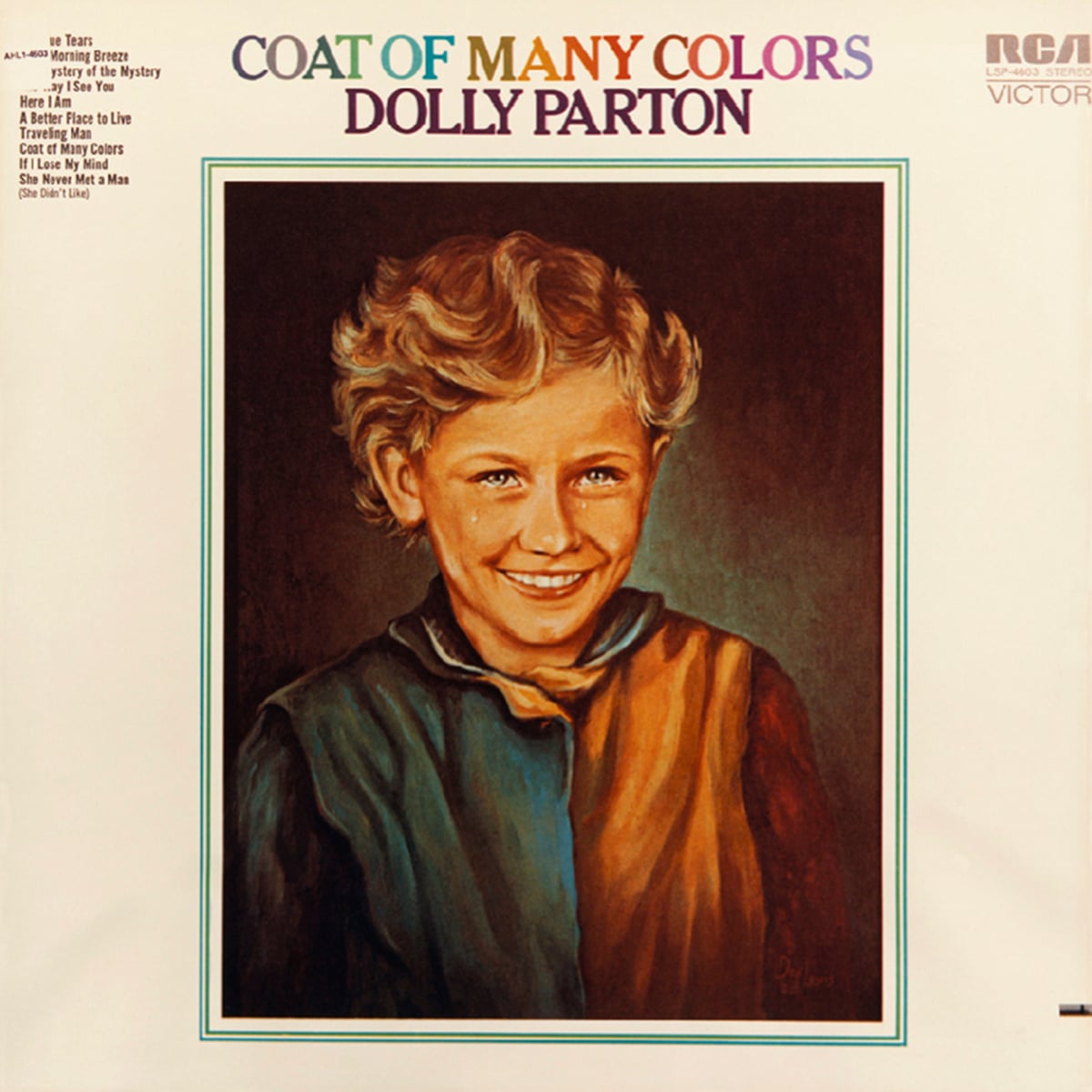
Coat of Many Colors – Dolly Parton
It may not be one of the more obvious offerings from Dolly Parton, but it stands to reason that Coat of Many Colors is actually one her greatest efforts as a songwriter. Released in 1971, it came long before the energetic heights of 9 to 5 or Jolene, but still left its mark in no less important a way than the others.
The title track in particular represents perhaps Parton’s most tender opuses, and self-admittedly has become one of her personal favourite gems in her entire storied songbook. In this sense, if the artist’s heart has remained in one place for so long, it’s easy to see how the acclaim kept rolling. It won ‘Album of the Year’ at the Grammys in 1972, and is cited among the best of all time.
D
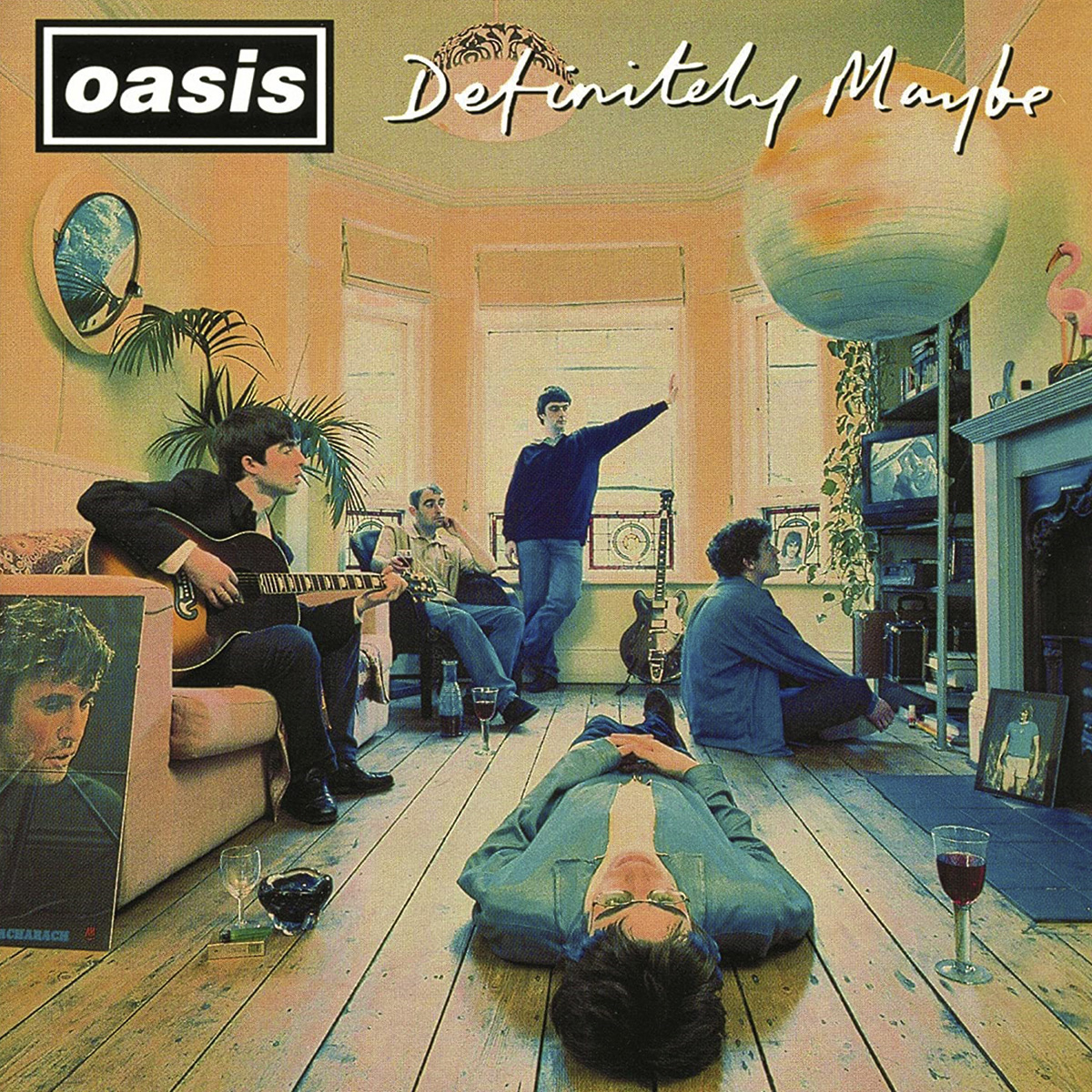
Definitely Maybe – Oasis
In many ways it would feel unfair to create a list of definitive albums without at least making a mention of the Britpop heavyweights of the world, back in the ring three decades later for their knockout round. But when you think of modern classics, there’s nothing more reverential than the heights of Oasis’ Definitely Maybe.
The 1994 debut opus actually seems quite unfathomable when you actually stop to consider it. How is it, when the world is full of so many dud artists these days, that a group of kids from Manchester can create a ‘Live Forever’ on their first run around the block? Or a ‘Rock n’ Roll Star’? Or a ‘Supersonic’? It’s just not fair!
E
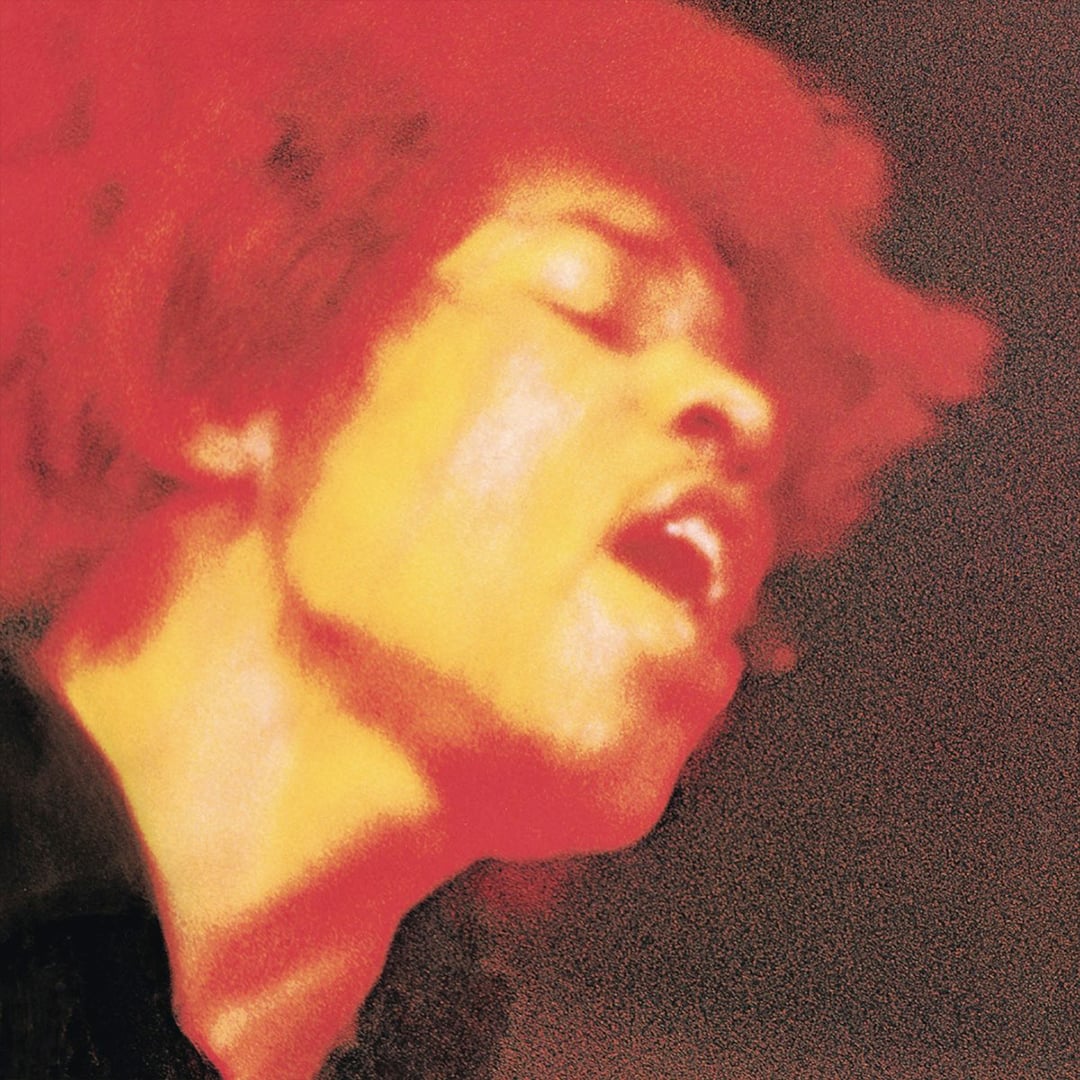
Electric Ladyland – The Jimi Hendrix Experience
Speaking of unfair, there’s nothing that can ever possibly match the level, in a guitarist’s world, of the magic and mastery shredded on the fretboard by one Jimi Hendrix. As much as Electric Ladyland was the swan song from his Experience venture, the lasting legacy spoke for itself. It confused people, but it also enamoured them.
Indeed, it actually seems more confusing now, with our benefit of contemporary hindsight, to think that critics were a little dumbfounded by Electric Ladyland upon its release. It was 1968, after all; surely they were more than used to hearing a guitar by now? But that was the thing about Hendrix: no one had ever played it like him, and for that, all that the masses could do was watch in awe and learn.
F
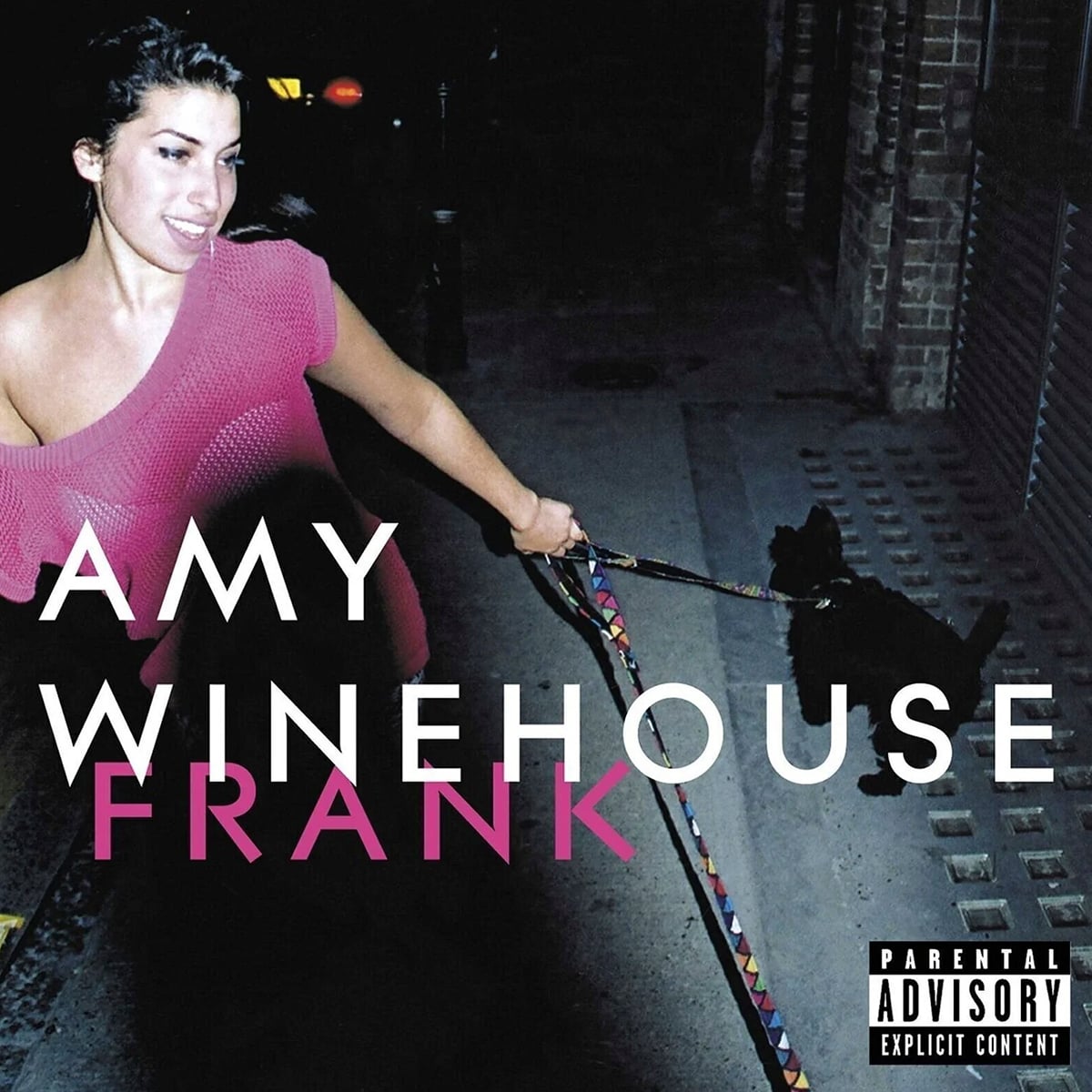
Frank – Amy Winehouse
Yes, of course, of Amy Winehouse’s two album efforts, Back to Black is obviously the more seminal one. But at the same time, you could argue that there would be no Back to Black if it wasn’t for its three-year predecessor Frank, which still takes the crown, 23 years after its release, of being one of the most underrated gems of all time.
With songs that would still make it into Winehouse’s classic canon, like ‘Stronger Than Me’ and ‘Take The Box’, it isn’t as if the prestige of Frank is completely unheard of. Even still, its mastery has something of a diamond in the rough quality that deserves credit; it’s raw, unpolished, and real, just how Winehouse herself was, both in the glare under the spotlight and beyond it.
G
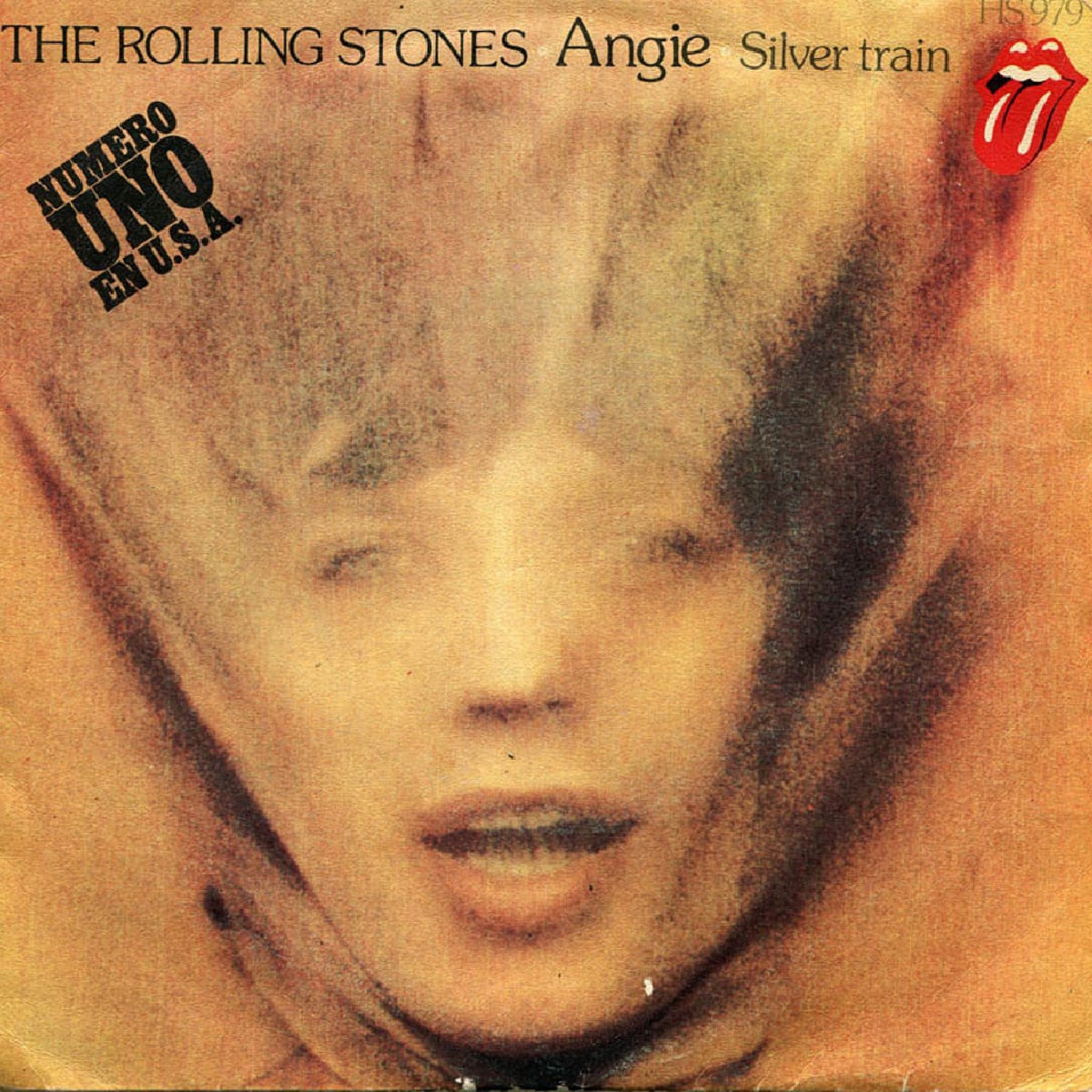
Goat’s Head Soup – The Rolling Stones
Goat’s Head Soup was, admittedly, a little bit of a gory affair for The Rolling Stones. After a hugely acclaimed streak, culminating in their previous album Exile on Main St in 1972, they remained their criminal selves as tax exiles, but created the 1973 record as the follow-up. Suddenly, though, the response wasn’t quite as edgy.
In Stones terms, the album wasn’t quite as much of an immediate success as what they had been used to in the years up to this point. Granted, they still had a number one hit with ‘Angie’, but all the rest didn’t seem to win people over. It’s only in more recent years that popularity for Goat’s Head Soup has come around, and for that, it’s a classic underrated gem.
H
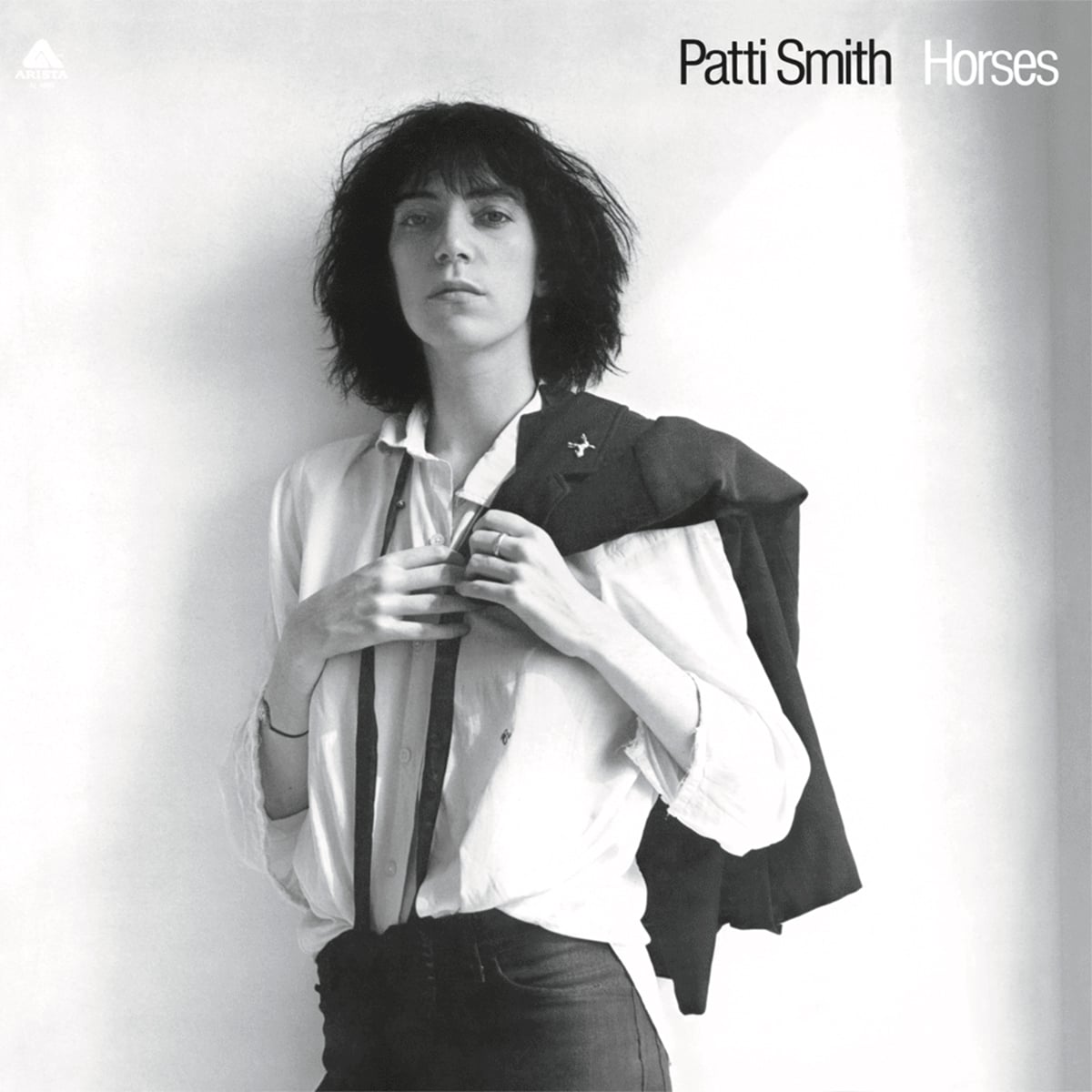
Horses – Patti Smith
Patti Smith is probably sick of the sight of Horses some half a century on, but there’s no avoiding the fact that it’s without question her most pivotal album, and one that artists will come back to time and time again whenever they’re in need of some creative divine intervention. Smith has it in spades.
In another sense, Horses can be seen as not just seminal to the arc of Smith’s own personal career, but to the journey of music as a whole, as it was released in 1975, just one year before punk truly burst on to the scene in all its blazing, unmistakable glory. The album could be seen as that pot starting to bubble, before it exploded.
I
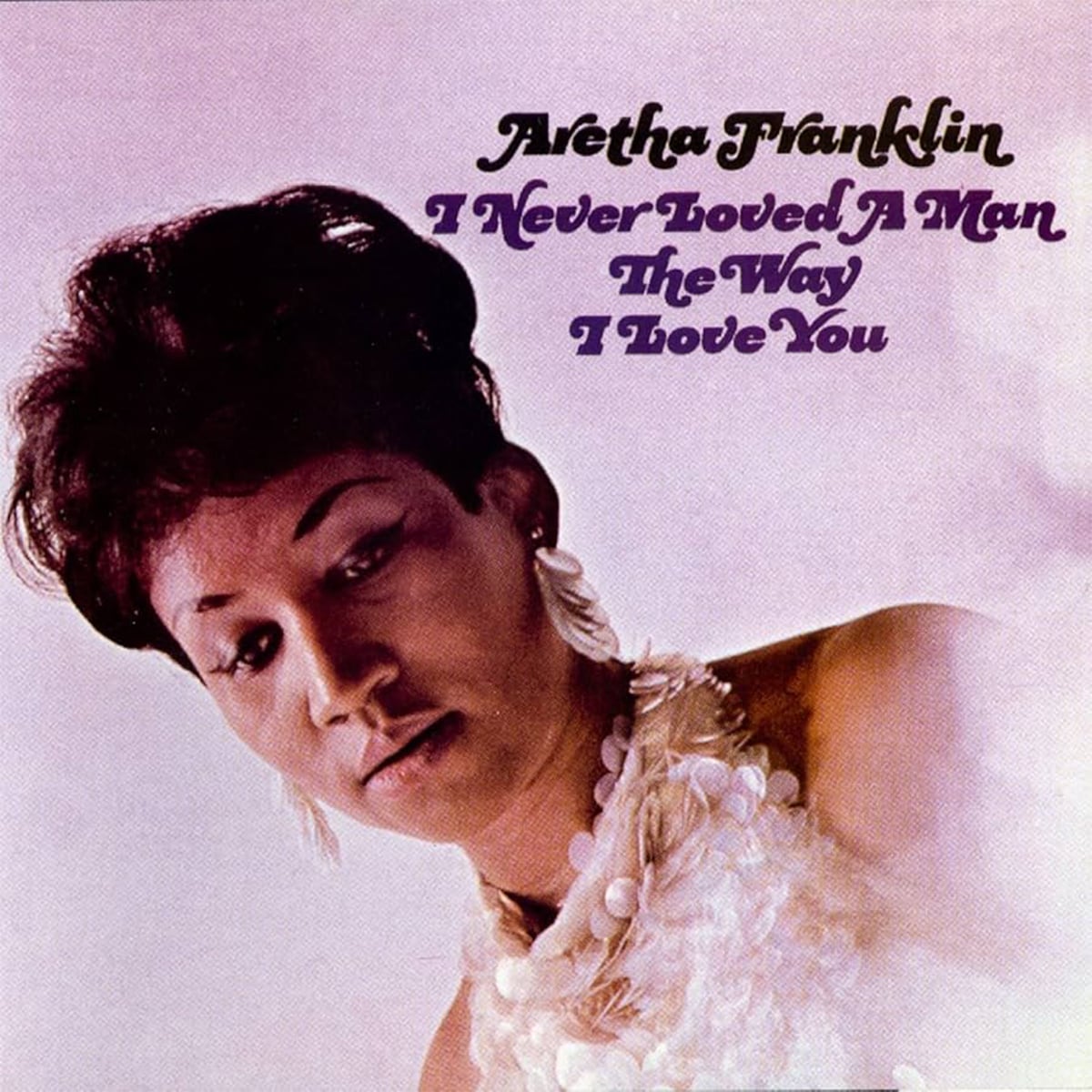
I Never Loved A Man The Way I Loved You – Aretha Franklin
Everyone seems to have a different opinion when it comes to the greatest Aretha Franklin album, and it’s an impossible choice. But for the sake of alphabetical continuity, I Never Loved A Man The Way I Loved You takes the crown here, if nothing more than for the sheer significance that it marked in the career of the ‘Queen of Soul’.
By 1967, Franklin had already released a string of eight unsuccessful jazz albums that had failed to even make a dent in the music industry, let alone transform her into a star. The album didn’t do all that work overnight, but it was at least the first suggestion that the tides could be turning in her favour. Without this record, we wouldn’t have any of the rest.
J
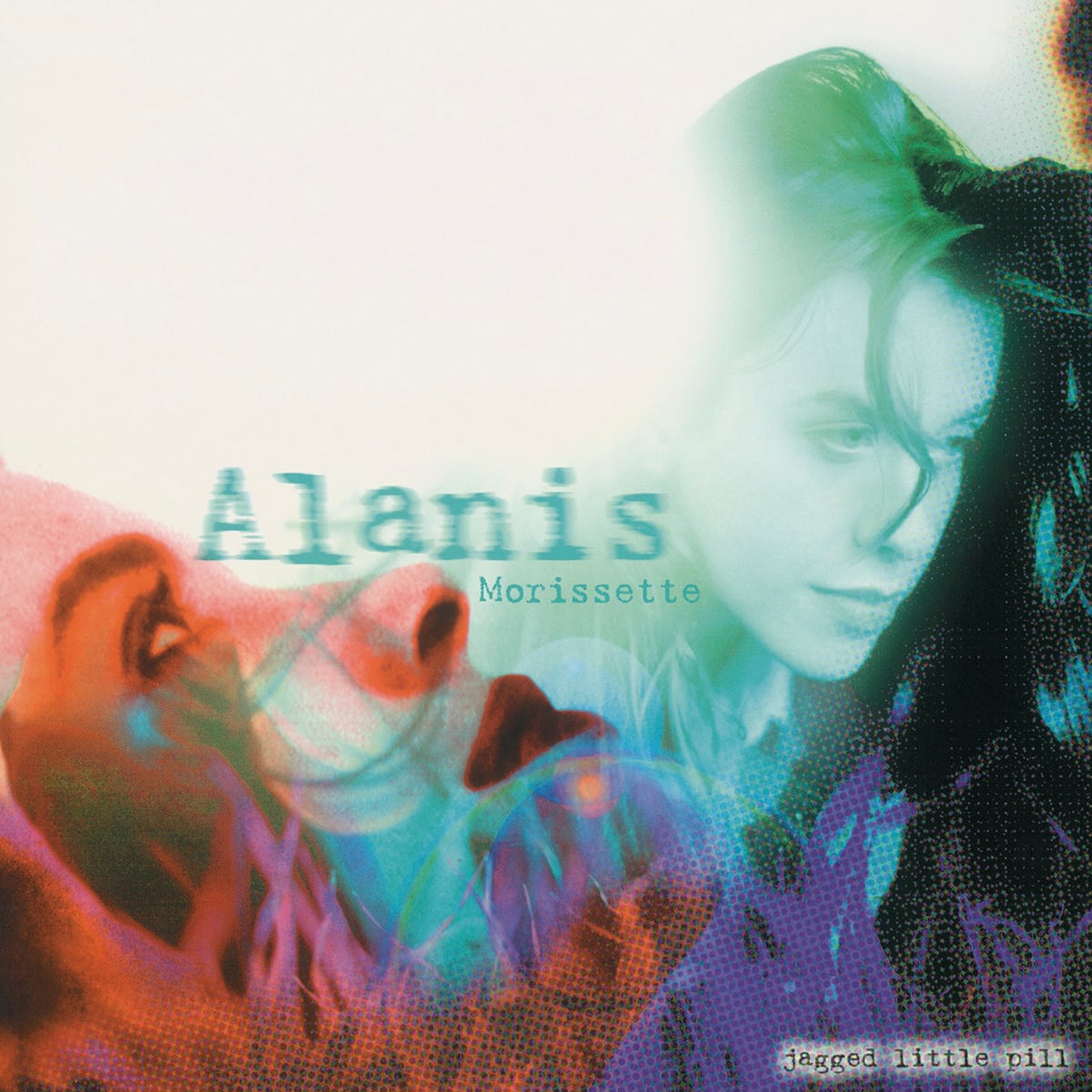
Jagged Little Pill – Alanis Morissette
There is a tendency in dissecting the sound of the ‘90s, as well as in music at large, to only really credit the men for their efforts. Think Nirvana, think Pulp, think Pearl Jam. But effectively rolling them all into one was Alanis Morrissette, who came along in 1995 and produced the cutthroat classic that is Jagged Little Pill.
Indeed, as much as there are a litany of female artists who have all contributed to rock in their own ways, Morrissette’s muse was one that grabbed the zeitgeist just at the right time. She’d spent her last two albums up to that point in the world of dance pop, but suddenly, with the likes of ‘You Oughta Know’ and ‘Hand in My Pocket’, she was proving that there was space at the alternative table for her, too.
K
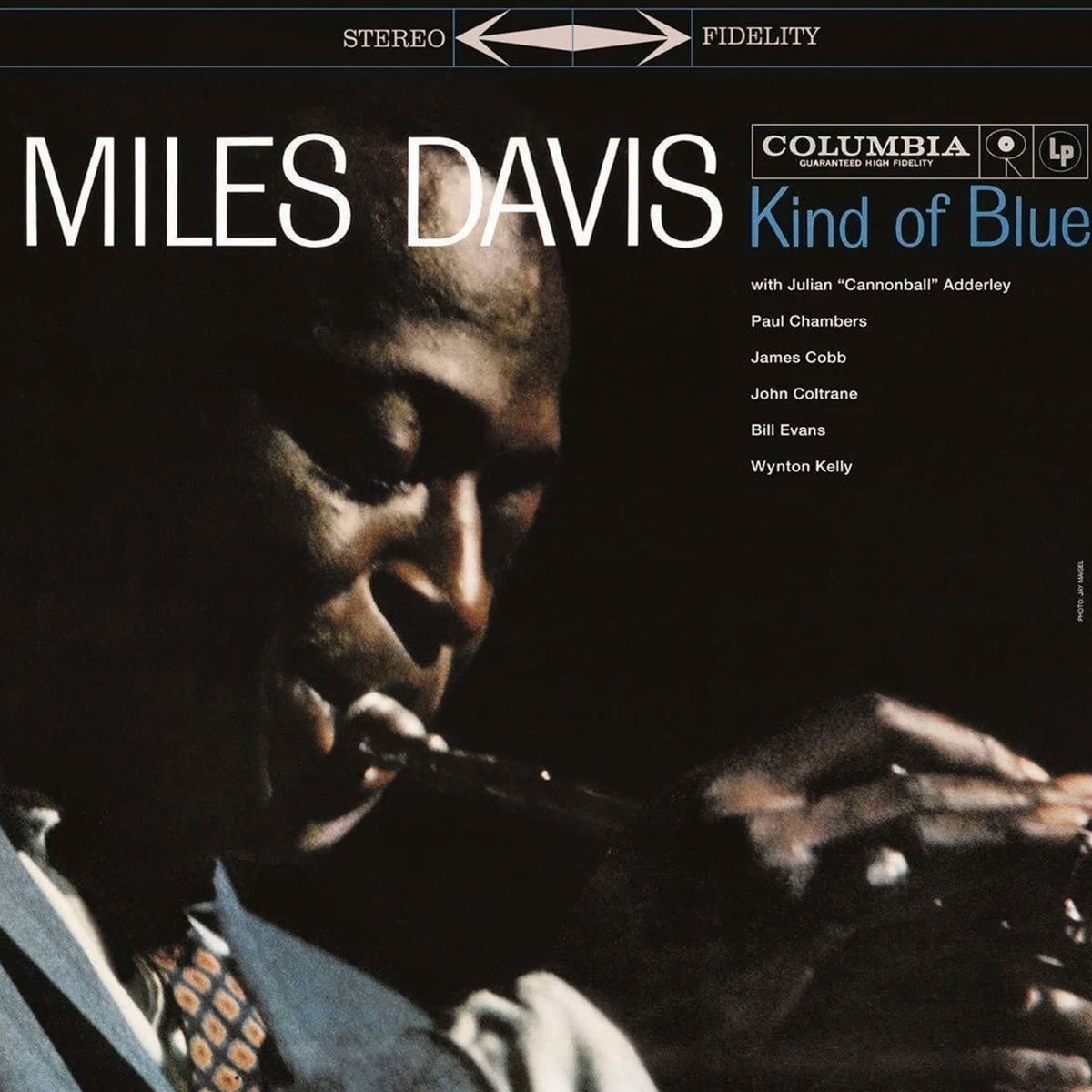
Kind of Blue – Miles Davis
Miles Davis was mind-blowing at the best of times, but when you realise that Kind of Blue was recorded in its entirety over the span of just two sessions, seven weeks apart in March and April 1959, before being released that August, it really does put him into a completely different stratospheric league of his own.
It’s Davis’ personal masterpiece, one of the greatest albums ever recorded. Sure, all of this individually stands to reason, but what’s worth truly considering beneath the platitudes is just how far the expanse of the record actually reached. There was the modality, which John Coltrane adopted in his later work, but there was also the influence on rock, jazz, and classical music. Put simply, the boundaries were limitless.
L
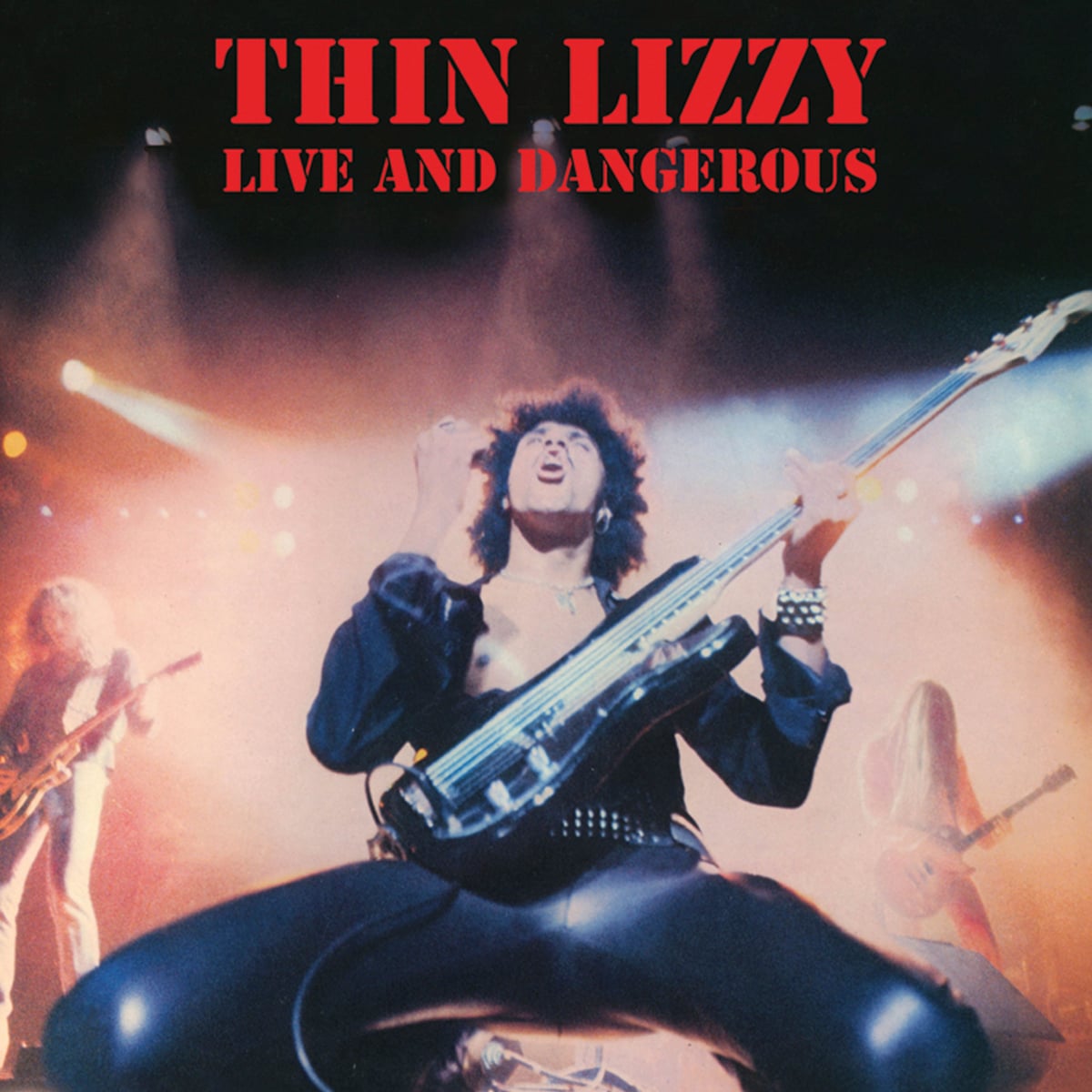
Live and Dangerous – Thin Lizzy
Live albums are always a contentious issue. Whether they deserve a place among the leagues of golden discographies or should just be counted as mere side quests is another discussion, but if you were to pick one to make the best possible case for the pack, Thin Lizzy’s Live and Dangerous surely has the greatest chance of winning the fight.
Despite the controversy of a few suspicious overdubs, there was no denying that the record as a whole represented Thin Lizzy in their true prime. It was 1978, a rare moment in which the ship that steered the band was actually relatively steady, and when they considered their sound and dynamic to be at its A-game. Bad days were to come, but for now, this was a band on fire.
M
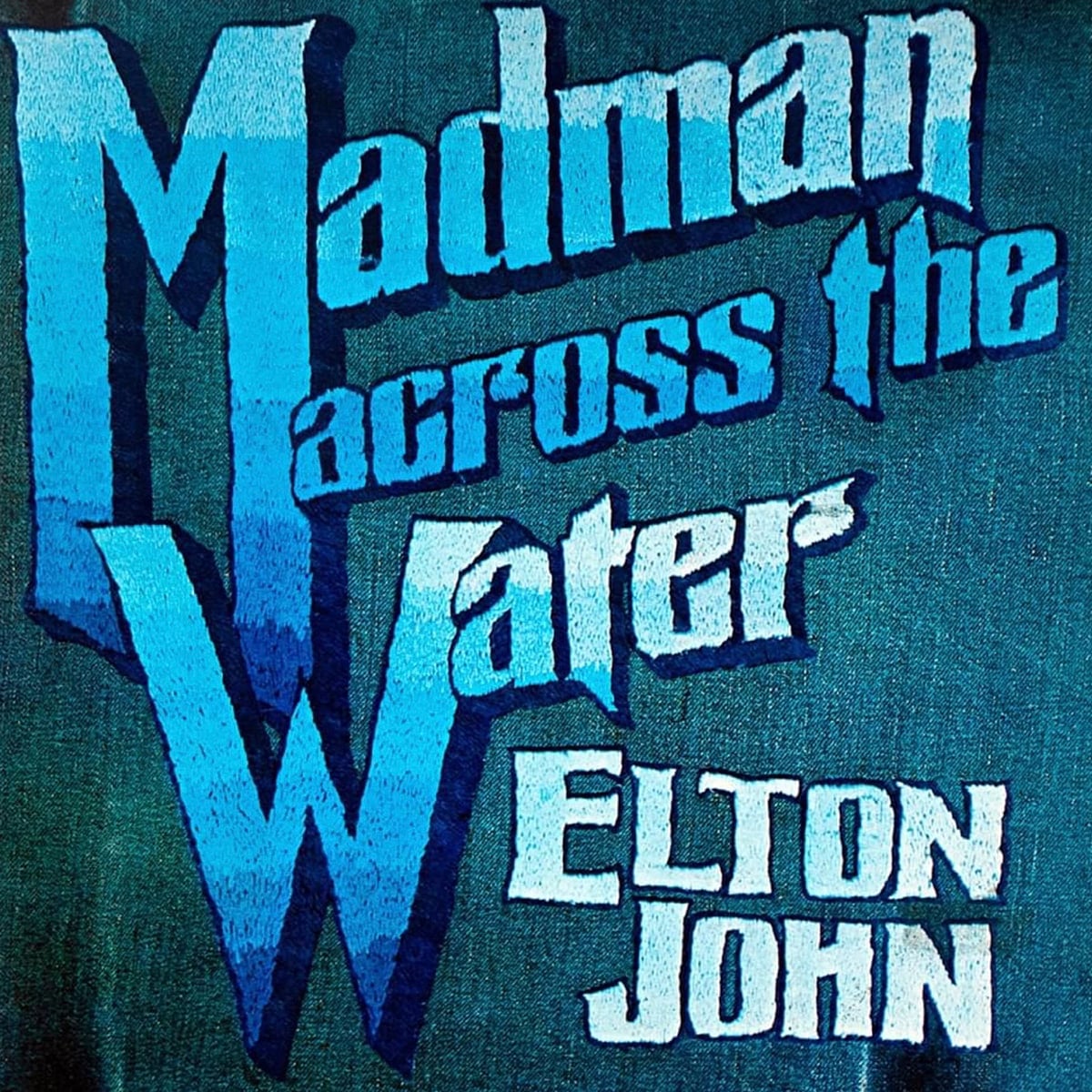
Madman Across the Water – Elton John
Elton John probably has one of the vastest discographies out there, but when it comes to an album like Madman Across the Water, you realise just how tightly it was packed in at times. This was his third record to be released over the span of 1971 alone, which probably tells you everything you need to know about how much the label were really pushing the ‘Rocketman’ to be a star.
Nevertheless, it was clear that the effort paid off in this respect, as the album bore some of John’s most timeless hits, including ‘Tiny Dancer’. His efforts to push into the realm didn’t go unnoticed by the wider musical world, either, as if you listen closely, you may just hear Rick Wakeman playing the organ on two of the songs.
N
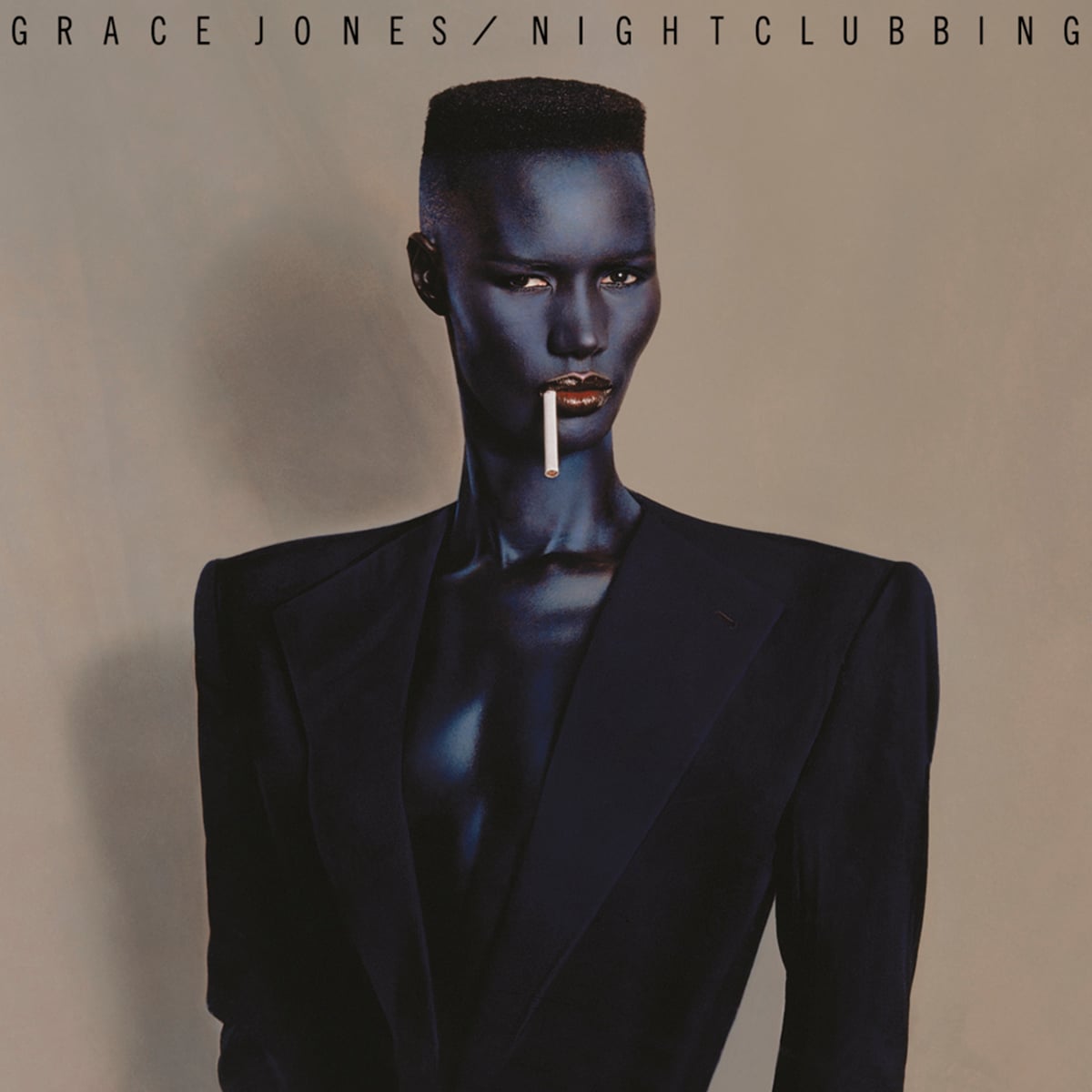
Nightclubbing – Grace Jones
Grace Jones, a name that needs no introduction, and Nightclubbing is an album that speaks for itself in terms of its influence on every corner of the cultural world, from music to fashion to sexuality. Jones was the signal, the firing of the gun, that the ‘80s was about to be the party decade, and to suit the mood, she brought along a whole new flair for life with it.
With Jones’ iconic androgynous cut gracing the cover, it would be no exaggeration to say that in one seemingly straightforward image, she changed the politics of gender identity and fashion. Raising the sonic tide of the new wave at the same time was no mean feat, but in managing to do so, Jones made it clear that she was the superstar to beat.
O
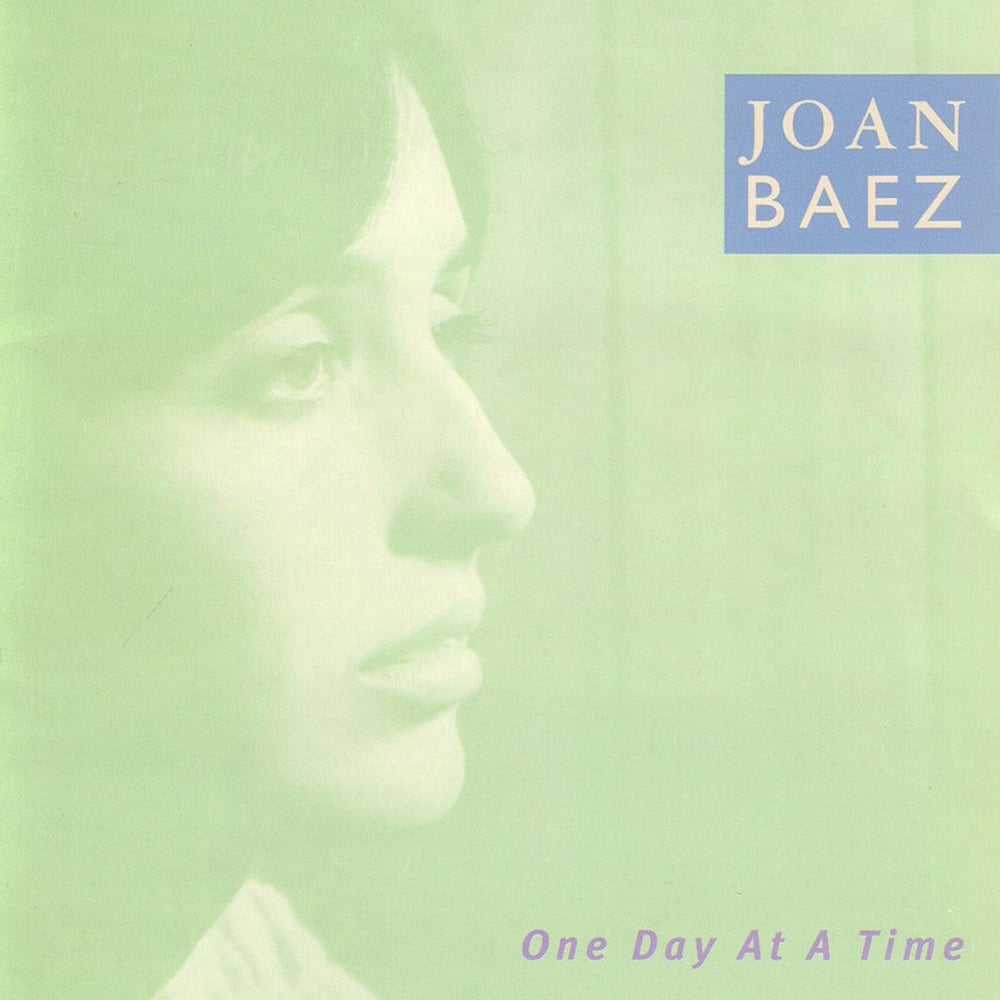
One Day At A Time – Joan Baez
As much as Joan Baez’s One Day At A Time followed suit from all her previous ten records in the sense that it was mainly filled with covers, from The Rolling Stones to Pete Seeger to Willie Nelson, something different was in the air. She may have been a seasoned hand by the time of her 11th album, but this was the very first to feature some of her own compositions.
‘Sweet Sir Galahad’ speaks for itself as a tender tribute to her sister, but possibly the more interesting of the two is ‘A Song for David’, immortalising the plight of Baez’s then-husband David Harris, who was in the midst of serving a prison sentence for conscientious objection to military service. She was closing the chapter of all the shining beacons that the end of the ‘60s had to offer, and bearing down on the darker reality that was to come.
P
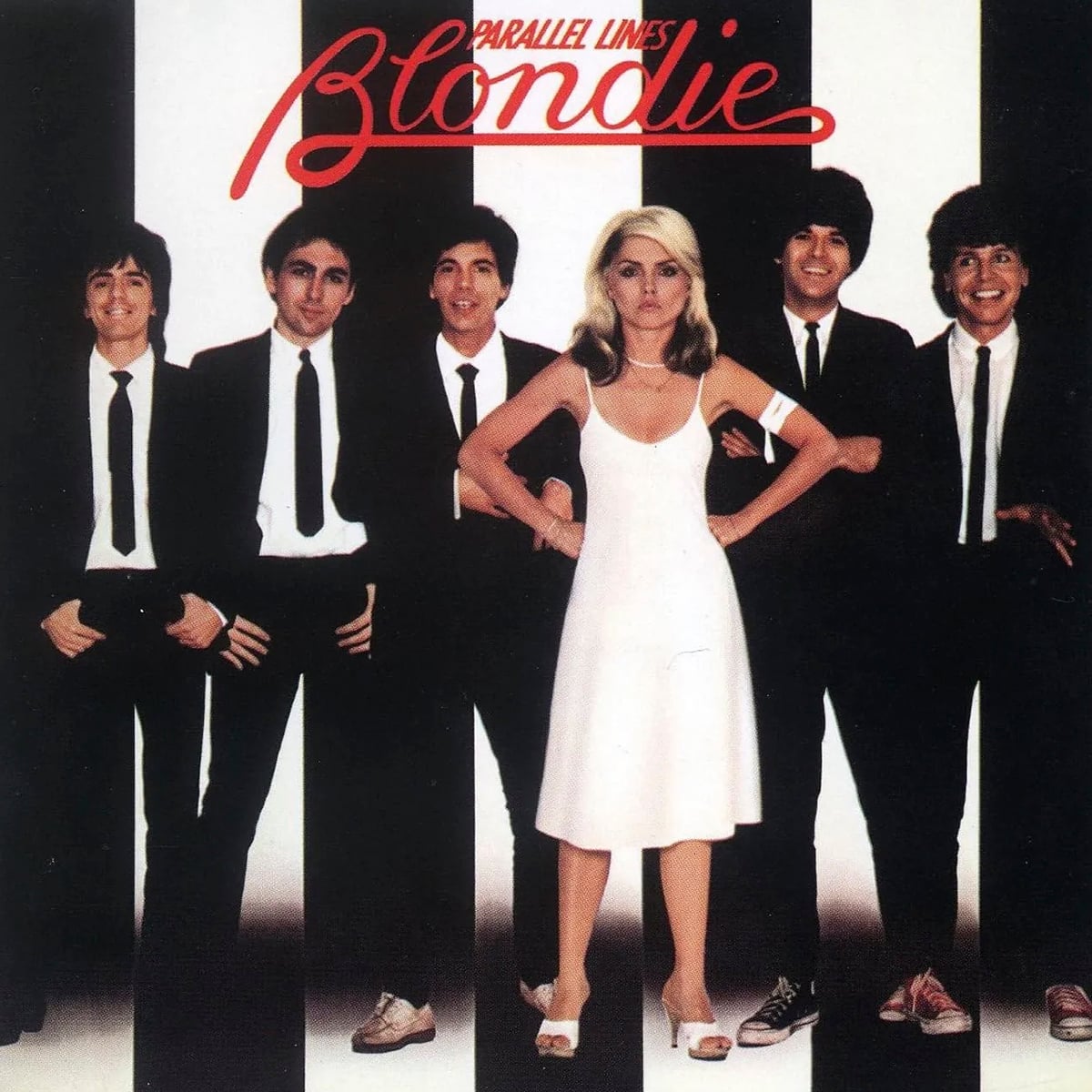
Parallel Lines – Blondie
The late 1970s were responsible for a lot of things both good and bad in society, but as soon as the monochromatic madness of Blondie’s Parallel Lines hit the scene, everything changed forever. People talk about the transition out of a black and white world being the gateway to new technicolour horizons, but really, this band was proving that basic is best.
Indeed, they did it by mastering the art of making the album itself anything but basic. It’s actually quite impressive for one record to harbour so many wall-to-wall classic hits, from a knockout opening run of ‘Hanging on the Telephone’, ‘One Way or Another’, and ‘Picture This’ to ‘Sunday Girl’ and ‘Heart of Glass’ arriving later on. Blondie were, and are transcendent, mainly because you never knew which bombshell next hiding up their sleeves.
Q
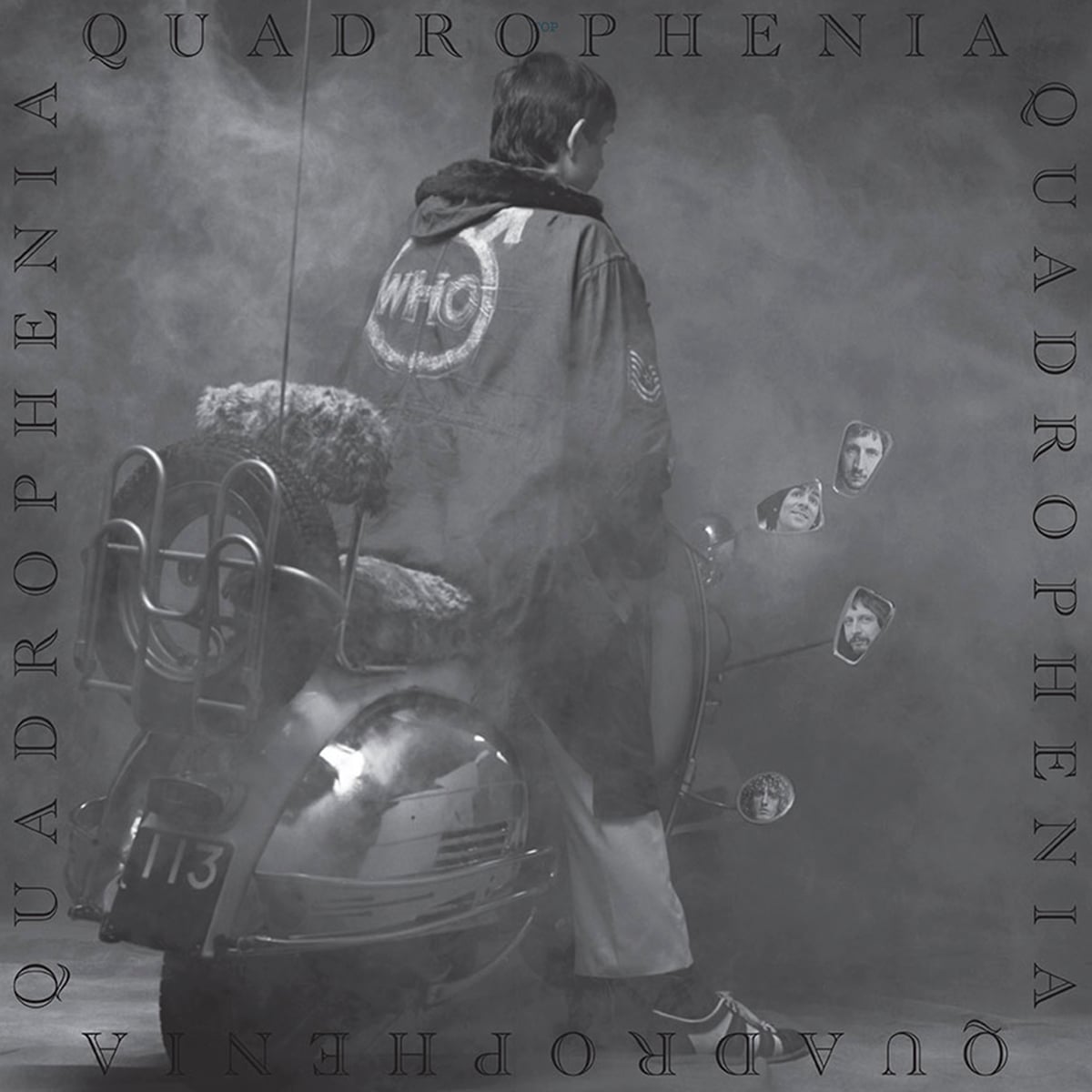
Quadrophenia – The Who
Rock operas get a lot of hype these days, and not all of them are ultimately worth the attention. The true strength of one lies not on the surface of the pomp and regalia, but the story and narrative that can only be discovered by diving deeper. For that part, The Who’s 1973 opus Quadrophenia surely takes home the bag of awards.
In telling the story of the mods, in this case a young one by the name of Jimmy, the band were casting a real eye to the societial condition and culture as they knew it. There was no airs and graces about it, no hint of untruth: Quadrophenia was the final farewell to the mod way of life as they knew it, bidding thanks to the underground culture drawing its last breaths after 20 years of revving its engines.
R
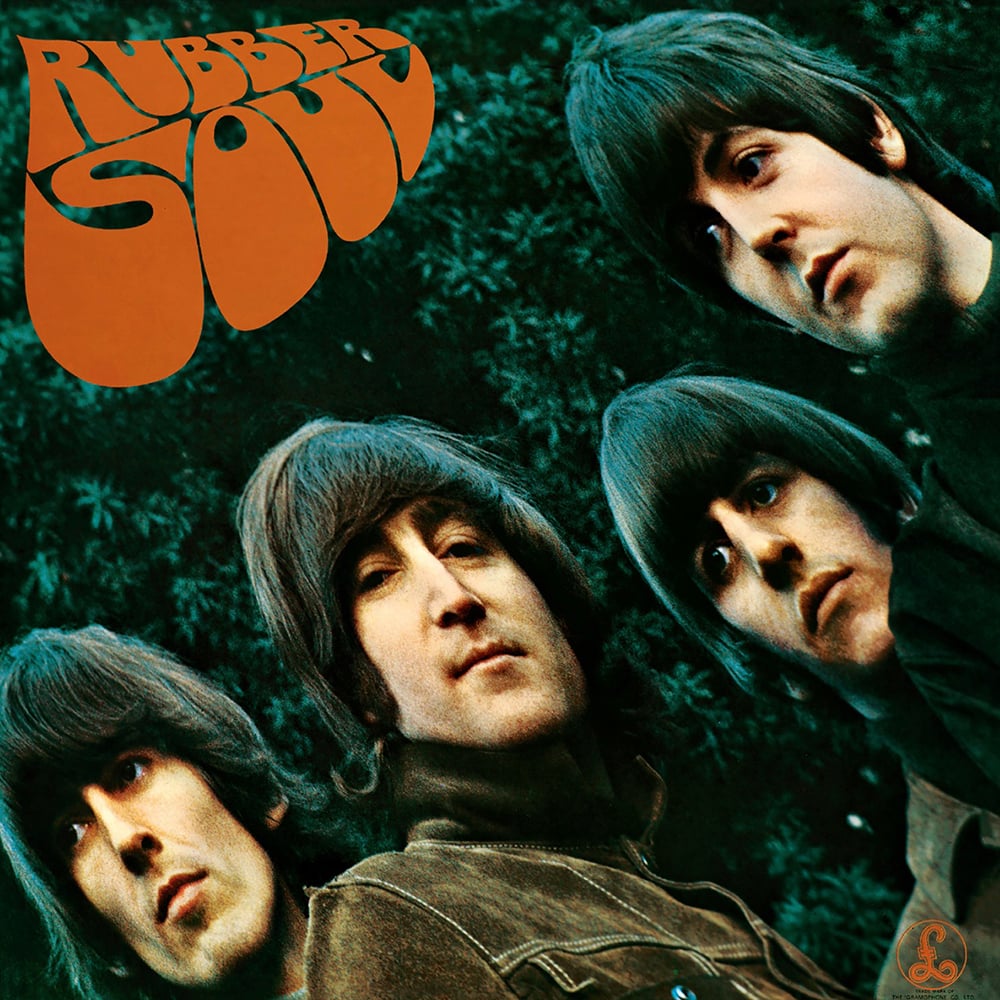
R: Rubber Soul – The Beatles
The Beatles and the word ‘underrated’ don’t really go together, do they? Yet out of all their albums, Rubber Soul came sandwiched between Help! and Revolver, and seemed to become a little overlooked for it. But this was a record of ‘Norwegian Wood’, ‘Nowhere Man’, and ‘In My Life’; none of it was a walk in the park.
After all, there was a reason that Ringo Starr cited it as the band’s “departure record” from what they had become known for in the early part of the ‘60s. Sure, fame and romance was sweet, but at this midpoint, they were now being introduced to hallucinogenics and much more psychedelic forces at play. Rubber Soul was the catalyst for their most seismic and swirling journey to come.
S
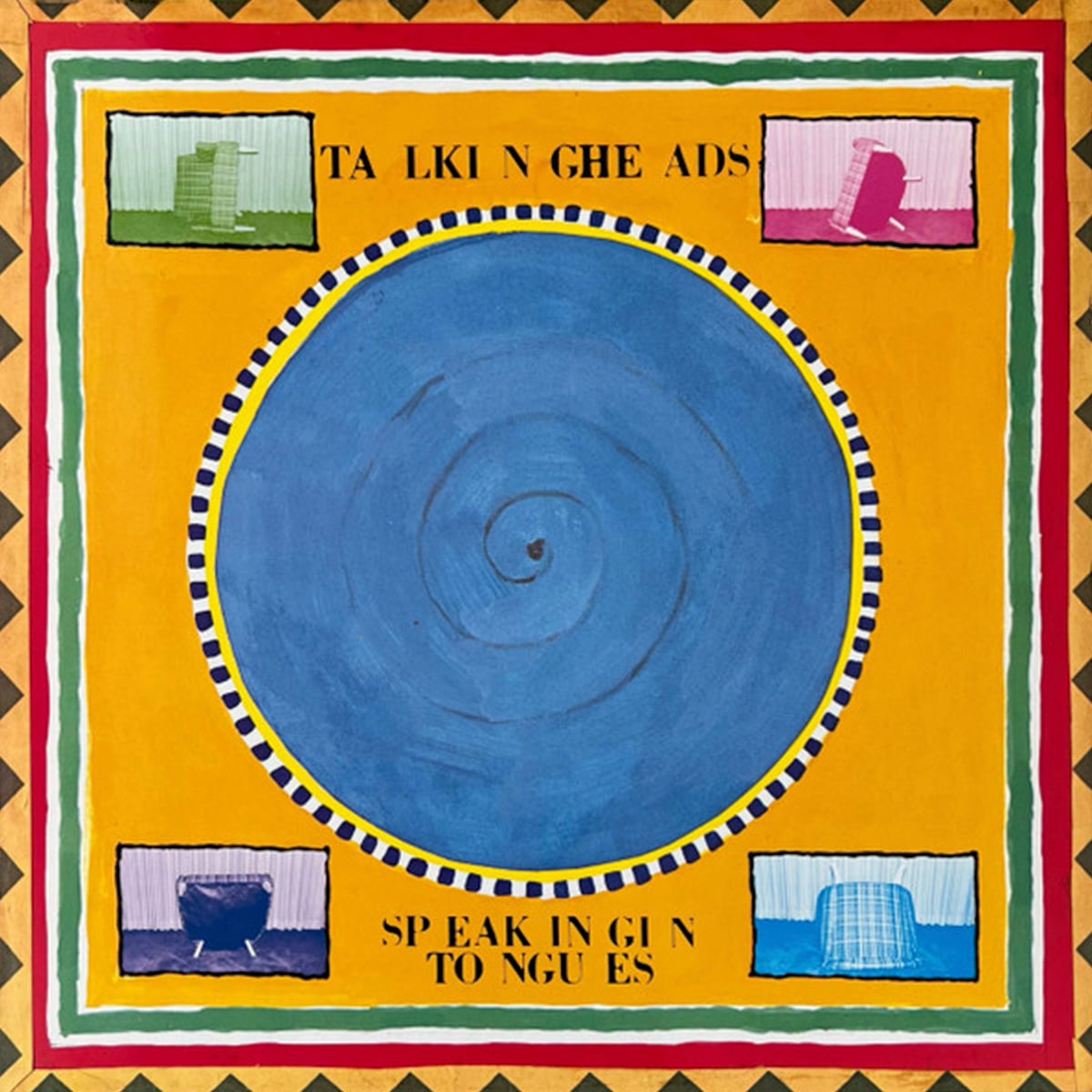
Speaking in Tongues – Talking Heads
For New York, for new wave, and for music in general, Talking Heads is an essential staple. It may have taken them five albums to get there, but when they did get a well-deserved breakthrough with Speaking in Tongues, it was worth every second of that long and arduous wait. Their mystic language was suddenly universal to all.
With the bookends of ‘Burning Down the House’ and ‘This Must Be The Place’, the crown of the Talking Heads discography was right here, and continued to thrive throughout the rest of the party spirit of the ’80s and beyond. The circus and David Byrne’s antics were in full swing, and although this was album number five, the legacy was just beginning.
T
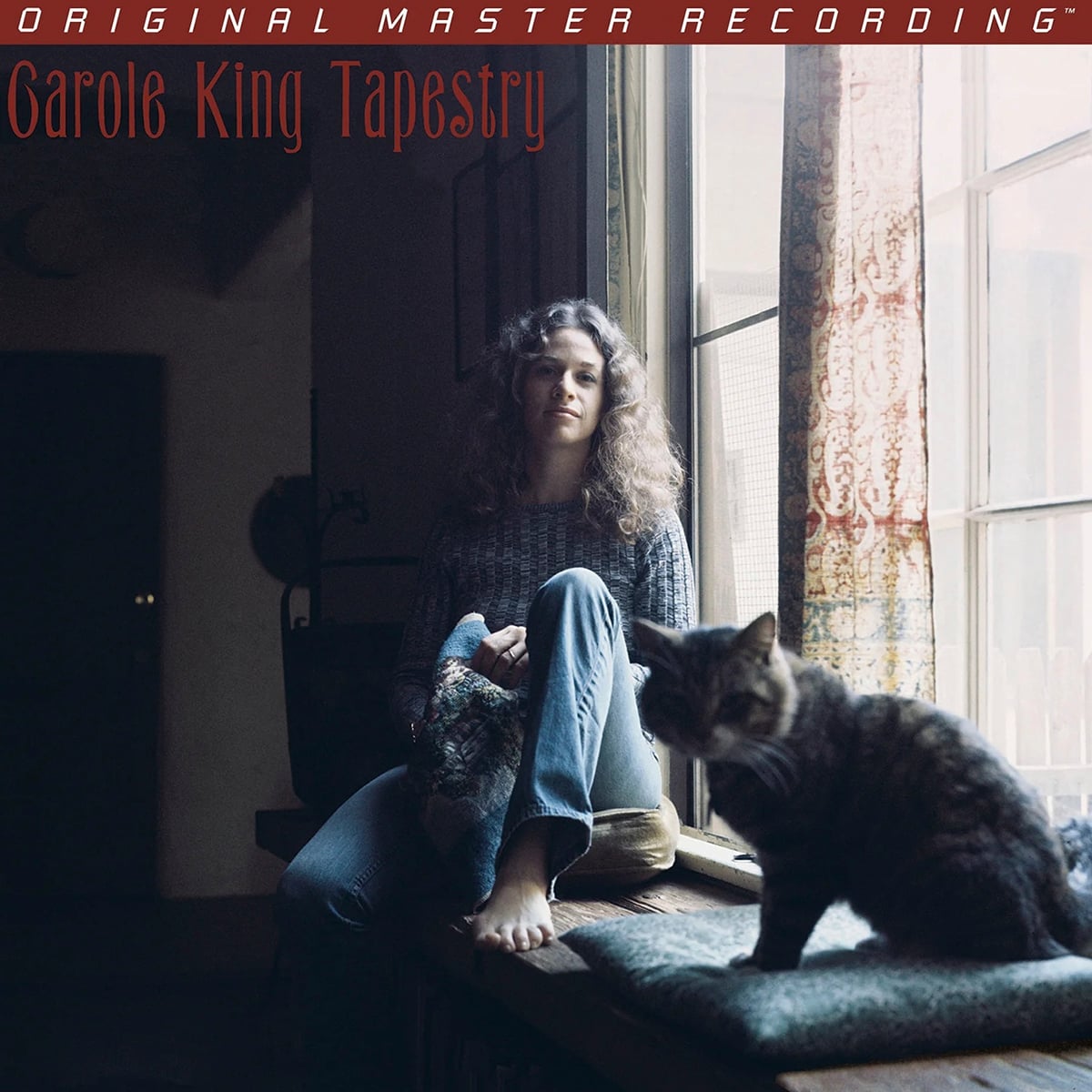
T: Tapestry – Carole King
Every word Carole King ever says is practically scripture, and in this sense, Tapestry is basically her Bible. After years of being responsible for hits in the background, the 1971 album was her prime chance to step into the spotlight, both putting her voice to the songs she’d already made and bringing her artistry into a whole new realm.
There was a reason that Tapestry won ‘Album of the Year’ at the Grammys and spent 15 weeks at number one. It represented King at her quintessential peak, the most powerful force in pop music, and the artist who every musician and writer would revel in forevermore. In her typical fashion, it was all very understated, but through her deft weaving and winding, she created a masterpiece.
U

Unknown Pleasures – Joy Division
What do Salford, Sex Pistols, and Strawberry Studios in Stockport all have in common? They were all pivotal in the formation of Joy Division, without which we wouldn’t have their iconic debut Unknown Pleasures. It seems simple, but the legacy of the band is really anything but straightforward.
The reality was that when the album was originally released in 1979, it didn’t make much of a dent in the overall music scene. It was morbid curiosity that ended up propelling Joy Division further, as it was after the death of Ian Curtis the following year that the wider world discovered just how tragically genius he had been.
V
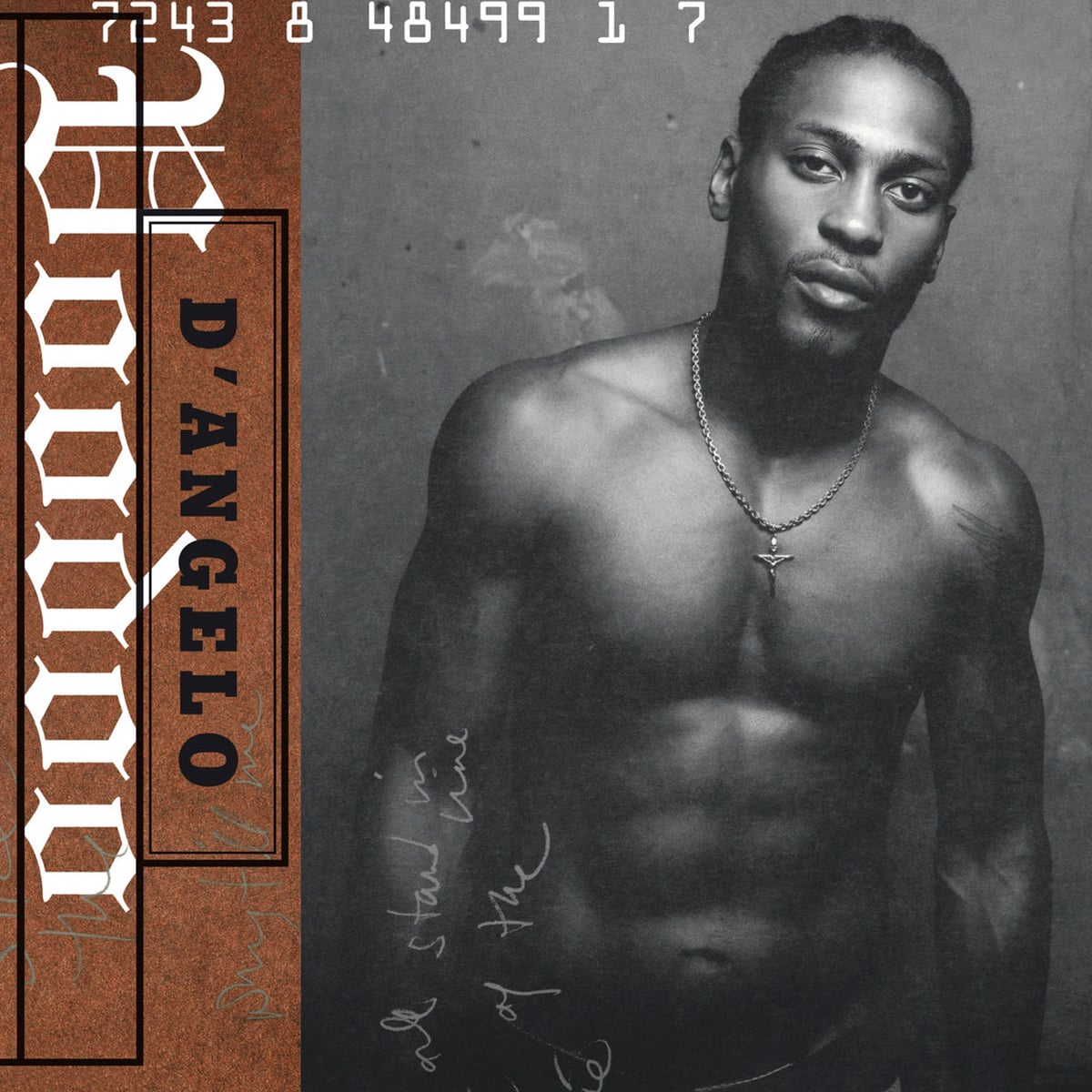
Voodoo – D’Angelo
D’Angelo never did things by halves: he had already had era-defining success with Brown Sugar in 1995, but when it came to the concept of following that up, he was in no great rush. As it happened, he effectively went into hiding for five years and emerged again with Voodoo in 2000, resetting the limits of his power into something transcendent once more.
Voodoo was a success in the immediate aftermath, topping the Billboard charts and winning Grammys. But its real lasting strength comes in what it has grown to represent since, being hailed as both a masterpiece and masterclass in the neo-soul genre. It may not be a quick listen or an easy one, but every beat was worth the power of a thousand drums.
W
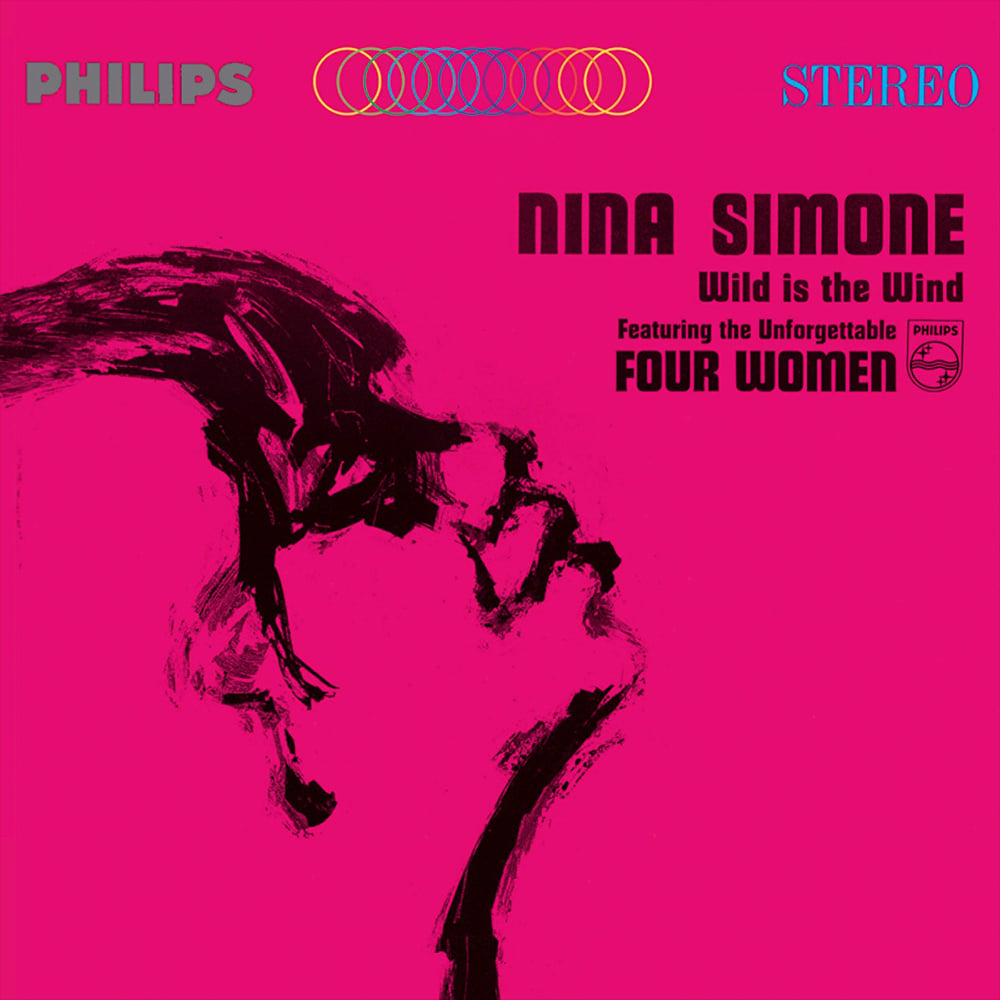
Wild is the Wind – Nina Simone
There is nothing comparable in this world to Nina Simone, and she seemed to be at the peak of her prowess on 1966’s Wild is the Wind. When most other sections of society seemed to be obsessed with the rise of psychedelia and British rock bands, Simone was more occupied with the vinositic smoothness of the sound of blues and jazz.
But on top of that, Wild is the Wind represented something far greater than the sum of its parts, in terms of the presence that the musician would hold within the space, both in the moment and down the decades. Her choice of songs, largely all from traditional composers and songwriters, spoke to an old soul on young shoulders at the time, who was ready to change the status quo in her own striking way.
X
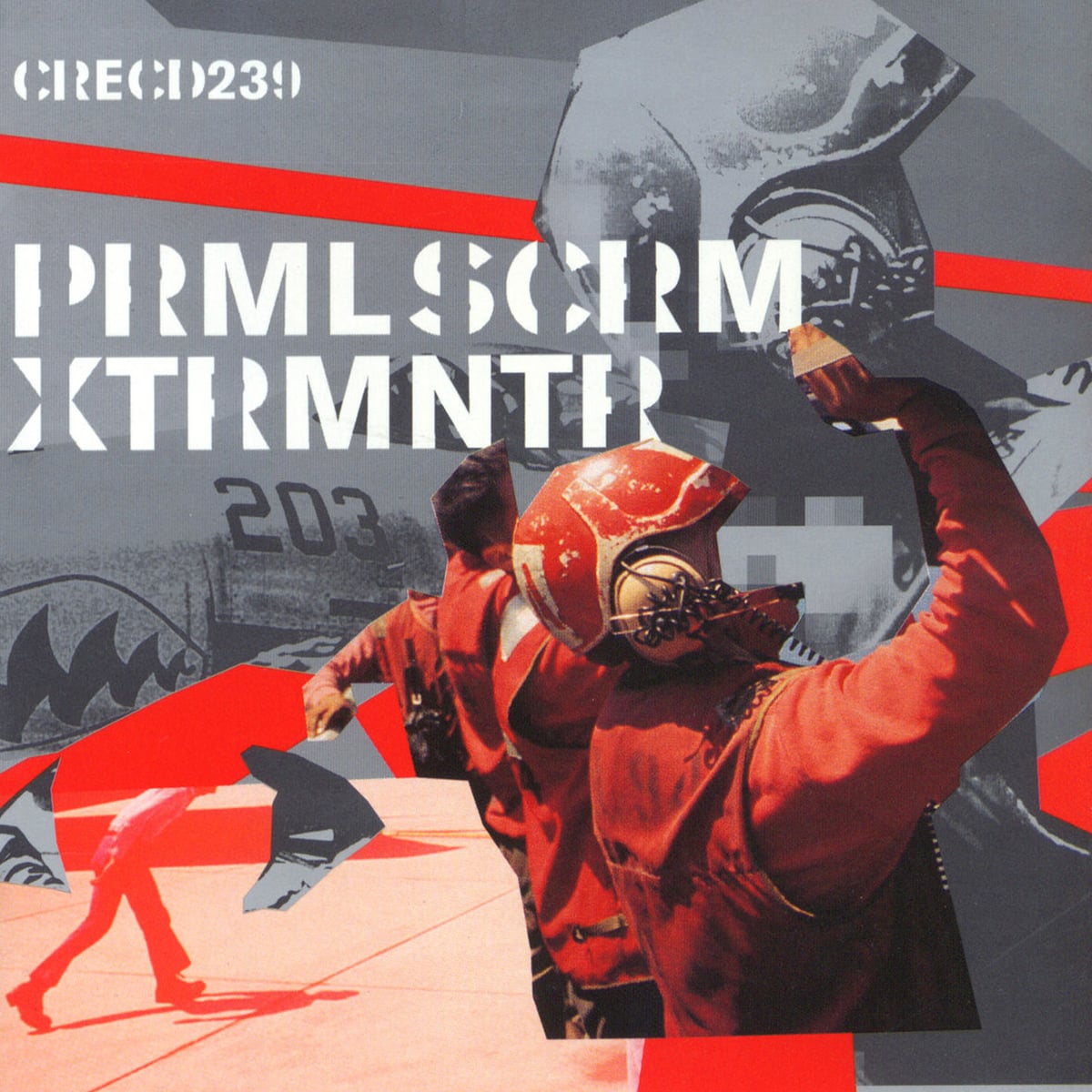
XTRMNTR – Primal Scream
Primal Scream had built a career on hazy psychedelics and an easy-going way of living; you didn’t really have to guess what was the major fuel behind that. Yet by the time the new millennium rolled around, the band had got clean. While that certainly made their heads clearer, what was perhaps more unexpected was the anger it would give rise to.
The product of that newfound wrath was 2000’s XTRMNTR, with the band pointing their aim precisely at what ruffled their feathers in this world: UK politics, US terrorism, and everything in between. That mantra has become a form of constant sustenance for the band ever since, because as soon as the exterminator’s brain woke up, there was no stopping its destructive path.
Y
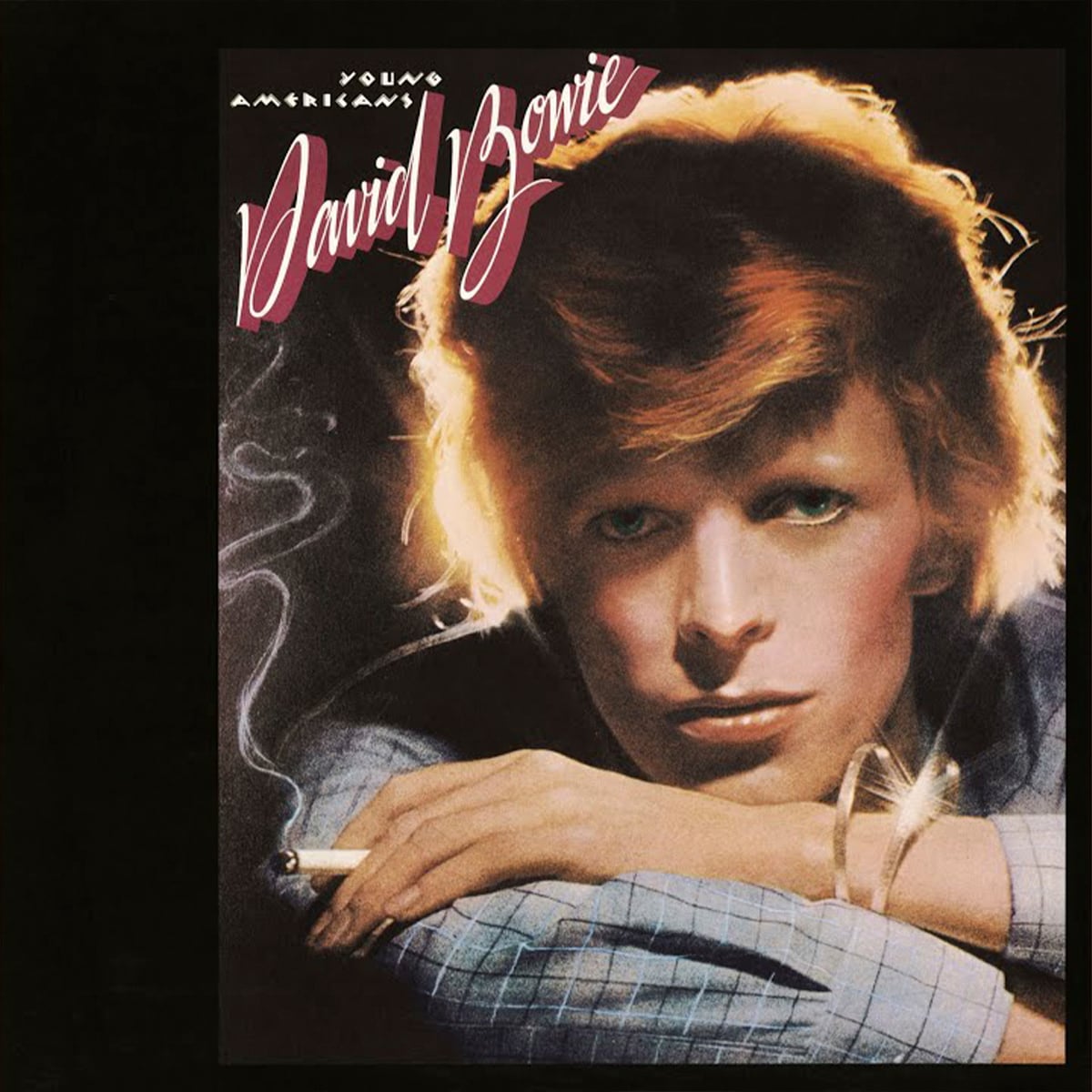
Young Americans – David Bowie
R&B, blue-eyed soul, plastic soul, whatever you wanted to call it, David Bowie possessed it by the bucketload on the 1975 record Young Americans. It was a record that was important for so many reasons, not least for the fact that it was perhaps the first time that the Starman had shown his real face that had so far hidden beneath the veil of personas.
Yet, although Bowie came to have mixed feelings about Young Americans in the years that followed, there was no denying that its sheer existence had achieved something seismic. He was one of the first white artists to be recognised for engaging with traditionally Black music styles, and in doing so, he definitively painted himself as someone fearless, limitless, and completely without precondition.
Z
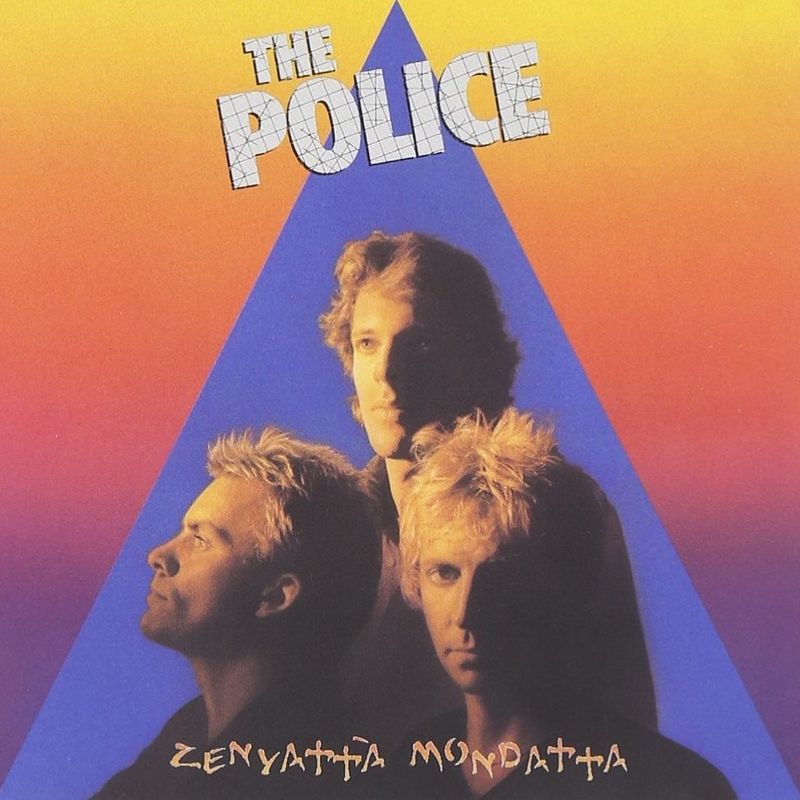
Zenyatta Mondatta – The Police
The irony regarding The Police’s Zenyatta Mondatta is that it may have been one of the most hated albums by the band themselves, but this hardly translated into the listener’s experience. What they offered was timeless singles like ‘Don’t Stand So Close to Me’ and ‘De Do Do Do, De Da Da Da’. All The Police remembered was tiredness.
Unfortunately, that is what comes with being the biggest band in the world. The trio were in the midst of some nameless world tour, and in every spare waking moment, they were forced into studios to make their third album. It was for this precise reason they didn’t think it was the crowning jewel of their work, but the thing is, the fans would have never known the difference.

Never Miss A Beat
The Far Out Beatles Newsletter
All the latest stories about The Beatles from the independent voice of culture.
Straight to your inbox.