


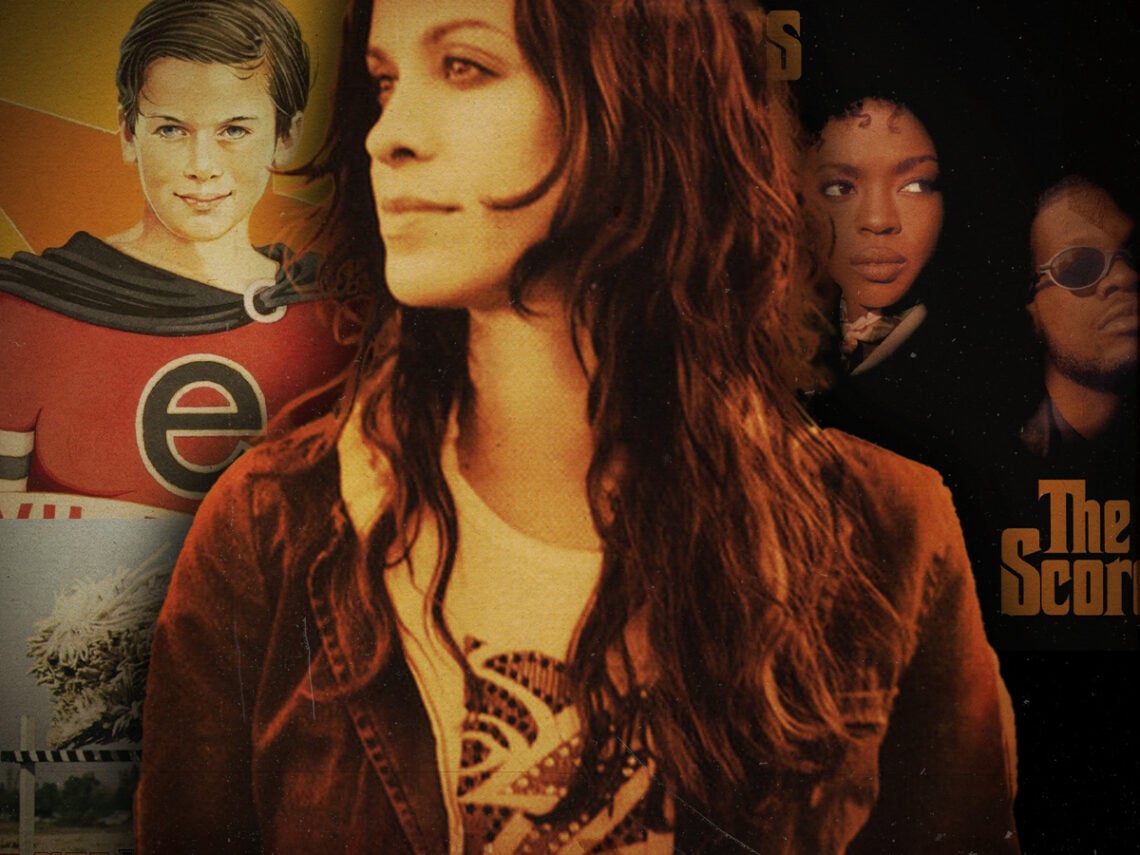
Five albums that defined life in 1996

Whether the year 1996 inspires memories of Britpop, the ska revival, or the emergence of nu metal, it’s easy to forget how big a role original motion picture soundtracks or OSTs, often played in how you and your friends stumbled upon all those things.
With Napster and the MP3 revolution still a few years away, and the cinema box office enjoying one of its mightiest blockbuster periods, soundtrack CDs were vitally important as cross-promotional tools. In theory, the soundtrack was there to advertise the movie, but during the 1990s, the roles began to reverse a bit, with a lot of middling films proving more culturally relevant as delivery systems for exciting new bands and artists to get themselves broader exposure.
A famous example of this was the 1993 action film Judgement Night, starring Emilio Estevez and Cuba Gooding Jr, which few people saw and even fewer remember. Producer Happy Walters’ forward-thinking soundtrack, however, was one of the most discussed albums of the year, featuring a collection of original collaborations between hip hop and rock artists, including Cypress Hill and Pearl Jam, Ice-T and Slayer, and De La Soul and Teenage Fanclub. A year later, The Crow‘s soundtrack became a cult classic unto itself, and by 1995, a wholly forgettable film like the Michelle Pfeiffer vehicle Dangerous Minds found immortality through its number one soundtrack, all thanks to Coolio’s ‘Gangsta’s Paradise‘.
As Hollywood realised that it could defend itself against a possible box office flop by reinforcing movies with irresistible music tie-ins, the golden age of the soundtrack was born. Increasingly, it didn’t even matter if the songs on the CD were given a needle-drop in the corresponding film. They were now separate money-making entities, loosely connected only by a shared title and the occasional music video cameo from one of the lead actors of the film.
This is all just the long-winded set-up for introducing the important ‘honourable mention’ portion of our list. In a decade obsessed with soundtracks, ‘96 produced some of the most important examples of the ‘genre’, and any discussion of the music of that year isn’t complete without mentioning four juggernauts in particular: Space Jam, Trainspotting, Waiting to Exhale, and, of course, Baz Luhrmann’s Romeo + Juliet.
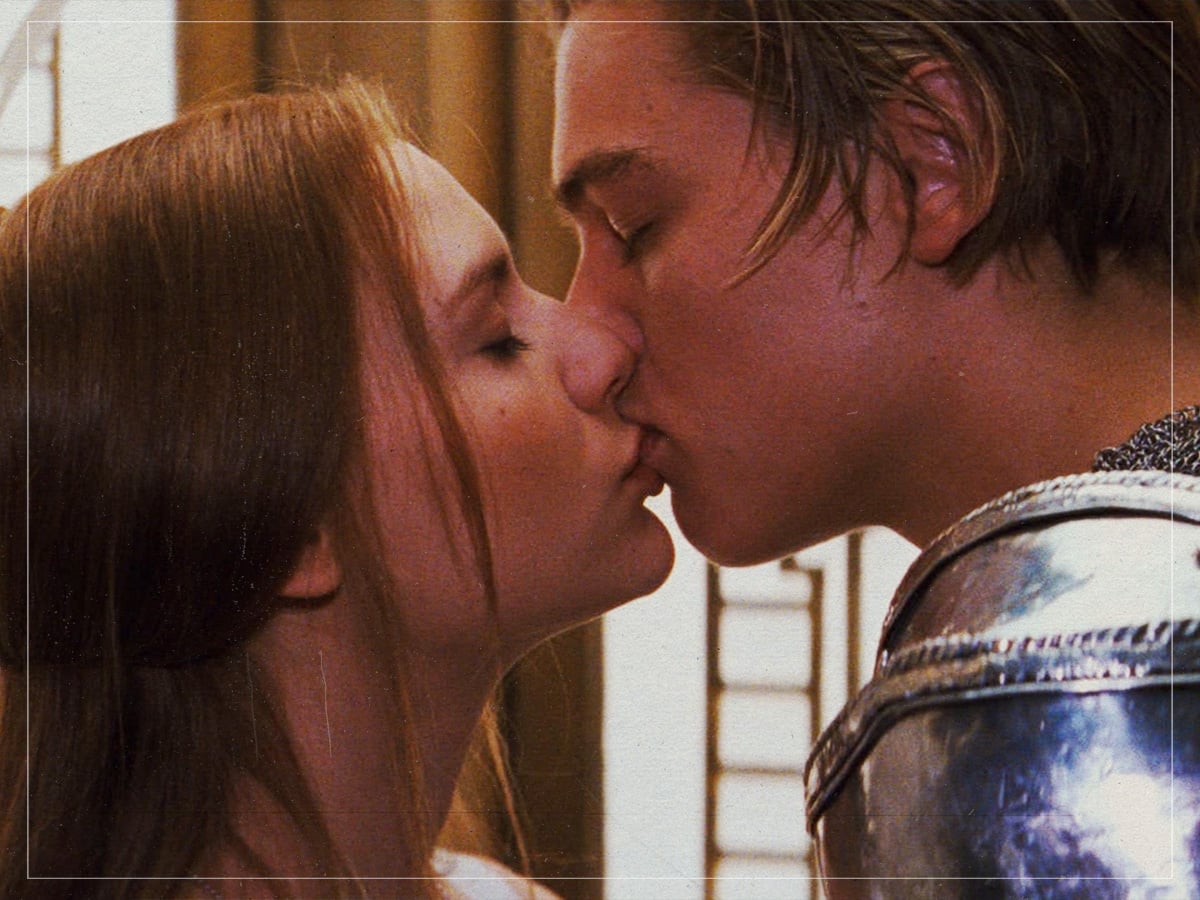
For anyone without the patience or ability to make a decent mixtape of their own, these were the must-have compilations of the year, whether you wanted the latest R&B torch songs from R Kelly and Whitney Houston, an Iggy Pop and Lou Reed renaissance, or an introduction to cool, on-the-rise alt-rock bands like Radiohead, Garbage, and The Cardigans.
Of course, on rare occasions, the humans of the 1990s also bought albums that weren’t carefully strategised industry compilations, and if you happened to be alive and observant in 1996, you may recall that at least a few of those records broke out into ubiquity over the course of the year. These albums all sold in the multiple millions and were loaded with singles that dominated MTV and Top of the Pops.
You probably didn’t need to buy any of them yourself, because somebody in your family or friend group already had a copy in the CD wallet in their car’s glove compartment, doomed to eventually be kicked around loose underneath the backseat, scratched to hell and sun-damaged until it was finally tossed in a rubbish bag in the mid-aughts. Such was the fate of every defining record of 1996, the circle of a CD’s life.
Please bear in mind that the following list of quintessential 1996 albums, along with eschewing compilations, also ignores details like official chart performance, critical appraisal and legacy. This was, plainly put, the unavoidable popular music reality of existing in that moment in time, for better or worse.
The five albums (CDs, of course) that defined 1996:
The peak of hip hop soul: Fugees – ‘The Score’
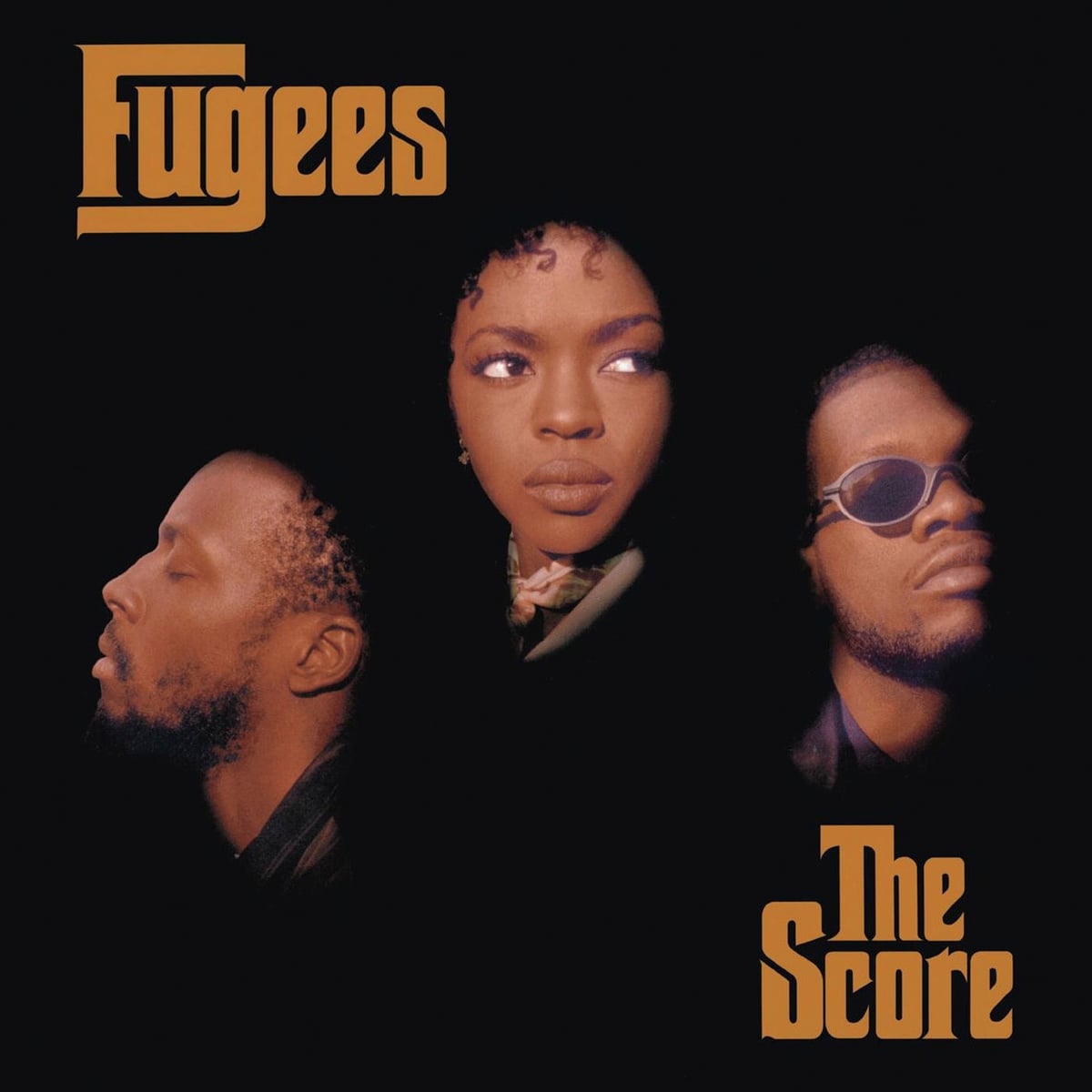
The second and ultimately final studio album by the precariously balanced trio of Lauryn Hill, Wyclef Jean, and Pras, The Score was scooped up by American high school students in totals only rivalled by Green Day’s Dookie a couple of years earlier.
It was the fifth biggest-selling record of 1996, in any genre, in the US, and it had phenomenal international success, as well, hitting number one in at least 12 countries, and number two in the UK. ‘Killing Me Softly’ was the biggest-selling single of the year in the UK, with the Enya-sampling ‘Ready or Not’ also among the top 25-selling singles of that year.
“I’m surprised at the speed with which it took off,” Hill said at the time. “We thought we’d have underground success and that it would take a minute [for people] to realise what it was”.
Anyone observing the multi-talented singer-rapper Lauryn Hill in 1996 would have wagered their Beanie Baby collection that she’d be the biggest star in the world by the 2000s. Instead, after the massive success of her first solo album in 1998, she famously pivoted away from the public eye and still hasn’t released another studio album.
Runner-up: Aaliyah – One in a Million
Grunge is dead, rock is not: Rage Against the Machine – ‘Evil Empire’
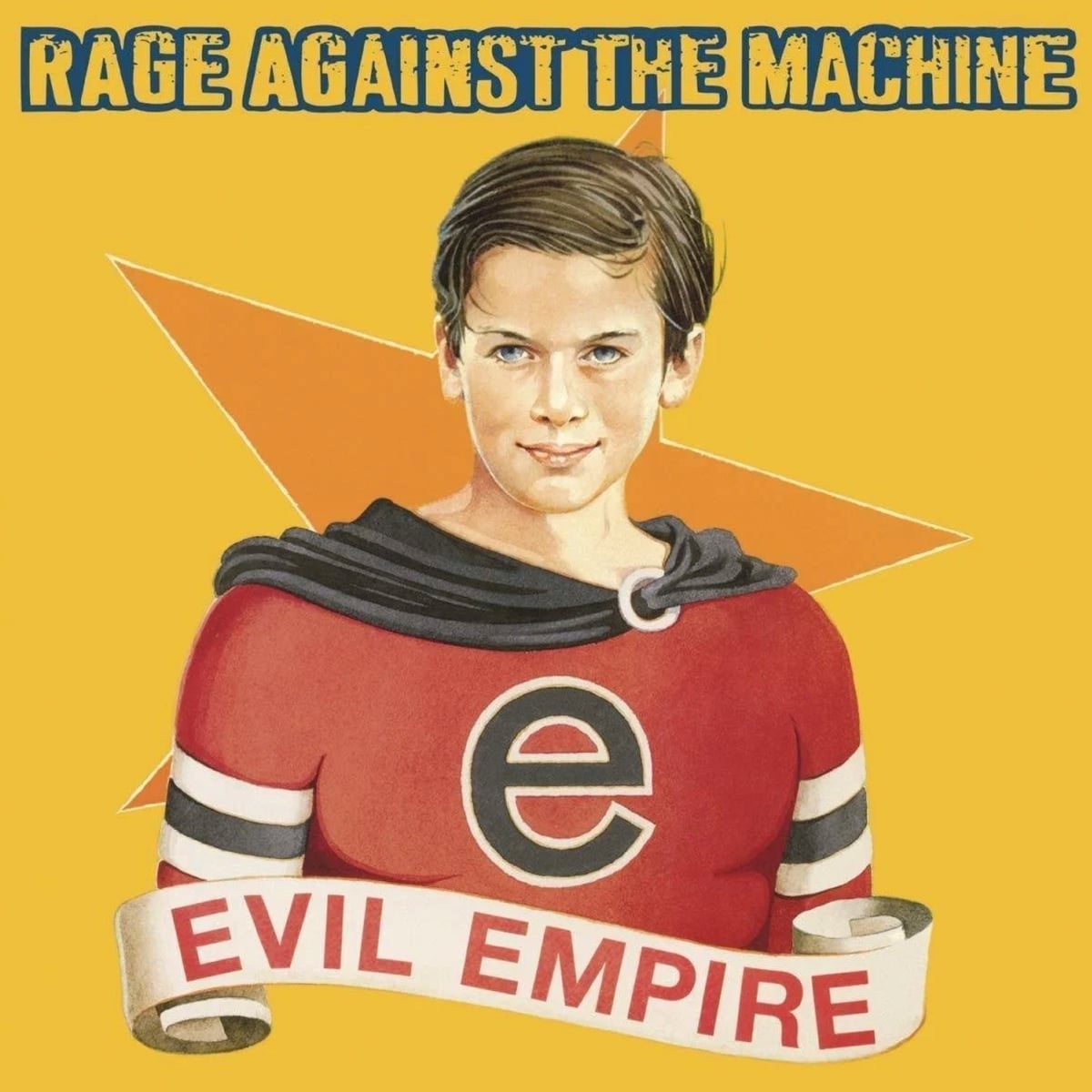
Heavy rock in the ‘90s had untethered itself from many of the chauvinistic bread and circuses of the ‘80s, but grunge, more often than not, elevated the conversation by looking inward.
Rage Against the Machine, by comparison, took on the world, introducing the politically conscious fury and activism of rap groups like Public Enemy into the hard rock format. Their second album, Evil Empire, was the moment where they really broke into the mainstream, to the point that it actually threatened to undermine the anti-capitalist talking points of their music.
Guitarist Tom Morello defended his band’s major label deal with Sony Music at the time, saying that “It’s entirely counterproductive to have your head in the sand and run a communal record company and reach a tiny minority of the already converted”. 30 years later, it’s still up for debate whether Rage managed to convert their new mainstream listenership with songs like ‘Bulls on Parade’, or if most of those fans were merely banging their heads to the monstrous groove, hearing without listening.
Runner-up: Tool – Ænima
Britpop is dead, so zig-a-zig-ah!: Spice Girls – ‘Spice’
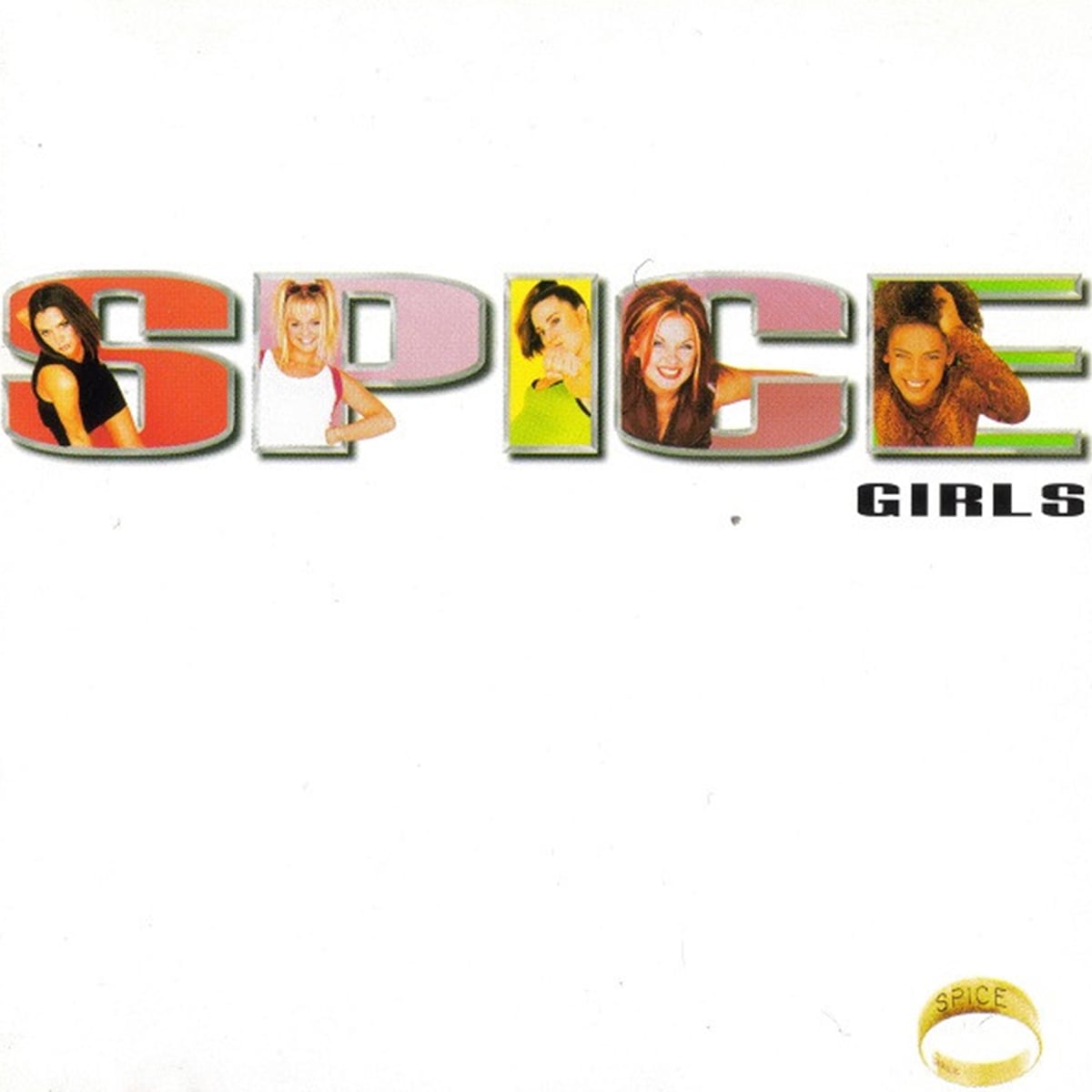
Three months after ‘Bulls on Parade’ came out and promised a new fierce political edge to popular music in the late ‘90s, a song called ‘Wannabe’ by the Spice Girls was released in the UK. Everybody forgot about Marxism overnight: ‘Girl Power’ was now the movement of the era.
Somewhat literally cooked up in a lab, the team of Baby, Sporty, Ginger, Posh, and Scary rapidly conquered not just the pop charts, but seemingly the whole of popular culture in the latter half of ‘96: MTV, Top of the Pops, teen magazines, tabloid newspapers, lunchboxes, and bedroom walls. ‘Wannabe’ became one of the fastest-selling singles in British history, and while it didn’t actually break America properly until the following year, it ultimately reached number one in 37 countries.
Sure, the Spice Girls weren’t necessarily the ideal antidote to the myopic lad-first bent of Britpop and the British press in the ‘90s, but they undeniably shook things up, emptying out the tumble dryer fluff from the first half of the decade and adding some fresh, generally positive fabric softener to go with the whole Cool Britannia vibe of the era. As with Tony Blair, the optimism flamed out quickly, but you can’t really put together a nostalgic montage of this period without including Ginger Spice in the Union Jack dress.
Runner-up: Jamiroquai – Travelling Without Moving
The ‘90s slacker reborn in Technicolour: Beck – ‘Odelay’
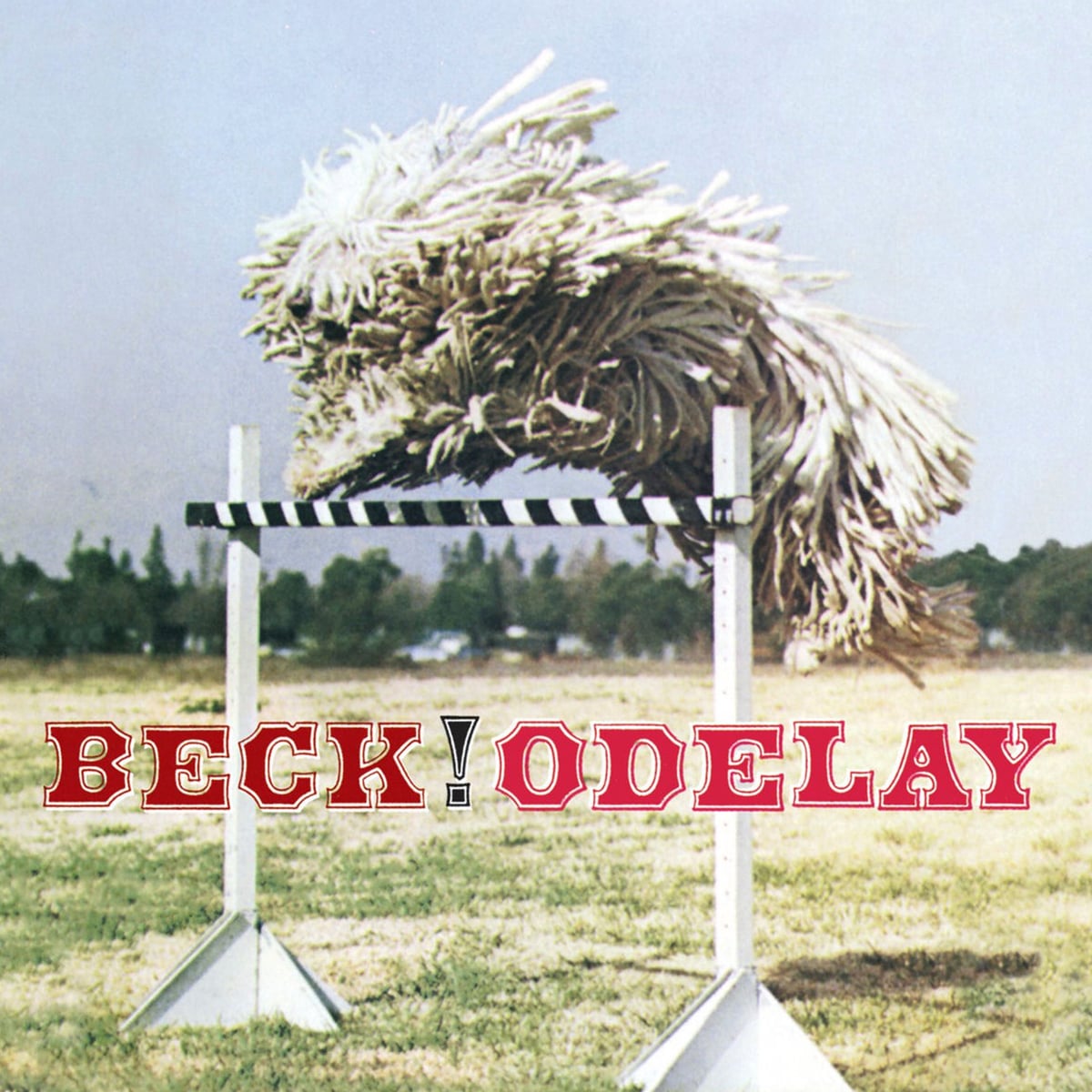
A few years earlier, the LA oddball known as Beck Hansen had seemed destined to become a one-hit novelty act. ‘Loser’ was an undeniable anthem of early-90s slackerdom, but it also felt like the sort of song that could permanently trap its creator in ironic obscurity; instead, Odelay revealed Beck as one of the most inventive musicians of his generation.
Working with the Dust Brothers, he assembled a kaleidoscope of hip hop beats, folk music, garage rock, country, funk, psychedelia, and random found-sounds into something improbably coherent and completely of the moment, soon to be shamelessly thieved by legions of admirers.
The album’s success reflected a broader mood in the so-called ‘alternative’ culture, as by 1996, many listeners had grown tired of grunge’s relentless seriousness, but weren’t interested in the polished optimism of mainstream pop, for which Beck offered a third option: playful, strange, self-aware music that never sacrificed craftsmanship.
Singles like ‘Where It’s At’, ‘Devils Haircut’, and ‘The New Pollution’ dominated alternative radio and MTV’s ‘Buzz Bin’ while helping define the visual and musical aesthetic of the late ’90s, such that, if Nevermind had made alienation cool at the start of the decade, Odelay made eclecticism cool by the middle of it, and suddenly, every aspiring indie musician wanted to be a crate-digger, a genre-hopper, and a laid-back lyrical riddler.
Runner-up: Weezer – Pinkerton
The new frontwoman for a generation: Alanis Morissette – ‘Jagged Little Pill’
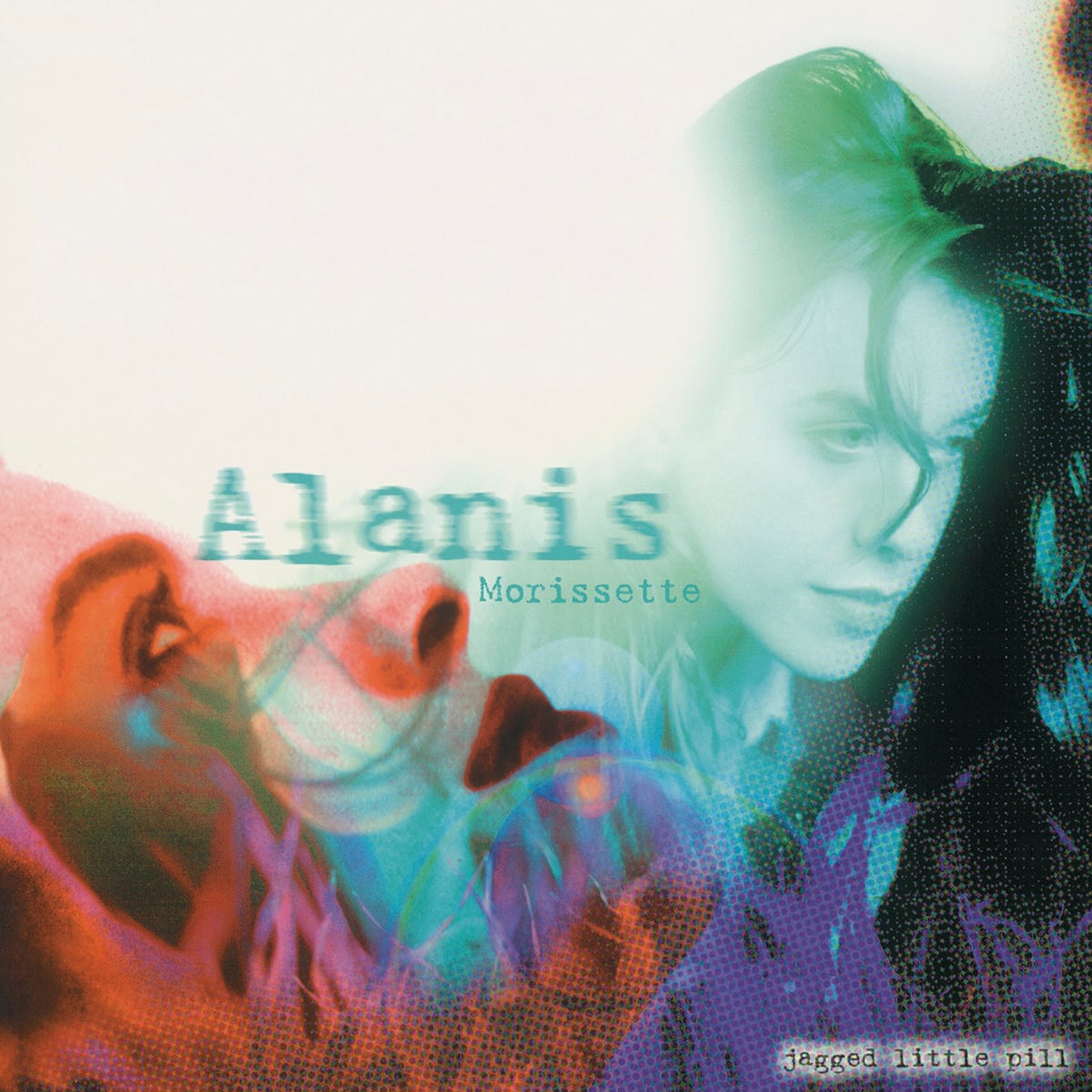
Technically speaking, Jagged Little Pill was a 1995 release, but in practical terms, it belonged every bit as much to 1996, as it simply refused to leave the charts, generating hit after hit while transforming Alanis Morissette from a former Canadian child actress into one of the biggest rock stars on earth.
While ‘You Oughta Know’ was the breakout song that forced the world to pay attention to the 21-year-old, ‘Hand in My Pocket’, ‘Ironic’, and ‘You Learn’ were the less ragey follow-ups that enabled a total, all-channels radio takeover, from alt-rock stations to the adult contemporary and easy listening ends of the dial.
As such, new audiences of all ages kept finding the album, pushing it back to the number one spot in America ten times in 1996, spread out between February and September, and it was also the biggest-selling album in the UK for the entirety of the year. Alanis’s lyrics were sometimes dismissed critically as overly confessional and immature, but that candour was precisely what resonated with millions of listeners, with young women, especially, seeing something refreshing in a performer who was angry, vulnerable, sarcastic, wounded, and triumphant all at once.
“Just like a real human being, imagine that!” Morissette joked to the Boston Globe 30 years after the album’s release. Jagged Little Pill eventually sold more than 30 million copies worldwide, and it continues to collect new devotees, many of whom have no concept of it as a time capsule of mid-90s life. If anything, it’s just a classic rock album now, one of the last giant mega hits from the pre-autotune era.
Runner-up: No Doubt – Tragic Kingdom

Never Miss A Tale
The Far Out Classic Rock Newsletter
All the latest Classic Rock content from the independent voice of culture.
Straight to your inbox.