


The 1978 song that spawned The Police’s finest album

For musicians, live performances are often far more than simply standing in front of fans and singing their favourite songs. For some, like The Police, they often generate distinctive threads of thought you wouldn’t have gotten inside a studio or any other place you write the songs.
Sometimes, the stage is just as much a creative hub as any other place, whether it sparks ideas for future songs based on the energy of live shows or plants the seeds for what would eventually become new projects entirely, started as casual instrumentals, jams, or snippets of songs that don’t yet belong anywhere else.
The Police’s first three records, Outlandos d’Amour, Reggatta de Blanc, and Zenyatta Mondatta, were named by the band’s manager and Stewart Copeland’s brother, Miles, to represent the sort of music they were making while also avoiding the generic streak of album names their peers were choosing at the time.
Outlandos d’Amour, for instance, was initially intended to be called Police Brutality, but Miles then heard ‘Roxanne’ and felt it needed something a little quirkier and romantic to fit the broader appeal of the record, and put forward the new name in the hopes that the rest of the group would see his vision.
They did, of course, which meant that by the time the second record emerged, Reggatta de Blanc, they were in a good and well-established position to continue this trend of choosing a title that reflected their musical remit even more than the first; after all, the title loosely translated to something like ‘white reggae’, which, considering their influences and how they repackaged them for mainstream audiences, made complete sense.
That said, Reggatta was completely different from Outlandos for a bunch of reasons. For starters, they didn’t feel the same pressure they did at first, and entered the studio without so much as a single song prepared. But this was somewhat of a blessing and a curse: it gave them the space to do whatever they wanted, but also left them intensely short on material.
As a result, they had to search far and wide to figure out what to do, with Sting and Copeland reaching into their personal archives of songs to find new ones to record. They also decided to record an instrumental they’d been performing during live sets, a casual jam that sat in the middle of the heartfelt tune ‘Can’t Stand Losing You’, which they’d initially put there to fill up the time on stage.
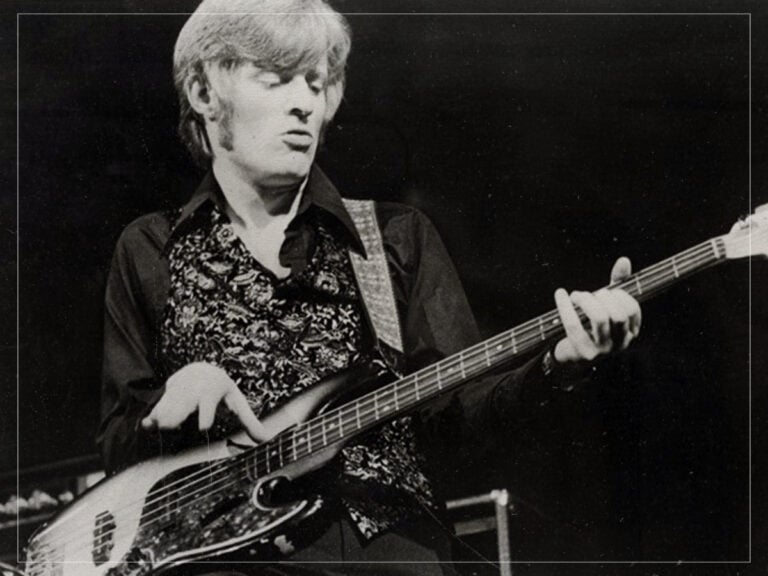

Extracting that special mid-segment, they recorded a separate song, which ultimately became the record’s title track. One of the few songs with writing credits to the entire group, ‘Reggatta de Blanc’ was an example of accidental genius, emerging as a sort of backup idea that unintentionally became one of the greatest rock instrumentals ever recorded.
But that was also the accidental genius of the entire second record. After all, the title track also won a Grammy for ‘Best Rock Instrumental Performance’, an achievement that stemmed from the sharpness of their live sets, when they’d worked at refining their eclectic fusion of multiple styles in a way that made even the lesser developed ideas seem fully-formed.
