


10 mythical director’s cuts you’ll never see

All directors desire complete creative control over their work.
The notion of a ‘director’s cut’ has become mythologised in the internet era, largely because it’s never been strictly defined. In most cases, a director’s cut is simply an excuse to include additional footage in a film that couldn’t fit in the theatrical release due to time limits.
Although there are occasionally more graphic versions of films that are released on the home media editions that had to be cut down to attain the desired MPAA rating, there’s generally not a significant difference in terms of narrative. There have also been a few films that have been recut and remixed several times. Francis Ford Coppola has released multiple editions of Apocalypse Now, and there’s still no consensus on what the best version of Blade Runner is.
There’s been a push by some directors who assert that their alternate cut is better than what the studio released, which is often a means to deflect criticism. The most recent instance of this was with Justice League; the so-called ‘Zack Snyder cut’ of the film didn’t exist, as Zack Snyder’s Justice League required additional filming and over $90million from Warner Bros and HBO Max.
On the flipside, Peter Jackson’s extended editions of The Lord of the Rings films include important details and moments that make them more complete; the theatrical cuts still function as great films in their own right, but the extended editions are seen as the definitive versions. There have been some long-rumoured director’s cuts that were released after years of speculation, such as the ‘Cannes cut’ of Southland Tales and The Godfather, Coda: The Death of Michael Corleone, but there are some that will likely never be released.
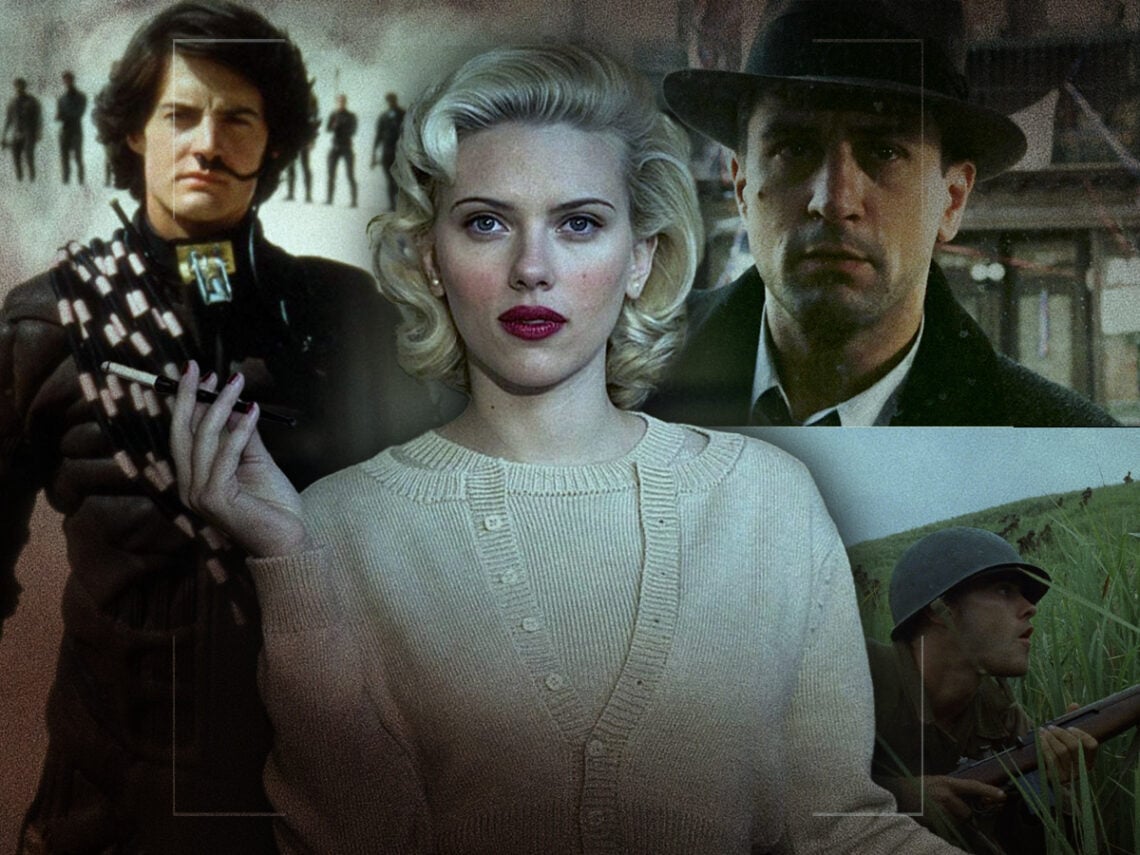
10 mythical director’s cuts not for your eyes
‘One-Eyed Jacks’ (Marlon Brando, 1961)
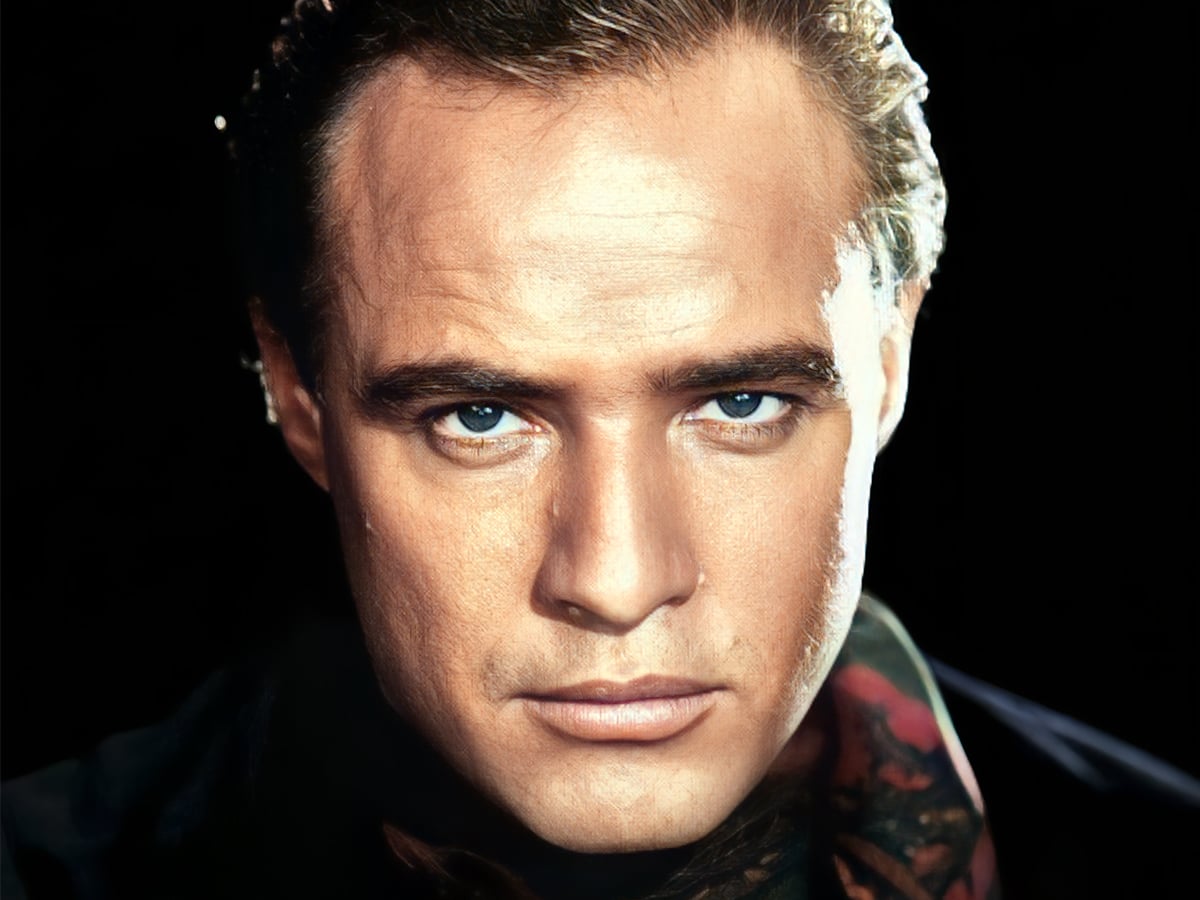
Marlon Brando only ever directed one film, the western One-Eyed Jacks, which was originally slated to be a Stanley Kubrick production. Although Brando was already a massive fan of westerns, the film became a passion project because of its semi-autobiographical nature; Brando starred as a wrongfully imprisoned criminal who is betrayed by a mentor known as Dad, which is an allusion to the issues that he had with his own father.
Brando poured his heart out into an epic labour of love, but the studio forced him to cut down the three-hour film into something more manageable and asked for a more optimistic ending. Brando’s frustration with the Hollywood system for messing with his artistic vision is among the reasons he developed such a bitter perspective of the industry, and contributed to his reputation of being ‘difficult to work with’.
‘Dune’ (David Lynch, 1984)
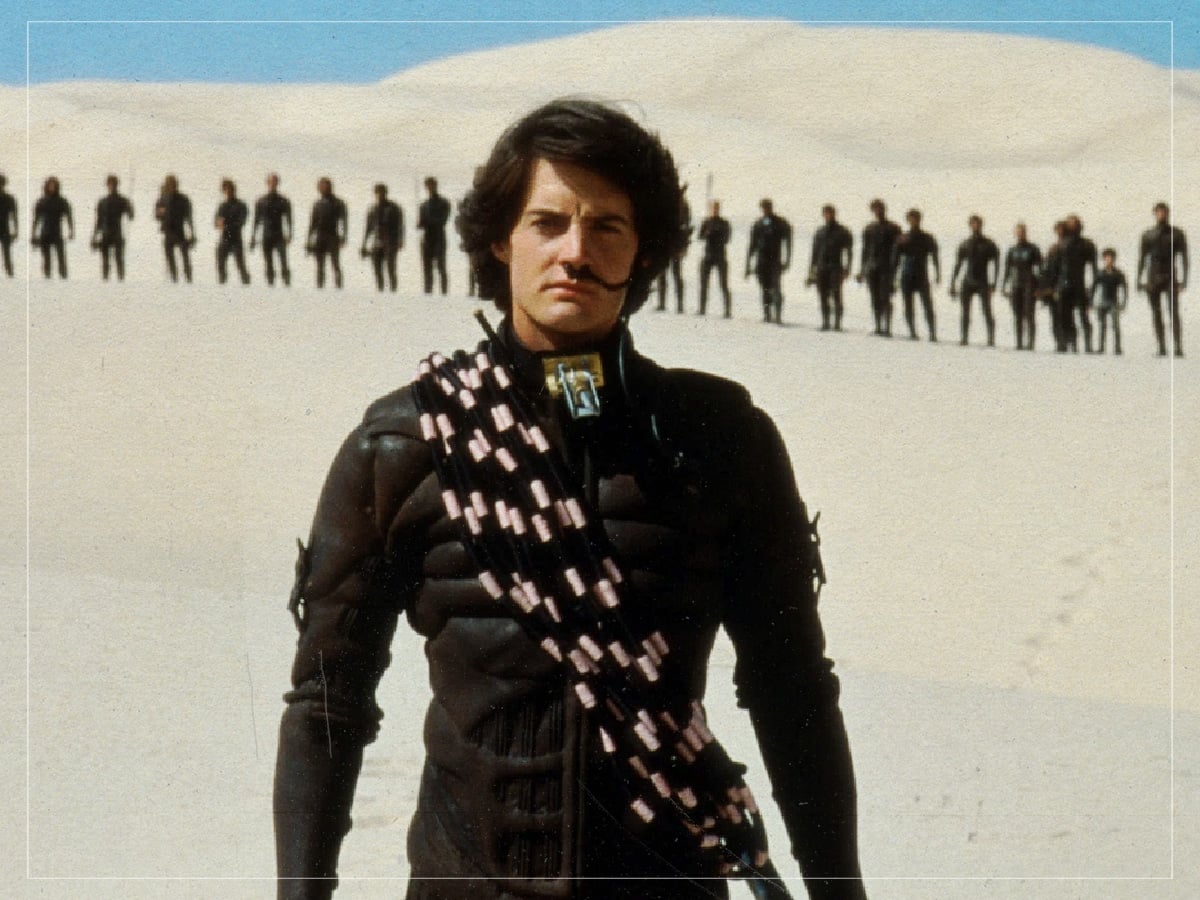
David Lynch was given the chance to make an adaptation of Frank Herbert’s Dune after his fellow surrealist filmmaker, Alejandro Jodorowsky, failed to get his version off the ground. It was the only film Lynch ever made where he was not given the final cut, a decision that he came to regret when it was wrestled away from him and severely cut down. He was so frustrated about the edits made to Dune that he disowned it entirely and has come to view it as the biggest failure of his career.
Although the popularity of Denis Villeneuve’s Dune films raised some speculation as to whether Lynch would ever go back and edit the existing footage in order to provide a definitive cut, his tragic death guaranteed that his version of Dune would remain one of Hollywood’s greatest ‘what if?’ stories.
‘Alien 3’ (David Fincher, 1992)
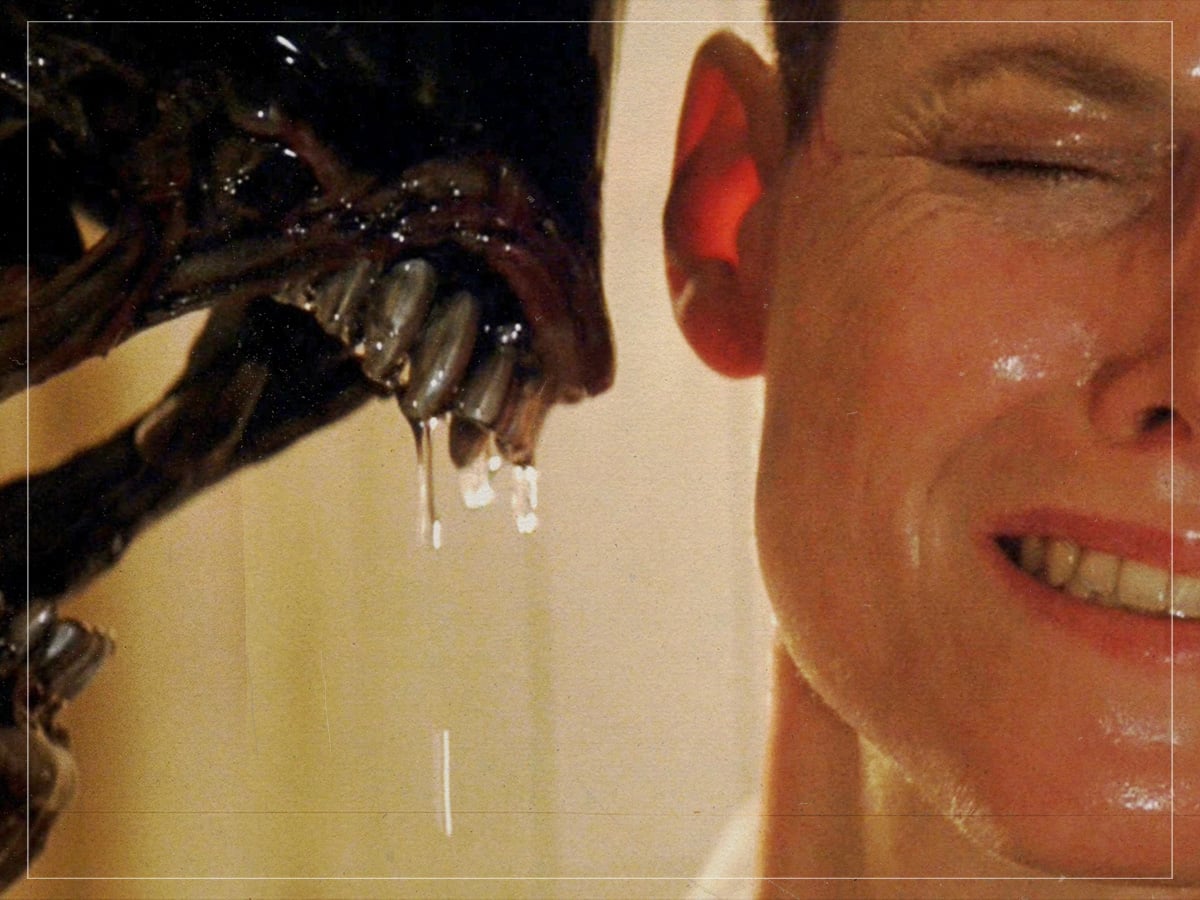
David Fincher was a popular music video director, best known for his work with Madonna, when he was hired to direct Alien 3 as his debut. The film went through multiple rewrites and received internal backlash for its shocking opening, but it was also something truly weird and esoteric that took the series in a different direction, such that, if the original Alien was a slasher thriller in space and Aliens was essentially a Vietnam War allegory, then Alien 3 is a grounded prison drama that contained allusions to the Aids epidemic.
Nevertheless, Fincher was infuriated by the process and claimed to be so distraught by the studio-enforced changes that he hates the film more than anyone, so while an ‘Assembly Cut’ was released that tried to remain more faithful to his original plans, he has expressed no interest in ever revisiting Alien 3.
‘The Keep’ (Michael Mann, 1983)
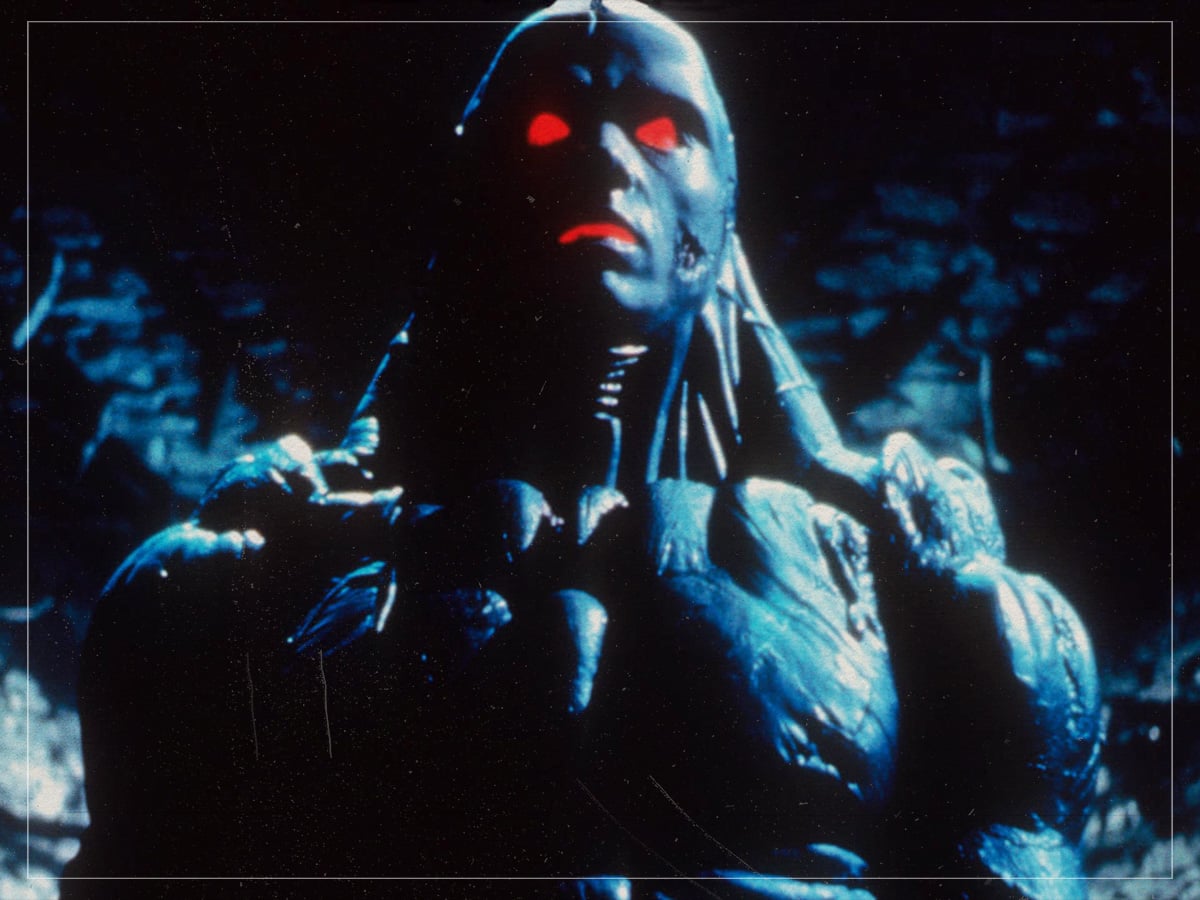
Michael Mann had an all-time great directorial debut with 1981’s Thief, and decided to make a much more ambitious historical fantasy epic with his next film. The Keep was a dark fantasy thriller set during the heights of World War II, and took a very uncommercial approach to a genre that Mann wasn’t previously keen on. His original cut of the film was over three hours long, but the studio whittled it down to around 96 minutes and left much of the visual effects work uncompleted.
Although it’s fascinating to imagine what Mann’s vision for the film may have looked like, as he never made a fantasy or sci-fi film again, any additional footage from The Keep that could have been used in a director’s cut is likely not preserved in a high enough quality for a new edit to be made.
‘Batman Forever’ (Joel Schumacher, 1995)

Joel Schumacher was a strange choice to take over the Batman franchise after Warner Bros opted not to bring back Tim Burton, as the studio felt that Batman Returns had been too dark for an intended audience of children. Schumacher famously quarrelled with Tommy Lee Jones on set, and Val Kilmer notoriously hated playing the role of Batman, but rumours have persisted that the more family-friendly version released in theatres was not what anyone had in mind.
Kevin Smith later revealed that he had seen a different version of the ‘Schumacher cut” that was far darker than the theatrical release, and focused more on the internal turmoil of Bruce Wayne. Sadly, Schumacher’s death meant that he would never get the chance to retool the film, as the only version that could ever be released would be a rough cut.
‘Gangs of New York’ (Martin Scorsese, 2002)
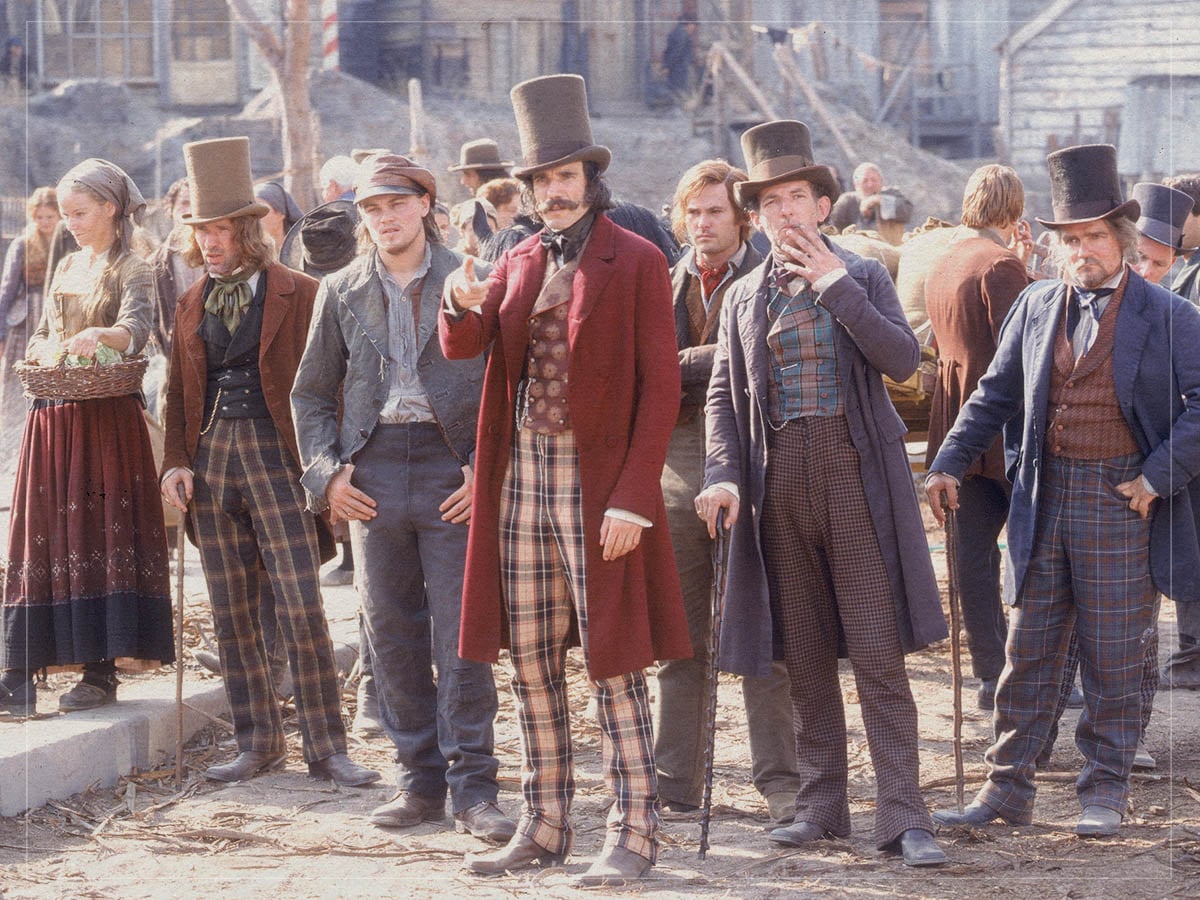
Martin Scorsese had dreamed of making Gangs of New York for decades before he was finally able to put it into production, and convinced Daniel Day-Lewis to return to cinema for their first film together since The Age of Innocence. While 9/11 resulted in some delays and missed opportunities, the biggest villain in Gangs of New York’s release was Harvey Weinstein, who blindsided Scorsese by enforcing edits.
The version of Gangs of New York that was released was still a good film that received ten Oscar nominations (and probably should have won ‘Best Picture’ over Chicago), but it wasn’t Scorsese’s dream. In the recent documentary, Mr Scorsese, he revealed that he didn’t believe in director’s cuts and had been forced to accept that the only version of Gangs of New York was the one that came out in theatres.
‘The Black Dahlia’ (Brian De Palma, 2006)
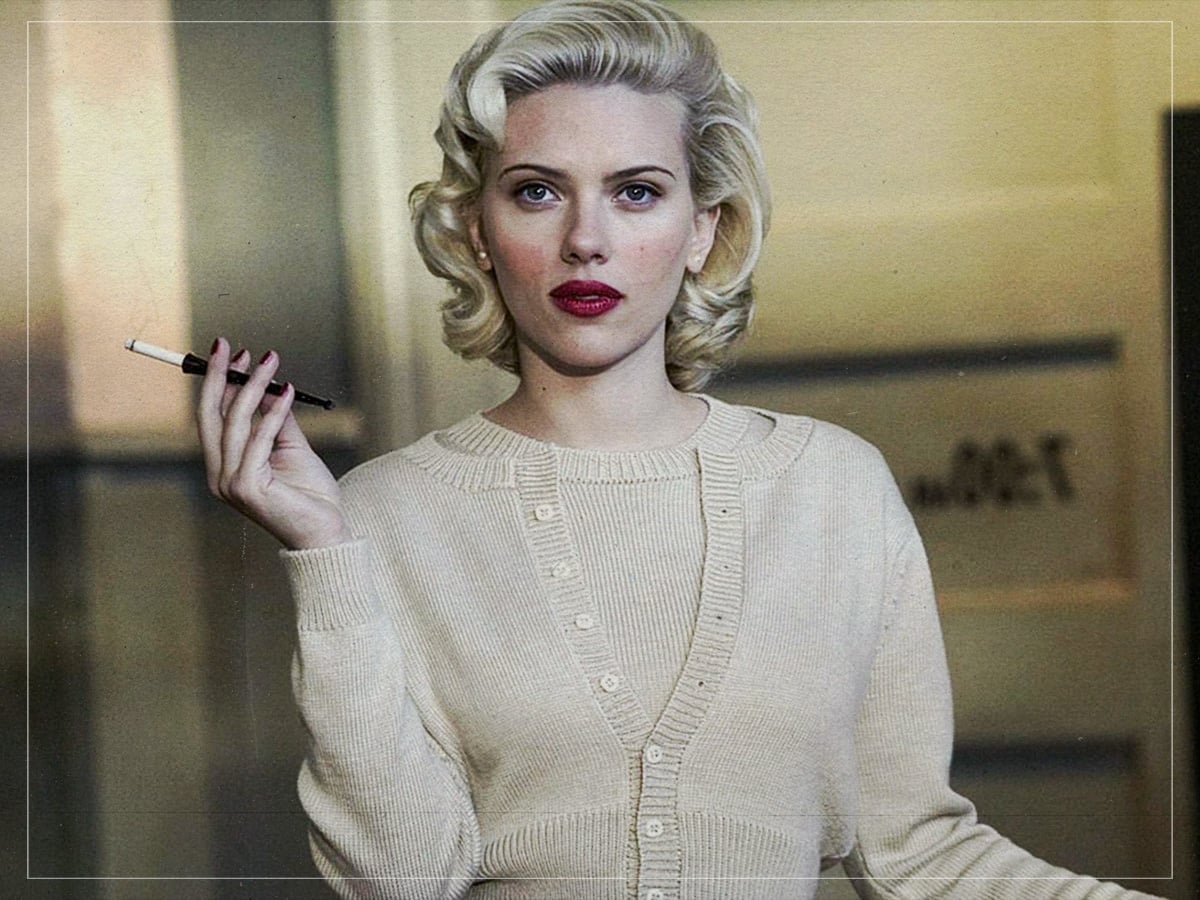
An expert in thriller and noir stories, Brian De Palma was the perfect director to make The Black Dahlia, a true crime story that had inspired many Hollywood films, but he hadn’t had a major hit since the first Mission: Impossible film from 1996, and had considerably less fighting power when presenting his cut.
De Palma’s first cut of the film was over three hours long, and the choppy, slightly incomprehensible version released in theatres had been significantly trimmed down. Unfortunately, the director hasn’t had much luck in getting his work off the ground since, not even allotted the final cut on his most recent film, Domino, which barely even received a theatrical release in the United States before it found its way to VOD services.
‘American History X’ (Tony Kaye, 1998)
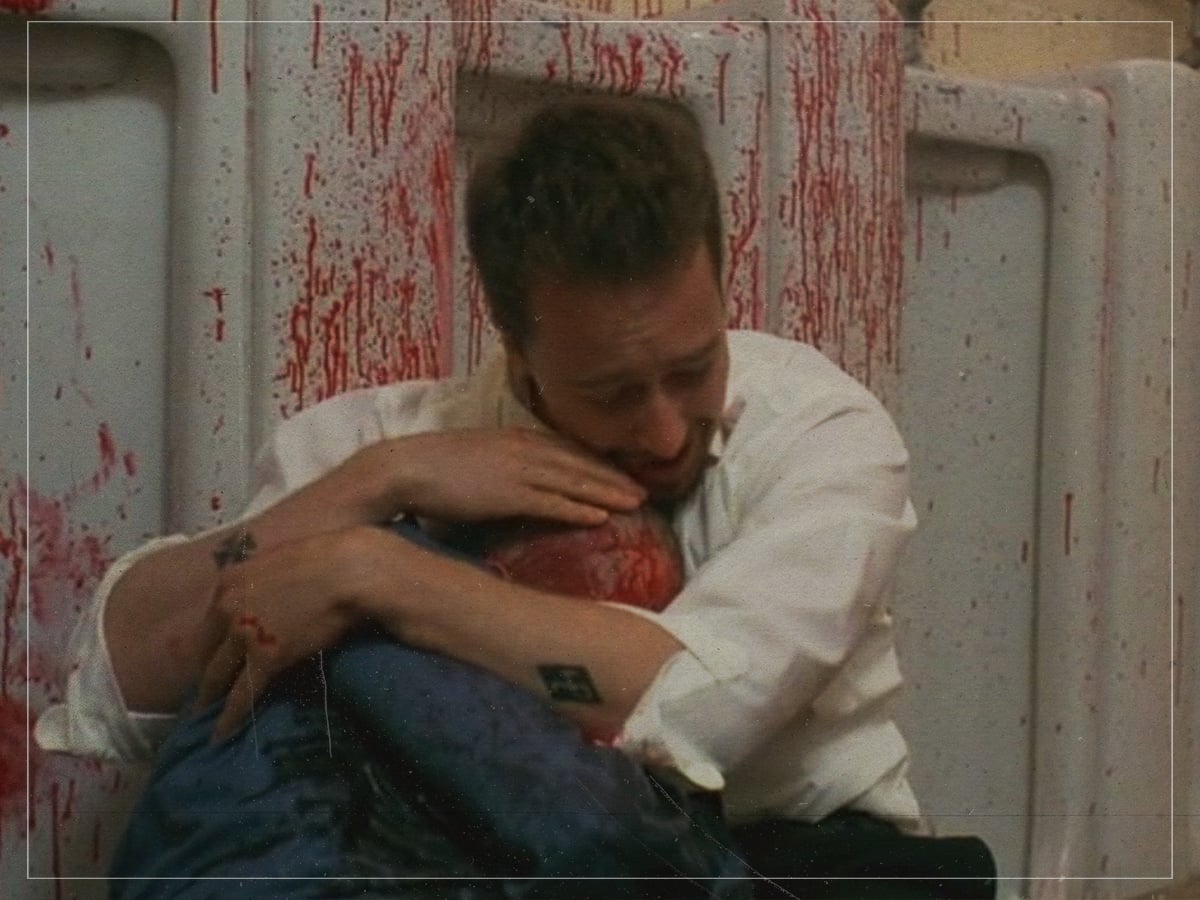
Edward Norton began to solidify his reputation as a brilliant yet difficult actor when he starred in American History X and insisted on having control over the script and reordering the events of the film over director Tony Kaye. He succeeded in getting his version approved as the theatrical release, which left Kaye blindsided, and he essentially backed away from Hollywood until 2011, when he made another narrative feature with the education drama Detachment starring Adrien Brody.
Kaye no longer has any significant power in the industry and has struggled to get his more recent projects off the ground, so he wouldn’t have the authority to do anything with American History X, especially since the version released was very well-received and earned Norton an Academy Award nomination for ‘Best Actor’.
‘Once Upon a Time in America’ (Sergio Leone, 1984)
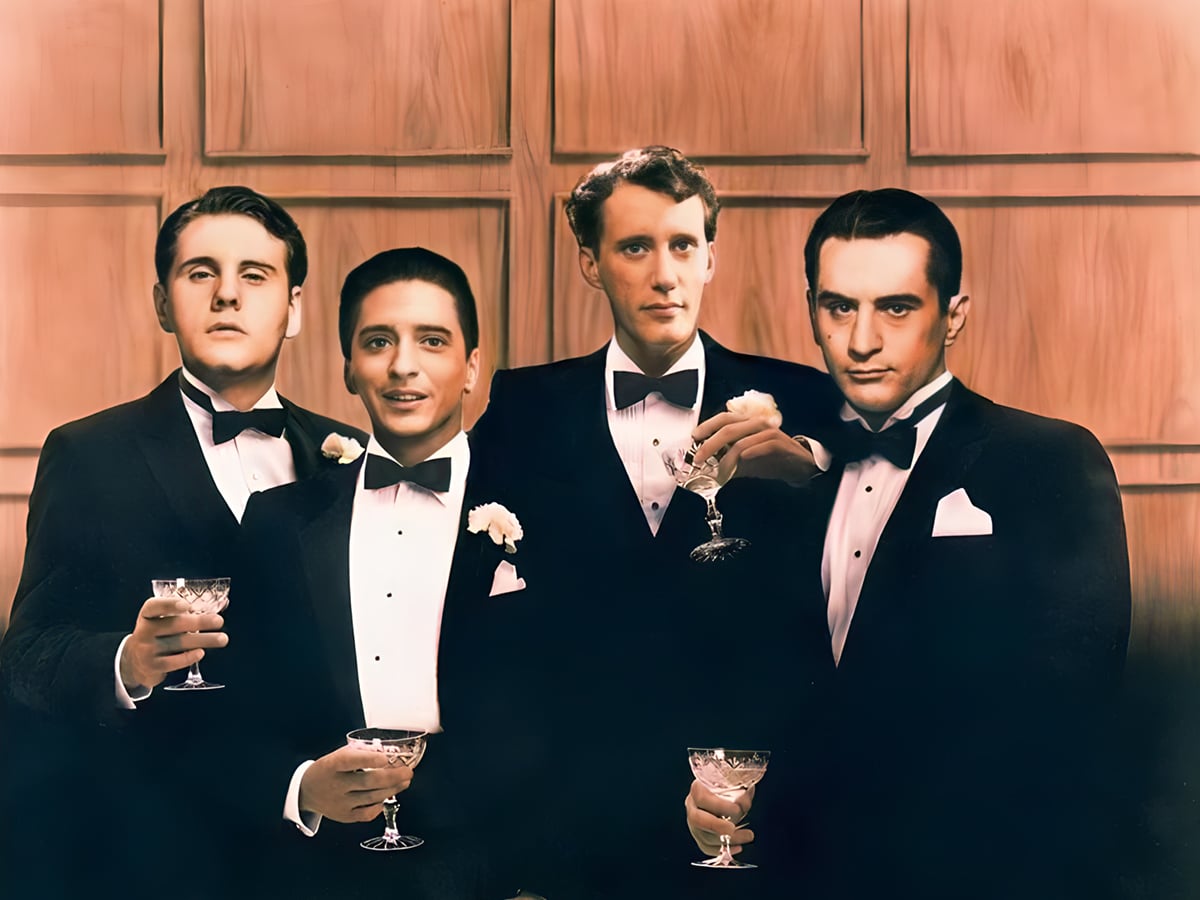
Sergio Leone returned to filmmaking after a 13-year absence to make Once Upon a Time in America, a conclusion to the spiritual trilogy that he had started with Once Upon a Time in the West and Duck, You Sucker!, originally planning for his epic story of Italian immigrants in New York to be two three-hour-long films, but had to settle on a cut that ran a little under five hours.
Leone further had to slash his version to 226 minutes to get it approved by any markers, but the theatrical cut eviscerated the film and turned it into a haphazard 139-minute showing that was told chronologically. Leone expressed deep hatred for the American release of the film, and the 226-minute cut received much more favourable reviews when it was released after his death, but the original five-hour version might sadly be lost to time.
‘The Thin Red Line’ (Terrence Malick, 1998)
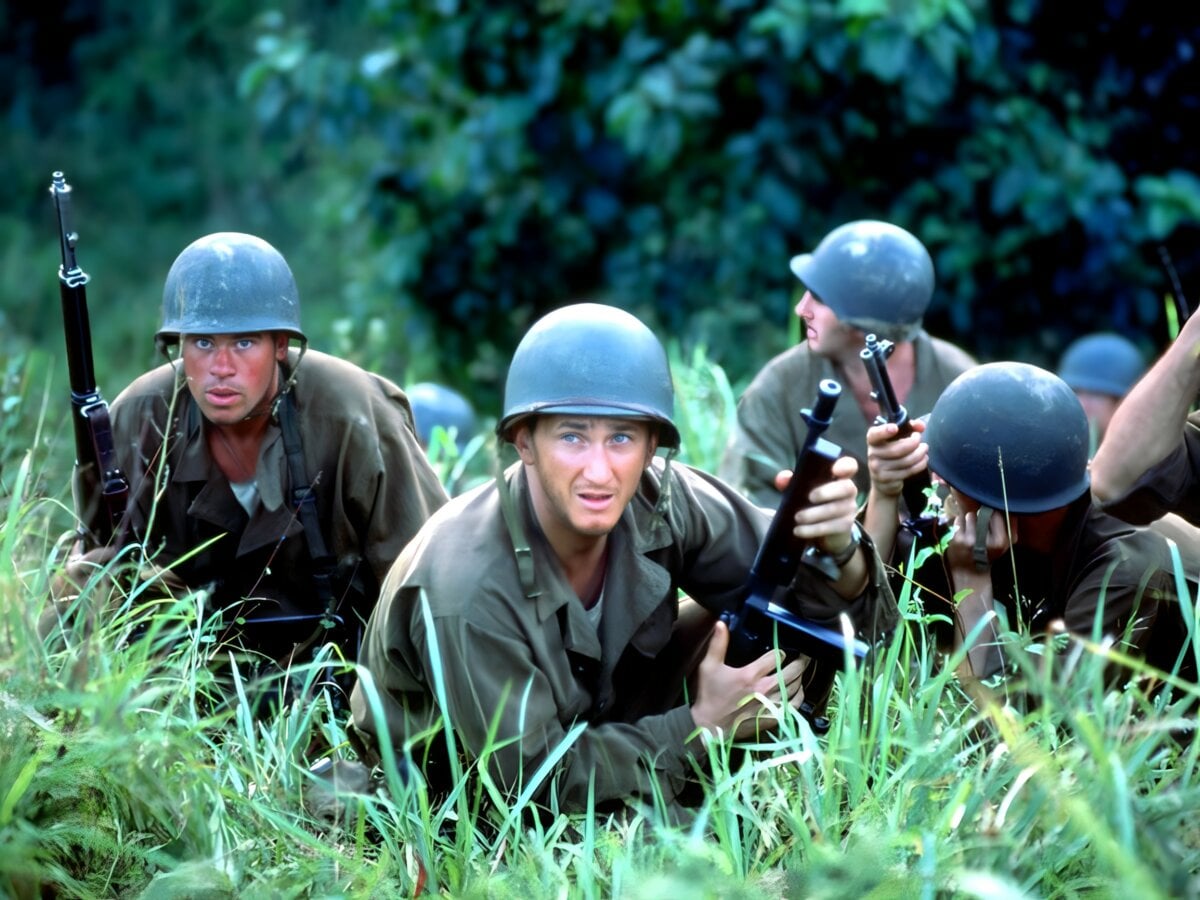
Terrence Malick has a notorious habit of not fully scripting his films before they begin shooting, and so when he made his audacious return with a massive World War II epic that included one of the most star-studded casts of all-time, 20 years after his previous, Days of Heaven, the film’s editors were given the laborious task of blending hours of raw footage into something comprehensible, which included voiceovers.
Malick made severe cuts that removed some actors from the film entirely (such as Bill Pullman and Mickey Rourke) and greatly reduced the screentime of others (including Adrien Brody and George Clooney). 20th Century Fox still removed 45 minutes to trim the film to a 270-minute running time, sparking the director’s wrath, but it’s unlikely that Malick will have any time to release his cut of The Thin Red Line, given that he shot a religious drama with Mark Rylance in 2019 that still isn’t finished editing.
