


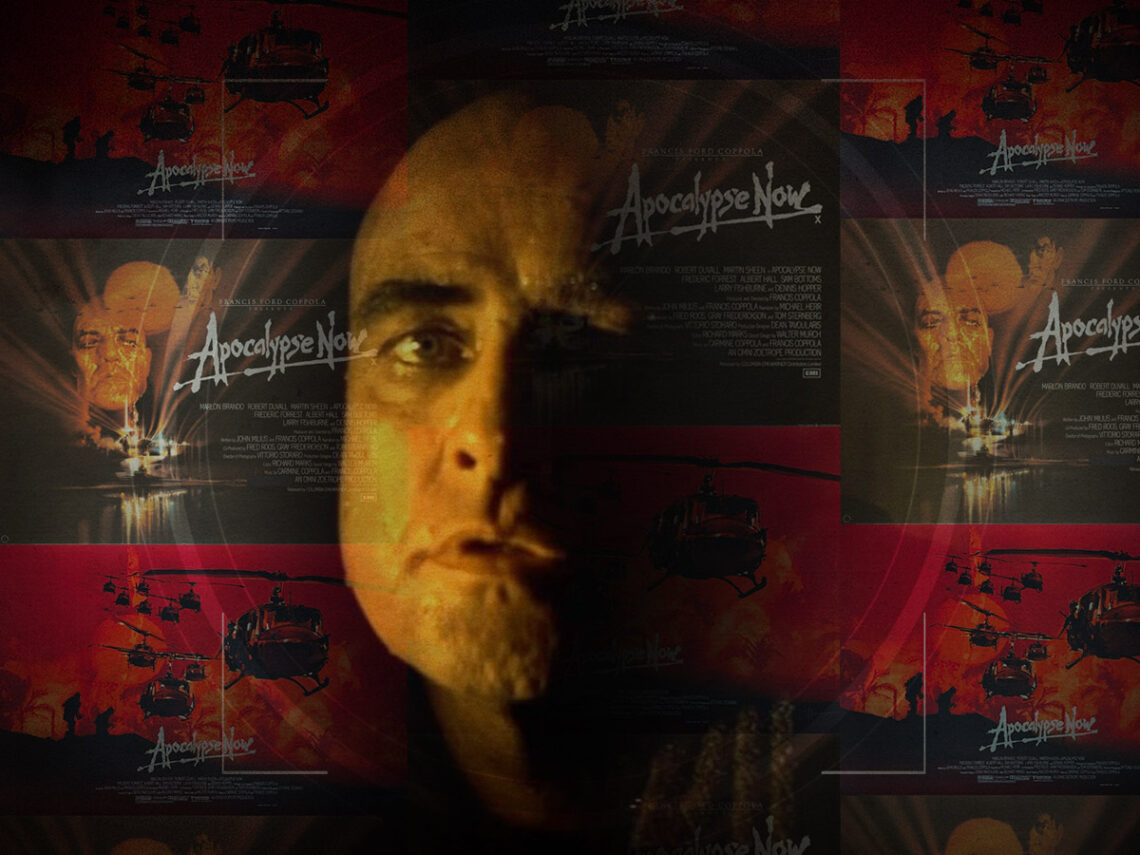
10 times ‘Apocalypse Now’ almost ground to a halt

Apocalypse Now is a film so awe-inspiring, ambitious, and filled with detail that it could never have been made at any other point in film history, and certainly not by any other director.
It was shortly after Francis Ford Coppola had directed two Academy Award-winning ‘Best Picture’ films that he pitched an ambitious war film inspired by Heart of Darkness, which would visualise the horrors of Vietnam like nothing else.
The undertaking of Apocalypse Now quickly spiralled out of control due to creative disputes, temperamental actors, weather hazards, and all sorts of nightmarish circumstances that could have easily sunk it. While the perception at the time in the industry was that Coppola had lost his mind, the film eventually earned its status as being one of the last true masterpieces of the New Hollywood era, and in many ways the final word about Vietnam. Some critics would name it as one of the greatest films ever made, and there was backlash when it was beaten for ‘Best Picture’ at the Oscars by Kramer vs Kramer.
While every completed film is a miracle in some way or another, it is truly miraculous that Apocalypse Now exists in its current form, and that it did not become a disastrous, multi-decade endeavour for Coppola like The Man Who Killed Don Quixote was for Terry Gilliam. The stories about Apocalypse Now and the hell that the cast and crew experienced have become legendary in their own right.
10 times ‘Apocalypse Now’ almost sank:
George Lucas dropped out as director

George Lucas and Coppola had been friends ever since they met on the set of The Rain People, and they became involved with one another professionally through their company American Zoetrope. The original ideas for Apocalypse Now emerged from a project that Lucas was working on with John Milius, another friend who was equally enamoured with Heart of Darkness and the work of Joseph Conrad.
Lucas’ interest in the project was challenged when his cinematic directorial debut, THX-1138, was a box office flop, which led him to make something more commercial with his coming-of-age dramedy American Graffiti. Lucas eventually moved on from the project entirely to direct Star Wars instead, but Coppola cast Harrison Ford (who had worked with Lucas on both American Graffiti and Star Wars) for a small role in the film as a character Colonel Lucas.
Coppola fired Harvey Keitel from the lead role
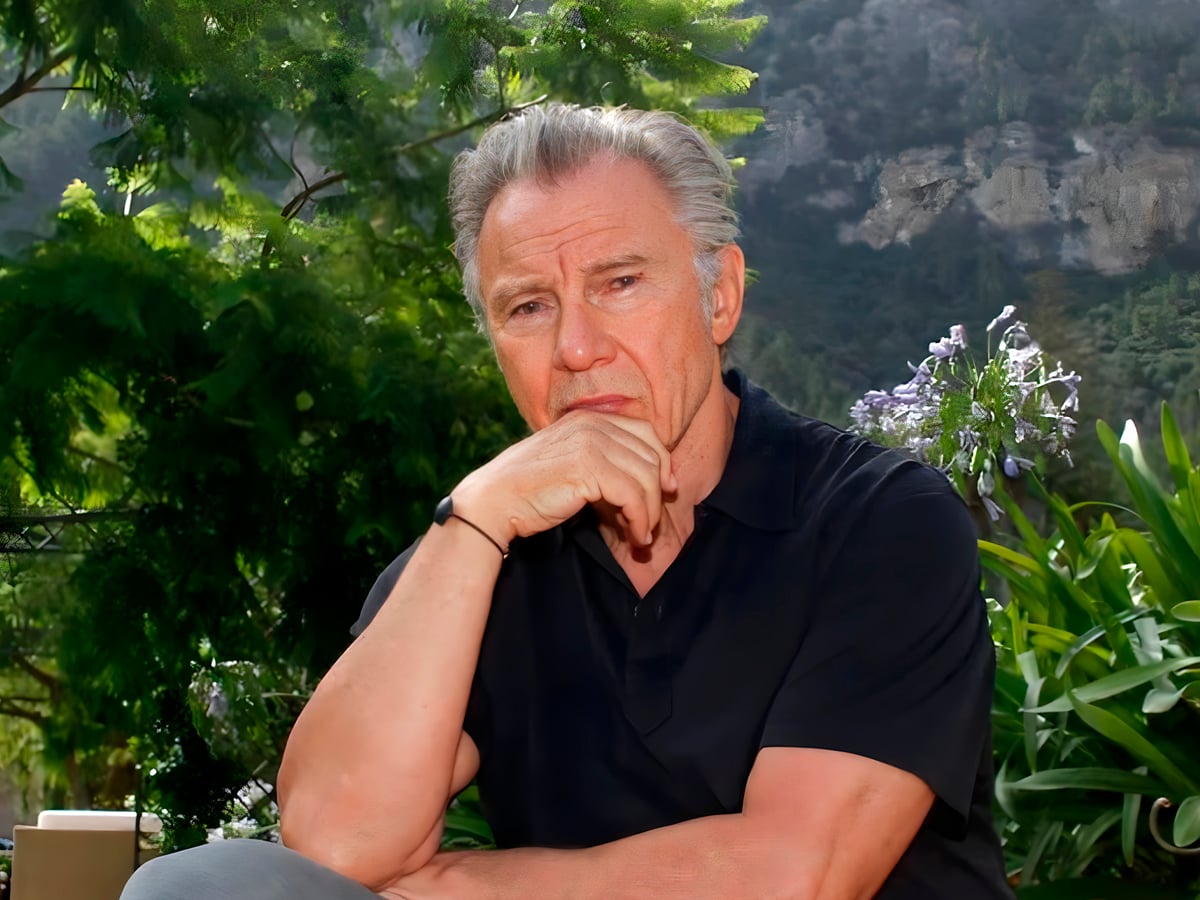
Harvey Keitel was growing in prominence as an actor in the ‘70s, specifically after his standout role in Martin Scorsese’s breakthrough gangster film Mean Streets. While Coppola had initially cast him to play Captain Benjamin Willard, he was fired after only a week of shooting. Keitel wasn’t cited as being involved with any of the other feuds involving the different stars of the film, but Coppola felt that he was uncomfortable in the role, and didn’t look appropriate in the jungle.
Ditching the lead for a massively ambitious and expensive film could have easily torpedoed its trajectory, but Coppola was able to quickly recast Martin Sheen as Willard and remain on schedule, whose presence likely saved the film, as his professionalism and dedication to Coppola’s vision were critical when the shoot threatened to be shut down at multiple points.
Martin Sheen had a heart attack
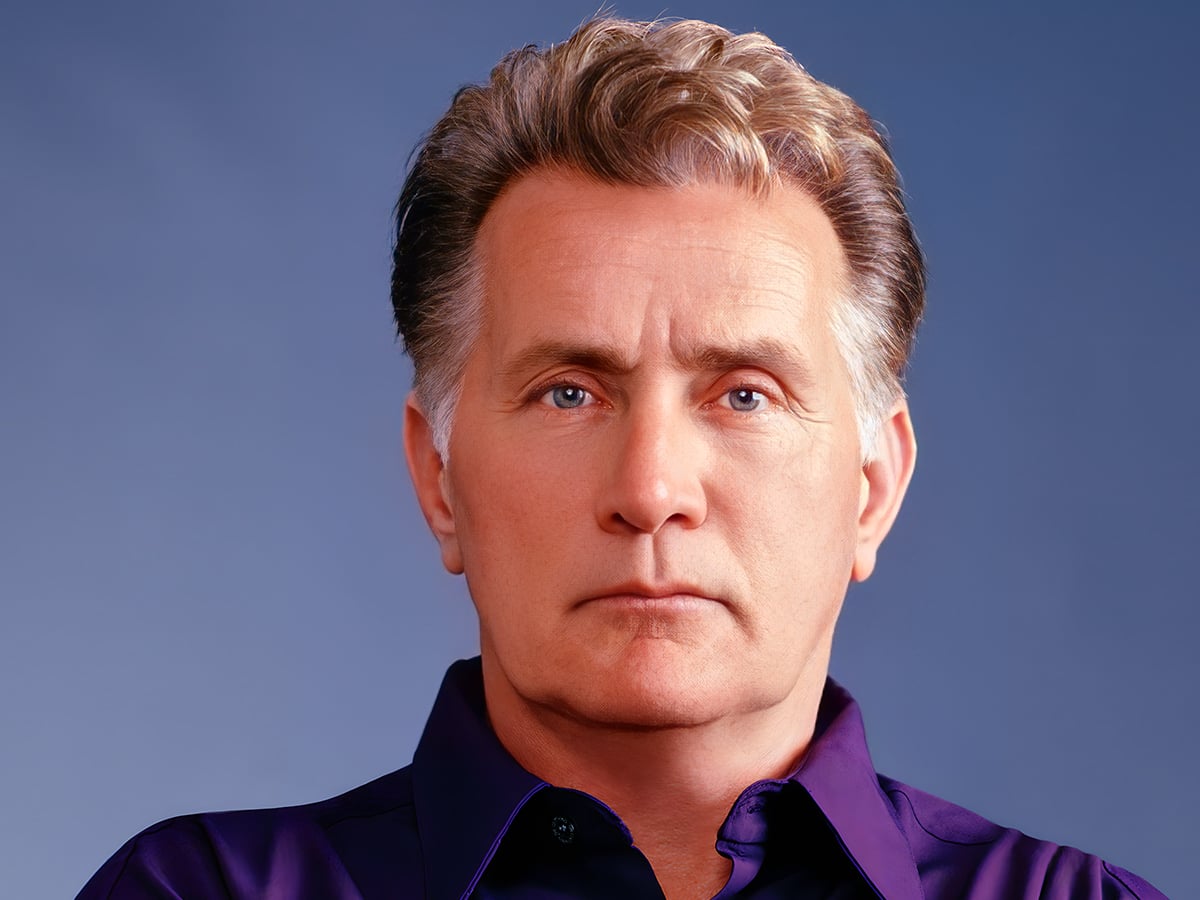
Martin Sheen may have been the perfect choice to play Willard, but he brought his own demons to the set due to his struggles with alcoholism, and while drug use was already common on set, the actor faced a near-fatal heart attack after suffering a breakdown. Concerned about going over budget and being shut down, Sheen had been overwhelmed by stress, and his brother Joe Estevez was briefly brought in to serve as his double while he recovered.
He also critically injured himself when he improvised a scene in which Willard recalls his issues with post-traumatic stress disorder, which was shot after he had spent a day drinking and losing consciousness, wherein Sheen had managed to convince Coppola to let him perform the dangerous moment, and the blood that covers Willard in the film was not achieved through any means of fakery.
Francis Ford Coppola’s nervous breakdown

Francis Ford Coppola had hired his wife, Eleanor, to film a documentary about the making of Apocalypse Now that ended up capturing some shocking details regarding the health dangers he faced in the midst of production. Having invested his own money, endangering both his livelihood and savings, Coppola would often make off-handed references to suicide, and lost 40 pounds due to the high-energy production, his nerves tested when the film went behind schedule, leading him to appear in a combustible state while promoting it during press appearances.
He courted controversy when he declared “my film is not about Vietnam, it is Vietnam,” as some perceived it to be disrespectful to actual veterans, and even though it was done in the name of art, Coppola had faced so many legitimate dangers and nearly lost his life, so the comparison isn’t entirely off base.
A typhoon halted production

The Philippines proved to be a tempestuous environment to shoot in, as some members of the crew were even arrested after being accused of grave-robbing. Coppola was adamant about shooting on location because the realism he desired would never have been possible within a Hollywood sound stage, but that meant that Apocalypse Now also had to deal with naturally occurring weather events.
A typhoon that ravaged the area didn’t just cause delays in filming, but destroyed many of the sets, leading Coppola to invest extra time and effort into ensuring that there were not any continuity errors, and he was forced to take out a loan from United Artists in order to account for the six weeks and $2million that was lost, which may explain why it was shortly thereafter that he invested in a winery in order to fund further film projects.
A crew member was killed at work
Directors are tasked with many responsibilities, but none are more important than securing the safety of the cast and crew, but sadly, a Filipino worker was killed during the construction of one of the sets before shooting began, setting a sour tone for the production from the beginning.
Coppola was never considered to be responsible because the accident did not occur in his presence, which may be why the film is still considered to be such a directorial achievement by aspiring filmmakers, but the conversation regarding the safety of collaborators would only intensify within the next decade due to the tragedy on the set of The Twilight Zone: The Movie, in which the actor Vic Morrow and two child performers were killed during a stunt that was overseen by John Landis, who would go to court as a result of the incident.
Marlon Brando was completely uncooperative

Marlon Brando is well-known for being a temperamental, difficult actor who derails productions, but his refusal to abide by any rules made by Coppola certainly didn’t make a troublesome shoot any easier. He didn’t learn his lines, refused to work on weekends or past 17:30, and gained a significant amount of weight that wasn’t befitting of the intimidating, dangerous Colonel Kurtz. Brando had gotten into an argument with Coppola about Hearts of Darkness before he decided to actually read the book, which inspired him to shave his head without telling anyone.
Since the actor asked for $3million for only four weeks of report, Coppola had to be strategic in filming his scenes and reducing his role, and even though they had seemingly had a more positive experience working with one another on The Godfather, the director refused to work with Brando ever again.
Marlon Brando and Dennis Hopper hated each other
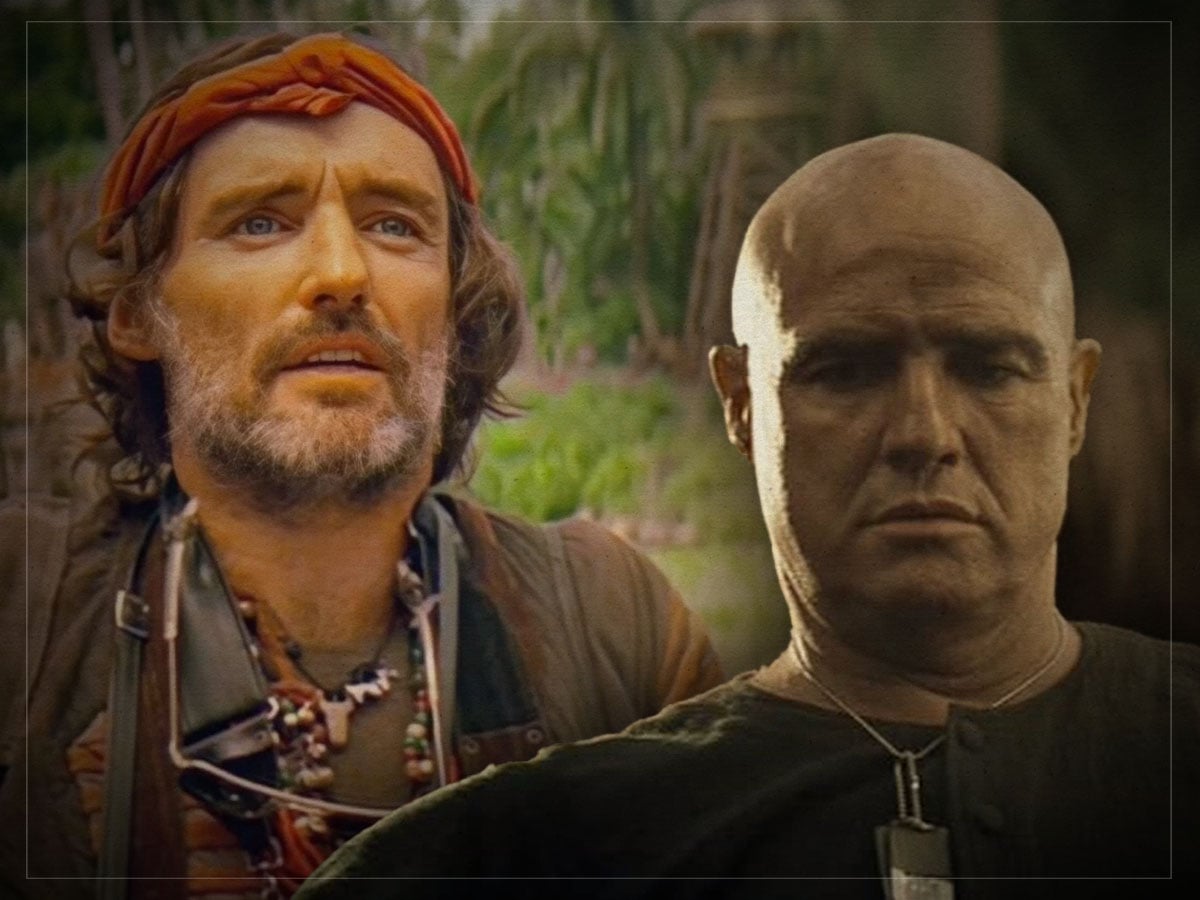
Dennis Hopper was another chaos agent on the set of Apocalypse Now who proved to be just as unpredictable as Brando, with whom he frequently feuded, and had introduced drugs to the set, even requesting to be paid in cocaine as part of his contract, which immediately set Brando off. The two actors were so intolerant of one another that they refused to be on set at the same time, forcing Coppola to film all of their shots separately. Given that the two characters were intended to be speaking to each other, this created innumerable headaches.
Coppola also refused to work with Hopper again, but thankfully, the unconventional actor cleaned up his act when he went to a drug rehabilitation facility in 1983, and it was only three years later that he would earn a legitimate comeback when he earned an Oscar nomination for Hoosiers and played the main villain in David Lynch’s masterpiece Blue Velvet.
A real water buffalo was killed
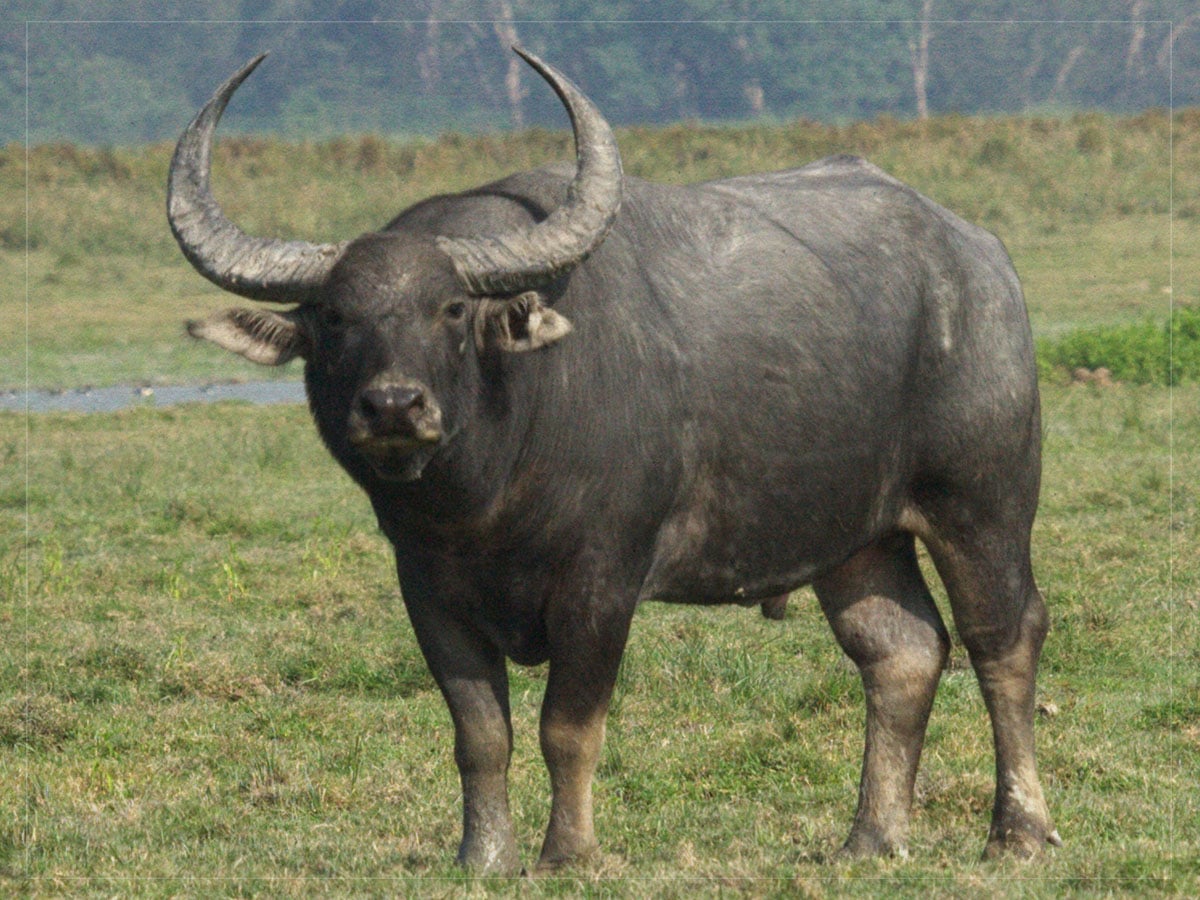
Controversy was plentiful on Apocalypse Now, but the accusations of animal cruelty may have actually ground the film to a halt had it been released during the era of social media outrage. It was during shooting in the Philippines that Coppola encountered the Ifugao tribe, who participated in a ritual slaughter of a water buffalo.
Coppola decided to film the scene to include in Apocalypse Now, and would later defend his choice, saying he felt that since the tribe would have killed the animal either way, his filming of the action would not in any way affect what happened. While there is a quasi-documentarian quality to Apocalypse Now that includes moments of shocking realism, the onscreen deaths of animals would become an even more heated subject of debate within the next decade due to the egregious crimes committed in Cannibal Holocaust.
Early reviews destroyed the film
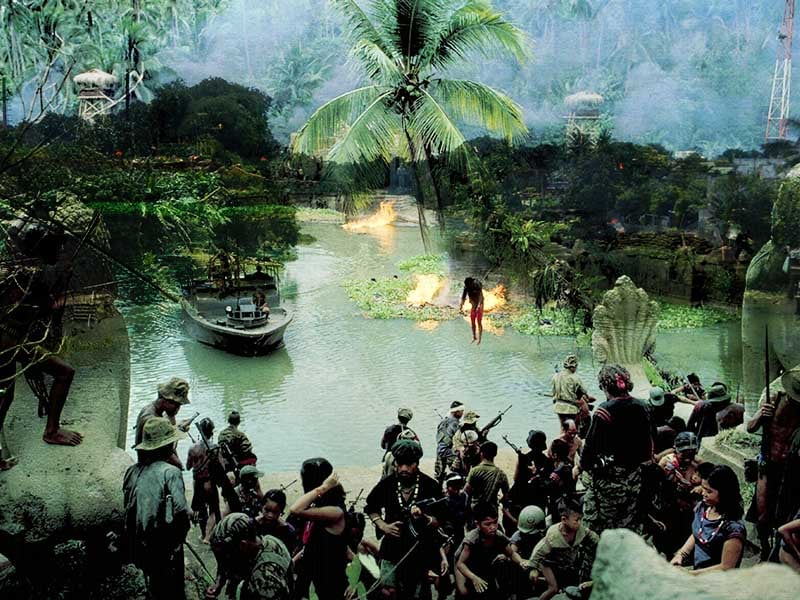
Apocalypse Now was set to debut at the Cannes Film Festival, but it was also screened a week prior in Los Angeles for select audiences, where Coppola had assumed that critics would honour the embargo, but both Good Morning America and Variety reported negative reactions, leading to a sea of bad reviews that put the film in trouble.
Thankfully, the crowd at Cannes was far more receptive, as the film ended up winning the Palme d’Or, and although the reaction among critics was more mixed when it was released around the world, it still had its defenders, with Roger Ebert giving it a perfect score and naming it as the best film of 1979. Ebert would later include Apocalypse Now on his 2012 Sight & Sound list of the ten greatest films ever made, and said that he preferred it to either of the two The Godfather films.
