


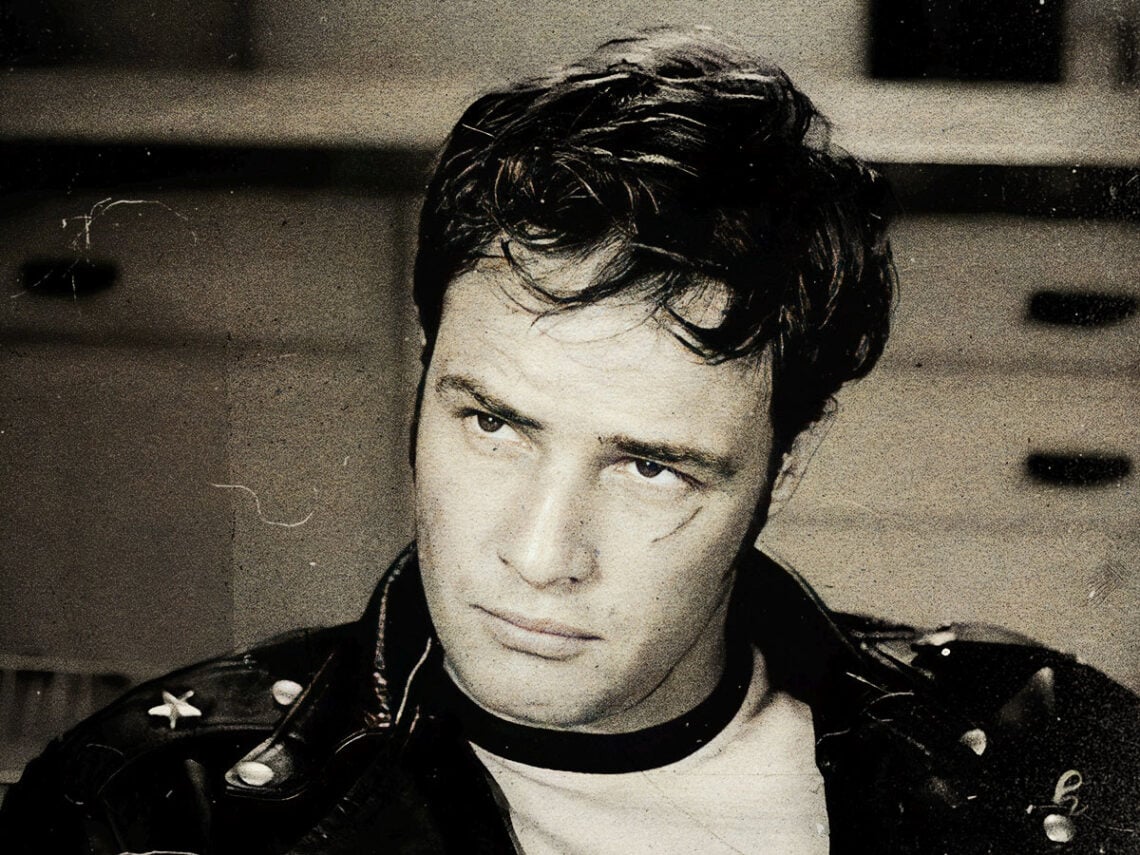
The one thing that disgusted Marlon Brando about Hollywood: “Part of the sickness”

Marlon Brando was the kind of actor whose reputation preceded him, whether it be his reverse snubbing of the Academy after declining to accept his award or the performance that led to his acclaim in the first place.
His name induces a state of reverence among people who love his work, with astounding performances in The Godfather, On The Waterfront and A Streetcar Named Desire that have led him to be widely considered one of the greatest actors of all time.
Despite his widespread fame and notoriety, the actor always seemed to find a way to make headlines and create mild controversy. Brandon once described his dislike of the film industry as a whole, which summed up his artistic philosophy perfectly.
That tendency to challenge the status quo wasn’t just about courting attention, it was deeply tied to Brando’s understanding of art and performance. He viewed acting less as a competitive field and more as a form of personal expression, where authenticity mattered far more than accolades or industry recognition.
This perspective often put him at odds with the structures that governed Hollywood. While many actors relied on awards and critical approval to validate their work, Brando consistently questioned whether those benchmarks held any real meaning, especially in an industry driven as much by politics and perception as by talent itself.

Hollywood has always thrived on systems of praise and validation that do not work for everyone inside it, with many actors describing their complex relationship to awards and critical acclaim as the nominations start rolling in each year. The Academy is famously biased and not always sound in their logic, with many performances being ignored by the larger voting body despite being hugely loved by wider audiences. It is because of this that some actors have made an active decision to distance themselves from ‘the noise’ of the business, with Brando describing his own issues with the inner workings of the system.
Over the course of his career, Brando was constantly met with a high level of praise and adoration from critics and viewers alike, with two Oscar wins for ‘Best Actor’ and multiple Golden Globes and Bafta awards. But despite this, he didn’t appreciate this tier system that placed some performers above the rest, and when asked how he felt about being seen as the greatest actor in America, Brando had stern words.
Elaborating, he said: “See that’s the part of the sickness in America, that you have to think in terms of who wins, who loses, who’s good, who’s bad, who’s best, who’s worst. We always think in those terms, in the extreme terms. I don’t like to think that way. Everybody has their own value in a different way, and I don’t like to think who was the best at this… what’s the point of it?”
He raises an interesting point: countless influential creatives have not been recognised by the Academy or lauded with the same level of critical acclaim. Directors like the great David Lynch, Quentin Tarantino, and Paul Thomas Anderson have never won an Academy Award for ‘Best Director’ despite having a magnanimous impact on the art of filmmaking as a whole.
In addition to this, there are many great artists who aren’t considered for such acclaim for reasons outside of their control, with people of colour and women often being snubbed by the Academy and considered as making art that is ‘too niche’ to be included. Many artists also reach fame after their death, with people like Pablo Picasso and Johan Sebastian Bach only becoming appreciated when they weren’t around to see this. Being a maker or creative is a conflicting job, and while it is nice to be seen for your work, it is not the pinnacle of achievement.
