


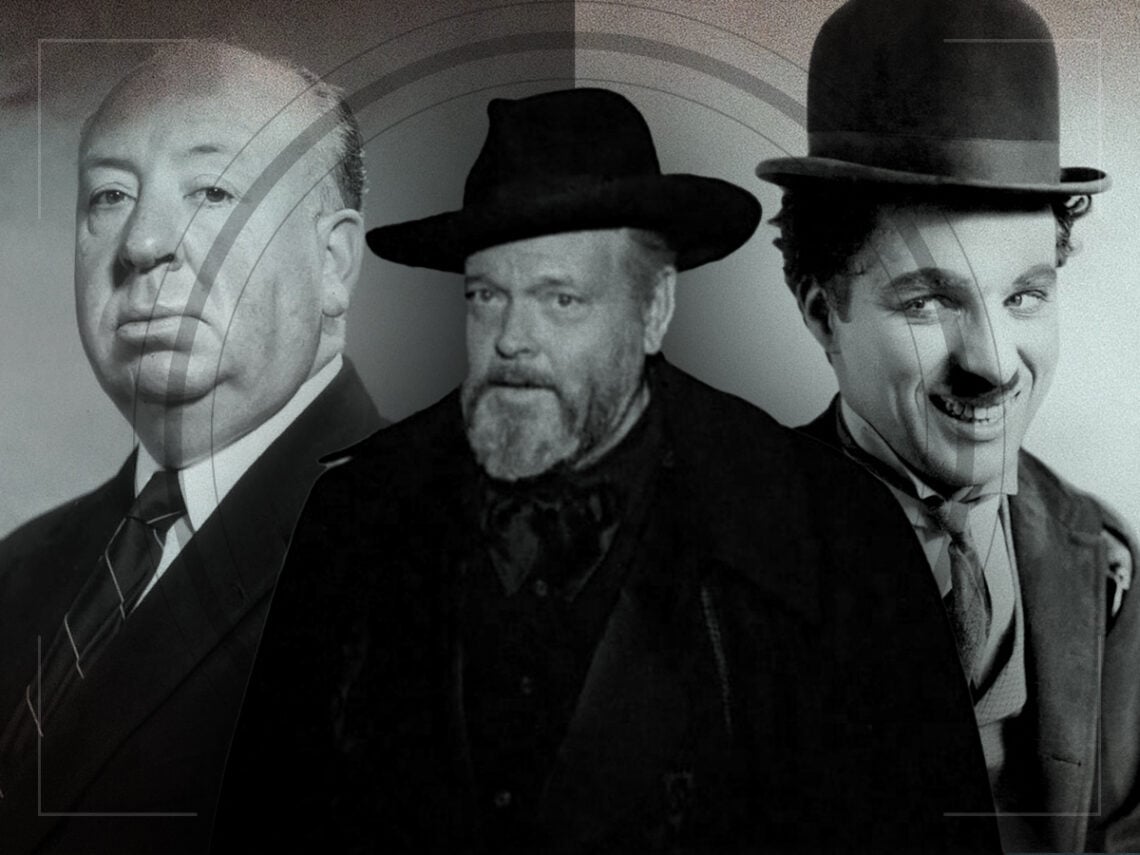
10 directors who hate the best movie of their career with a passion

It’s often that directors are their own worst critics.
Directing is a long, arduous task that can be both physically and emotionally draining, even for those who have been working in the industry for quite some time. While there are some instances in which the difficulties behind a production are justified by how brilliant the end product ends up being, some filmmakers are unable to live with that reputation.
Directors disowning films is nothing new; there are several prominent filmmakers who have expressed regret about the films they’ve made, but usually, they are in agreement with their fans. Steven Spielberg apologised for Indiana Jones and the Temple of Doom, and seemed to empathise with those who had been disappointed with the prequel to Raiders of the Lost Ark.
On the more extreme side, Josh Trank torpedoed his own career when he claimed that 2015’s Fantastic Four had been taken away from him, and they had not been given final cut.
However, sometimes directors are so obsessed with the film that they had in their head that they aren’t able to look objectively at the version that was released. Making a film might be a very personal endeavour, but there’s a point at which a filmmaker’s perfectionism or quibbles with creative differences end up completely overshadowing the legacy of what they made. Sometimes, this suggests that these directors seemingly hold themselves to too high a standard; at other points, it shows that they have become out-of-touch with what made them successful in the first place.
10 directors who hate their career-best movies:
Tony Kaye: ‘American History X’ (1998)
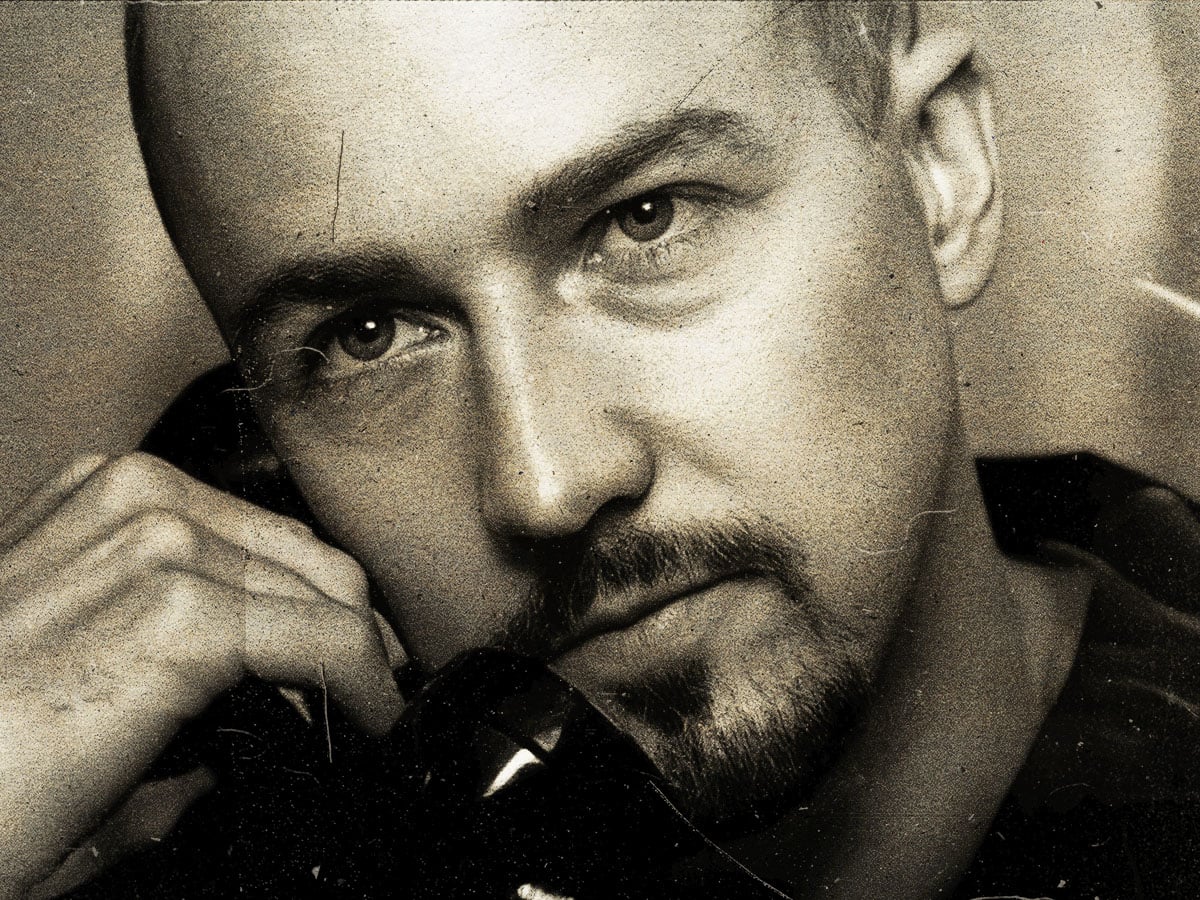
American History X is one of the most brutal, challenging films of the 1990s, and is best known for the amazing performance by Edward Norton as a former neo-Nazi who has to reform his life after spending many years in jail. Norton didn’t just receive a ‘Best Actor’ nomination at the Academy Awards for his performance, but had a significant impact on how the film was put together, creating his own edits that were different from those of the film’s actual director, Tony Kaye.
Kaye and Norton both presented cuts of the film to the studio, but the actor ended up winning the day and getting the final say. As a result, Kaye has disowned the film and spoken negatively about his experiences working with Norton, but while he’s directed solid films since, such as the underrated education drama Detachment, he’s never made anything as good as American History X.
Sam Raimi: ‘The Evil Dead’ (1982)
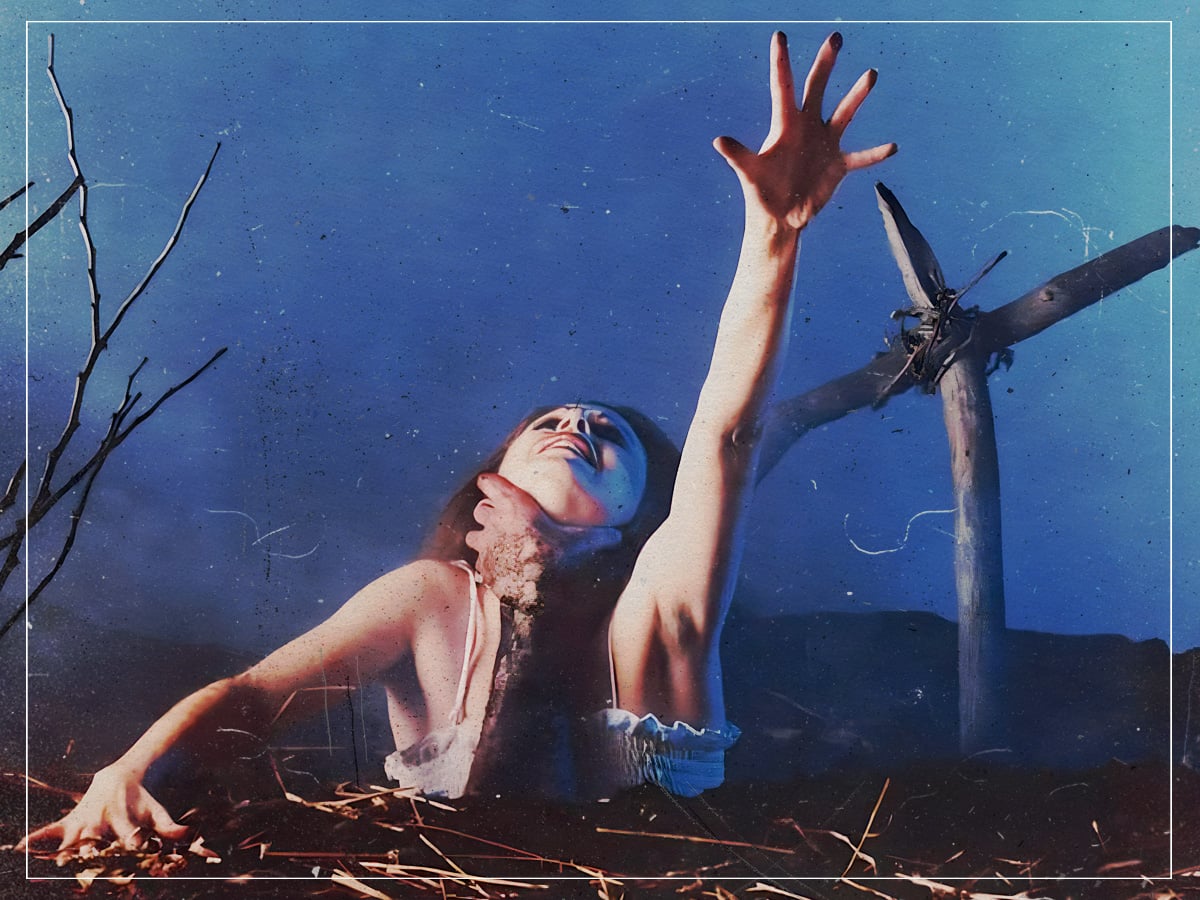
Sam Raimi went through hell making The Evil Dead, as he shot the film on a very small budget in the middle of the woods with his best friend, Bruce Campbell, and even though he ended up using it to kickstart one of the best horror franchises of all time, he has expressed extreme regret over a now-infamous scene in which a possessed tree pins down a female character and sexually assaults her.
He has always had a sense of fun in his horror films and stated that he had not intended to offend anyone, a changing perspective that is definitely evident in his two sequels, Evil Dead II and Army of Darkness, which are far more comical in tone and do not include any allusions to sexual violence, but even then, The Evil Dead remains the scariest and most bare-bones film of Raimi’s career, despite his personal displeasure.
Sergio Leone: ‘Once Upon a Time in America’ (1984)
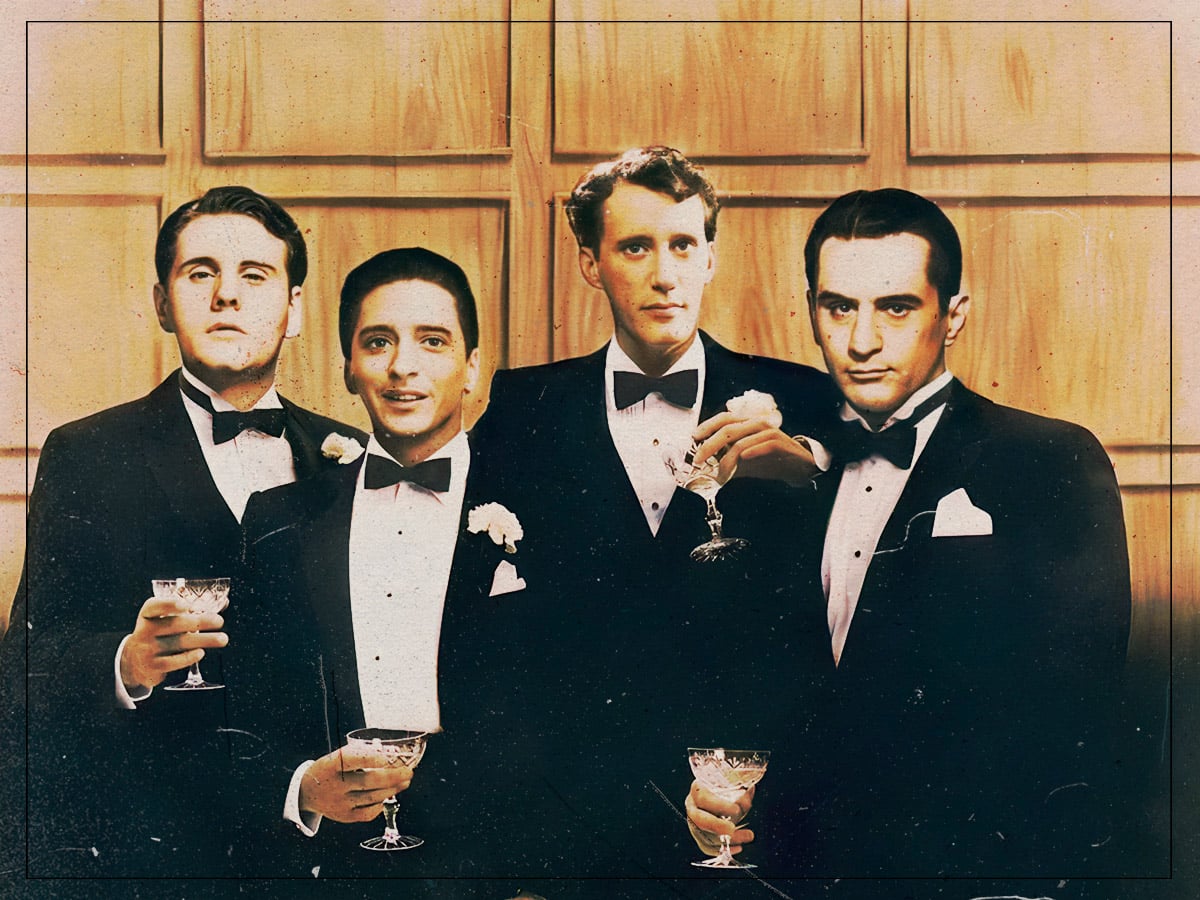
Sergio Leone may have started off his career by making spaghetti westerns with Clint Eastwood, but he capped it off with the gangster epic Once Upon a Time in America, which was widely hailed as a masterpiece. While Leone was very proud of the original version of the film that he had made, it was completely edited down for its theatrical release in the United States, which trimmed the running time from 269 to 139 minutes, devastating him and leading him to call the new version “a betrayal of the film’s soul”.
He tried to distance himself from it entirely, and unfortunately, died only five years after it was released, never getting to see his proper version distributed; in his mind, the only version of Once Upon a Time in America the audiences saw was the butchered edit.
Ridley Scott: ‘Blade Runner’ (1982)

Ridley Scott was not the only person miserable making Blade Runner, as Harrison Ford also expressed his disappointment with the difficult production process. Although Scott had been proud of what he’d initially made, he was infuriated when Warner Bros enforced changes after a negative test screening, which included new voiceovers from Ford’s character Deckard and a ‘happy ending’. Scott felt that these changes destroyed the integrity of the film, as he didn’t want it to compromise its dark conclusion or add unnecessary exposition.
Scott was eventually given the authority to re-polish his original vision when he released a director’s cut in 1992, followed by a ‘final cut’ in 2007. Based on the number of changes, 2007’s Blade Runner: The Final Cut is almost an entirely different film compared to the version that had been released in theatres 25 years earlier.
Orson Welles: ‘Touch of Evil’ (1958)

Orson Welles will always be best known for Citizen Kane, but the 1958 crime thriller Touch of Evil is an even more complex work that explores the depravity and banality of human nature, which wasn’t granted the critical success that it deserved upon its initial release, but that may have been because of studio-insisted edits that infuriated Welles.
Universal had taken Touch of Evil out of Welles’ hands while he was in the midst of editing it, which made him so angry that he wrote a 58-page memo describing how the studio had ruined the film for the sake of being “commercial”. He angrily retorted that he “honestly can’t see what, from any point of view, has been accomplished by tearing it up and re-building it in this form”, and although he died in 1985, a new cut of Touch of Evil was released in 1998 that utilised footage from his unedited version and fixed the changes that the director had asked for.
Alfred Hitchcock: ‘Rope’ (1948)

Alfred Hitchcock had made many films that could possibly be considered to be his best, as classics like Rear Window, Vertigo, Psycho, and North by Northwest are all masterpieces, but Rope might be the film of his that was most ahead of its time, as the twisty crime thriller made the innovative choice to use a visual trick that made it appear as if there were no edits.
Hitchcock was very dismissive of the film and called it “an experiment that didn’t work”, yet a cult fandom for the film has grown stronger in recent years, as Rope has become highly influential for modern filmmakers. The single-shot trick Hitchcock had conceived of when making Rope was used for the films Birdman (or the Unexpected Virtue of Ignorance) and 1917, both of which won the Academy Award for ‘Best Cinematography’.
Charlie Chaplin: ‘The Great Dictator’ (1940)

Charlie Chaplin was the most famous silent film star and director in the world when he took a surprising swing in a more comedic direction with The Great Dictator, a film that satirised a fascist leader who was modelled after Adolf Hitler. Released a year before the United States officially entered World War II, The Great Dictator became one of the greatest pieces of anti-fascist film, yet Chaplin came to have deep reservations about it, and not necessarily because of its quality.
In his autobiography, he insisted that he would have never made the film had he known about the genocide of the Jewish people under Hitler’s regime, stating that “could not have made fun of the homicidal insanity of the Nazis”, and while The Great Dictator was Chaplin’s most blatantly political film ever, he spent the rest of his career being investigated by the FBI for alleged communist sympathies.
Robert Eggers: ‘The Witch’ (2016)

Robert Eggers has become one of the most prominent horror filmmakers of his generation, and that was clear from the moment his first film, The Witch, was released, where the only thing more shocking than the bleak, dispiriting depiction of evil was that it was made by a first-time filmmaker.
The Witch was so precise and exacting that it felt like it was made by someone with decades of experience, but despite the praise, he said that he “can’t watch” it, and admitted that he “was not skilled enough as a filmmaker” to execute what he had envisioned. Eggers has stated that he was much more proud of his efforts on The Lighthouse, The Northman, and Nosferatu, and while those are also great films, The Witch said something new about religious paranoia that truly felt unprecedented in the subgenre of folk horror.
Woody Allen: ‘Annie Hall’ (1977)
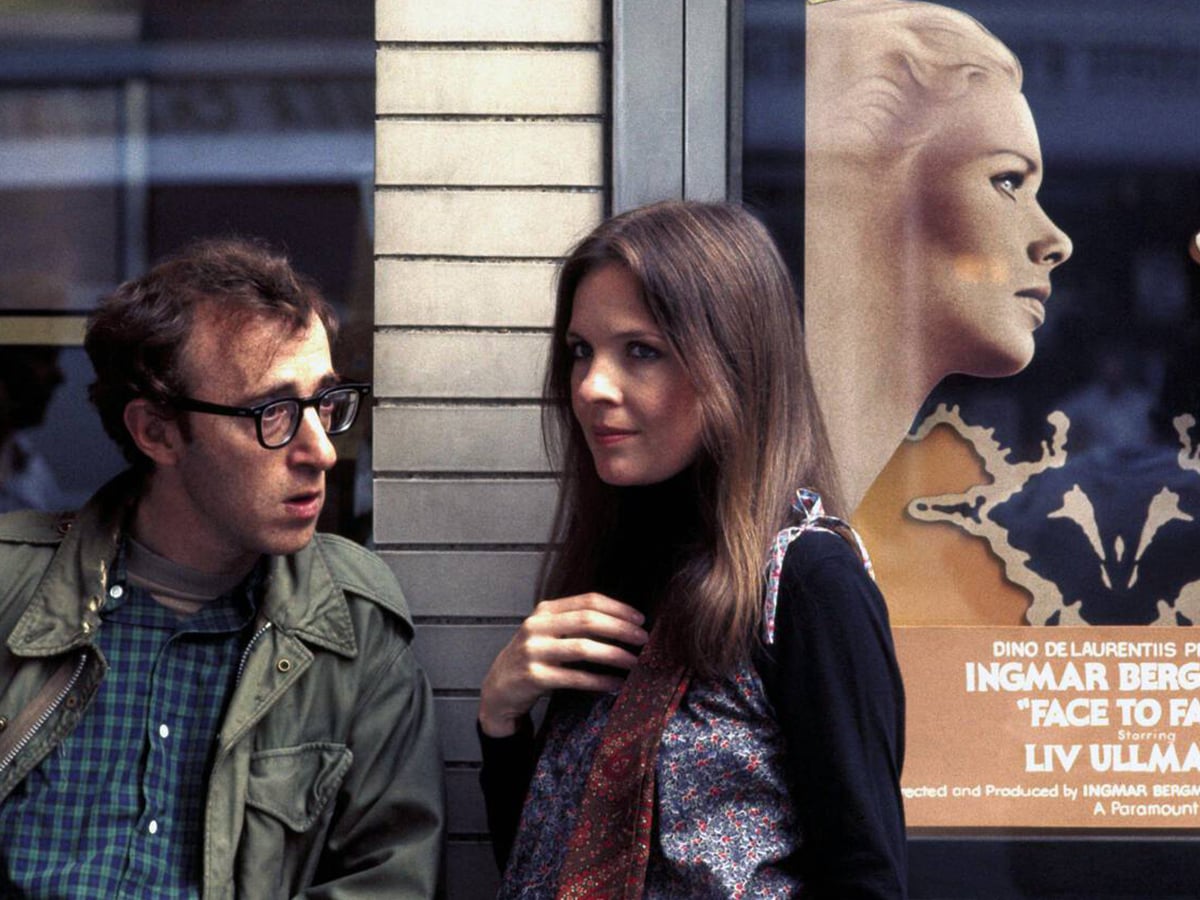
Woody Allen is frustratingly brilliant, as the scandals and controversies he’s been involved with don’t change the fact that he’s an amazing writer who has directed several classics. Annie Hall is not only the film that won Allen the Academy Awards for ‘Best Picture’, ‘Best Director’, and ‘Best Original Screenplay’, but one that established a template for romantic comedies that has been ripped off for half a century.
Allen has often disparaged Annie Hall, saying that he was “quite disappointed” with how it turned out because it was not what he had envisaged, even claiming that he’d made better films with Midnight in Paris, Match Point, Vicky Cristina Barcelona, and The Purple Rose of Cairo, with the only praise he ever gave it was in honouring the late Diane Keaton, of whom he spoke fondly right after her death.
George Lucas: ‘Star Wars’ (1977)
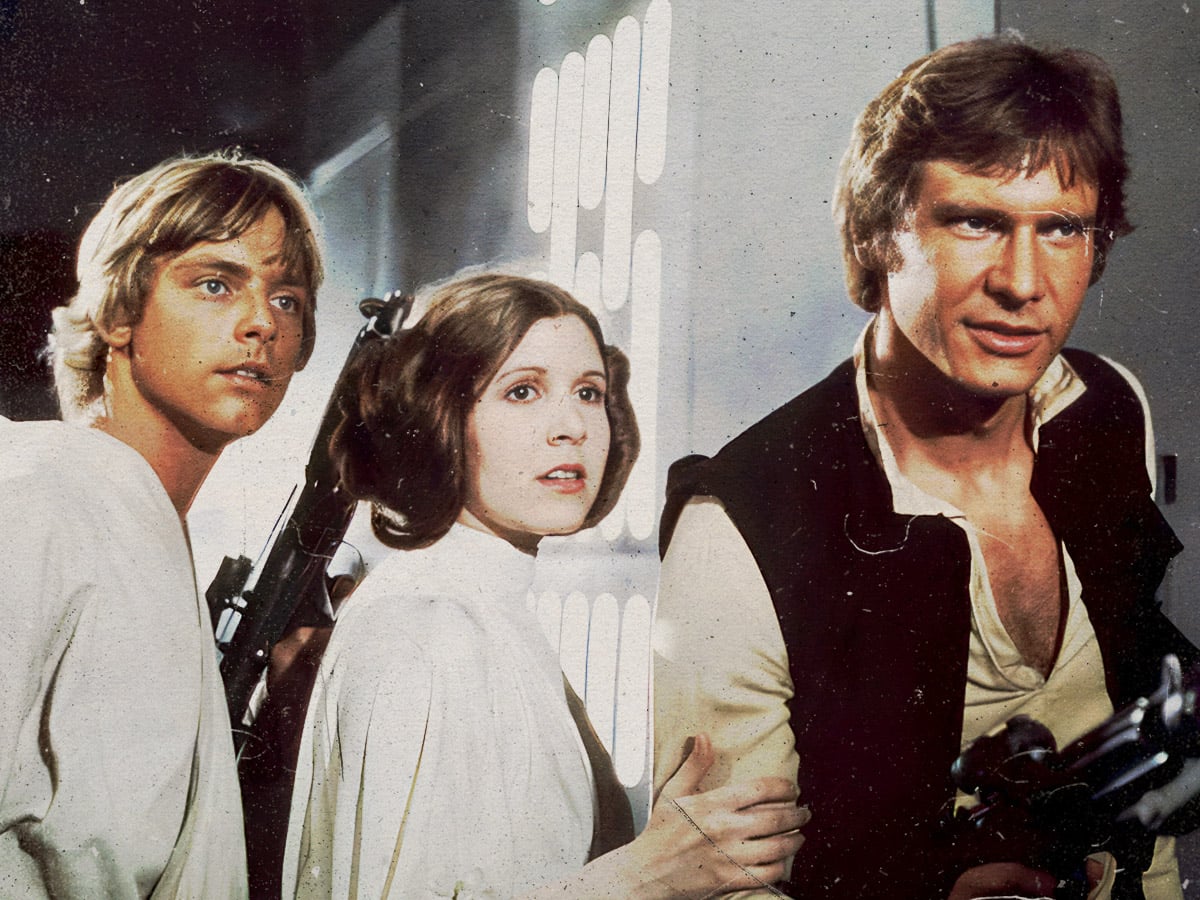
George Lucas was recognised by the film industry when Star Wars became the highest-grossing film of all-time and started a cultural phenomenon that continues to this day. However, he also had a terrible experience making the film due to numerous on-set issues and conflicts, which even sent him to the hospital. He later explained that the first film in the saga was “only 50 or 60% of what” he wanted, and that it “bothers” him to watch it.
Although Lucas had essentially retired from directing after it was released, handing over directorial duties to other filmmakers for both The Empire Strikes Back and Return of the Jedi, he returned in 1997 to fix the first three films with the ‘Special Edition’ releases. The original Star Wars, now referred to as Star Wars: Episode IV – A New Hope, had the most changes, as Lucas added in new CGI elements that he wasn’t able to include in 1977.
