



The 10 most pioneering electronic albums of the 1970s

The 1970s were the synthesisers‘ real decade.
While inescapably associated with the pop trends of the following decade, it’s the 1970s that saw the burgeoning of electronic music finally crawl out of the counterculture’s experimental soup and into a fully-fledged genre in its own right. The moment Dr Robert Moog unveiled his namesake modular unit to the world of rock and pop, music was never the same again.
The synth would be everywhere, from Pete Townshend’s eager smatterings of the ARP 2500 all over The Who’s stadium rock opera, or Stevie Wonder lost in the polyphonic possibilities of the Yamaha GX-1; the synth would emerge as an essential arsenal in many a band’s set-up.
Yet, it would take a handful of visionaries to see the synth’s majestic potential beyond Keith Emerson’s multi-racked fortress and the instrument’s bog in pointy-hatted, prog twattery. Enamoured with its aural tones and flavoursome resonance, intrepid musicians-come-technicians would grapple with these weird machines of wires and blinking lights to create foundational work that often was little recognised at the time but lauded as pioneering works decades later.
While discounting soundtracks (sorry, A Clockwork Orange) and slipping past singles (apologies, ‘I Feel Love’), check out below our collation of the ten essential electronic albums of the 1970s that paved the way for new wave, dance music, and beyond.
10 pioneering electronic albums of the 1970s:
Jean-Michel Jarre – ‘Oxygène’
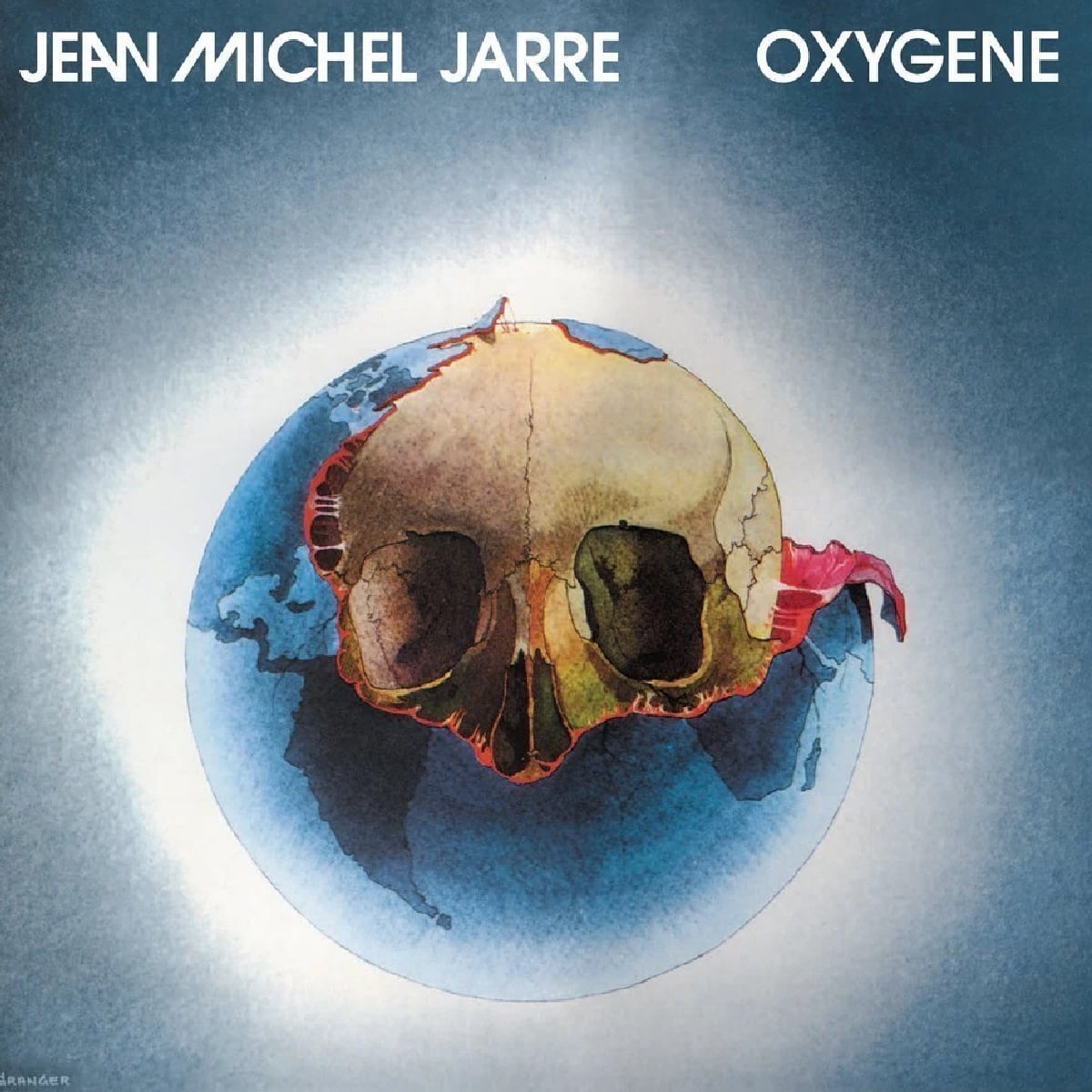
Release Date: December 1976 | Producer: Jean-Michel Jarre | Label: Disques Motors/Polydor
While orbiting the same interminably pompous realms as Vangelis or Mike Oldfield at their most ponderously grandiloquent, it’s without dispute that French synth whizz Jean-Michel Jarre managed to craft an incredibly fresh-sounding soundtrack of expertly worked sequencers and drum machines.
His third LP, Oxygène pulses and weaves through filtered sweeps and winding arpeggios with technical mastery, Jarre draping the entire affair with layers of heady and evocative stir. While flirting perilously close to new age pitfalls, Oxygène’s merits shine brighter 50 years later, Jarre reeling off a record that could have come out a good five years later and still sounding cutting edge.
Isao Tomita – ‘Snowflakes Are Dancing’
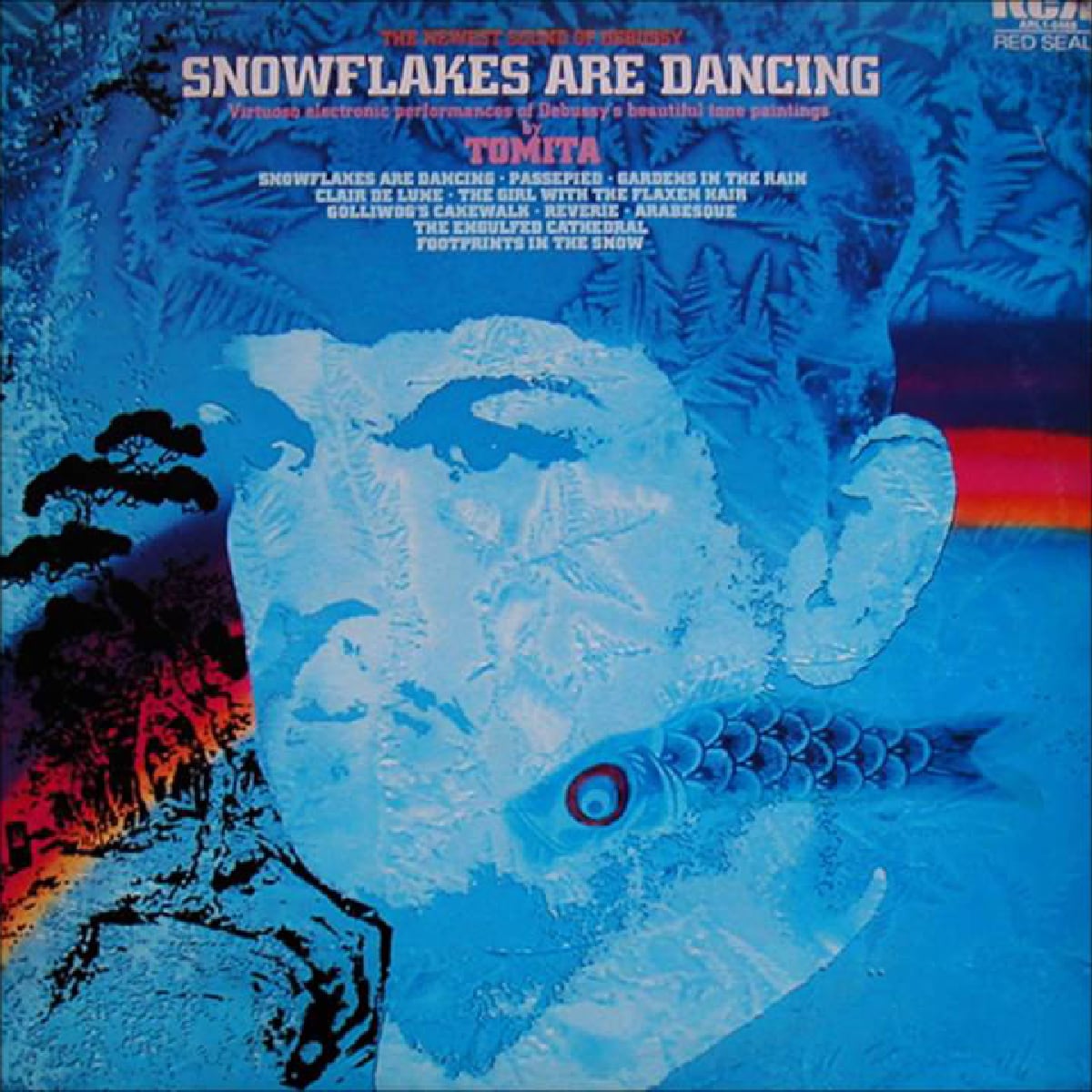
Release Date: April 1974 | Producer: Plasma Music | Label: RCA Red Seal
Taking 14 months to produce due to the album’s sonic sophistication, Japanese composer Isao Tomita centred his Moog synthesiser and Mellotron amid the era’s novel four-channel audio setup for the engrossing Snowflakes Are Dancing, arranging Claude Debussy’s ‘tone paintings’ for the electronic age.
It’s not just the impeccable Moog programming and radiant synth twinkling that shine across Tomita’s analogue opus, but through expert phasing and ring modulation, he casts an enchanting spell that swirls around the listener with extra dimensions if listened to through its intended quad-speaker systems. While often such early electronic intrigues can feel novel à la Switched-On Bach, Snowflakes Are Dancing truly cascades over the senses with glacial glitter.
Kingdom Come – ‘Journey’
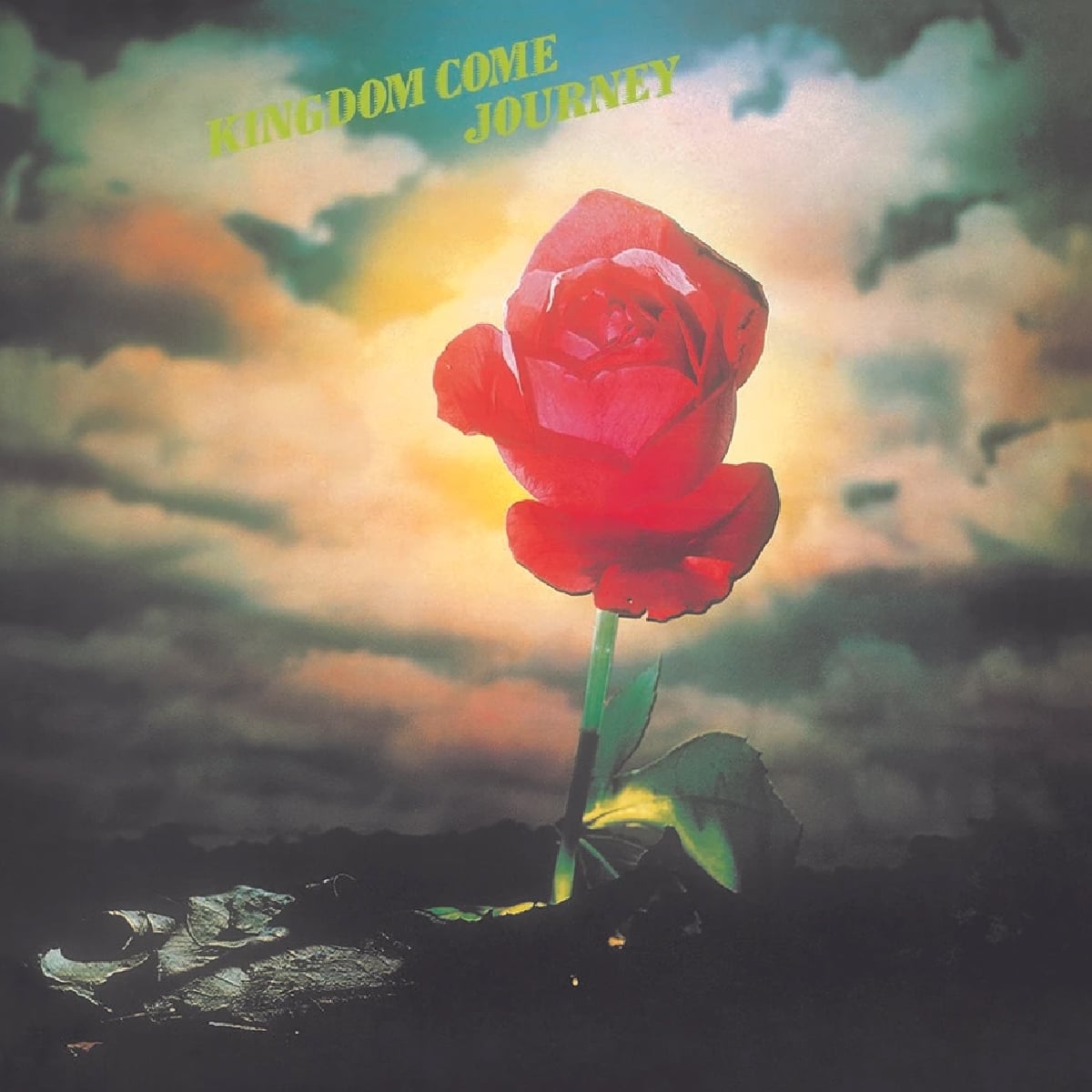
Release Date: April 1973 | Producer: Arthur Brown, Dennis Taylor, and Dave Edmunds | Label: Polydor Records
From lighting shock rock’s enduring flame with the pyro-worshipping ‘Fire’, the ever-arresting Arthur Brown decided to kickstart a new project for the 1970s in the name of Kingdom Come. Coated in the day’s earliest electronic emissions, the cosmic venture wouldn’t seize the world as his former Crazy World band had at the 1960s’ tail-end, but would leave an incredibly visionary landmark impact on synth music.
It’s their third LP that would make the boldest electronic step; recorded at Wales’ famous Rockfield Studios, Journey is widely understood to be the first album to feature a drum machine for all its percussion, Brown enamoured with the Bentley Rhythm Ace against Victor Peraino’s ARP and EMS noodling. Making little commercial splash, Kingdom Come nonetheless stuck a cosmic staff in the history of electronic music.
Cluster – ‘Zuckerzeit’
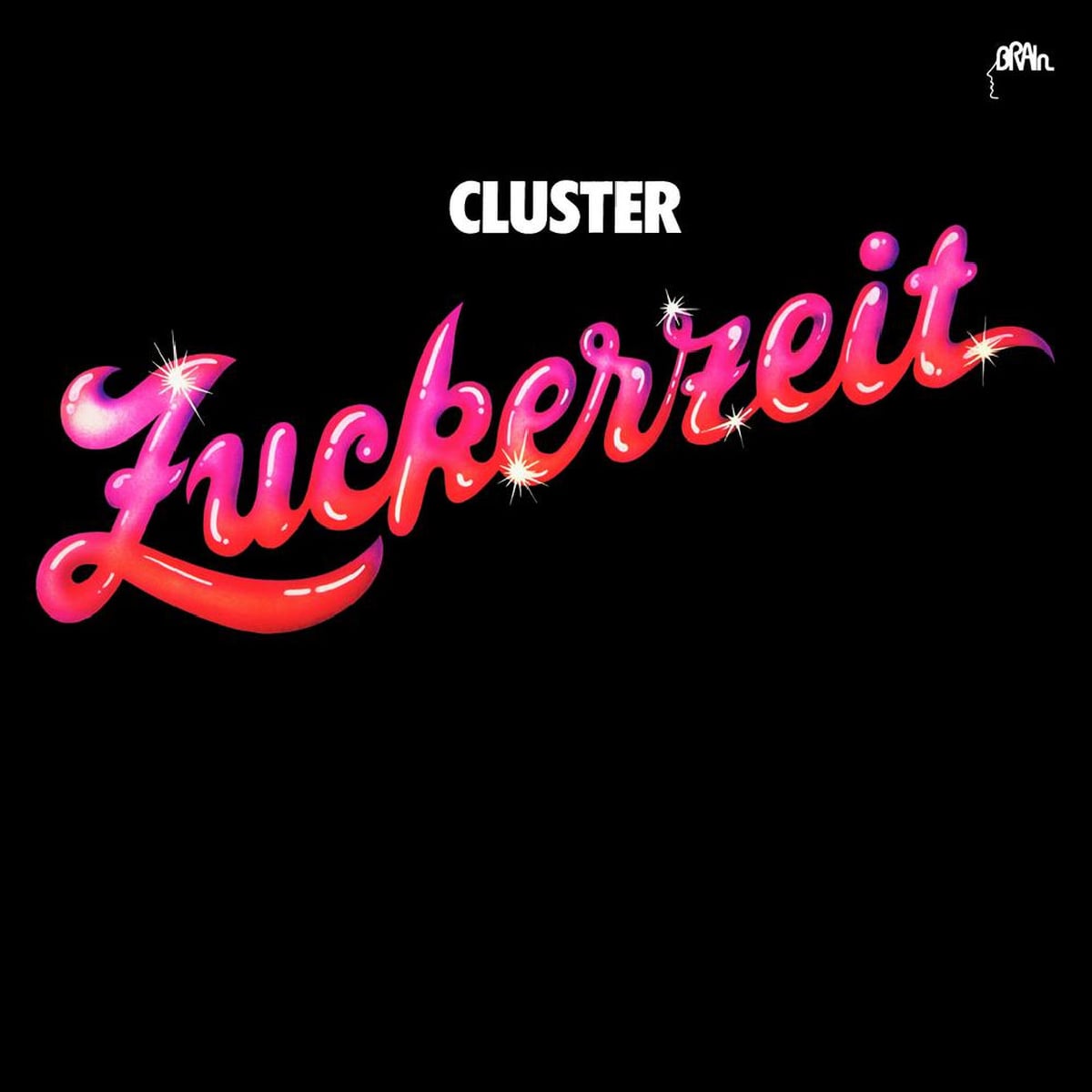
Release Date: January 1974 | Producer: Cluster and Michael Rother | Label: Brain
In their own strange way, Cluster’s Hans-Joachim Roedelius and Dieter Moebius were attempting to take an unabashed dive bomb into the world of pop. Gone were the slabs of heady synth arrest and interstellar guitar attacks from prior LPs, in came frothy drum machines and eccentric basslines, plus song titles like ‘Caramel’ and ‘Marzipan’, and an album name translated as “Sugar Time”.
What transpired was an album of impossibly contemporary proto-IDM, all sticky electronic burbles and chintzy drum machines that scoops out kosmiche at its finest but drizzles the future Warp Records’ experimental techno all over Cluster’s krautrock treat with tangy, prescient pop.
Brian Eno – ‘Another Green World’
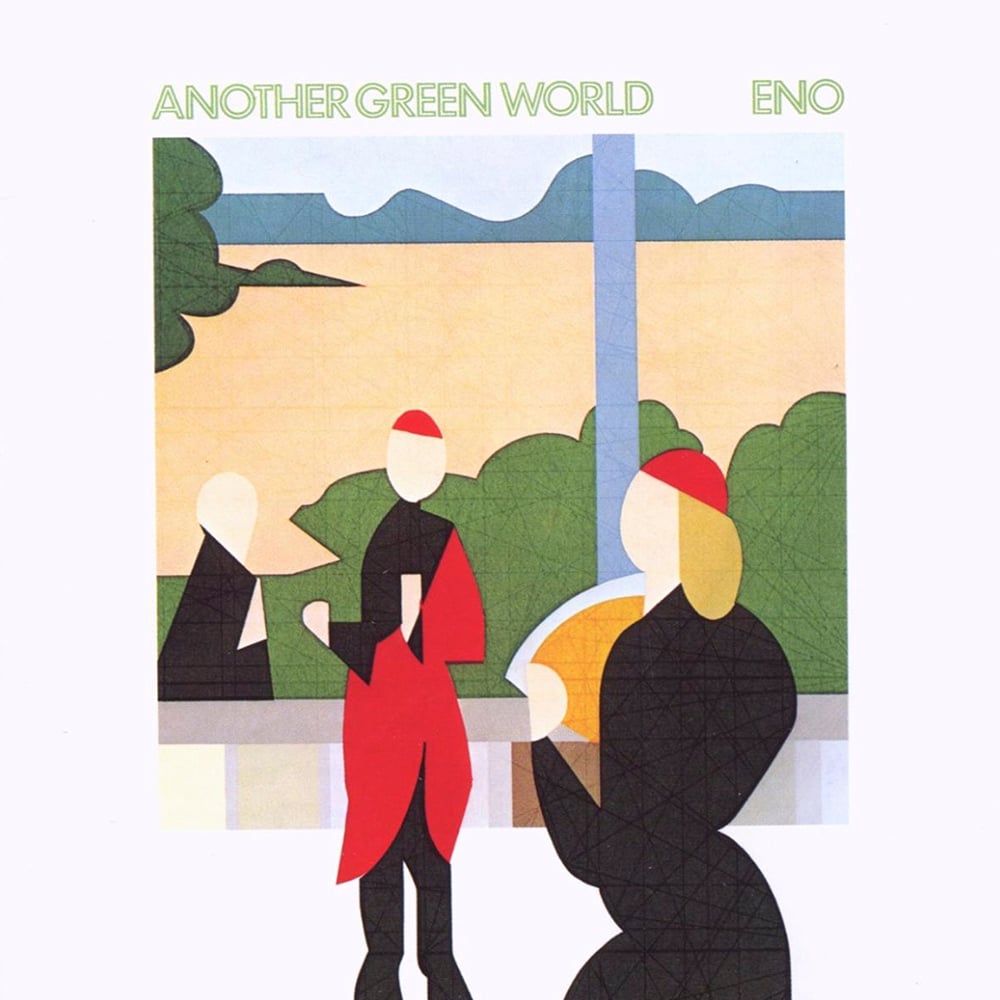
Release Date: November 1975 | Producer: Brian Eno and Rhett Davies | Label: Island
By his third album, Brian Eno was starting to shift away from his leftfield glam toward the ambient dwellings that would define the rest of his career. Still just about tethered to Roxy Music’s artpop shimmer, as well as operating under the mononymous surname moniker, Eno would eke out Another Green World’s mute and calming detour of synth-swaddled rock meditations.
For many, it’s Another Green World that sees him at his most transportive; bathed in ambient washes and digital delays, a unique psychedelia is wrestled from Eno’s incisive creative process, packed with evocative energy that would inspire minimalist soundsculpters for years to come.
Throbbing Gristle – ‘DoA: The Third and Final Report of Throbbing Gristle’
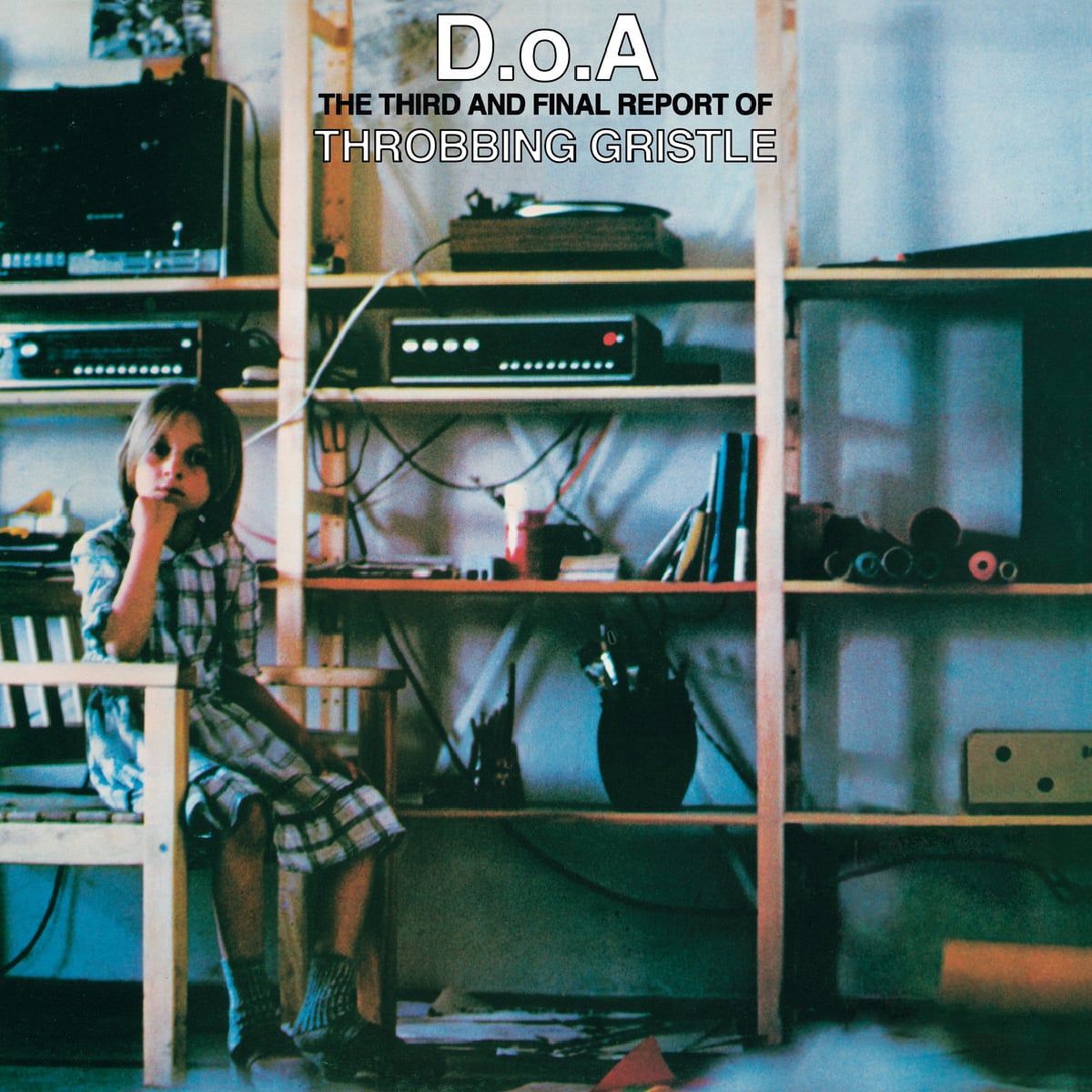
Release Date: 1978 | Producer: Throbbing Gristle | Label: Industrial
With a firm footing in transgressive art and the avant-garde, the Throbbing Gristle collective saw electronic hardware as simply another means to upend musical convention and orthodoxy. Utilising Chris Carter’s DIY gear to shape their distinct atonality, they would lean into synths and sequencers with greater presence on their sophomore album DoA: The Third and Final Report of Throbbing Gristle.
Alongside concrète collations of answer messages, death threats and white noise scrapes can be heard the likes of the relatively pretty ‘AB/7A’, a quesily delicate instrumental amid the record’s overaching dread that would precipitate his and Cosey Fanni Tutti’s proto-techno for the 1980s, while the rest of the album would burnish industrial’s future explosion in earnest.
Tangerine Dream – ‘Phaedra’
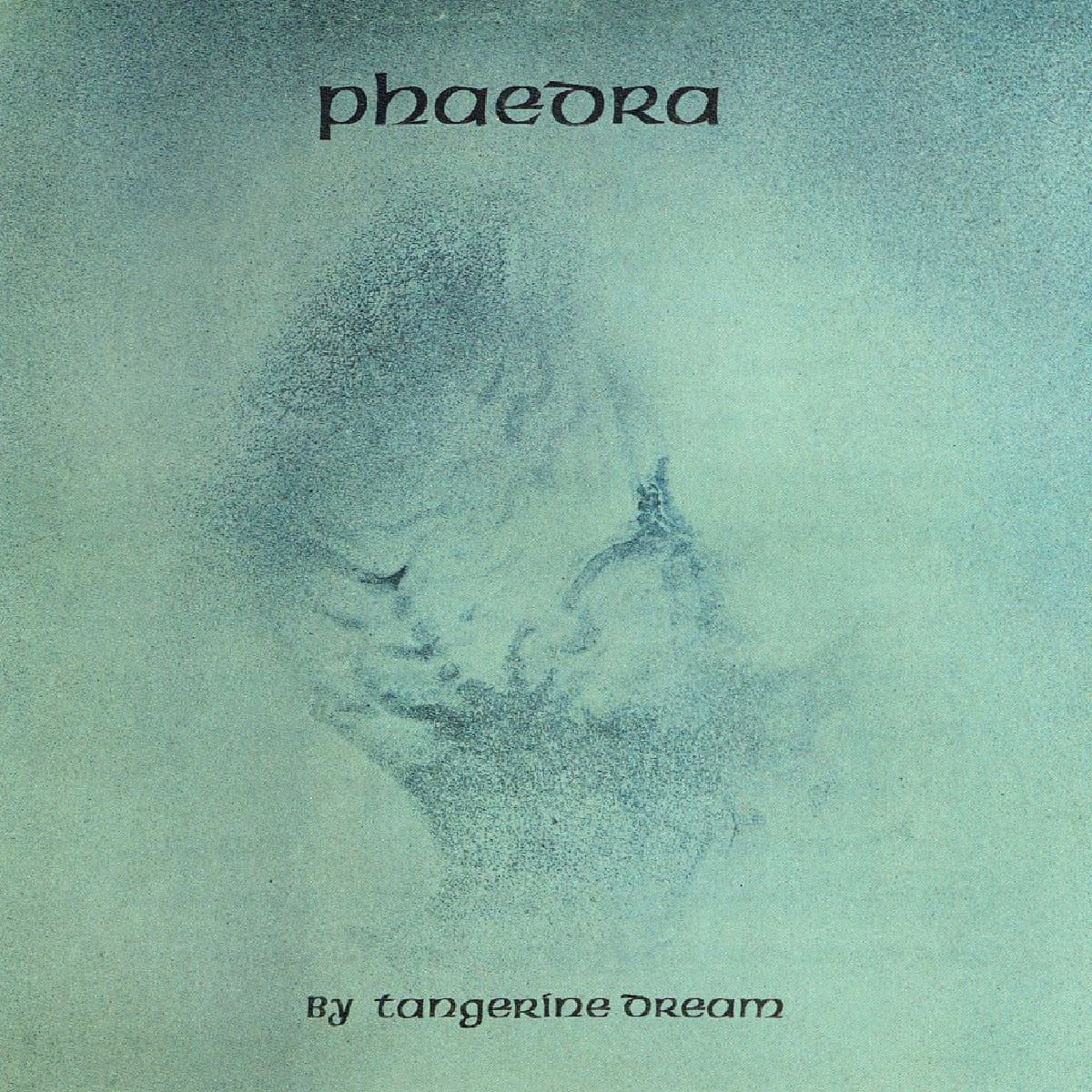
Release Date: February 1974 | Producer: Edgar Froese | Label: Virgin
The trio already stood as veterans of the krautrock school before their fifth and most pivotal LP, and while previously conjuring heady kosmiche pieces and space ambient explorations, the harnessing of sequencers afforded Tangerine Dream the final sonic chasm they needed to let loose their most far-out compositions.
Dropped in 1974, Phaedra wanders a chilly terrain of rippling electronic pools and analogue ice shards, all dwelling in some alien tundra that could only be unveiled by Christopher Franke’s gargantuan Moog synth. With main captain Edgar Froese’s Mellotron textures and the novel sequencer innovations, Tangerine Dream realise a greater sense of traverse for Phaedra, a new path that would lead to Hollywood scores and new age silliness, but make an essential mark on future electronica.
David Bowie – ‘Low’
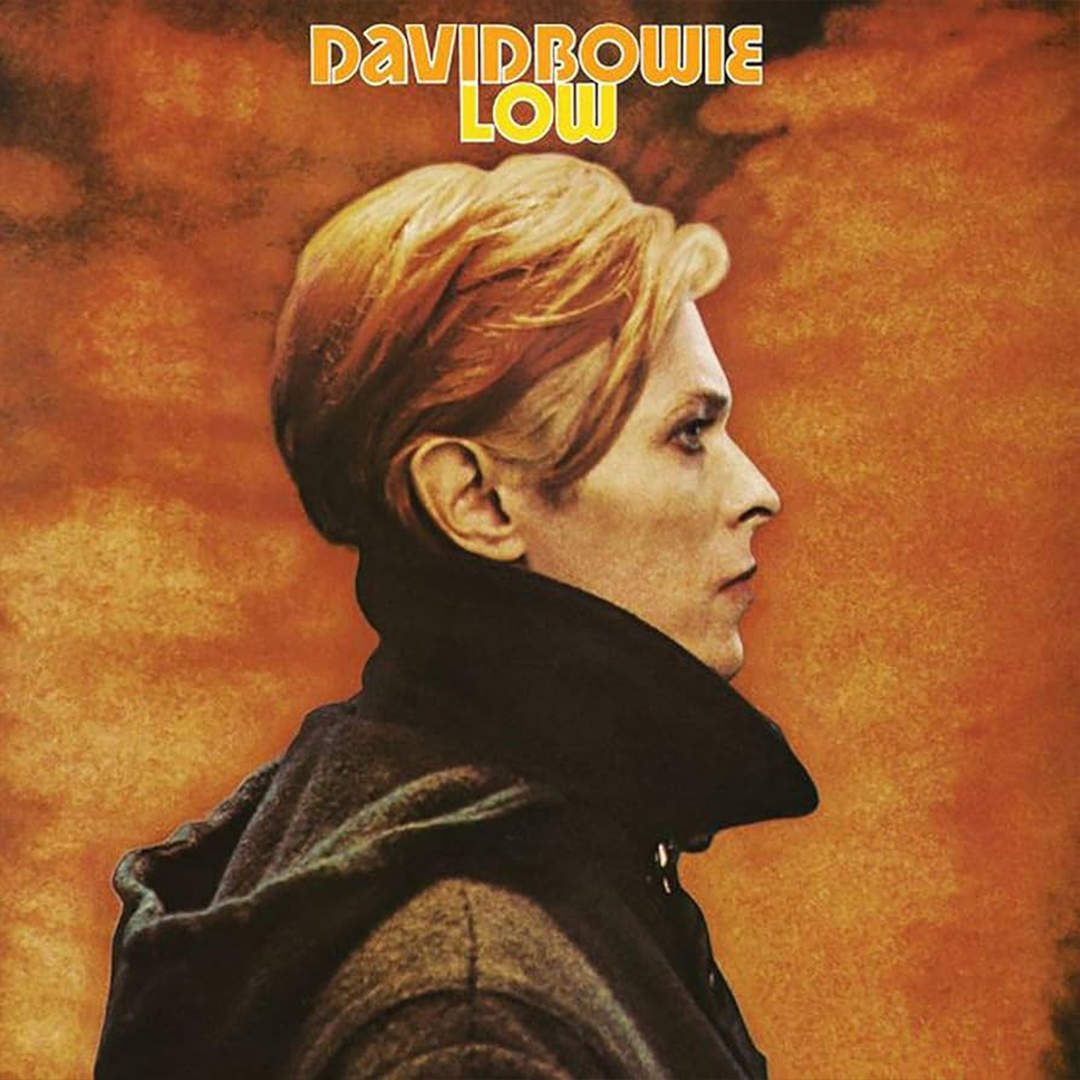
Release Date: January 1977 | Producer: David Bowie and Tony Visconti | Label: RCA
David Bowie had already begun looking toward the European continent for electronic inspiration, soaking up the likes of Neu! and Kraftwerk for Station to Station’s motorik fancies, but it would be follow-up Low that yielded the Cracked Actor’s most electronic exploration.
Eager to escape Los Angeles’ cocaine glitz, a strung-out Bowie holed up in France’s Château d’Hérouville and, most famously, Berlin’s Hansa to begin his so-called Berlin Trilogy with Svengali pal Brian Eno. It was during these early Low sessions that the synths fizz and gleam the brightest, Minimoogs, ARPs, and EMS Synthi AKS’ all snapping with electrical urgency over Bowie’s art-pop lyrical cut-ups. In an audacious move, Bowie scores Low’s second side with an entire wander of ambient pieces, perfectly illustrating the introspective exorcisms his Berlin era captured. Providing a key template for the emerging post-punk generation, Low sits in Bowie’s dazzling oeuvre with the greatest vitality.
Suicide – ‘Suicide’

Release Date: December 1977 | Producer: Craig Leon and Marty Thau | Label: Red Star
They’d been slogging it for years before finally conjuring their debut LP, but even then, the New York underground just wasn’t quite ready for Suicide. Built around Martin Rev’s skeletal organs and brittle rhythm box, frontman Alan Vega channelled hypnotic belligerence with captivating danger, scoring a USA in the midst of a profound moral and spiritual crisis.
Urban decay, street violence, familicide, and capitalist failure all lyrically cut the throat of Lady Liberty’s desperate clamour at the American dream. Echoing the innocence of the 1950s, the rockabilly spirit that writhes throughout Suicide’s phantasmic landscape beams an eerie romance amid the buzzing dread, pulsing with a strange heart that never sees the pair lapse into dead-end nihilism. Standing as the dark half to that year’s other totemic electronic record from a certain German cohort, Suicide would point the way for future synthpop duos, and still stands as one of popular music’s most confounding, confronting, and haunting statements nearly 50 years later.
Kraftwerk – ‘Trans-Europe Express’
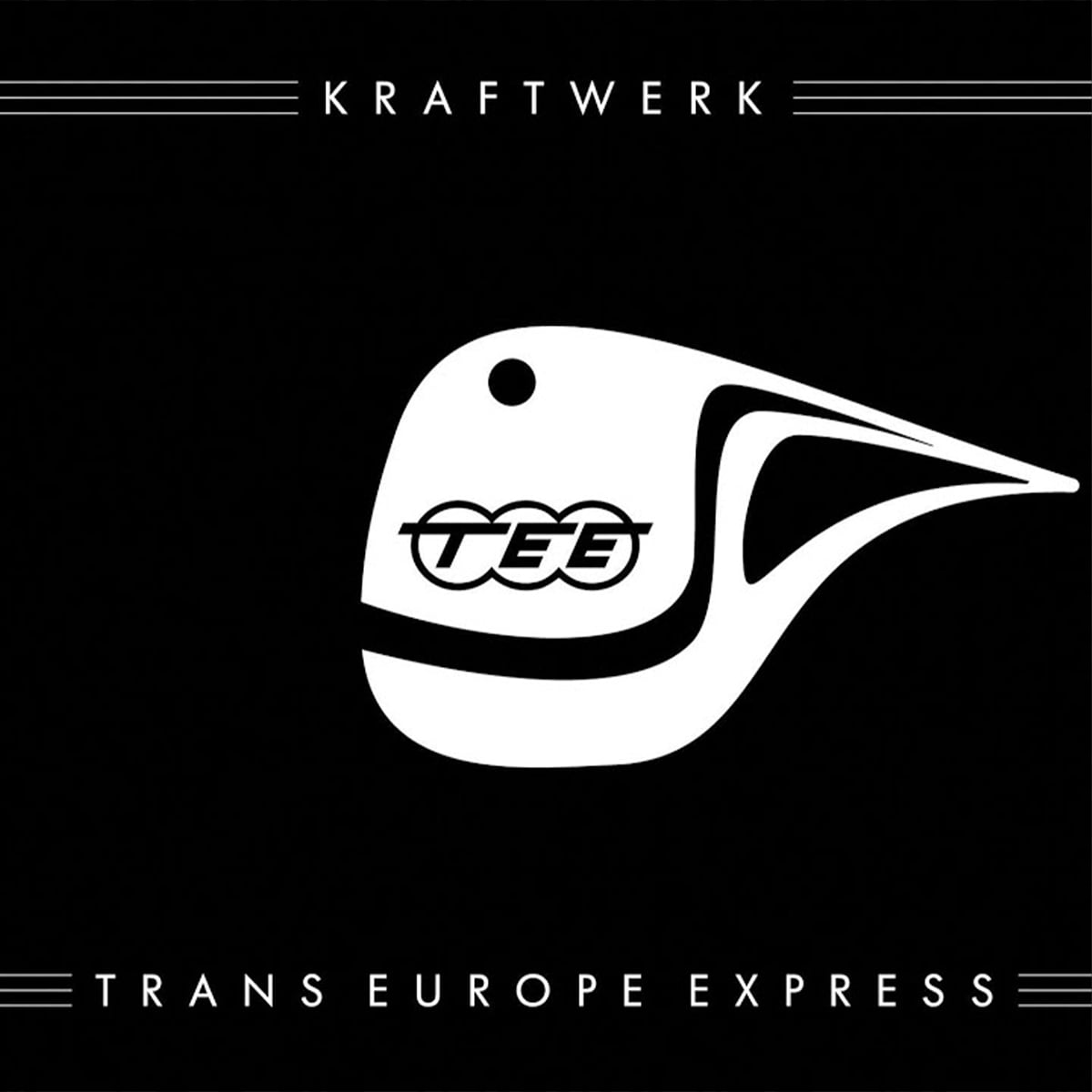
Release Date: March 1977 | Producer: Ralf Hütter and Florian Schneider | Label: Kling Klang
Any one of Düsseldorf’s finest’s classic LPs could have topped our list, but it’s 1977’s Trans-Europe Express that reaches Kraftwerk’s creative peak on all their gesamtkunstwerk fronts.
It was once their krautrock burnishing had died down that Kraftwerk began to bloom, shaking off their former flute-rock jams that scored the first three albums, long discontinued in the official back catalogue, their settled line-up and conceptual focus is where their visionary pop was finally realised. As the hardware became more sophisticated, so too did their romantic ambitions, eager to offer a timeless offering on their shared love for Mitteleuropa’s utopian beckon.
Just as electronic music was shifting away from niche interest to mainstream fascination, Kraftwerk dropped its big bang LP and defining blueprint. Shimmering with elegant sequencers, soaring synth choirs, analogue traverse, and the group’s robustly wry lyricism, Trans-Europe Express isn’t just an essential electronic album of the era, but a foundational template for all future synth makers, establishing the very language and identity electronic music in all its forms owes a debt to.
