


Flaming skulls and scarred Americana: What is behind Suicide’s ‘Ghost Rider’?

No other band in American music exuded such an air of provocation and radicalism as New York’s Suicide.
Having witnessed The Stooges’ feral live show in Queens’ State Pavilion during 1969’s countercultural chaos, SoHo artist Alan Bermowitz was inspired to take his concepts away from the exhibit and towards the stage.
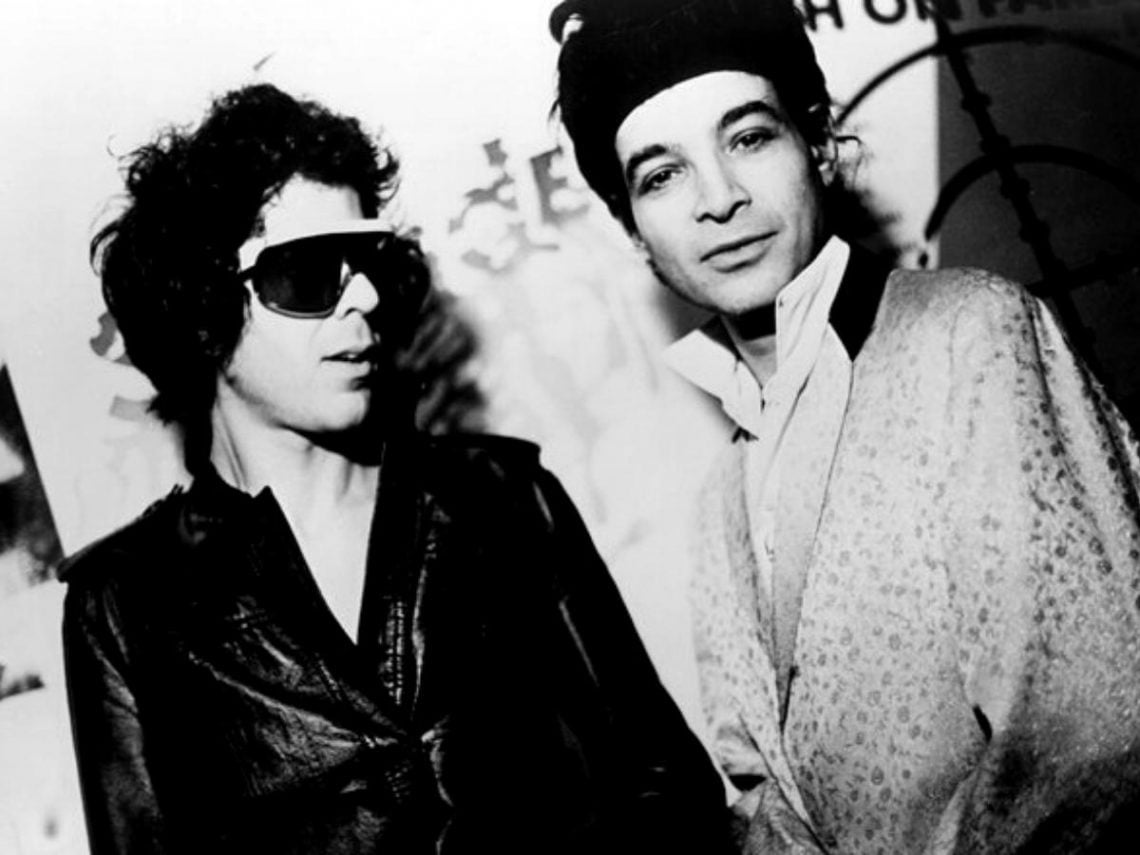
Crossing paths with Martin Rev via the Art Workers’ Coalition, the pair began experimenting with DIY electronic music, confoundingly at odds with the day’s glam rock seizing the city. While embraced by the likes of New York Dolls, Suicide cut a deeply menacing mark in the musical underground. Rev would lurk behind beat-up Farsifa organs and brittle rhythm boxes while Bermowitz—now operating under the moniker Alan Vega—fronted the hissing electronics with hypnotic belligerence, often whipping a motorcycle chain on stage for extra danger.
Suicide was different, even when punk finally caught up with them. Orbiting the CBGB and Max’s Kansas City crowd during punk’s initial strike, both Vega and Rev had honed their gristly synth creep to a feverish pitch, challenging the very notion of the band set-up with the unorthodox duo approach and arresting absence of instruments. Recorded in Blauvelt’s Ultima Studios, Suicide cut their debut record in four days, crafting a nightmarish exorcism of America’s post-hippy trauma, and littered with dissections of Marxist guerrillas, the urban jungle’s street dwellers, and the paranoid snap that leads to bloody family annihilation.
Released in 1977 via the independent Red Star label, Suicide was a depiction of America as the duo saw it. Torn-up, convulsing, failed, yet palpitating with a scabrous and calloused romance, Vega’s grimy lyrical reportage fed through his love of the 1950s’ chart landscape, each of its seven eerie cuts weathered and eroded like the remains of dead Gene Vincent or Elvis numbers. Critically panned upon release, Suicide’s reputation would grow across the years as one of punk and new wave’s most seismically influential records.
Their defining theme would stand as Suicide’s perfect opener. Offering a terse snapshot of a lonesome biker riding the planes of a scarred Americana, ‘Ghost Rider’s sinewy drum machines and buzzing dirge electrically score a strangely haunting and radiating ode to a comic book character that not only inspired their archetypal cut, but even gifted the band their challenging name.
While a character with the name Ghost Rider appeared in Marvel Comics‘ western offshoot as early as 1967, the first official, canonical birth of the bike-riding supernatural hero was in 1972’s Marvel Spotlight #5. Introducing the readers to stunt motorcyclist Johnny Blaze, a pact with Satan—in actuality, the demon Mephisto—to receive his soul in exchange for the life of his foster father results in the ghoulish transformation of his alter-ego, his head becoming a flaming skull whenever night falls and evil is near.
One such storyline was titled ‘Satan Suicide’. Digging the name, Vega mooted the comic chapter as the band moniker, Rev suggesting the removal of the first word. It worked, conjuring a name that matched their thematic and sonic examinations of alienation and malaise while also spiked with an evocative quiver of spectral exotica.
“We were talking about society’s suicide, especially American society,” Vega confessed to Pitchfork in 2016. “New York City was collapsing. The Vietnam War was going on. The name Suicide said it all to us”.
Like a deified avatar warning against moral rot and the dark roads humanity can be led down, ‘Ghost Rider’ summons a disquieting yet captivating apparition of pop-cultural lore fuelled by foreboding and cabalistic warning: “Baby, baby, baby he’s screamin’ the truth / America, America’s killin’ its youth”.
