


Five rock songs that were made better by drum machines

According to Neil Peart, drum machines are for songwriters, “invaluable”, a necessity you can’t begrudge, as “they help the drummer out a lot by giving an accurate picture of what the songwriter really wants to hear”.
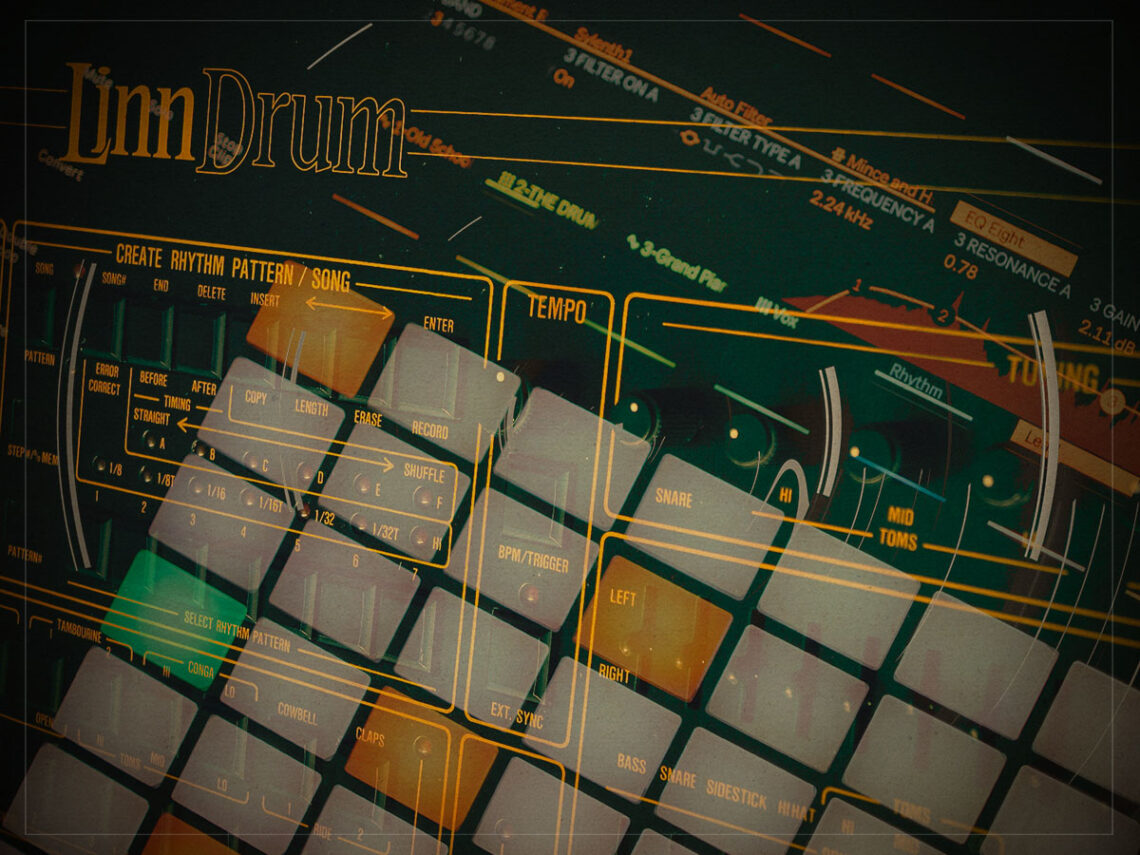
An overlooked gem in the musical landscape, the drum machine is exactly as it sounds: an electronic tool that produces drum beats and rhythms, and is typically used across a variety of different styles and genres, from jazz and soul to rock and pop. However, this is also a reason why they’re often misunderstood as merely a tech-first stand-in for the things that do it better.
After all, when it comes to tech, there’s often a point of contention about authenticity, and with the drum machine, some find it too digital-leaning to have the desired impact, or dismiss a piece entirely based on the implications of a drum machine on an artist’s broader expression and integrity.
However, when you look back at some of the more traditional spaces, like rock, inclusion of elements like a drum machine proves just as effective to the end result, if not more. The following entries also demonstrate how the drum machine didn’t just facilitate the material; it actually made it better, giving it that central immersion that makes you feel immediately transported somewhere else.
Five rock songs made better with drum machines:
‘Eyes Without a Face’ – Billy Idol

This enduring classic continues to make multiple resurgences in modern culture, with a hauntingly ethereal intro serving as the perfect backdrop for Billy Idol’s heartfelt vocal delivery. The drum machine makes it even more charming, giving it that twinkly pop feel you hear in both 1970s disco and contemporary music.
Funnily enough, this makes sense when you consider producer Keith Forsey’s connections to the ‘Father of Disco’ himself, Giorgio Moroder, and his inclusion in some of the disco movement’s most defining anthems by legends like Donna Summer and Blondie. ‘Eyes Without a Face’ sits in its own respective lane, but those little flavourings are just as tasty, if not more.
‘In The Air Tonight’ – Phil Collins

When you think of the most iconic drum-led anthems in music history, the first song that comes to mind is ‘In The Air Tonight’, which wasn’t just a major turning point in Phil Collins’ career, it was the song that single-handedly changed public perception when it came to the capabilities of the drum machine, and it all came as part of his personal journey to heal from his divorce.
As he later explained, he obtained the drum machine as a means of navigating his own personal hardship and a strong desire to write the music “that was inside me”. He also explained that it came together after he started “fooling around” in the studio, the lyrics occurring entirely spontaneously. “That frightens me a bit,” he claimed, “But I’m quite proud of the fact that I sang 99.9 per cent of those lyrics”.
‘Don’t Come Around Here No More’ – Tom Petty and the Heartbreakers

When you think of the more traditional players in rock and folk, it’s usually in connection with the usual suspects: Tom Petty, Neil Young, and Bob Dylan, before, you know. Petty, especially, isn’t usually one to venture into controversial territories when it comes to instruments and approach, but ‘Don’t Come Around Here No More’ presented a swift turn into precisely that.
Written with Dave Stewart of the Eurythmics, ‘Don’t Come Around Here No More’ started as a mesh of drum machine, synthesiser and electric sitar sounds, with no other lyrics except for its title. It was originally intended for Stevie Nicks, but instead became a Petty staple, proving the power of unpredictability and following different artistic threads whenever they present themselves.
‘Owner of a Lonely Heart’ – Yes
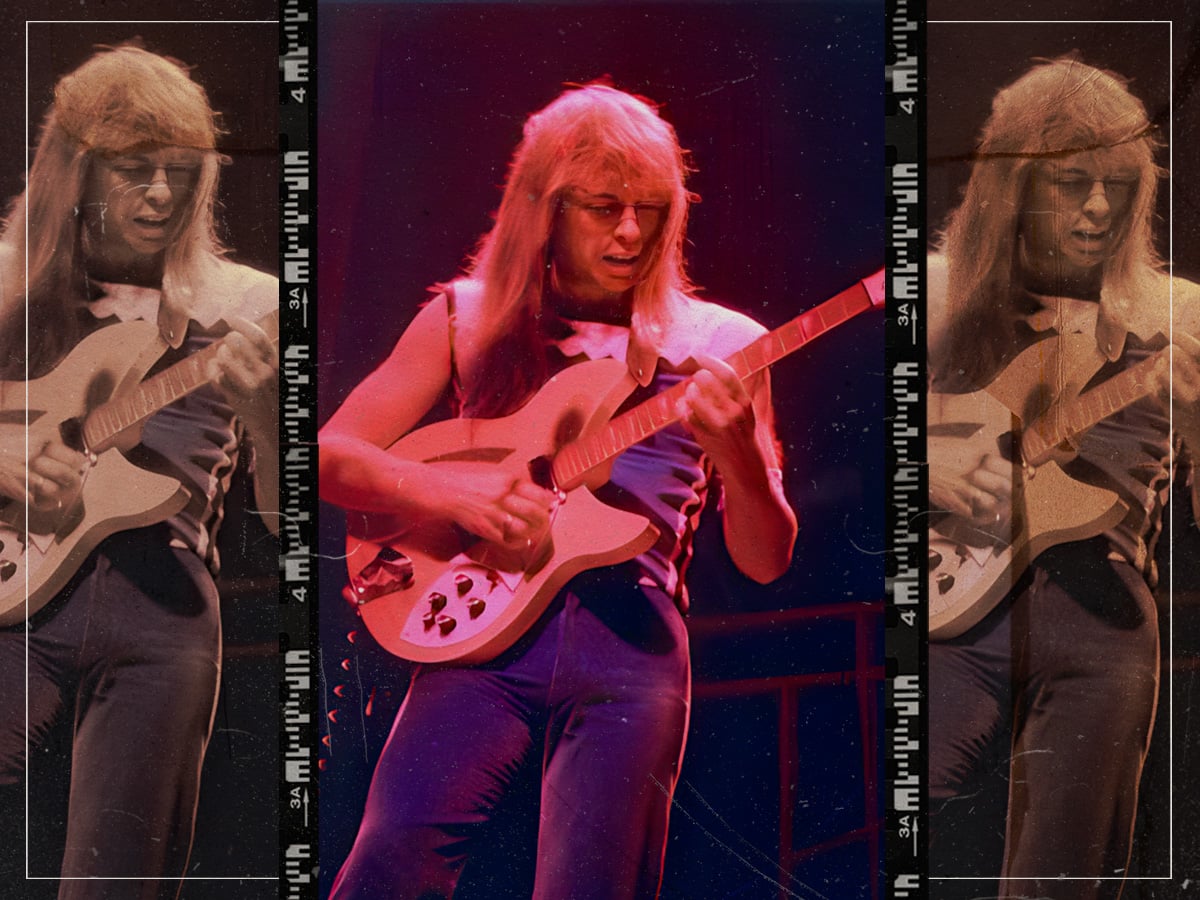
When you think of iconic drum machine songs, it’s not usually associated with prog rock, but Yes created one of the most iconic songs of the genre in the 1980s with their hit anthem ‘Owner of a Lonely Heart’, using the drum machine to create its commanding, pulsating rhythm.
Apparently, Trevor Horn wasn’t the biggest fan of the sound at first, initially into the more traditional-leaning drummers in the scene at the time, but eventually came around to the idea, mixing both the machine with live drumming to create a fuller, headier sound. This is ultimately what makes the record, setting it apart from some of the more textbook players at the time, with a sound that appeared both forward-thinking and reminiscent of old rock.
‘Blue Monday’ – New Order

New Order could have continued the path Joy Division started on, and in many ways, they did, but they also completely ripped out the rulebook, merging genres and styles many hadn’t even thought to put together before.
‘Blue Monday’ was a culmination of this commitment to musical eclecticism, becoming one of the most legendary tunes across multiple genres. In the 1980s, this was absolute kryptonite, especially as it hooked into community dance scenes with a hypnotic swirl of clashing themes and messages, signalling fun and joy but also melancholy and disillusionment.
