


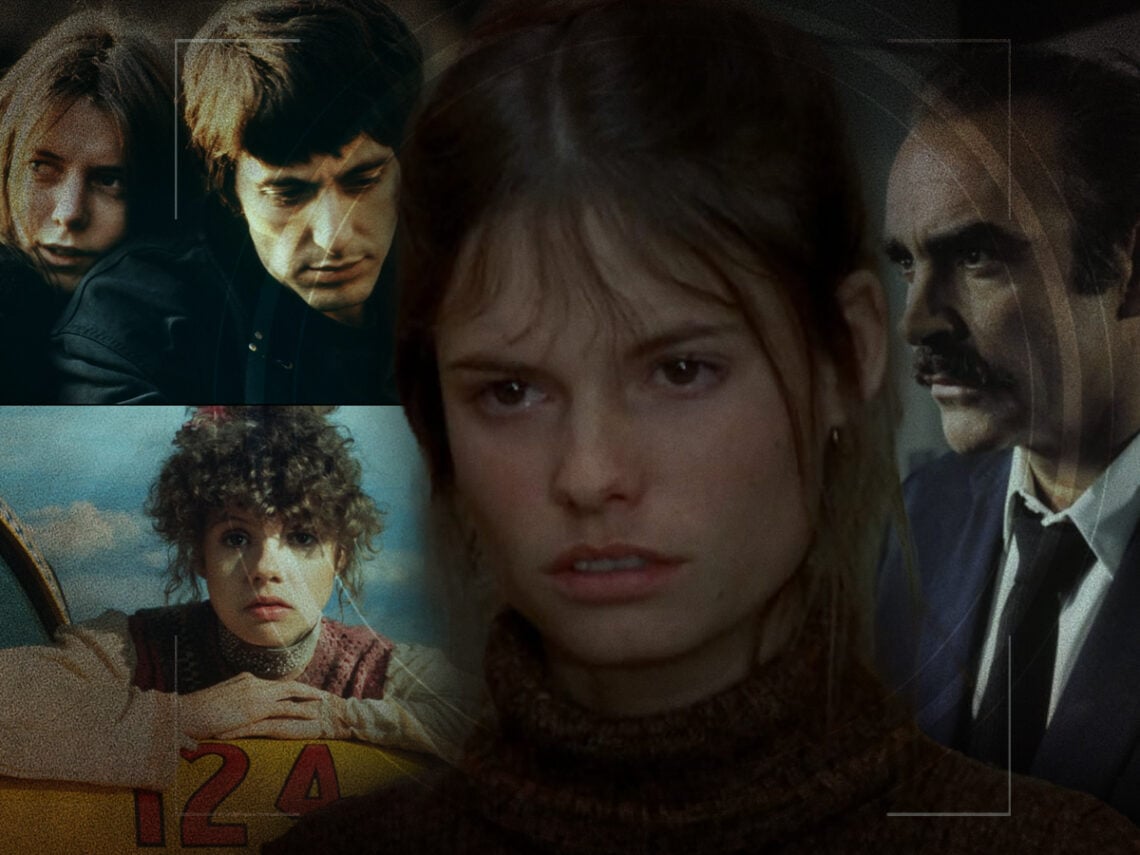
10 forgotten movie masterpieces of the 1970s

There were so many great films in the 1970s, the most discussed decade in cinematic history, that some have slipped through the cracks.
The most significant difference between the ‘70s and today was that there was less of a distinction between the biggest films of each respective year and the highest-grossing; ‘Best Picture’ winners like Rocky, The Godfather, The Sting, and Kramer vs Kramer played like blockbuster hits, and the decade’s biggest financial successes included acclaimed films like The Exorcist, Jaws, Star Wars, and Close Encounters of the Third Kind.
While there are the occasional modern films that are both critical darlings and titanic monkeymakers, with Christopher Nolan’s The Odyssey being the most prominent recent example, there is otherwise a significant gap between the best new releases of 2026 (Blue Heron, 28 Years Later: The Bone Temple) and the biggest (The Super Mario Galaxy Movie, Michael).
The ‘70s have left such a profound legacy that many films, dismissed at the time of their initial releases, are now seen as classics, the greatest example of which is William Friedkin’s unusual action thriller Sorcerer, a box office flop that didn’t attract much attention in 1977, but has since gone on to be considered a cinematic masterpiece.
Similar revelations have been had with regards to other financial disappointments and lesser-known films, but the great thing about the ‘70s is that they are still ripe with wonderful hidden gems that are worthy of being rediscovered and celebrated.
10 under-the-radar movie masterpieces of the 1970s
‘Getting Straight’ (Richard Rush, 1970)
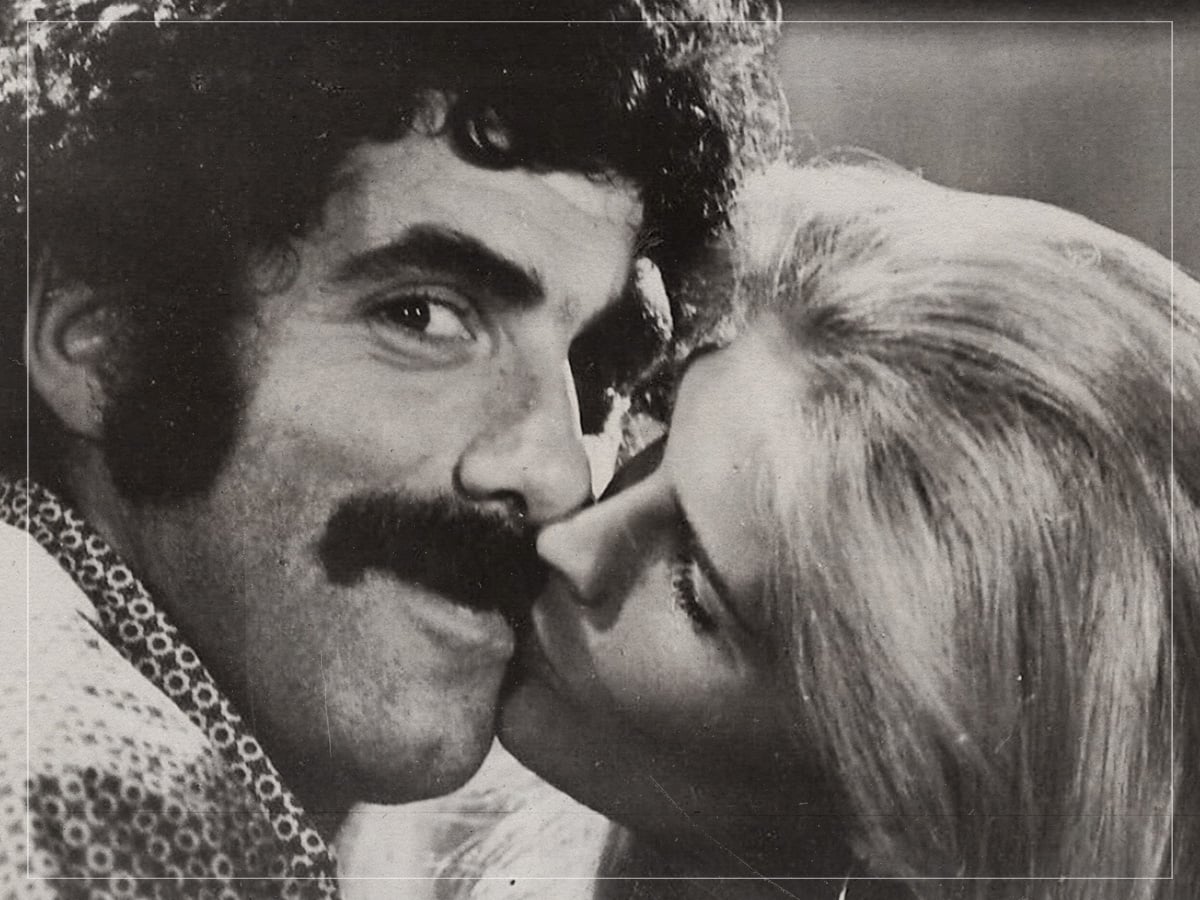
There were many ‘70s films that directly responded to the conflict in Vietnam by exploring the ongoing war and its effect on soldiers, but Getting Straight was a satire that examined the changing nature of campus culture. Elliot Gould gives a hilarious performance as a quirky graduate student who finds himself with split loyalties, as he serves a formally traditional university and attends a countercultural student population.
Getting Straight embodies the unique dilemma in which public opinion began to change regarding the value of higher education, but also works as a charming relationship dramedy. While Gould is as charismatic as he has ever been, the film is also known for having one of the very first appearances by Harrison Ford, who at this point had not even been discovered by George Lucas for his eventual breakout role three years later in American Graffiti.
‘The Panic in Needle Park’ (Jerry Schatzberg, 1971)
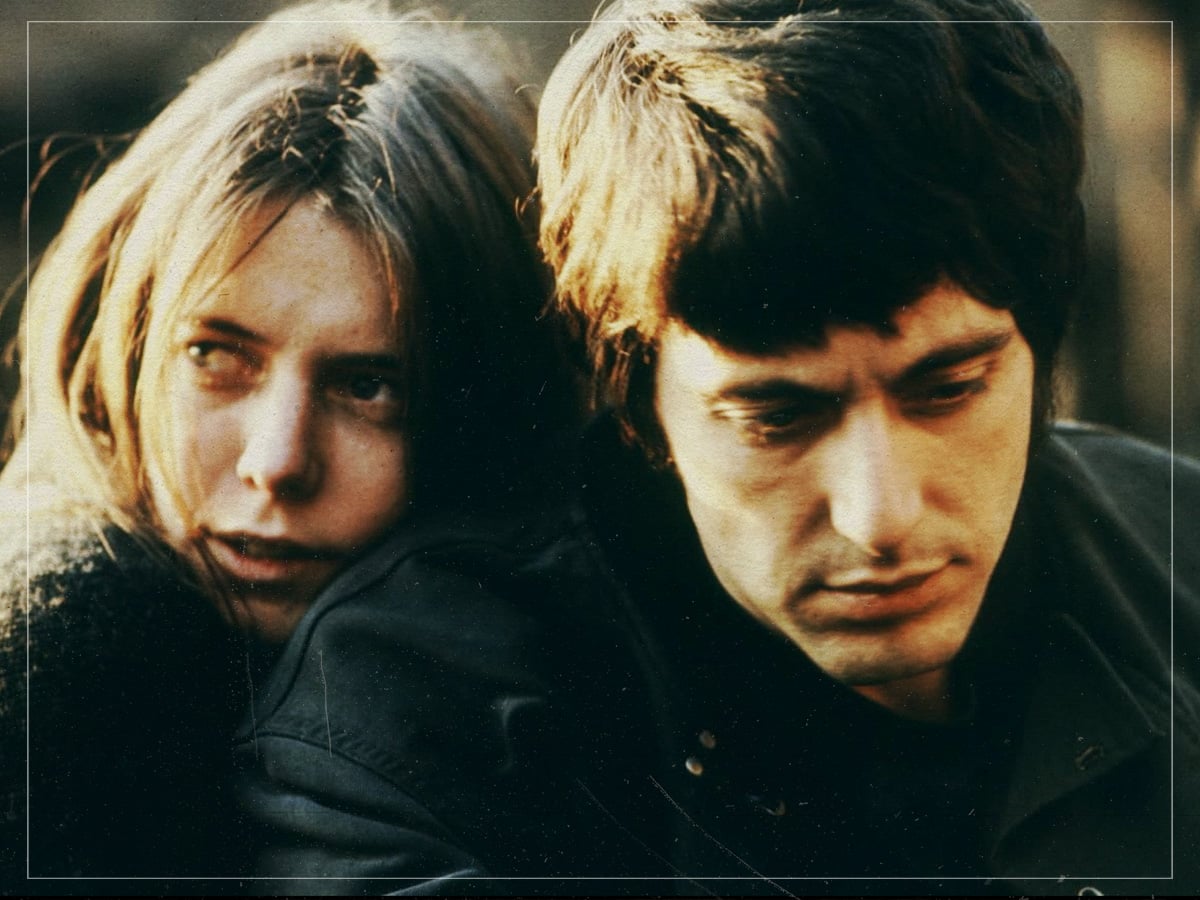
Al Pacino was a stage actor who wasn’t interested in the populist fare trotted out by Hollywood, but he brought his theatrical precision to life in the powerful social drama The Panic in Needle Park, which was one of the first films to closely look at addiction.
The late ‘60s had seen a new ratings board being created that allowed for films to include more explicit content if they were marked as only being available for adult audiences, and The Panic in Needle Park justified its maturity with a grounded portrayal of poverty and joblessness in New York City.
Pacino is electrifying in his first major role, as he channels the same immersive techniques that had made Marlon Brando so powerful in On the Waterfront, but since the film was not a massive hit, it wasn’t seen as Pacino’s breakout moment until the following year, when he starred in The Godfather.
‘The Offence’ (Sidney Lumet, 1973)
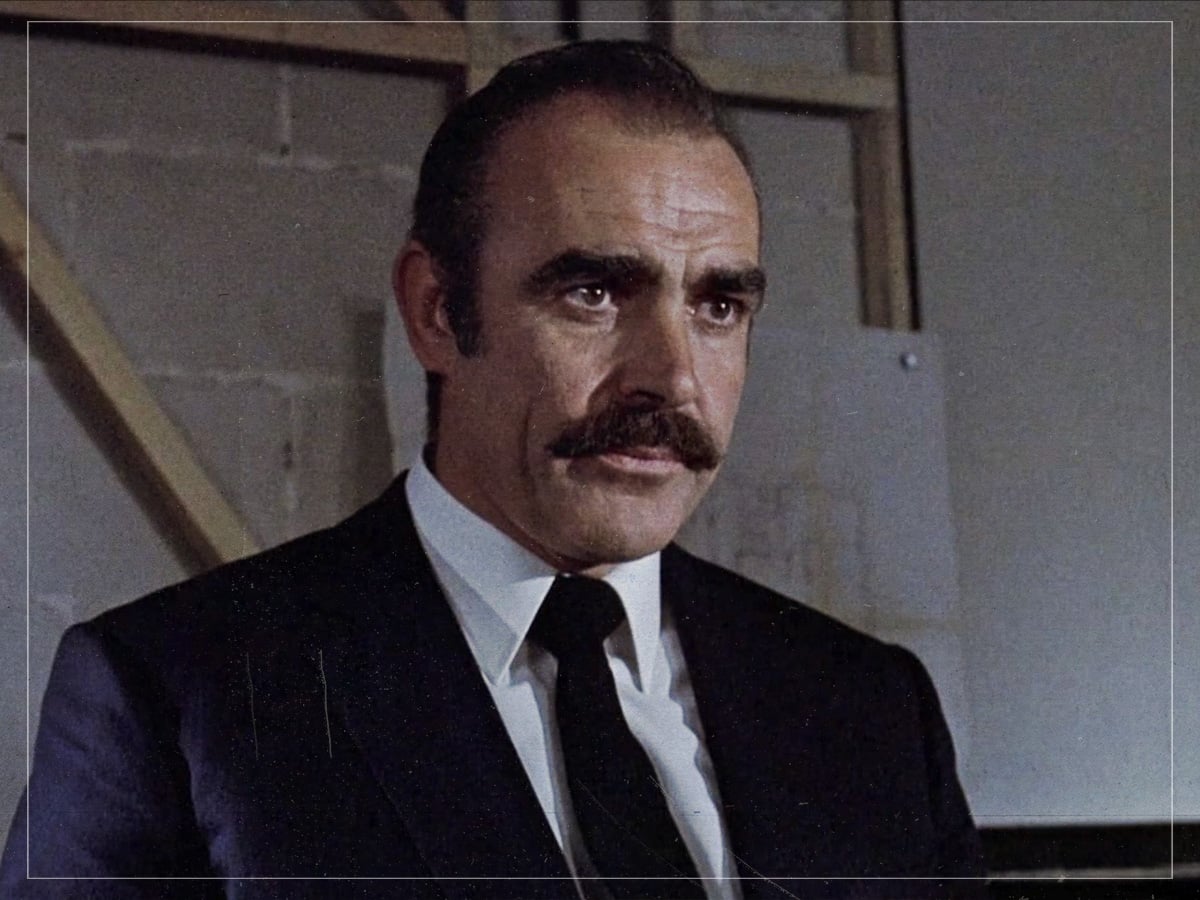
Determined to differentiate himself from the James Bond role, actor Sean Connery sought out his prior collaborator, Sidney Lumet for a more grounded, dramatic role in which he could show his range, which led to The Offence, a gripping psychological crime drama where Connery stars as a grizzled police inspector who begins to break down during a witness interrogation, as he reaches his limit while dealing with a child murderer.
It’s one of the darkest roles that he ever played, and Lumet respected the singularity of the original source material by creating a confined setting that nearly felt like a stage play. Although there were a multitude of gritty cop films in the ‘70s, The Offence explored the haunting nature of true crime cases in a way that still feels relevant today.
‘Breezy’ (Clint Eastwood, 1973)
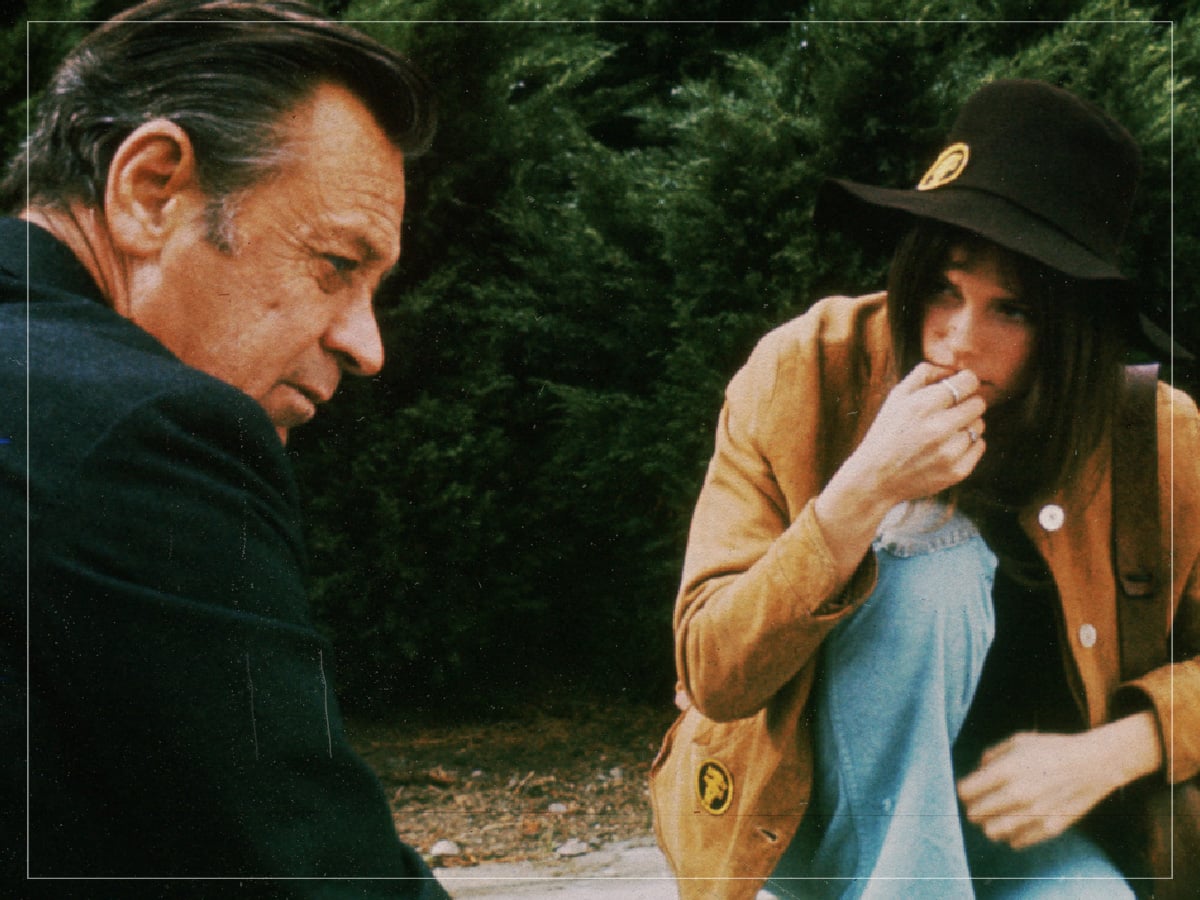
Clint Eastwood was so closely associated with western and action films, even when he started his career as a director, that people were taken by surprise when he decided to make a grounded romantic drama as his second feature, in the form of Breezy, which featured William Holden in one of the best performances of his late career as a buttoned-up loner who falls for a young hippie, played by Kay Lenz. Eastwood is often not given enough credit for his patience and maturity as a storyteller, and Breezy is unwaveringly romantic without being too sentimental.
Given the different generations that the characters come from, Breezy plays out like a classic Hollywood love story with a countercultural edge. While it’s been dismissed as one of Eastwood’s lesser works, it stands out as a more hopeful film, especially compared to other ‘70s titles like High Plains Drifter and The Outlaw Josey Wales.
‘Dersu Uzala’ (Akira Kurosawa, 1975)
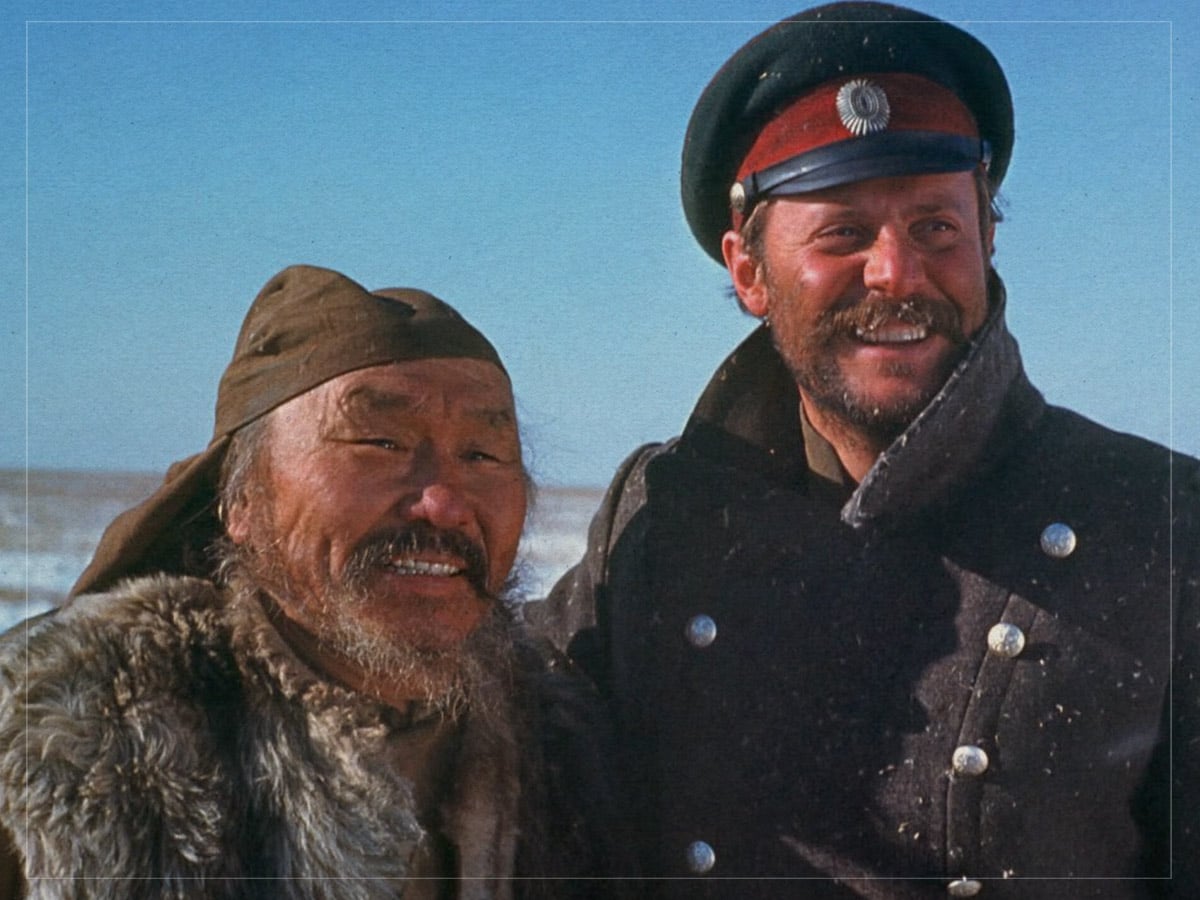
Akira Kurosawa was such a major influence on the filmmakers of the ‘70s that it’s easy to forget that he never stopped directing and remained active up until his death in the late ‘90s. Despite winning the Academy Award for ‘Best Foreign Film,’ Dersu Uzala doesn’t get the recognition that it deserves among fans of Kurosawa’s work, perhaps because it was made in the Soviet Union.
Dersu Uzala is a grand historical epic about the friendship between a Nanai hunter and a Soviet explorer who team up to chart a topographical map, and the scale is among the most impressive of Kurosawa’s career. He has always had a keen eye for historical authenticity, and Dersu Uzala stands out because it does not have the feudal setting of his other work; while it’s not an action film, it is among the great filmmaker’s most emotionally satisfying achievements.
‘The American Friend’ (Wim Wenders, 1977)
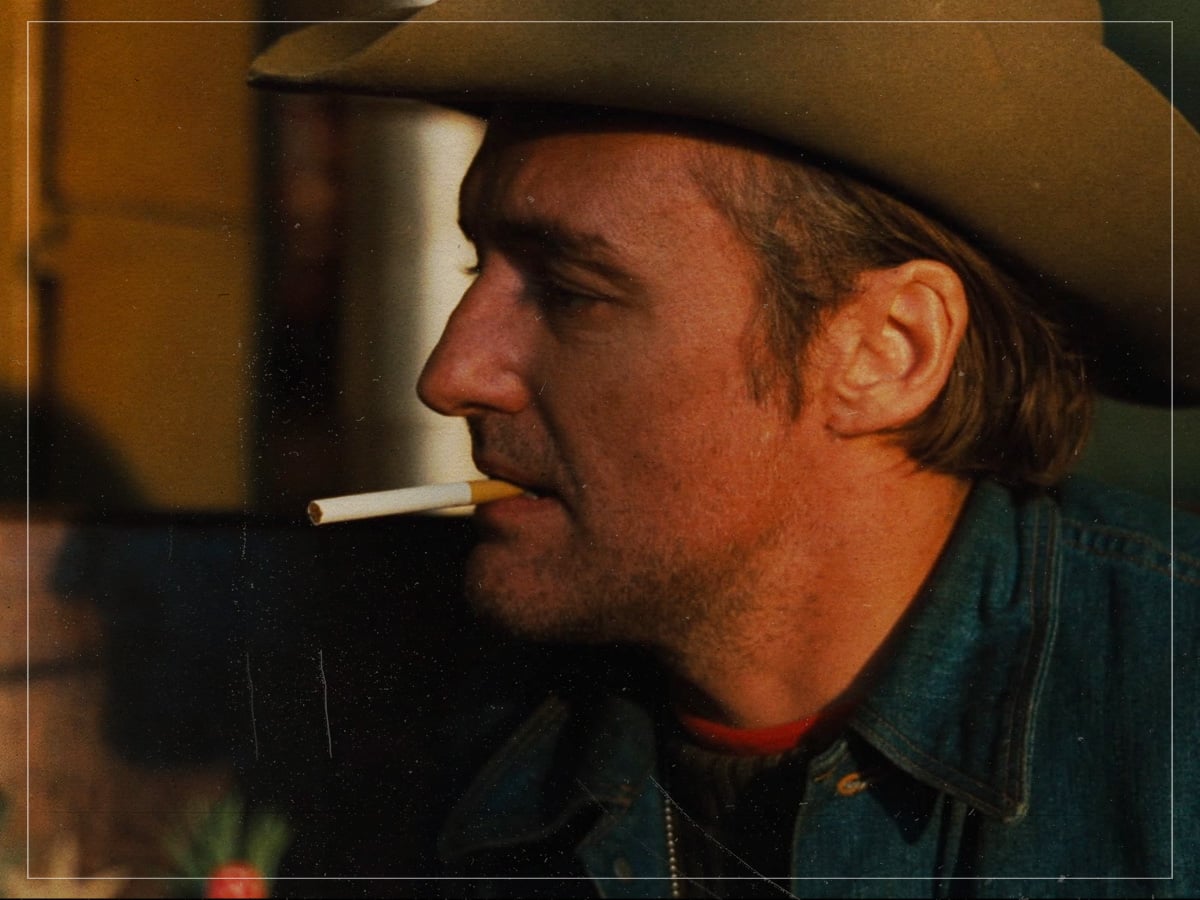
Wim Wenders has continued to be a versatile and polarising filmmaker, but The American Friend was an earlier effort in his career before the success of Paris, Texas and Wings of Desire. It was the second film adaptation of the novels of Patricia Highsmith about the character Tom Ripley, but it wasn’t a sequel to Purple Noon.
The American Friend was adapted from a later book in the series and features Dennis Hopper as a completely different version of Ripley, who is entirely unique from those played by Alain Delon, Matt Damon, and Andrew Scott.
Wenders crafts an achingly lonely, paranoid international canvas perceived by an insipid American who uses his cleverness to elude any personal loyalties. While The American Friend would become overshadowed by the success of 1999’s The Talented Mr Ripley, it is nonetheless a smart adaptation that understands the complexity of Highsmith’s text.
‘Who’ll Stop the Rain’ (Karel Reisz, 1978)
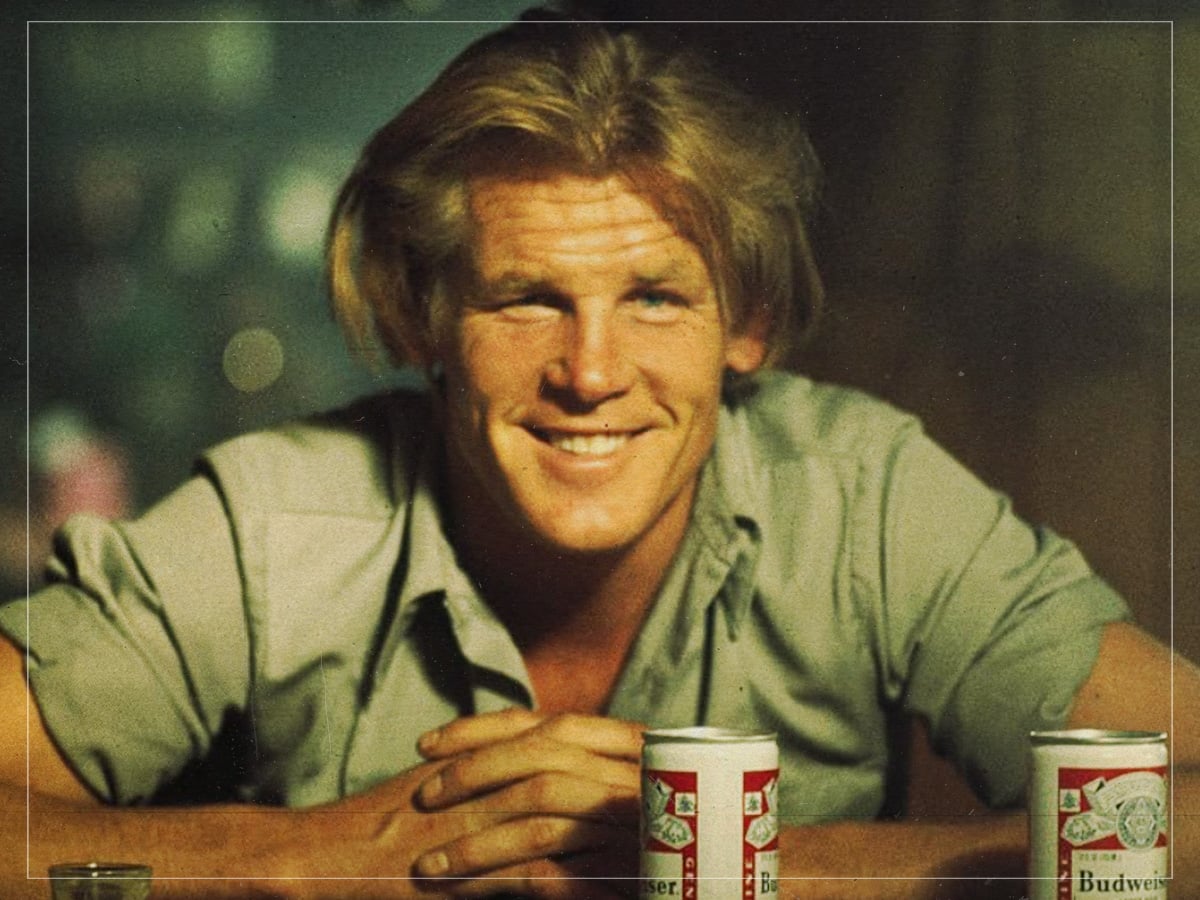
Nick Nolte was solidifying himself as a deeply committed method actor with an aptitude for complex roles, and Who’ll Stop the Rain was an early indication of his genius. Set within the Vietnam War, Who’ll Stop the Rain stars Nolte as a merchant sailor who runs a shipment of drugs back into the United States for an American soldier, played by Michael Moriarty, trying to provide for his girlfriend, played by Tuesday Weld.
While it analysed the disillusionment of the American military and the cost of addiction among wounded veterans, Who’ll Stop the Rain is still a stylised neo-noir thriller with terrific set pieces, memorable villains, and more than a few twists and turns. It also has one of the most underrated soundtracks of the ‘70s, including the use of the titular song in a standout moment that is downright brilliant.
‘Quadrophenia’ (Franc Roddam, 1979)
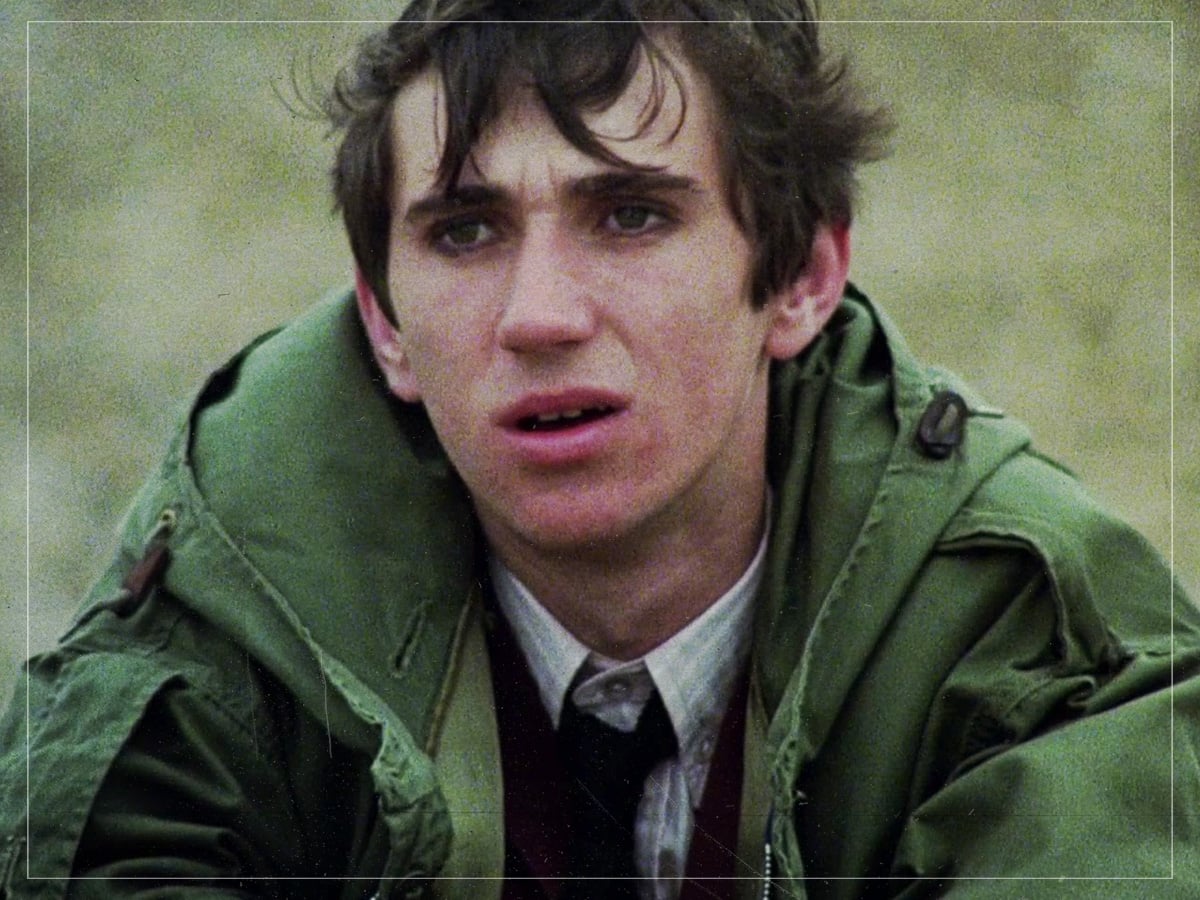
The Who was peaking in popularity in the ‘70s after the success of the adaptation of their stage musical Tommy, but Quadrophenia was a much different use of their music that served as an arch commentary on the social conflicts within England during the era. Quadrophenia stars Phil Daniels as a young mod who is seduced by the rocker lifestyle and decides to become a hard-drinking, motorcycle-riding outlaw, only to become exposed to the shallow nature of his new colleagues.
The film is a fascinating cultural artefact that crystallised how strong the social tensions were between different groups within this period in British history, and succeeded in being an earnest representation of working-class anxieties. Although the film was perhaps too sombre and psychologically demanding to ever be a major breakthrough hit, The Who’s music is among their most underrated and perfectly woven into the narrative.
‘Hardcore’ (Paul Schrader, 1979)
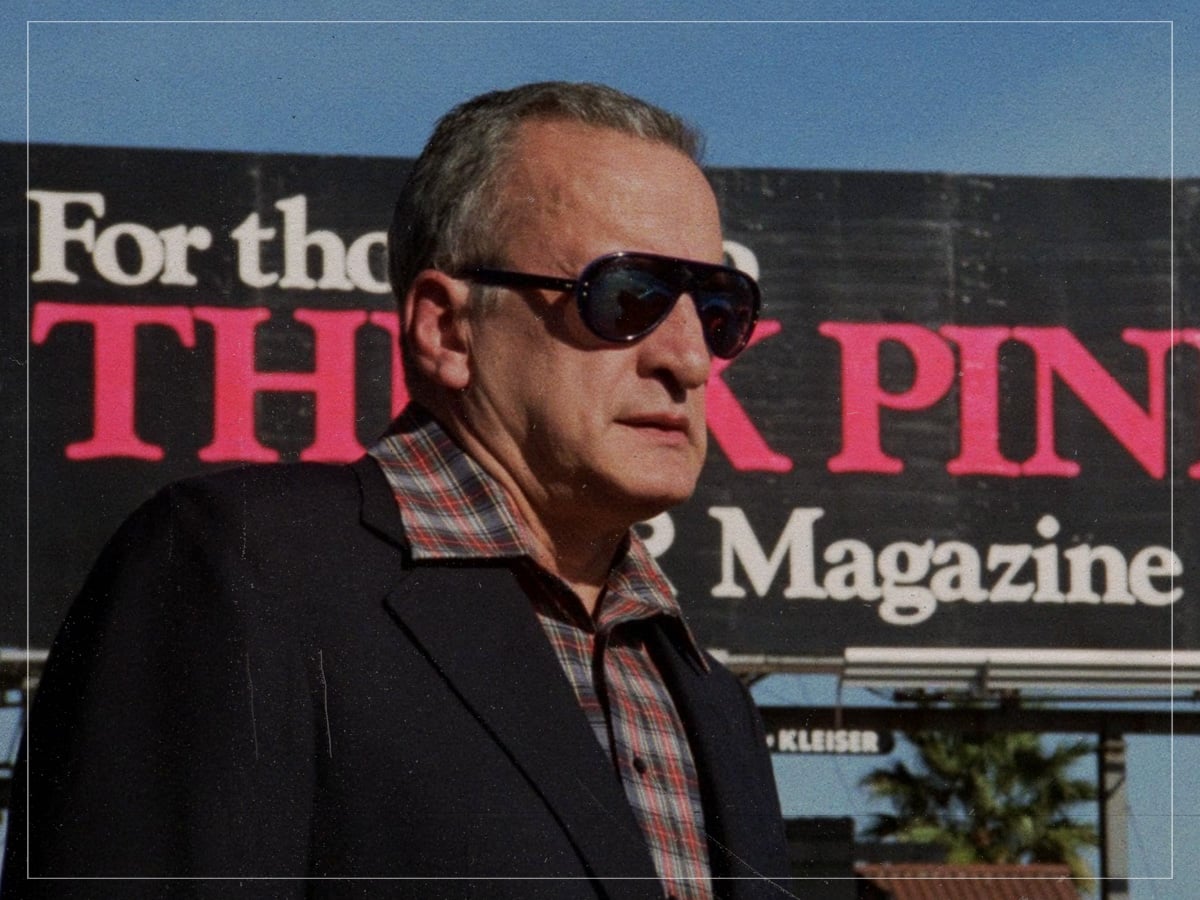
Paul Schrader had been writing some of the best films of the ‘70s when he began directing features, and Hardcore is among his most brutal, controversial efforts ever. George C Scott stars as a Calvinist businessman from Michigan who discovers that his daughter, played by Ilah Davis, has been trapped in the world of underground pornography and forced to do sex work, leading him on a ruthless mission to free her and take revenge on her captors.
Hardcore destroys social norms by contrasting religious, economic, and cultural issues, and merges Schrader’s interest in disturbed anti-heroes with a gloriously pulpy final act of psychological terror. While the film is gripping and speaks to a genuine rift within the generational gap, Schrader also finds perverse humour within the superficiality of ‘70s sexploitation, including an often-memed scene of Scott’s character watching a film that’s layered with black comedy.
‘Hair’ (Miloš Forman, 1979)
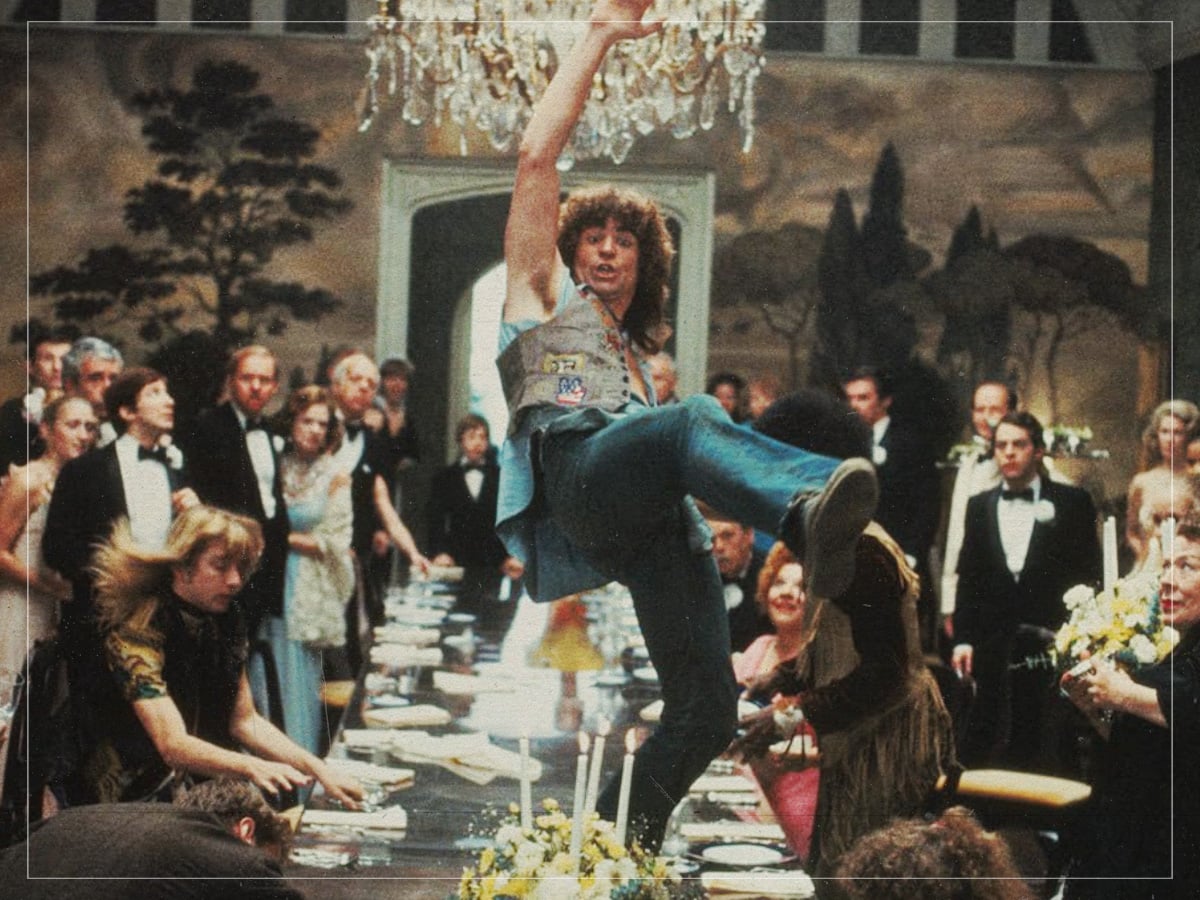
Miloš Forman is an all-time cinematic genius who told powerful stories about artistry and anti-authoritarianism, but he also had a theatrical side that was evident in his many films about music. Hair is an absurdist comedy musical based on the successful Broadway musical of the same name, and explores anti-war hippies who attempted to dodge the draft during the countercultural opposition to the Vietnam War.
Hair is gleefully psychedelic, bending its worldview to that of its radical characters, but also features a terrific integration of elaborate musical numbers within practical locations. John Savage’s performance is among his best, but Hair should be remembered for the terrific appearance by Treat Williams as the hippie leader George Berger; Williams was never given enough credit for being an amazing character actor, and his Hair performance ranks among the best roles he has ever had.

Never Miss A Tale
The Far Out Clint Eastwood Newsletter
All the latest stories about Clint Eastwood from the independent voice of culture.
Straight to your inbox.