


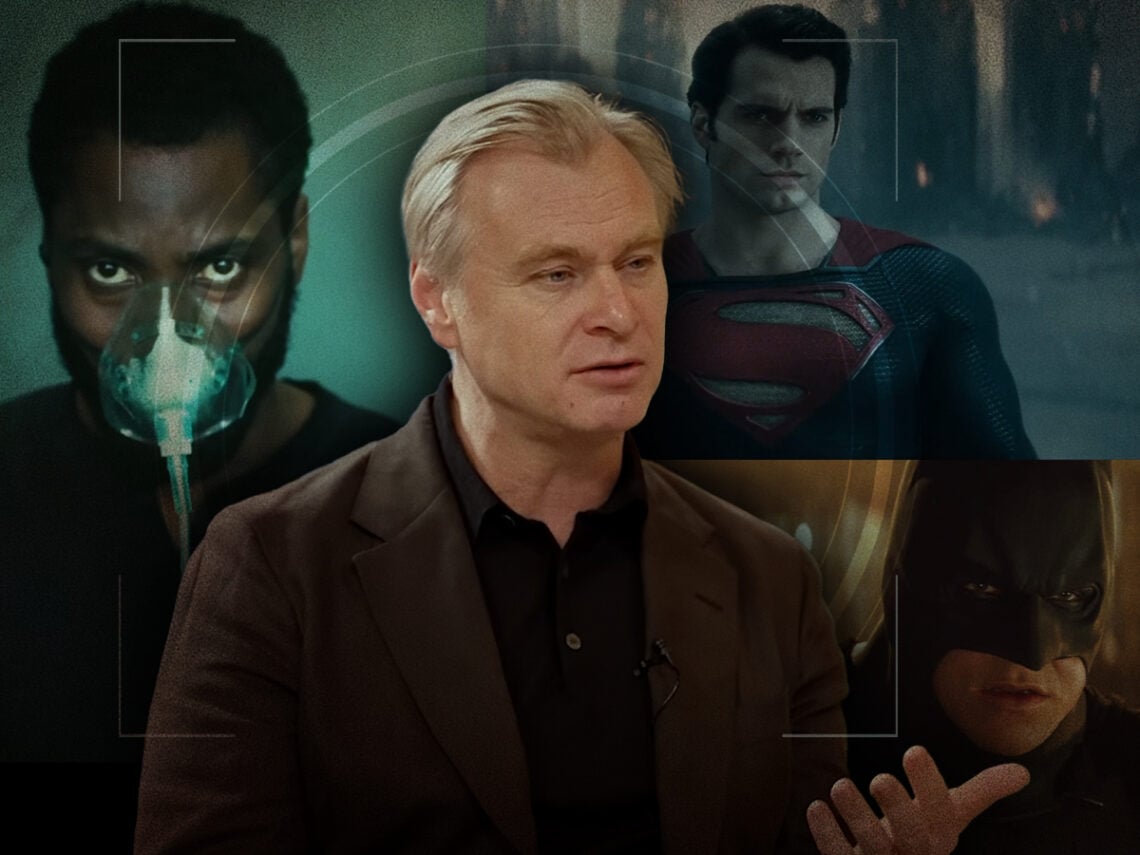
10 Christopher Nolan scenes that should be deleted from history

Christopher Nolan has an outstanding, if not impeccable, track record.
One of the biggest directors working today, there frankly isn’t anyone else who comes even close to his stature. That’s not to say he is at the all-time status that filmmakers like Steven Spielberg or Martin Scorsese court (although he could join their ranks in time), but he has reached a degree of popularity and success that ensures every single one of his films is a massive event.
Nolan is the rare director who makes thoughtful, ambitious films that also appeal to mass audiences, and he offers an example of what populist entertainment should look like in an era where the industry is dominated by remakes and reboots.
The fact that his masterpiece Oppenheimer won the Academy Award for ‘Best Picture’ is almost less impressive than its extraordinary box office run; no one but Nolan could get a three-hour biopic to nearly $1billion globally.
The man has yet to make a bad film, as all 13 releases that he’s credited as a director for are at least good; his debut feature, Following, might be the weakest, but it’s still an impressive achievement given the sparse resources Nolan was working with.
If there is a black mark on his record, it’s that he hasn’t been as judicious a producer. He is technically credited as an executive producer on many of the DCEU films, and his worst decision may have been producing Transcendence, the debut feature of his longtime cinematographer Wally Pfister, but that film is so riddled with mistakes that it would be hard to single out just one.
10 Christopher Nolan scenes that should not exist:
‘Batman v Superman: Dawn of Justice’ (Zack Snyder, 2016)
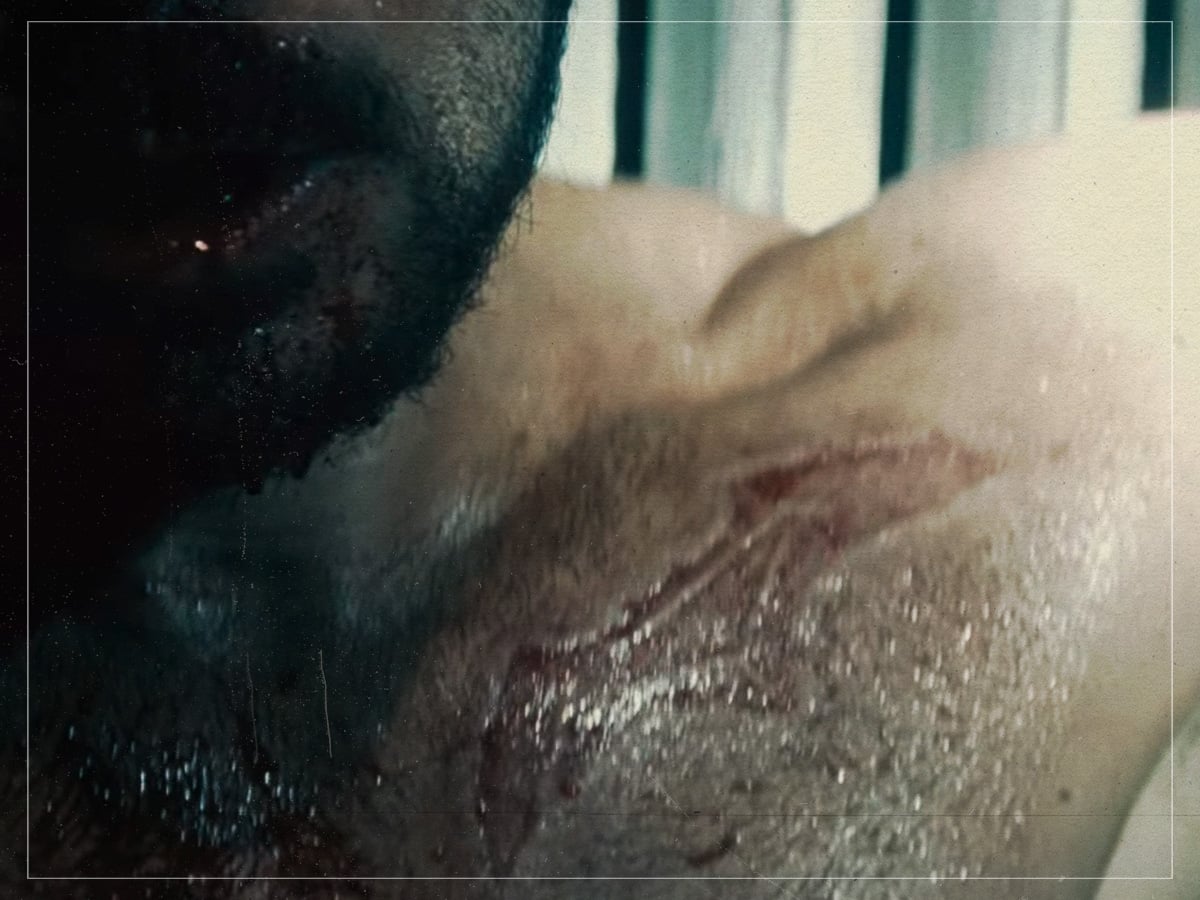
Scene: Batman brands the thugs
Nolan’s friendship with Zack Snyder and respect for Warner Bros (which would decline in the wake of the HBO Max ‘Project Popcorn’ arrangement in 2021) meant that he retained his role as an executive producer on Batman v Superman: Dawn of Justice, the second film in the DCEU. While it was evident that Nolan had very little say, if any, on the way that Snyder depicted Batman, it’s still tough to see his name on a film that so blatantly misunderstands the character.
The biggest point Nolan made in his trilogy of Batman films was that Bruce Wayne refused to kill in order to distinguish himself from the criminals he hunted down, but Snyder’s film sees Ben Affleck’s version of ‘the Dark Knight’ branding thugs so that they will be ruthlessly executed when they are locked up in Gotham City’s prisons.
‘Zack Snyder’s Justice League’ (Zack Snyder, 2021)
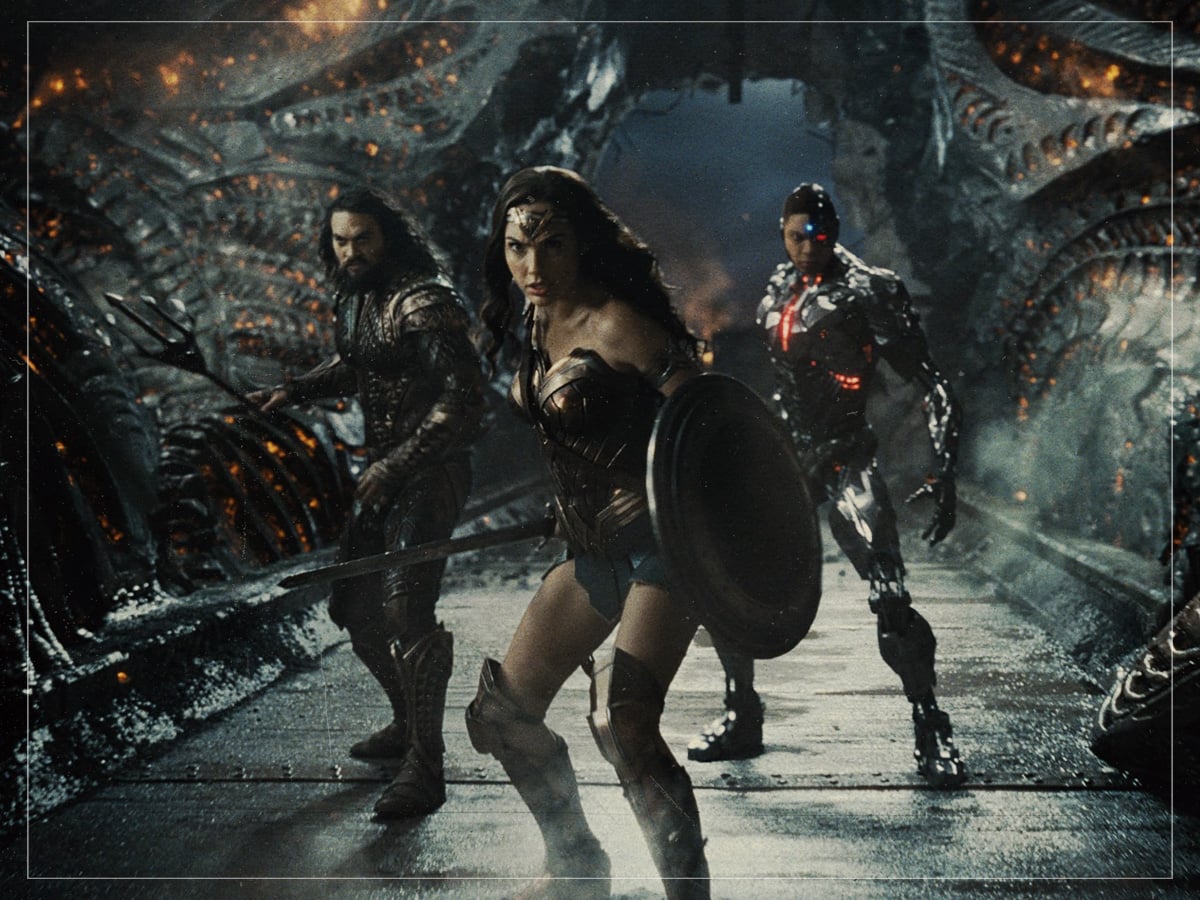
Scene: Nolan’s endorsement of the film
Nolan’s link with Zack Snyder is perhaps the strangest aspect of his career, given that the two filmmakers couldn’t be more different; while the latter has a rabid, fanatical fanbase of online supporters, the former doesn’t own a cell phone and never checks his email. Nonetheless, Nolan went beyond his official capacity as an executive producer on the Justice League project to speak out on behalf of Snyder’s director’s cut, which was released after trolls bullied Warner Bros incessantly for years.
While Nolan may have been trying to fight for creative freedom, his willingness to legitimise the release of Zack Snyder’s Justice League set a negative precedent for the industry in which studios would cave to online pressure. It’s also out of character for the filmmaker, who has managed to work with studios respectfully and has never had to release a director’s cut of one of his films.
‘Justice League’ (Joss Whedon and Zack Snyder, 2017)
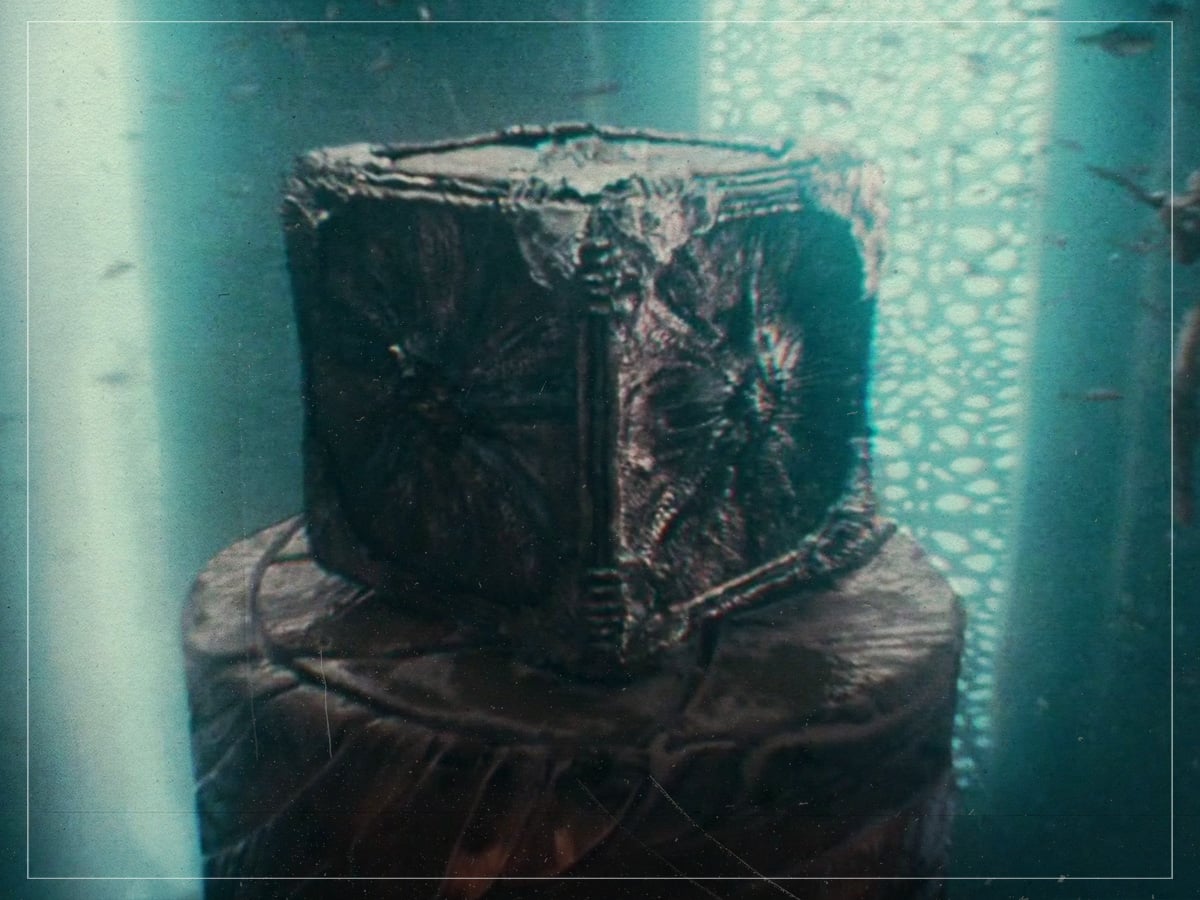
Scene: The Motherboxes are established
Nolan’s role as an executive producer on Justice League was likely minimal, given that there are no signs of his influence in the disastrous end product that was dumped in theatres after Joss Whedon took over directing from Snyder. While Whedon is guilty of making disastrous changes that made the flawed project even worse, there is enough in the theatrical cut that was set up by Snyder, who was hired by Warner Bros, because Nolan vouched for him.
Snyder decided that the first-ever Justice League film should revolve around a series of MacGuffins known as ‘Motherboxes’, which felt like a blatant ripoff of the collection of the ‘Infinity Stones’ within the Marvel Cinematic Universe during the lead-up to Avengers: Infinity War and Avengers: Endgame. Rarely was it more obvious that DC was trying to copy Marvel’s success.
‘Man of Steel’ (Zack Snyder, 2013)
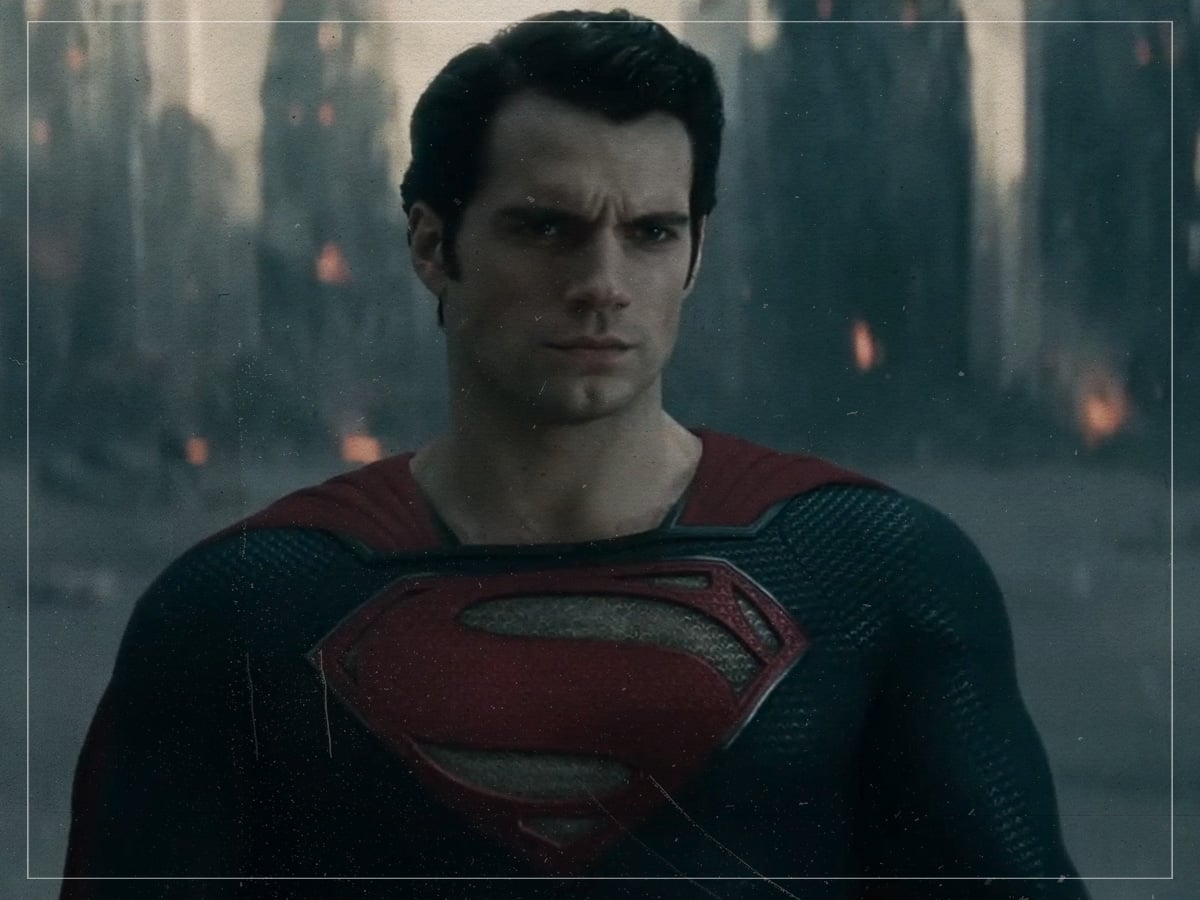
Scene: The devastation of Metropolis
It was during the writing of The Dark Knight Rises that screenwriter David S Goyer thought of a new take on Superman that he pitched to Warner Bros, with the assistance of Nolan, who agreed to stay on the reboot as a producer. Nolan’s name was prominent within the marketing of Man of Steel, leading many to believe that the film would take a grounded take on Superman that was similar to what The Dark Knight trilogy had done for Batman.
The difference was that Goyer and Snyder didn’t see Henry Cavill’s Superman as a hero, as Man of Steel ends with a destructive battle that destroys Metropolis. While Nolan can’t entirely be blamed for all the decisions that were made on Man of Steel, the idea of ending the film on such an unusually somber moment is something he should have called out before Goyer even got the chance to pitch it.
‘Side by Side’ (Christopher Kenneally, 2012)
Scene: The dismissal of digital
Nolan rarely does any press in which he talks about his private life or personal beliefs, but he did make an appearance in the 2012 documentary Side by Side, which explores the difference between shooting on film and on digital. Given that Nolan has been very outspoken about the future of cinema itself, it’s unsurprising that he made bold claims about the importance of projecting on film.
The director is understandably quite passionate about preferring film, but his comments that disregard digital entirely do feel a bit short-sighted when considering the many directors who use the other format. While digital can be an excuse to be lazy, it’s a tool that has been used creatively as an expressionist means by directors like Michael Mann, Steven Soderbergh, George Lucas, David Fincher, and Danny Boyle, all of whom Nolan has expressed his admiration for.
‘Don Jon’ (Joseph Gordon-Levitt, 2013)
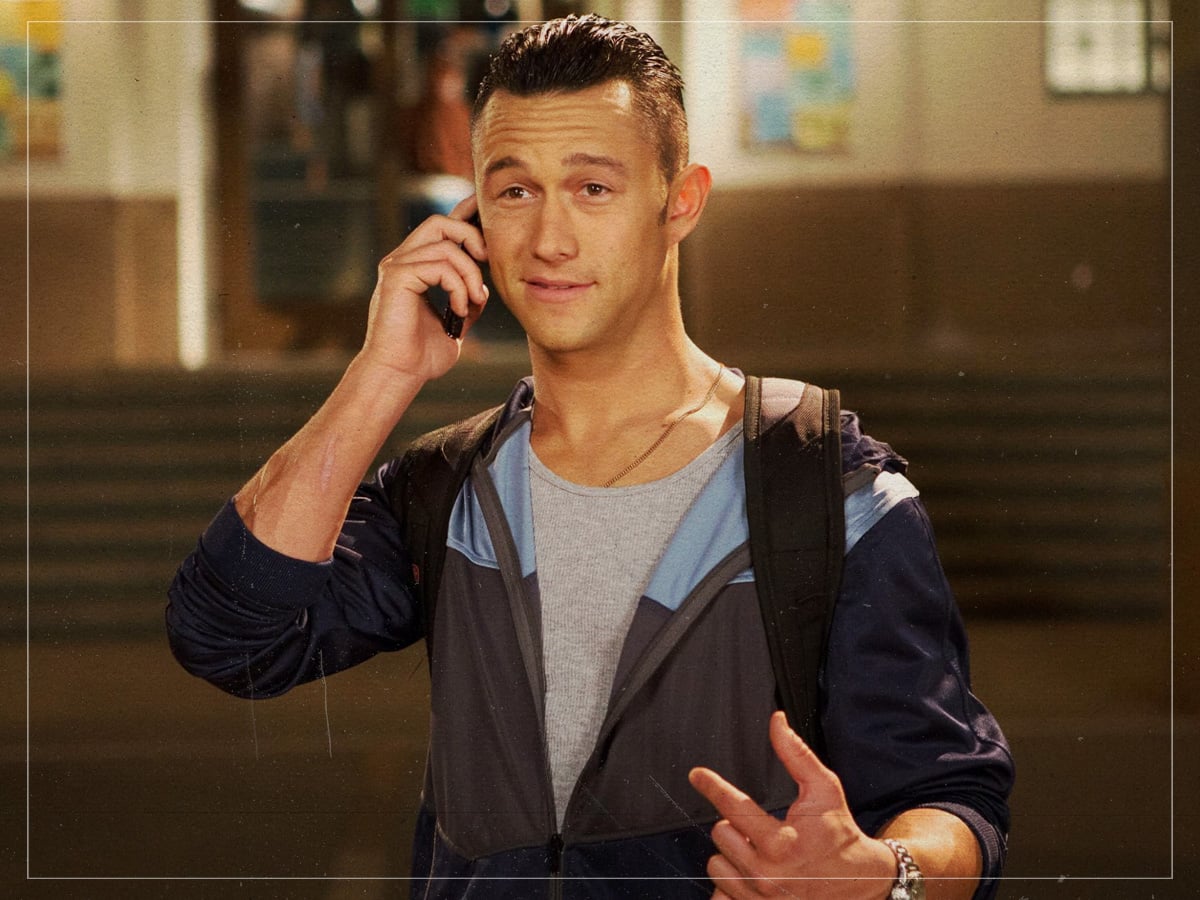
Scene: Don Jon’s opening monologue
Joseph Gordon-Levitt is a frequent collaborator of Nolan’s who appeared in a standout role in Inception before taking on an even more important part in The Dark Knight Rises. It was after working with him that Gordon-Levitt was inspired to direct his own film, Don Jon, which he wrote, directed, and starred in, noting said that Nolan had offered him advice throughout the production, and he is even thanked in the credits.
Don Jon is a bizarre film, the thesis of which involves Gordon-Levitt attempting to draw a comparison between female obsession with romantic fantasies and male addiction to pornography, spelt out in an opening monologue by Gordon-Levitt’s character that offers a broad overview of the non-linear narrative techniques being used. It can’t help but feel like it’s drawing from the same framing devices that Nolan frequently employs.
‘Insomnia’ (Christopher Nolan, 2002)
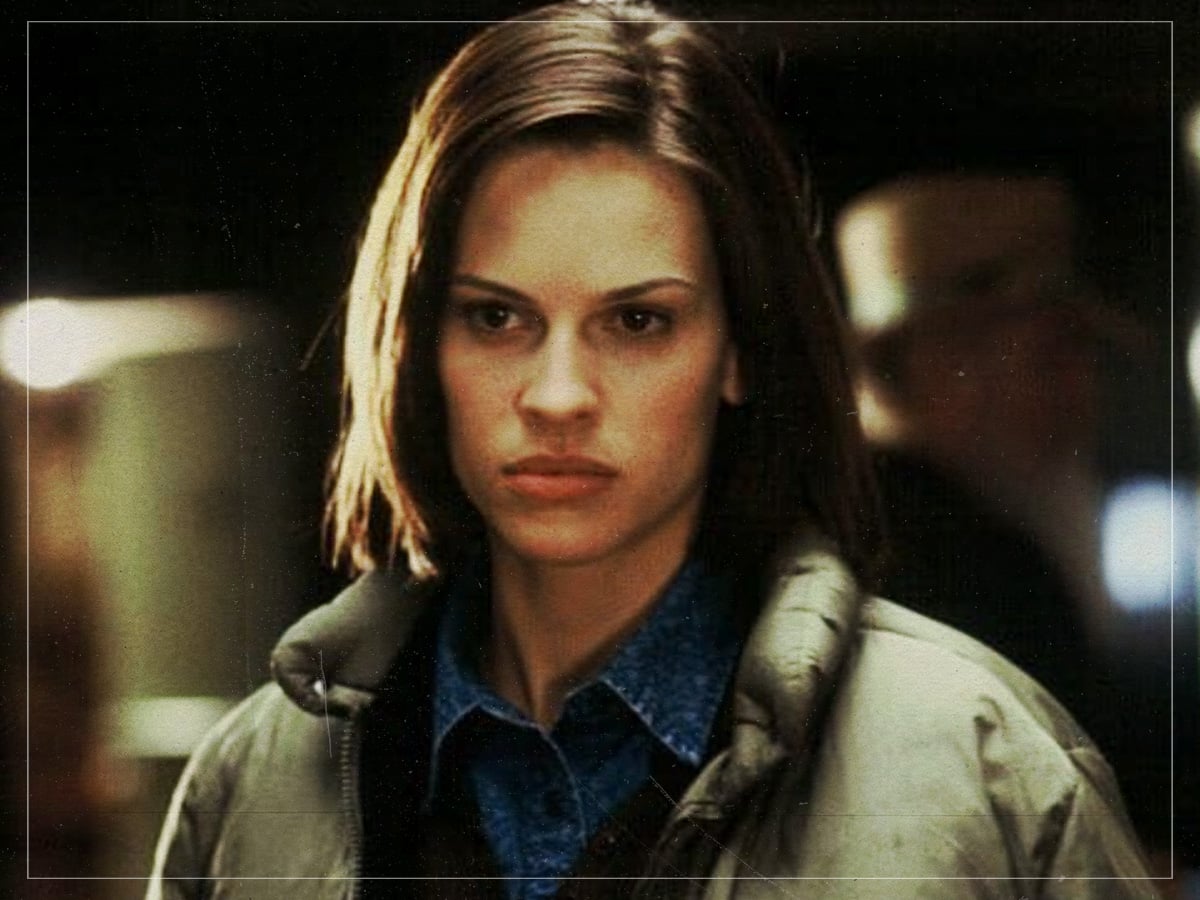
Scene: Finch takes out Burr
One legitimate criticism that can be directed towards Nolan is that he doesn’t necessarily have a great history when it comes to writing female characters who aren’t just defined by their relationships to the male protagonists. Insomnia, a remake of the 1997 Norwegian film, stars Al Pacino as the veteran LAPD detective Will Dormer, who is sent to Alaska to help the local officer Ellie Burr, played by Hilary Swank, hunt down the killer of a teenage girl.
The killer is revealed to be Walter Finch, played by Robin Williams in a surprisingly disturbing role, but the film’s third act basically renders Burr incompetent when she is overpowered by Finch in a scuffle. Given that Swank was already an Academy Award winner at this point in her career, it is disappointing that Nolan wasn’t able to give her a more empowering role.
‘The Dark Knight Rises’ (Christopher Nolan, 2012)
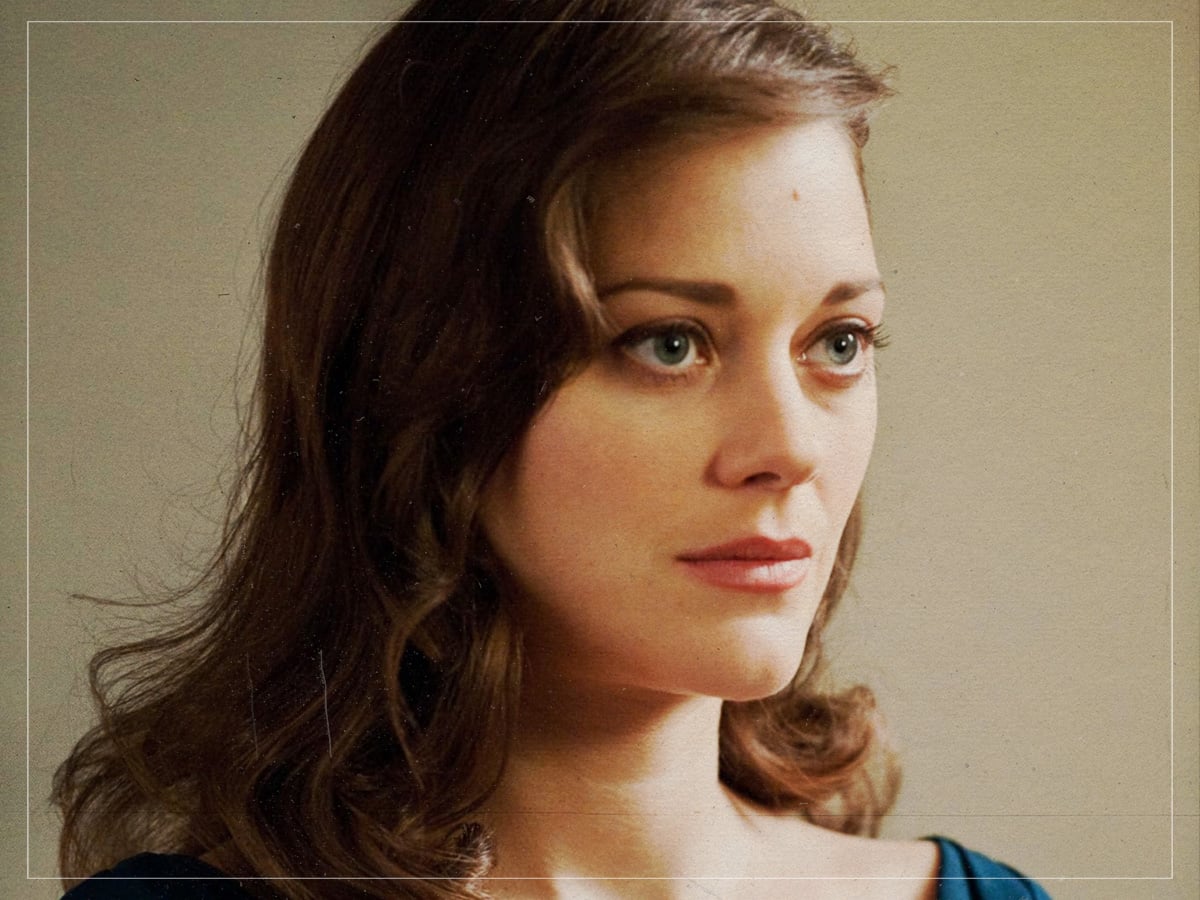
Scene: Talia Al’Ghul is revealed
Marion Cotillard was announced as a member of the cast of The Dark Knight Rises, but internet sleuths were quick to realise that the character name ‘Miranda Tate’ was probably a ruse. It became obvious before the film was released that Cotillard was playing Talia Al’Ghul, the daughter of the League of Shadows leader Ra’s Al Ghul, played by Liam Neeson, who was the primary villain in Batman Begins.
While the sequence in which Talia’s relationship with Tom Hardy’s Bane is explained is actually quite effective, the intended surprise of the scene didn’t have any impact because even the most casual Batman fan could have predicted where the story was going. It’s not necessarily enough to ruin what is a pretty underrated film at this point, but it does suggest that The Dark Knight Rises’ marketing team would have been better-suited to simply list Cotillard as being Talia from the beginning.
‘Batman Begins’ (Christopher Nolan, 2005)
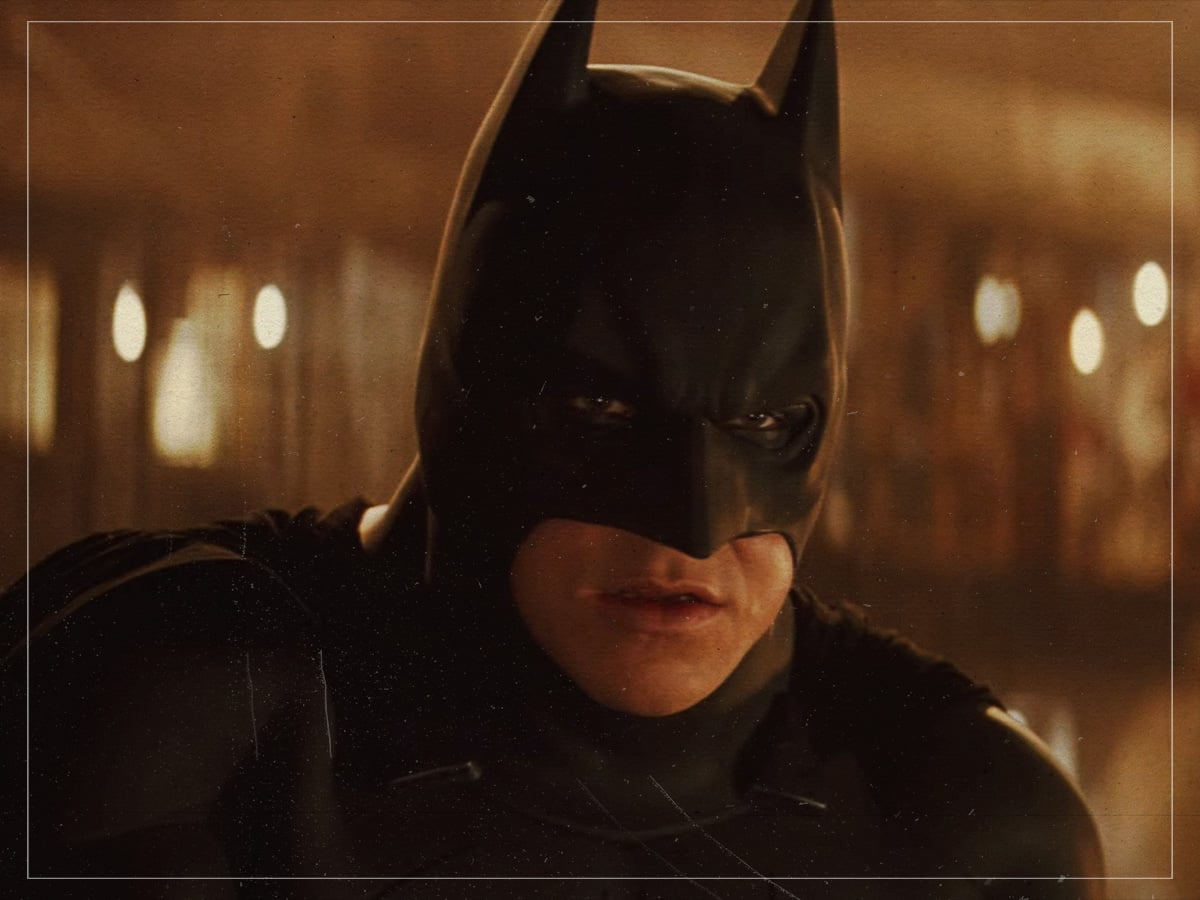
Scene: Batman reveals himself to Rachel
Nolan had a massive challenge on his hands with the casting of Batman Begins, and he made a great choice in selecting Christian Bale to take on the role of Bruce Wayne. The presence of respected actors like Liam Neeson, Morgan Freeman, Gary Oldman, and Michael Caine only increased the legitimacy of Nolan’s grounded endeavour, but he completely missed the mark in hiring Katie Holmes to play Rachel Dawes, a character created for the film. Holmes gives the single worst performance in a Nolan film, and even received a Razzie Award nomination for ‘Worst Supporting Actress’.
While the moment in which Bruce finally reveals his true identity to Rachel should be a cheer-worthy scene, it becomes laughable because of Holmes’ inability to conjure any sincere emotions. While it was Holmes who dropped out of The Dark Knight, it was a decision that only benefited Nolan.
‘Tenet’ (Christopher Nolan, 2020)
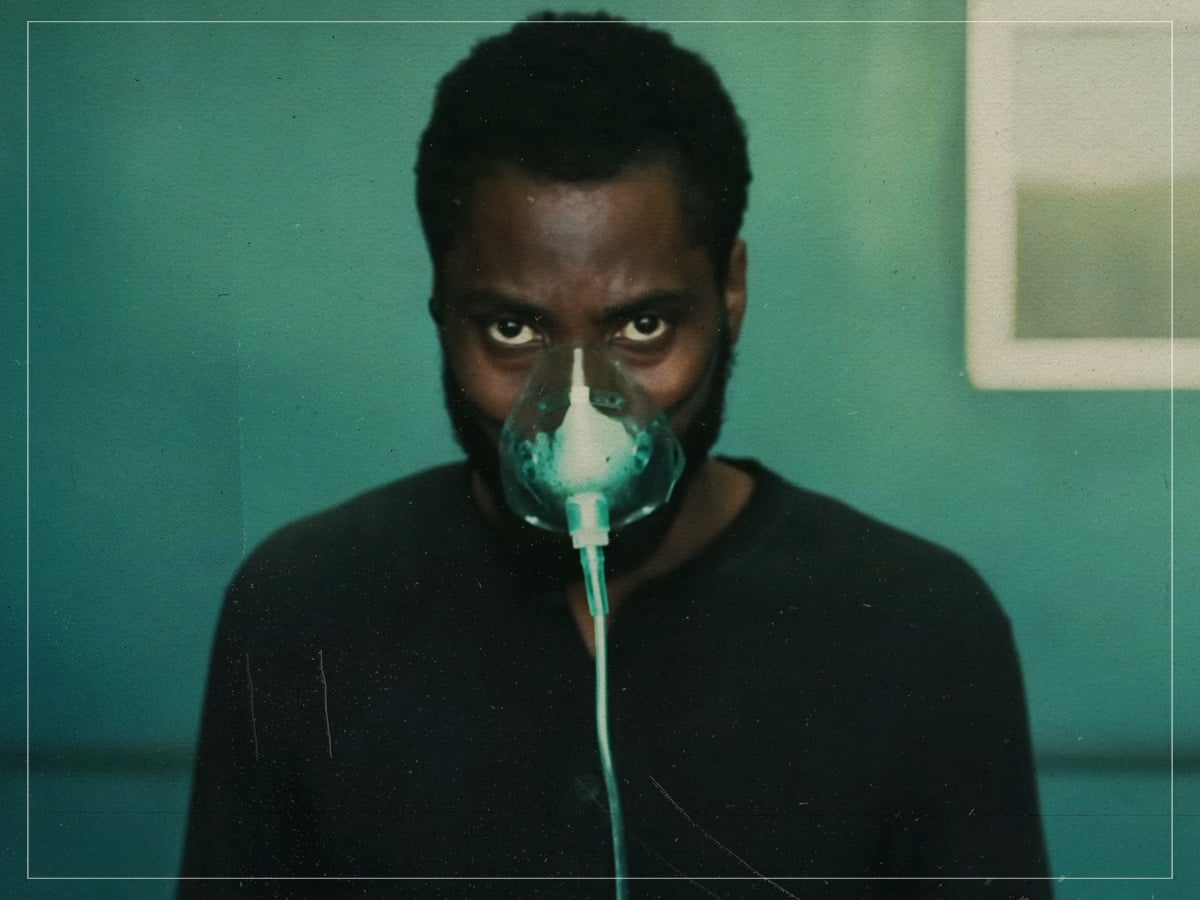
Scene: The trailer
Tenet is not only Nolan’s weirdest film to date, but one of his most rewarding upon rewatch. While it is nearly impossible to follow exactly what is going on in the ambitious science fiction spy thriller after just one sitting, the evocative feelings and unique storytelling become a fascinating puzzle to solve. Tenet had the potential to be a generation-defining popular culture event in the vein of The Matrix or The Terminator, but Nolan was so adamant about using it to bring back the theatrical market at the height of the Covid-19 pandemic that it became a box office disappointment.
While his desire to keep theatres alive is admirable, he used an aggressive marketing push to release his film at a time when it was not yet safe to be out in public without vaccinations or in large gatherings. Tenet has found its audience, but it could have been a bigger phenomenon had Nolan taken the same approach as Top Gun: Maverick and held on to the release until the industry was ready.
