


10 directors who couldn’t make a good movie even if their life depended on it

It’s surprising that some incompetent directors keep getting afforded opportunities.
Even though it is the director who is the most responsible for the success or failure of a film, they can’t always be blamed if it doesn’t come together; often, there is studio interference that prevents them from having creative control, which is why a director like David Lynch disowned his work on Dune.
However, there are a lot of aspiring directors who haven’t been given opportunities, making it frustrating that Hollywood often relies upon those who have a track record, even if it is not a good one. There is a major difference between the directors who are often called out as ‘hacks’ and those who have actually never made anything of quality.
Michael Bay is someone who film fans love to hate on, but he’s responsible for some pretty great action films like The Rock, Bad Boys, Armageddon, and Pain & Gain. Similarly, M Night Shyamalan was on a successful run early on in his career that he was basically dubbed ‘the next Spielberg’ before his filmography took a sharp decline in quality. Jon Favreau, who seems to be getting more hate than anyone right now because of The Mandalorian & Grogu, previously helmed a Christmas classic with Elf, one of the best MCU films with Iron Man, and Disney’s best live-action remake with The Jungle Book.
The directors who are most aggravating don’t just continue to disappoint, but have settled into a style that they refuse to change, ensuring that criticism doesn’t seem to affect them.
10 directors who simply can’t make a good movie:
Zack Snyder
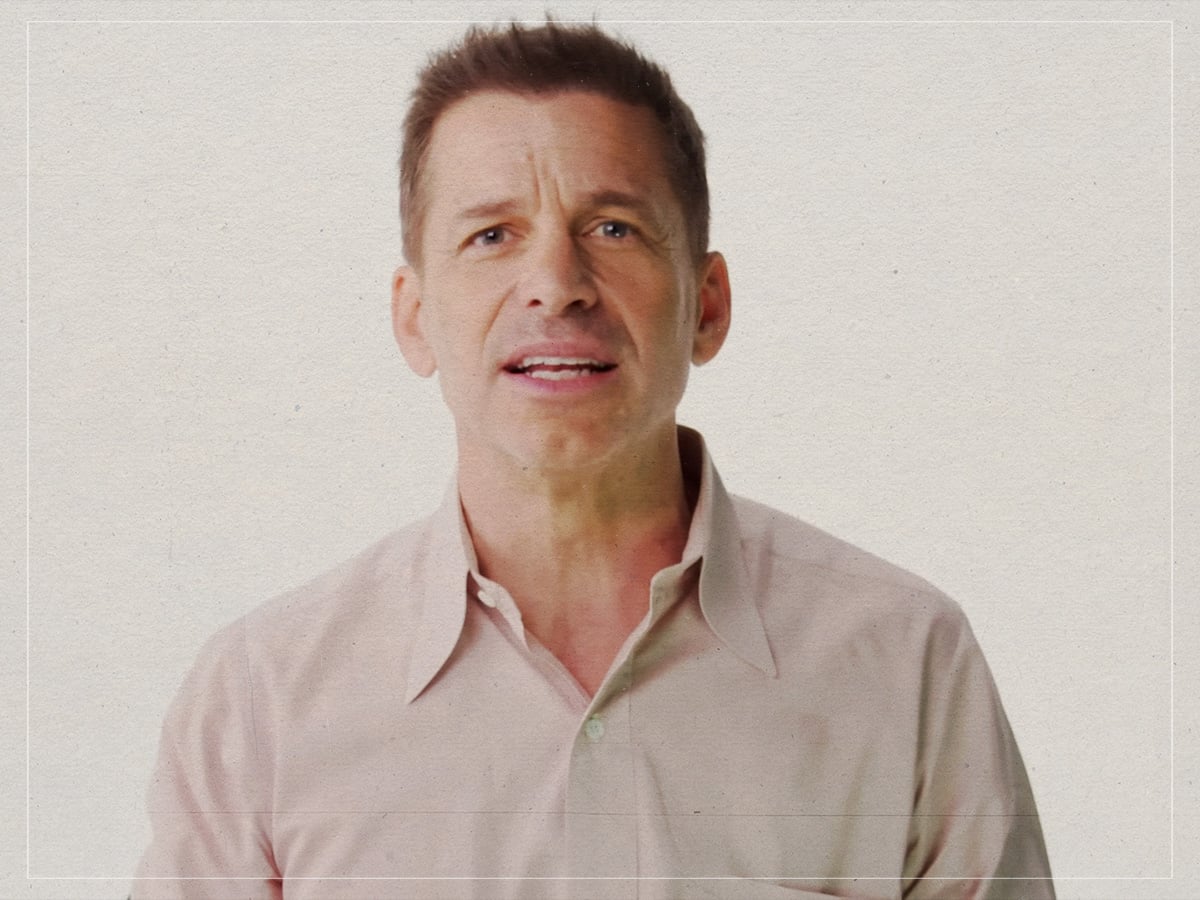
Zack Snyder has his own army of fervent, toxic online fans, but not even their trolling campaigns can make his output as a director any stronger; the man is incapable of telling an original story, and doesn’t seem to understand the subtext of anything he’s adapting.
He made a Dawn of the Dead remake that lacked George Romero’s caustic satire, turned 300 into an oddly pro-fascist power fantasy, missed the criticism of superheroes within his version of Watchmen, and built an entire DCEU based on versions of the characters who bear nothing in common with their counterparts in the comics.
It’s after the failure of Rebel Moon, his two-part R-rated ripoff of Star Wars and Seven Samurai, which went directly to Netflix, that studios might have finally learned the lesson that his fans aren’t powerful enough to justify giving him any more opportunities.
Jon M Chu
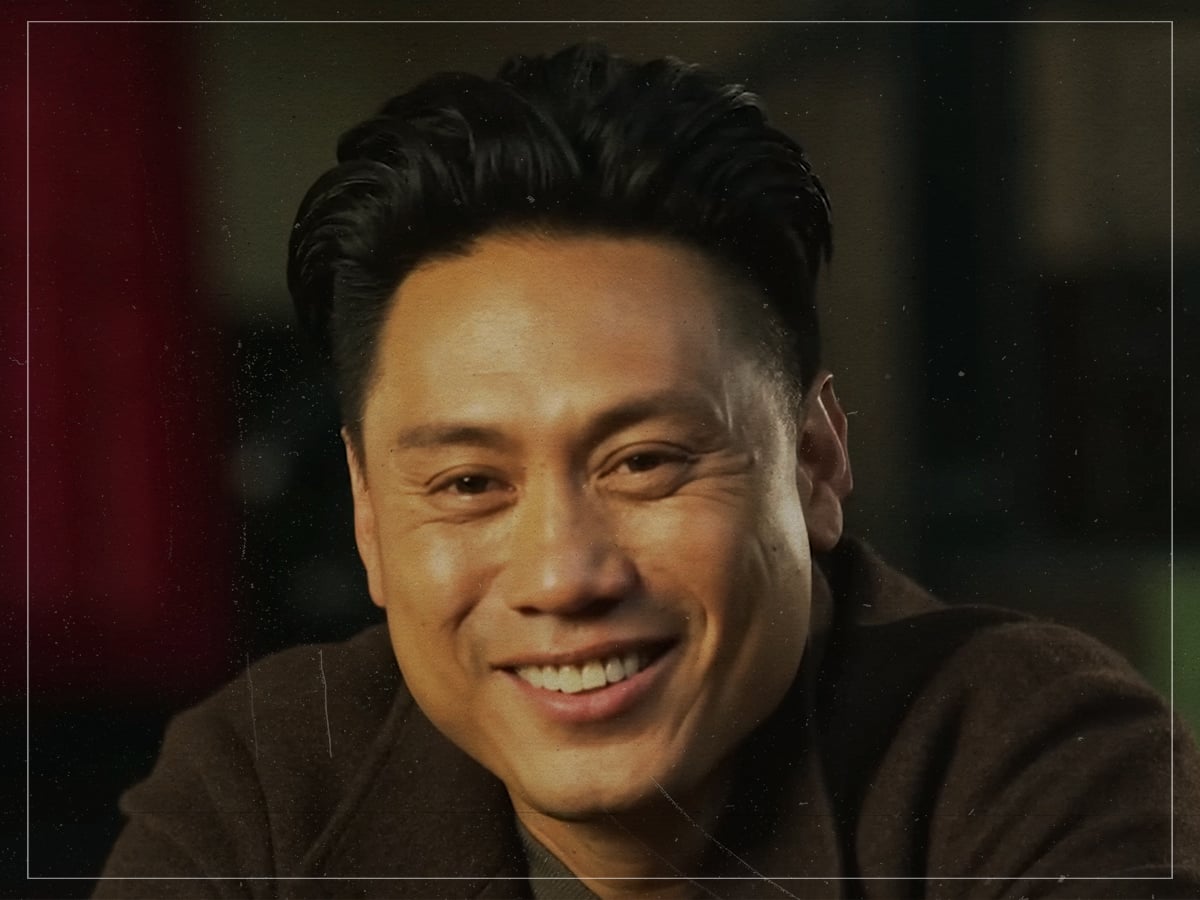
The Academy’s love for the first Wicked is one of the most shameful moments in the history of the Oscars, as it indicated that voters would bend over backwards to make room for a ‘popular’ blockbuster that was abominable on an artistic level. Wicked: For Good was such a disaster that not even Chu’s friends in the Academy could bother to give it a single nomination, but it’s hardly the first time that he’s botched a franchise.
The filmmaker made the least entertaining instalment in a fun heist franchise with Now You See Me 2, managed to turn Bruce Willis and Dwayne Johnson boring in GI Joe: Retaliation, insulted the fanbase for Jem and the Holograms, and made an In the Heights adaptation that completely ignored the more vibrant multiculturalism that had made Lin-Manuel Miranda’s Tony Award-winning musical such a powerful feat of representation.
Brett Ratner
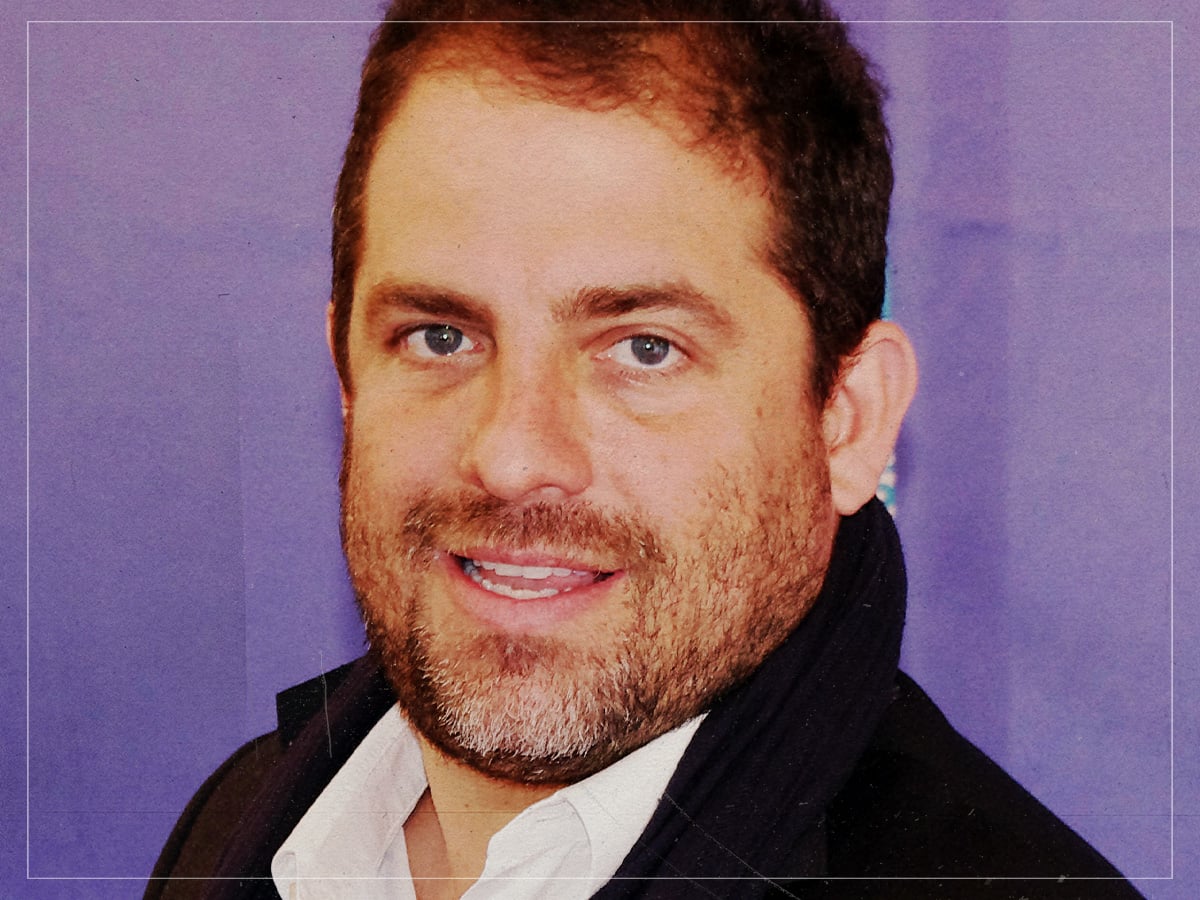
Being chummy with Jeffrey Epstein should be reason enough for Brett Ratner to go to actual prison, but he also deserves a lifelong sentence to ‘director jail’ for his crimes against cinema. Ratner is well-known for his abusive behavior on set, and he helmed one of Hollywood’s worst franchises with Rush Hour, sucked the humour from great comic actors in Tower Heist and Money Talks, created Dwayne Johnson’s worst film with Hercules, completely ripped off Michael Mann’s Manhunter with Red Dragon, and delivered one of the most disappointing comic book films ever with X-Men: The Last Stand.
Ratner has proven to be so artistically inept that he has only been able to find work as the director of Melania, the propaganda film released by Amazon Studios in order to strengthen their relationship with the incumbent United States President Donald Trump.
Colin Trevorrow
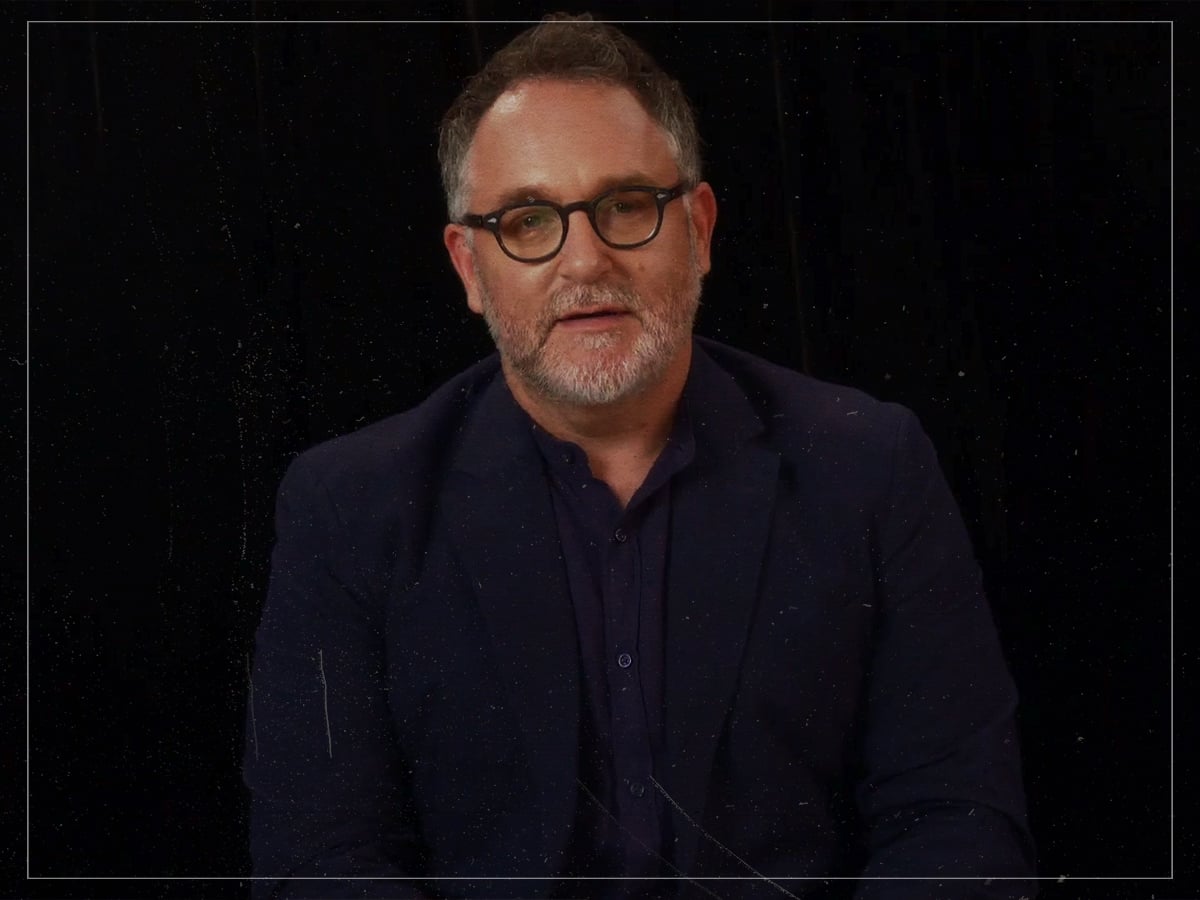
There’s no more obvious example of privilege than Colin Trevorrow, who had only directed the nauseatingly smug independent comedy Safety Not Guaranteed, when he was handed the reins to the Jurassic Park franchise. Jurassic World is the epitome of what a lazy ‘soft reboot’ is, as it erases the practicality of the original Jurassic Park with forgettable characters, a plothole-ridden script, shameless nostalgic pulls, and no sense of wonder.
Trevorrow was nearly handed the reins to the Star Wars franchise for the third instalment in the sequel trilogy until he released his passion project, The Book of Henry, a hilariously awful film on the level of The Room, which inspired Lucasfilm and Kathleen Kennedy to fire him. Trevorrow’s only option was to return to Jurassic Park to make Jurassic World Dominion, the single worst film in the 33-year-old franchise, and one that didn’t even seem to care about the dinosaurs.
Timur Bekmambetov
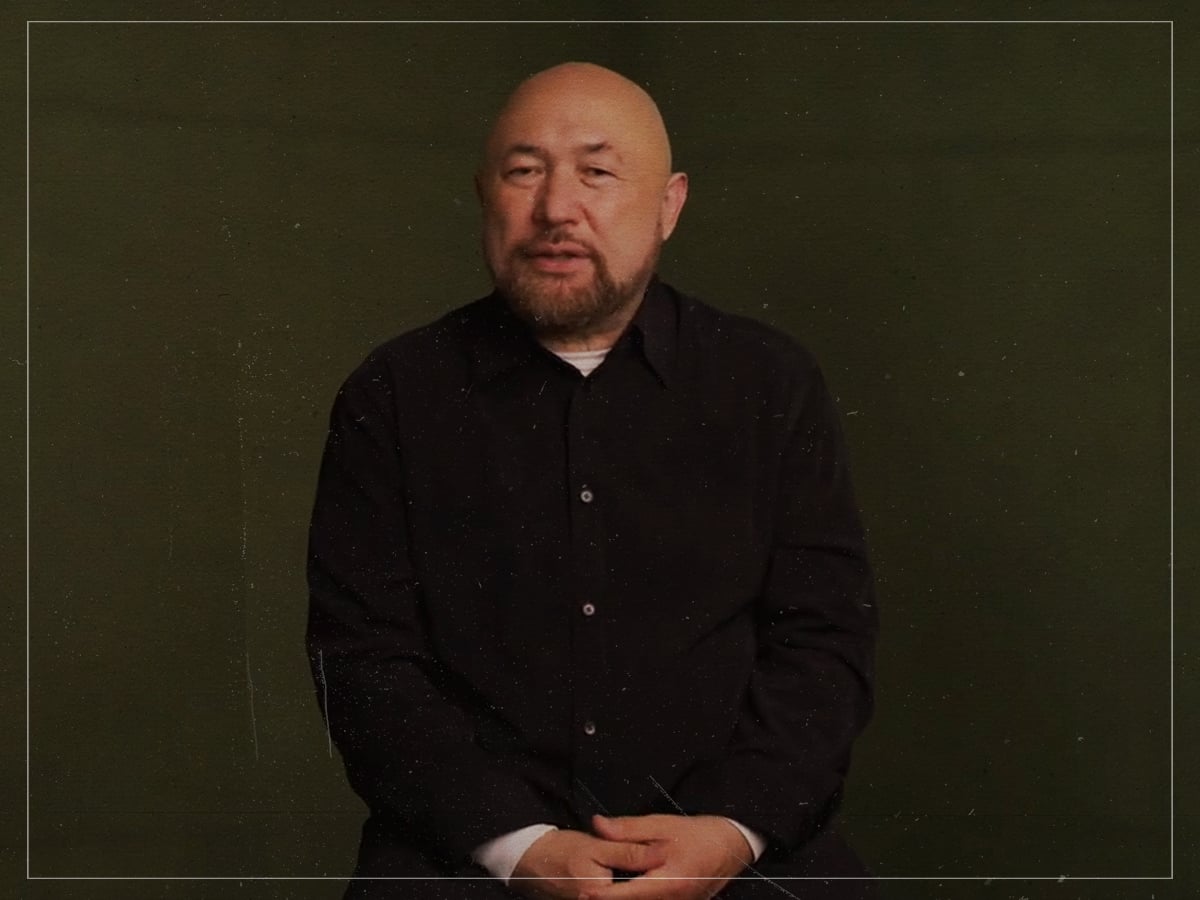
The Russian director Timur Bekmambetov may not be a household name, but that’s because nearly all of his films have been forgotten from the moment that they are released. Bekmambetov first started to gain notoriety with Wanted, a film that was made fun of for its cheesy use of slow motion, before he directed Abraham Lincoln: Vampire Hunter, which surprised audiences when they discovered it wasn’t a joke.
Why anyone thought that he should be handed the rights to remake one of the greatest ‘Best Picture’ winners of all time has never been explained, but his 2016 reimagining of Ben-Hur was only historical in how much money it lost. He’s also questionable on an ethical level, as his latest film, Mercy, is perhaps the first major studio film to be boldly pro-AI through its suggestion that AI’s mistakes should be forgiven.
Rupert Sanders
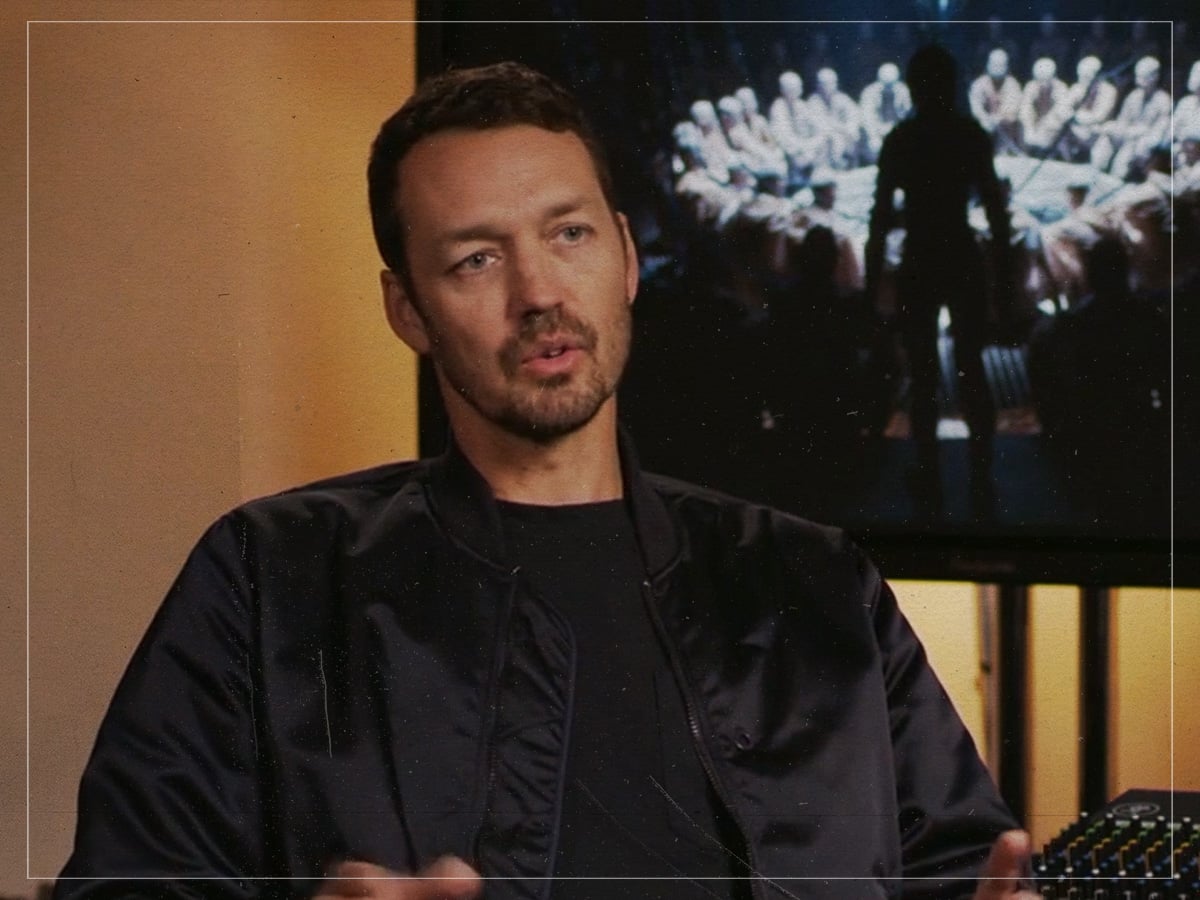
Rupert Sanders is perhaps best-known for a scandal involving Kristen Stewart during the making of Snow White and the Huntsman, but none of the media attention it received resulted in an interesting film, as it was just another dull, clichéd PG-13 fantasy epic. Sanders managed to enrage another fanbase with his live-action remake of Ghost in the Shell, which both didn’t seem to understand the themes of the original film and ignited controversy due to the whitewashed casting of Scarlett Johansson in the lead.
A reboot of The Crow had been in development for decades, and Sanders was finally the one to bring it to life with a 2024 film that starred Bill Skarsgård. The film was such a disaster that Skarsgård and Alex Proyas, the director of the original 1994 The Crow, slammed it as a failure, and pointed to Sanders as the one responsible for falling short.
Patrick Hughes
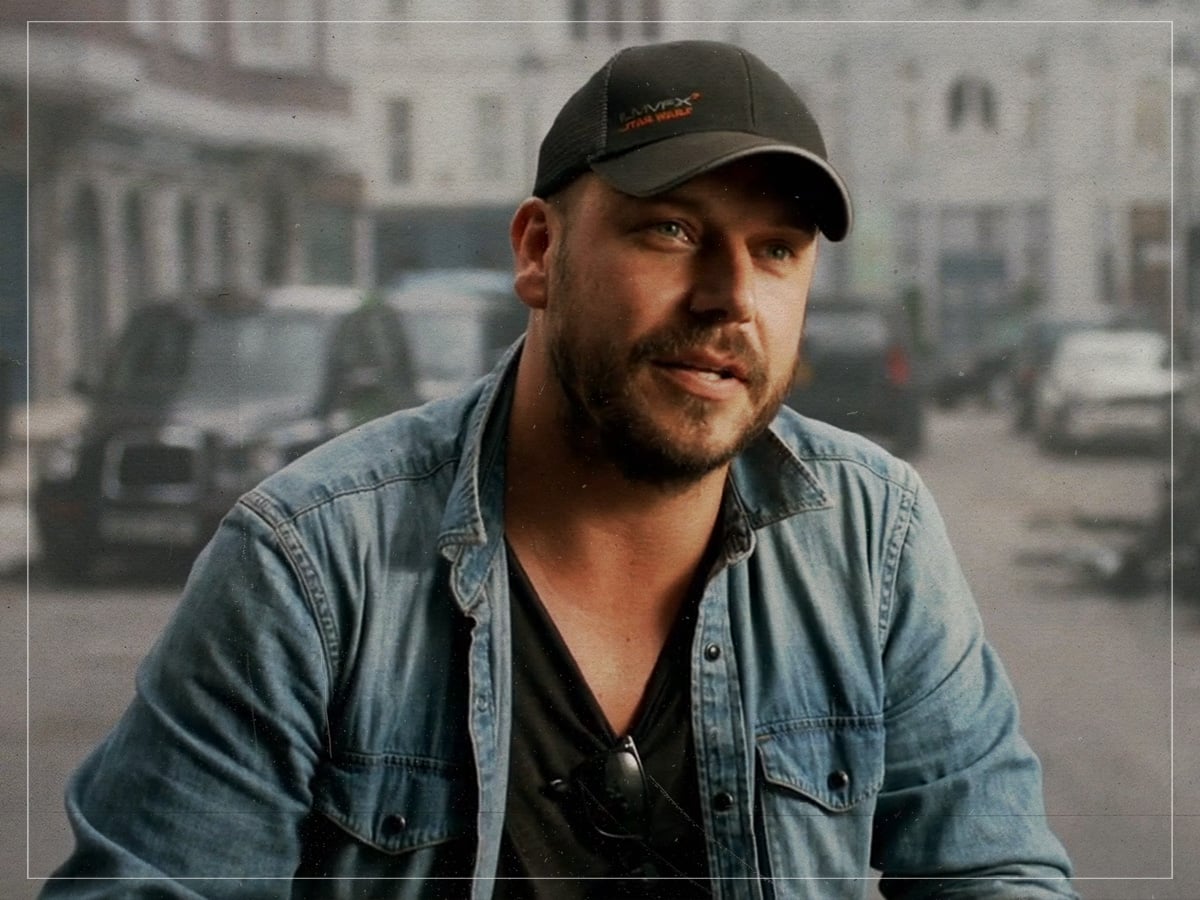
A lazy excuse among some people is that there are films that audiences should ‘just shut their brains off and enjoy’, but Patrick Hughes hasn’t even been able to make anything that meets those very low standards. The first two The Expendables films weren’t necessarily good, but they were intended to be tributes to the R-rated action films of the ‘80s, and then Hughes directed the PG-13 The Expendables 3, which couldn’t even be enjoyed for its violent gore.
Not even the biggest Ryan Reynolds fan could defend Hughes’ direction of The Hitman’s Bodyguard and The Hitman’s Wife’s Bodyguard, which seem to epitomise everything that people hate about the actor. Hughes has now found himself making slop action films for Netflix, including the bizarre Woody Harrelson-Kevin Hart buddy comedy The Man From Toronto and the self-serious science fiction military thriller War Machine with Reacher actor Alan Ritchson.
John R Leonetti
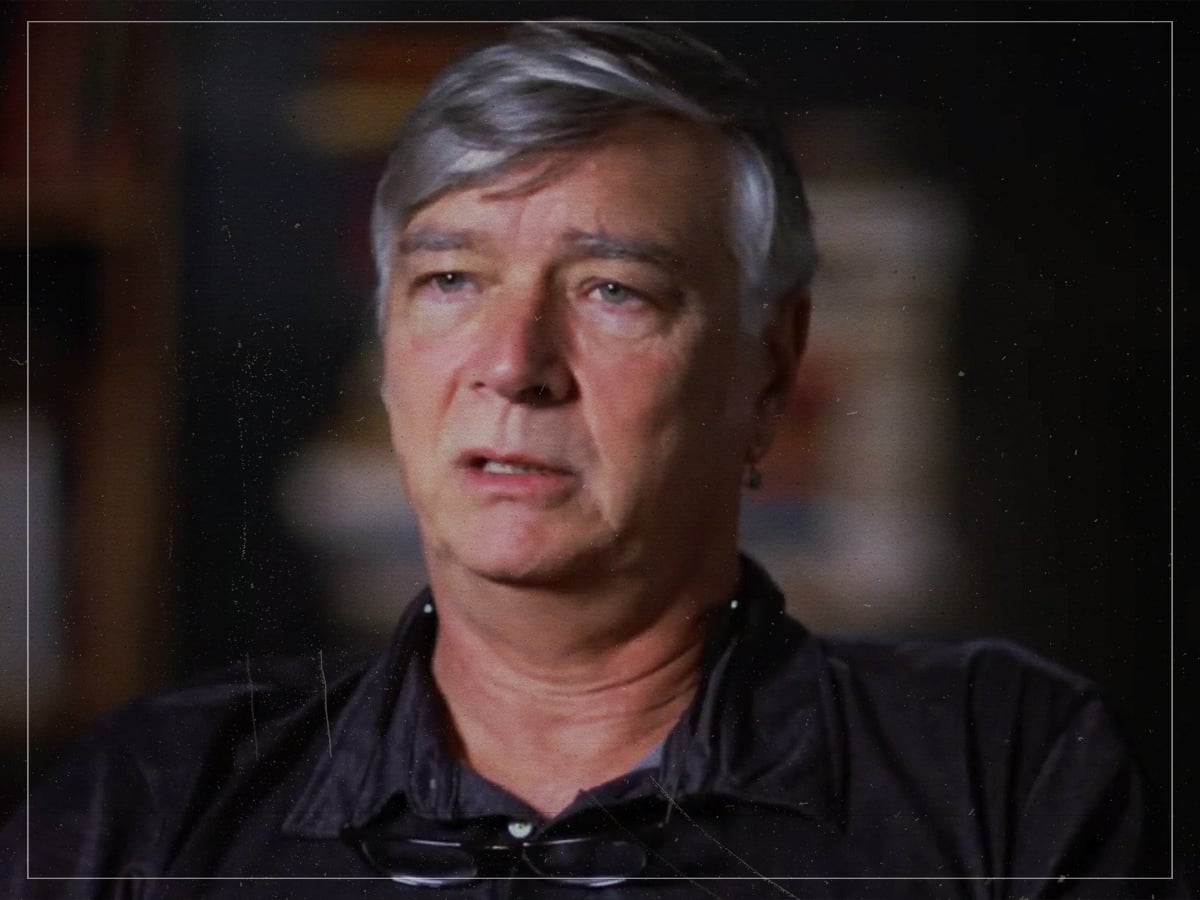
Video game movies tend to get a bad reputation, and that may have started with what John R Leonetti did with Mortal Kombat: Annihilation. While its predecessor was actually fairly entertaining, Mortal Kombat: Annihilation was an all-time disaster that made an entire genre into a joke. Leonetti has somehow managed to infect other franchises, as he helmed the awful sequel The Butterfly Effect 2 and directed the original Annabelle, which is the worst film in the entire The Conjuring extended universe.
Leonetti might best be known at this point for directing the 2017 horror film Wish Upon, a film so hilariously unscary that it has become a ‘so bad it’s good’ favourite among those like Ed Wood and Tommy Wiseau, but that’s more than what can be said about his 2019 Netflix horror film The Silence, a ripoff of A Quiet Place that was instantly forgotten, despite the involvement of Stanley Tucci and Kiernan Shipka.
Tyler Perry
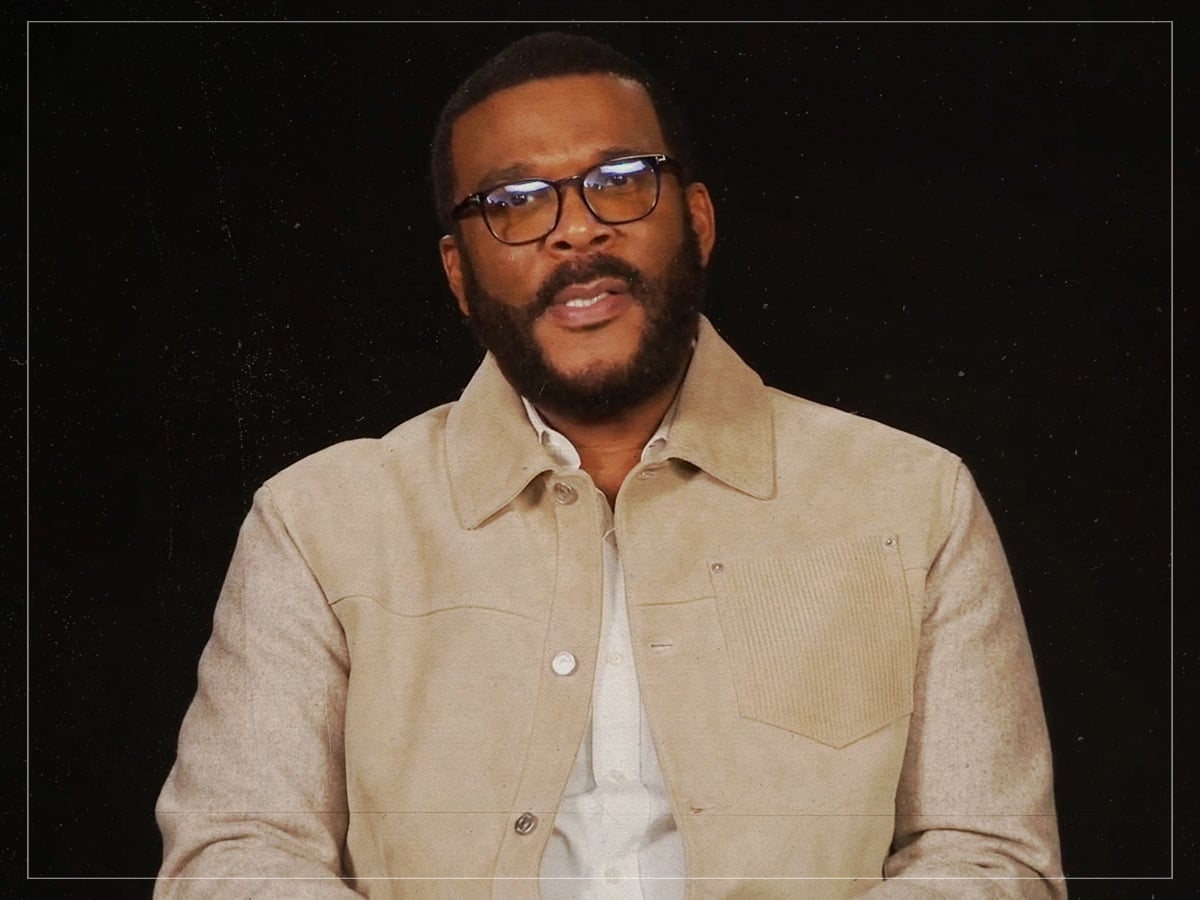
Tyler Perry has been involved in some pretty negative press lately, but his output as a director might actually be damaging to culture at large. Perry has created a business model of making cheap films aimed at Black audiences that offer nothing but stereotypes and derogatory depictions, as he sees African-American culture as just a means to make crude comedies and tell melodramatic romantic thrillers.
It almost feels as if Perry has contempt for audiences, given that his characters are often as shallow as they are lifeless. The few times he has tried to branch out and make something more ‘serious’ have been embarrassingly shallow, such as the shameless ‘Oscar bait’ films The Six Triple Eight and A Jazzman’s Blues. That Perry often acts in his own films makes them feel even more narcissistic.
Walt Becker
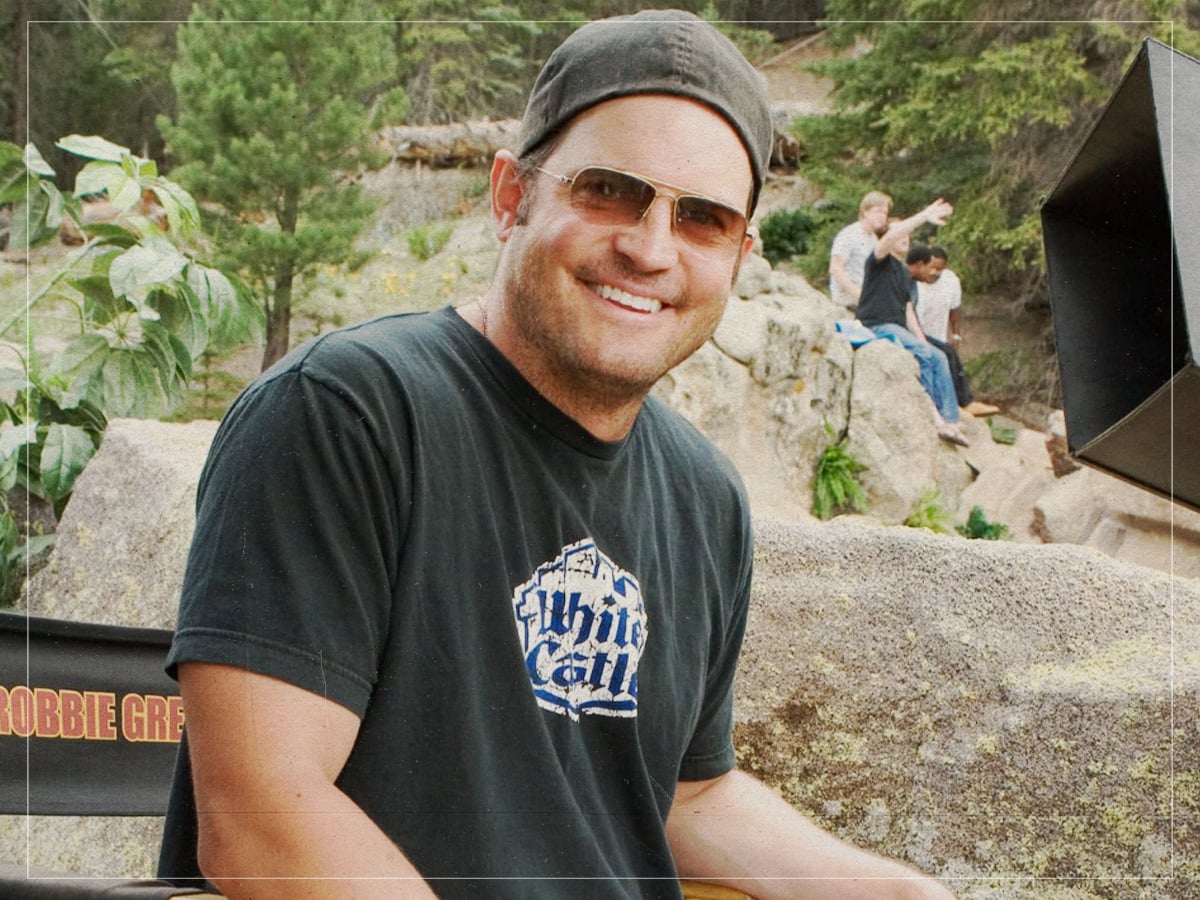
Walt Becker has a truly wild filmography that consists of crude, mean-spirited comedies and films that are ostensibly aimed at kids, even if they are quite disgusting. Van Wilder was so bad that it nearly destroyed Ryan Reynolds’ career, Buying the Cow is one of the most misogynistic films ever made, Wild Hogs is the type of film that promotes the worst American stereotypes, and Old Dogs is a bizarre comedy that featured John Travolta and Robin Williams doing the worst work of their respective careers, which is by no means a small statement.
Despite his inappropriate sensibilities, Becker somehow found himself directing the sequel Alvin and the Chipmunks: The Road Chip and the live-action adaptation of Clifford the Big Red Dog, both of which are films so miscalculated that they didn’t even resonate with their intended audience of children.
