


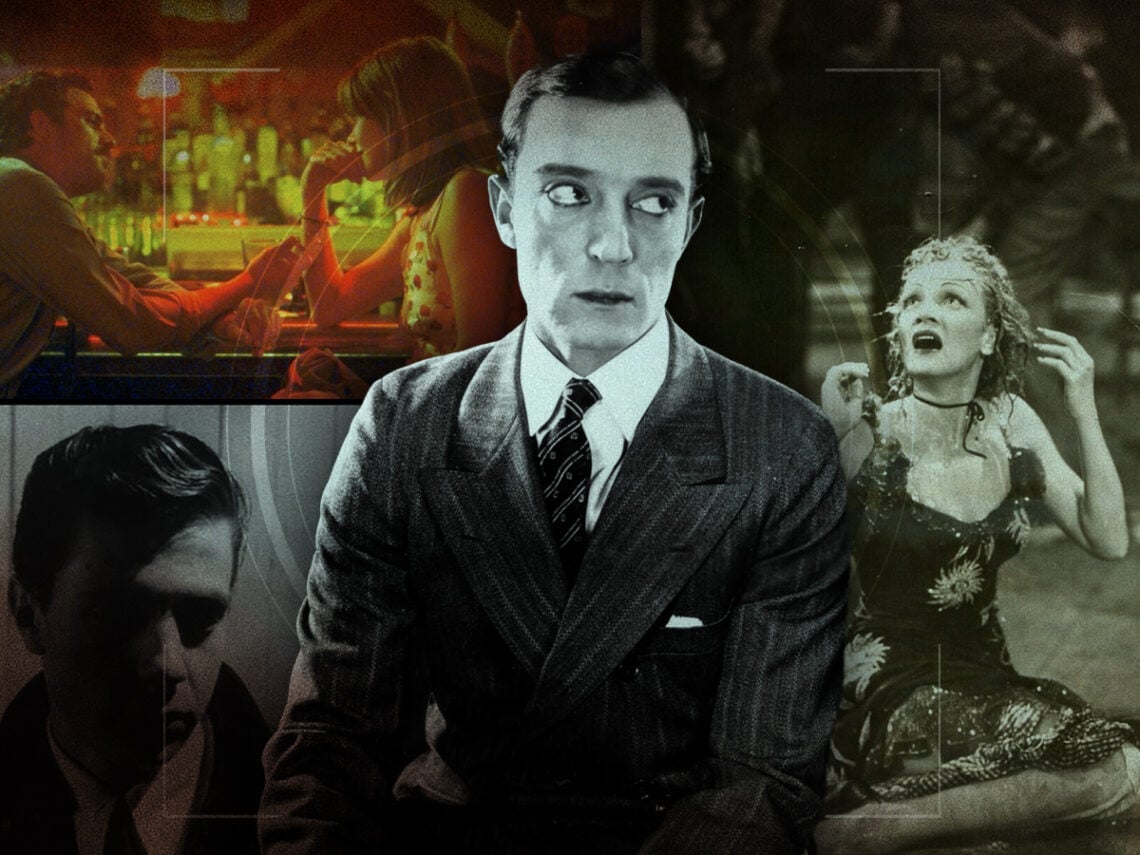
10 movies you’ve never heard of that changed cinema forever

Film fans often look to the cause without taking account of the effect.
Cinema has evolved in a way that isn’t ever predictable, which makes sense given what an unusual art form it is. It’s because the medium combines audio, visual, aesthetic, and narrative choices that there’s no telling what might end up having a long-term shelf life. There are some films that bombed during their initial theatrical runs that have now emerged as all-time classics that have legions of fans, and there are also those that won the Academy Award for ‘Best Picture’ that have no cultural impact.
It’s thanks to the valiant efforts by archivists and historians that film preservation has kept a larger library of titles alive, even if some have become completely lost due to the less developed technology used in earlier eras. However, there is such an overwhelming amount of new films being made that some viewers don’t often look to the past. Between new releases in theatres, the abundance of streaming exclusives, and the increasingly ‘cinematic’ nature of television shows from prestige networks, there are some brilliant (or at least interesting) films that are lost in the shuffle.
Just because a film is influential doesn’t mean that it’s good, as in many cases, they set trends that go on to be perfected by subsequent generations of artists, but it is never a bad thing to analyse the past and determine why certain films were considered to be so groundbreaking in their time, and how they hold up from a modern perspective.
10 lesser-known cinema-changing movies:
‘Battling Butler’ (Buster Keaton, 1926)
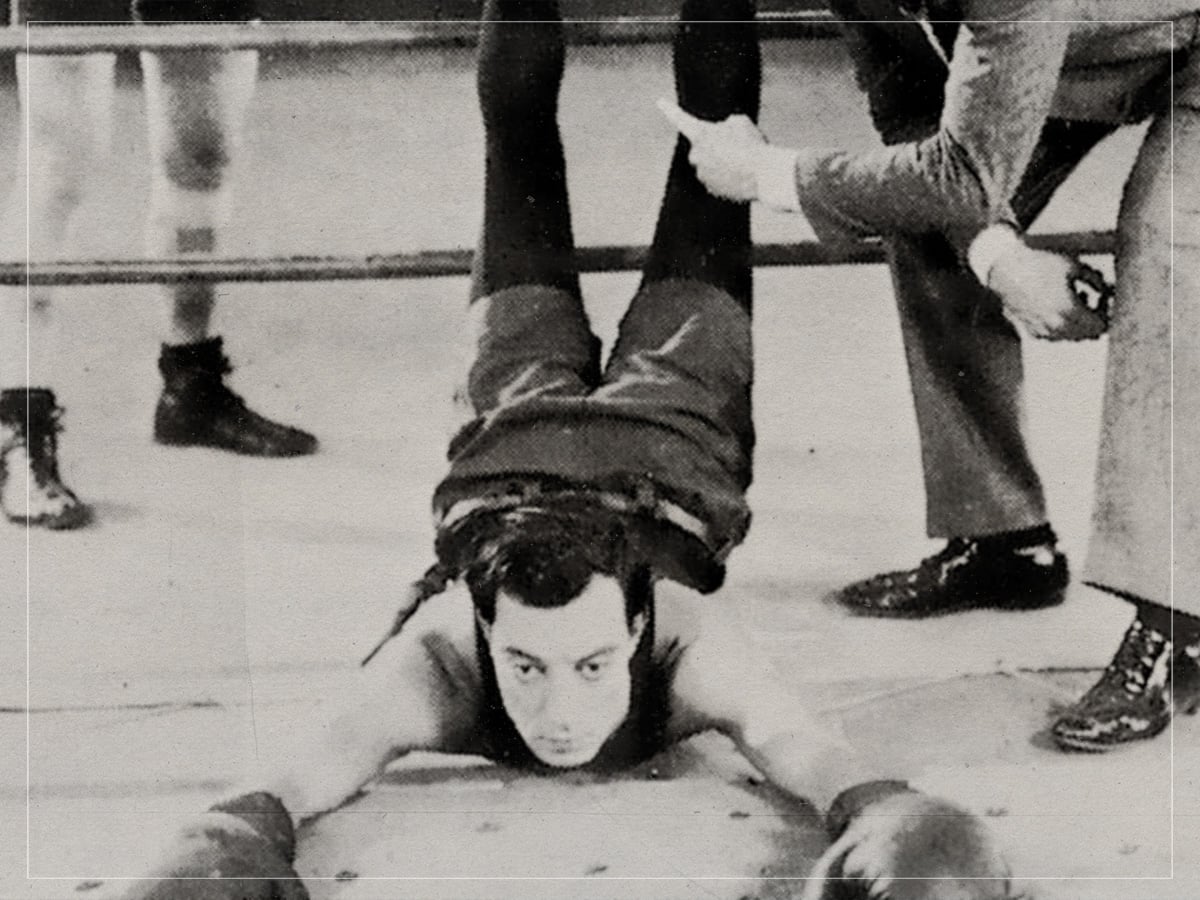
Buster Keaton is a legend of the silent era of comedy who worked on several films that are remembered as being the best of their respective times, such as Steamboat Bill Jr and The General, and while Battling Butler isn’t necessarily one of his most iconic roles, it did establish a few precedents that would prove to be replicated many times over.
Battling Butler was among the first films to ever use boxing as a main focus, given that the sport was growing in esteem around the world, and it would be a century later that Rocky would spawn a massive franchise and Raging Bull would exemplify what a contemporary Shakespearean tragedy could look like. Battling Butler was also the first instance in which Keaton began to incorporate class commentary into his films, as he plays a privileged man who becomes a boxer to impress a girl from a working-class family.
‘Secret Agent’ (Alfred Hitchcock, 1936)
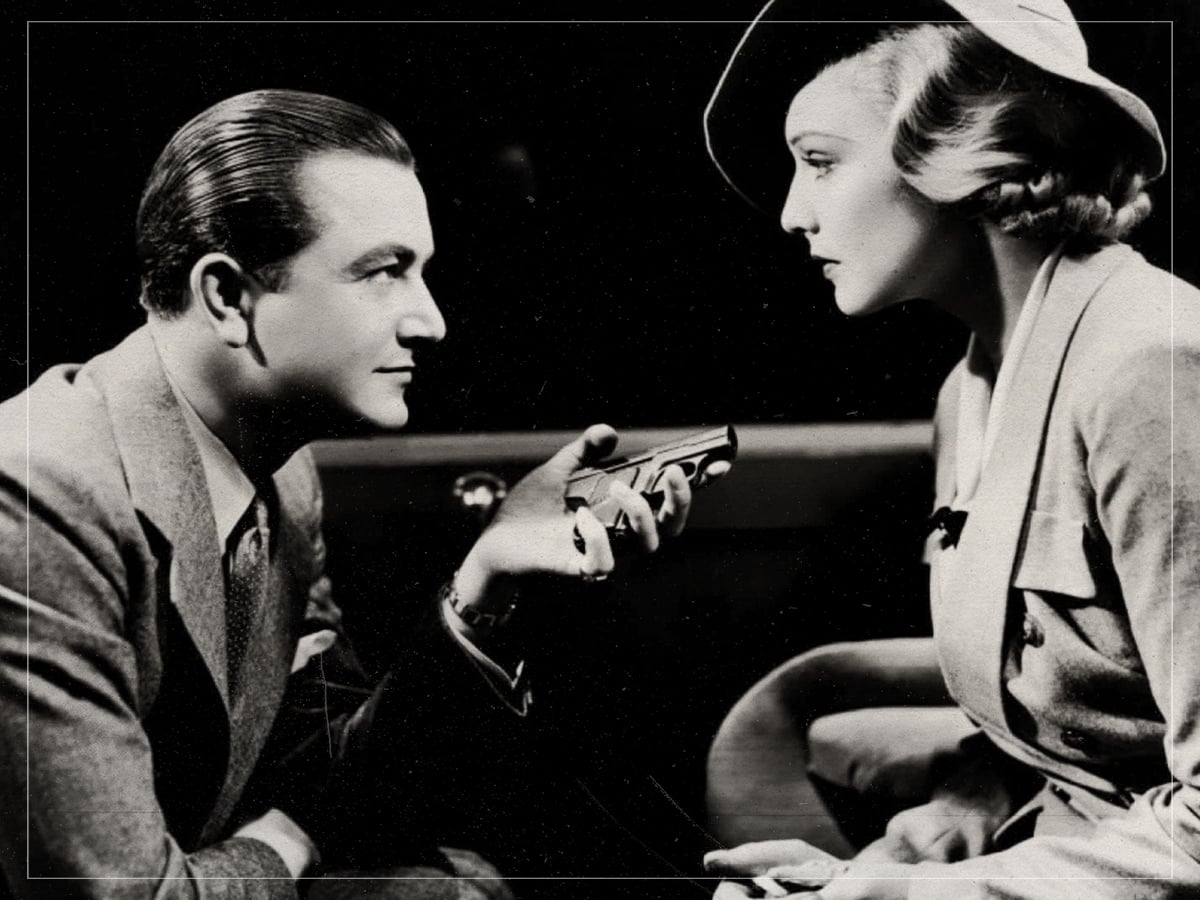
Alfred Hitchcock was the master of many genres, but he had a particularly strong influence on the development of espionage as a cinematic subgenre. Between North by Northwest, Foreign Correspondent, and Notorious, he excelled at telling stories of duplicity and sabotage, which only became more applicable in the midst of World War II.
While The 39 Steps was an adventure film that was loosely connected to the world of spies that was released in 1935, Hitchcock returned a year later with Secret Agent, a thriller that took a far more grim look at international intrigue. It wasn’t just a film that showed the type of setpieces and thrills that Hitchcock could unlock when working with such pulpy material, but it served as a basis for the obsession with spies that would come decades later. Franchises like James Bond, Bourne, and Mission: Impossible can all be traced back to Secret Agent.
‘Destry Rides Again’ (George Marshall, 1939)
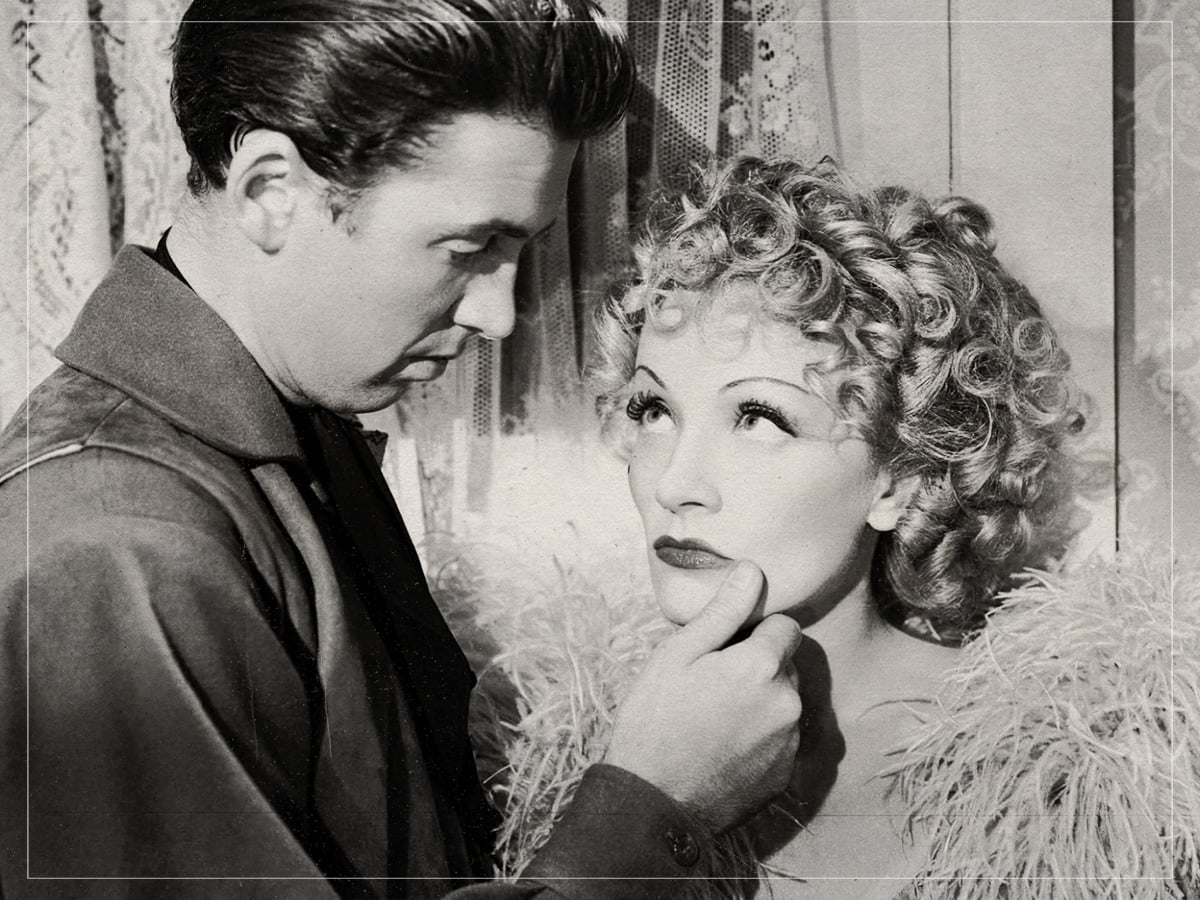
James Stewart was a movie star ever since appearing in Frank Capra’s You Can’t Take It With You in 1939, but he didn’t really start to become known for the western until he returned from his military service in World War II. Stewart’s post-war westerns were much darker and had him playing more complex characters, but 1939’s Destry Rides Again examined the radical notion that a hero of the Old West didn’t have to be a gunslinger.
The film tends to get overshadowed because it was released the same year as Stagecoach, a more intense western that was instantly hailed as a future classic, but Destry Rides Again offered a more earnest, heartfelt leading character, who doesn’t even wield a gun, that would inspire future westerns that were considered to be more ‘humane’ and less violent.
‘They Were Expendable’ (John Ford, 1945)
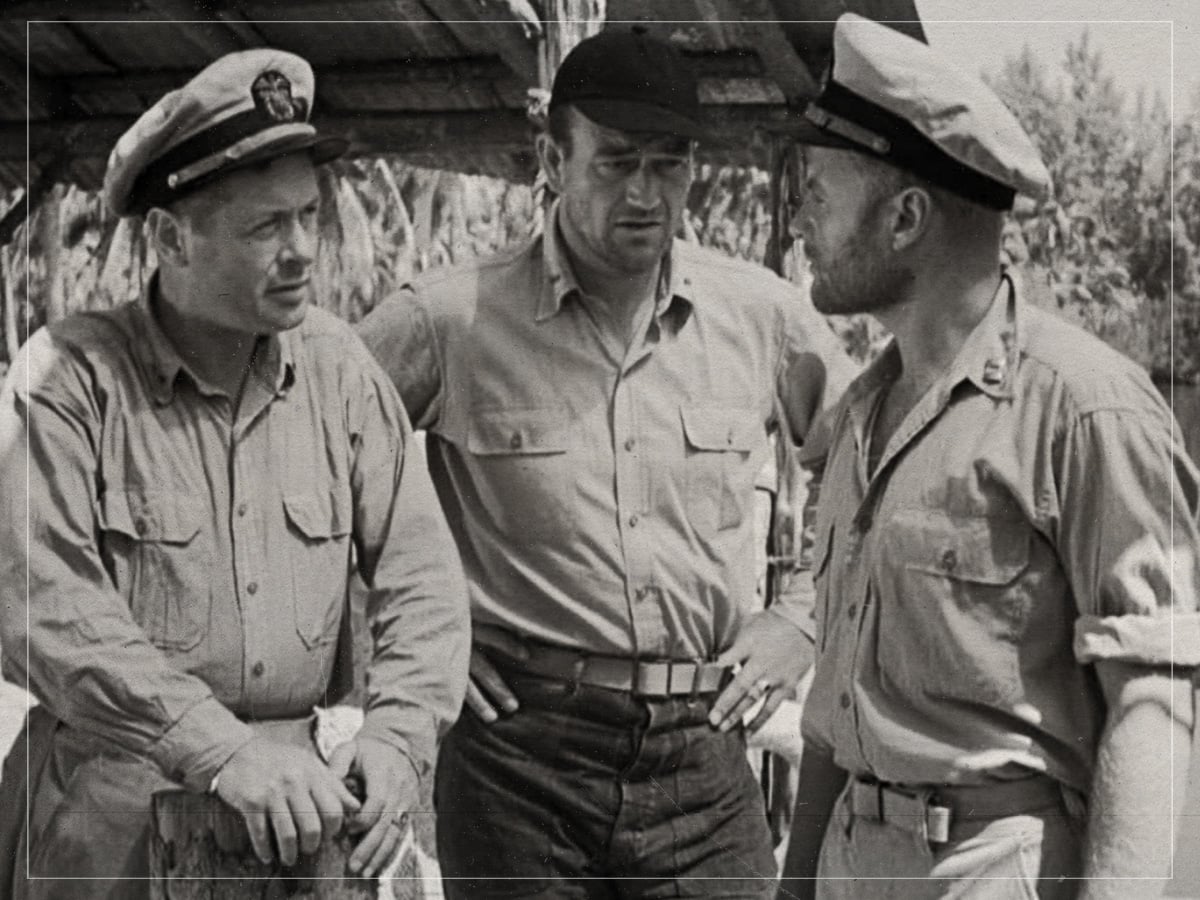
John Ford is one of the most beloved filmmakers of all time, and had a strong working relationship with John Wayne, as they made an astounding total of 14 films together, and one of the more underrated entries in their canon was They Were Expendable, a film set during World War II that was released amidst the conflict’s actual conclusion.
Ford had worked throughout the war and often directed propaganda films for the United States military, but They Were Expendable offered a more sobering, bleak portrayal of the way men’s lives are sucked up by the service, and how it has exposed an entire generation to trauma and loss that they will never fully recover from. Although it would take decades to fully unpack the cultural and social legacy of World War II, Ford was ahead of the other filmmakers of his generation in examining the immediate impact that it had.
‘Who’s That Knocking At My Door’ (Martin Scorsese, 1967)
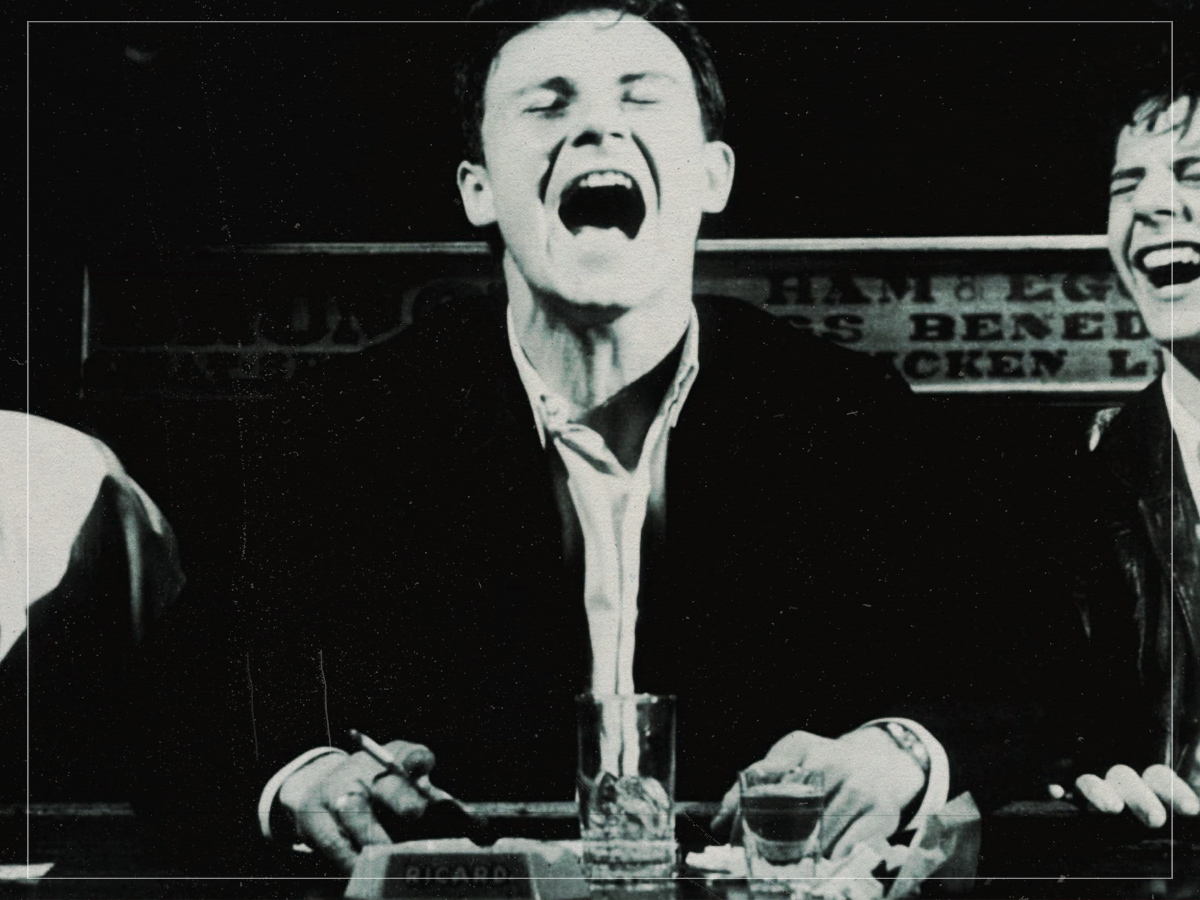
Martin Scorsese is obviously one of the most influential directors ever, but he started his career with a microbudget drama that had to be released as an exploitation film in order to get any distribution. Who’s That Knocking At My Door is less than half the running time of some of Scorsese’s subsequent films, but it does tackle many of the themes he would return to with its focus on Catholic guilt, male anxiety, and the impact of popular culture.
The film’s content would generate controversy, which is something Scorsese would not be able to avoid throughout the rest of his career, but notably, it seems like many of his most divisive films seem to be those that co-starred Harvey Keitel, who, after playing the lead in Who’s That Knocking At My Door, played Judas in The Last Temptation of Christ.
‘In the Cut’ (Jane Campion, 2003)
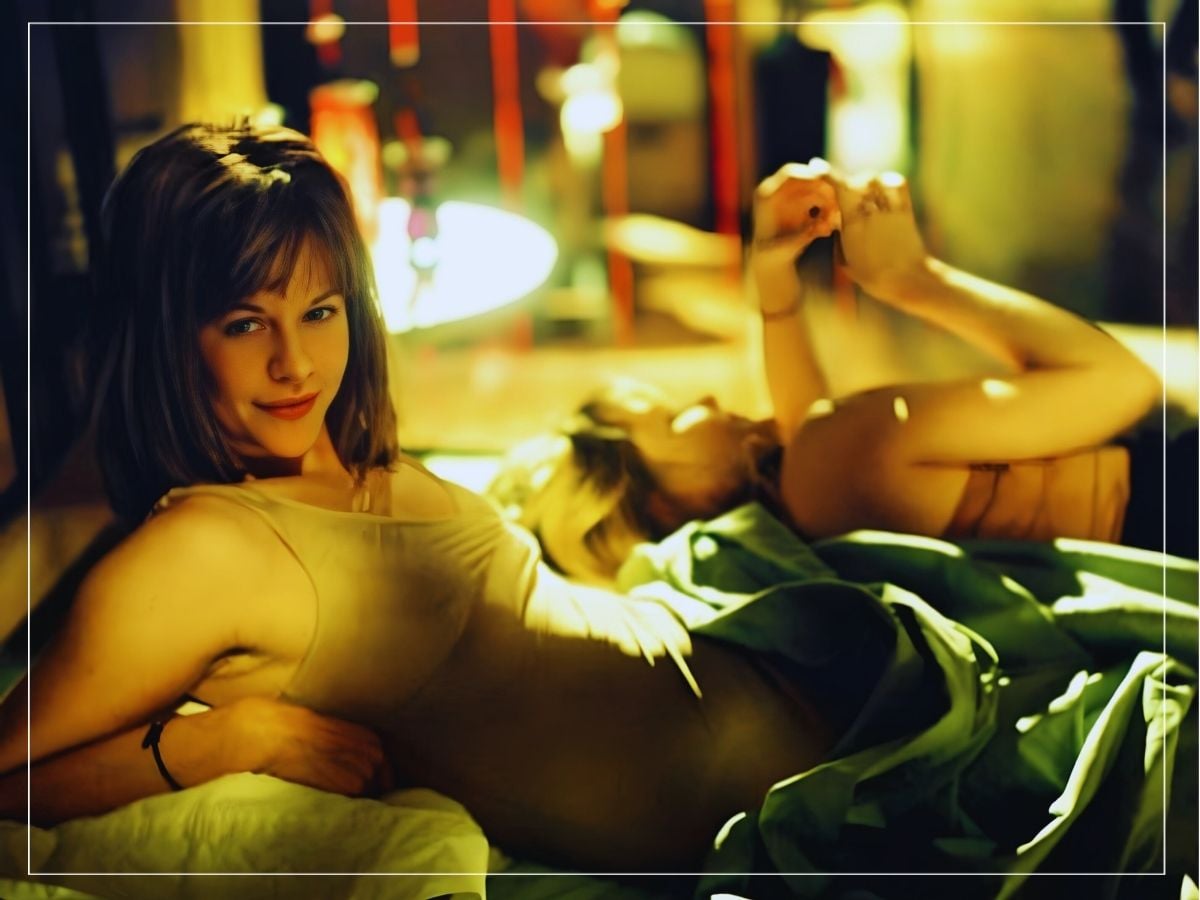
Jane Campion was on a fairly unprecedented run for a female filmmaker after her film The Piano became a major awards player in 1993, which also crossed over with commercial audiences. While her subsequent work on Holy Smoke and Portrait of a Lady was received with more middling responses, In the Cut was demolished by critics and earned a rare F score from audiences, disappearing shortly after its release, and contributed to the destruction of Meg Ryan’s career.
While it was dismissed out of hand by those that didn’t see it, the film had a strong influence on crime fiction because of the novelty of telling it from a female point of view. It’s also responsible for the death of the erotic thriller, as it was around this period that Hollywood gave up on the genre that had been so popular in the ‘90s.
‘The Box’ (Richard Kelly, 2009)
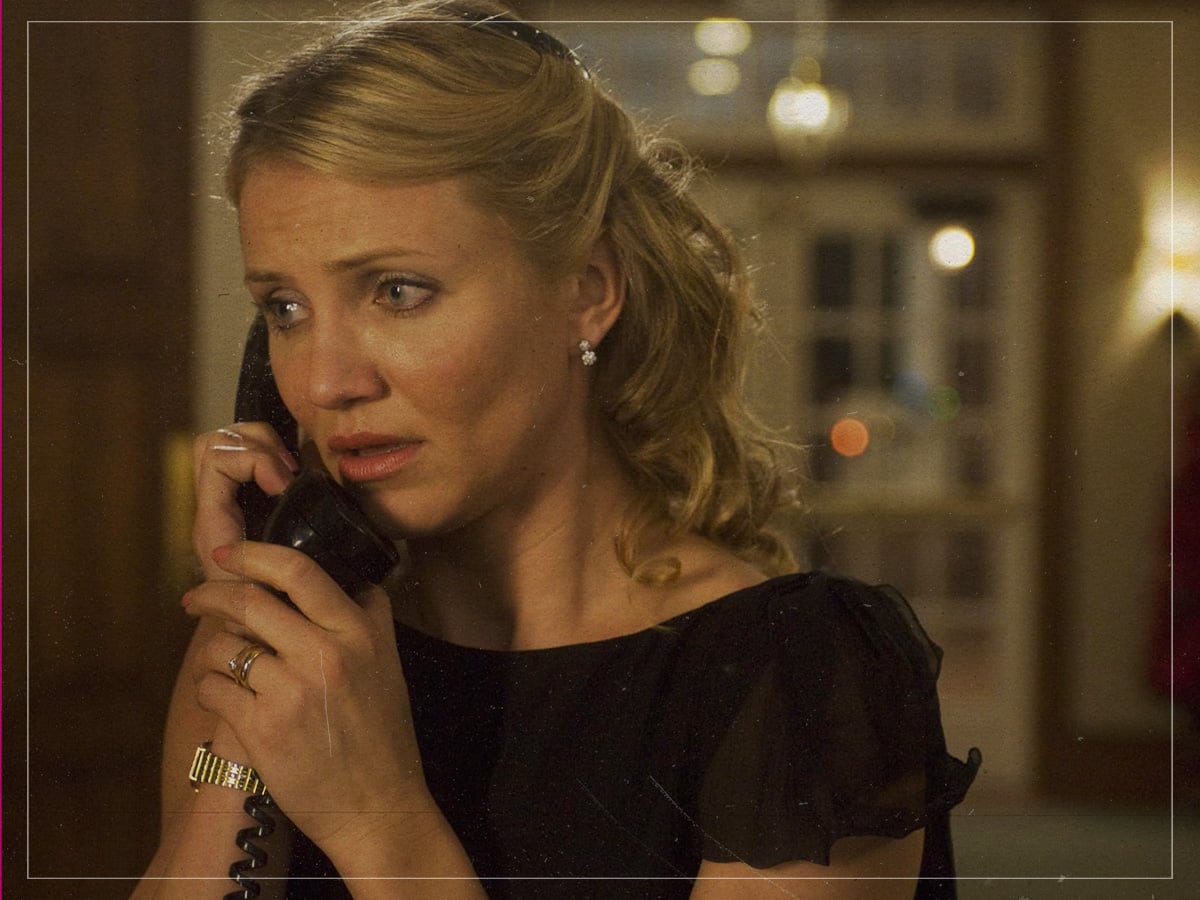
Richard Kelly has a fascinating career that evaporated quickly, as he was perhaps too ambitious for his time. Although his debut film Donnie Darko became one of the most studied cult films of the 21st century, his second feature Southland Tales was destroyed by critics when it debuted at the Cannes Film Festival, and was held from release for over a year in order to construct a re-edit.
Kelly’s third (and to date, most recent) film, The Box, aimed to kickstart a new era of high-concept science fiction by drawing from The Twilight Zone, but earned an F score by the few audiences that saw it, and marked Kelly’s inclusion in ‘director’s jail’. Southland Tales has withstood the test of time, proving itself to be an avant-garde masterpiece, but The Box has left such little impact that it’s forgotten entirely.
‘Billy Lynn’s Long Halftime Walk’ (Ang Lee, 2016)

Ang Lee has always pushed the boundaries of what’s possible, but Billy Lynn’s Long Halftime Walk was such a massive swing that the technology literally didn’t exist to showcase it properly. A standard film is shot at a rate of 24 frames per second, with Peter Jackson experimenting with The Hobbit trilogy when he doubled the rate to use 48 fps, but then Lee took an even more astounding leap forward with Billy Lynn by using 120 fps.
Unfortunately, only five theatres in the world could showcase the film in its designed frame rate with the highest resolution, and since there were varying parameters for theatres to choose whether to use 3D or reduce the frame rate, Billy Lynn’s Long Halftime Walk bombed, despite being one of the most radical technical achievements in the history of cinema.
‘Barry’ (Vikram Gandhi, 2016)

Netflix has increasingly become a major player in producing original films, but it initially faced pushback when it tried to get into distribution. Although the first film they ever produced was the 2015 war thriller Beasts of No Nation, the service tried to capitalise on a relevant public figure a year later with Barry, a biopic of President Barack Obama, which introduced a compelling new model for Netflix where it would take a bet on an ambitious filmmaker interested in making something that wouldn’t have likely made it to theaters.
While Barry didn’t end up being the breakout that the service expected, it did turn Netflix into a popular enterprise for arthouse filmmakers. It was in the next year that the streamer would gain more credibility when it picked up Mudbound from the Sundance Film Festival and debuted Noah Baumbach’s The Meyerowitz Stories at the Venice Film Festival.
‘High Flying Bird’ (Steven Soderbergh, 2019)
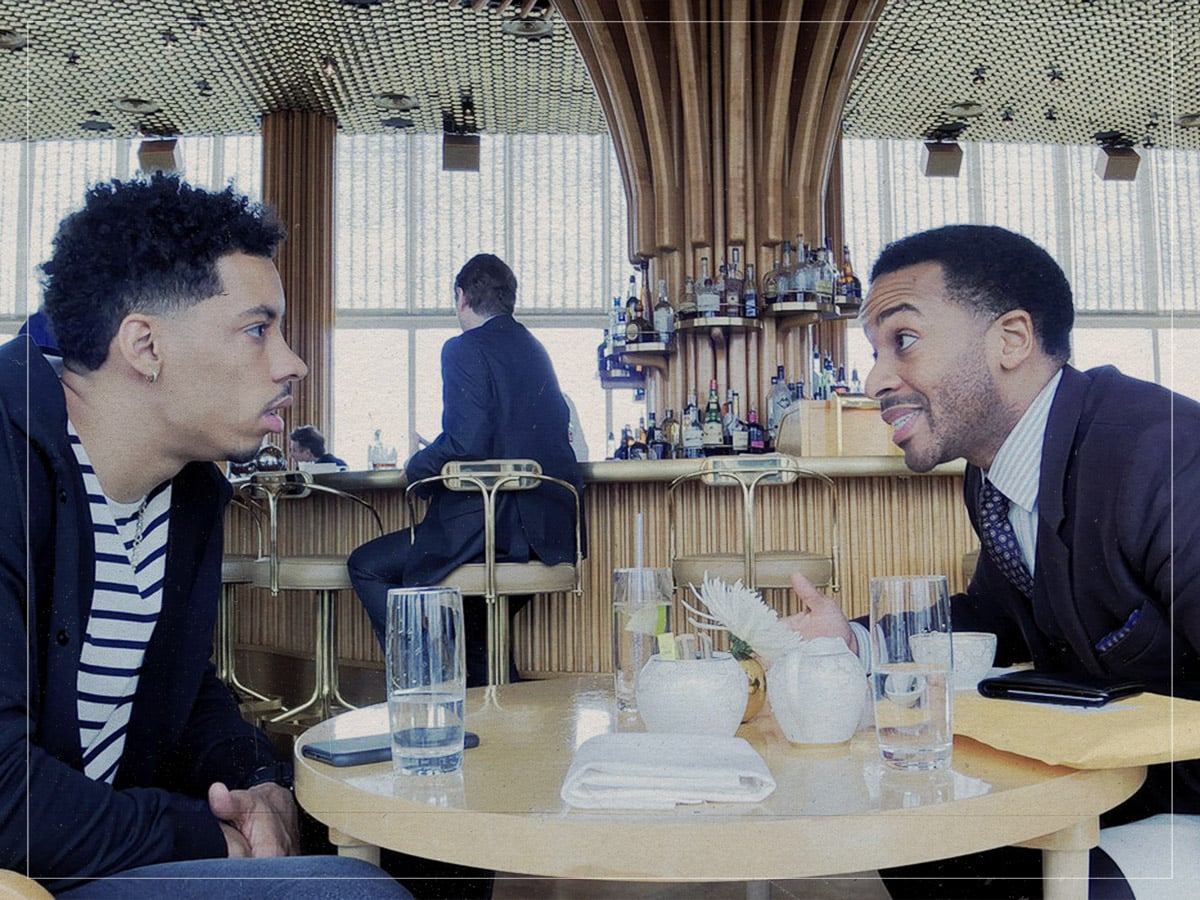
Steven Soderbergh is another filmmaker who has controversially made use of technology for the sake of artistic experimentation, and in the last decade, he’s made a majority of his films for streaming. High Flying Bird was the first film he made for Netflix, and it solidified his interest in digital technology because it was shot on an iPhone.
While shooting on a mobile device was seen as unusual for a filmmaker of Soderbergh’s calibre, it became a trend that was picked up by other directors, including Danny Boyle with 28 Years Later. High Flying Bird also proved to be thematically relevant in its metatextual themes, wherein the film is about basketball players gaining newfound power by owning their own distribution method, which is fitting given that Soderbergh commandeered the film’s streaming release, and the real developments in the NBA that occurred in the years since.
