


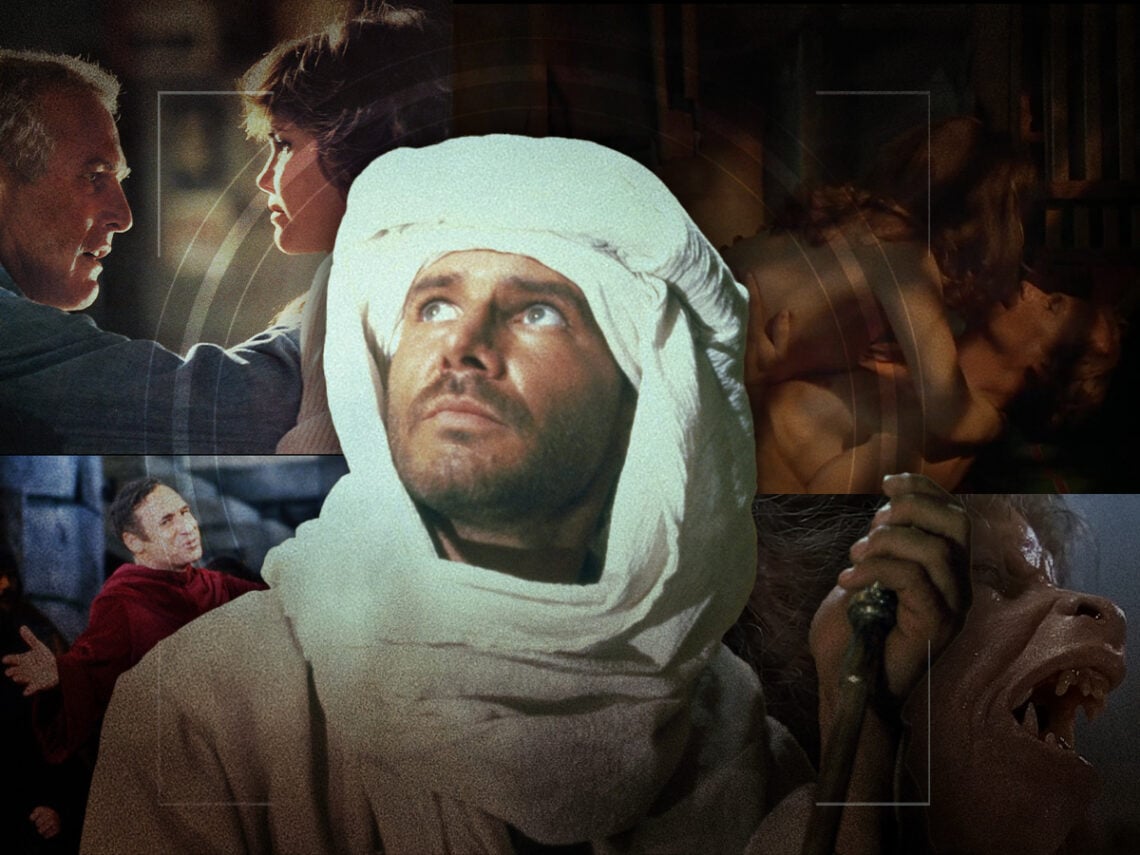
10 movie scenes from 1981 that you’d never get away with today

1981 was a year of remarkable risk-taking in film.
There is no hard-and-fast demarcation point where one era of history ends and the other begins. While it’s generally accepted that the New Hollywood era was between the release of Bonnie & Clyde in 1967 and the disastrous box office failure of Heaven’s Gate in 1980, that didn’t mean that the rest of the decade was dominated by pure commercialism and nostalgia bait.
Many of the most important actors, directors, and studio heads who had power in the ‘70s were still around at the beginning of the decade, which marked an exciting time for the growing independent film scene. Although the blockbuster era had been initiated by Jaws and Star Wars, the top-grossing films of 1981 wouldn’t be considered ‘slop’ by today’s standards. Some of the year’s biggest hits were the excellent superhero sequel Superman II, the multi-generational family drama On Golden Pond, and the ‘Best Picture’ winner Chariots of Fire, which created a breakthrough for British cinema in the United States.
The films that stood out from the year took risks, both in their content and in the practical filmmaking concerns. It was a year in which film was still the most exciting and vital form of art, and audiences were interested in seeing something new and different on the big screen. Great cinema will never go away entirely, but there are more than a few moments in 1981 classics that would never occur within the parameters of today’s studio system.
10 movie scenes from 1981 that wouldn’t pass today:
Reed speaks in Baku – ‘Reds’ (Warren Beatty, 1981)
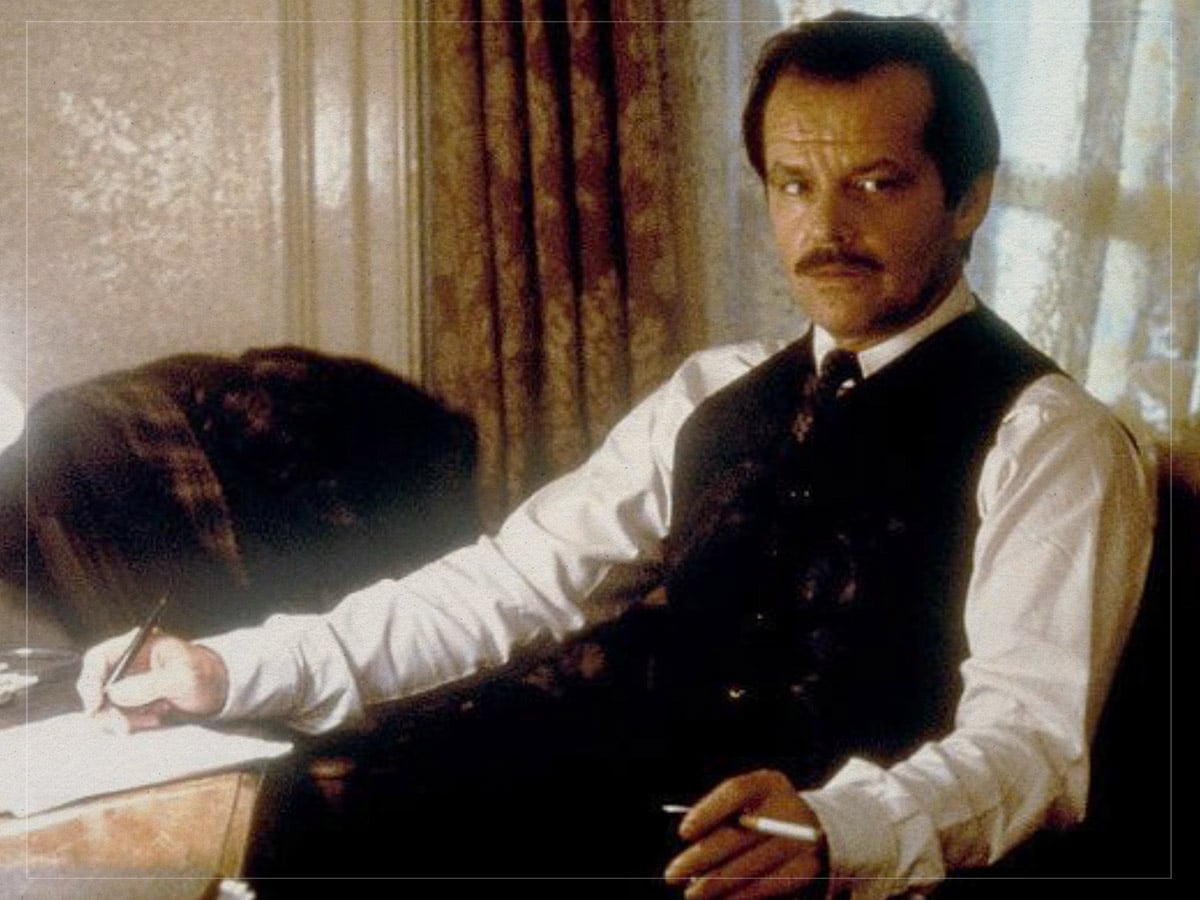
Warren Beatty was a unique actor who only committed himself to projects that he could have a hand in shaping creatively, and Reds was an ambitious second feature after his debut, Heaven Can Wait, became a major hit. Given that his politics were never a mystery, it shouldn’t come as a surprise that he made one of the most radical American films of all-time with Reds, a biographical epic in which he played the journalist John Reed.
Reds explores how Reed’s interest in the Communist Revolution in Russia led him to become an activist and advocate, and a critical scene involves him speaking at a rally. Given how terrified actors are today to speak out politically for fear of getting blacklisted, it’s unlikely that someone in Beatty’s position would create such a pro-socialist film and cast themselves in the most important role.
The truck chase – ‘Raiders of the Lost Ark’ (Steven Spielberg, 1981)
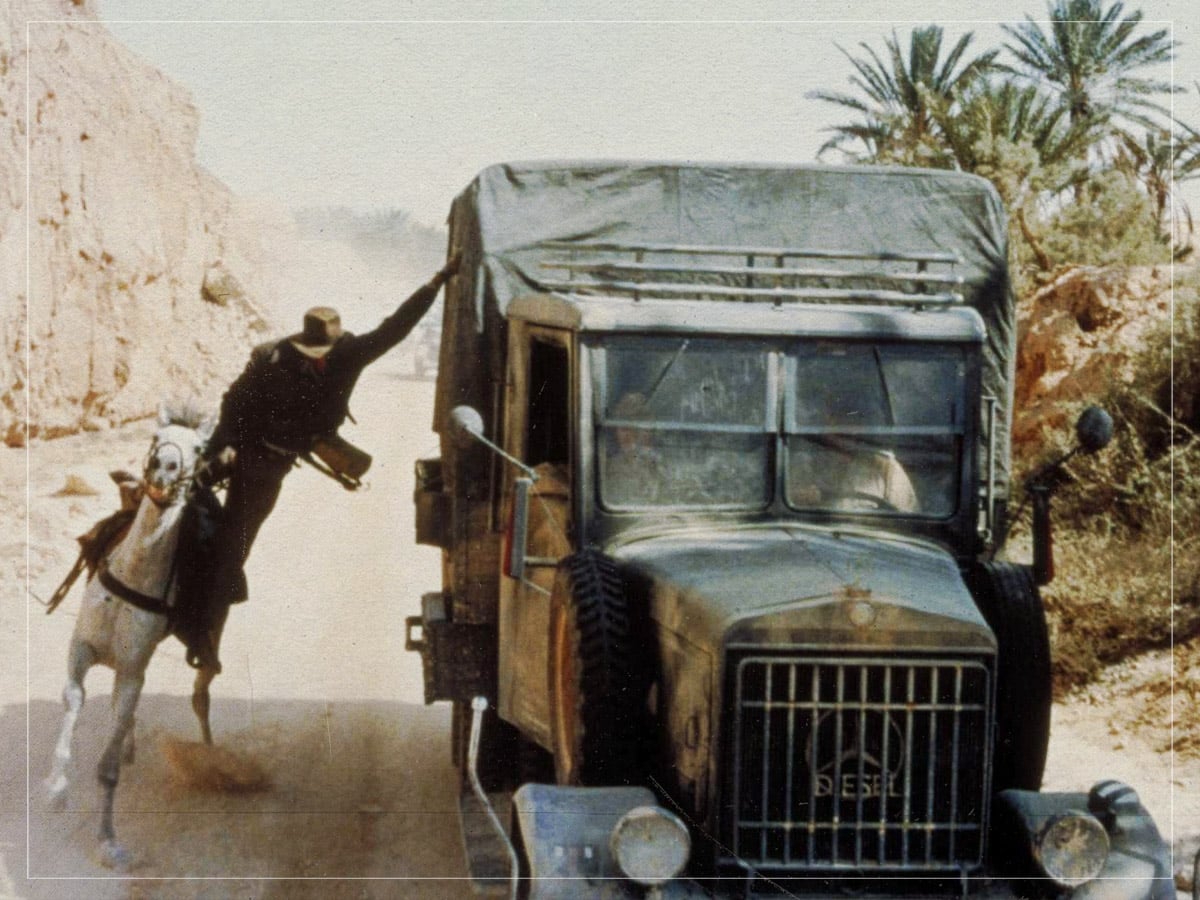
Indiana Jones is among the greatest franchises of all time, and Raiders of the Lost Ark was a perfect unification of Steven Spielberg at his most daring, George Lucas at his most creative, and Harrison Ford at his most charismatic. Although there are a number of amazing setpieces in the film, the intense chase in which Indy must climb under and on top of a truck, only to take out its Nazi drivers, is the type of eloquently crafted feat in stuntwork that only could have been with a filmmaker as athletic as Spielberg behind it, and an actor as willing to get injured as Ford.
There’s no major blockbuster franchise today that puts that type of effort into its stunts; one of the reasons why Indiana Jones and the Dial of Destiny didn’t live up to the hype was because it was James Mangold behind the camera, and not Spielberg.
The tree assault – ‘The Evil Dead’ (Sam Raimi, 1981)
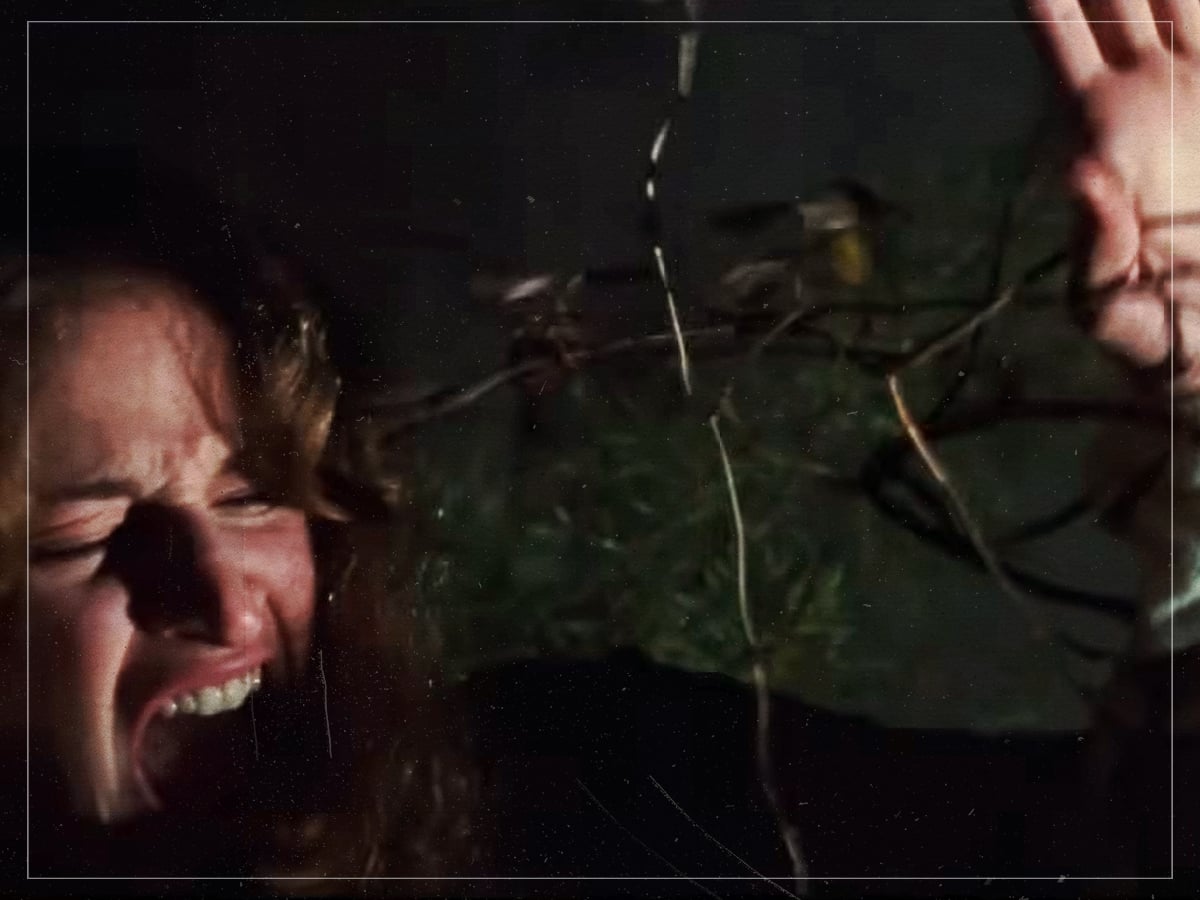
Sam Raimi trekked out into the woods with his best friend, Bruce Campbell, to throw what little resources they had into making the scariest film possible, and The Evil Dead became an instant game-changer within the splatter horror genre. That Raimi was under 25 years old at the time he made it meant that The Evil Dead made the type of wild choices that would never be considered by someone who already has experience in Hollywood.
In recent years, he has come to reflect on the first film in the iconic franchise and has expressed his regret for a sequence in which a female character is sexually assaulted by the branches of a haunted tree. Even though Raimi is still making films and there are more Evil Dead sequels in development, nothing so explicit will ever appear in any of them.
Gallagher’s affair with Carter – ‘Absence of Malice’ (Sydney Pollack, 1981)
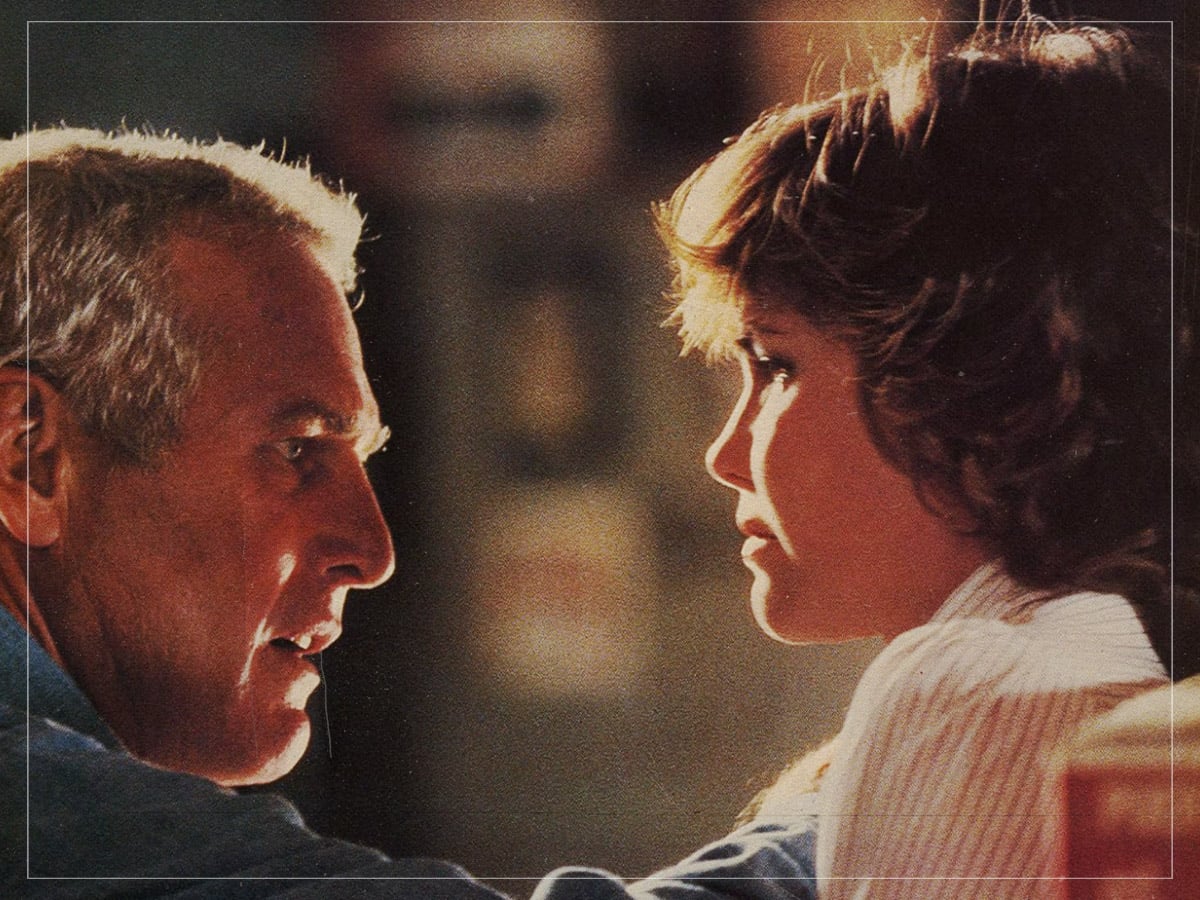
Paul Newman is considered to be one of the greatest movie stars ever because he had a personal stake in every project that he made, and would often take risks with projects that expressed strong political sentiments. At the time of its release, Absence of Malice was considered to be a cutting-edge drama about the ethics of journalism and the legal system, with its story about a reporter, played by Sally Field, who sleeps with a source.
While the film was trying to make a point about the potential complexities of such a situation, modern critics have attacked films that suggest that female reporters would sleep with sources in order to obtain information. Recently, there was a significant amount of backlash towards the depiction of the journalist Kathy Scruggs, played by Olivia Wilde, and her reported promiscuity in Clint Eastwood’s historical drama Richard Jewell.
The transformation – ‘An American Werewolf in London’ (John Landis, 1981)
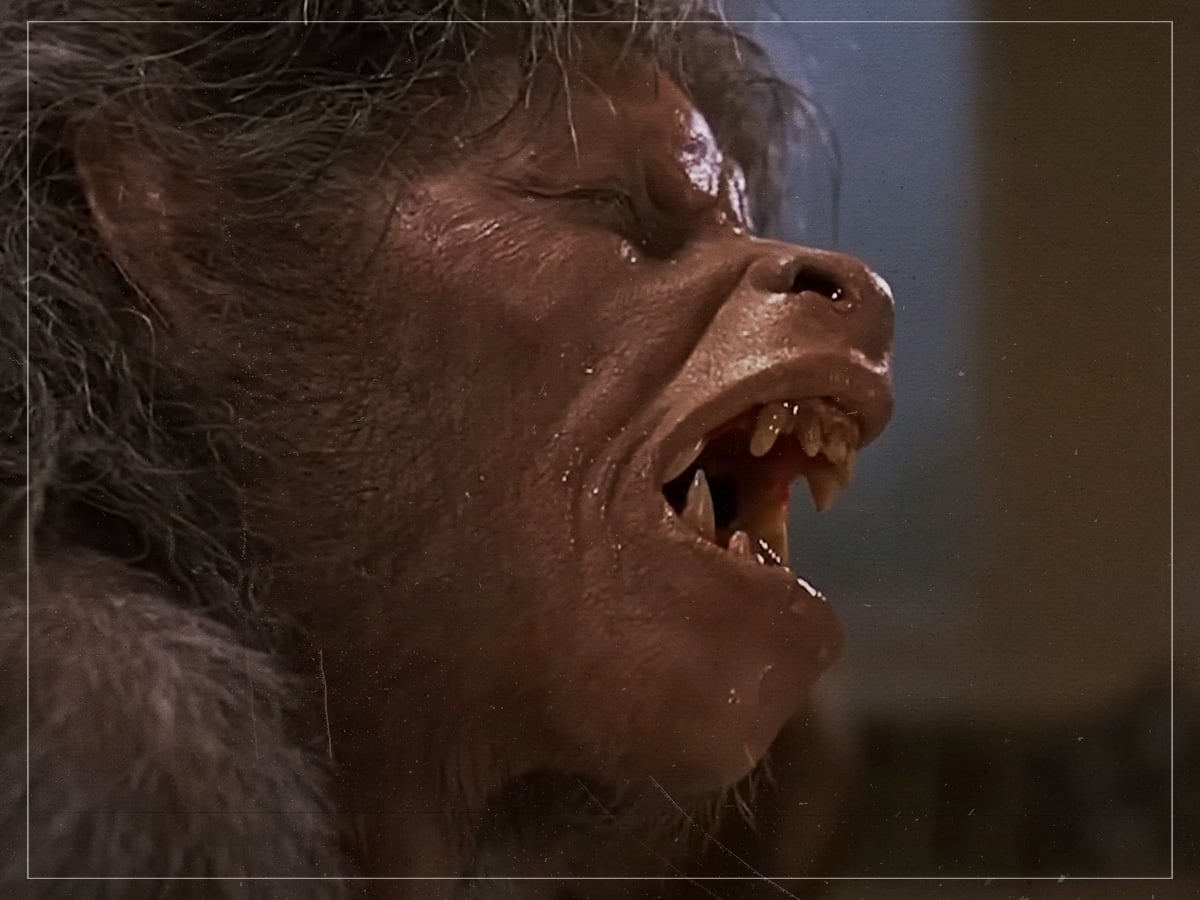
John Landis might be a terrible person who should probably be in jail, but An American Werewolf in London is a perfect masterpiece that embodied what a horror comedy could be because it was just as hilarious as it was terrifying. The film was a breakthrough within Hollywood’s use of incentive makeup effects, with the initial transformation of the character David Kessler, played by David Naughton, into a werewolf being the standout sequence.
Sadly, overuse of CGI and even AI has replaced the work that many makeup artists do, and actors are less willing to be in a chair for hours with makeup applied to their faces. Nothing is better evidence of this than the recent release of Blumhouse’s reboot of Wolf Man, which featured much less convincing makeup than what Landis was able to get away with in An American Werewolf in London.
Spencer and Hardin fend off the Cajuns – ‘Southern Comfort’ (Walter Hill)
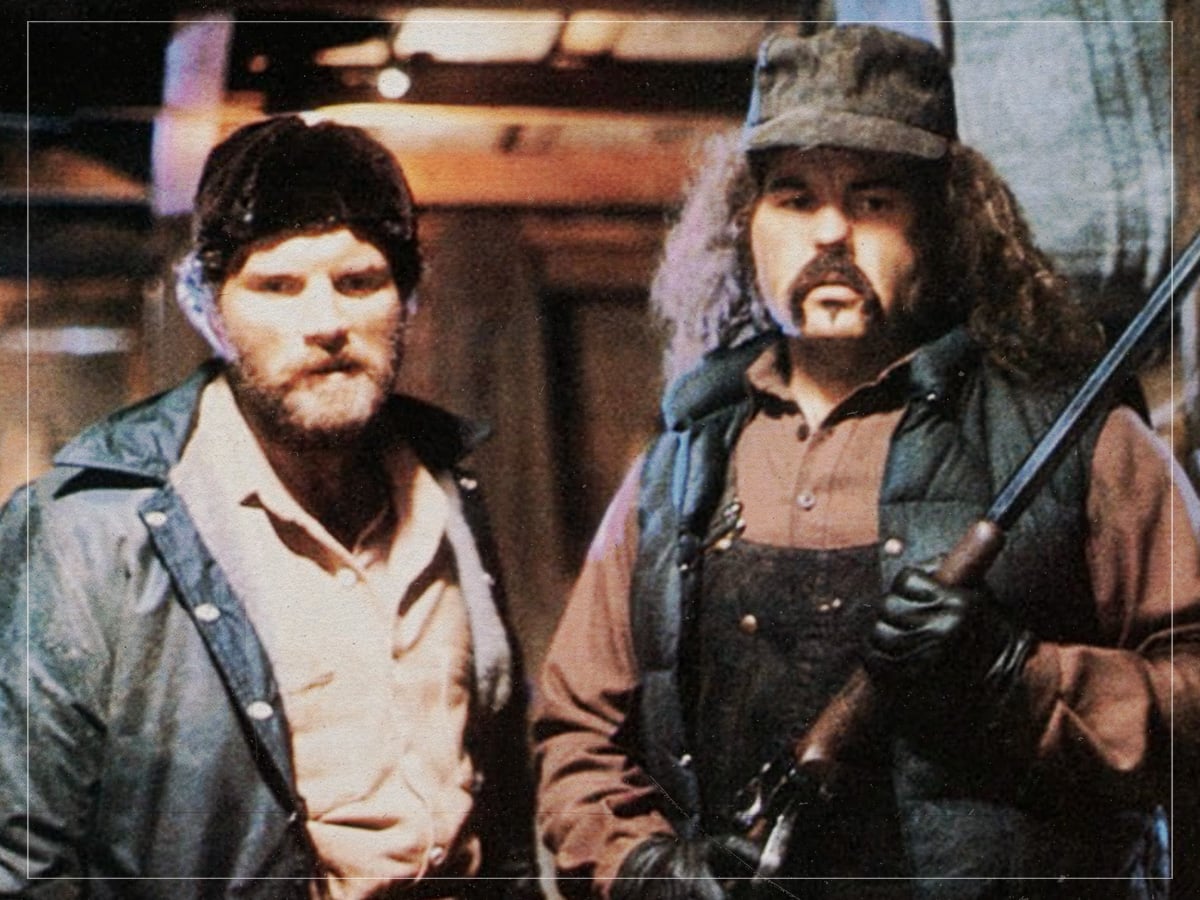
Walter Hill is a fearless filmmaker who has made some of the coolest, brutalist genre films of the last 50 years, and Southern Comfort is one of his most underrated classics. Set in the bayous of Louisiana outside of New Orleans, the film follows a group of National Guard soldiers who trek into the swamps, where they are hunted down by Cajun warriors.
Although the film itself is a metaphor for Vietnam, it’s likely that Southern Comfort would be criticised today for perceived cultural appropriation. However, the real reason that the film’s notorious final battle wouldn’t be made in today’s environment is that it was an infamously tough shoot that put the actors in hazardous, uncomfortable situations in a hellish environment. Even Hill had to scale himself back within his next decade of work with some slightly less dangerous productions.
The ending – ‘Blow Out’ (Brian De Palma)
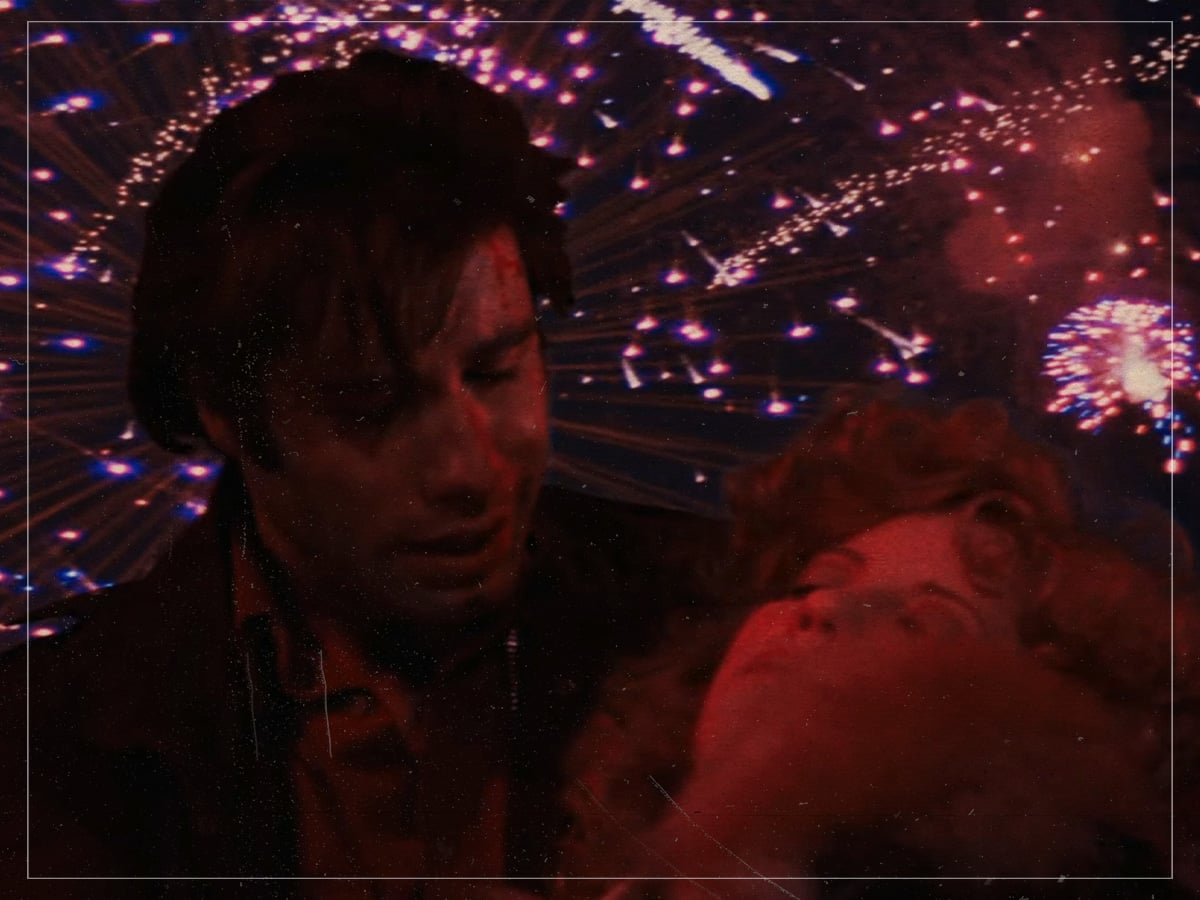
Brian De Palma is not only an audacious filmmaker in terms of the visual expressionism and graphic material that he often includes, but he is also someone who hasn’t been afraid to make films that are utterly nihilistic. Blow Out is not only one of De Palma’s greatest homages to the works of Alfred Hitchcock and Michelangelo Antonioni, but a mean-spirited film that looks at the consequences of political corruption in the face of the ‘American Dream’.
The ending of Blow Out is unbearably tragic, yet crafted with the type of elegance that made it feel like a dire warning about what America had become. The mythological tragedy De Palma created with the film’s heartbreaking last shots of Nancy Allen screaming is something that no studio would ever greenlight today, especially not with shots of the American Flag ominously used in the background.
‘The Inquisition’ song – ‘A History of the World: Part 1’ (Mel Brooks)
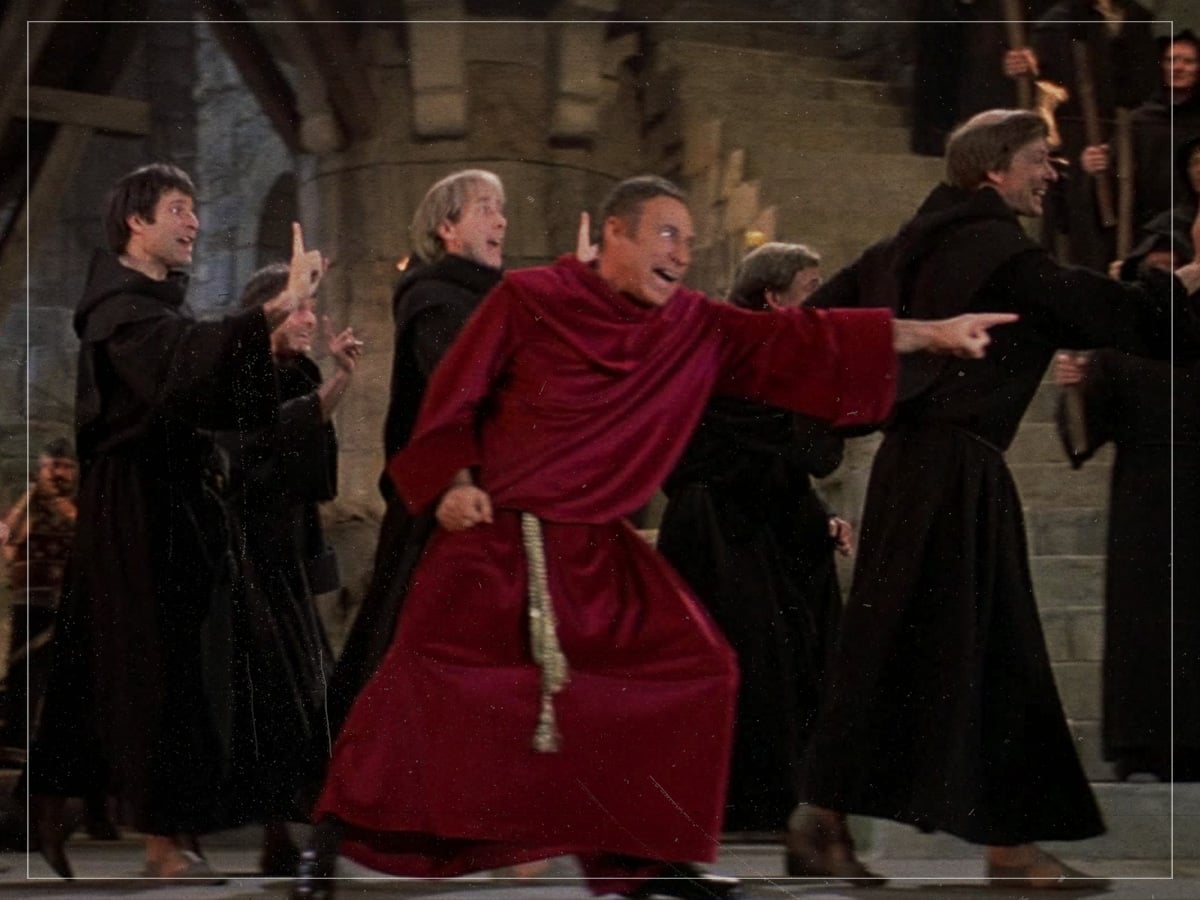
Mel Brooks has always made great films that have some people irritated and offended, and A History of the World: Part 1 isn’t actually that transgressive when compared to the more transgressive material in The Producers and Blazing Saddles. Nonetheless, the satirical film about different points in human history does include one of Brooks’ best musical numbers, in which he references the atrocities committed by the Spanish Inquisition.
On one hand, this type of sketch-based, segmented comedy film doesn’t really exist anymore, as the direct sequel to A History of the World: Part 1 was turned into a series that aired on Hulu and Disney+. Additionally, there is so much denial of actual genocide in the world right now that even someone of Brooks’ brilliance would be scolded about using one as a punchline in a really entertaining musical ballad.
The inciting incident – ‘Nighthawks’ (Bruce Malmuth)
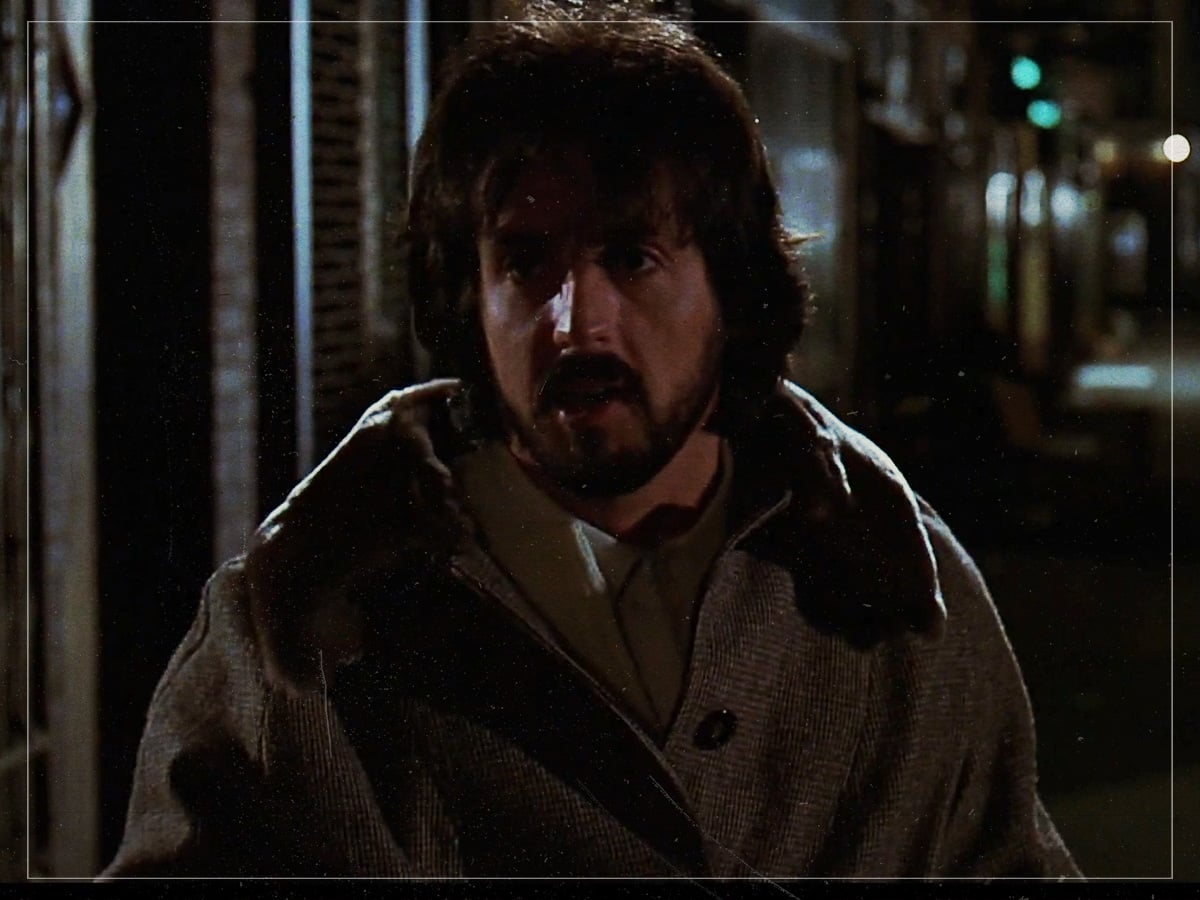
Sylvester Stallone and Billy Dee Williams teamed up in the buddy cop action drama Nighthawks, which was released well before the formula for this subgenre got perfected with 48 Hrs and Lethal Weapon. It’s a gritty, grounded crime drama that actually feels like a ‘70s neo-thriller, and features one of the most underrated performances ever given by Stallone. Nighthawks does not pull its punches when it comes to the depiction of criminal violence in New York City, and the opening scene features an undercover female cop who foils a gang of thugs who attempt to assault her, sparking an investigation by the police.
There’s been recent pushback about the depiction of cities like New York being depicted as being filled with crime, and a film as uncompromisingly brutal as Nighthawks would only have been able to get away with it if it was tied into a franchise like Joker.
Matty and Ned have sex – ‘Body Heat’ (Lawrence Kasdan)
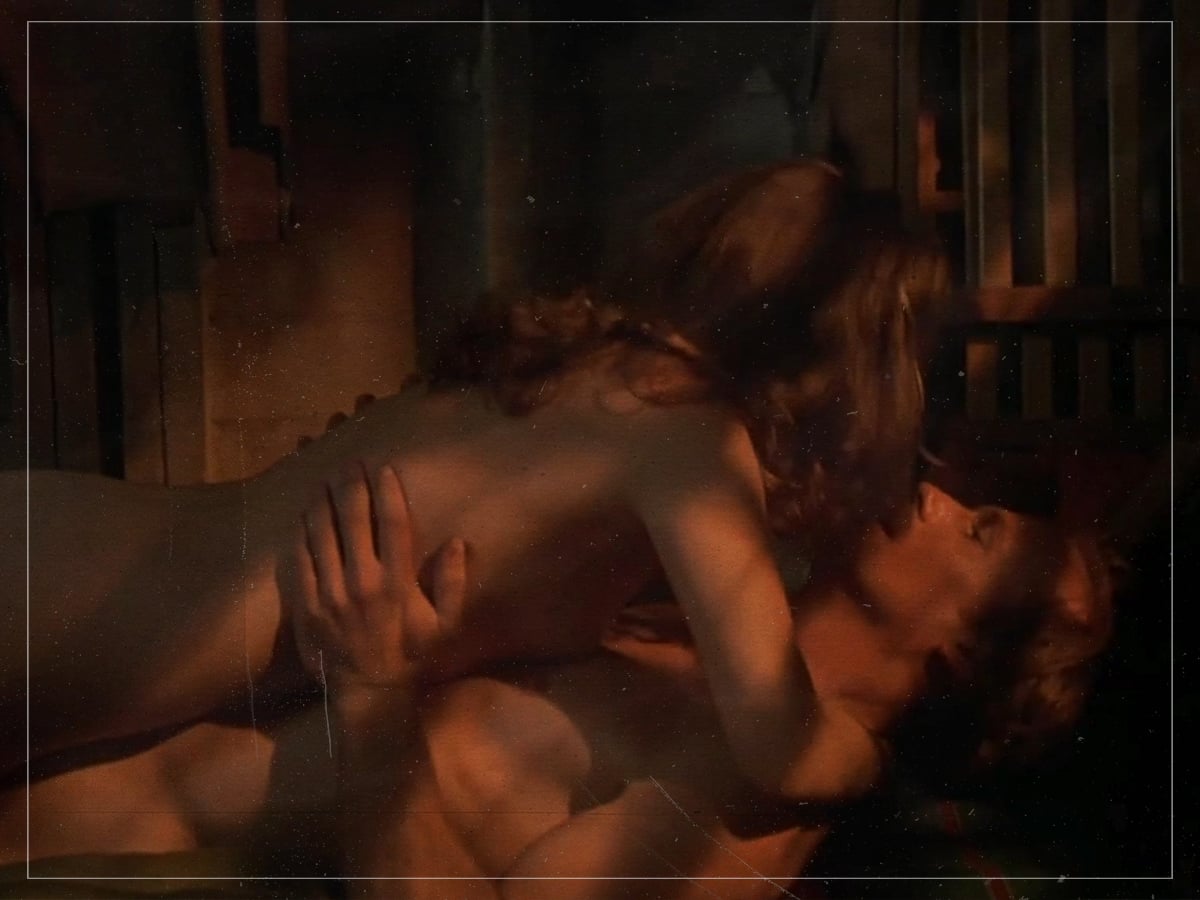
Kathleen Turner and William Hurt lead the cast of the scandalous erotic thriller Body Heat, which proved that Lawrence Kasdan was just as talented a director as he was a writer. Although the ‘70s had featured erotic films that pushed the lines of acceptable content, Body Heat was a much more commercial enterprise than arthouse releases like Don’t Look Now or Last Tango in Paris.
The erotic thriller genre would grow more popular towards the end of the decade and into the ‘90s, but not even Indecent Proposal or Fatal Attraction got as wild as Body Heat. The film was successful, but considered to be so controversial that executive producer George Lucas had his name taken off the credits, even though he helped make it as a favour to Kasdan, who had just written The Empire Strikes Back and Raiders of the Lost Ark.
