


“Come out to play-yay”: ‘The Warriors’ director explains the origin of the iconic line

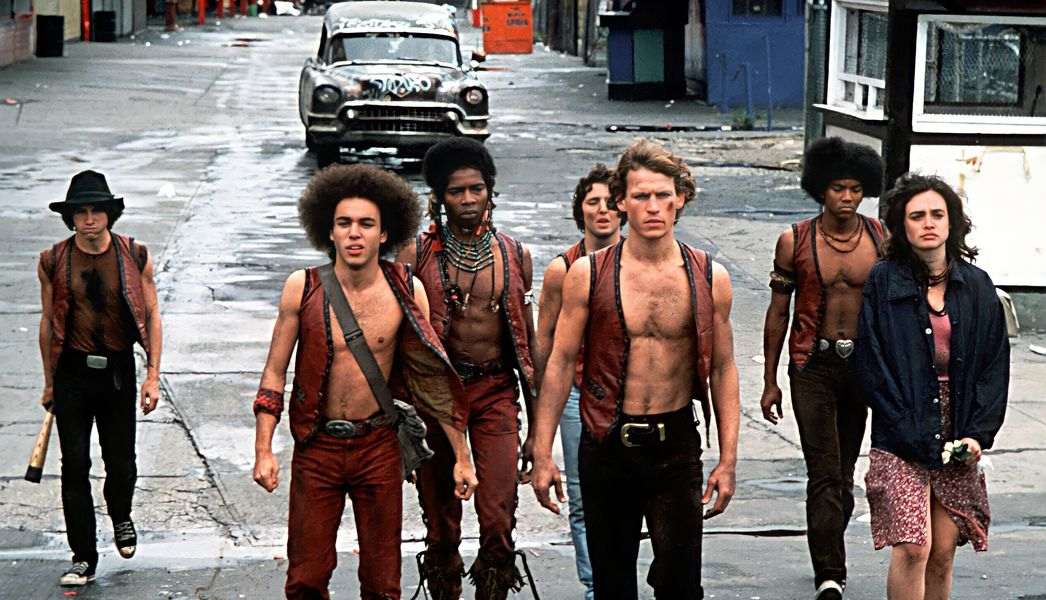
In many ways, Walter Hill’s The Warriors perfectly embodies the spirit of 1970s American cinema, containing the same creativity and eccentricity that fueled the films of Francis Ford Coppola, Martin Scorsese and Robert Altman. A wild ride chase through New York City, clinging onto the coattails of the most violent gangs in the whole of the stylised city, the film is a crime drama that pulsates with idiosyncratic style.
Based on the book of the same name by Sol Yurick, Hill transformed the realistic story into something far more fantastical, filling the streets of the city with 21 separate gangs, each with their own traits and personalities. Although the film follows the titular Warriors as they escape the wrong end of New York whilst being pursued by deadly gangs and ruthless law enforcement, plenty of other groups are also referenced throughout the film, from the villainous ‘Rouges’ to the idiosyncratic ‘The Baseball Furies’.
This creates a vibrant cauldron of New York personalities who each vie for control of their particular patch of the city, creating a pulpy cult favourite in the process. Whilst it was celebrated by fans at the time, it took critics many years to appreciate Hill’s classic, with its fantastical elements standing the test of time in a modern cinematic taste that thirsts for nostalgia.
Speaking about the movie over 40 years after its release, director Walter Hill sat down with The Hollywood Reporter’s history podcast It Happened in Hollywood, where he revealed several secrets behind the classic movie. Within the conversation, attention turns to the iconic piece of dialogue that is said when Luther (David Patrick Kelly) is trying to goad the Warriors into fighting, putting bottles on his fingers, he cracks them together whilst shrilling, “Warriors, come out to play-yay”.
“It was close to the end of our shoot,” Hill states in the podcast, explaining, “I ran over to David and said, ‘Look, this is dull. Think of something here. I don’t care if you sing to him, yell at him. You’re trying to pull him out’”.
Continuing, he adds, “I went off to set the cameras and I could see him out of the corner of my eye. He ran under the boardwalk and came out with all these empty beer bottles… So I ran back to the car, and I said, ‘We got anything?’ And he went: clink clink clink. He said, ‘Warriors … come out and plaaaay.’ This is what a good director I am. I said, ‘Go with that. Don’t change it. Let’s shoot’”.
The ingenious piece of improvisation from David Patrick Kelly led to one of the most iconic lines of dialogue from ‘70s cinema, perfectly fitting in with the camp tone of the movie.
In the same conversation, Hill discussed how he regretted omitting a gay gang from the movie, who were present in the original script, with the Dingos due to be fitted in leather fetishwear and more. “We never shot it,” the director revealed, adding, “I’m very sorry about that. What I wanted to show was the gay gang in a positive light”.
