


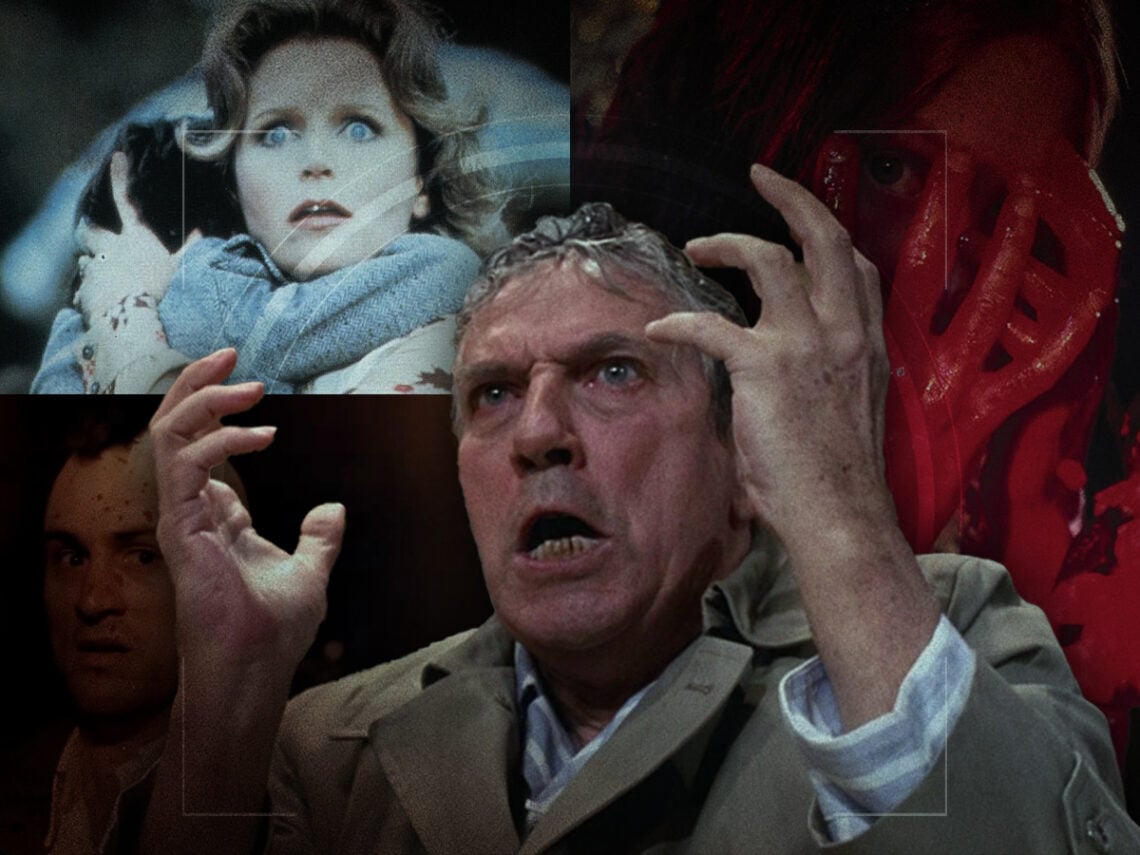
10 movie moments from 1976 that changed cinema forever

50 years have passed since one of the most monumental years in film history.
1976 was the year that America celebrated its bicentennial and elected a new president, but it was also one of the most defining moments in the New Hollywood era. Sandwiched between the releases of Jaws and Star Wars, ’76 was still a time in which Hollywood was still interested in making challenging commercial films, as many of the year’s best releases were also among the highest-grossing. It was a period of experimentation and innovation, and is responsible for many great films that have stood the test of time.
What’s most remarkable about the year is that the average film had a higher threshold of quality than today’s standard releases; while not every film was going to be a masterpiece, there were enough noteworthy stars and solid, journeyman directors to ensure that there was always a good time to go out to the movies. Even if there were fewer films being made in 1976 than today, plenty of titles released back then would never have even been greenlit in a modern context.
What’s most significant is that it was a time in which cinema was still the driving force behind culture. Social media and online video platforms did not exist to attract young viewers, and television was not yet at a point where it regularly produced prestige projects that were comparable to films in terms of quality. Although it’s an era that might never be replicated, some of the most iconic moments from 1976 cinema have been preserved in the memories of every engaged moviegoer.
10 movie scenes from 1976 that changed cinema:
“I’m mad as hell” – ‘Network’ (Sidney Lumet, 1976)
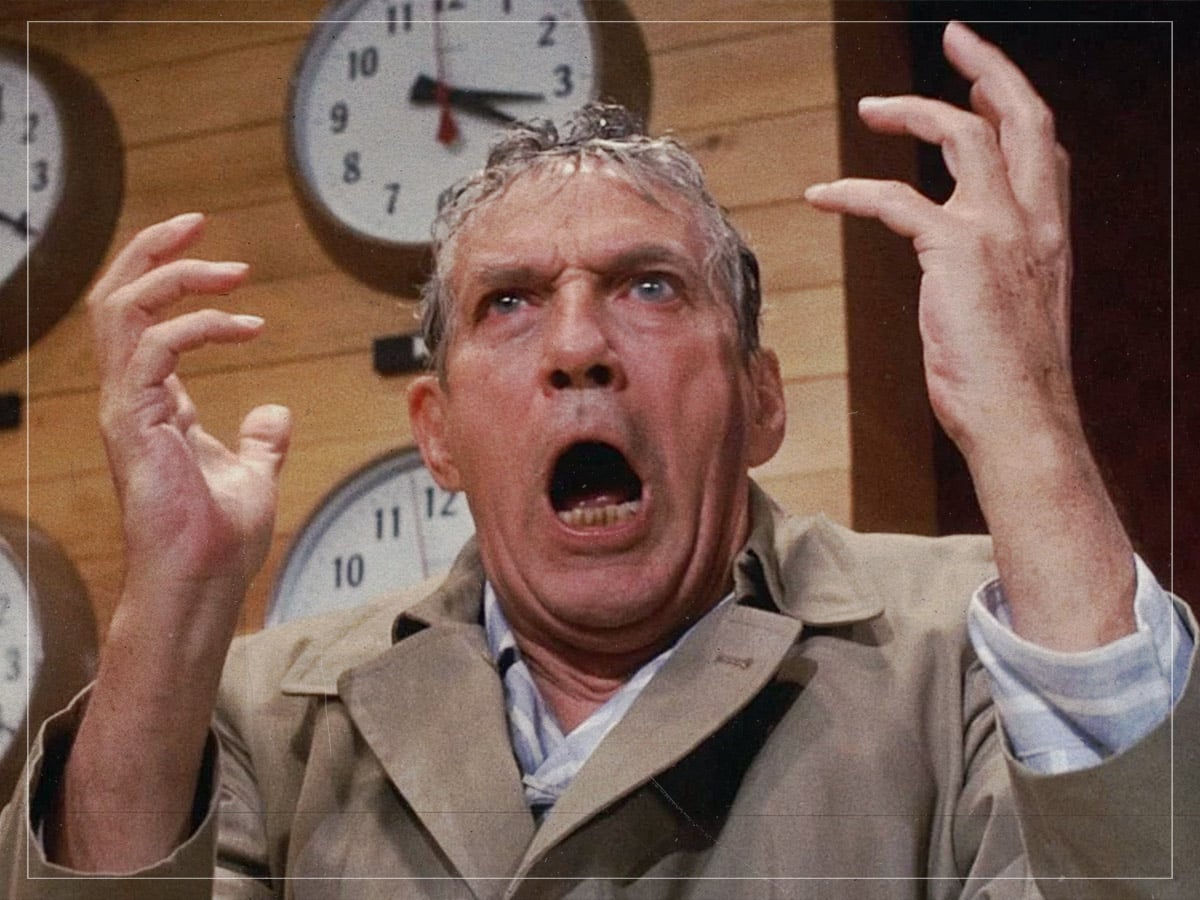
Sidney Lumet was ahead of his time with Network, a speculative network about a news anchor who goes off-book and speaks his mind, creating a rabid audience that can’t wait to listen to his next rant. The phrase “I’m mad as hell, and I’m not going to take it anymore” has been widely circulated, homage, and parodies, with Peter Finch’s performance (the last that he ever gave) standing the test of time.
Network has grown even more relevant in recent years because it pinpointed a change in media in which dominant, aggressive personalities were able to grow cult-like followings among viewers who paid no attention to facts and reason. While the film may have been considered to be a cutting-edge satire at the time it was released, it has evolved into a slept-on warning about the hellscape that is media discourse in 2026.
The torture scene – ‘Marathon Man’ (John Schlesinger, 1976)
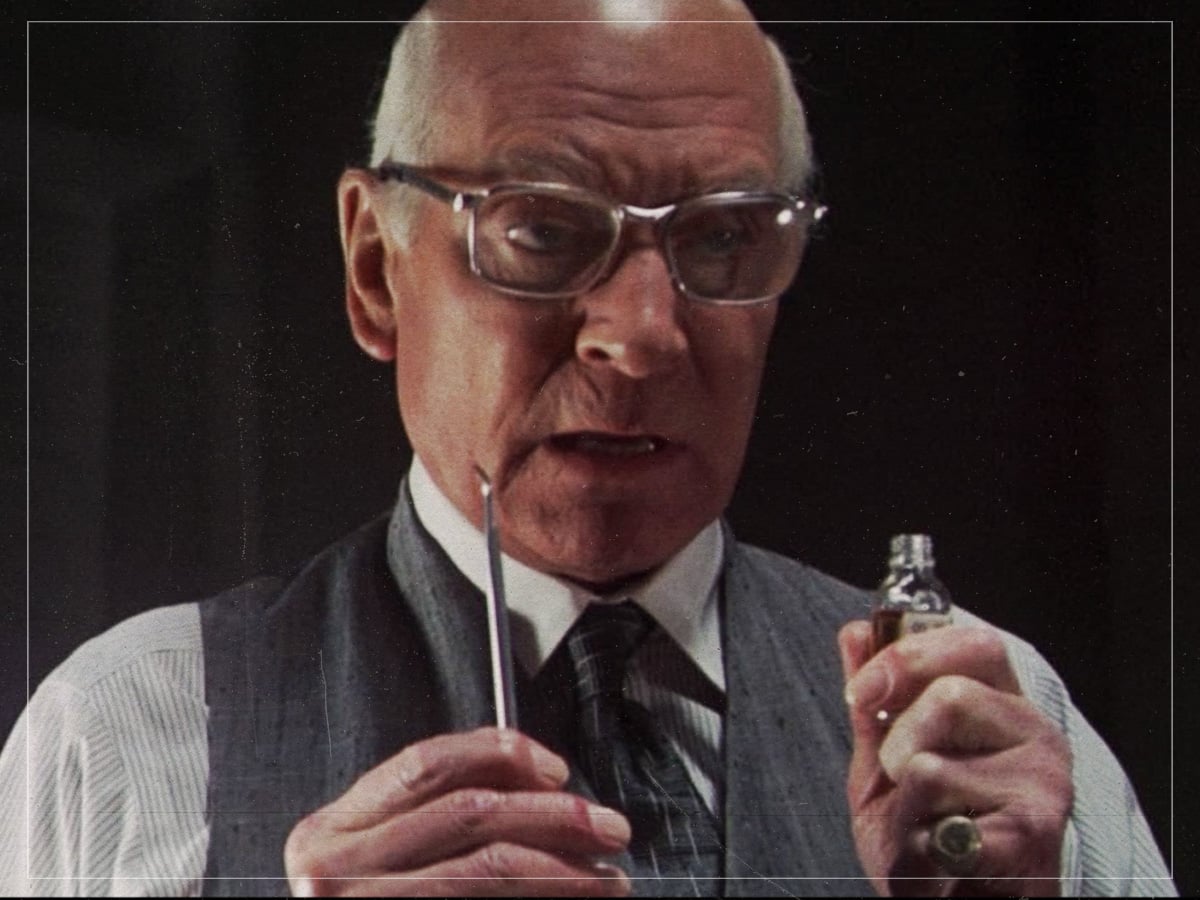
Dustin Hoffman was infamously roasted by Laurence Olivier during the making of Marathon Man when the great Shakespearean actor lampooned his intent of method acting, but even if they took completely different approaches to the material, they were perfectly matched for a film that felt like a high-class, prestigious adaptation of an airport novel.
While this was a popular time for conspiracy thrillers and adventure films, the torture scene in Marathon Man is one of the more disturbing to be featured in a mainstream film that was ostensibly marketed as popcorn entertainment, signifying that audiences had to get used to dealing with serious material, and that their cinematic heroes would not always emerge from their plights unwounded, which just happened to coincide with a rise in news reporting that centered in violent crime and acts of indecency.
Shots fired during the strike – ‘Harlan County, USA’ (Barbara Kopple, 1976)
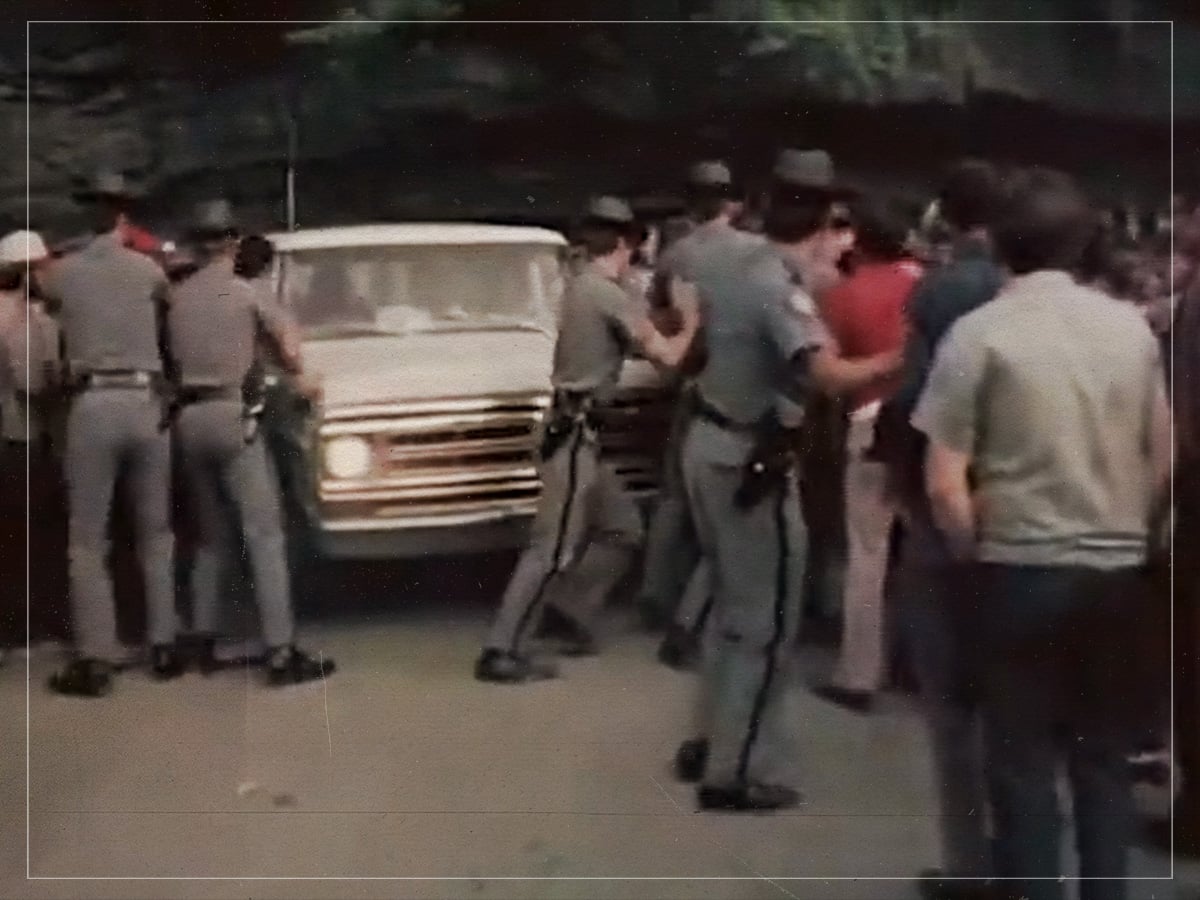
Documentaries have always been admired by filmmakers, but Barbra Kopple turned them into a true art form with her 1976 masterpiece Harlan County, USA, an intimate exploration of striking workers in a small town, and while many were sympathetic to these workers’ strike in the abstract, Kopples made it impossible to ignore the realities of the situation by showing jaw-dropping moments as they occurred, including an instance in which law enforcement drew their weapons as a means of crowd control.
The notion that a Hollywood film crew would actually be put in danger in their efforts to cover an event wasn’t just responsible for earning Harlan County, USA the Academy Award for ‘Best Documentary Feature’, but served as an inspiration for more nonfiction filmmakers to take a vested interested in the well-being of their chosen subjects.
Rocky fights Apollo – ‘Rocky’ (John Avildsen, 1976)
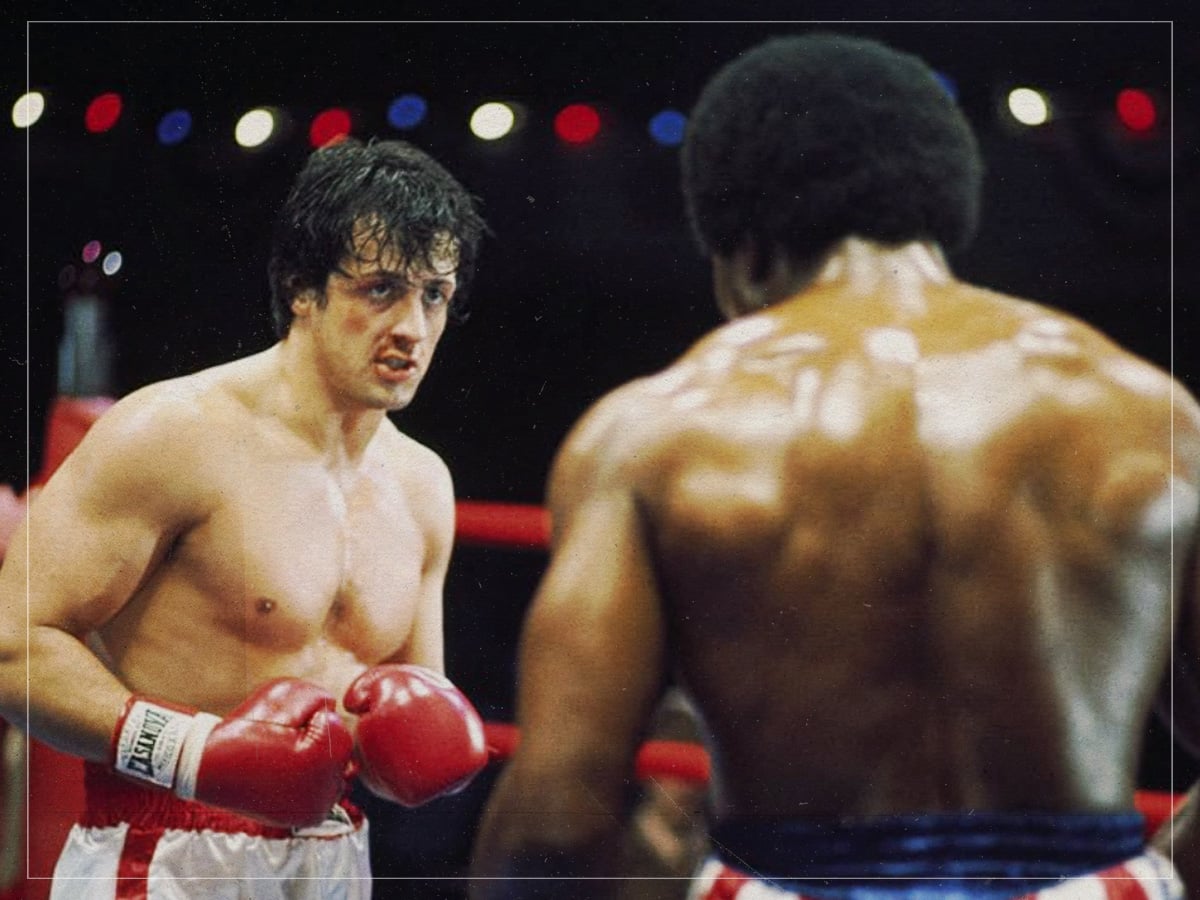
Sylvester Stallone guaranteed himself a career by creating the ultimate underdog story with Rocky, a film so triumphant that audiences have remained loyal to him throughout many years of disappointments. While John Avildsen’s ability to craft a realistic boxing match that felt authentic was certainly a major reason why Rocky was so successful, what solidified the film’s place in history was its ending, where Rocky loses the fight to Apollo Creed, played by Carl Weathers, but he wins the hearts of the crowd and feels like a champion.
This wasn’t just an unconventional way to end a sports film, but a means of turning Rocky into a true icon whose adventures would continue on in subsequent films, and it would only be three years later that Stallone would pull off multiple responsibilities at once to write, direct, and star in Rocky II, where the titular character is lured into a rematch with Apollo so that a more decisive victor can be claimed.
The nanny’s suicide – ‘The Omen’ (Richard Donner, 1976)
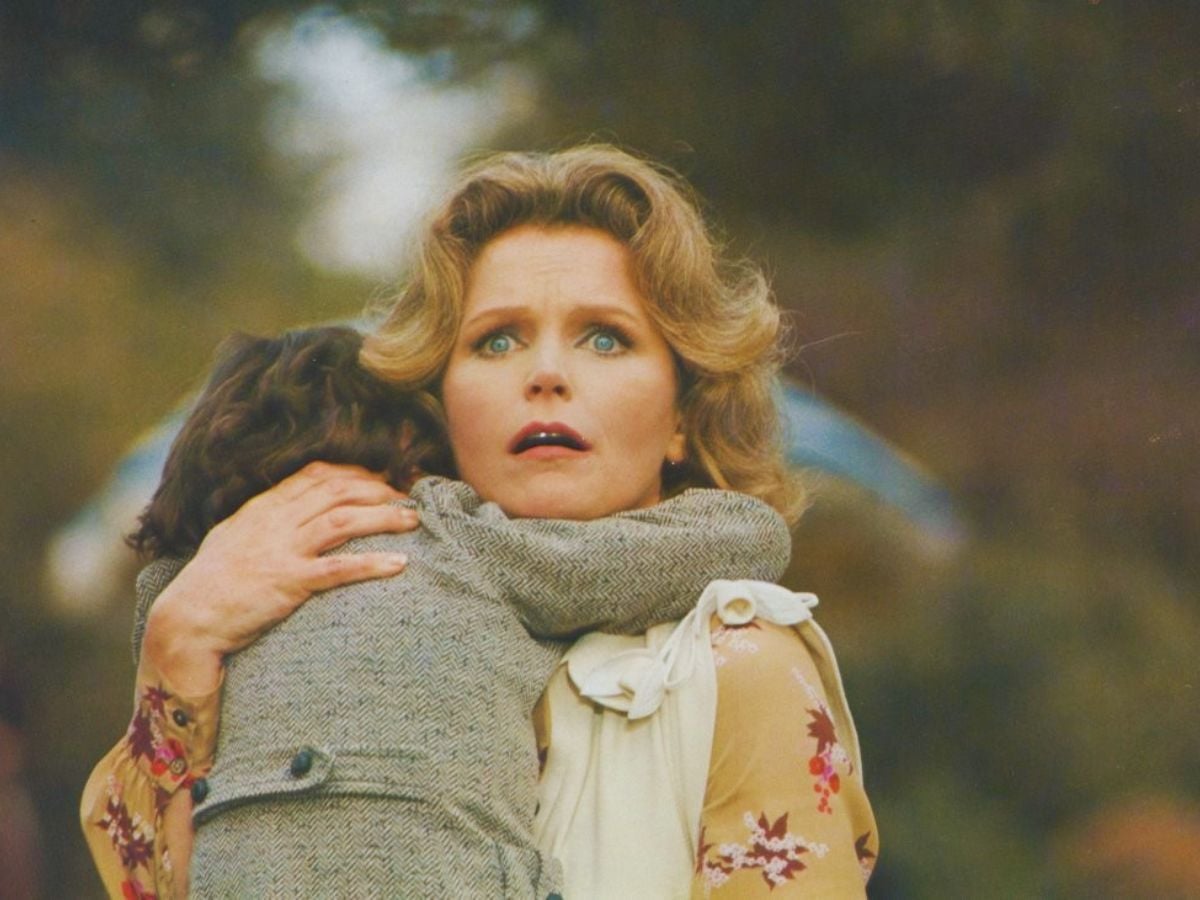
Gregory Peck was such a prestigious, beloved actor that it was surprising that he would sign on for a horror film in an era where the genre wasn’t considered to be high art. However, The Omen proved to be more than cheap thrills early on due to a shocking scene in which the babysitter graphically dies by suicide, suggesting that some sort of Satanic evil is at play.
The Omen confirmed that the prestige horror subgenre was not exclusive to The Exorcist, as Richard Donner was a serious director who was given the role of directing Superman: The Movie on the strength of his horror film’s performance. It’s also a scene that has been highly inspirational in the next five decades of horror, most recently honoured in the prequel The First Omen, which is the best instalment in the franchise since the original.
The Mr Dahlberg phone call – ‘All The President’s Men’ (Alan J Pakula, 1976)
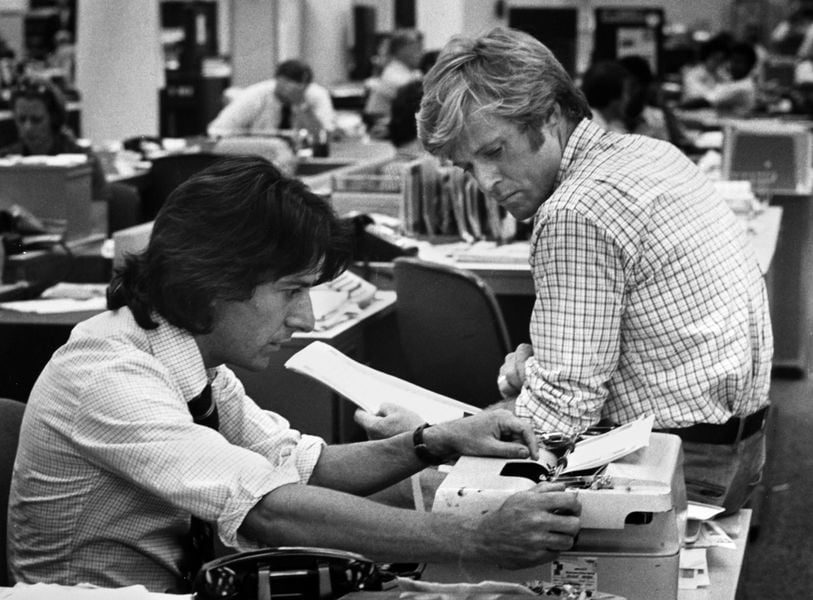
Alan Pakula made many great conspiracy thrillers and political dramas, but All the President’s Men was unique because it was based on a true story that was quite recent at the time. It was a major step forward in the representation of the media to cast A-listers Robert Redford and Dustin Hoffman as Bob Woodward and Carl Bernstein, respectively, and the film’s best scene comes when the pair take a phone call with Kenneth H Dahlberg in order to ascertain details about the Watergate scandal.
The scene crystallised the nature of the corruption within Richard Nixon’s presidential administration, which was important given how confusing the situation was perceived to be at the time. It’s also one of the most effective portrayals of the reporting process that there has ever been, and has been shown to incoming freshman students taking journalism college courses ever since.
The prom massacre – ‘Carrie’ (Brian De Palma, 1976)

Brian De Palma officially announced himself as the Alfred Hitchcock of a new generation with Carrie, the first of the many films based on the writing of Stephen King. Carrie crossed many lines with the amount of onscreen violence it was willing to show, but the massacre of the students by the bullied Sissy Spacek’s title character at the school prom is by far the most disturbing moment.
The scene solidified that De Palma was fearless when it came to explicit content and guaranteed that none of the disturbing details from King’s novels would be ignored in subsequent cinematic adaptations. It also helped to make the film more complicated in pinpointing who the antagonist was, where, even though Carrie is an extremely sympathetic character, Spacek is able to make the transformation from meek to terrifying over the course of the shockingly bloody sequence.
Paul Newman’s cameo – ‘Silent Movie’ (Mel Brooks, 1976)
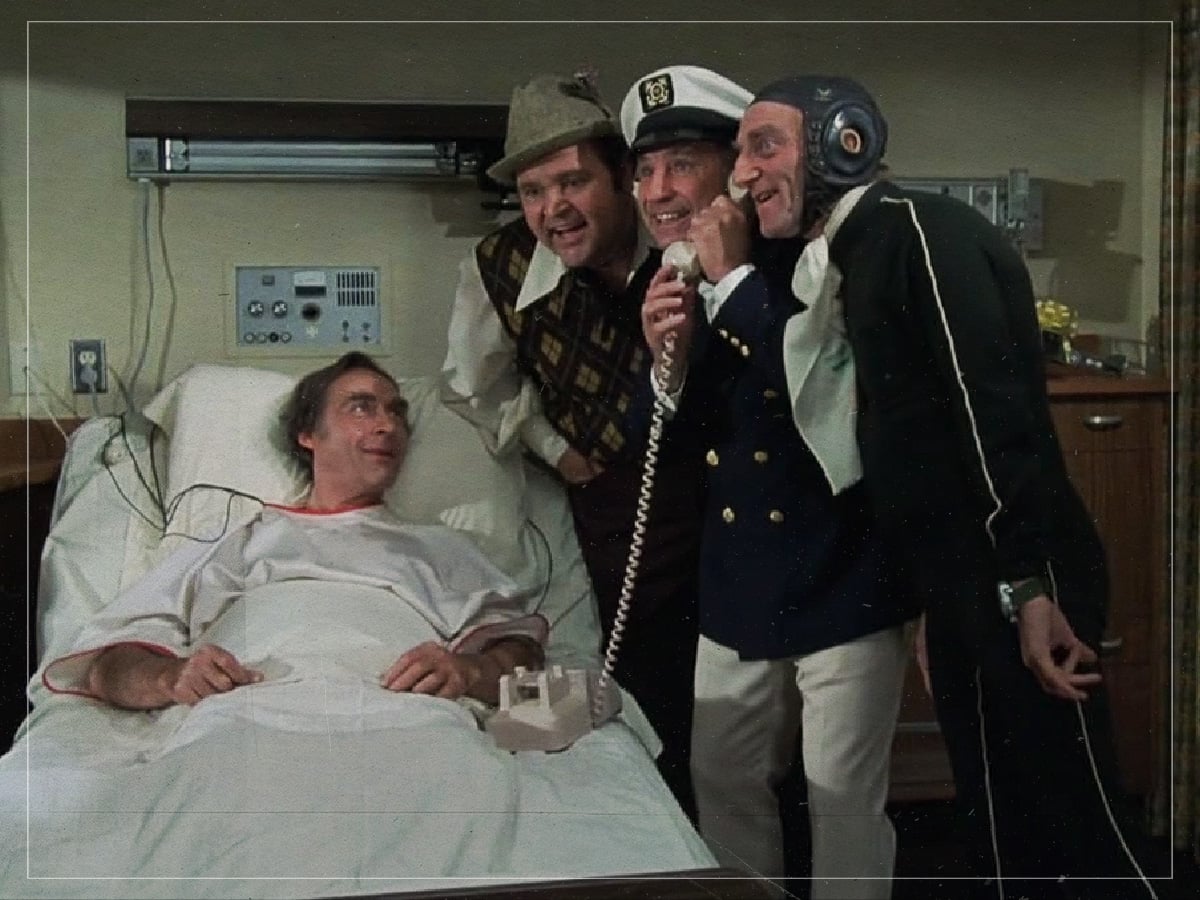
Mel Brooks had achieved many breakthroughs within his career, but Silent Movie was particularly audacious because it lampooned the business-oriented nature of Hollywood and cast clueless executives in a negative light. Brooks was able to make this satirical edge more authentic because he included cameos from some of the biggest stars in the world at the time; while Liza Minnelli and Burt Reynolds had funny appearances, the fact that Brooks was able to convince Paul Newman to show up indicated that he could get virtually anyone to be involved in one of his films.
Silent Movie wasn’t the first film to make use of celebrity cameos, but it did lay the groundwork for subsequent comedies that featured original characters interacting with real-life Hollywood figures, and titles that pulled off similar conceits thereafter include The Player, Tropic Thunder, Ocean’s Twelve, and many of The Muppets films.
Street Thunder attack Los Angeles – ‘Assault on Precinct 13’ (John Carpenter, 1976)
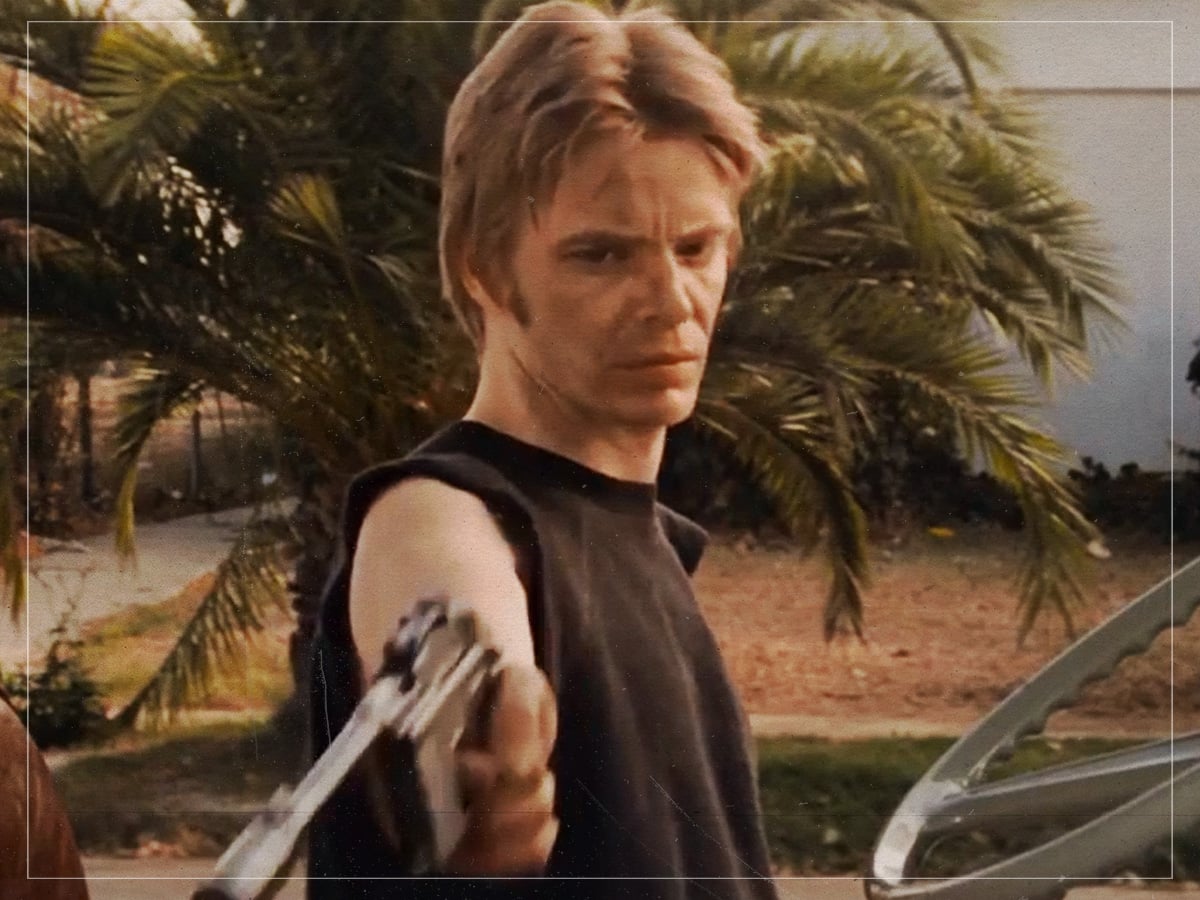
John Carpenter has often spoken about his love for Howard Hawks’ westerns and war films, and he certainly succeeded in bringing the same gritty sensibilities to his breakthrough Hollywood film, Assault on Precinct 13, where, even with crime and exploitation films being popular during this era, its opening sequence, showing the members of the Street Thunder gang attacking and killing innocent civilians in Los Angeles, including a child, still remains shocking.
Carpenter would make a career out of creating horrific images that were impossible to unsee, and this film showed what he was capable of on a minimal budget, so while his debut film, Dark Star, was a fun but mostly forgettable parody of space opera adventures, Assault on Precinct 13 showed the ruthlessness that he would abide by within his legendary run of classics.
The shootout – ‘Taxi Driver’ (Martin Scorsese, 1976)
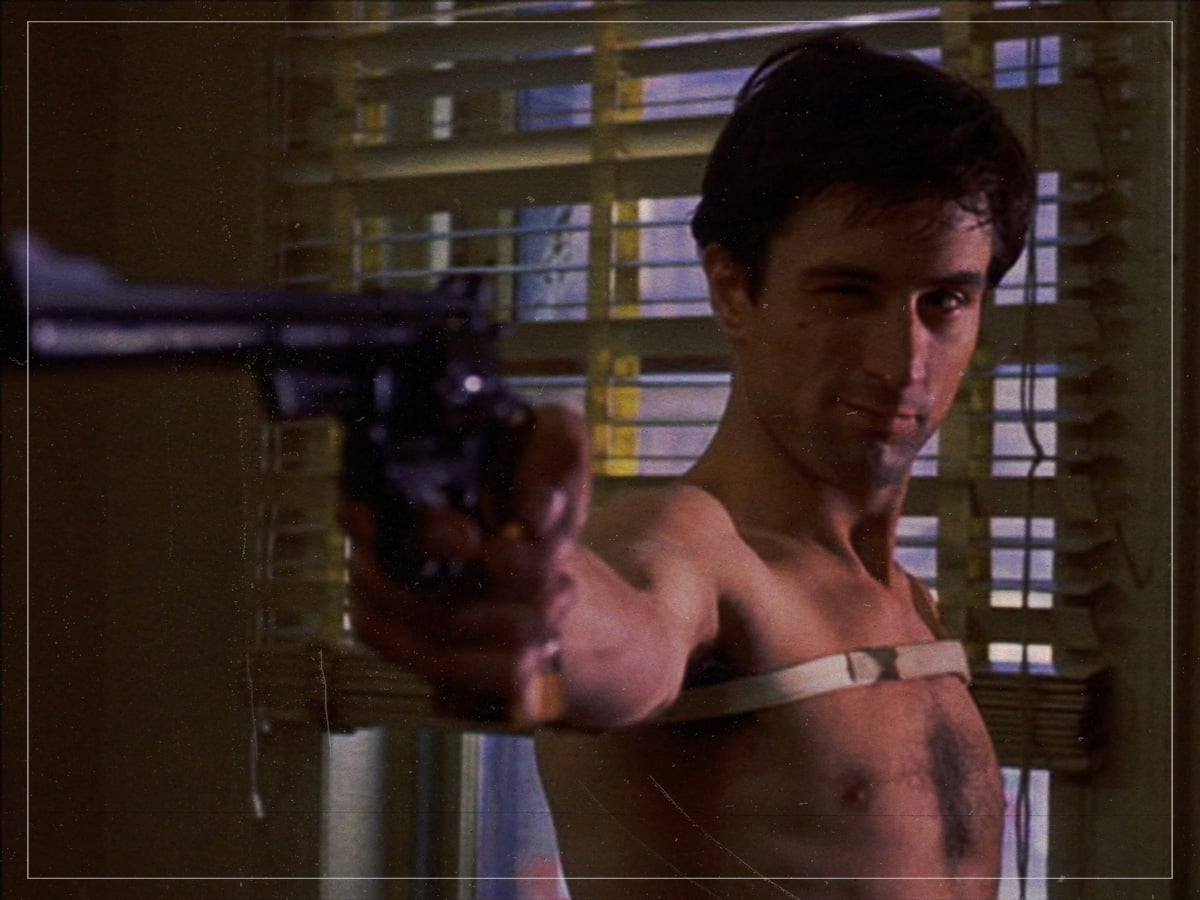
Martin Scorsese, Paul Schrader, and Robert De Niro worked together to create one of the most important and influential film characters of all-time with Travis Bickle, the anti-hero who represented the audacity of New Hollywood, such that there will never be another film that captures the same authentic complexity within Bickle, an undeniably psychopathic character who ends up being framed as a hero when the media lionises his attack on the child traffickers.
It was a critical moment in which Scorsese pulled back the curtain to question the audience, suggesting that they were complicit in admiring Bickle, despite his many flaws, but of all the most iconic images in Taxi Driver, the shot of De Niro holding a bloody finger to his head in the shape of a gun is most representative of the closeness to death that made Bickle into an unassailable, unstoppable force of nature.
