


Brian De Palma and Sissy Spacek’s major difference of opinion on ‘Carrie’

The 1970s was a watershed moment for horror, with the easing of mainstream cinematic censorship in 1968 allowing the genre to become more graphic and grittier than ever.
Of course, the ‘60s had seen some fantastic horror films, like Psycho and Rosemary’s Baby, but with a new decade came lesser restrictions, and nothing seemed off limits.
For budding horror writer Stephen King, this new landscape proved to be the key to super stardom, because in 1976, the first of countless adaptations of his stories made it to the big screen in the form of Carrie. Following a timid teenage girl whose supernatural powers eventually wreak havoc against those who have wronged her, including her devoutly religious mother and the school bullies, the book had been published just two years prior as King’s debut novel, but director Brian De Palma knew it was destined for the silver screen.
With a character as complex as Carrie, a fearful and anxious teenager whose strength grows over the course of the story, inevitability resulting in rage, De Palma needed to find the perfect actor to play her, and that’s where Sissy Spacek, who’d just starred in Badlands, entered the conversation. With her unique appearance defined by her huge, glassy eyes, she had the perfect ability to convey Carrie’s nervous, unstable energy.
It was a proper breakthrough moment for Spacek, and not only that, De Palma experienced the biggest success of his career to date, while King was suddenly thrust into the spotlight as one of the most exciting new writers around. It really defined an era of increased violence, nudity, and gore in the mainstream, with the opening scene shoving a barrage of naked female bodies into our faces, a hazy lens leering on the girls’ locker room with the kind of perversion the ‘70s sadly did so well to the point of major discomfort.
Regardless, the film is undoubtedly fantastic besides the questionable gaze, with the battle for freedom between Carrie and her mother, played terrifically by Piper Laurie, being so visceral and intense. This is a teenage girl who has never been loved properly and safely, and paired with the bullying she experiences at school, it’s understandable that she just snaps from her core.
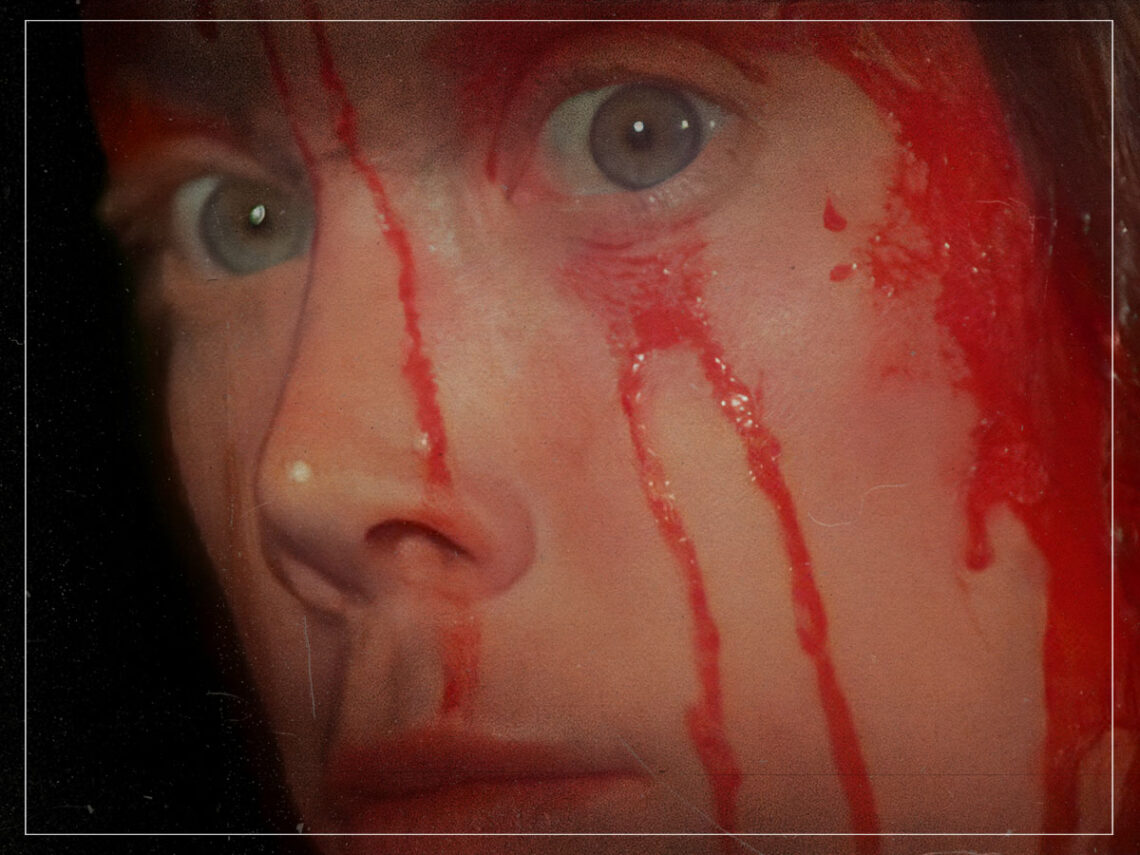
Drenched in blood, Carrie uses her powers to set the gymnasium on fire in one of the most iconic moments in horror history, but is this a defining image of teenage angst? According to Spacek, she had a slight disagreement with De Palma on the core message of the film, with the filmmaker insisting that this was the ultimate tale of teenage disillusionment, while the actor thought it was a little more gender-specific.
“I remember always saying to Brian De Palma, the director of Carrie, that this story is really about a young girl who is an artist who just wants to be normal, and he’d say to me, ‘No Sissy, it’s about teenage angst’,” Spacek told Comingsoon.net.
However, she eventually saw where he was coming from, agreeing that there is certainly a universal appeal to the situation of isolation that Carrie finds herself in, noting, “And I guess it’s about all those things and I believe that everyone at some point in their life felt like Carrie in their lives, especially in high school and I think that’s why people connected with her. It’s healthy to find catharsis through characters in film.”
You can’t deny that the theme of Carrie relates pretty strongly to the experience of being a teenage girl, with the movie literally beginning with her getting her period for the first time, a vision of pure terror welcoming us as she runs through the locker room. But with all good films, a sense of universality can always be found through a strong enough performance, and Spacek certainly delivered one of the greatest that the horror genre has ever had to offer.
