


Why the opening sequence of ‘Carrie’ ruins the entire movie

Stephen King’s first novel, Carrie, completely changed his life.
Not only was it a huge achievement for his writing career, but it set the precedent for the author’s work to become some of the most commonly-adapted texts in cinema history. What other living writer has had such consistent interest from filmmakers?
The success of Carrie demonstrated that King’s terror-filled stories could make for great cinema, their foundations in the mundane making the supernatural or extraordinary moments even more unsettling. With the rise of popular horror cinema during the 1970s, propelled by movies like The Exorcist and The Texas Chain Saw Massacre a few years before, Carrie came at the perfect time, complete with a terrific and wholly off-putting performance from Sissy Spacek, a talent as endlessly unique as her name.
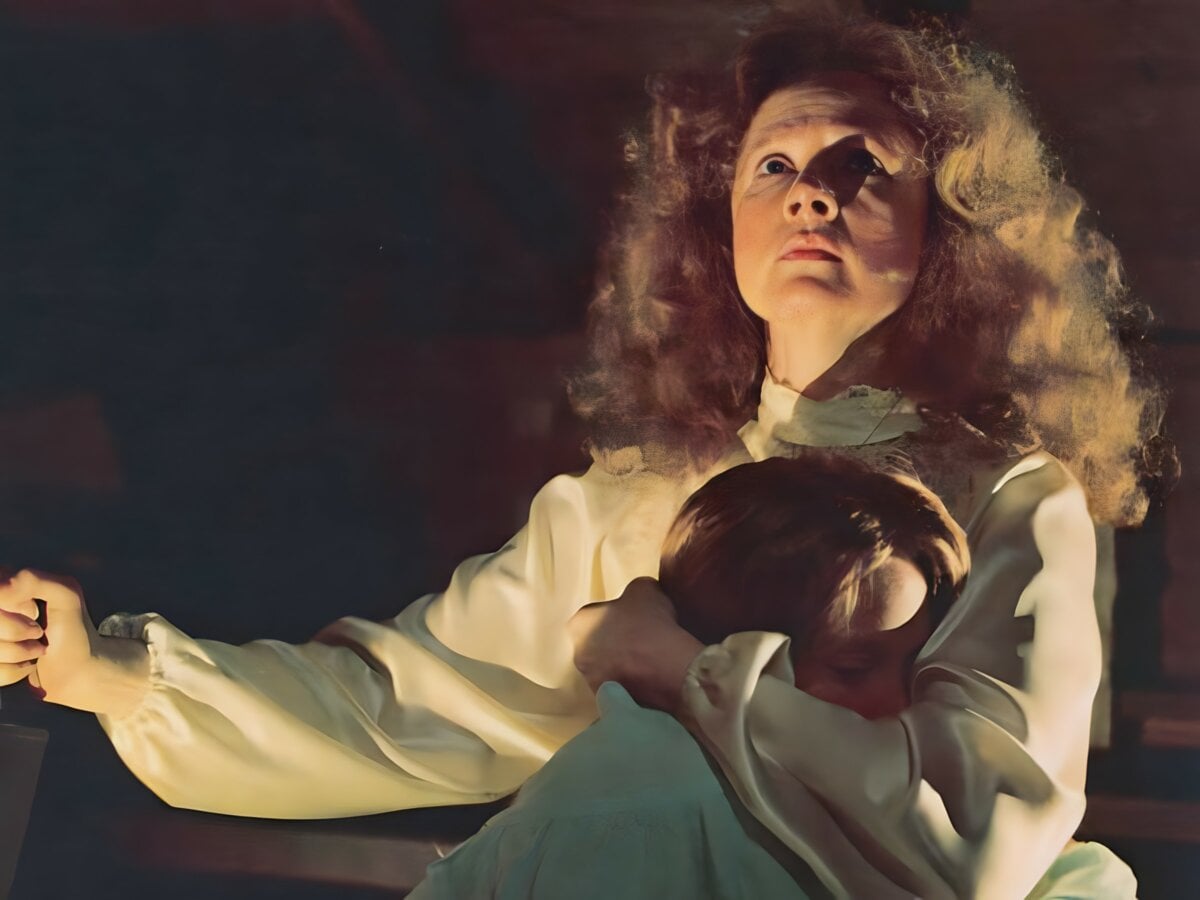
Playing the teenage protagonist, Spacek’s character uses her recently-discovered powers of telekinesis to seek revenge on those who have wronged her, such as her bullies and her puritanical mother, who even accuses her of witchcraft. Carrie is simply an outsider with a strained home life, but in director Brian De Palma’s (and King’s) hands, her story takes on a supernatural display of tragedy, where religious fanaticism and repression have disastrous consequences for all involved. Everyone suffers from Carrie’s mother Margaret’s tyrannical approach to parenting, which leaves Carrie a shy and terrified shell of an individual, now susceptible to otherworldly powers.
Carrie says a lot about female sexuality and coming-of-age as a teenage girl (despite the fact it was written by a man), with the story seemingly warning us of the dangers of suppressed desires and the misogynistic repression of female bodies at the hands of religious institutions. Carrie’s weakness is preyed upon by the other students, representing a society where those who don’t conform to the correct mode of femininity are punished and ridiculed.
The film has many indelible scenes, like the iconic prom sequence where Carrie is doused in pig’s blood, only for her to set the gymnasium alight with her psychic powers, tying back to the anxieties felt in the first sequence. It’s one of horror’s most unforgettable moments and something that people have paid homage to for decades since and you simply can’t much improve on that.
Yet, there’s something that majorly lets the film down, and that’s the opening sequence. It’s a tricky one, because on the one hand, what De Palma sets out to achieve is clear, but the means of doing so only plays into the complicated depiction of women on screen.
Following a sports lesson, the teenage girls head to the changing rooms to shower and get dressed, and here we’re given an eroticised view of the female body, shot in slow motion as the camera pans through the steam-soaked room, where 16-year-old girls are fully naked, soundtracked by a romantic score that makes it feel like we’re watching the start of some dodgy porno.
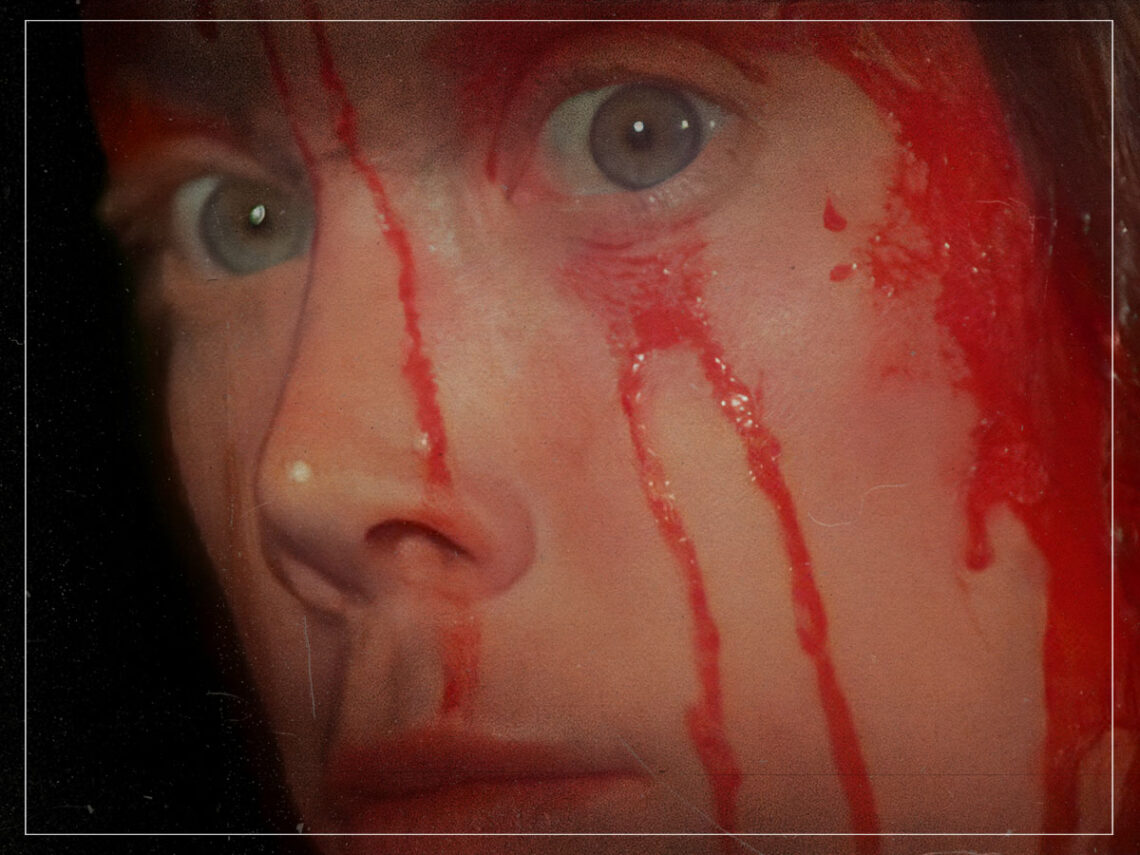
From there, we see Spacek, fully naked and lathering herself up with a bar of soap. Close-up shots of her stomach (very Psycho), her breasts, which she cups with her hands, and the top of her thighs are shown through the horniest lens imaginable, creating a portrait of a teenage girl that definitely should not exist. It’s uncomfortable and kicks the film off to an uneasy start, although De Palma’s evident reasoning for this scene suddenly becomes clear when the blood of Carrie’s first period trickles down her leg, leaving her terrified due to her lack of education on the menstrual cycle.
The music and slow-motion suddenly stop and when we pan back to the rest of the girls, they’re now clothed. Only Carrie is naked and covered in blood, and she runs screaming at them, thinking she must be dying. This sudden contrast depicts the eroticised way that society views the female body as opposed to what it is actually capable of, which sets the tone for the film. Repression and a lack of awareness of our own bodies can only cause fear and social stigma.
Yet, the fact that a group of adult men shot a scene like this, with teenage girls shown naked from the very start of the film, only plays into the objectification of young women and girls on screen, and thus in real life, painting them as nothing but eroticised figures to be oogled. The intensity of this male gaze is so strong that whatever point De Palma is trying to make loses all of its original intention.
Carrie is still a great film, well-executed in its exploration of female coming-of-age, the pressures of trying to fit in, and the dangers of oppressive religious beliefs getting the best of you. Thus, it’s a shame that the movie opens by leaning into such a demonstrable perpetuating of a cinematic landscape where women are defined by their bodies before they even open their mouths; a scream feels the only solution.
