


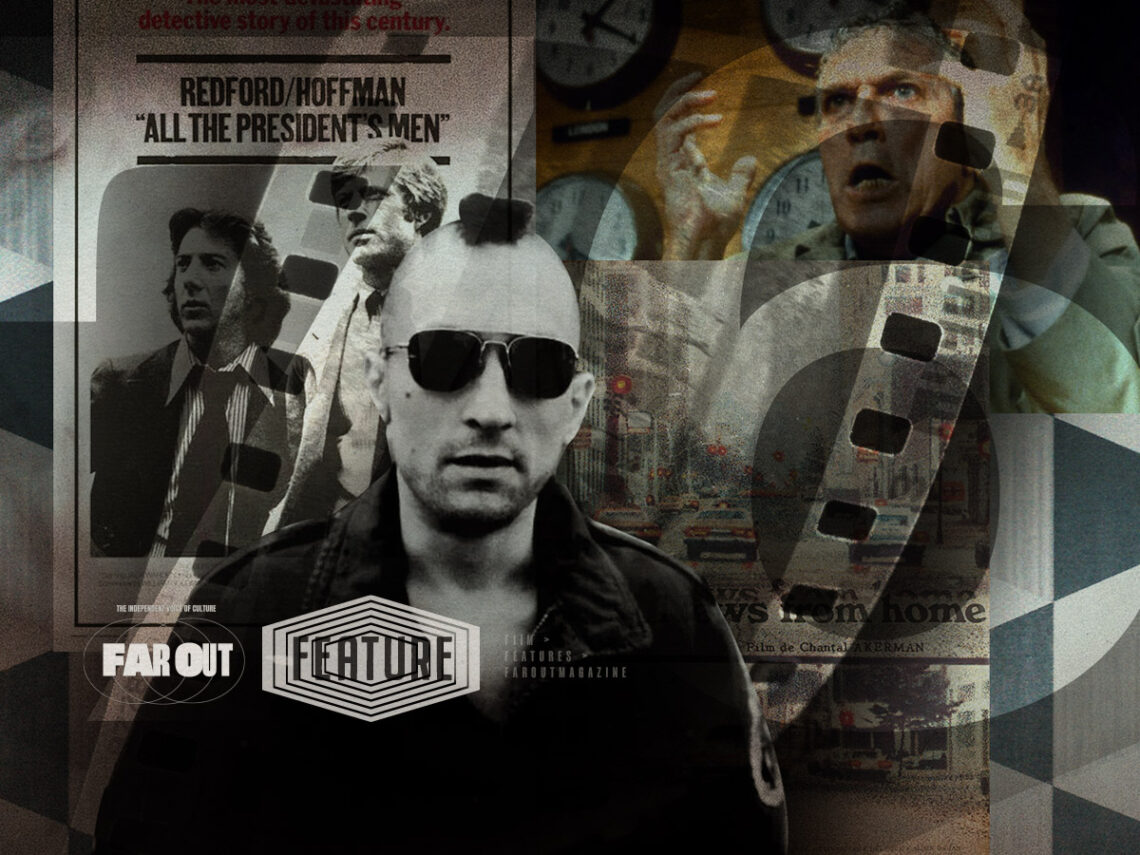
Five movies from 1976 that will still be remembered in 100 years

It’s not hard to identify when you’ve watched a movie that will still be remembered in decades to come. While many films fall to the wayside almost as fast as they hit movie theatres, others leave an incredible impact, saying something enormous about the political climate or the human experience that can transcend time and borders.
The 1970s were a monumental decade for American cinema in particular, with the New Hollywood era giving us some groundbreaking movies that pushed the boundaries of what was considered acceptable in the mainstream, all thanks to the demise of the Hays Code and the rise of arthouse and foreign cinema’s popularity and accessibility.
By 1976, 50 years ago now, the blockbuster era was starting to emerge, but plenty of smaller films still prevailed. It was a time when artfully crafted films could easily perform well, not having to battle with flashy franchises and CGI-laden flicks to go down in cinema history.
There were thousands of movies released in 1976; some were great, some were merely a footnote in the art form’s story, but the five listed below are undoubtedly going to be remembered for a long, long time.
Five movies from 1976 that will still be remembered in 100 years:
‘Mikey and Nicky’ (Elaine May)
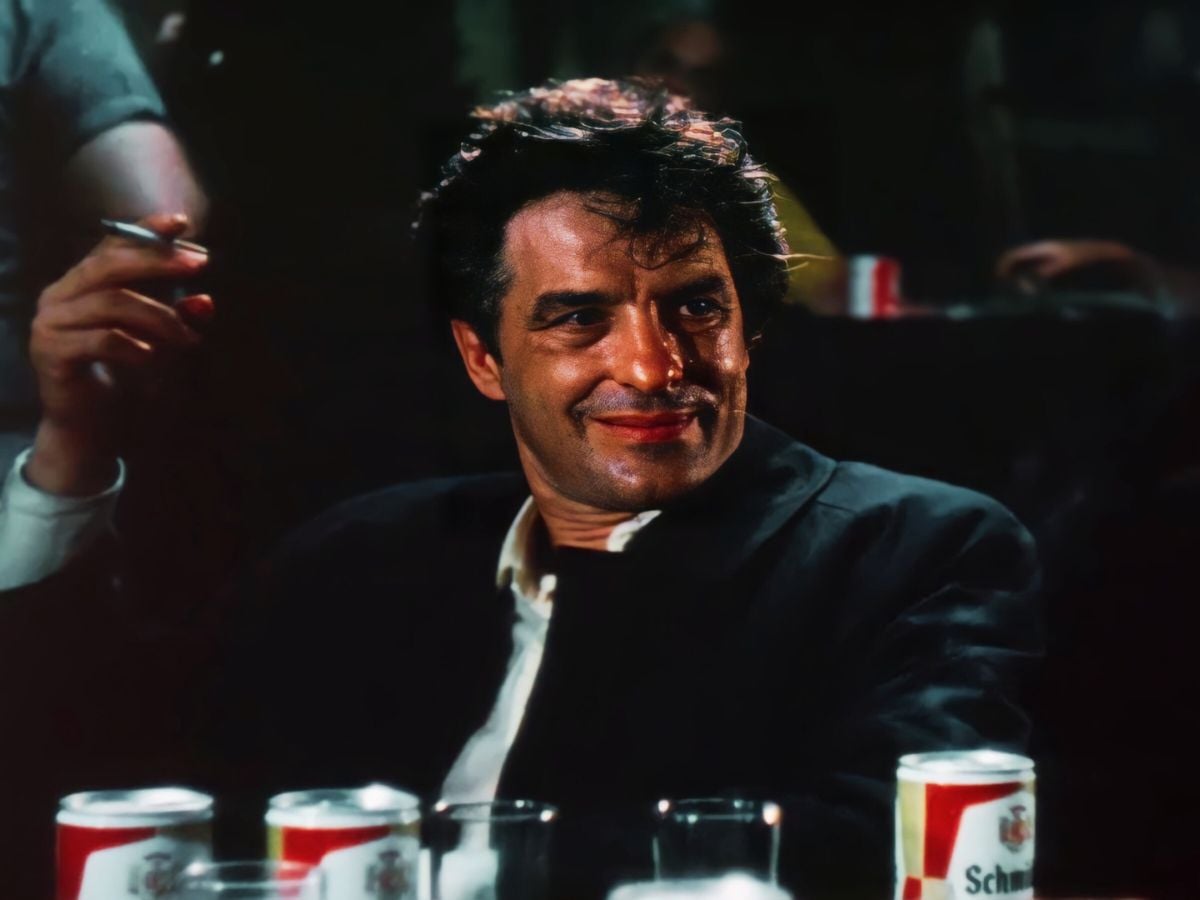
Speaking of masculinity, Mikey and Nicky is another perfect portrait of the topic, framed by the feminine gaze of director Elaine May. With legendary filmmaker John Cassavetes taking a step in front of the camera, he stars alongside Peter Falk as childhood friends who come to spend a tense night together, with Nicky convinced that he is going to be killed by a mobster. Using over a million feet of footage, the film was painstakingly crafted by May, who’d never made a movie quite like this before.
The film is a testament to the importance of friendship, and how easily it can break. Betrayal and paranoia are key themes here, and decades on, it still holds up as an exhilarating encapsulation of the cost of individualism. There is no doubt it will still be appreciated in 100 years, because it feels timeless – led by such caustic performances from Cassavetes and Falk.
‘All The President’s Men’ (Alan J Pakula)
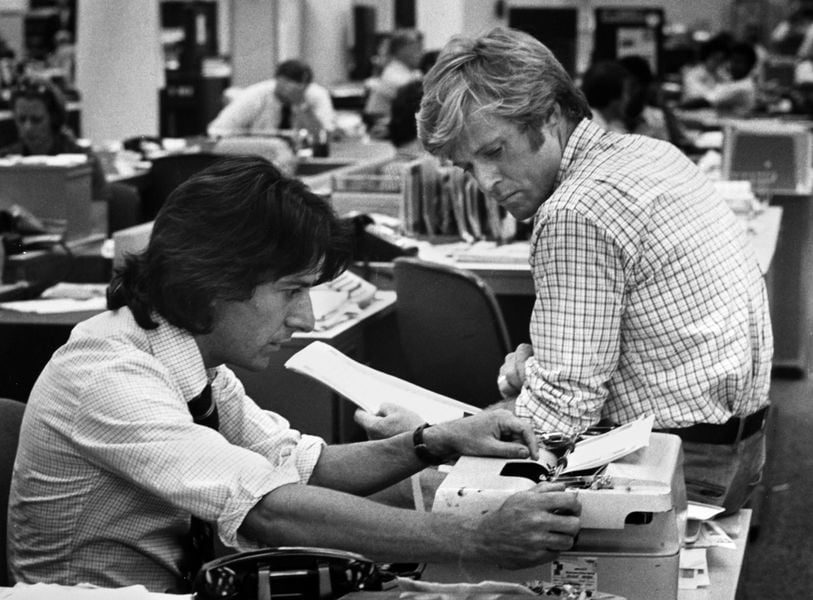
All The President’s Men might be about the Watergate scandal that took place in the early 1970s, but that doesn’t mean it doesn’t have the power to still feel blisteringly relevant years later. Kept afloat by stunning performances from Dustin Hoffman and Robert Redford as two reporters trying to uncover the truth, it’s just brilliant. Our world will always be full of scandal and political corruption, so it’s not like the events of Pakula’s film are ever going to feel dated. And neither does the skilful filmmaking at its core, which is laden with suspense.
It’s a masterclass in capturing the importance of constantly questioning higher powers and refusing to accept everything at face value. The journalists played by Hoffman and Redford search for answers in the name of freedom and equity, and it’s a true feat of filmmaking from a director who was always switched on to political and social issues that defined the era, as seen by his other classics, like Klute and The Parallax View. It’s All The President’s Men, though, that remains his most unforgettable.
‘Network’ (Sidney Lumet)
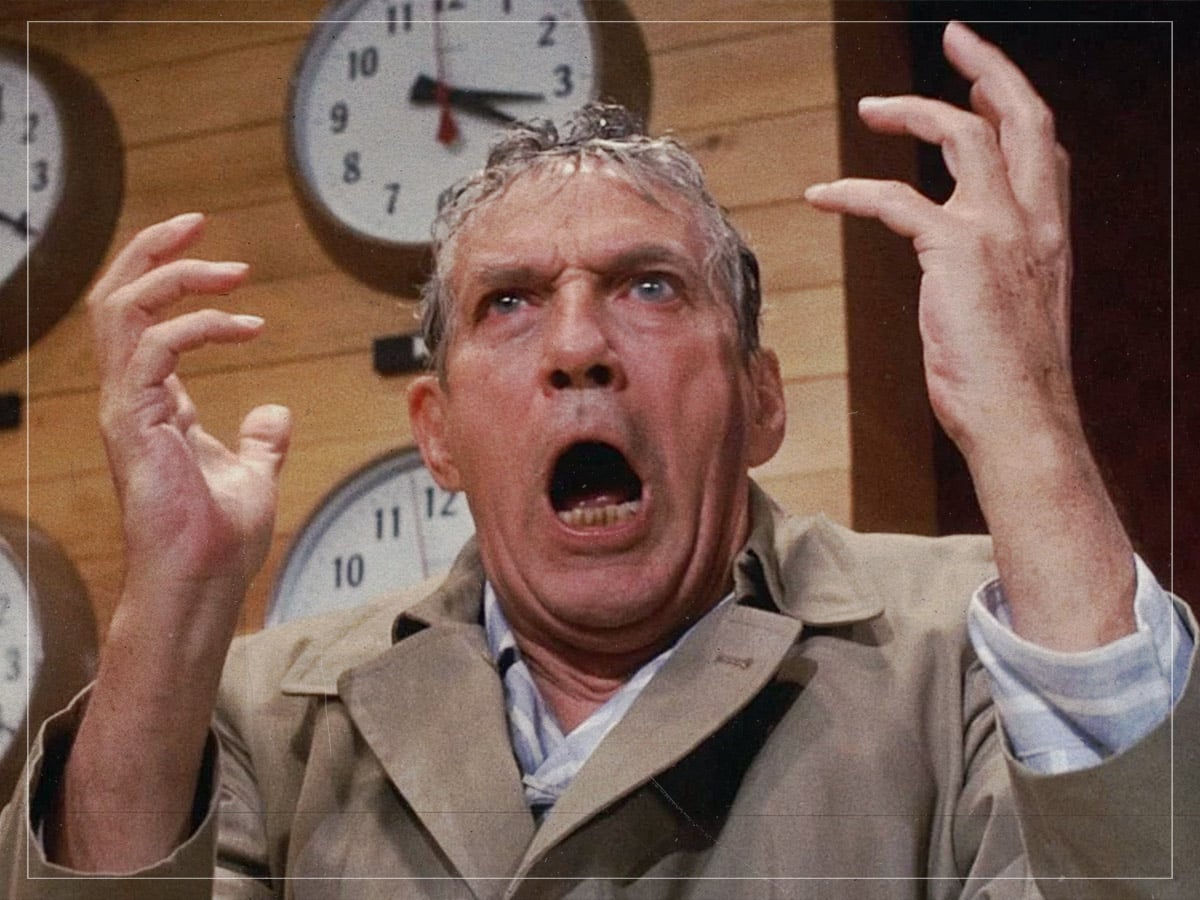
Peter Finch always delivered an exceptional performance, whether he was holding his own opposite Audrey Hepburn in The Nun’s Story or reckoning with his identity in Sunday, Bloody Sunday. A movie that really feels like ‘his’, though, is Network, directed by Sidney Lumet. It proved to be his last performance – he’d die shortly after from a heart attack – but what a final note to end on. Finch played the frustrated news anchor whose last straw is broadcast live, following declining ratings that inspire an electrifying breakdown.
As we continue to live in an era where the media is saturated in manipulation, fake news, social media brain rot, and exploitation, Network feels even more relevant than it did back in the mid-70s. In years to come, I’m sure viewers will still resonate with Lumet’s portrayal of corporate greed and the destruction of the media into something shallow, devoid of hope, and a symbol of our dying times.
‘News From Home’ (Chantal Akerman)

Chantal Akerman is best known for her epic feminist text Jeanne Dielman, 23 quai du Commerce, 1080 Bruxelles, which is often cited as one of the most profound movies ever made. Yet, just a year on, she delivered an incredibly intimate documentation of her relationship with her mother, News From Home, in which Akerman reads letters penned by her mother. These were sent to her while she lived in New York, and images of these streets and scenes grace the screen in all of its grime-soaked beauty as we get a glimpse into the personal world of an artist trying to make it, alone, in such a big city.
Meanwhile, her mother expresses concern, allowing a tender portrait of strained relationships, worry, alienation, and creative desire to emerge with a rather minimal effect. This is a slow, real depiction of attempting to navigate life, with Akerman allowing the sound of the streets, ever-moving yet simultaneously isolating, to accompany her words. It’s a breathtaking piece of work, and once you see it, you’ll never experience a big city quite the same. You might also want to call your mum.
‘Taxi Driver’ (Martin Scorsese)

The moment you hear Bernard Herrmann’s creeping, seedy main title for Taxi Driver, which transcends into a smooth, jazzy encapsulation of a dreamy New York City night before finding an uneasy place again, you know you’re in for a film that you’re not going to forget any time soon. Martin Scorsese’s Palme d’Or-winning film is one of his finest, propelled by an incredible performance by Robert De Niro as the troubled Travis Bickle.
As he surveys the streets of the rat-infested, neon-soaked city, picking up prostitutes, pimps, and maniacs, Travis reckons with his own mental deterioration, affected no less by his Vietnam war-induced PTSD and insomnia. His transformation into complete anti-hero, his hair buzzed on either side as he trains for some warped vision of glory, is one of the most compelling tales of masculinity and alienation ever put to screen.
