


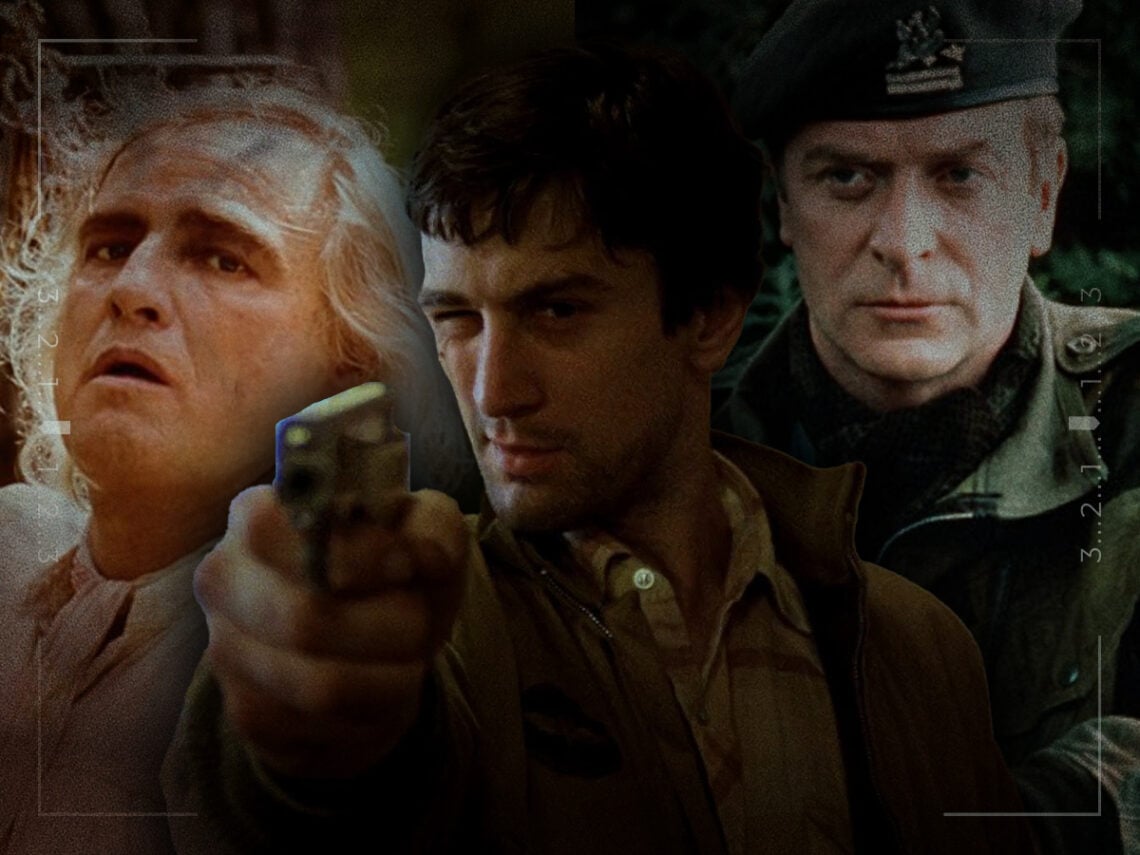
10 movies from 1976 that would never be made today

1976 was an all-time great year for film, and it might not ever be replicable.
The 1970s were an era in the midst of the New Hollywood movement when there were creative, challenging films made on a studio level, as well as truly game-changing, smaller productions that came from overseas and independent outlets. It was a time when the moviegoing public was connected to what was most vital to the culture, as the highest-grossing films of the year tended to be some of the best. That’s a paradigm that shifted entirely in the five decades since, and there couldn’t be a starker difference between acclaimed titles like One Battle After Another and Marty Supreme and blockbusters in the vein of The Super Mario Galaxy Movie and A Minecraft Movie.
1976 was a monumental year in mythmaking, as Rocky won the Academy Award for ‘Best Picture’, solidifying Sylvester Stallone as a star and launching a franchise that continues to this day. It was also a time in which both studios and filmmakers weren’t afraid to wade into political waters, as timely dramas like All the President’s Men and Network were beloved by critics, audiences, and awards voters. Horror was also peaking thanks to The Omen, which proved that the genre could be ‘prestige’.
However, for better or worse, there are many films from 1976 that would never be made today, especially in the wake of a rapidly evolving industry with fewer studios, the rise of streaming services, and a lack of interest in completely original material, and below are ten such picks.
10 movies from 1976 that could never be made today:
‘The Eagle Has Landed’ (John Sturges, 1976)
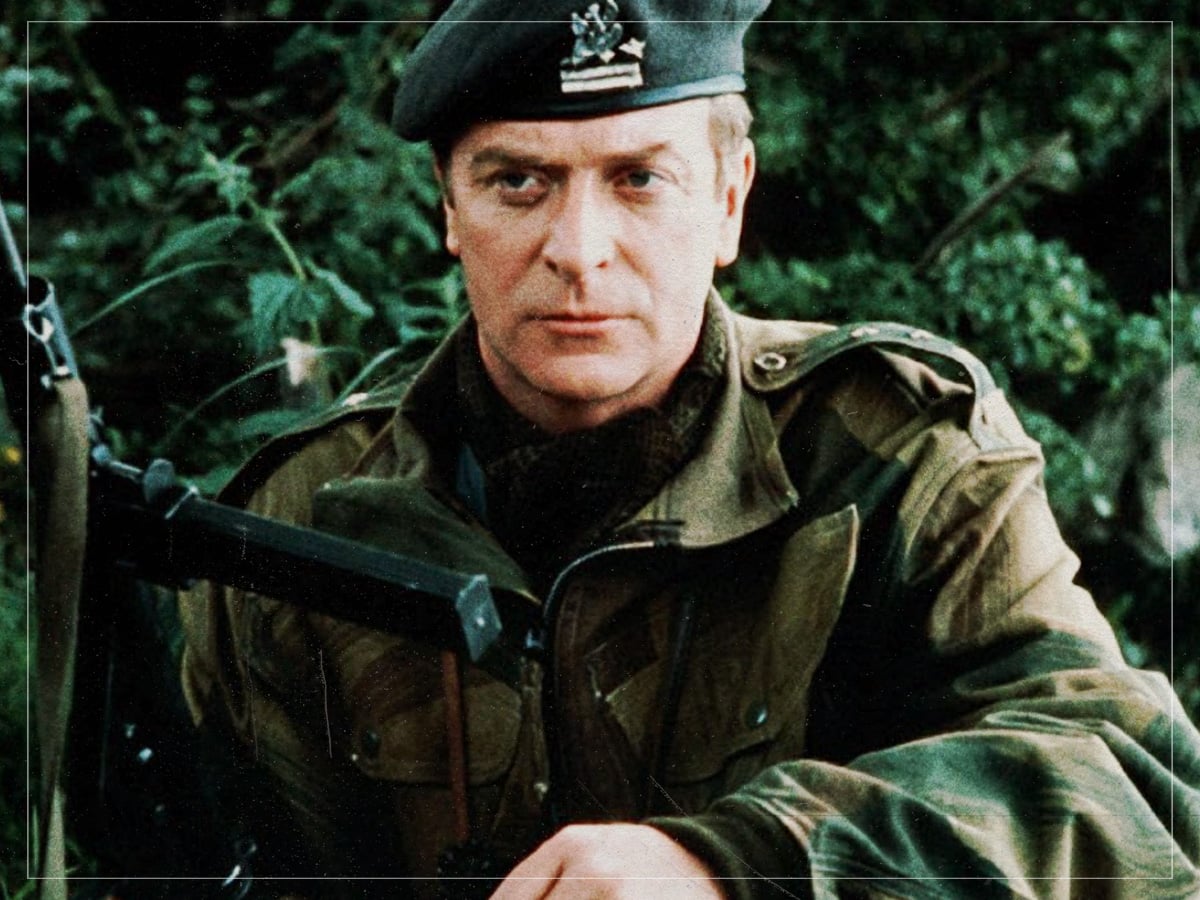
Michael Caine is one of the most quintessentially British actors ever, so it was a bit unusual for him to play a German character in the World War II adventure film The Eagle Has Landed, where he and Donald Sutherland starred as two SS officers who embark on a secret mission to kidnap Winston Churchill in this surprisingly lighthearted action thriller.
There’s nothing in The Eagle Has Landed that is overtly political, as the fact that the characters are Nazis is barely mentioned in terms of ideology, but there’s still no way that a film that presents the Germans in a remotely positive light would be greenlit, especially not with two famous movie stars who were very protective of their images attached to play the Nazi pilots. That it was made in the first place is pretty baffling.
‘The Missouri Breaks’ (Arthur Penn, 1976)
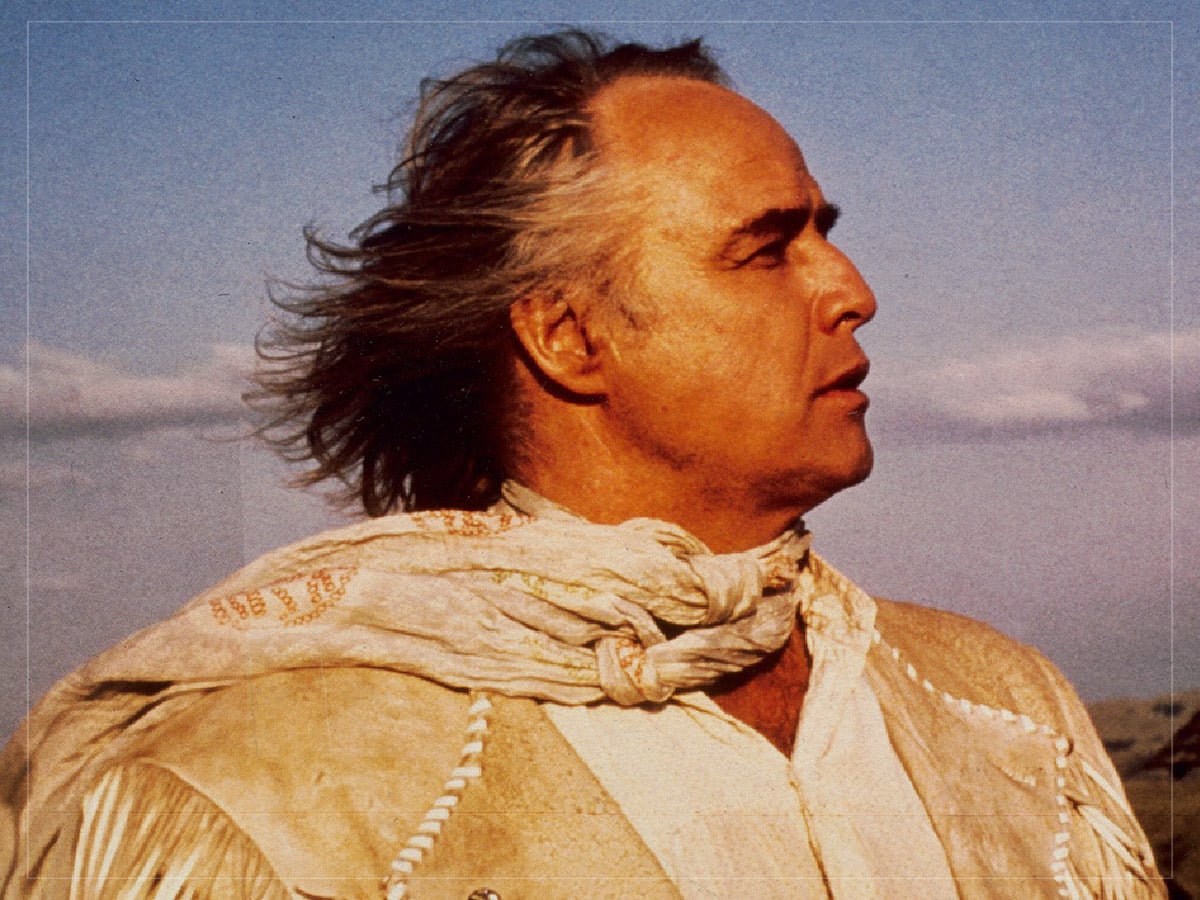
Marlon Brando may have gotten back in the good graces of the industry after he won the Academy Award for ‘Best Actor’ in The Godfather, but it wasn’t long before his reputation for being troublesome and difficult began to rear its head once more. Despite burning nearly every bridge that he was offered, Brando was still cast alongside Jack Nicholson, who had also just picked up his first ‘Best Actor’ Oscar for One Flew Over The Cuckoo’s Nest, in a western directed by Arthur Penn.
In 2026, it would be impossible for two newly minted Oscar winners at the height of their popularity to star in a complete dud, especially given that the western has only become less popular in the years since, and that Brando was given so many opportunities, despite his increasingly erratic and destructive behaviour, is a true anomaly.
‘The Killing of a Chinese Bookie’ (John Cassavetes, 1976)
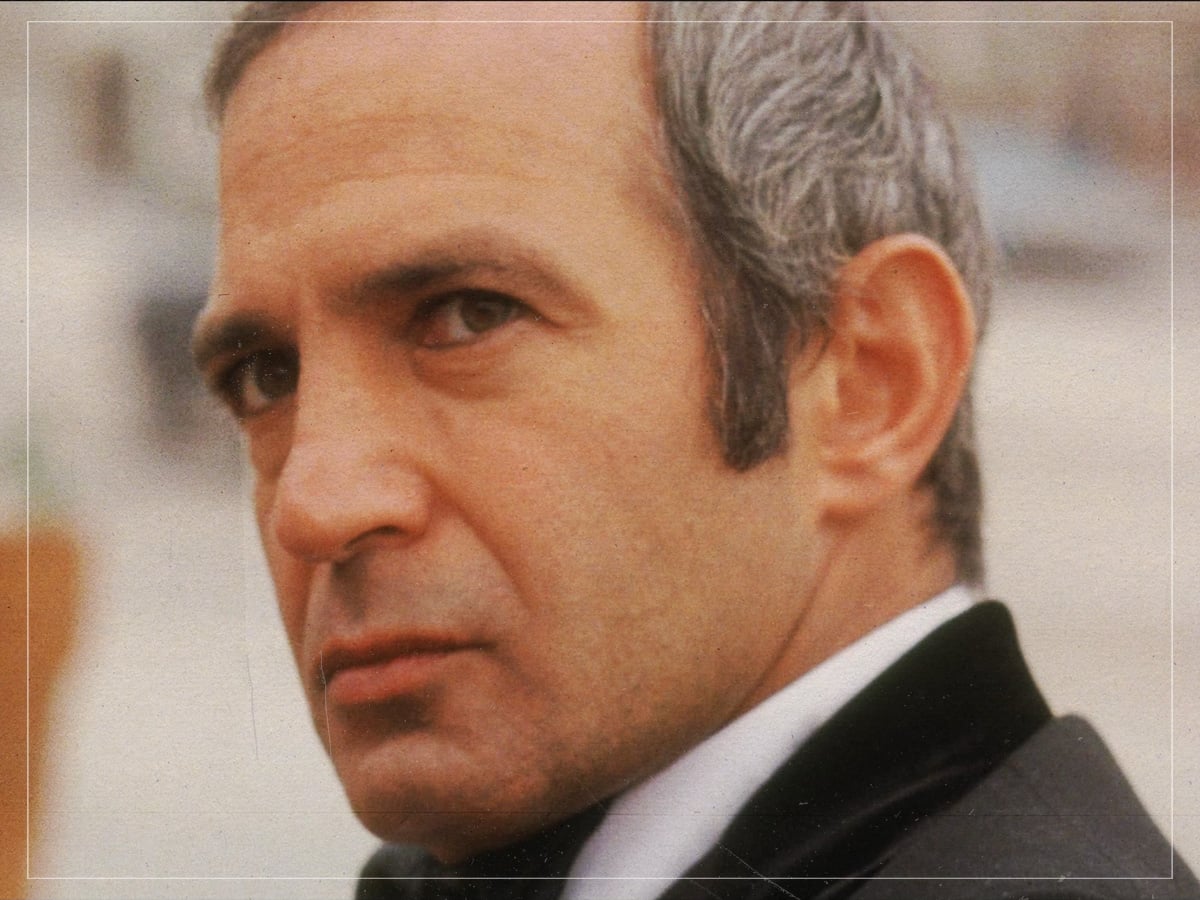
John Cassavetes has made many masterpieces, but this dark, twisted crime thriller with one of the most unlikable characters in film history makes The Killing of a Chinese Bookie stand out, especially because of how different it is compared to his other dramas, such as Faces or Opening Night, which are rich, psychological character dramas.
The notion of this type of exhausting, disturbing film being made by a major studio would be improbable, with the closest thing that the current decade offers being the films by the Safdie brothers, but even those have major A-listers attached like Timothée Chalamet, Adam Sandler, Robert Pattinson, and Dwayne Johnson. Ben Gazzara was an amazing actor, but he wasn’t exactly a massive box office draw that would help such a challenging film break out of its arthouse circles.
‘The Tenant’ (Roman Polanski, 1976)
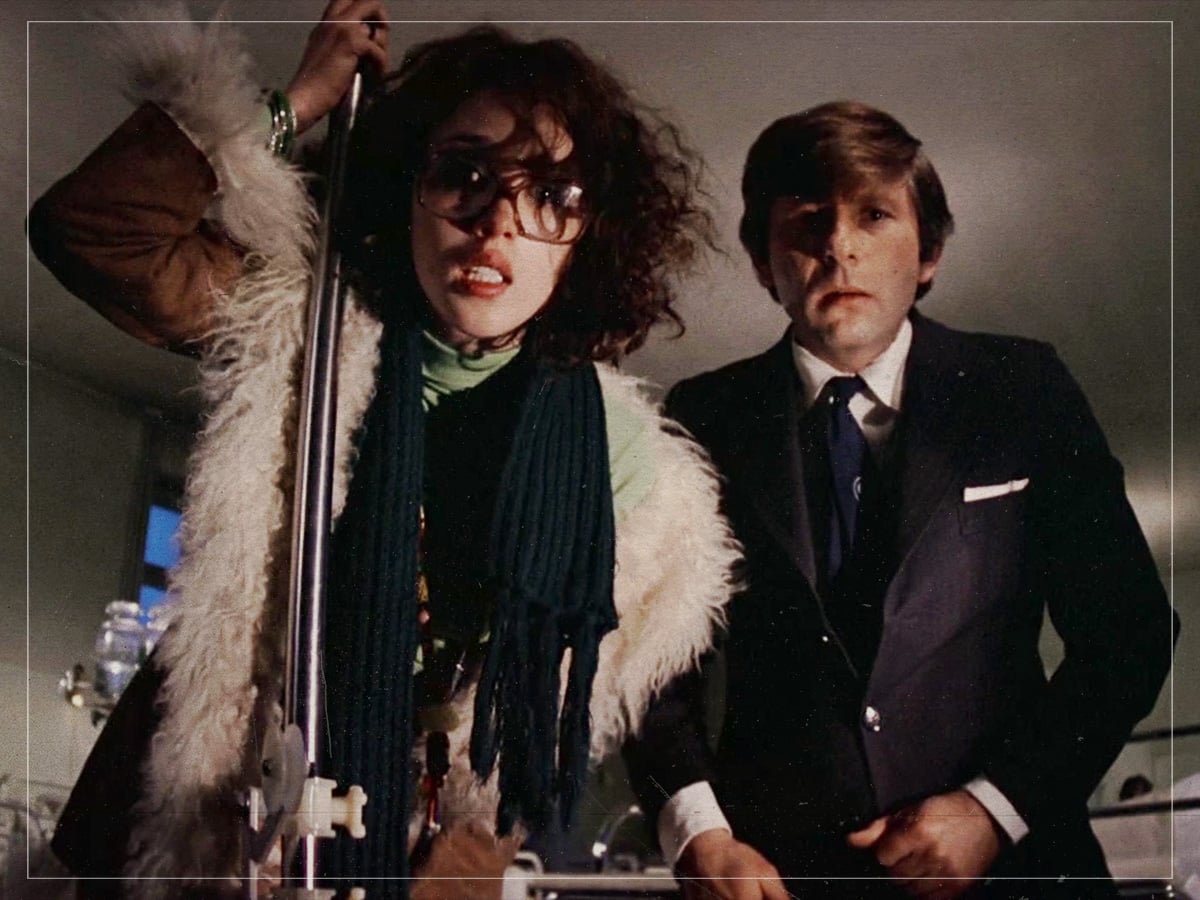
Roman Polanski is a complex Hollywood figure who made his last controversy-free film in The Tenant before he was found guilty of raping an underage girl, somehow able to continuously gain acceptance from the industry even after, but as of 2026, he’s been shunned completely, with his most recent film, The Palace, never seeing the light of day beyond being on the festival circuit.
While there’s a conversation to be had about whether it’s possible to separate the art from the artists, Polanski doesn’t offer that opportunity to the audience in The Tenant, where he also stars as character who is filled with anxiety about being persecuted, a theme that would have undoubtedly launched countless think pieces and articles had this psychological horror film debuted in the modern era of social media, Rotten Tomatoes, Letterboxd, and influencer culture.
‘Marathon Man’ (John Schlesinger, 1976)
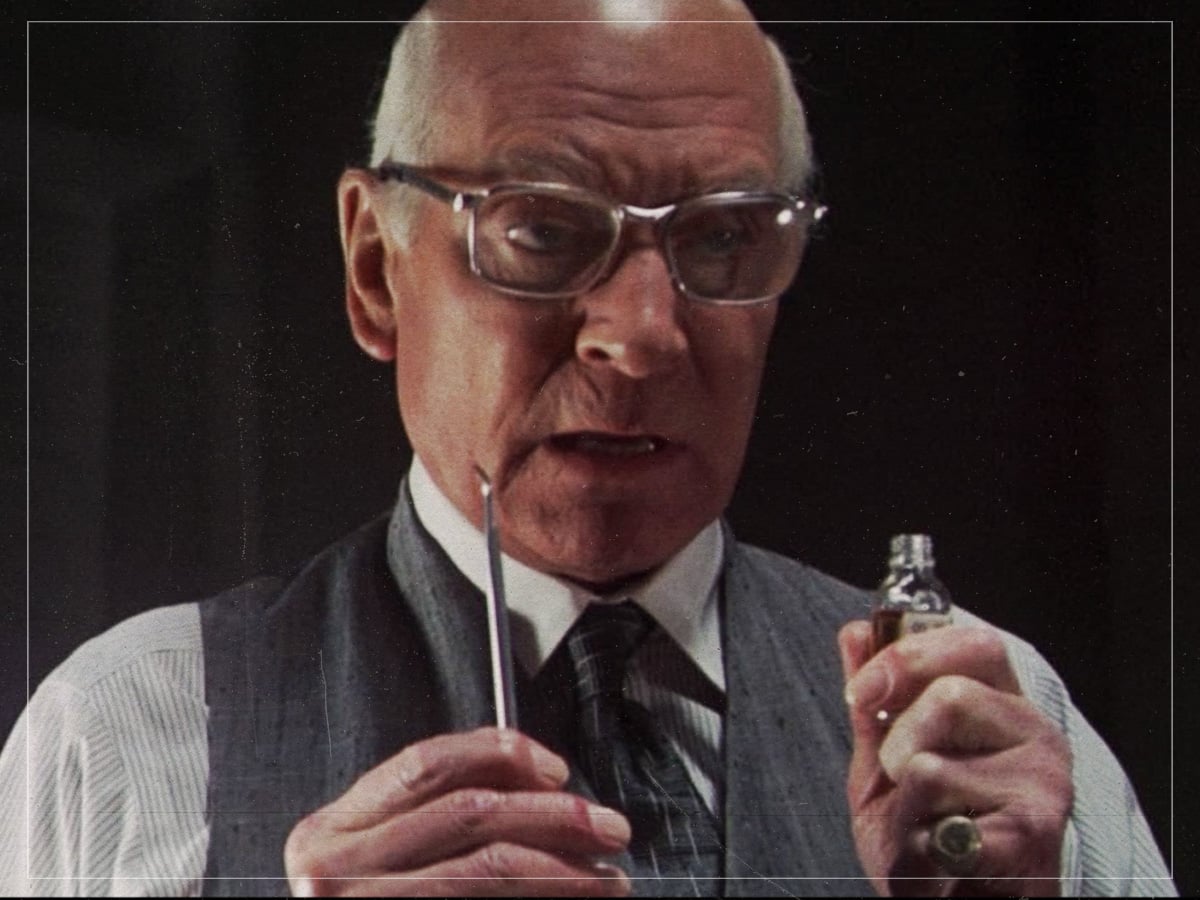
Dustin Hoffman and Laurence Olivier were celebrated actors considered to be masters of their craft, which made it all the more confusing why they would sign on to a film that is as ludicrous (albeit entertaining) as Marathon Man. These types of high-concept crime thrillers simply aren’t made by studios anymore, regardless of whether they have stars attached, with remotely similar titles being Triple Frontier or No Sudden Move, which were sent to debut on streamers with no possibility of being released.
Marathon Man’s legacy is the all-time great story of Olivier completely owning Hoffman, but this is the type of adaptation that would have undoubtedly been made into a miniseries for a streaming network, and it’s also pretty disturbing in a way studio films rarely are, with a scene involving torture that almost certainly would not fly today.
‘Logan’s Run’ (Michael Anderson, 1976)
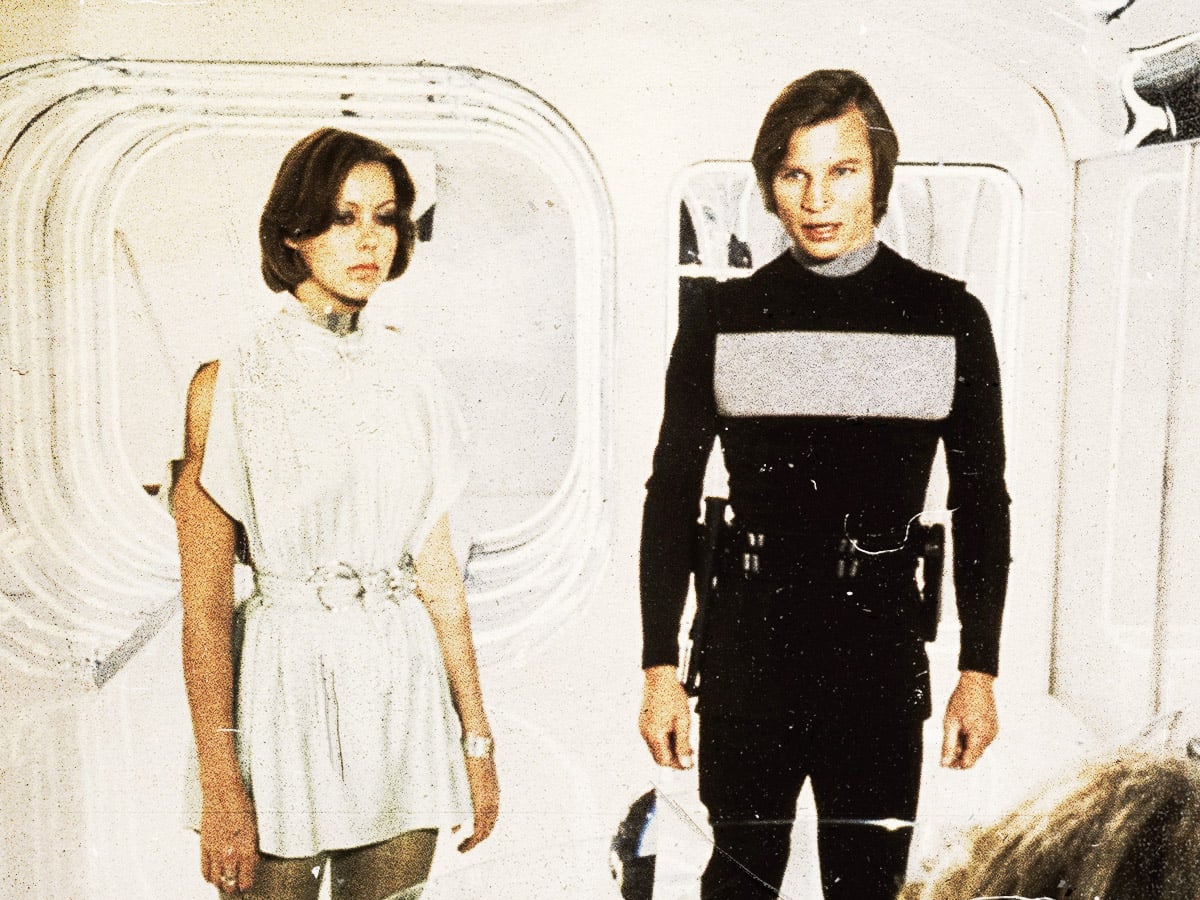
Science fiction is a genre that is used to parallel the world as it exists, and it can often be used as a means to send out a dire warning. Unfortunately, the last few years have indicated that the only types of sci-fi films that seem to take off at the box office are those that are connected to an established franchise, such as Dune or Mad Max: Fury Road, or present an optimistic future, such as Project Hail Mary or Arrival.
Dark, dour sci-fi films like Ad Astra or Blade Runner 2049, and Logan’s Run, in particular, would have been contentious because of the subject material. The film criticises the obsession with youth and body image that is a result of commercialisation and capitalism, but studios are so dependent on their advertising partners today that it is hard to imagine Logan’s Run being released without being diluted.
‘Mikey and Nicky’ (Elaine May, 1976)
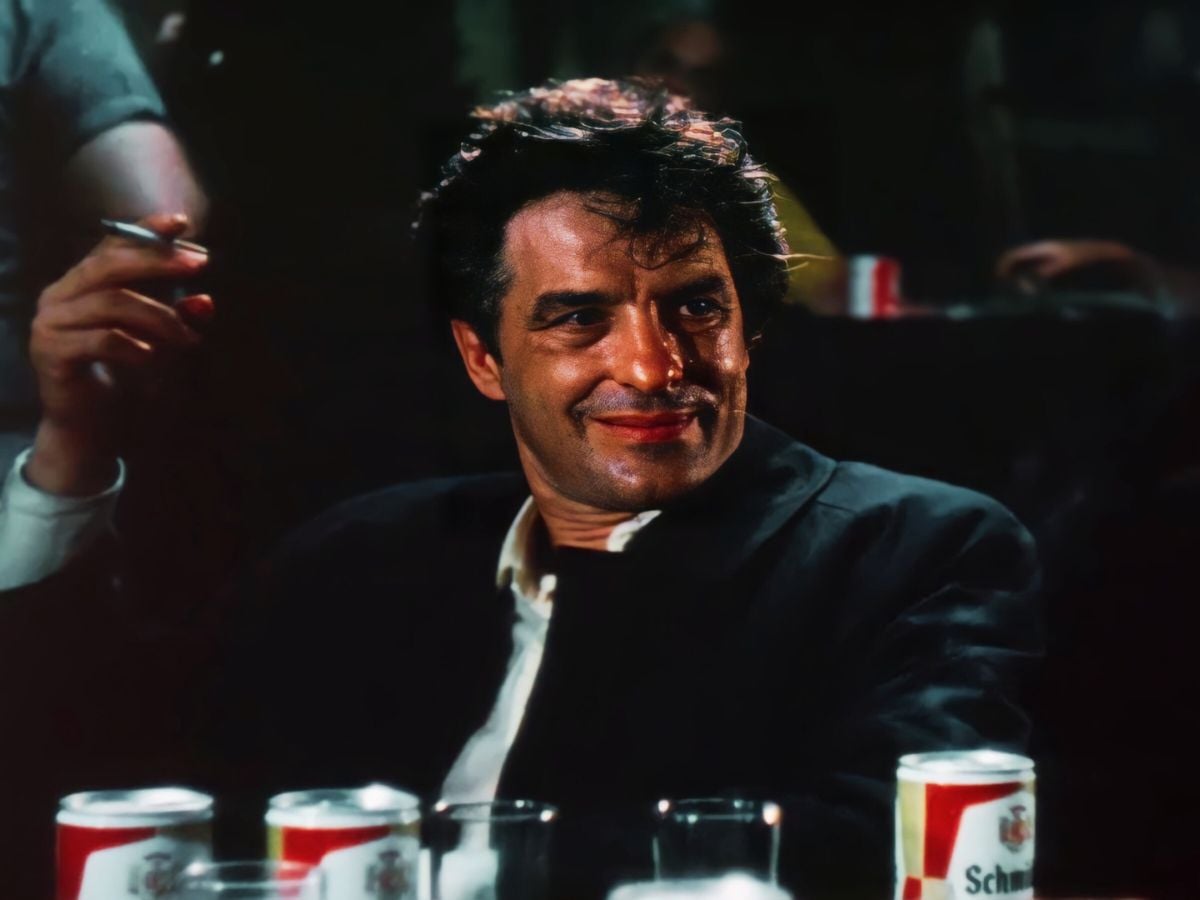
New Hollywood surprisingly offered more opportunities to female directors than today’s ecosystem does, and proved to be a bit more forgiving. There are many female filmmakers who have been essentially forced to step back or scale down immediately in the wake of a misfire; for example, Patty Jenkins hasn’t gotten anything off the ground since Wonder Woman 1984 was a disaster.
Elaine May was a brilliant writer and director, but she was also an obsessive creative who would often go over budget, extend her material, and fight tooth and nail to get her final cut. When considering that Mikey and Nicky is by no means a traditional film (as it is much sadder than its premise may have suggested), it seems unlikely that Elaine would have been able to get it made. She has essentially been in the Hollywood ‘director’s jail’ for decades after the bomb that was Ishatar.
‘Robin and Marian’ (Richard Lester, 1976)
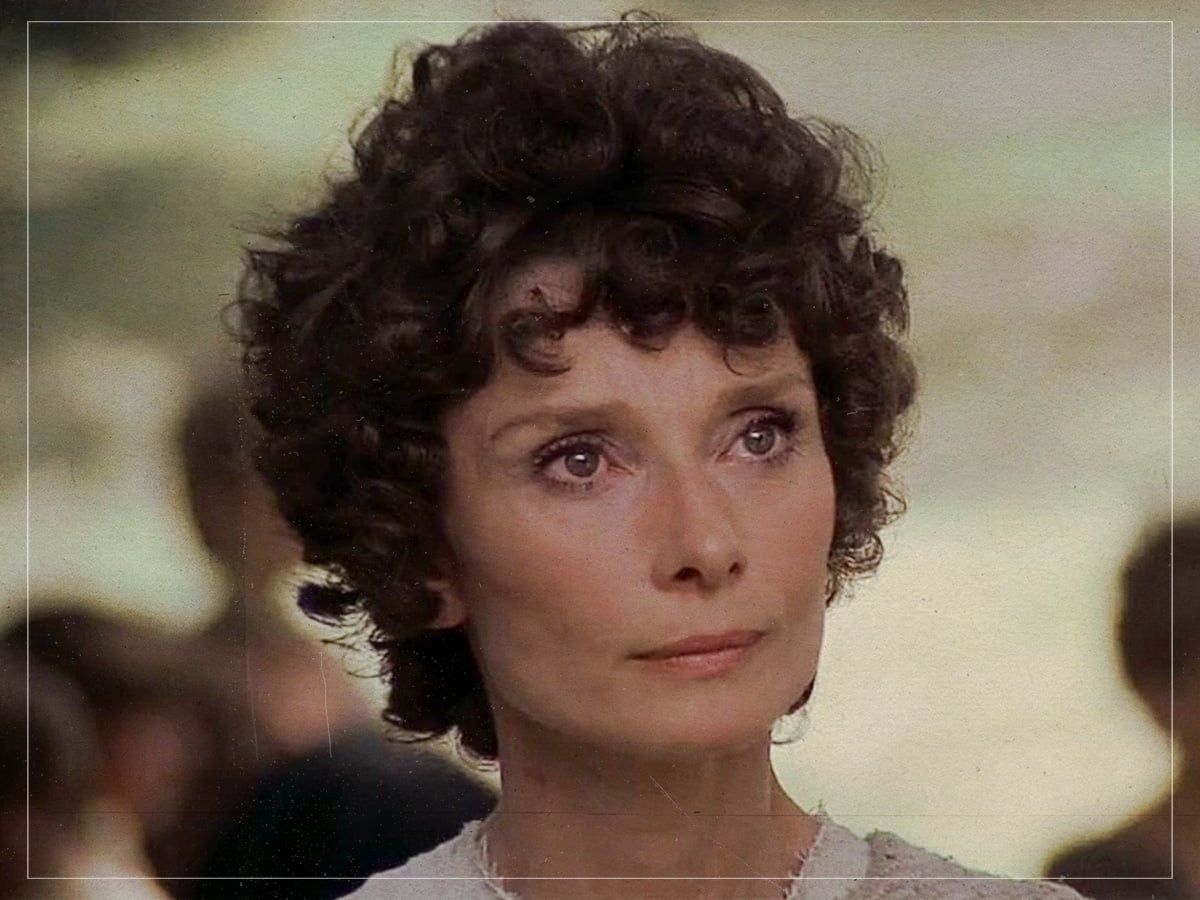
Sean Connery was so famous because of the James Bond series that he could have easily been cast to play Robin Hood in a broad, action-packed adventure film at any point in his career, but that’s not exactly what Robin and Marian ended up being. Richard Lester made a slow, romantic drama about an older Robin Hood and Maid Marian, played by Connery and Audrey Hepburn, respectively.
There simply aren’t many romantic dramas made for older adults, and taking iconic characters to make one would be sacrilegious in the era of internet outrage. A sensitive, methodical endeavour like this film would likely be declared ‘Woke Robin Hood‘ before it even got the chance to debut. Although there seems to be a new Robin Hood film every few years (including The Death of Robin Hood this summer with Hugh Jackman), there will never be another one like Robin and Marian.
‘Silent Movie’ (Mel Brooks, 1976)
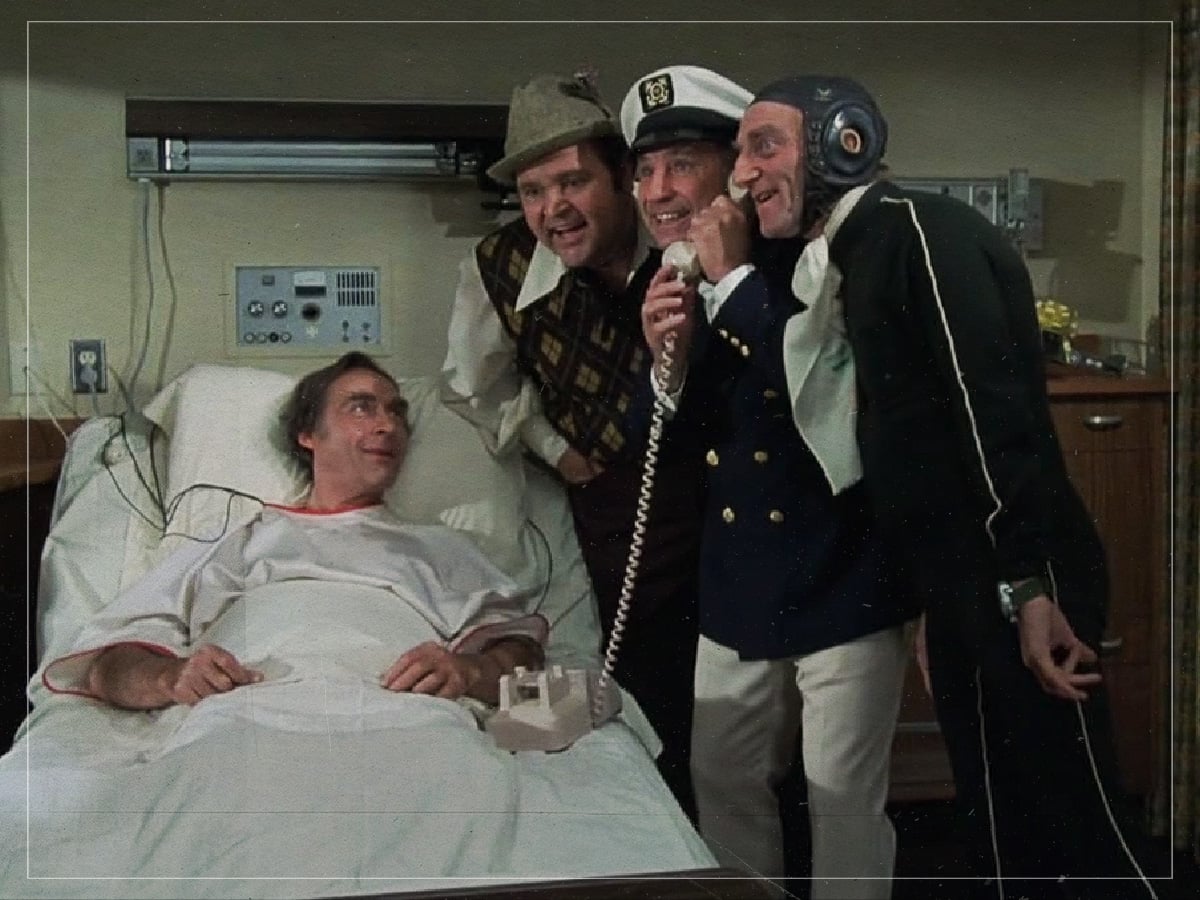
Mel Brooks was probably the only person in Hollywood who could convince a studio to make a true silent movie, and that was only because he had developed a reputation for being a master of satire. The only recent silent film was the ‘Best Picture’ winner, The Artist, a French film that only broke through internationally because of the influence of the Weinstein Company.
There’s sadly not much of a market for nostalgia about the earliest days of Hollywood, with Babylon being a massive bomb and Mank being sent to Netflix. Hollywood’s obsession with consistently catering to young, influencer-friendly audiences would negate the possibility of Silent Movie, especially given the lack of availability for its inspirations. Streamers like Netflix, Hulu, Apple TV, Paramount Plus, and Disney+ barely have any films released before 1970, much less classics from the silent era.
‘Taxi Driver’ (Martin Scorsese, 1976)
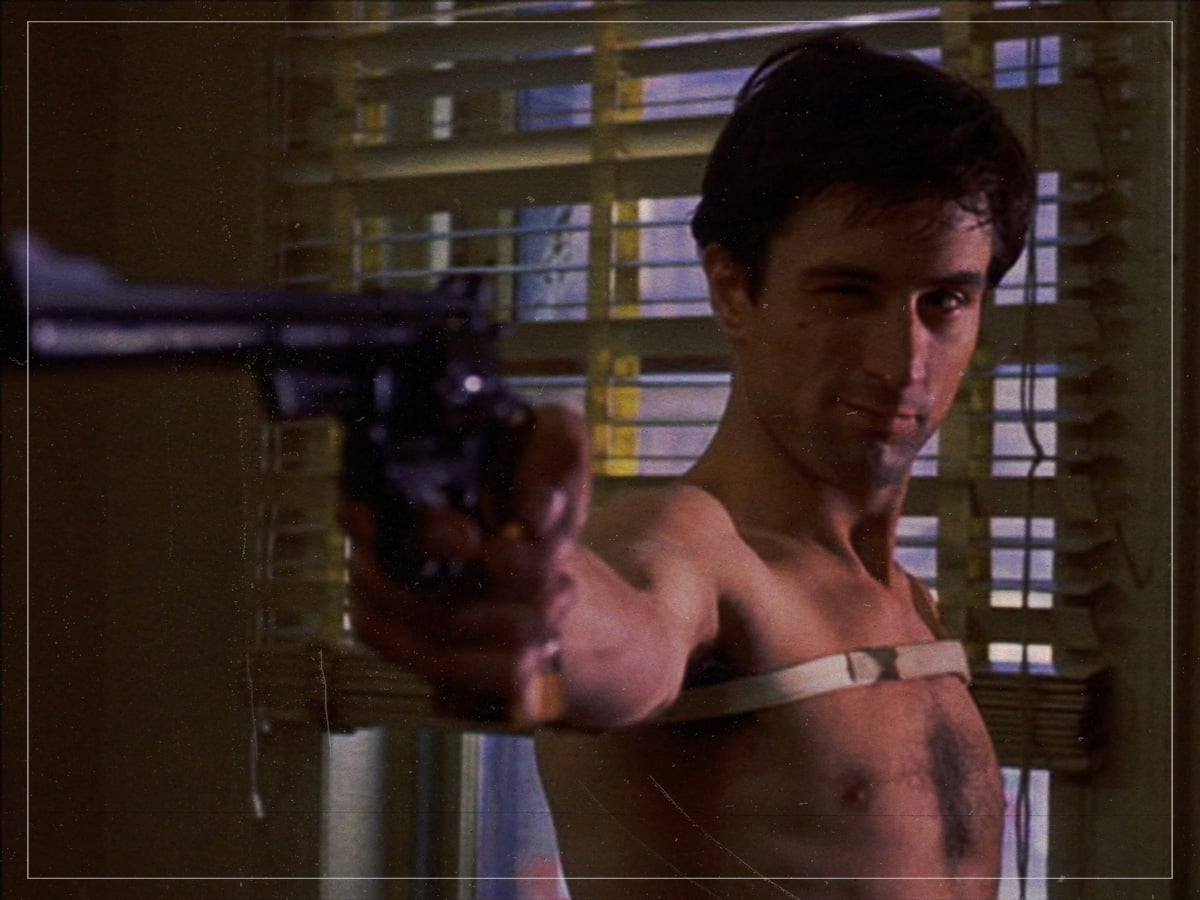
Martin Scorsese had a dynamic with Robert De Niro that ranks among the greatest partnerships in history, but they were still both relatively young when Taxi Driver exploded onto screens, the film facing multiple opponents before it was even released, including the stench and pollution in New York City, which made it nearly impossible to shoot, and many actors (including Dustin Hoffman) turning down the role of Travis Bickle.
Gun violence has become such a prevalent issue that there are extra sensitivities, content warnings, and disclaimers made about anything that would be even remotely considered offensive, and while a film like Joker had the benefit of being based on a character that people recognised, Taxi Driver wouldn’t have been immune to criticisms that depiction is endorsement, as the literacy of the average film consumer has depleted rather dramatically in the five decades that have followed.

Never Miss A Tale
The Far Out Michael Caine Newsletter
All the latest stories about Michael Caine from the independent voice of culture.
Straight to your inbox.