


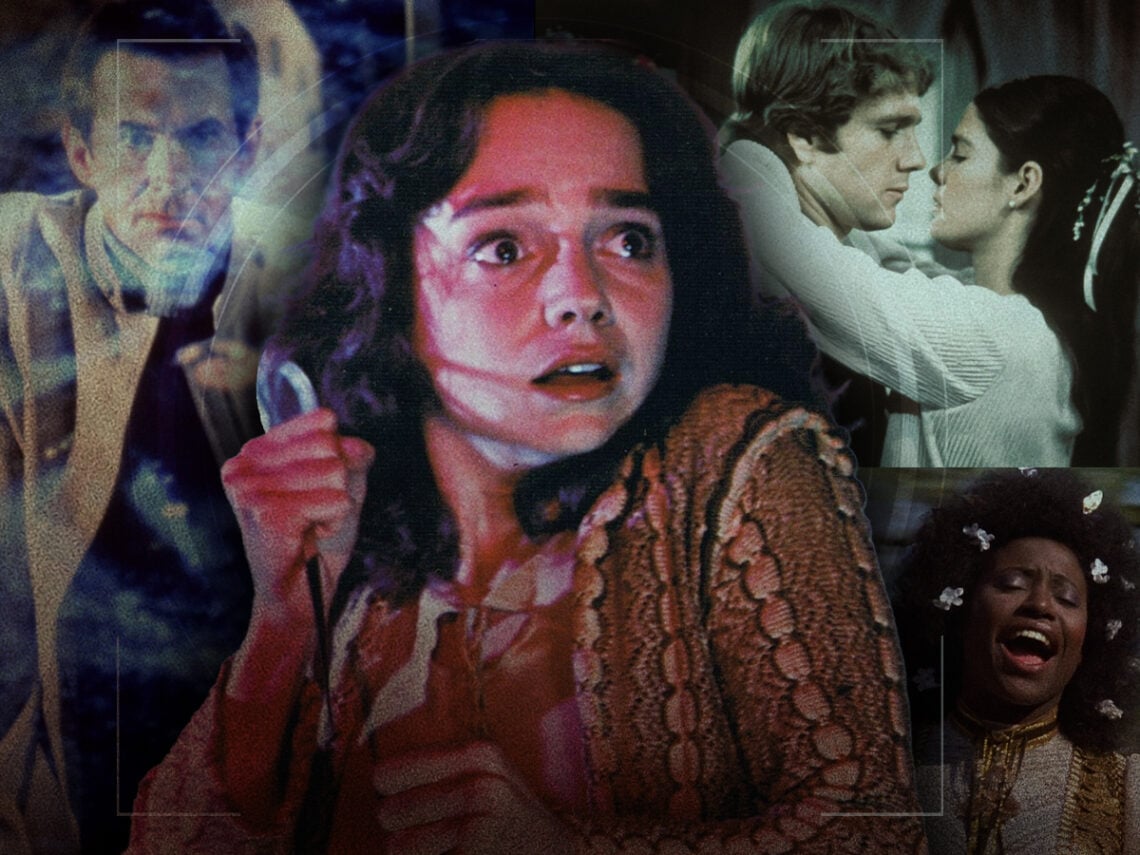
10 movie genres that peaked in the 1970s and vanished forever

The 1970s may have inspired a majority of today’s best films, but it’s not a decade that can be replicated.
Nostalgia has become a more powerful tool than ever before in cinematic history, and it can become obnoxious to constantly hear about the types of ‘films they don’t make anymore’. While there’s been a surplus of yearning for the ‘80s thanks to the popularity of Stranger Things and other throwback projects, the lionisation of the ‘70s is a bit different. It’s not about mourning the loss of specific properties as much as it is realising that the studio system was structured in a very unique way, in which audiences, critics, filmmakers, and the media all seemed to be on the same page when it came to wanting quality cinema.
The disparity between audiences and critics that exists today wasn’t there in the ‘70s; films like The Godfather, Kramer vs Kramer, and Rocky weren’t just ‘Best Picture’ winners, but the highest-grossing releases of their respective years. Today, masterpieces of cinema like One Battle After Another or Anora are considered to be financially dubious, whereas audiences will turn out in droves to see slop like Jurassic World Rebirth or The Super Mario Galaxy Movie.
It’s because there are fewer studios today that choose to spend more on a smaller number of releases, cutting out the mid-budget film entirely, that the slate of titles given to theatres has become more banal. While there’s innovative filmmaking done in the independent scene, studios are rarely willing to take risks and prefer working off of material that is already established and has a fanbase. It’s not just great films that no longer exist, but entire genres that have fallen out of fashion.
10 peak movie genres from the 1970s that have disappeared
The Disney sci-fi film
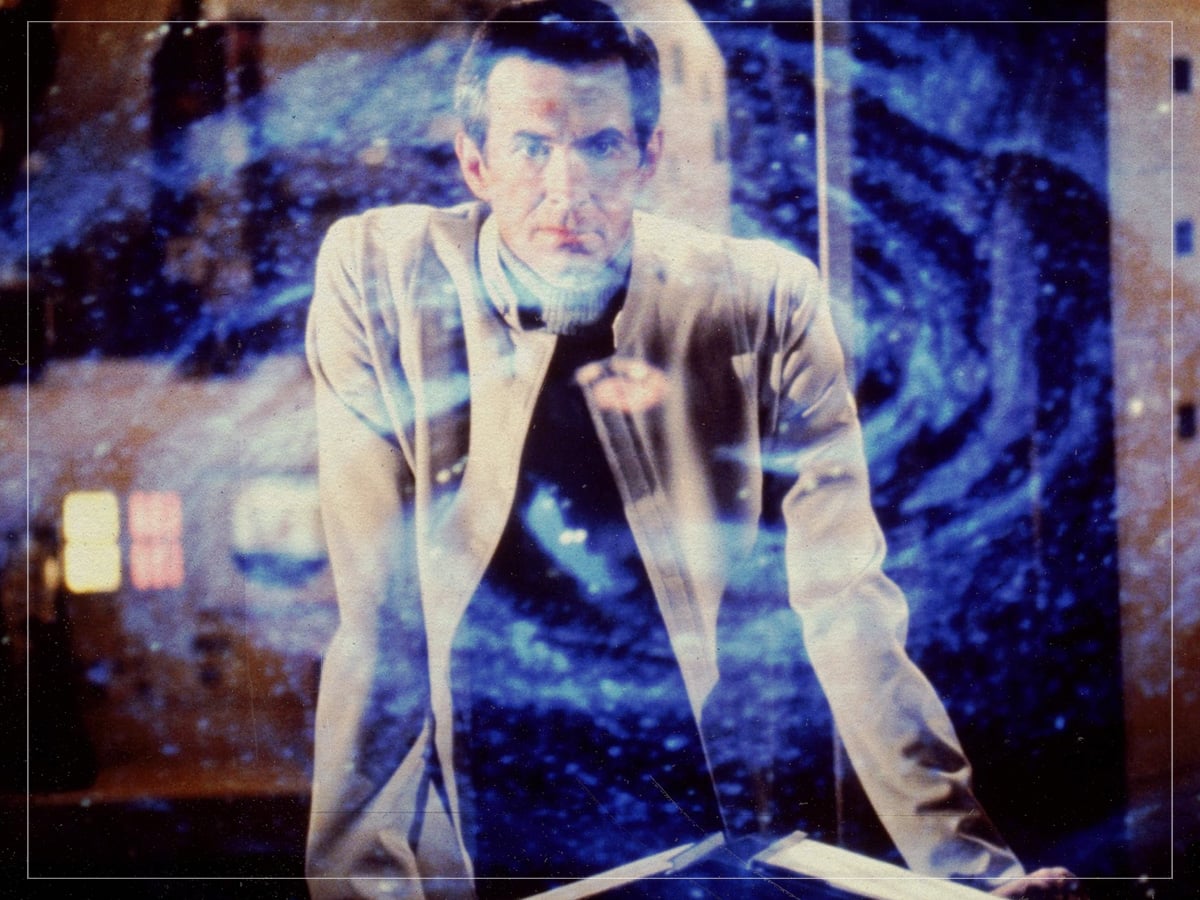
Disney is often first thought of as an animation studio, but in the ‘70s, its priority was on live-action films. Many of the company’s animated films hadn’t performed well, but there was a surge in popularity for science fiction adventures, even before Star Wars changed the industry in 1977.
The Cat From Outer Space, Escape To Witch Mountain, and Now You See Him Now You Don’t were all released pre-Star Wars, and Disney debuted its first PG-rated film ever with 1979’s The Black Hole. However, the company experienced so many failures with its sci-fi properties in the last few decades that it bought Marvel and Lucasfilm in order to tap into the audiences interested in the genre. Disney’s sci-fi interests ostensibly died in 2012 when John Carter became the biggest box office bomb of all time, despite having been in development for many years.
Giallo films
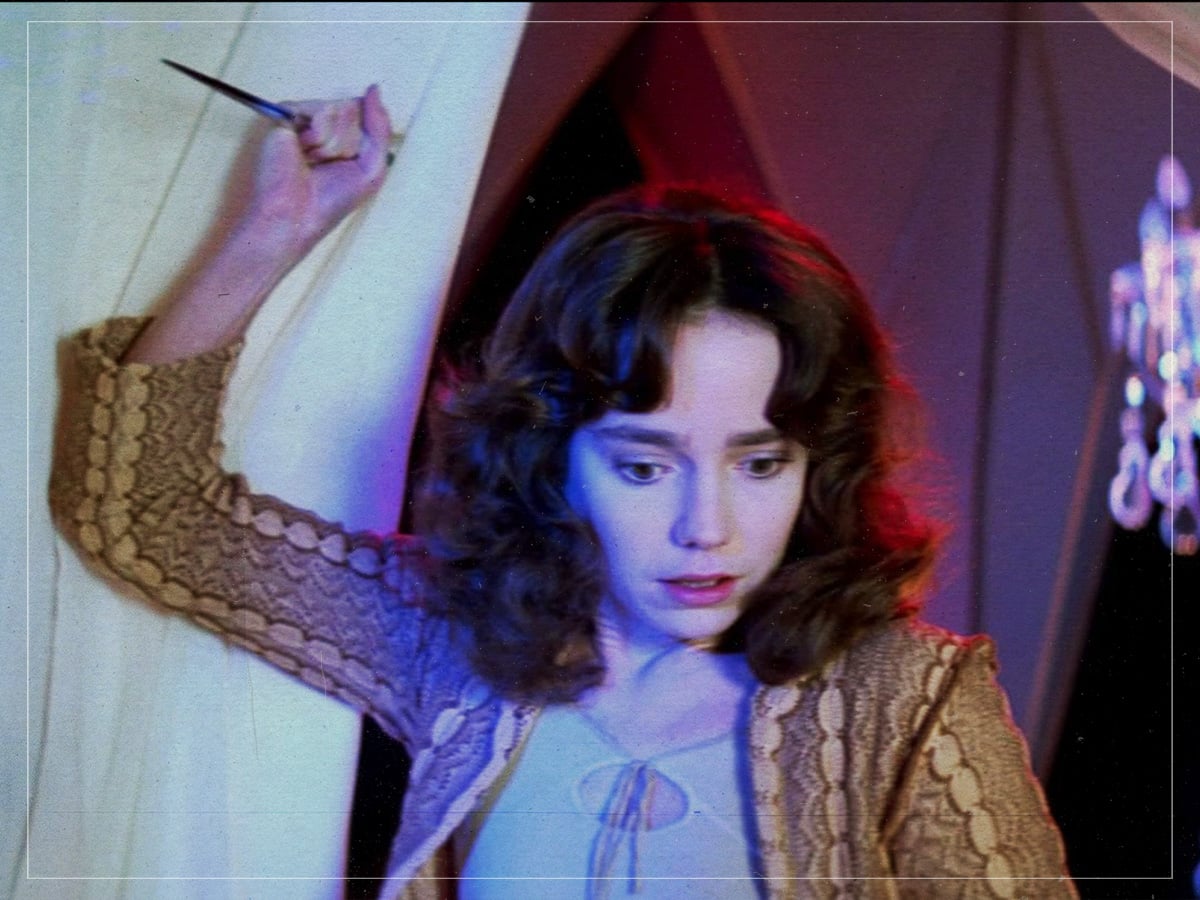
Directors like Lucio Fulci, Dario Argento, and Mario Bava established a stylised, eccentric style of horror films that included vibrant colours, shocking plot twists, and no shortage of graphic sexual content and violence, but it was when these masters of the genre began to experience creative declines that giallos became non-existent, as the only recent entries have been homages or tongue-in-cheek throwbacks.
Perhaps the most famous giallo film of the ‘70s was Argento’s masterpiece Suspiria, which was remade in 2018 by Luca Guadagnino, who made a great film, but his version was designed to be the opposite of the original style, replacing the colourful palette with a grey scheme, and expanding Fulci’s short thriller into an epic of over 150 minutes.
Spoof movies
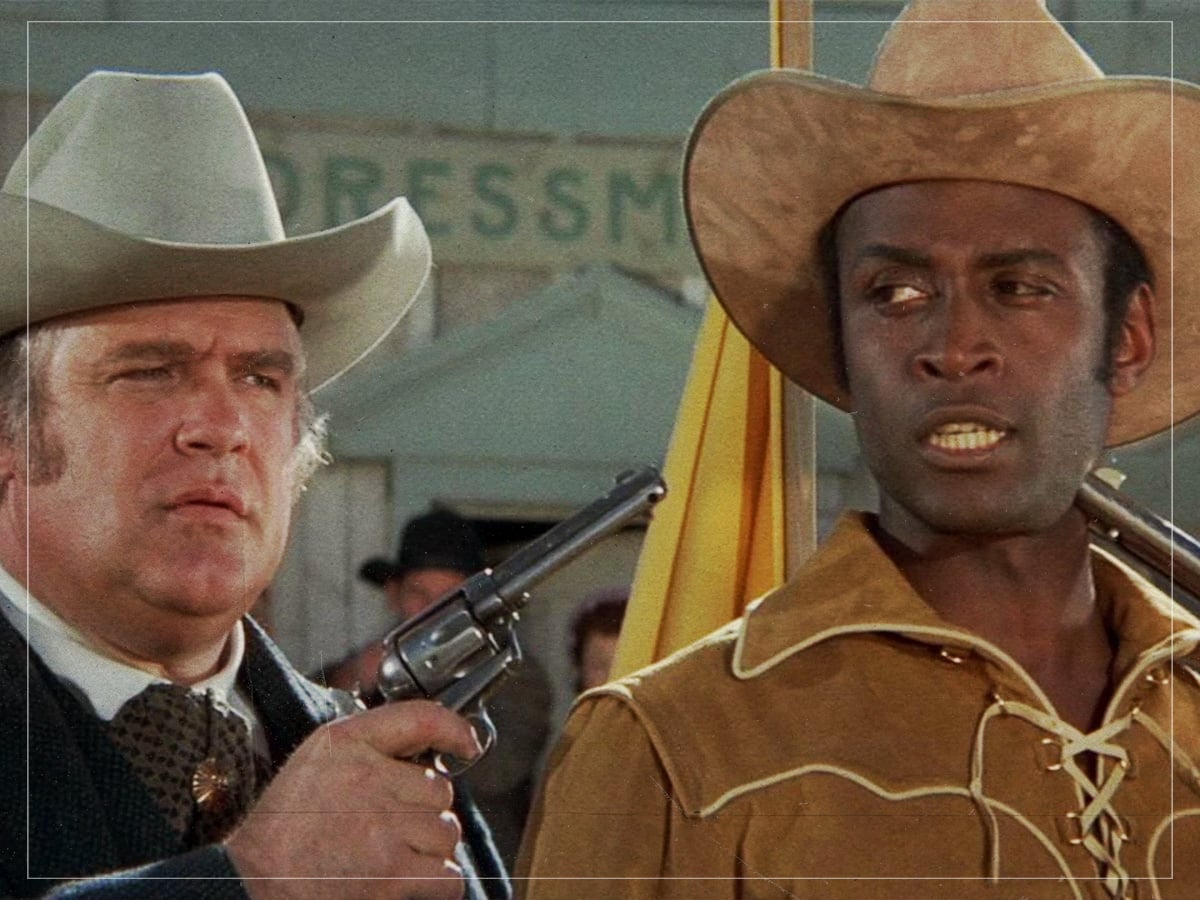
Spoof movies are a specific type of parody, which deviates from a recent trend or hit film in the most absurd way possible. Mel Brooks made the two best spoof films of the decade with Blazing Saddles and Young Frankenstein, but other classics include Kentucky Fried Movie, Hardware Wars, Monty Python and the Holy Grail, and Dark Star. Spoof movies survived into the ‘80s thanks to Leslie Nielsen, who did both The Naked Gun series and Airplane, but it faced a decline after Scary Movie turned the genre into lazy, cheap hackwork.
The duo of Jason Friedberg and Aaron Seltzer ruined the genre with Vampires Suck, Meet the Spartans, Date Movie, Disaster Movie, and Epic Movie, and the Scary Movie franchise managed to get even worse. The only recent example of a spoof done in the classical sense was last year’s The Naked Gun reboot, a great film that sadly was not a breakout financial hit.
The alt-musical
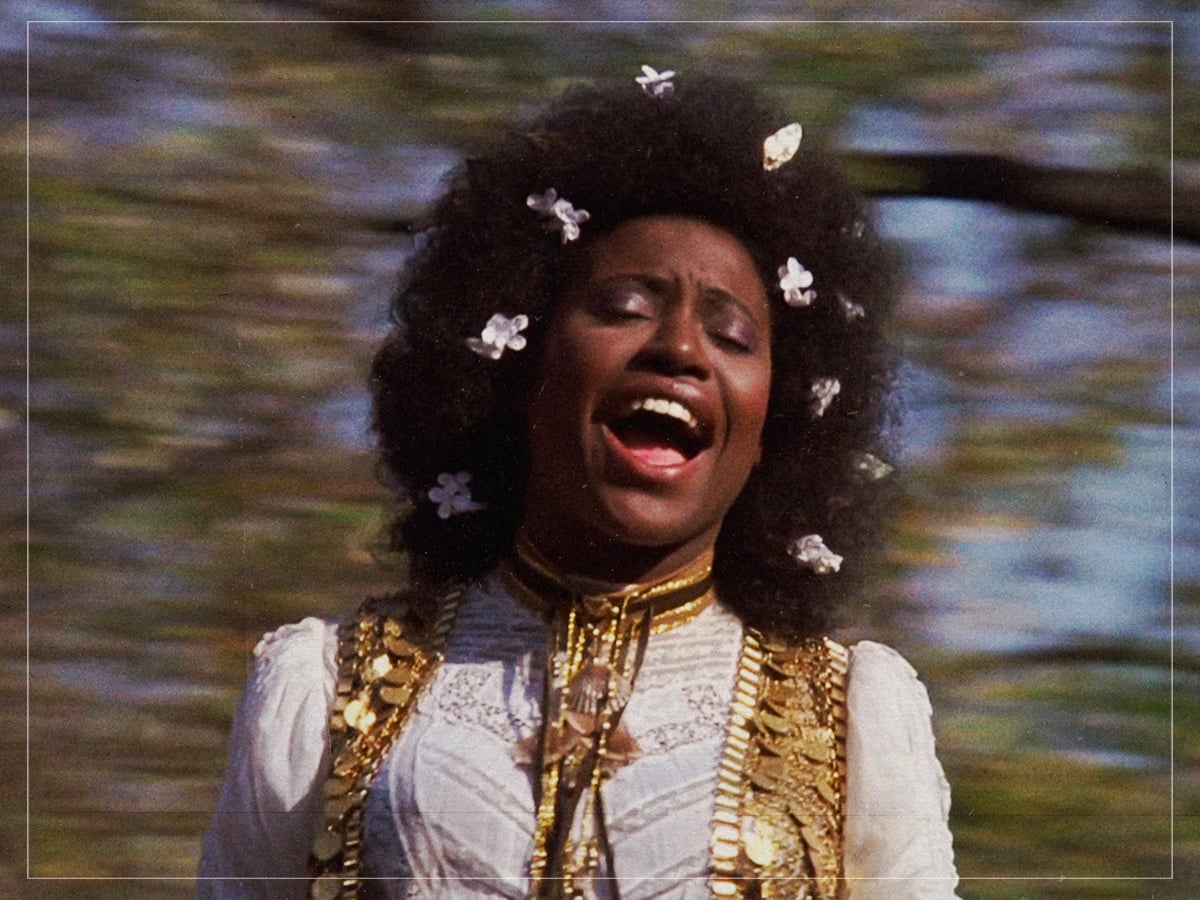
Music and cinema were intertwined in the ‘70s in a way that the industry hadn’t seen before, as movie soundtracks started becoming hit records, but not every musical of the decade was based on a Broadway hit like Cabaret or Fiddler on the Roof, with enough room for edgy, rock-centric musicals that featured transgressive content and anti-authoritarian themes. Among the standout alt-musicals of the ‘70s were Rock’n’Roll High School, Tommy, Phantom of the Paradise, Hair, and The Rocky Horror Picture Show, all of which ended up earning cult appreciation.
The genre undeniably reached its apex in 1979 when Bob Fosse utilised his own life story to tell a tragic anti-hero story with All That Jazz, but musicals have only become safer since. Today, hit musicals are either directly based on Broadway hits, like Wicked, Mamma Mia!, Les Misérables, or designed to eventually become ones, such as The Greatest Showman or Frozen.
The conspiracy thriller
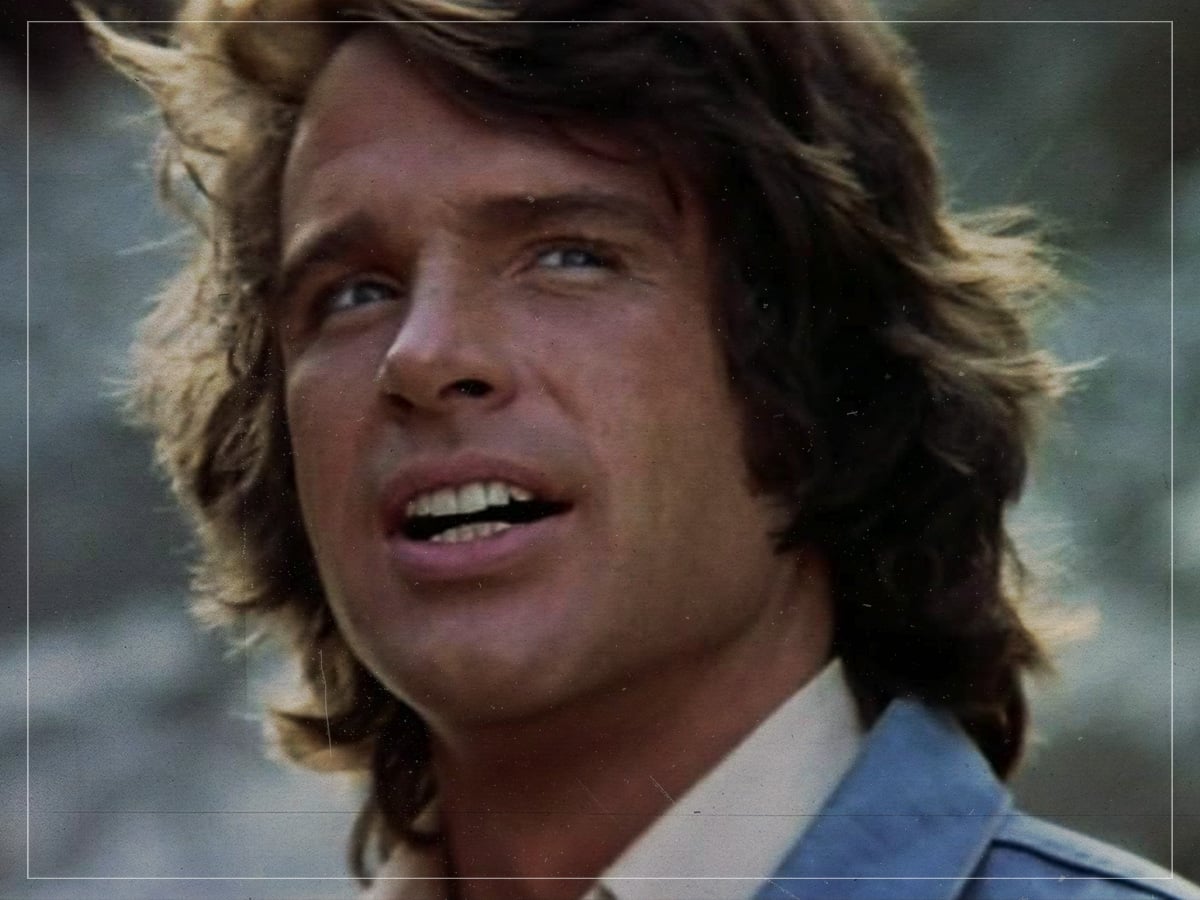
The aftermath of a chaotic ‘60s for American politics, followed by the Watergate scandal, created an atmosphere of paranoia that resulted in a plethora of timely conspiracy thrillers. Alan J Pakula kicked off the genre in 1971 with Klute, released before Watergate, and he would directly tackle the controversy with his seminal classic All the President’s Men, which starred Robert Redford and Dustin Hoffman as the reporters who uncovered Nixon’s cover-up. Pakula also directed the conspiracy-themed mystery thriller The Parallax View, which offered a terrifying explanation for political assassinations, and Francis Ford Coppola made a similarly haunting masterpiece with The Conversation.
The specific political environment of the ‘70s resulted in a very specific subgenre that hasn’t been replicated because of the different cultural responses to subsequent presidential administrations, with the most prominent anti-Trump films being mostly metaphorical, such as Mickey 17 or The Brutalist.
The prestige romantic comedy
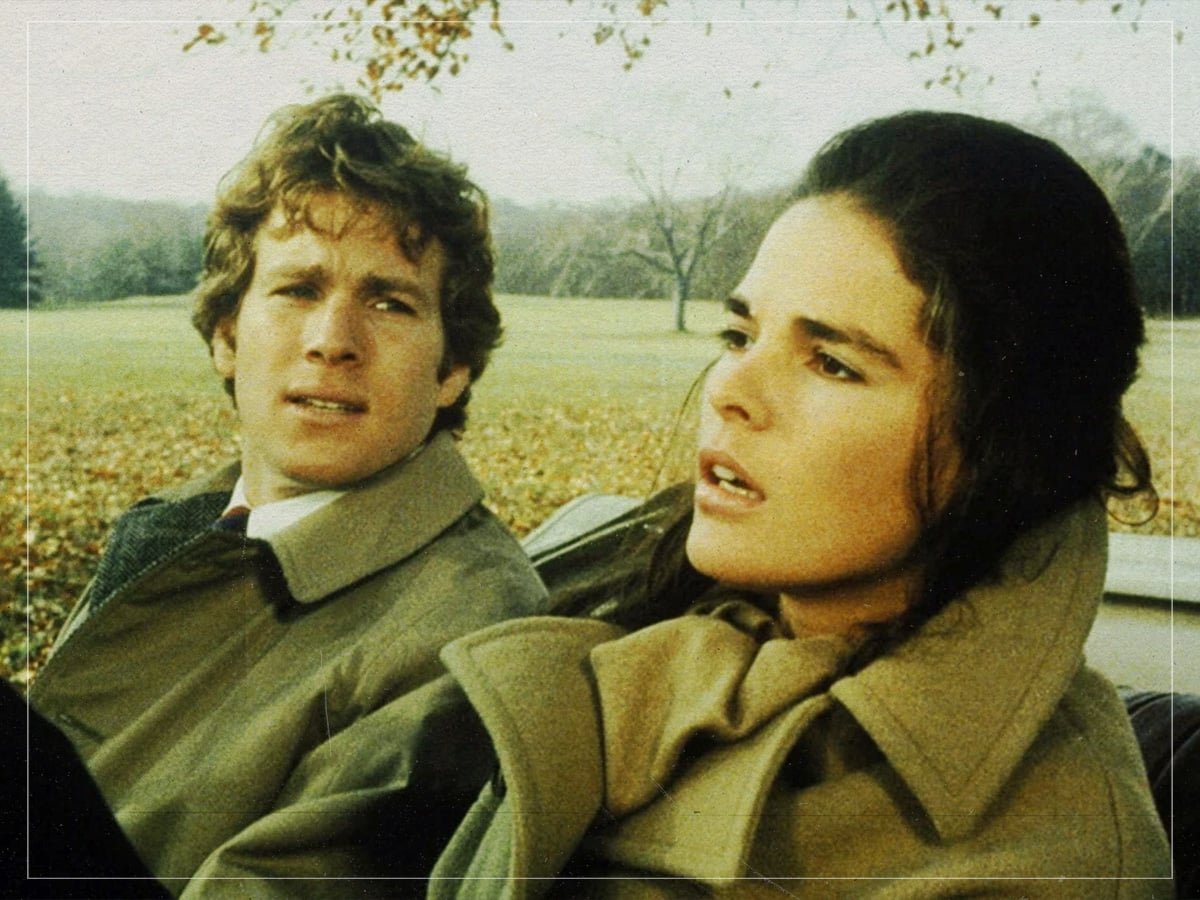
The free love movement may have kicked off in the ‘60s, but romantic comedies were popular in the following decade and treated with the utmost seriousness by pundits and film scholars. Love Story was a massive hit adapted from a hit romance novel, Annie Hall was a ‘Best Picture’ winner that changed the genre, and Richard Dreyfuss’ excellent performance in The Goodbye Girl solidified him as one of the decade’s biggest stars.
Rom-coms didn’t go away, but they were rarely seen as awards contenders after the ‘80s brought Working Girl and Moonstruck to Oscar glory. The last true rom-com to get a ‘Best Picture’ nomination was Silver Linings Playbook, but even that was a slightly more serious film that dealt with mental health issues. Recently, the genre’s films seem to be dumped onto streaming services, resulting in phenomena like People We Meet on Vacation or Always Be My Maybe.
World War II adventures
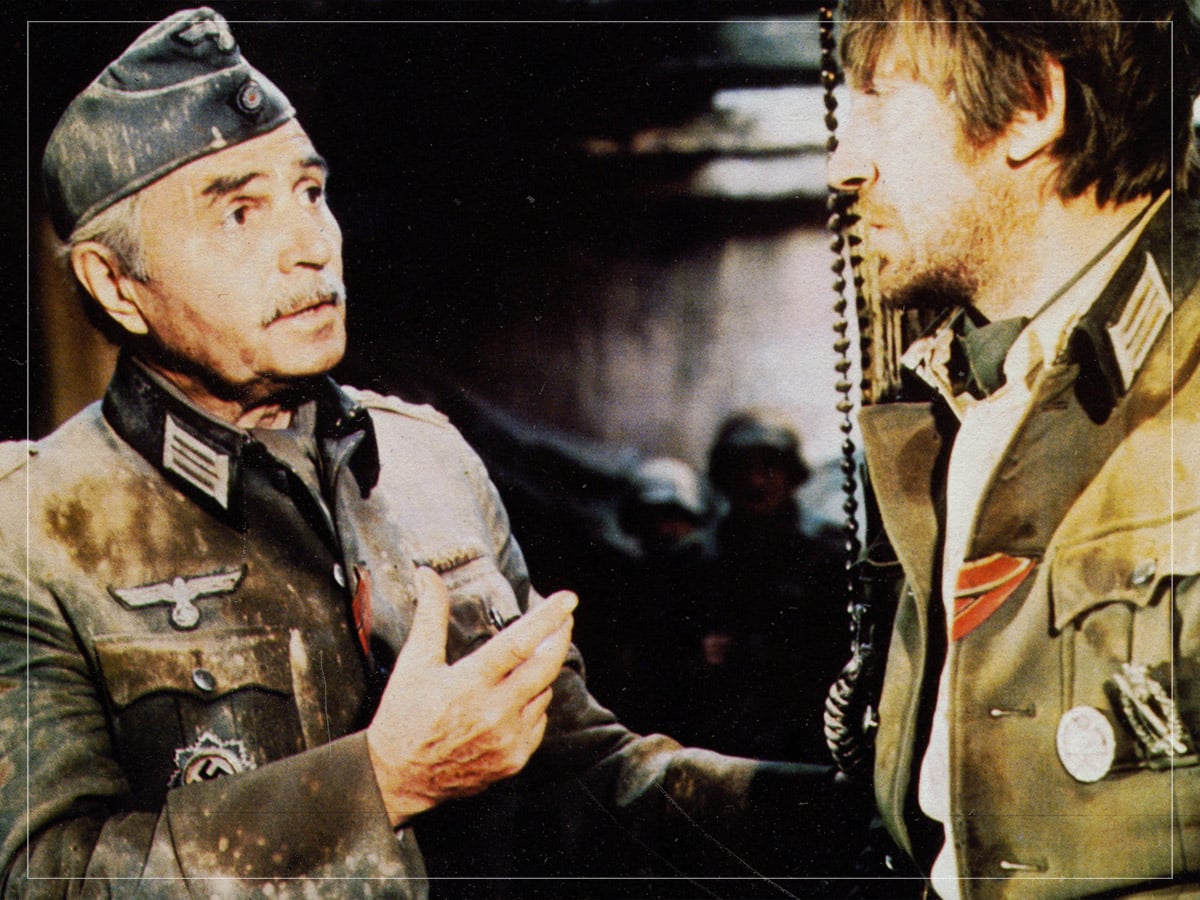
World War II was just far enough away in the ‘70s that audiences were comfortable seeing it as a source of popcorn entertainment, and aside from the darker fare like Cross of Iron and Patton, many were made as propulsive, action-packed spectacle showcases, such as A Bridge Too Far, The Eagle Has Landed, Midway, Kelly’s Heroes, and Force 10 From Navarrone.
The simple reason why the genre began to fade away is that filmmakers became more interested in the Vietnam War, which had more ethical ambiguity and resonated with current audiences. When Steven Spielberg brought back the World War II epic with Saving Private Ryan in 1998 (which also saw the release of Terrence Malick’s The Thin Red Line), it basically confirmed that all films about the war going forward needed to be played as completely straight.
Slapstick comedies
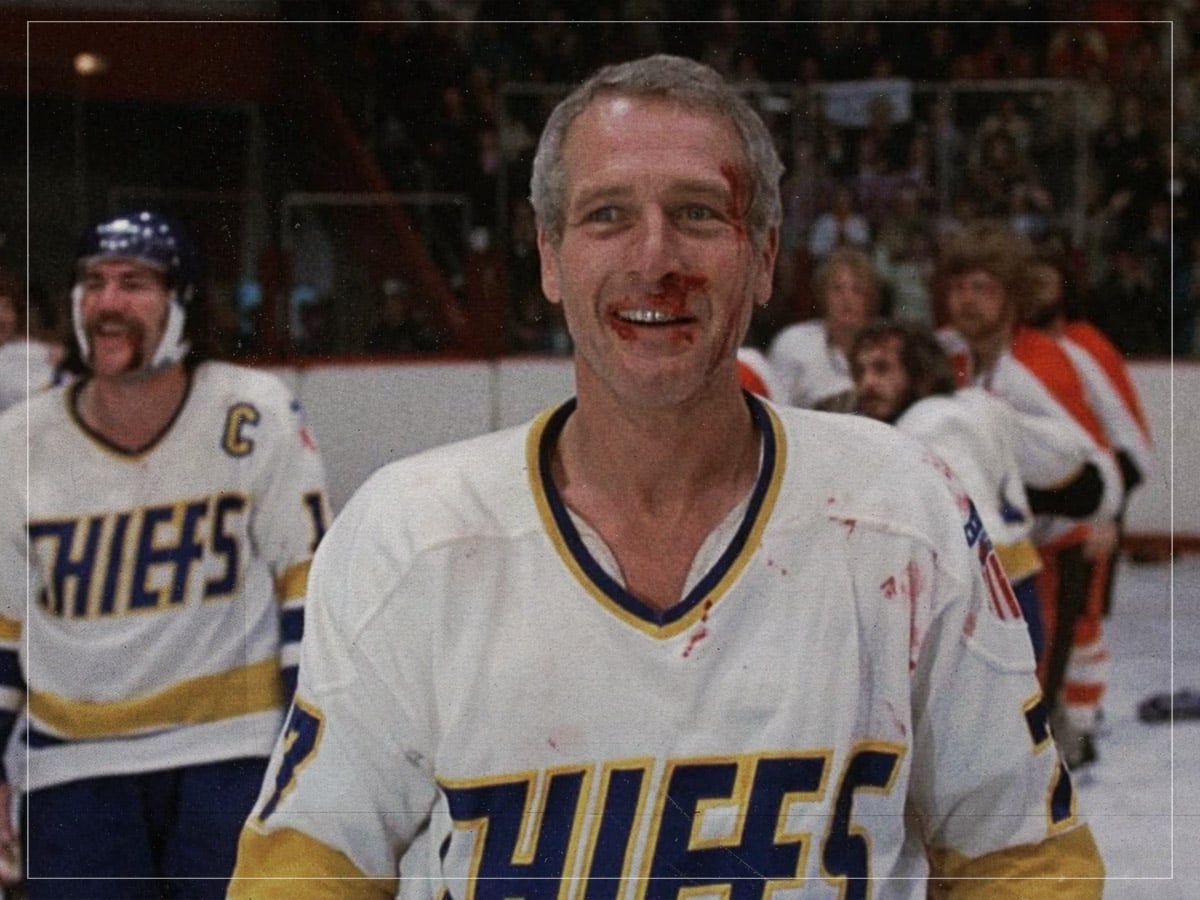
While some contemporary comedians have complained that Marvel films occupy the space that comedies once did in the culture, there’s always going to be humour in one form or another in popular cinema. However, there’s such importance placed on being topical, saying something profound, or being part of a larger movement that modern comedies aren’t allowed to simply exist to make the audience laugh.
The ‘70s were the apex of slapstick comedies, with the genre minting new stars like Steve Martin in The Jerk, and also drawing in established legends who played against type, such as Paul Newman in Slap Shot. While there was a brief secondary renaissance of slapstick in the ‘90s thanks to Chris Farley and Jim Carrey, the genre has since become far more high-concept.
The Soviet epic
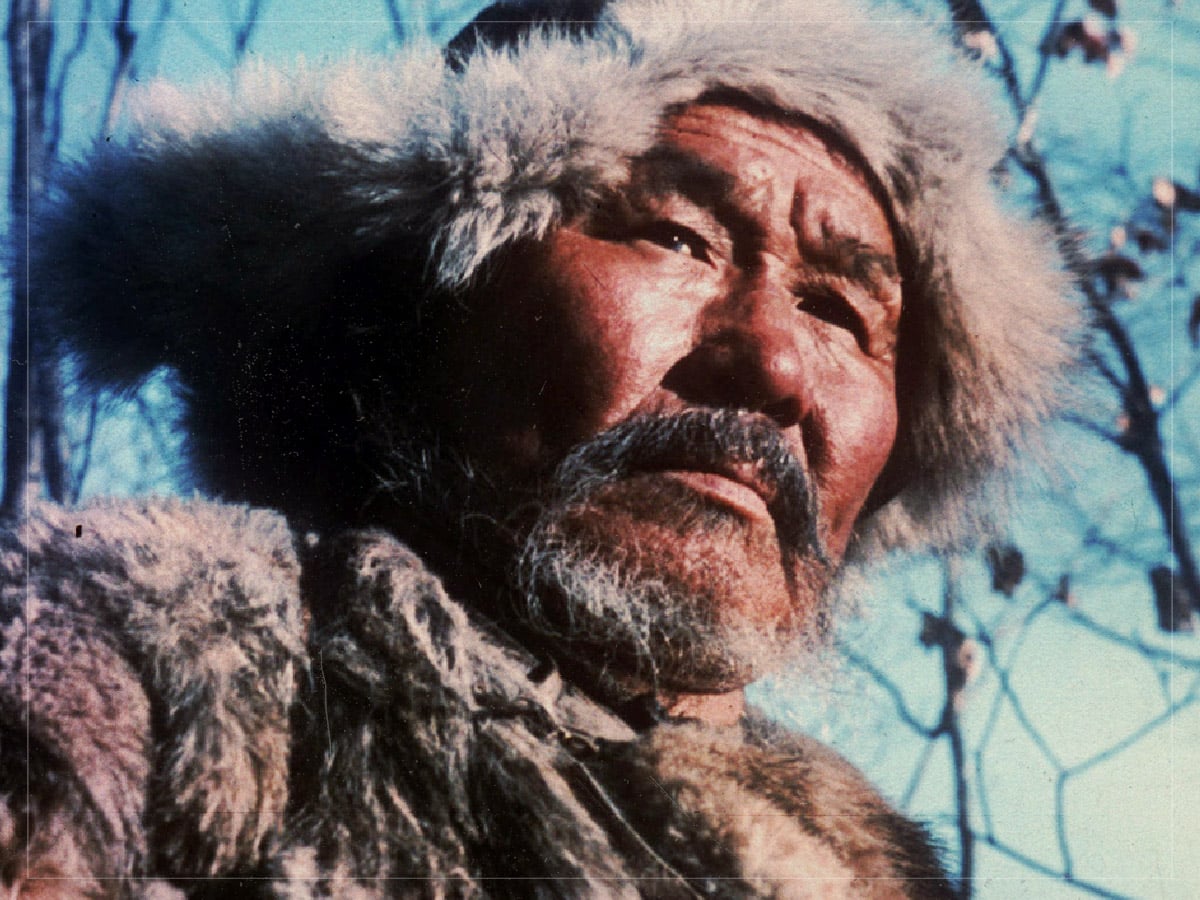
Russia isn’t currently having much of any cultural exports due to the strict parameters of Vladimir Putin’s reign, but the Soviet Union surprisingly had an ample film industry that produced many epics. The ‘70s saw Andrei Tarkovsky becoming a legend of silent cinema, but the nation produced many more ambitious epics in which filmmakers were given a startling amount of freedom.
Despite tensions with democratic nations, the film industry couldn’t help but admire what the Soviet Union had created, even winning the Academy Award for ‘Best International Feature’ when Akira Kurosawa directed the historical adventure Dersu Uzala. Obviously, the Cold War got even more contentious in the ‘80s, and the Soviet Union’s output declined. It’s unfortunate that the reinstatement of the Russian government has not resulted in a new era of experimental cinema, as the country has the resources to give brilliant filmmakers some amazing opportunities.
The hardboiled detective mystery
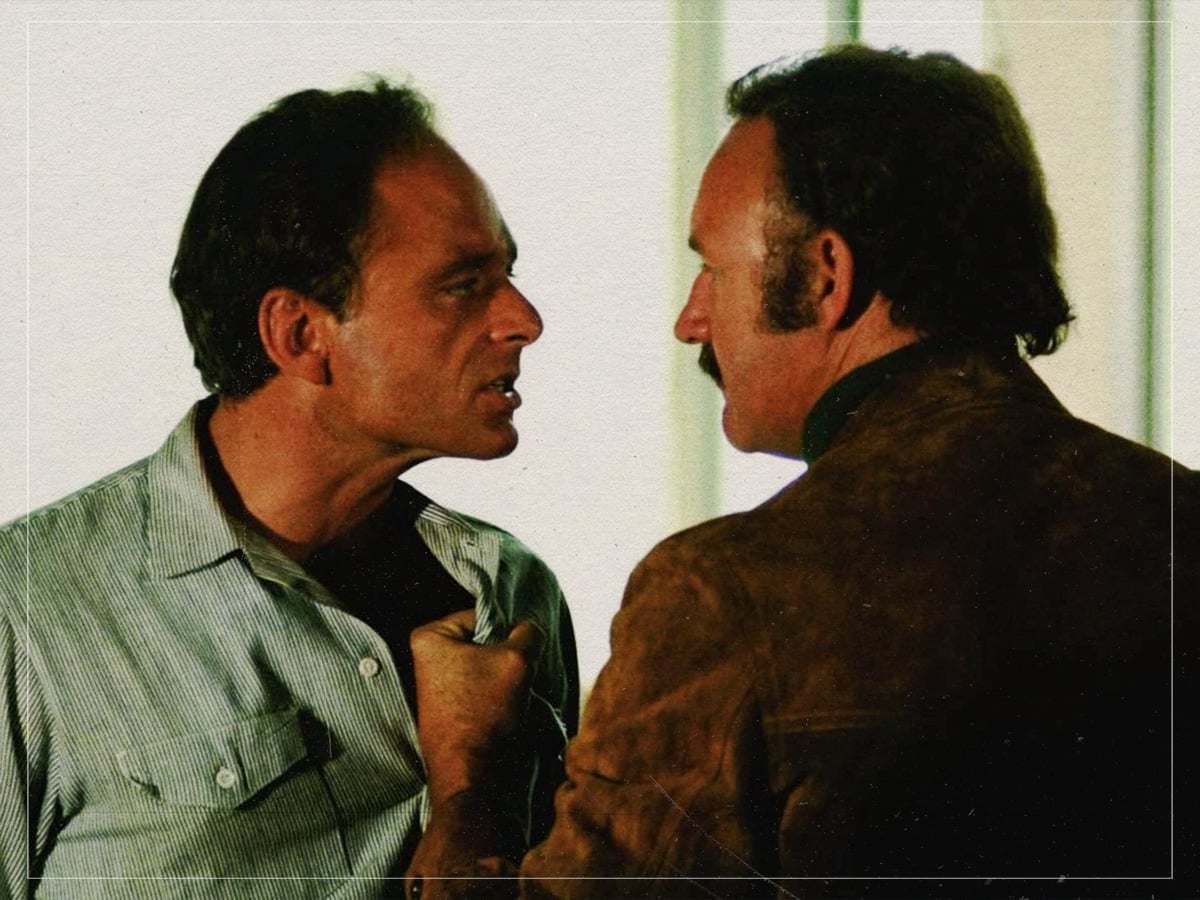
There are many ways to characterise a mystery thriller, but nothing beats an old-fashioned private eye story. The ‘70s saw many different types of detective stories in titles like The Long Goodbye, which offered a satirical look at Phillip Marlowe, thanks to the brilliance of Robert Altman, or Murder on the Orient Express, which realised Agatha Christie’s greatest character. Gene Hackman gave his most underrated performance ever in Night Moves, Klute explored paranoid suspense, and even the Dirty Harry films incorporated some mystery-solving in between the dramatic action scenes.
Today, the only way to make a classical detective movie is to use an established character, resulting in Kenneth Branagh’s take on Poirot or Robert Downey Jr’s Sherlock Holmes. The only exception is the Knives Out trilogy from Rian Johnson, but those are specifically designed as reverential throwbacks to a genre that has fallen out of fashion.
