The only country on the planet that declared Steven Seagal a threat to national security
As you do.


One of Russia’s most esteemed and globally influential authors, Vladimir Nabokov once wrote: “The admirable reader does not seek information about Russia in a Russian novel, for he knows that the Russia of Tolstoy or Chekhov is not the average Russia of history, but a specific world imagined and created by individual genius.” For the most part, it is a realm that has remained inscrutable, almost by design of its art.
However, the notable brushstrokes are often universally present. “The great Russian literature,” Mykola Khvylovy once opined, “Is above all a literature of pessimism, more accurately of passive pessimism.” This is not confined to the literary worlds of Mikhail Bulgakov or Fyodor Dostoyevsky either, the same can be said about the movies of Andrei Tarkovsky or the music of Pyotr Tchaikovsky.
Plagued by a troubled and often suppressed history, artists often had to work within the confines of censors. This persists to this day, with painter Yulia Tsvetkova facing jail over lewd drawings. Thus, when subversion has to be very subtle, there is also an undercurrent of absurdity running through great Russian works. Whether that is Nikolai Gogol’s ‘Overcoat’ or Daniil Kharms apparent nonsense, the humour of laughing out of the side of a stoic frown runs deep.
As Tarkovsky says of his cinematic masterpieces like Stalker and Solaris, “If you look for a meaning, you’ll miss everything that happens.” Fellow modern directors like Andrey Zvyaginstev have applied a similar twisted sense of meaning. As he professes himself: “There are things which are without answers, and there is nobody who can explain them.”
This musing at the strangeness of life is often propped up by the backbone of making a point. Thus, punk is also a force in Russian art. This particularly came to the fore in the days of the Soviet Union. When western culture weaved its way over via American propaganda stations like Radio Free Europe, rock ‘n’ roll went underground. In due time punk bands like Kino and Aquarium rallied the youth towards liberation as Mikhail Gorbachev lifted controls when the USSR disbanded.
Now, with another condemnable war currently waging, the future of Russian art remains in jeopardy again. However, if history is anything to go by then further maestros will emerge with twisted acts of subversion. As Factory Records leader Alan Erasmus when he found himself performing humanitarian work amid the conflict: “War creates a different vision. I think there will be some interesting visions that will come out of this. If you want to create something different you have to go somewhere you haven’t been before, and we certainly haven’t been in times like these.”

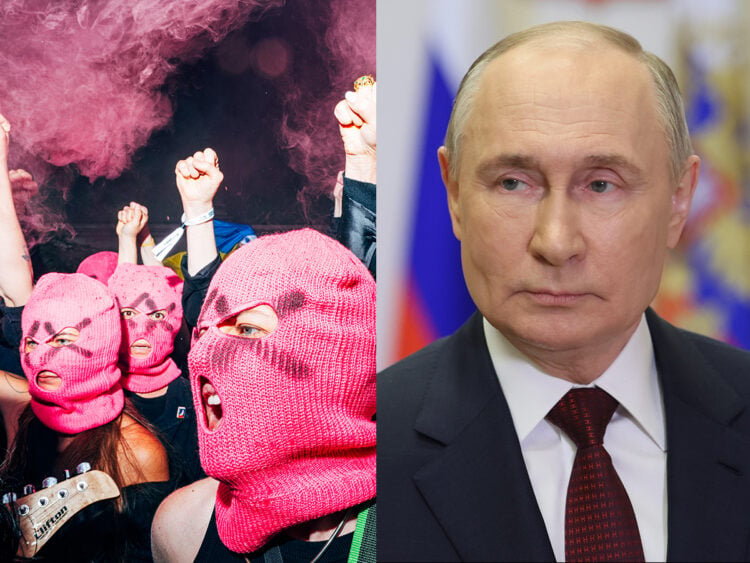
The collective has a new proposition for the president.
It has been marred by political controversy.
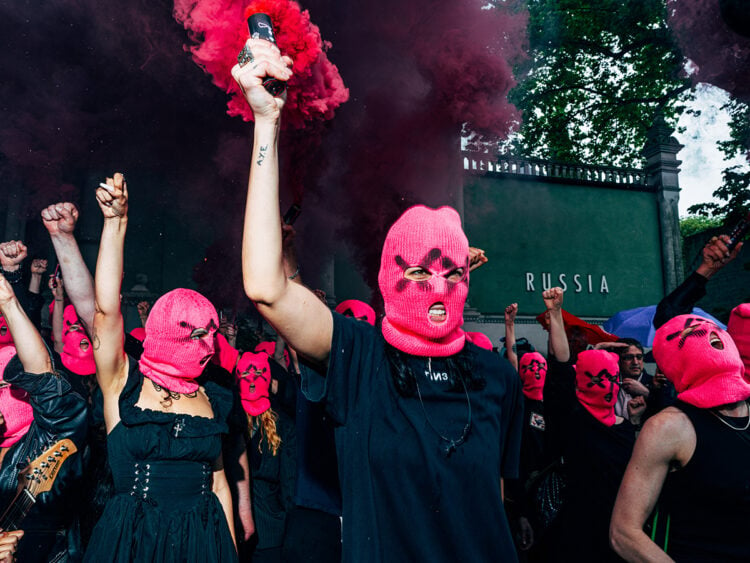
Russia are competing for the first time since 2022.
Russia are set to return for the first time since the invasion of Ukraine.
“The inner workings of politics are not specific”.
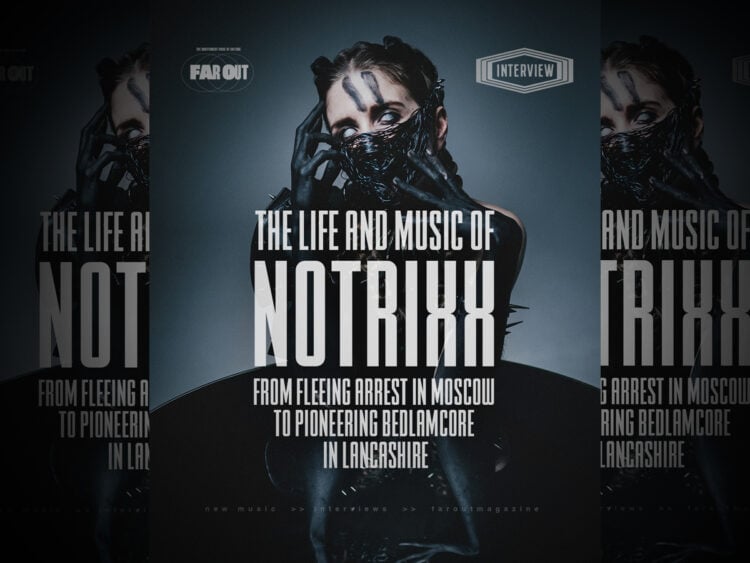
“You’re not the only one”.
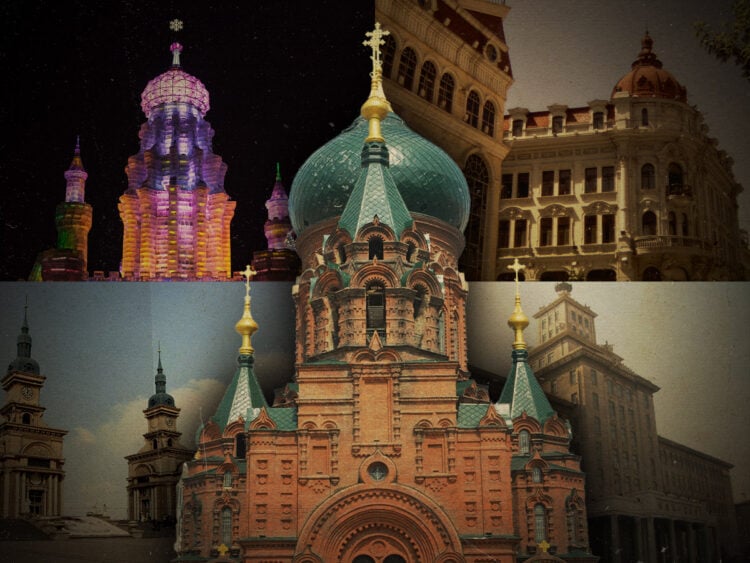
How did this city in China get so Russian-ified?