


The sickening rise in ‘war tourism’

Open up your social media feed, and you can see every travel destination on the planet, with videos detailing every possible holiday spot. This has led to a growing number of travellers looking for something far more extreme, war.
This isn’t strolling around a museum, reading up on history or hiking across some far-flung battlefield overseas, such as the Somme or Normandy, but this involves currently active war zones. Dark tourism has been a mainstream concern for a while now, but this new phenomenon of war tourism is moving from the fringes of niche travel into a visible, and let’s be honest, very controversial trend. The question is how, and why, has travel moved from remembrance to real-time conflict and what has triggered this sea-change.
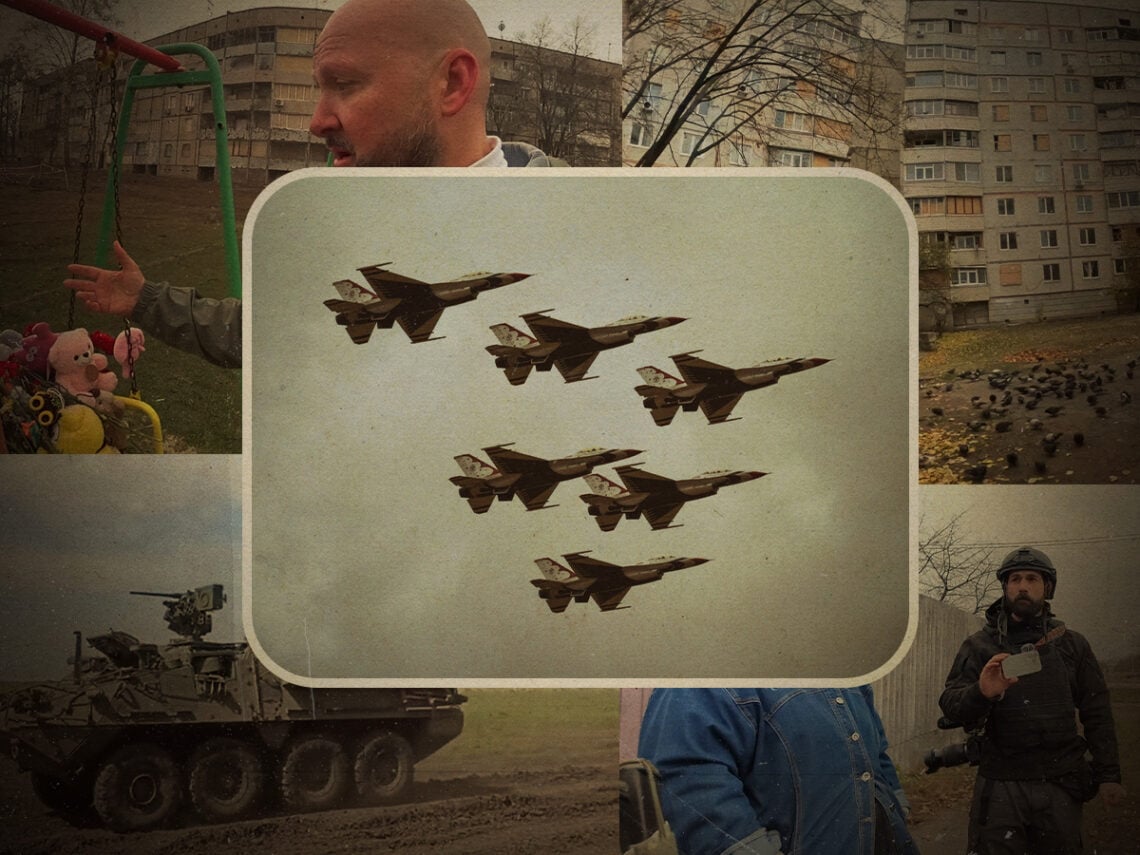
War, violence and death have always fascinated people, and over the past decade or more, there has been an increase in dark tourism, with places like Auschwitz or Ground Zero, but it’s the immediacy that has changed, with people interested in seeing the real impact of conflict. Over recent years, we’ve seen war rage on European soil, with the Russian invasion of Ukraine, and with that, a variant of this new travel subculture has been spawned on the continent itself. It was reported that there were even some tour operators in the Eastern European country offering guided tours to areas on the frontline, with these trips including security and protective gear.
The idea of visiting an active conflict zone seems at odds with all common sense, and in the past, it was the preserve of journalists and humanitarian aid workers, both looking to do something noble, based around the war. It’s fair to say that a large part of this growing war tourism trend comes from social media, with YouTube and TikTok awash with influencers visiting these areas. They’d likely argue that they’re documenting the conflict in much the same way as a traditional journalist, but the reality is that they are looking to take advantage of content opportunities rather than accurately tell the story of the war.
With so much of the world not caught on film and every major landmark the subject of thousands of travel videos, it’s become a race to the bottom, with content creators constantly on the lookout for more dangerous, unusual and unique destinations. With that target in mind, it’s no wonder that war tourism is booming, for people are curious to know what’s going on in these places, and there are relatively few videos on the topic, making big view counts a real possibility.
YouTuber Callan Bowl rose to prominence after travelling to Ukraine in the early days of the war and has on his Instagram that he’s credited the trip as helping him breakthrough, ultimately turning travel content into his full-time job. Likewise, Bald and Bankrupt, a YouTuber with a rich history of creating content in Ukraine, Russia and other former Soviet regions, has visited the area in the midst of the conflict. That being said, given the previous topics of his videos, it’s a more natural fit than most, and with his fluency in Russian, he was able to speak to locals on the frontlines and create something that added value to watchers at home.
In general, there’s an argument to be had around whether videos showing war zones are beneficial, and the motives behind them. In showing bombed out buildings and air raid sirens, are they raising awareness or are they capitalising on the misery of a country’s citizens? There’s a fine line between journalism and exploitation, and sometimes war tourism content feels like it’s taking advantage. Online discussion around travel to Ukraine, and other war-impacted areas, has been rife on Reddit, amongst other places, which clearly shows that there’s a demand and interest in visiting these places. The question of why still remains, and whether it is about witnessing something historic or showing solidarity, or if it is voyeurism of the worst kind.

Human suffering is a tragedy, and war brings out the very worst in our species; these conflict zones are full of real people, experiencing truly horrifying things, seeing families die and going through real pain, so why would tourists need to see it, or is it akin to slowing down to look at a car crash as you drive past on the motorway? There are arguments that responsible war tourism can be beneficial, generating income for communities and raising awareness, but at what point does that empathy turn into creating entertainment? There’s a broader travel trend of experience-led tourism, with travellers looking to see and feel unique things first-hand. While war might not be the first thing we’d all choose to do with a holiday, it is unarguably both extreme and unconventional, and therefore appealing, and about as far from accessible, predictable, boring travel as possible.
The gold rush of social media only exists to amplify this, with the chances of a big viral video, and one which could launch or make a career, being high. With a 24-hour news cycle and ever-refreshing newsfeeds, the risk has become currency and something to be devoured. War tourism is no longer a fringe subculture within travel, and it’s one growing by the year. Sitting on the intersection of empathy and exploitation, it’s a balancing act that’s tricky to achieve, but it’s one that is accelerating thanks to social media.
