


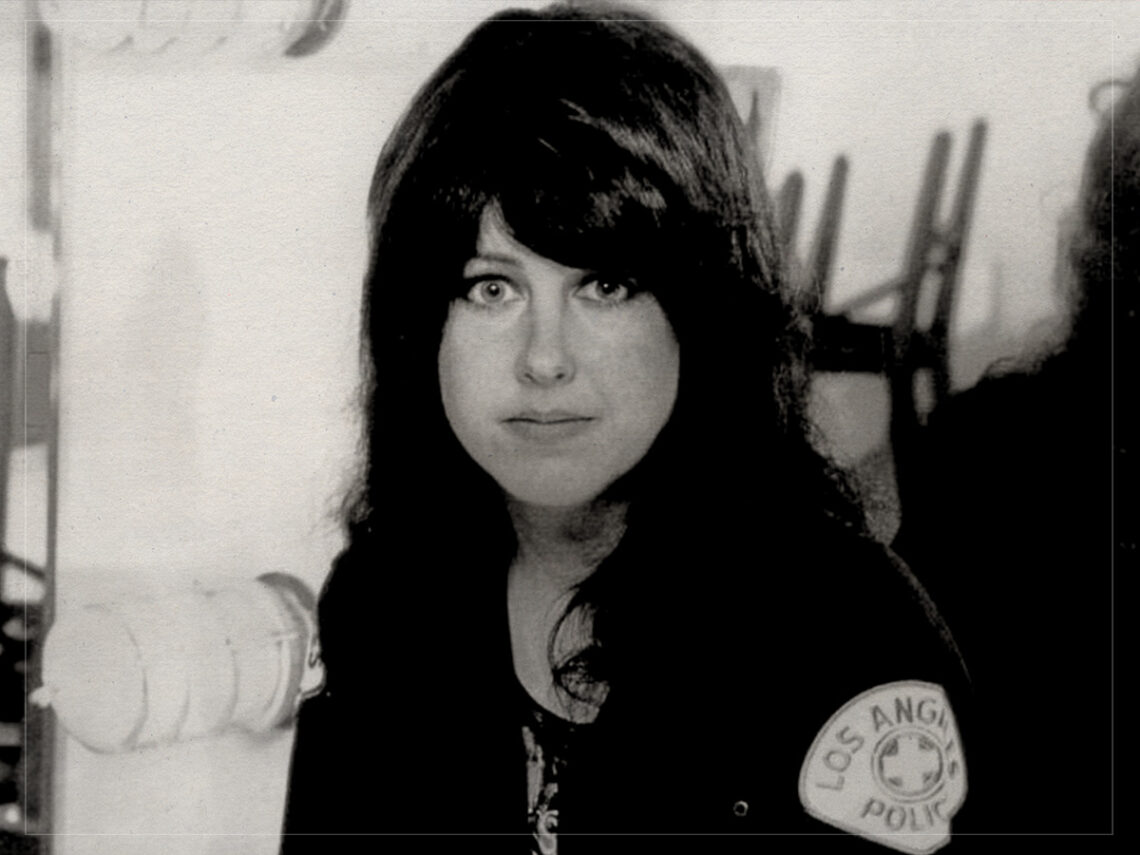
“Separate having orgies from doing business”: Grace Slick’s Altamont regret

Grace Slick can count herself as fronting the only band that took the stage at all three of the 1960s’ most famous and infamous festivals of the US counterculture.
Across the Monterey International Pop Festival and Woodstock Music and Art Fair, Jefferson Airplane enjoyed prominent billing among the era’s most lauded rock names of the turbulent decade. They were West Coast royalty. Capturing the lysergic upheaval of the peace and love generation, the San Francisco psychedelic ensemble grew to stand as authorities on the whole free festival gig, standing aside fellow Bay Area noodlers Grateful Dead as perennial booking for various benefit shows and ticketless events in the city’s Golden Gate Park.
So when The Rolling Stones had the bright idea of their own countercultural happening, naturally, Slick’s services were sought out by the world’s biggest rock band. There was some trepidation. As she and Jefferson Airplane rhythm guitarist Paul Kantner travelled to the UK for a meeting with Mick Jagger, Slick had visions of being greeted with a Caligulan spectacle of sexual debauchery and free-flowing heroin, a level of hedonism Slick had no interest in partaking. It turned out Jagger couldn’t have been more of an English gentleman.
“I walked into Mick’s flat, and it looked like my parents’ home: Oriental rugs, Edwardian furniture, well kept,” Slick reflected to Rolling Stone in 2014. “I was perfectly at home – it really was like visiting my parents. He was in a three-piece suit and served us tea, and we talked about how to put this thing on. When he does business, he does business. He doesn’t screw around. He knows how to separate having orgies from doing business.”
The Stones were eager to put on a free show. Grumbles were had over the ticket prices for their 1969 US Tour, and Jagger knew a Woodstock under their headliner might just ward off the bad feelings circling around the hippy cohort. Jefferson Airplane was instrumental to the eventual Altamont Speedway Free Festival, the seeds of the event potentially stretching back to drummer Spencer Dryden before even the Stones had made plans in earnest.
Eventually, the two bands joined forces to pick a spot on the West for the live jamboree, each location falling through before accepting California’s Altamont Speedway out of desperation.
It was Slick and Kantner’s idea to recruit the Hells Angels biker gang as security, after they’d been effective and without trouble during their Golden Gate Park shows. “They never hurt anybody,” Slick thought at the time. “And they were good at it because people were afraid of them. So we said, ‘We’ll get the Hells Angels to do security,’ and Jagger didn’t know and said OK. But it turned out to not be right.”
It would prove a spectacular mistake. Despite a winning bill featuring Crosby, Stills, Nash & Young, Santana, and The Flying Burrito Brothers, the drab environment, sloping hill toward the stage, and copious booze and cocaine shared among the Hells Angels sparked a deeply bad vibe. Before long, violence began to spill on and off stage. Marty Balin received a punch on stage after verbally abusing one of the biker gang, Stephen Stills was stabbed in the leg, and an upturned motorbike saw the Angels turn on the audience. The carnage got so bad that the Grateful Dead refused to even perform their slot.
Staking a nail in the coffin of the peace and love idyll, 18-year-old Meredith Hunter was fatally stabbed, and the Stones’ set was called off after about 30 mins. It spelt the end of the 1960s. From above, Jefferson Airplane witnessed the horror from their helicopter, “Paul was looking out the window and said, ‘Geez, it looks like somebody got shoved or stabbed down there’,” Slick recalled Kantner telling the band.
“And he was right. The guy died. It was not good all the way around.”
